
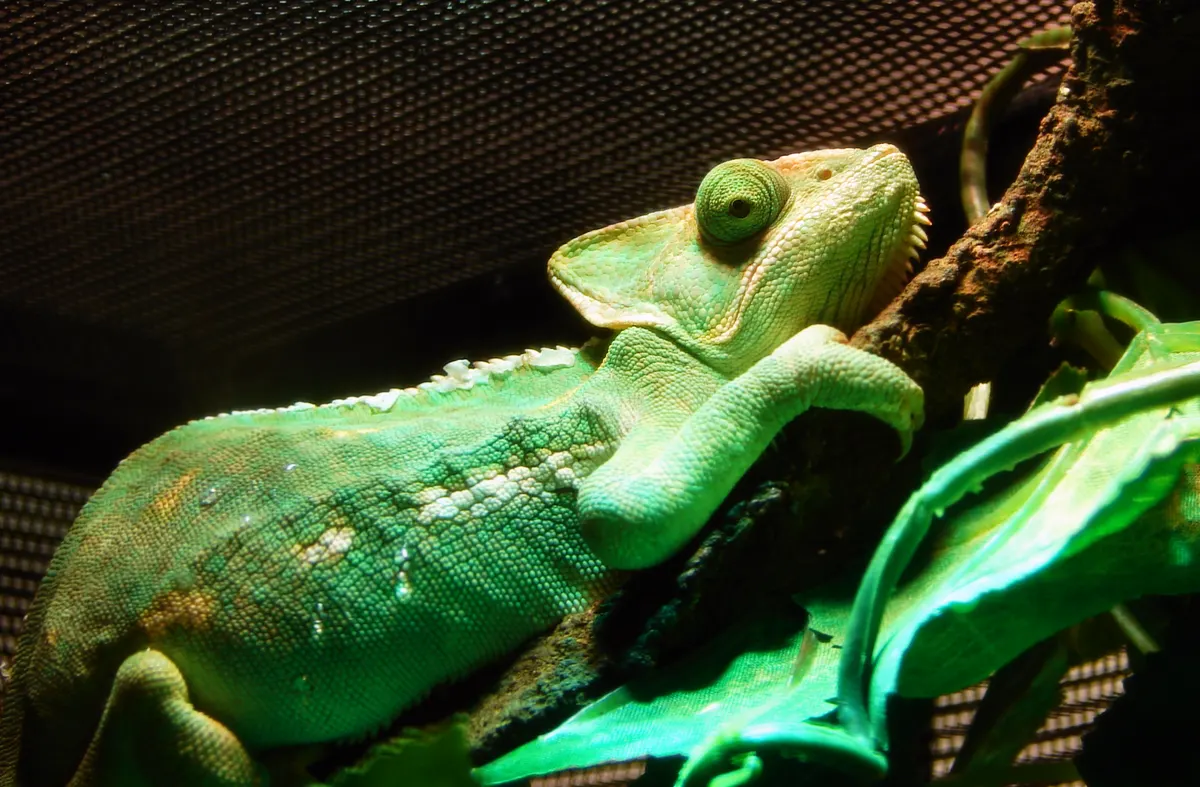
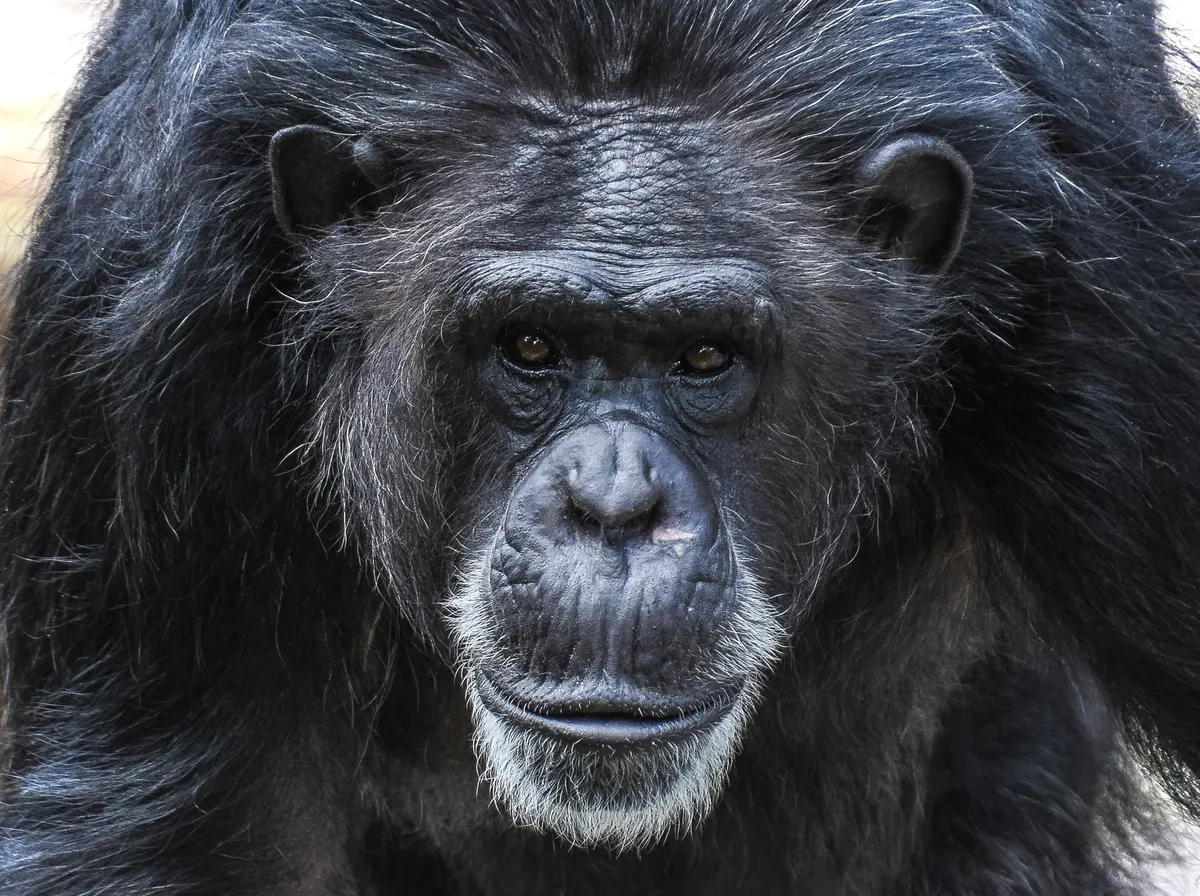
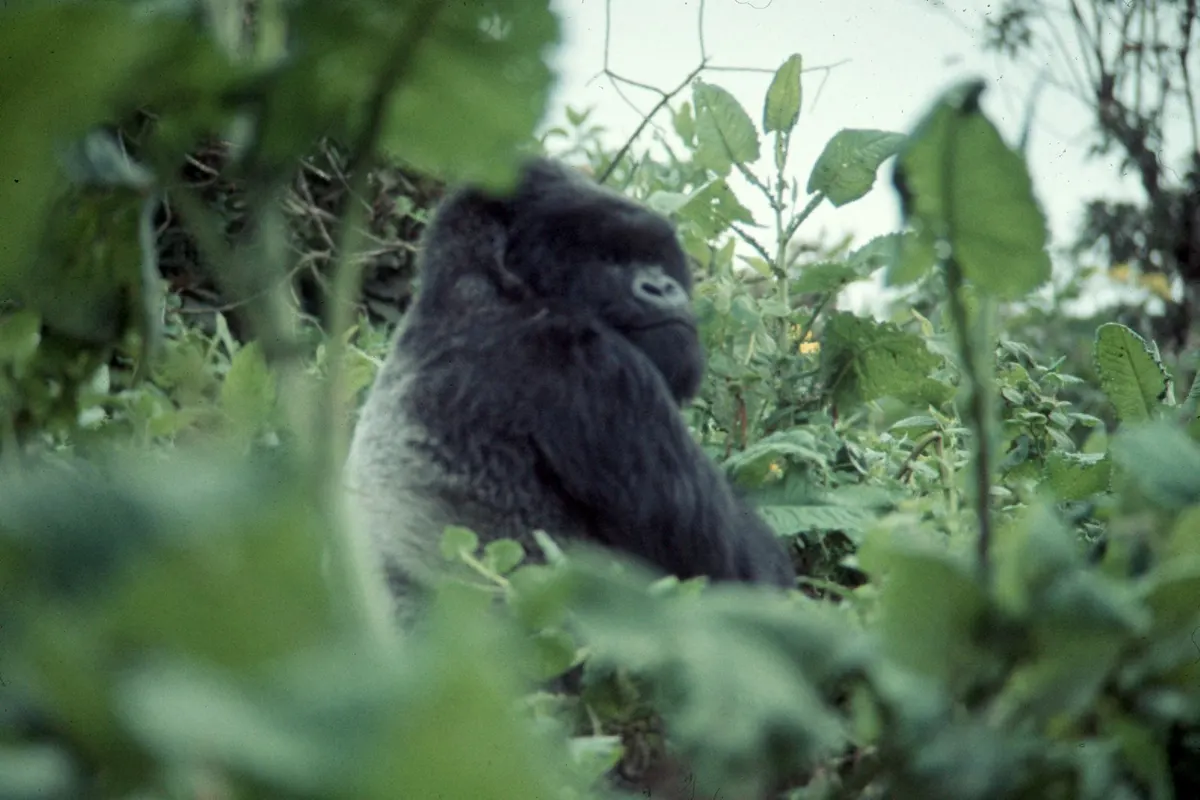
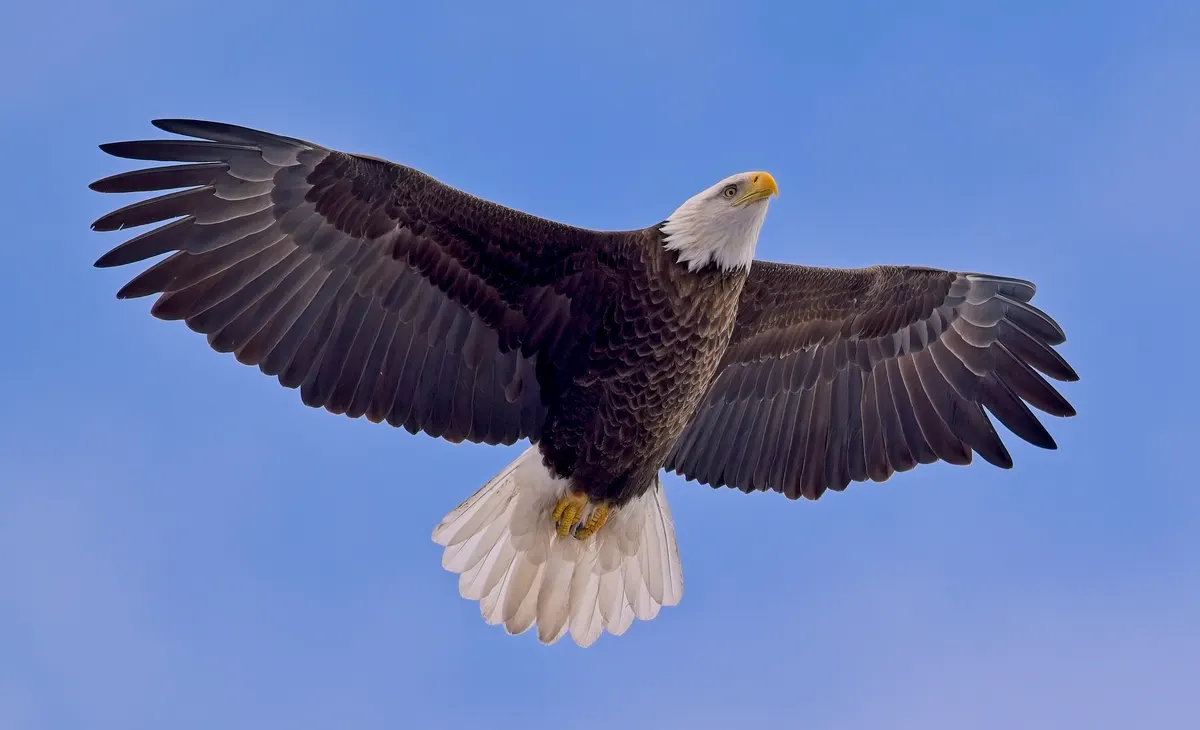
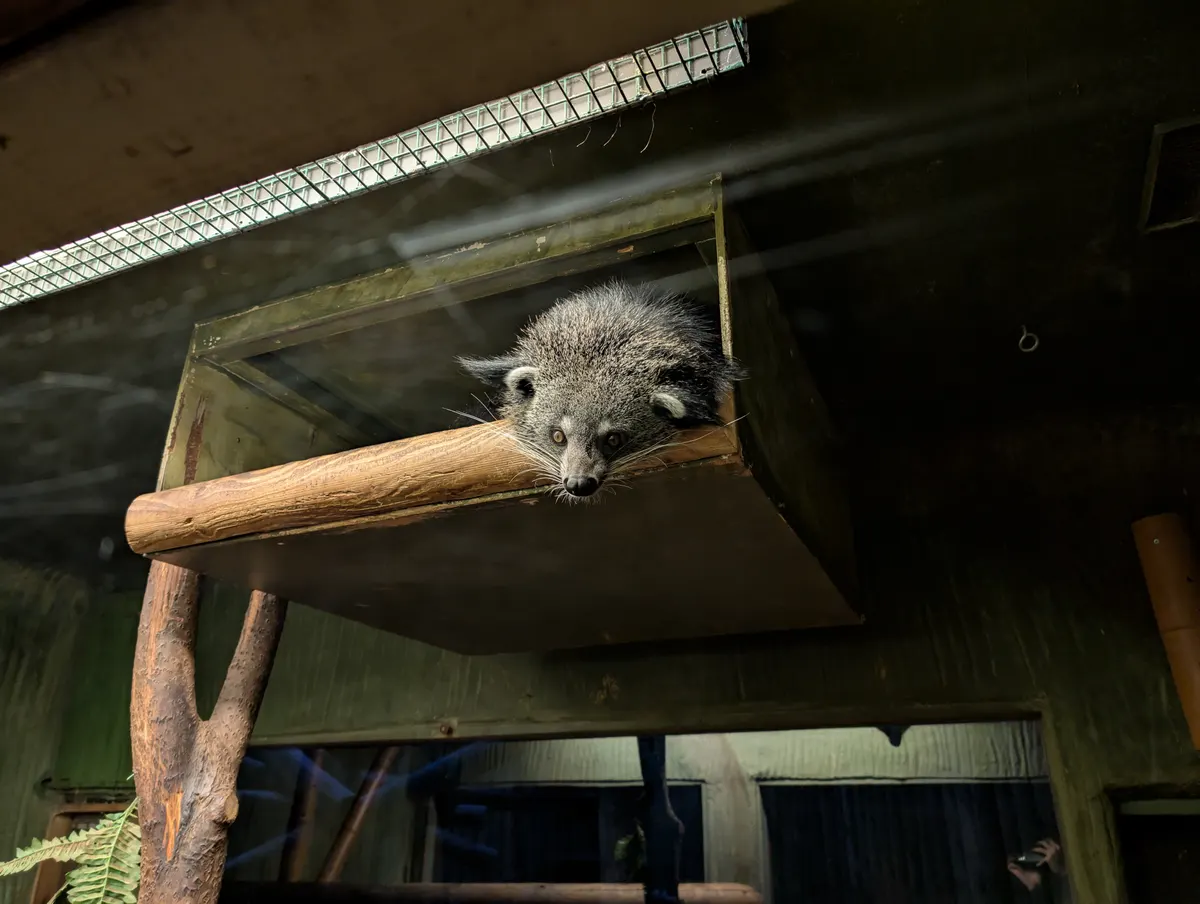
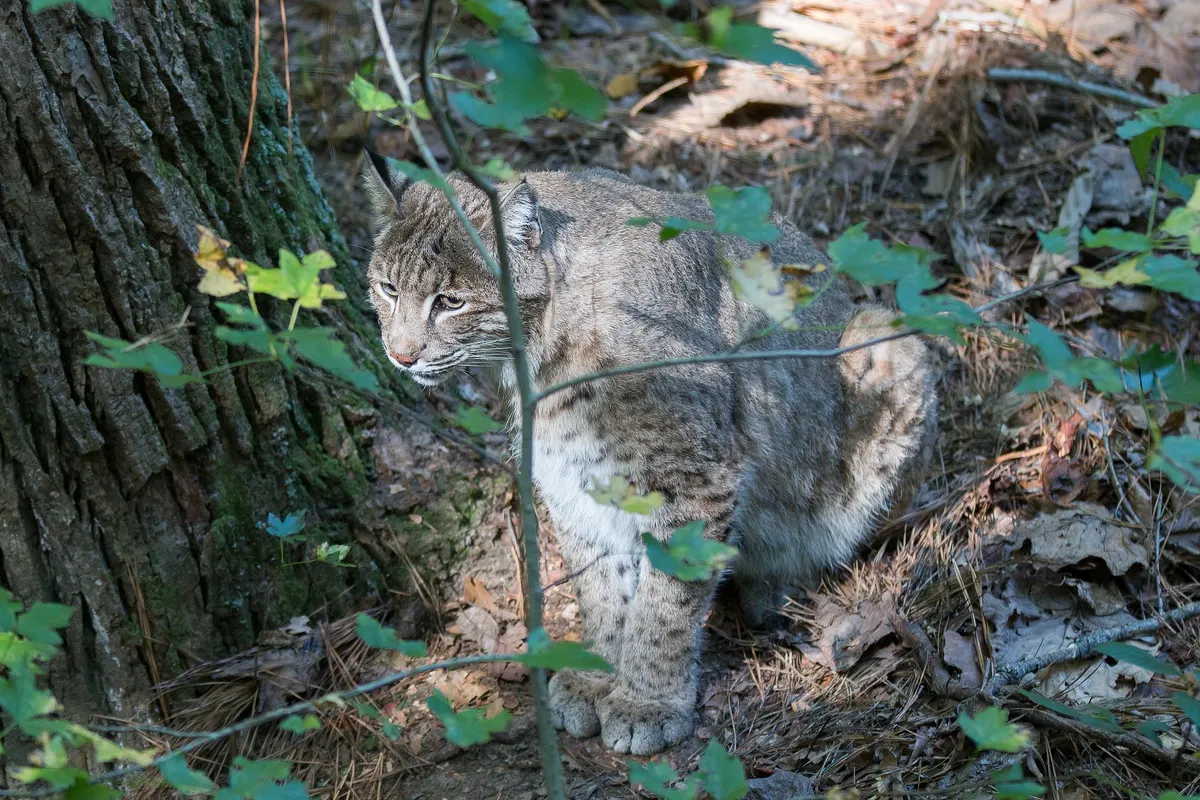
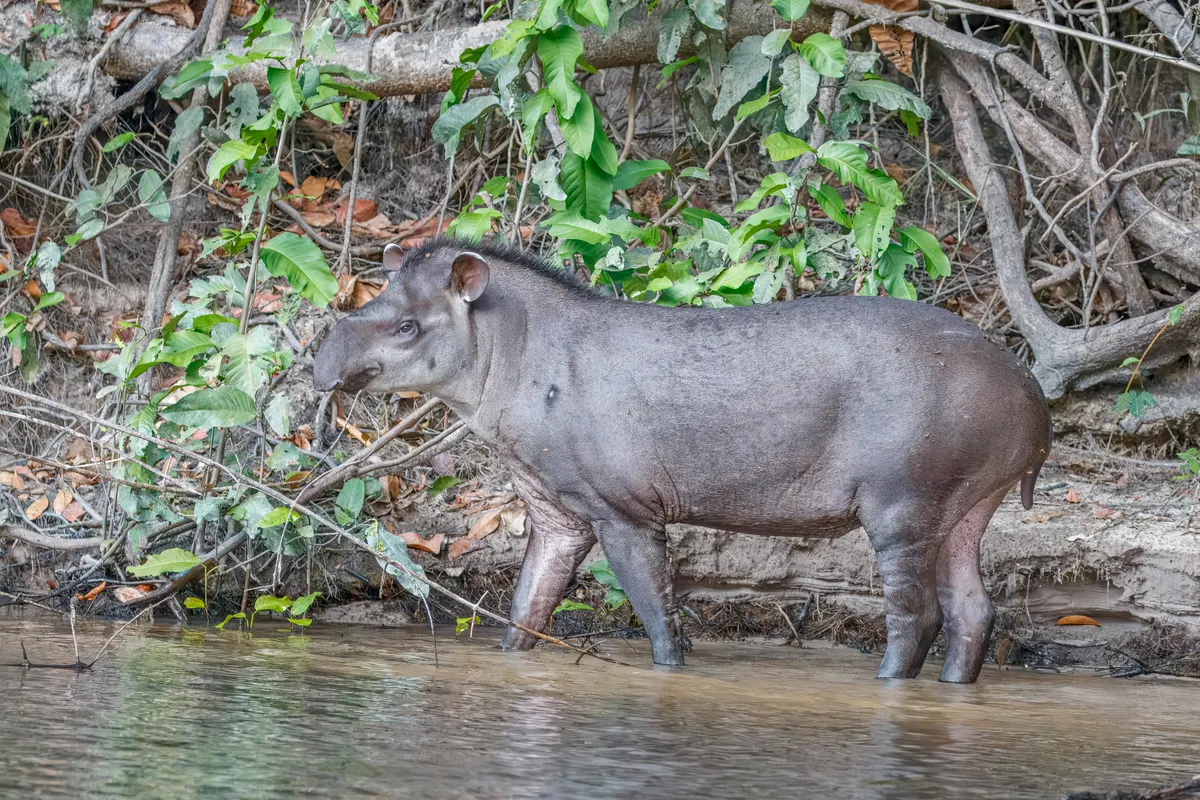
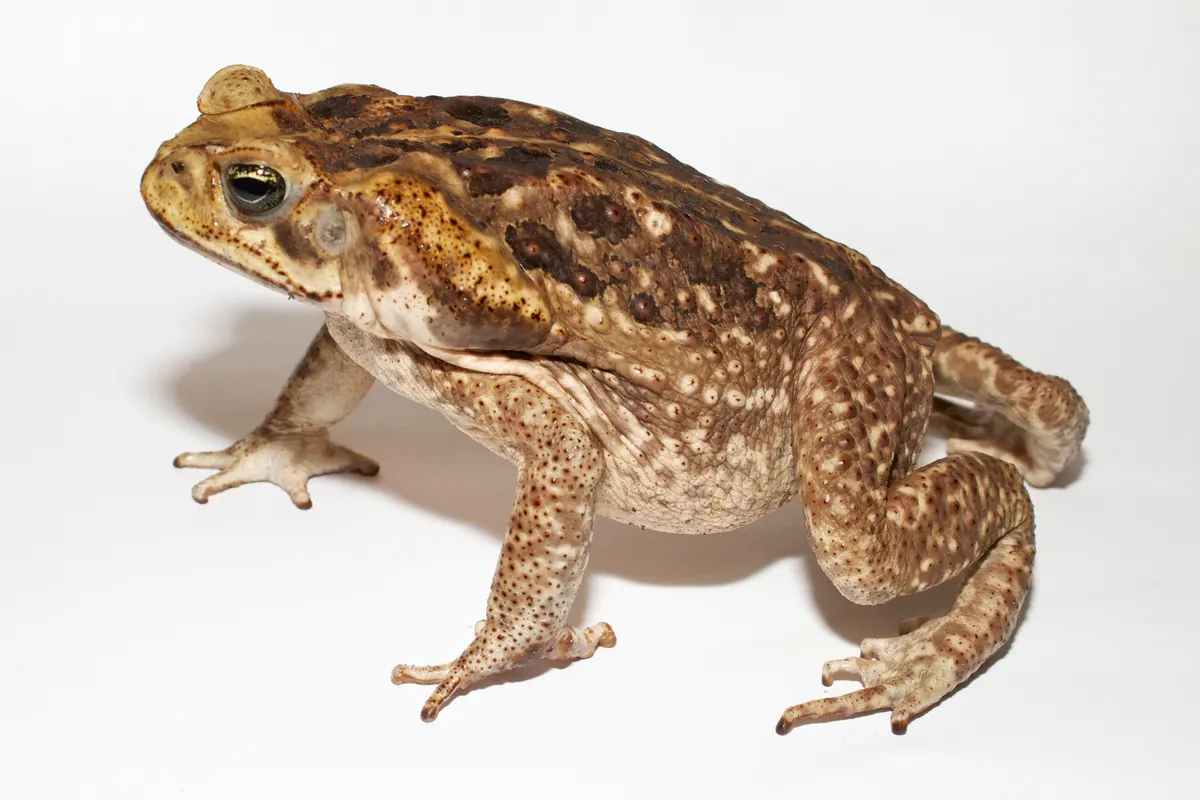
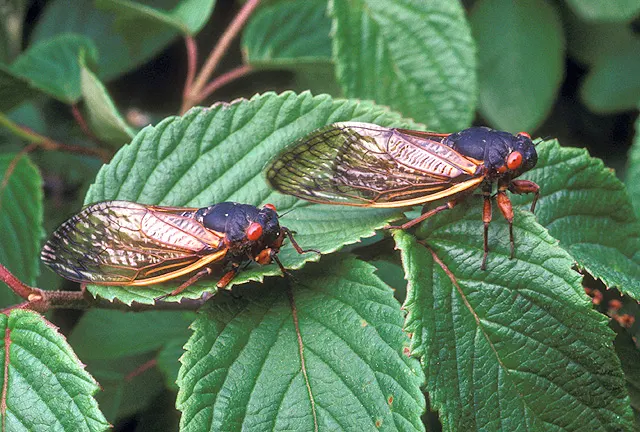
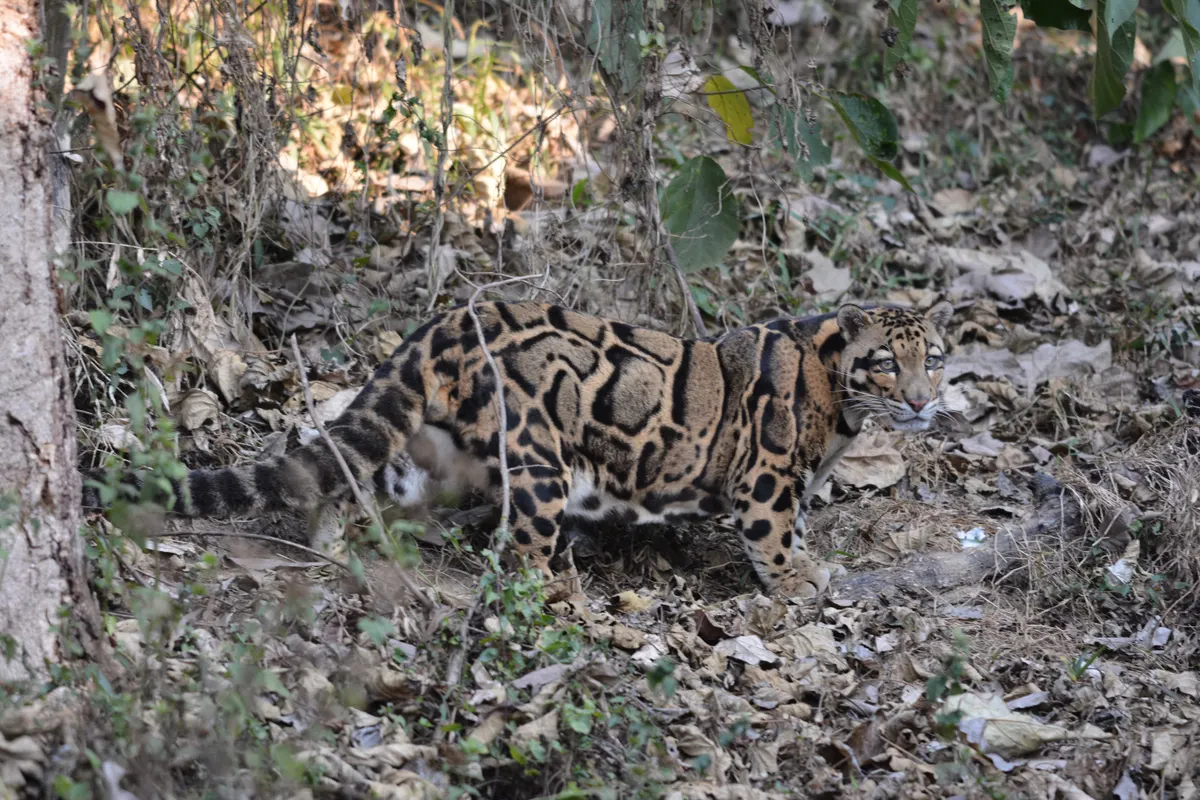
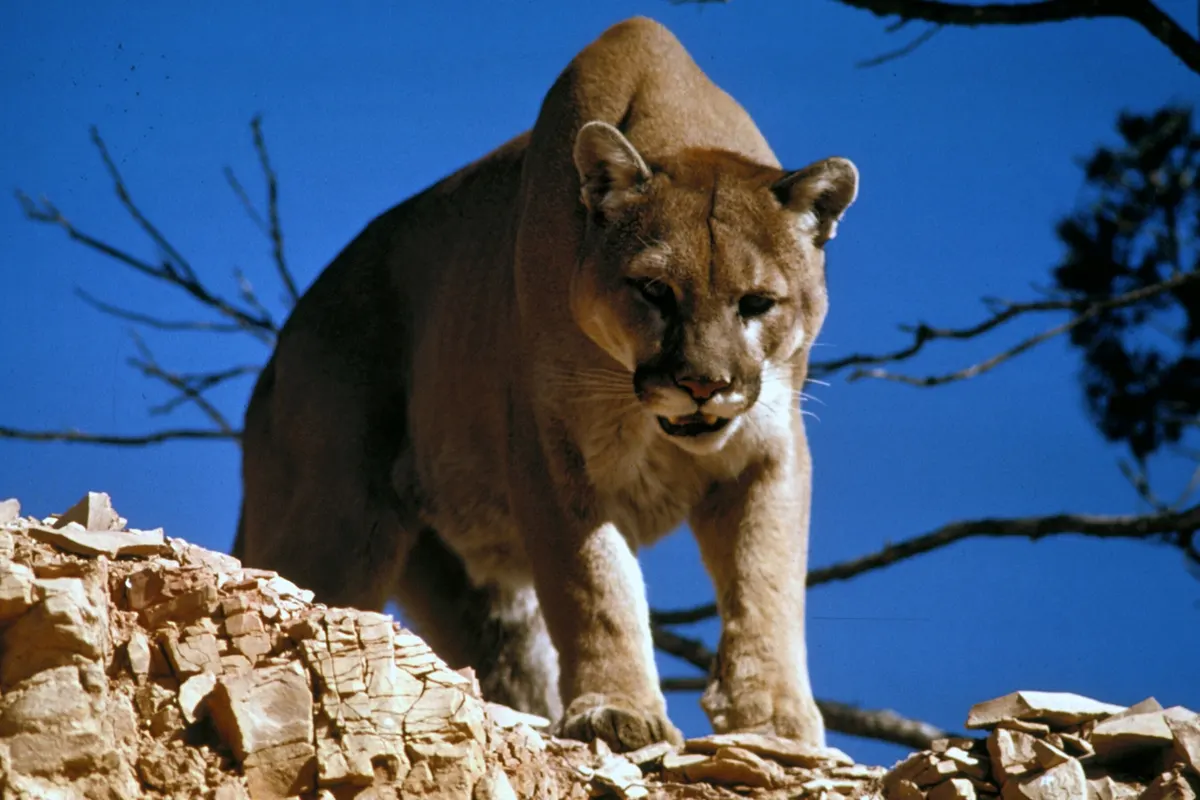
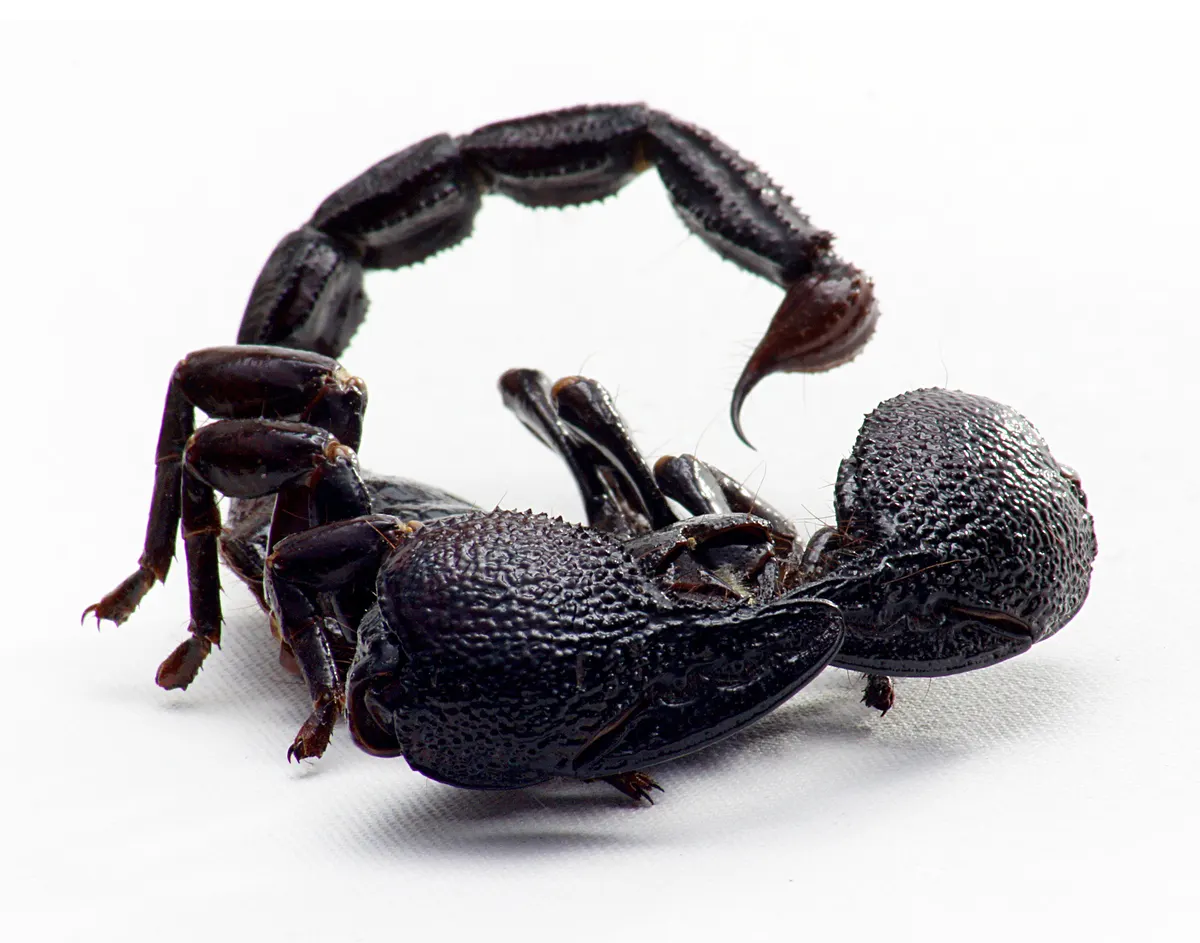
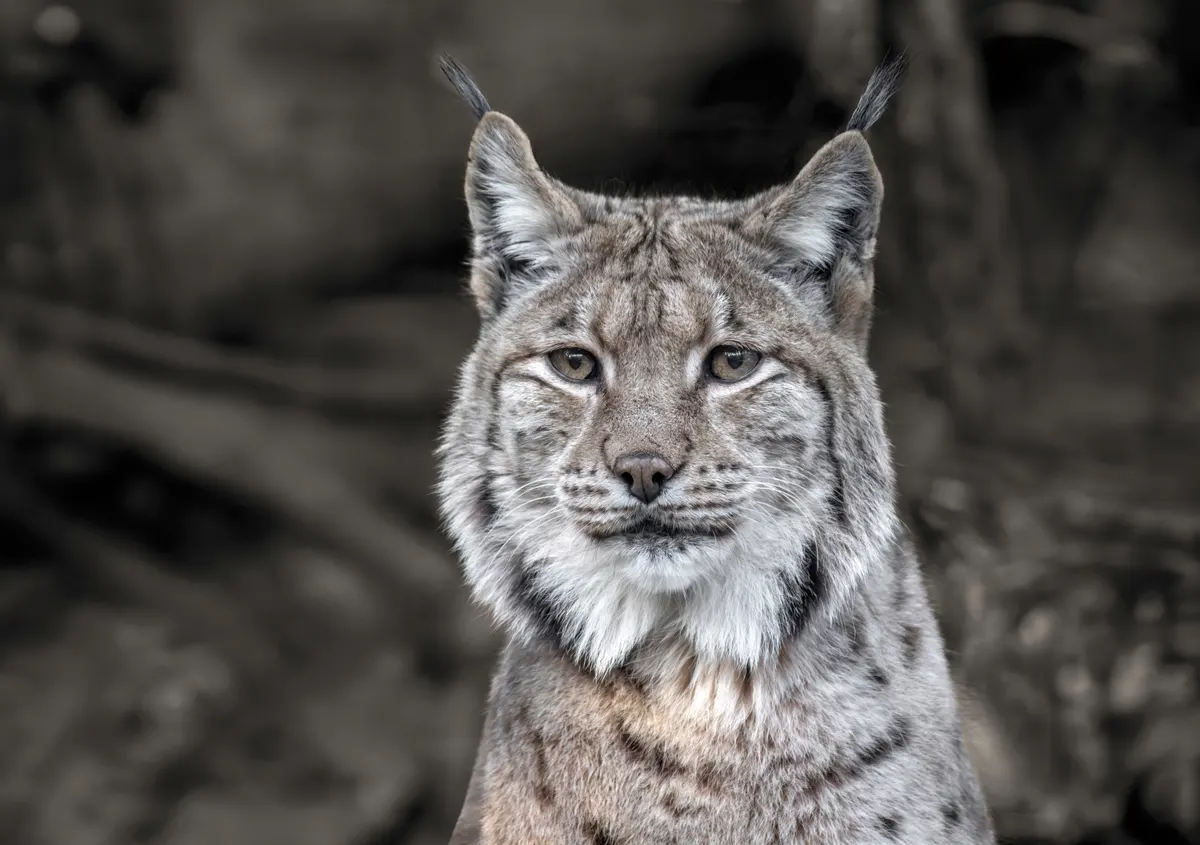
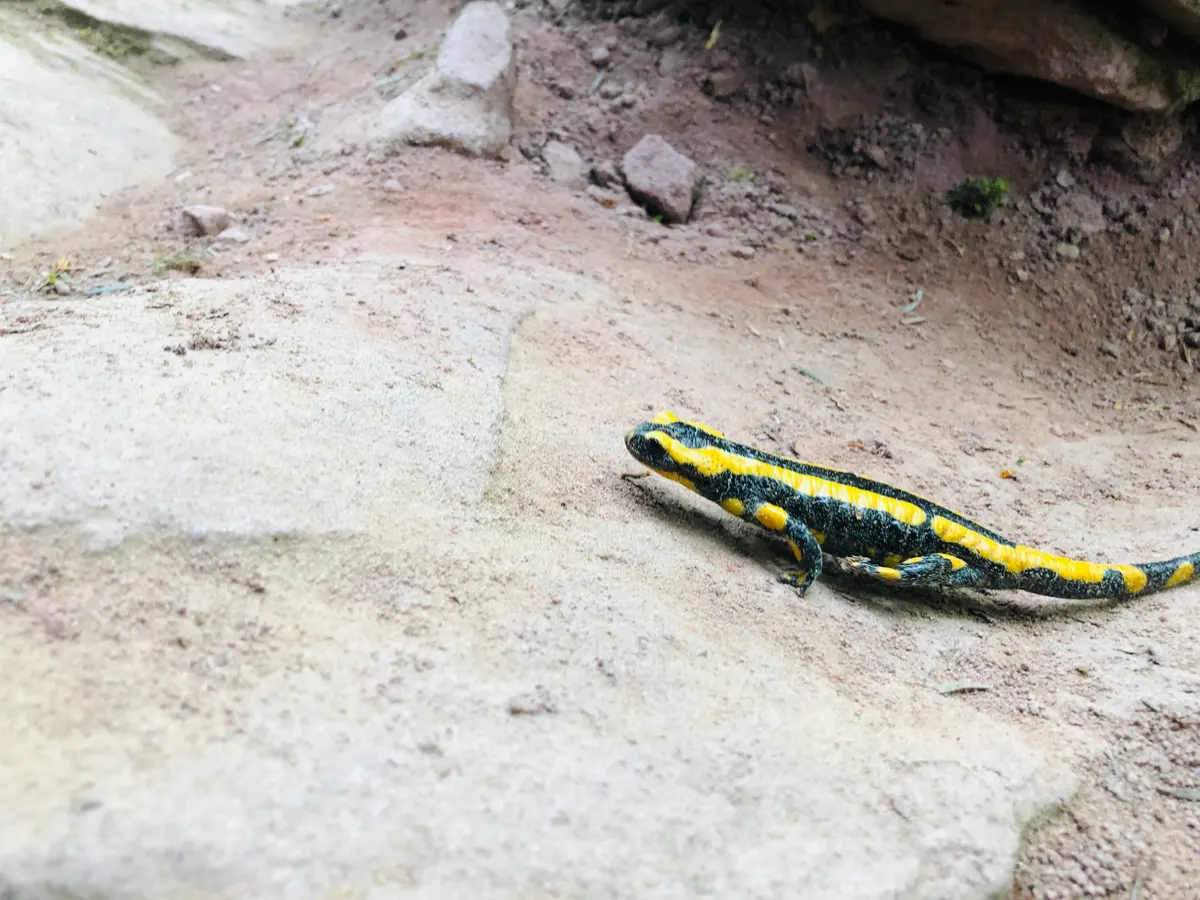
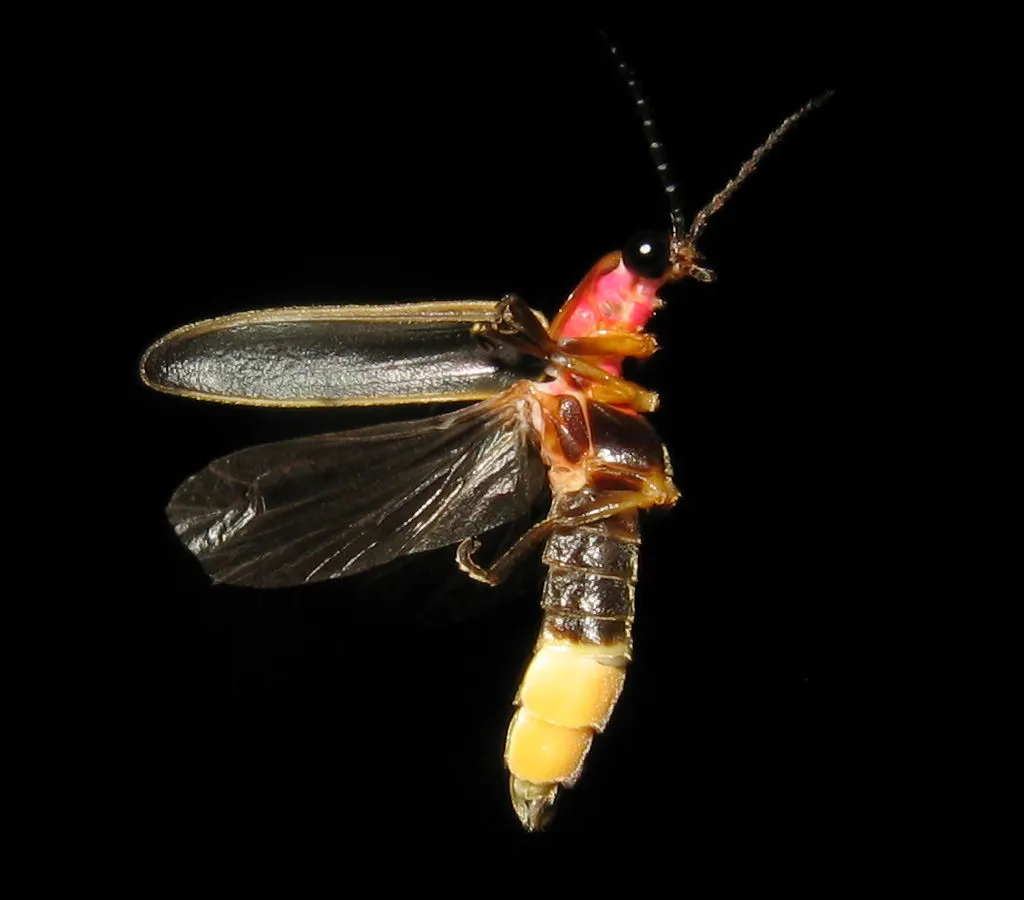
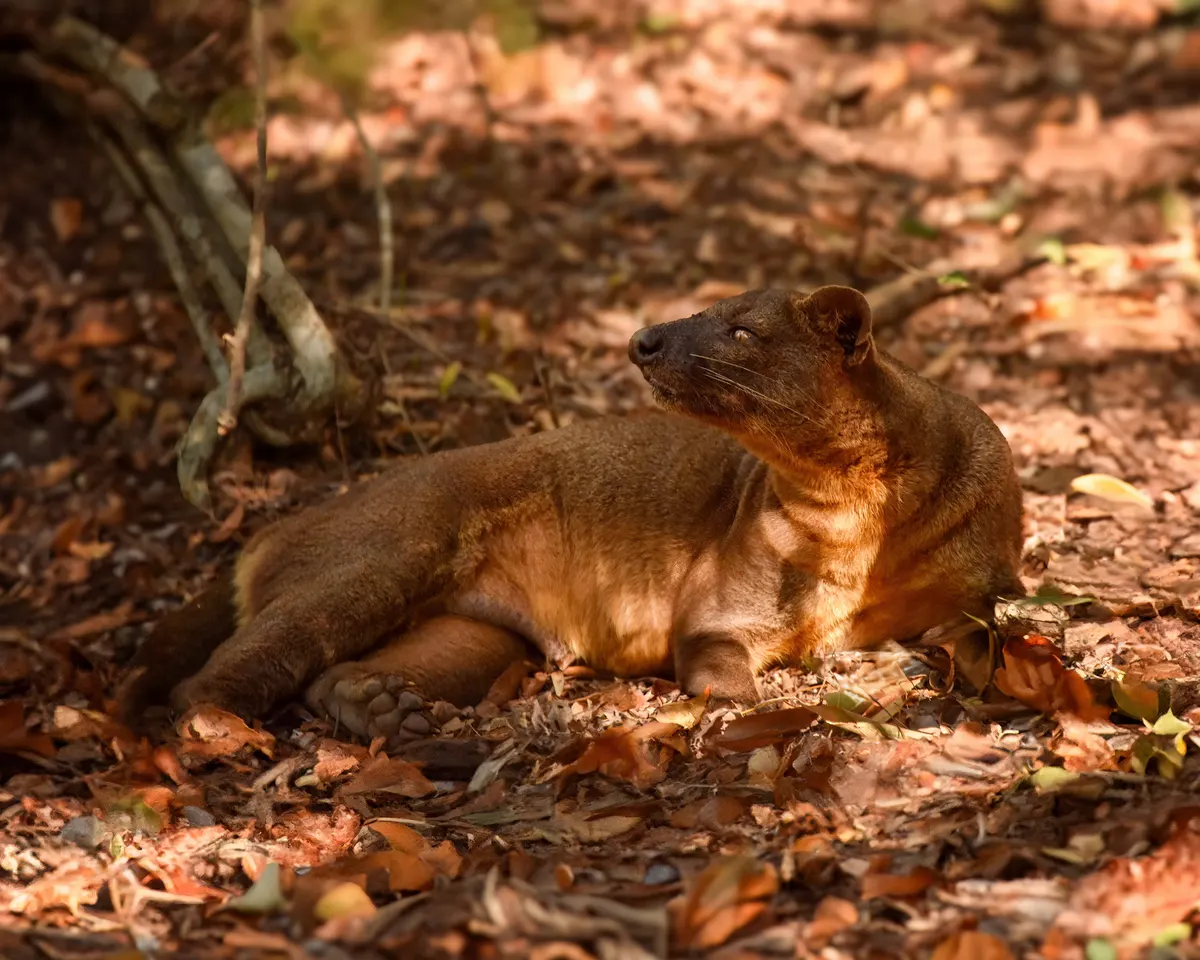
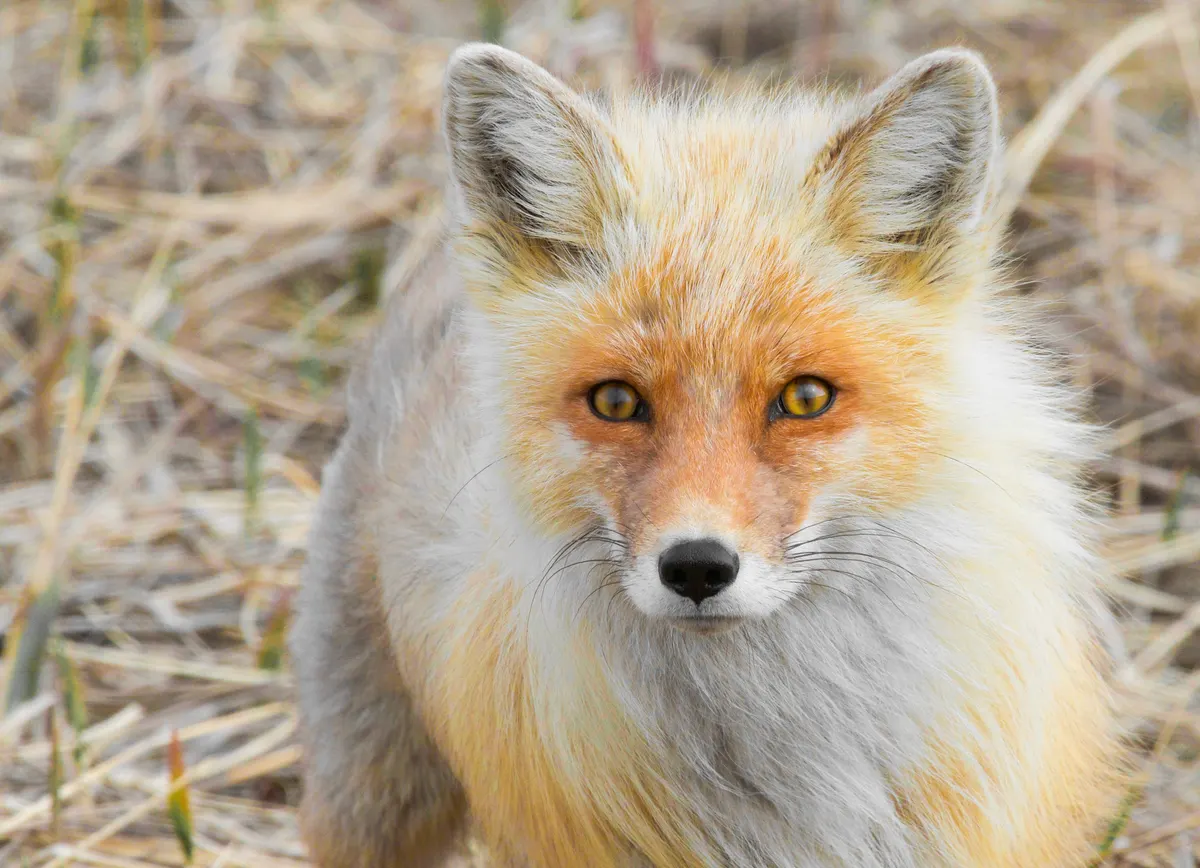
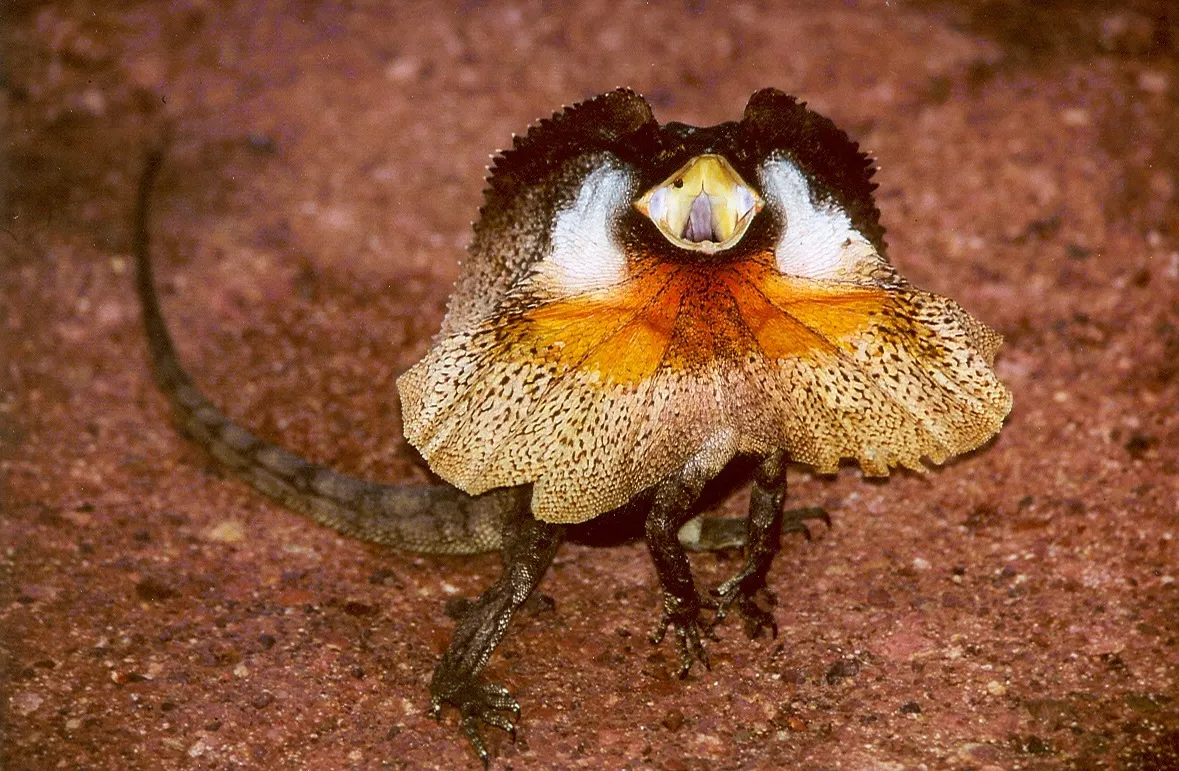
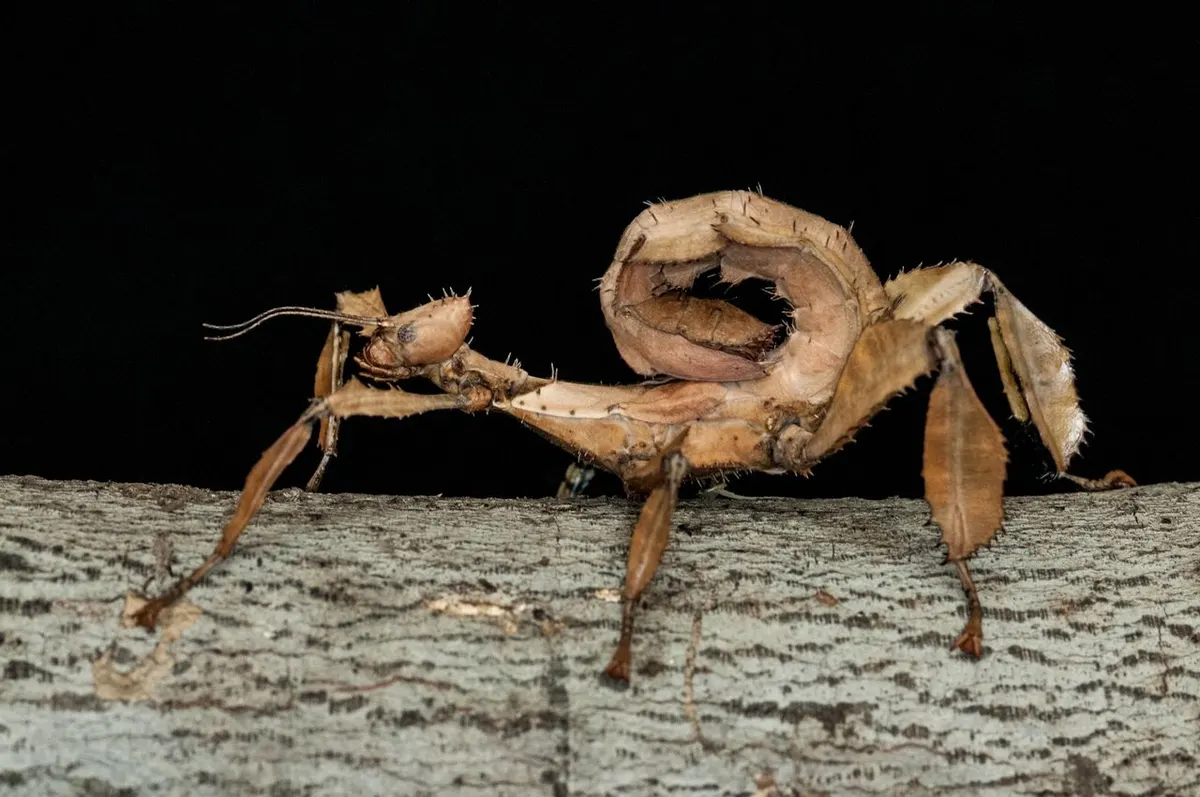
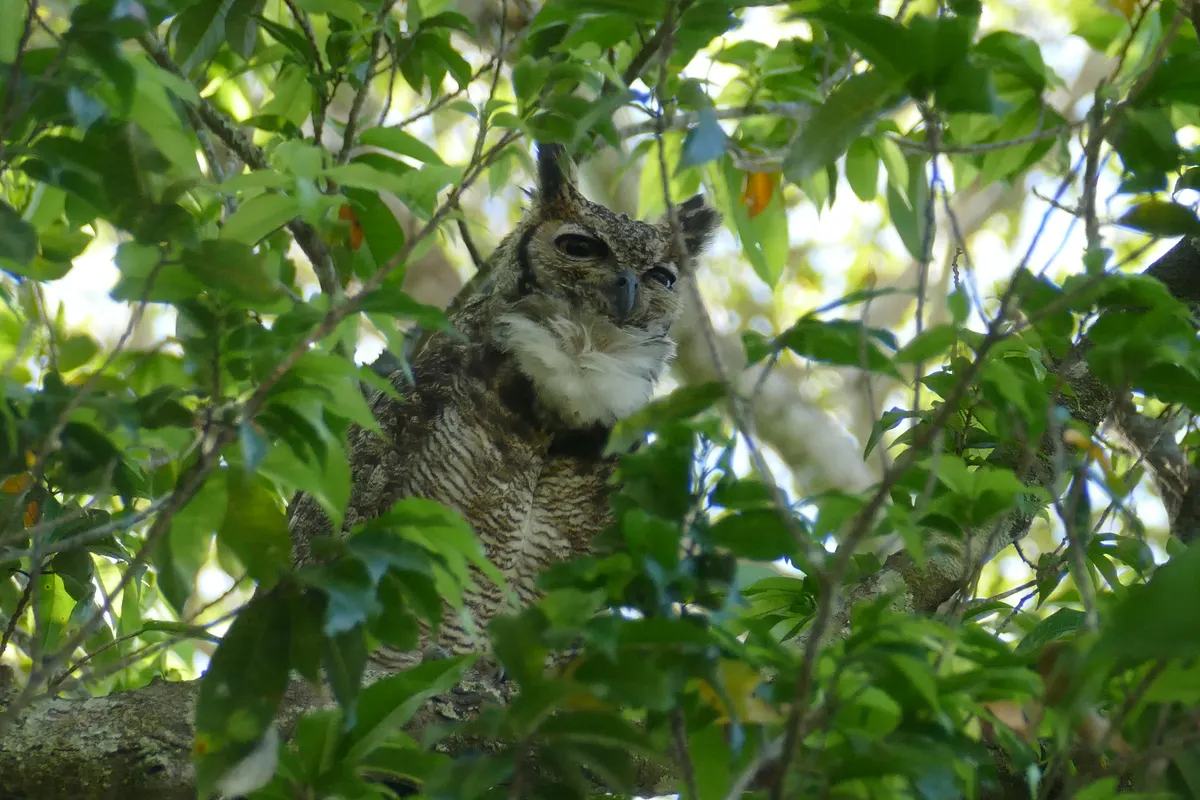
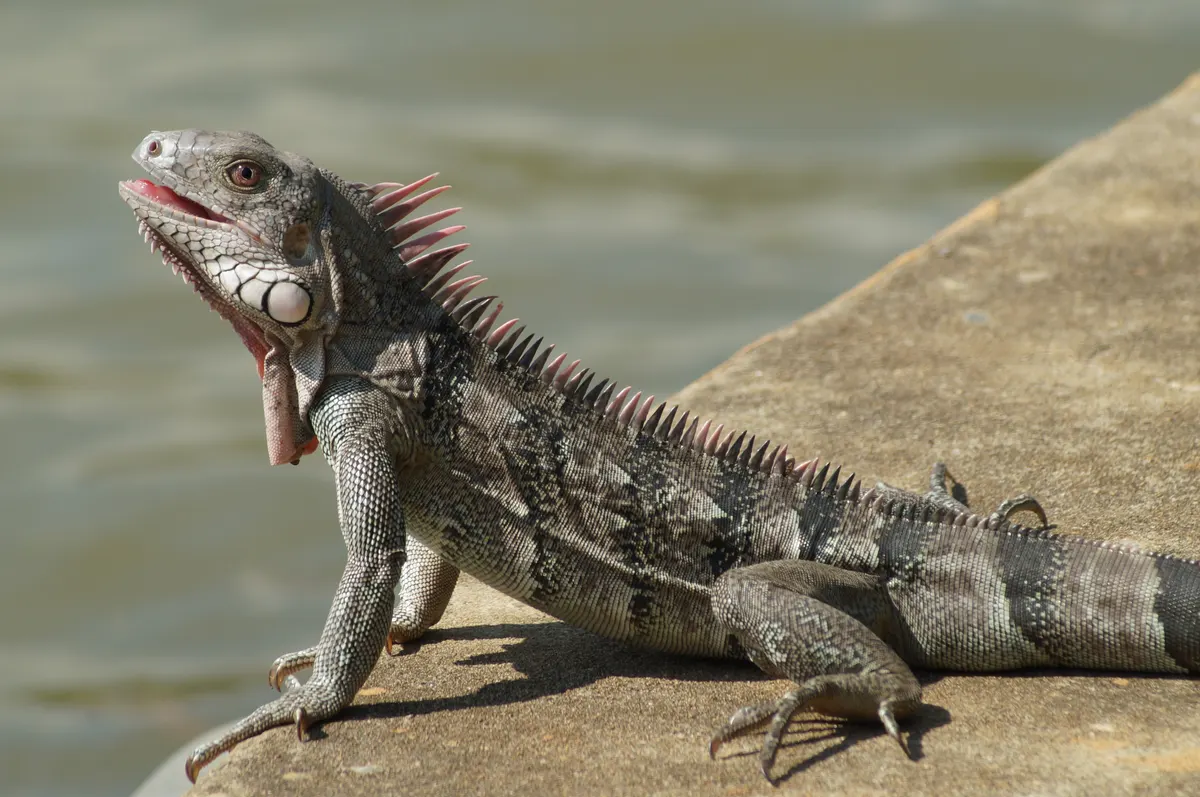
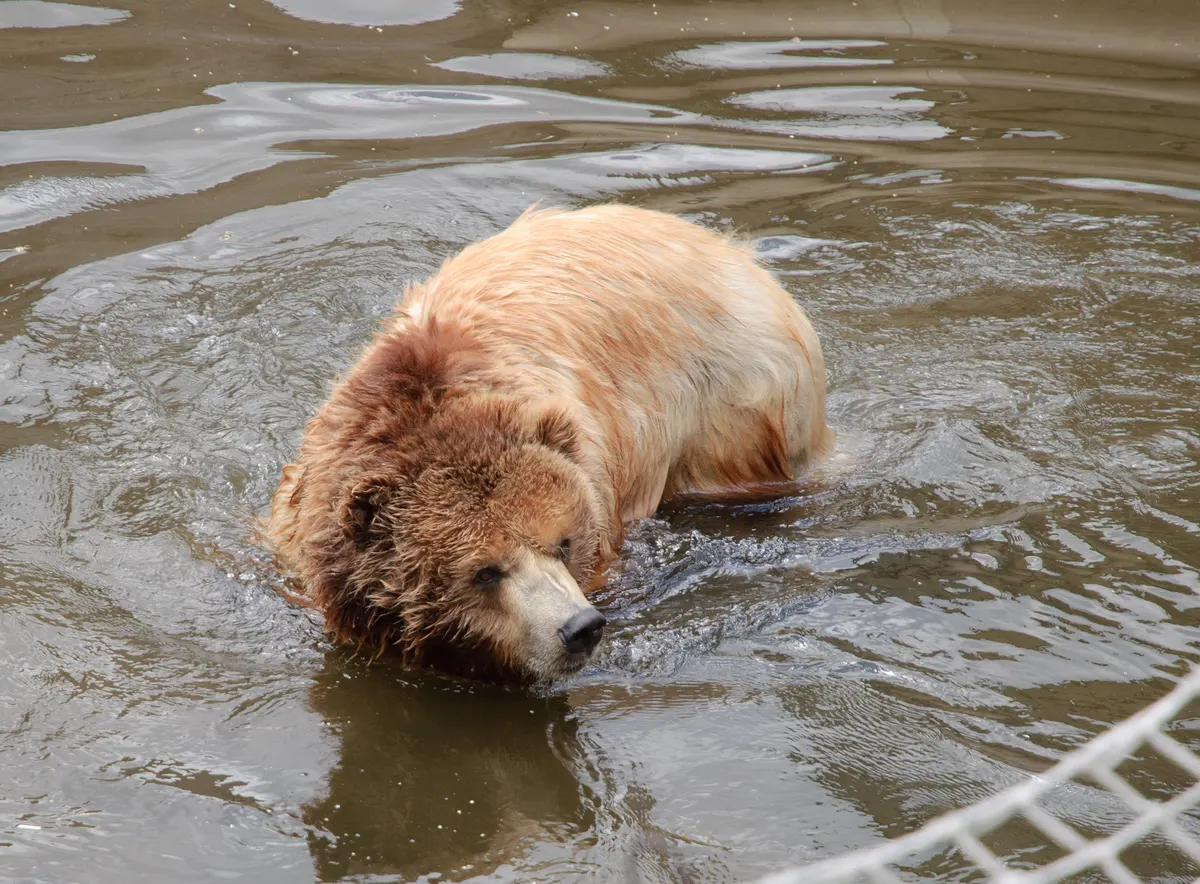
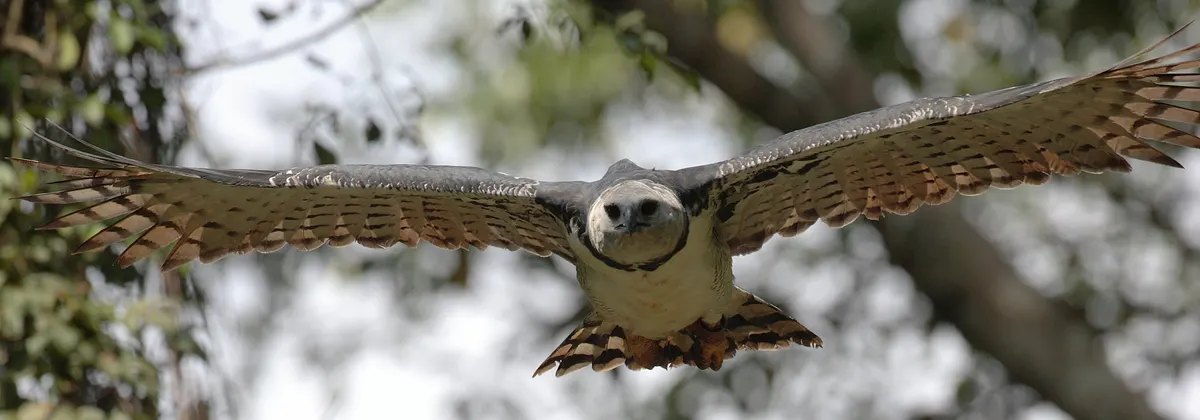
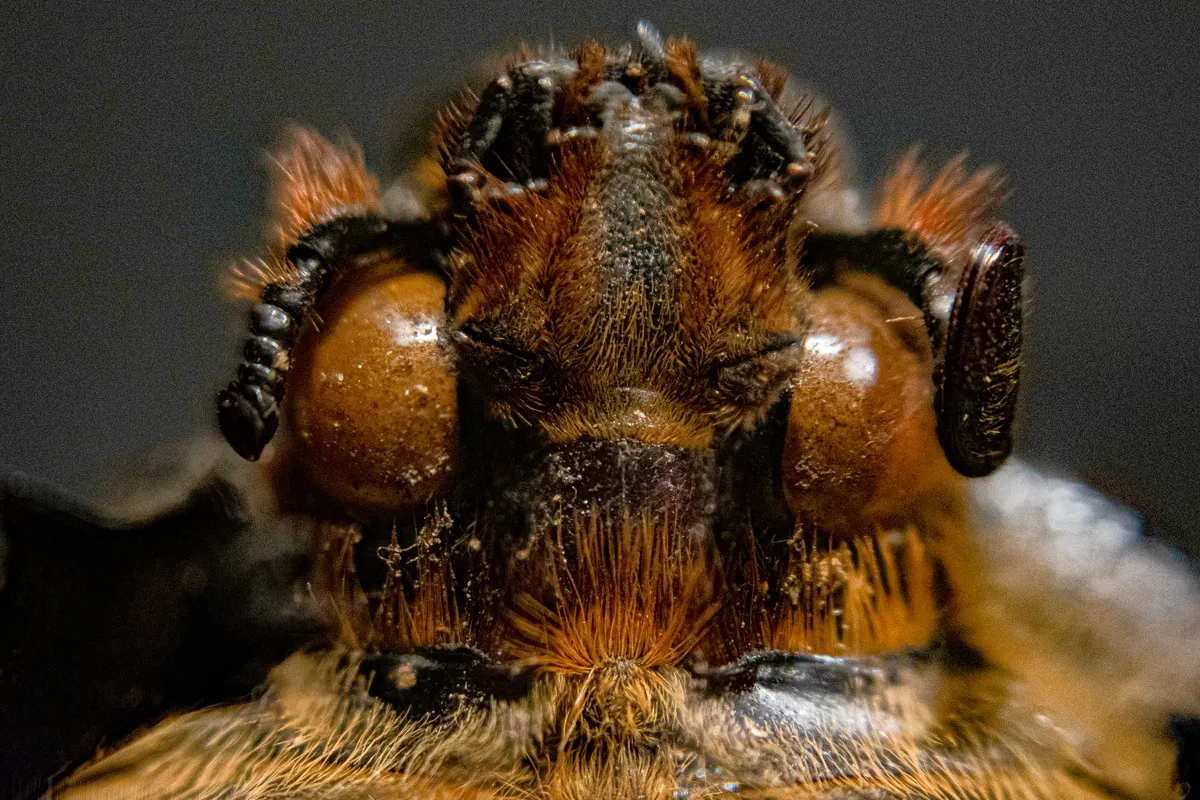
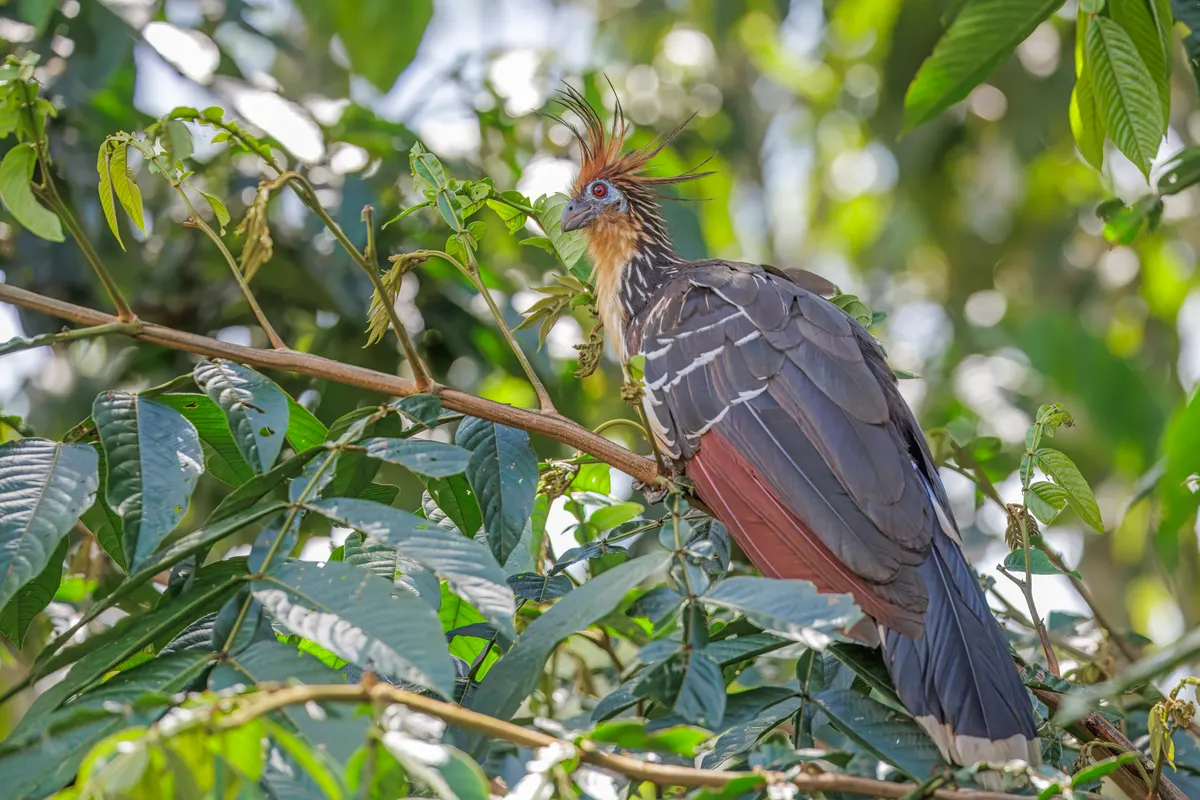
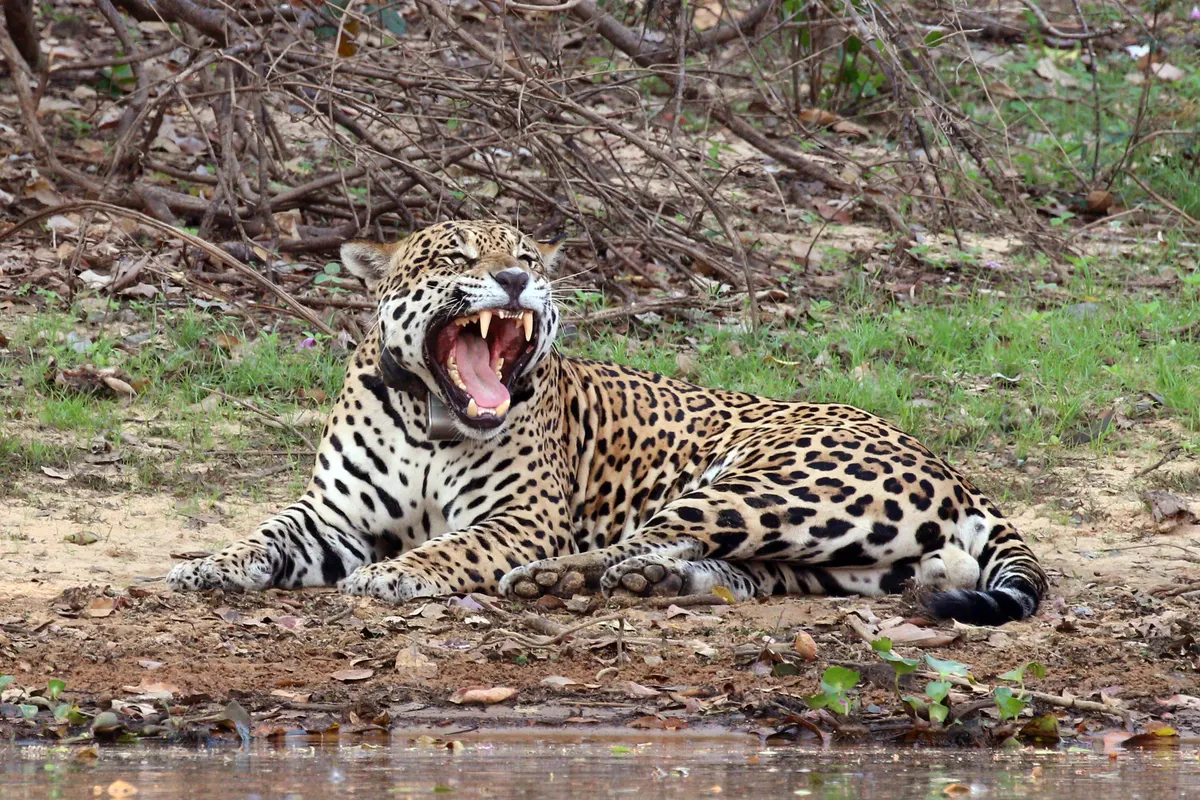
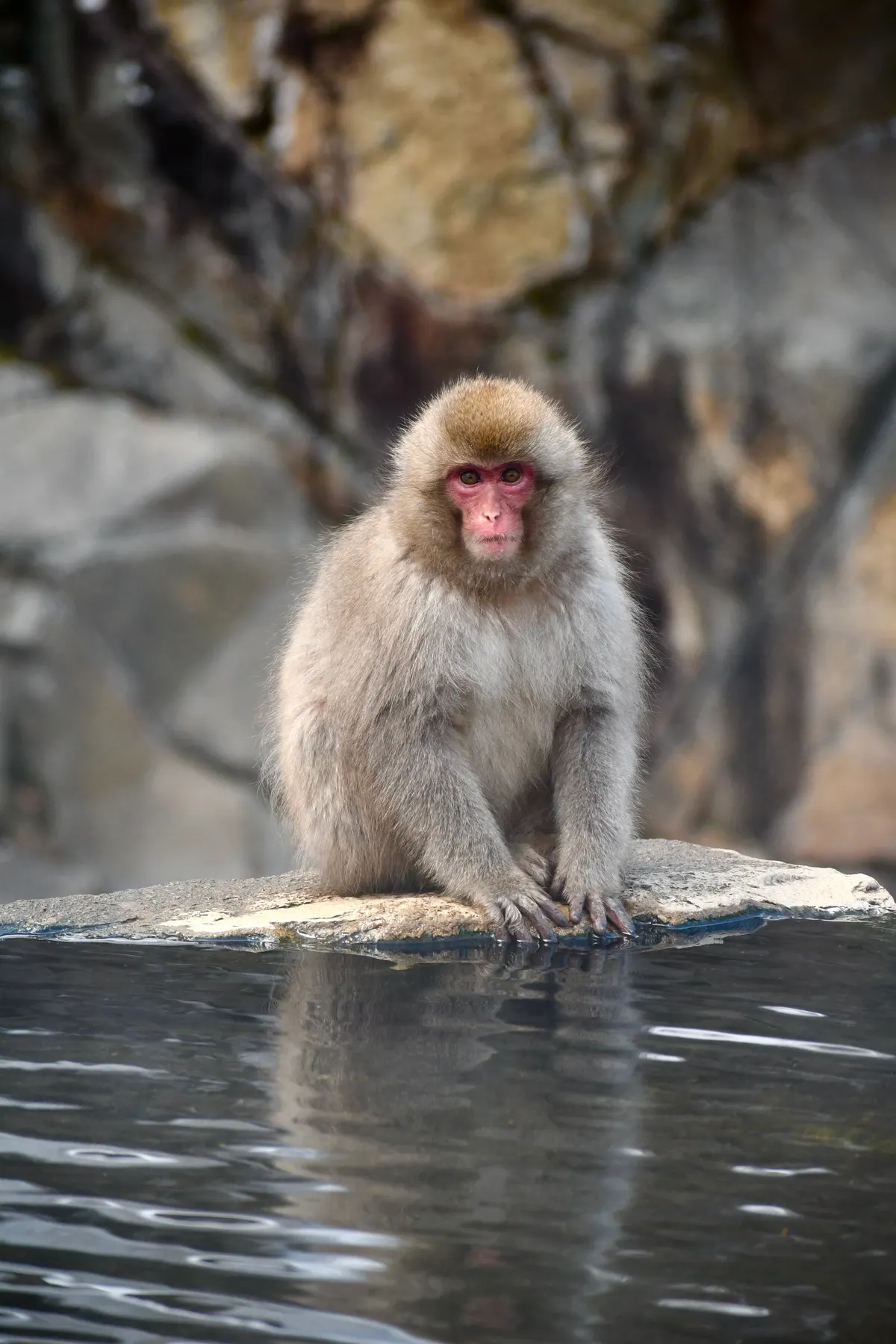
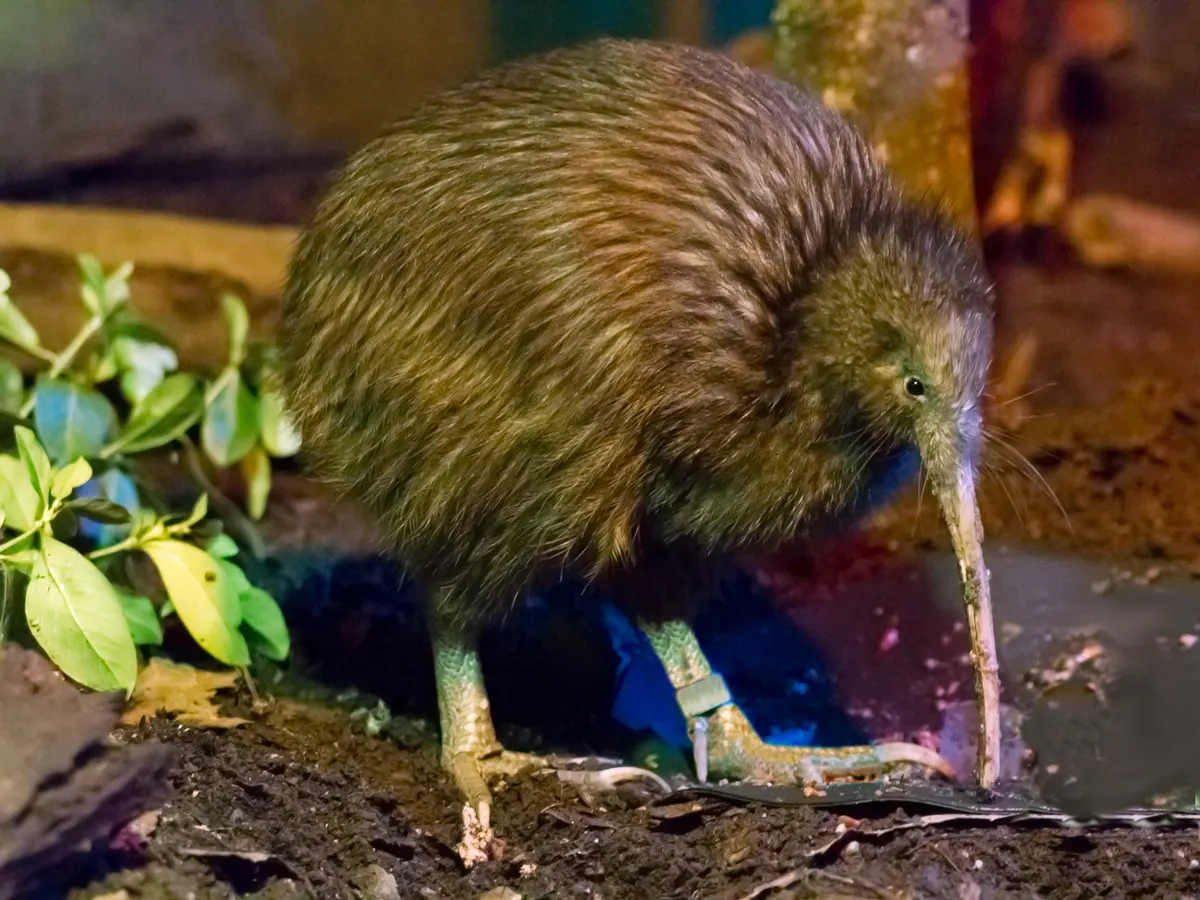
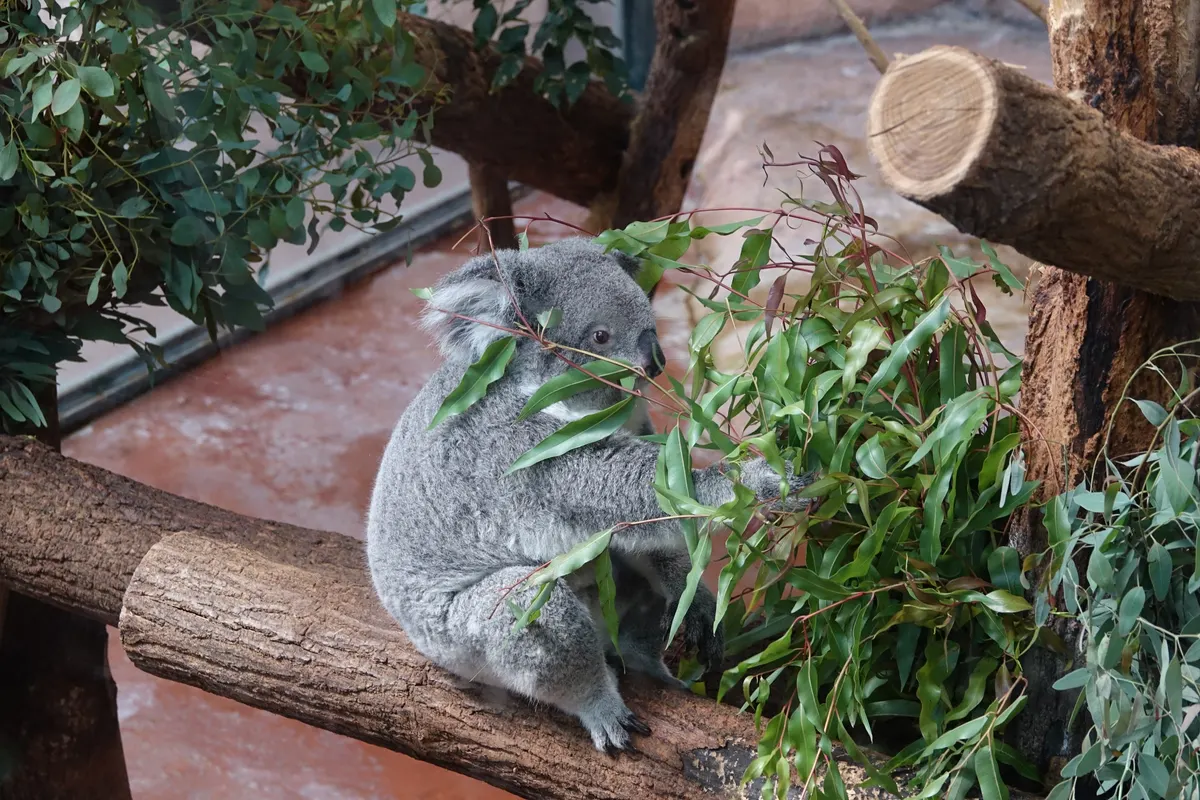
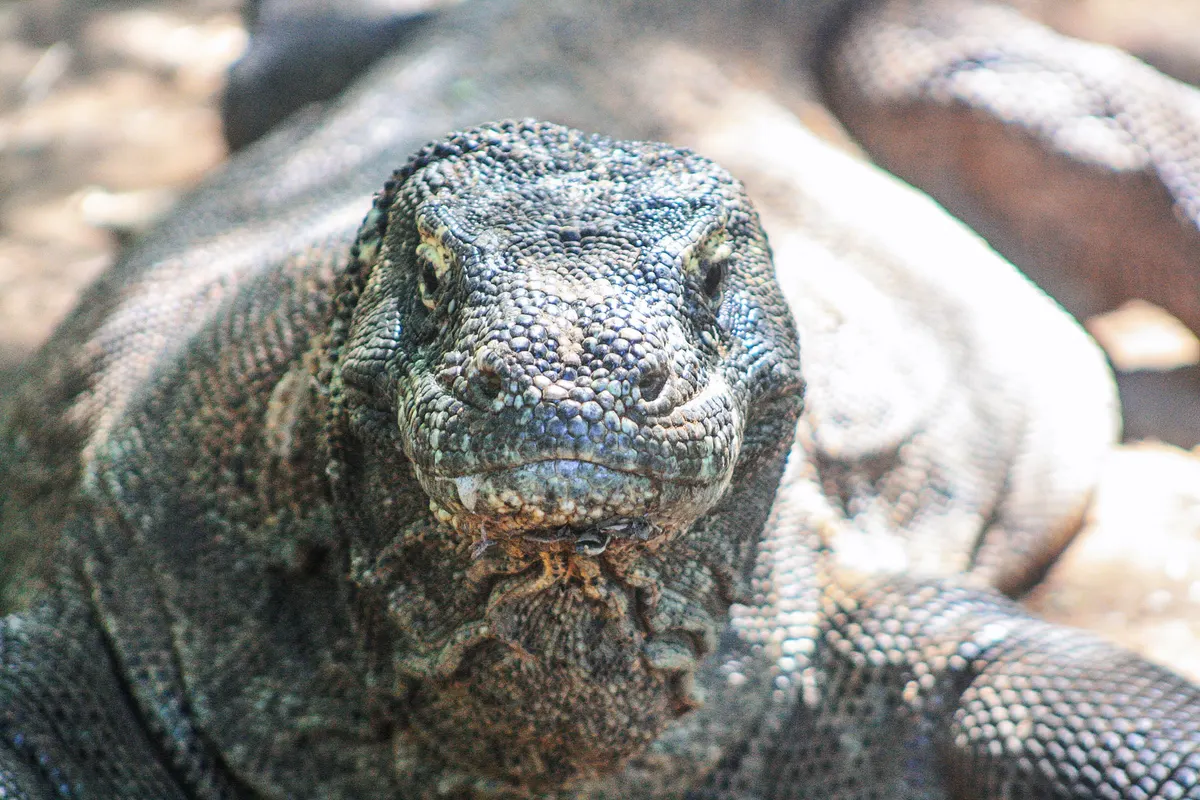
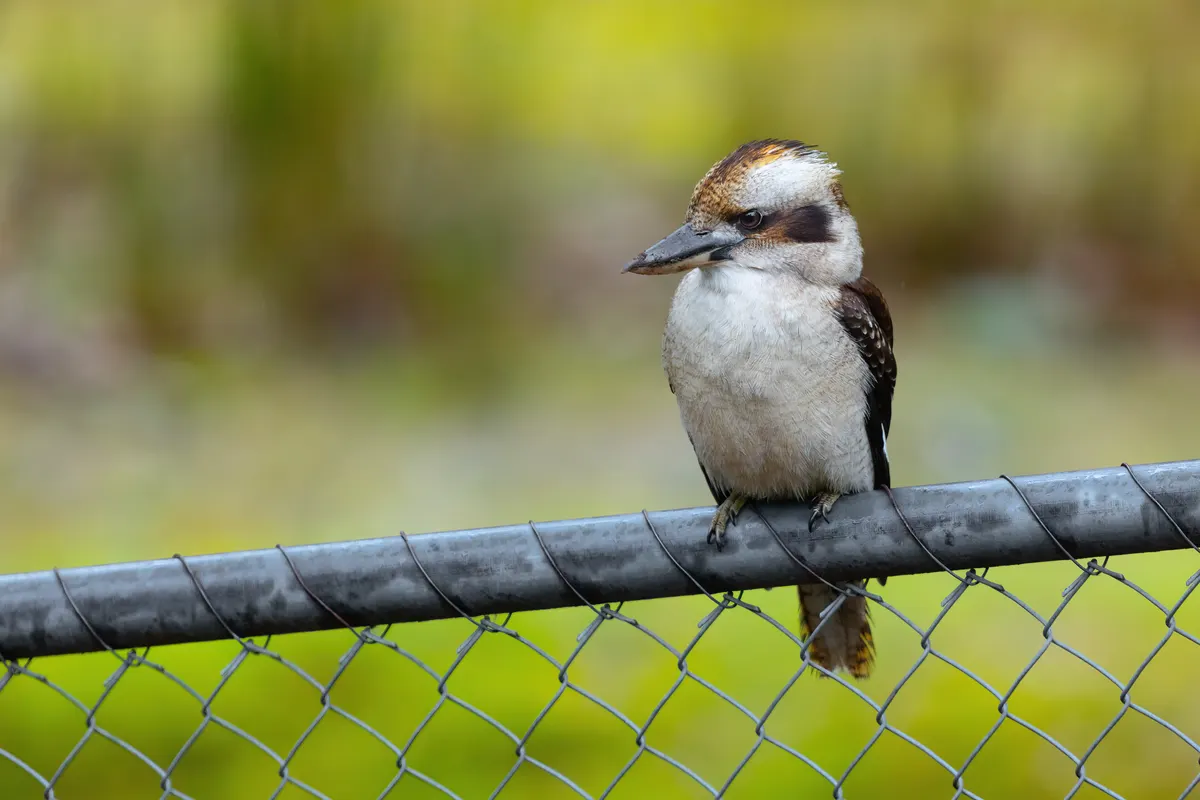
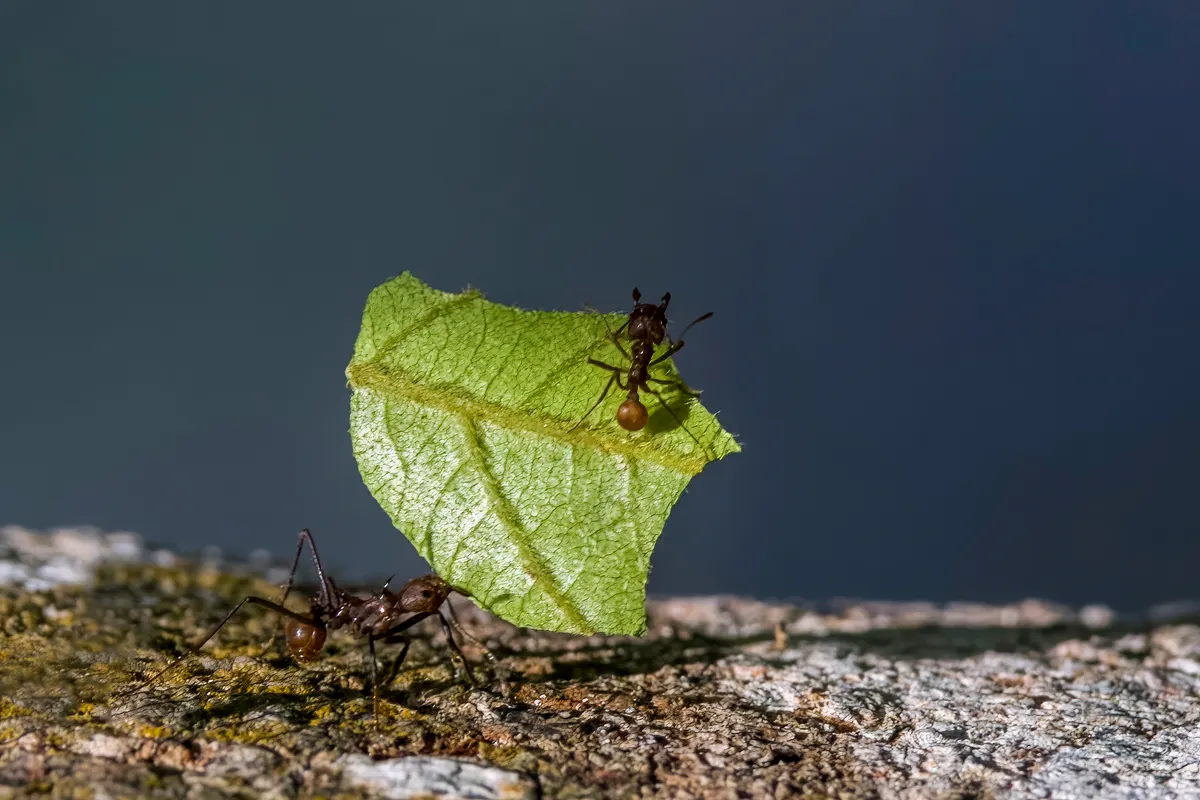
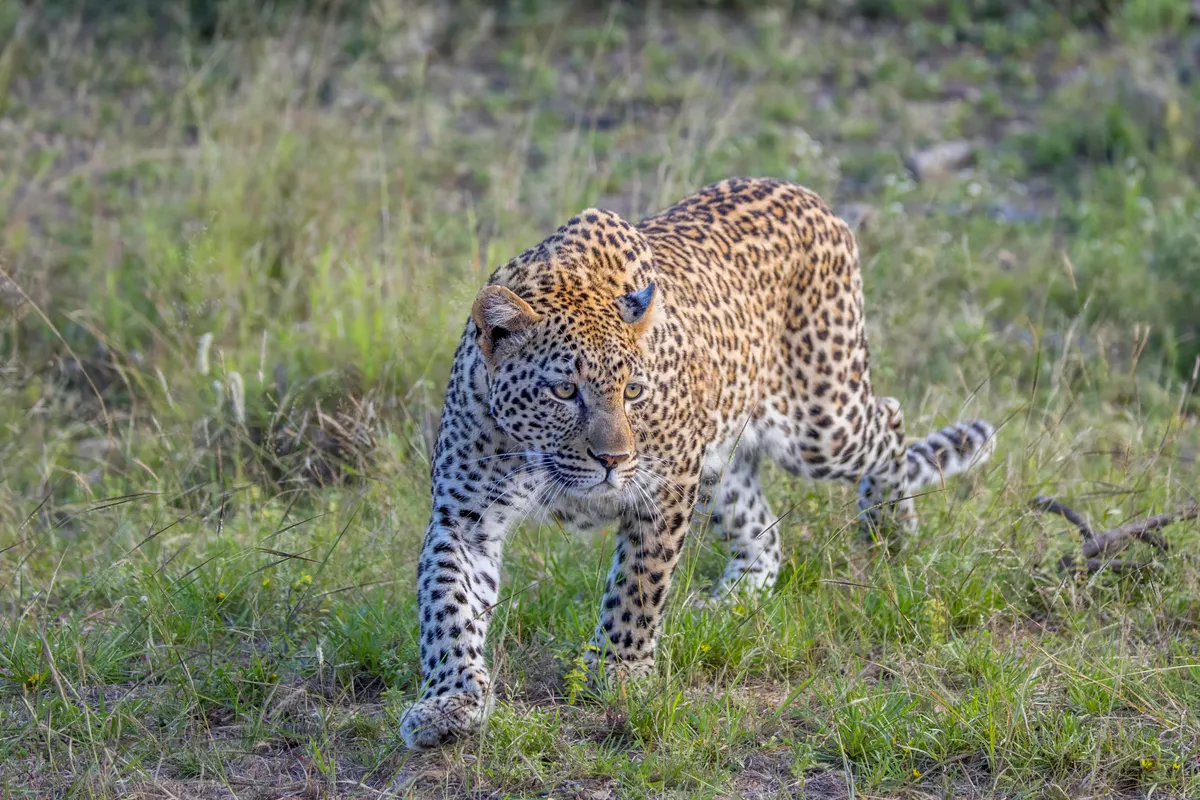
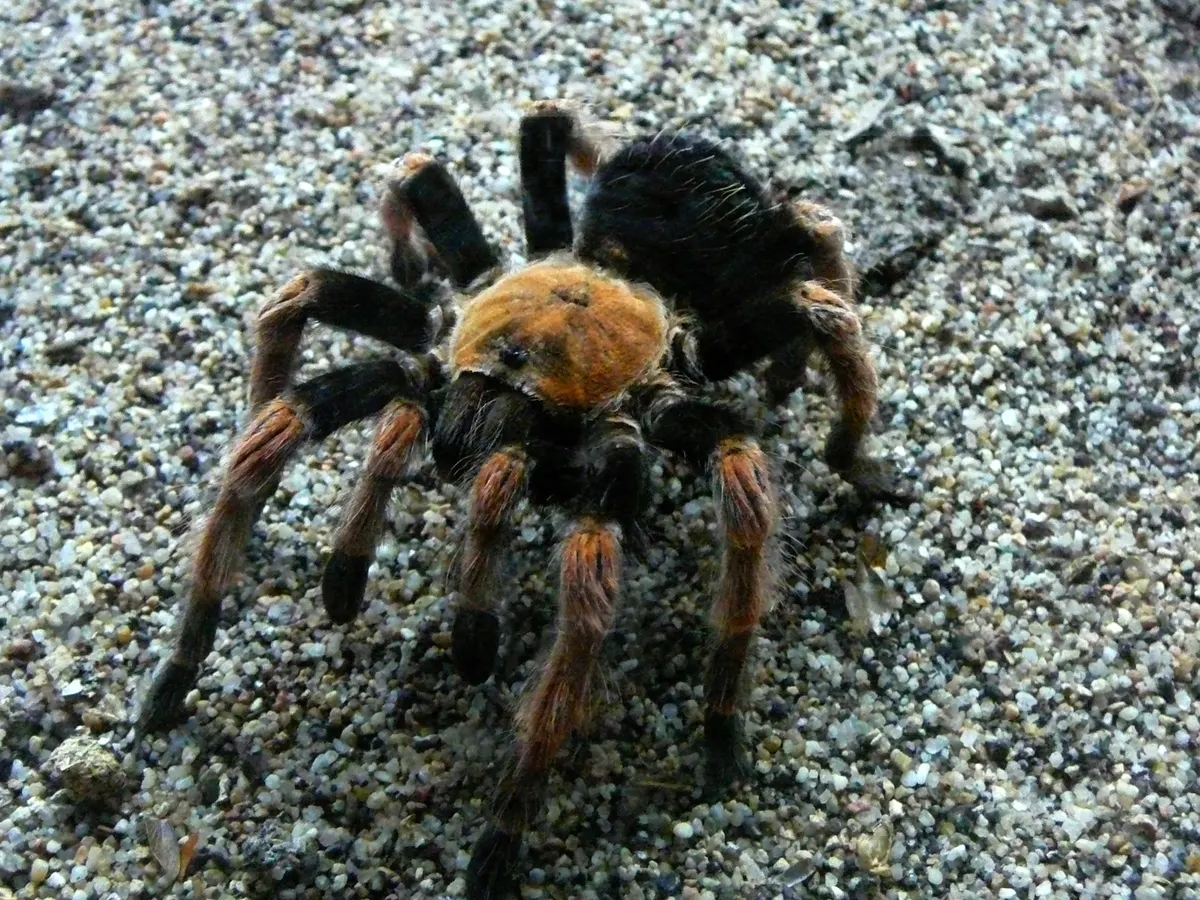
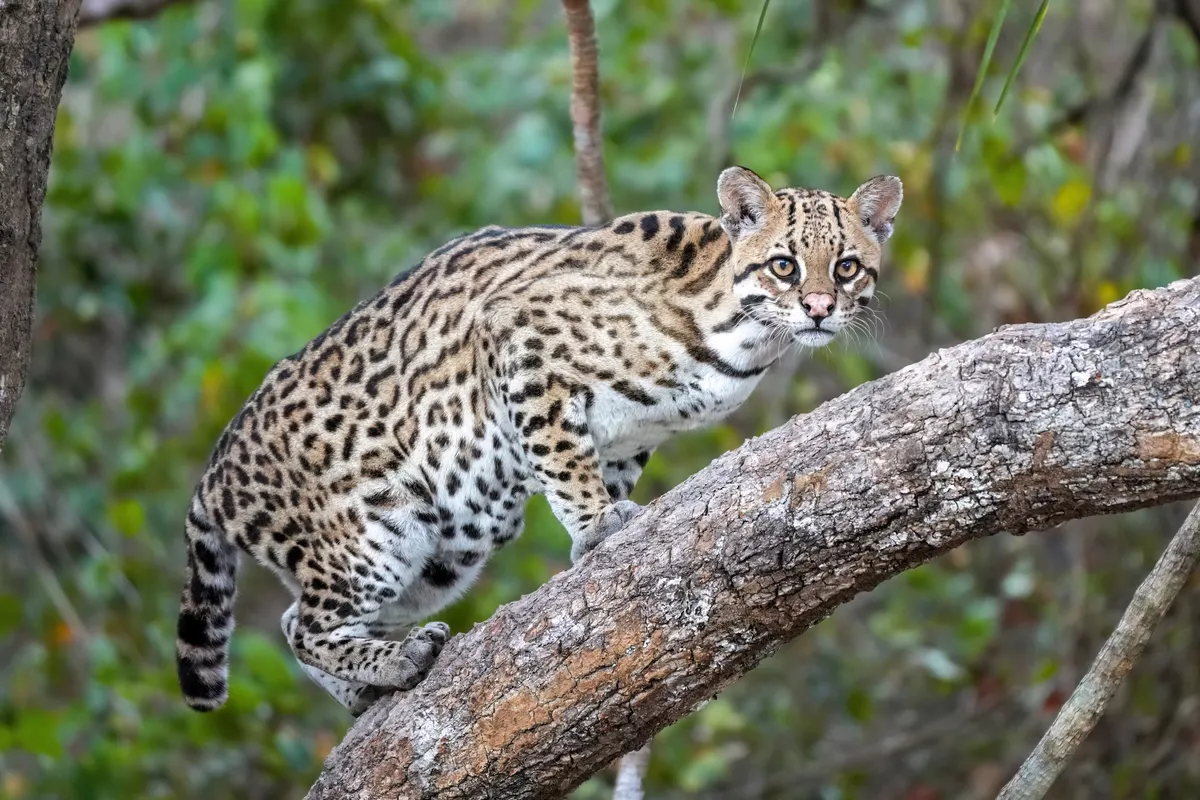
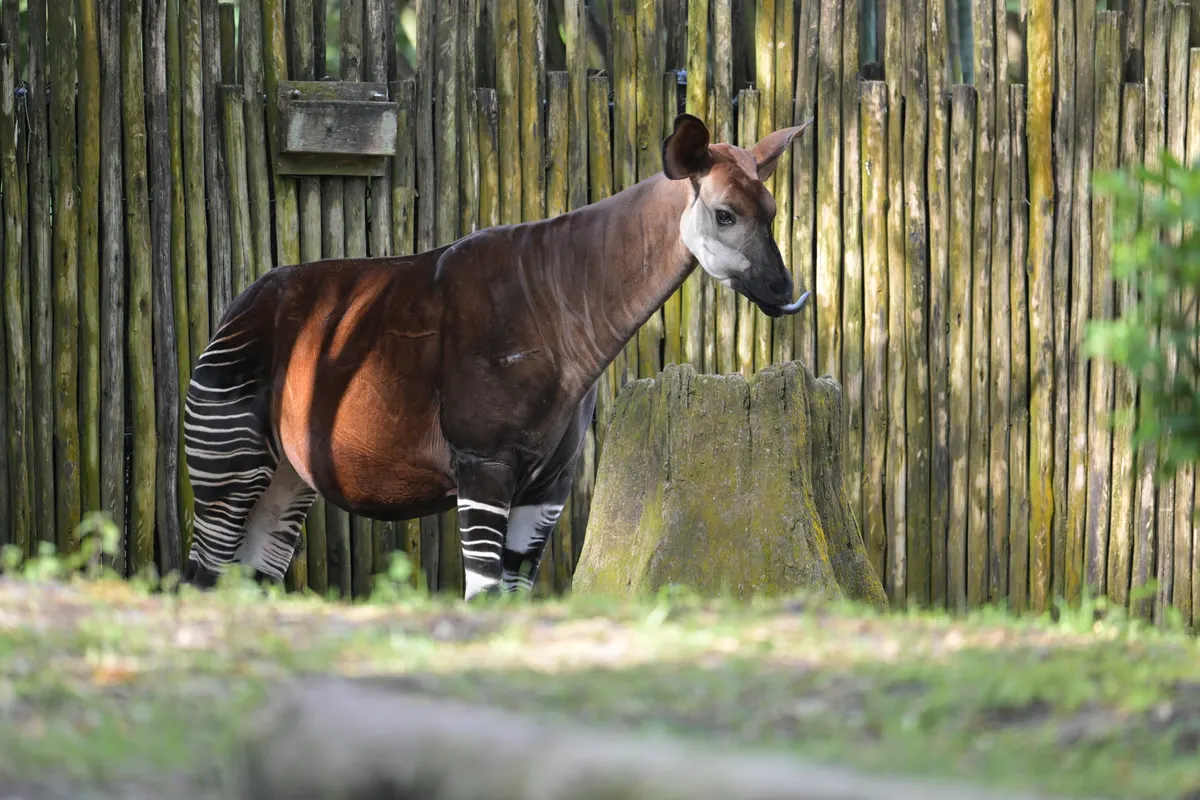
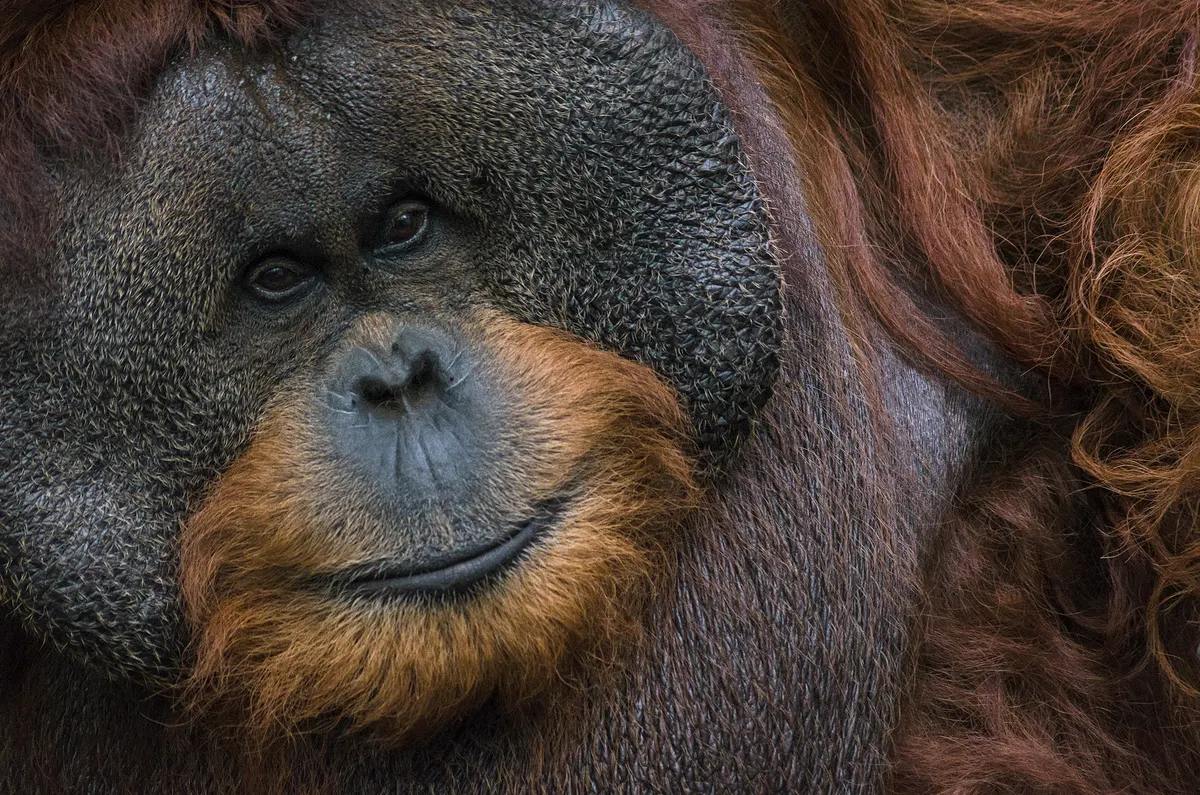
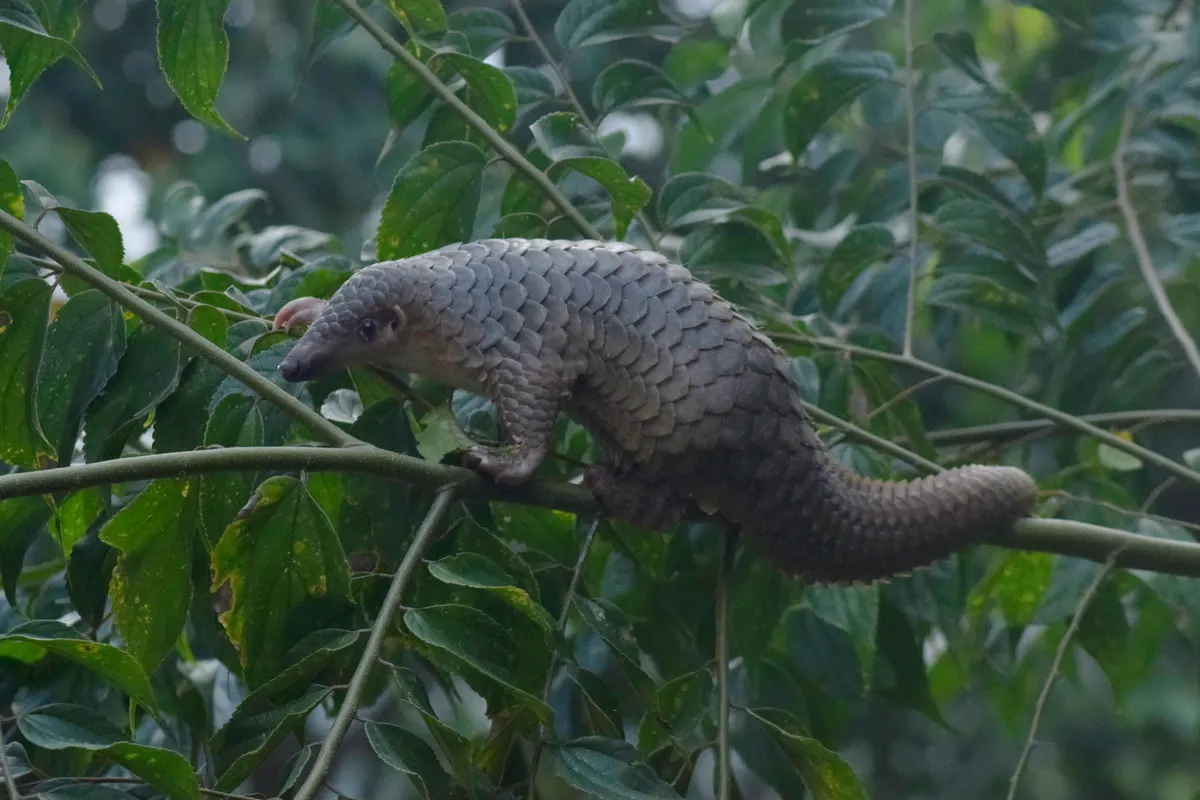
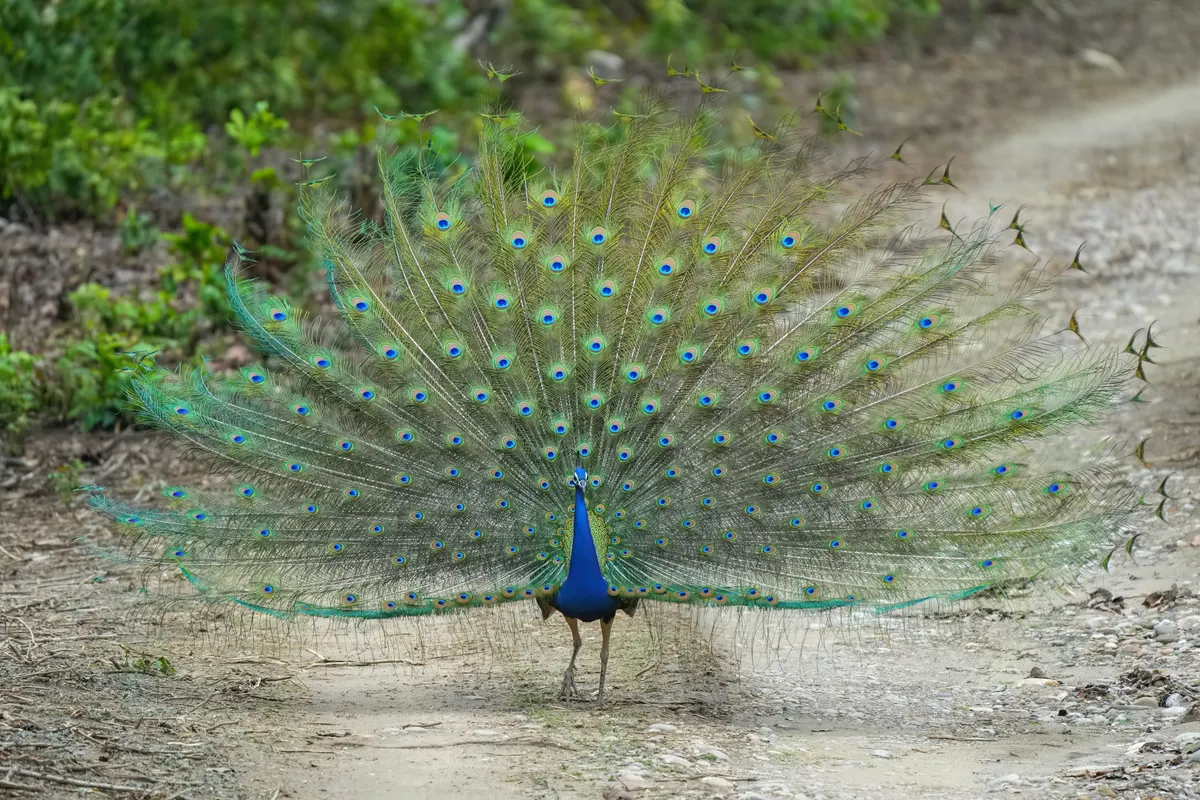
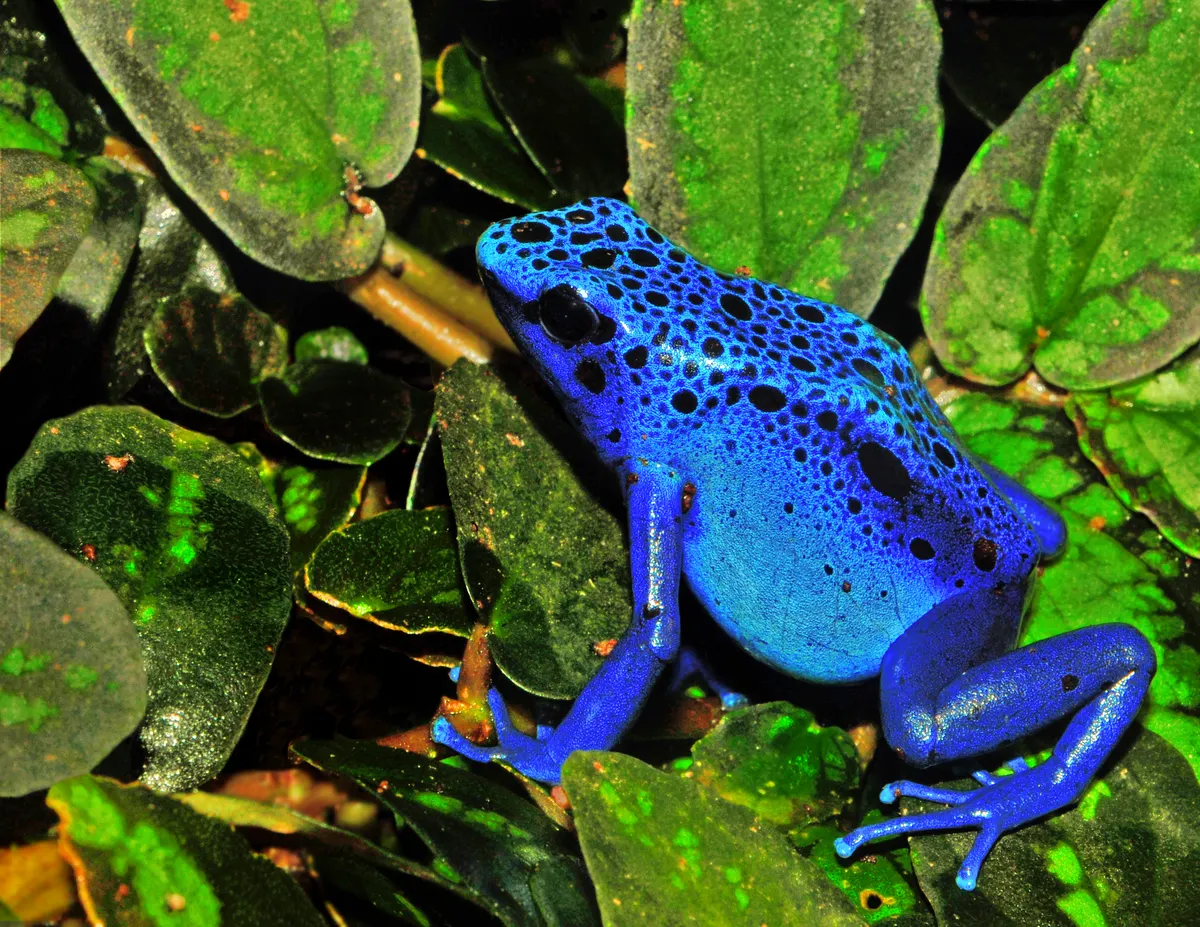
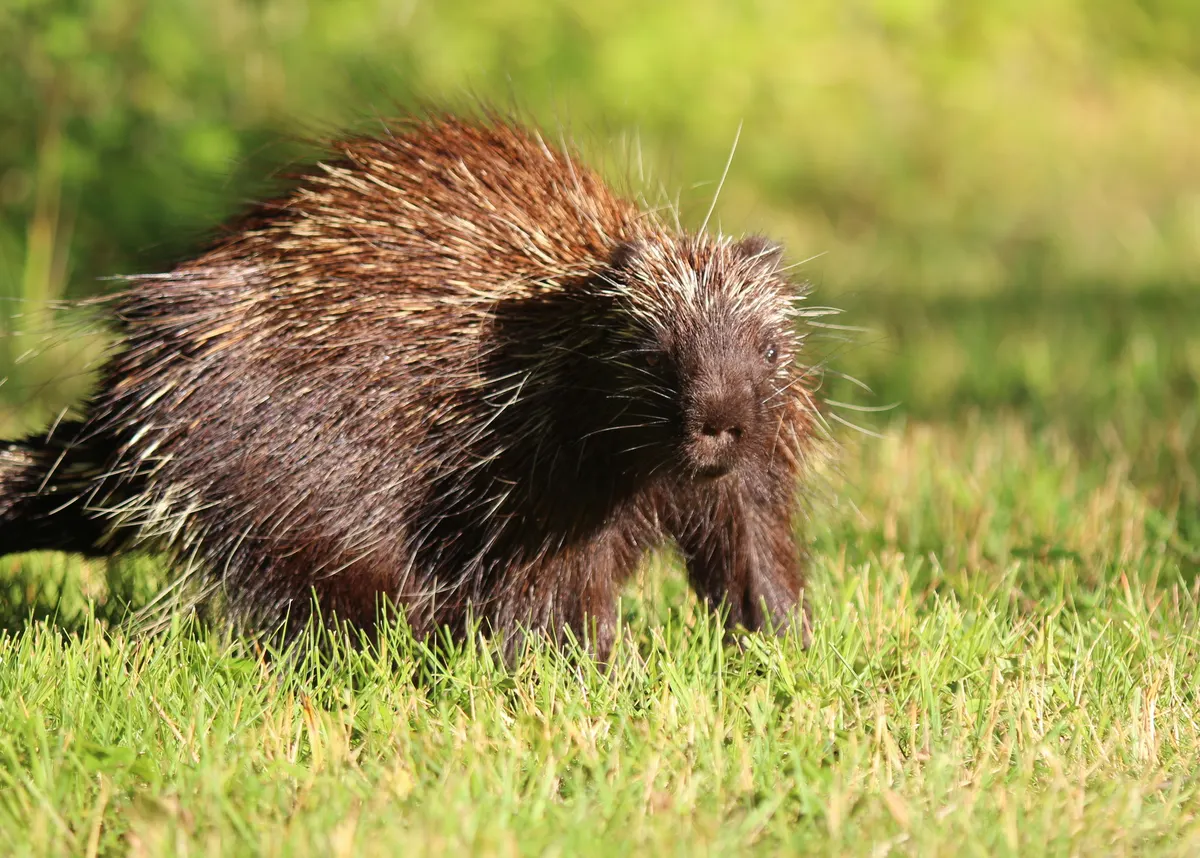
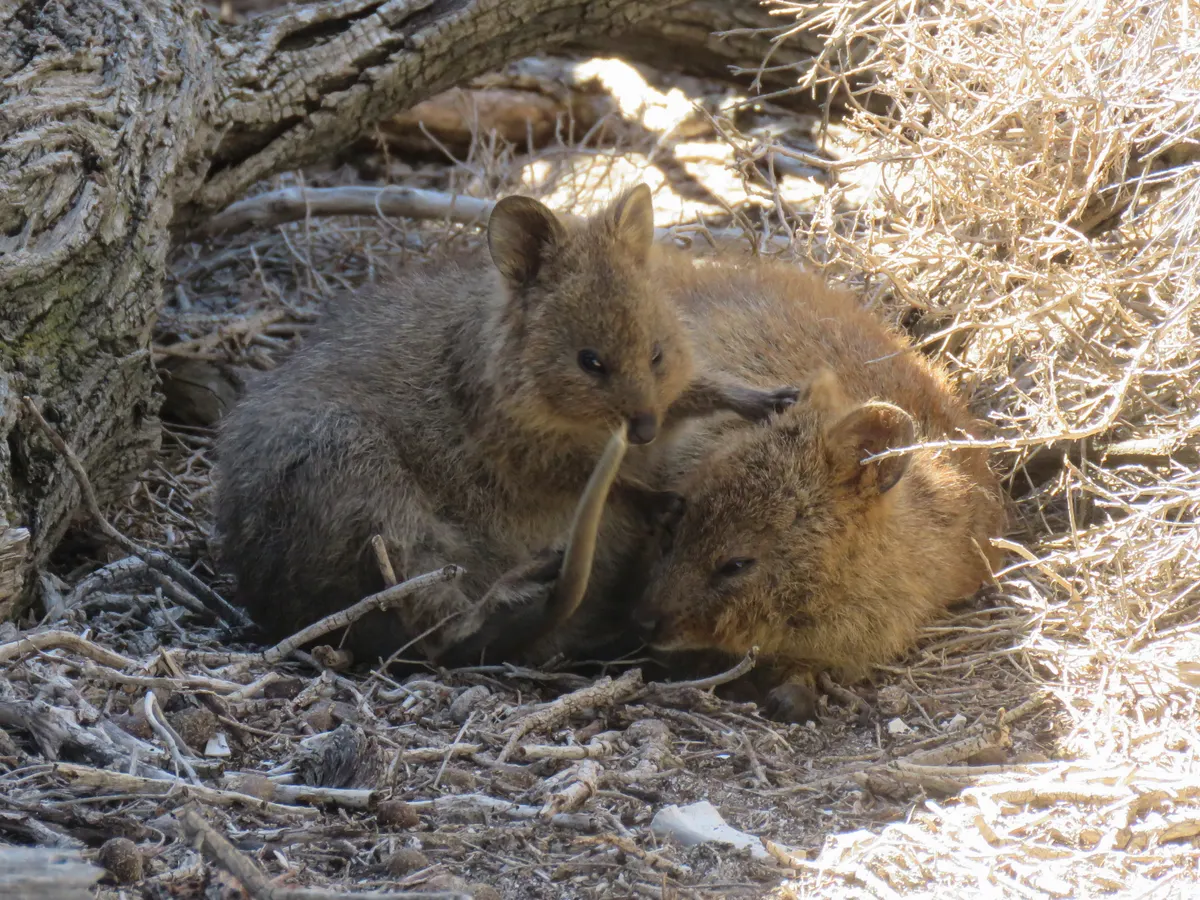
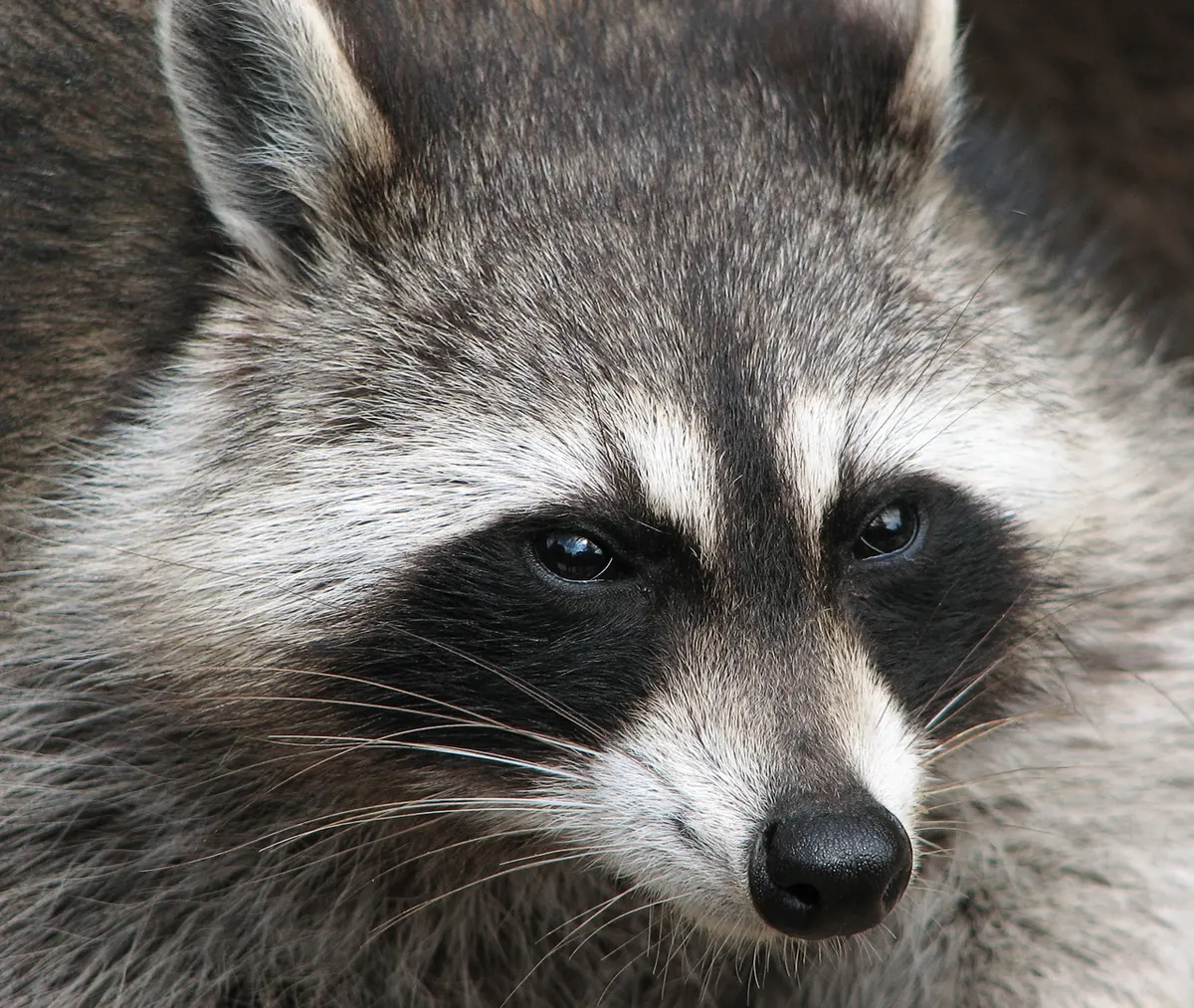
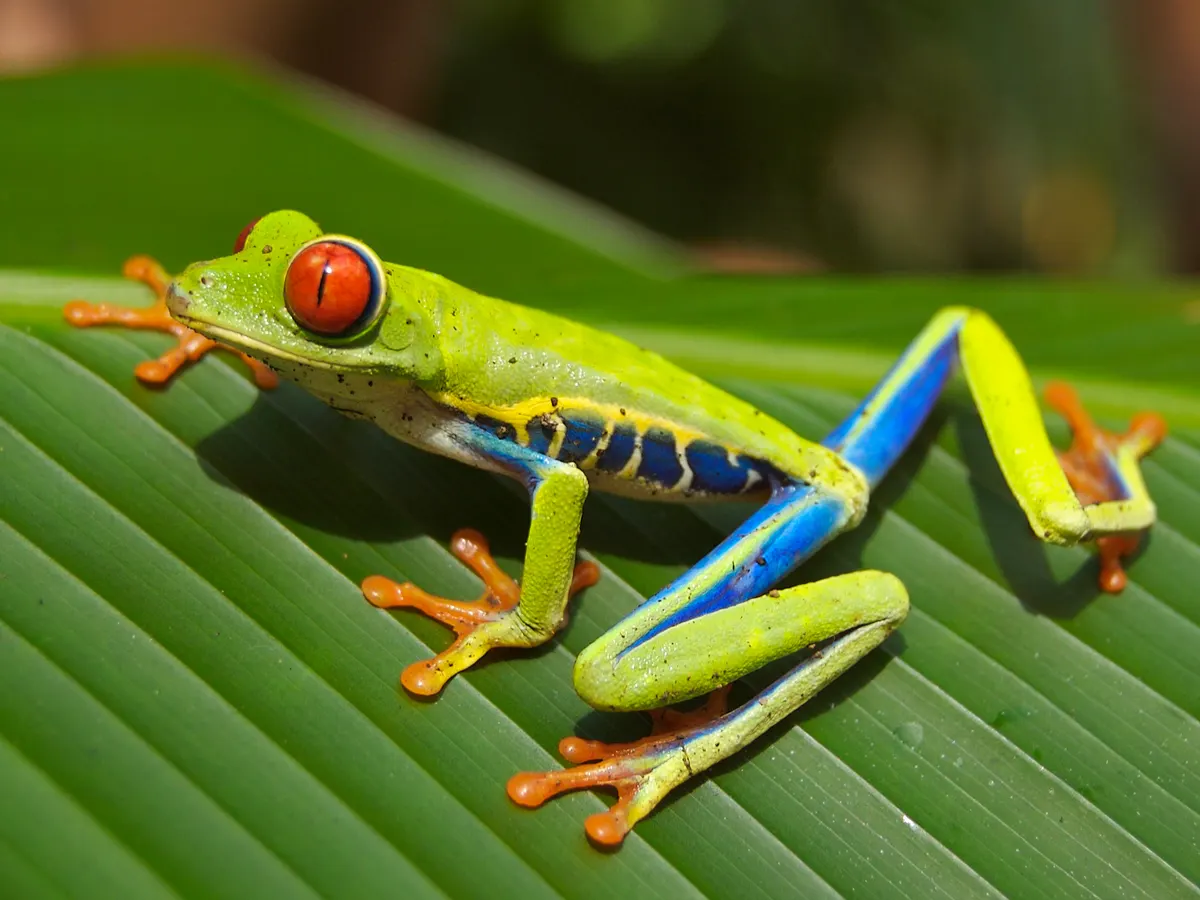
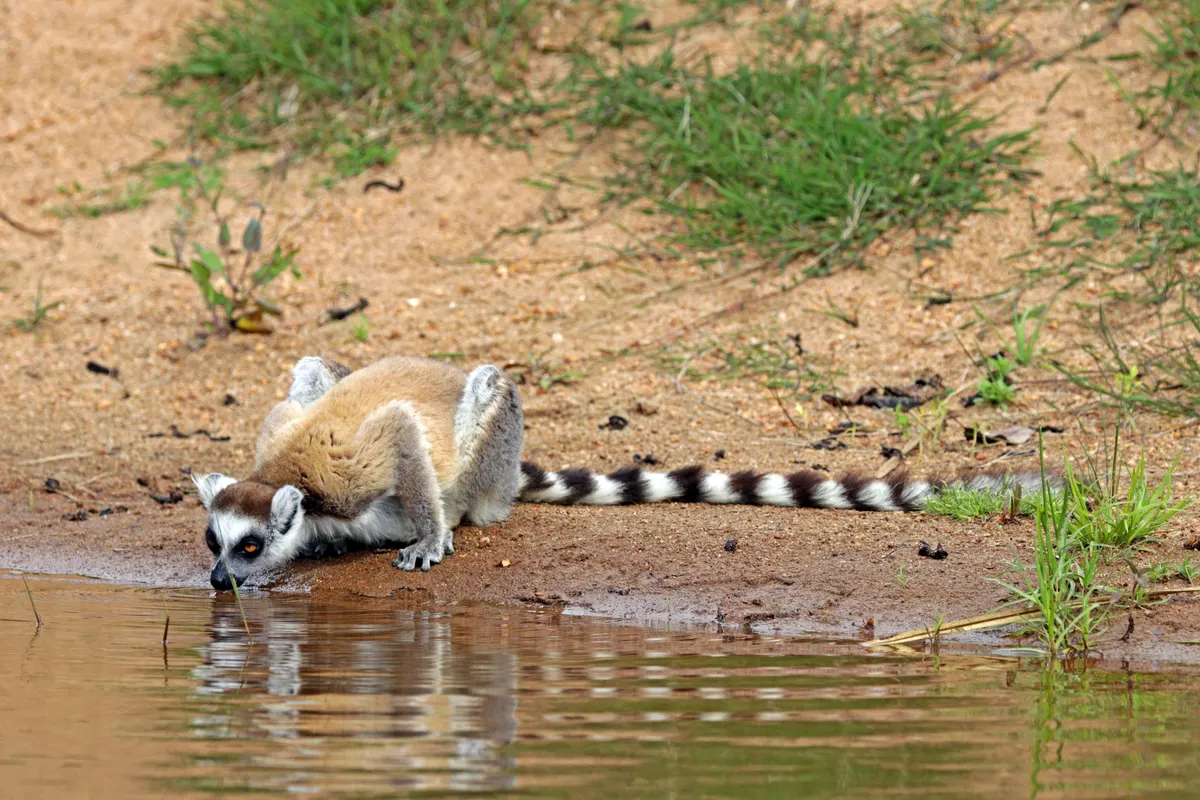
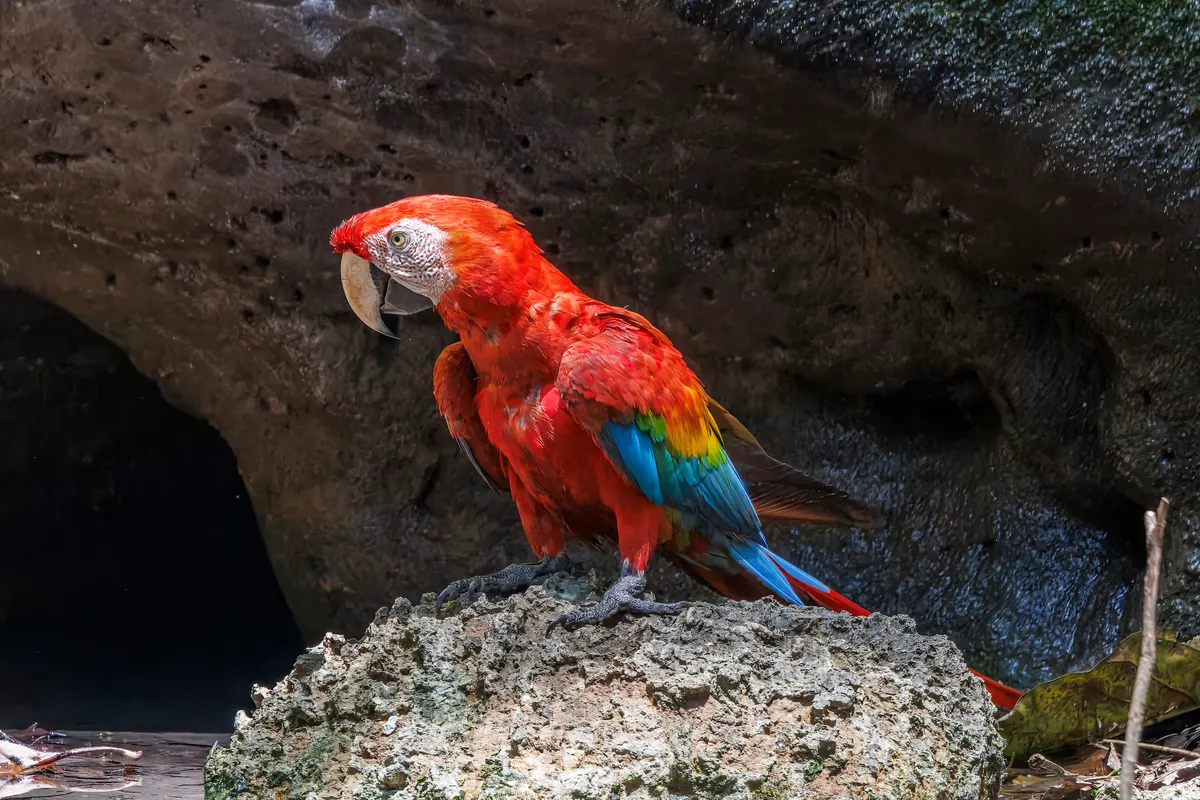
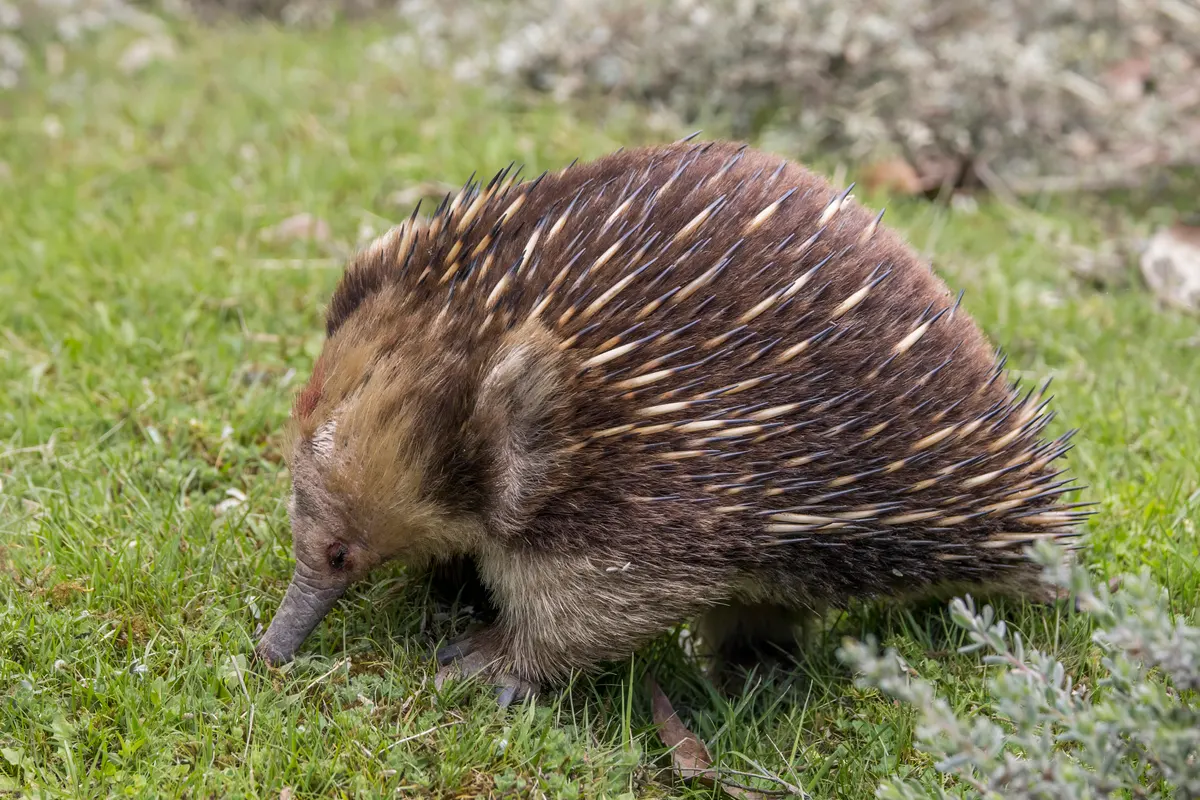
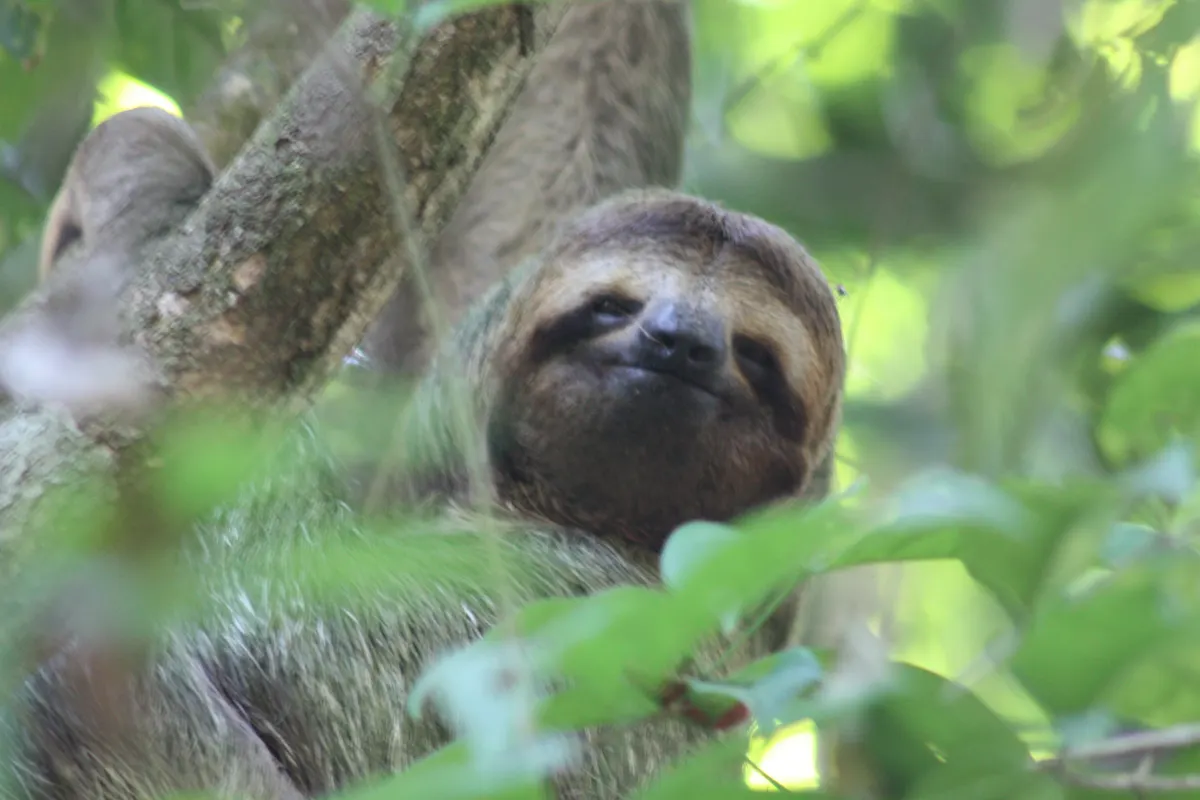
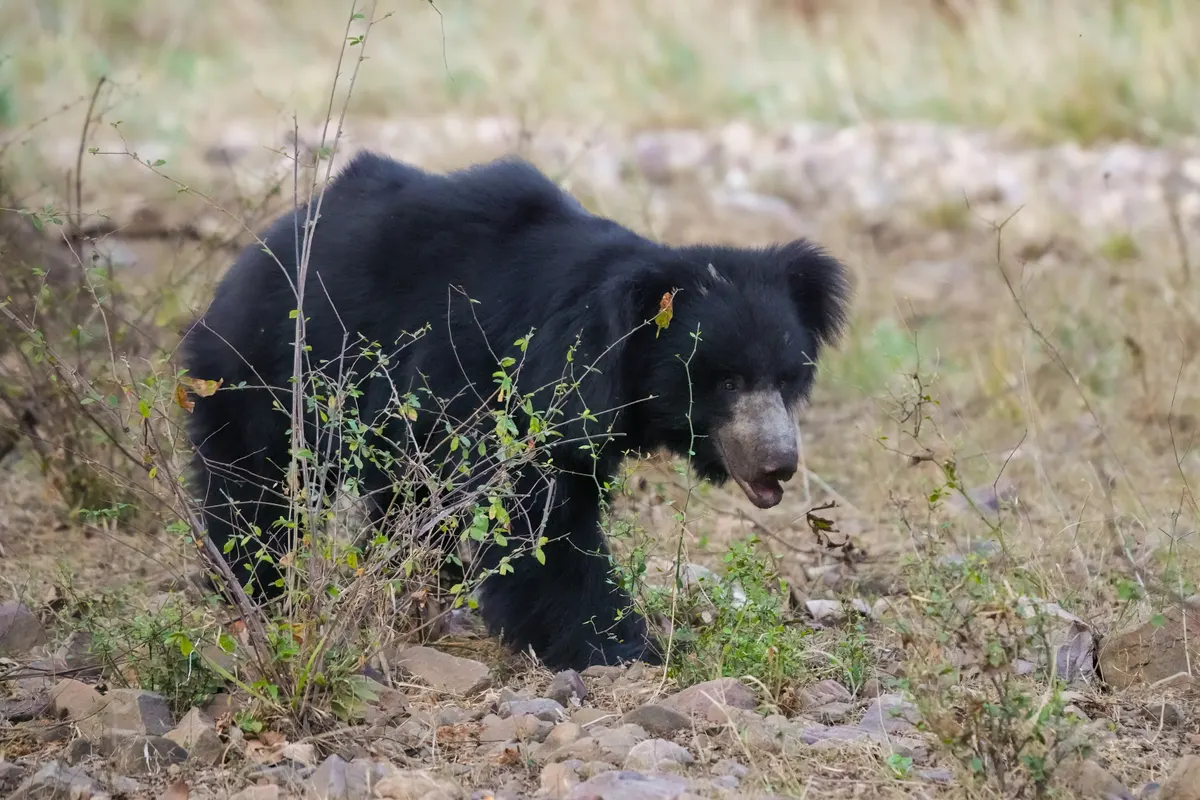
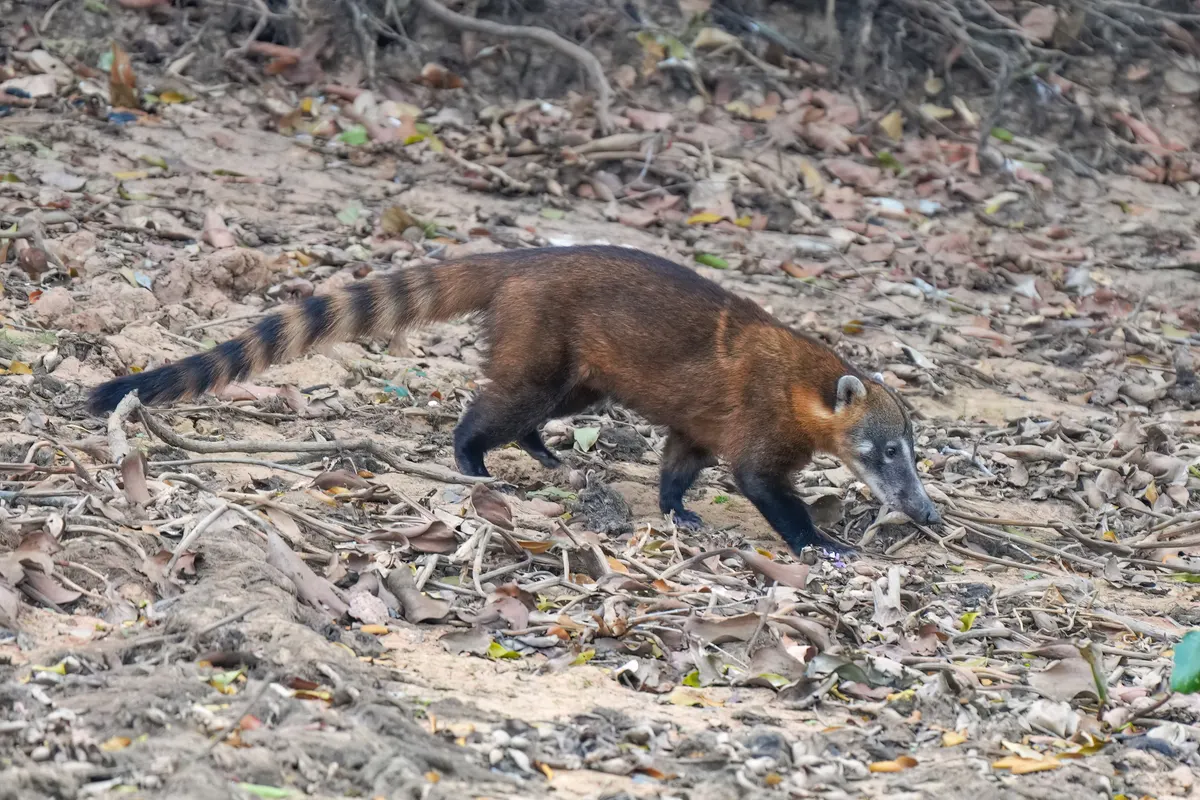
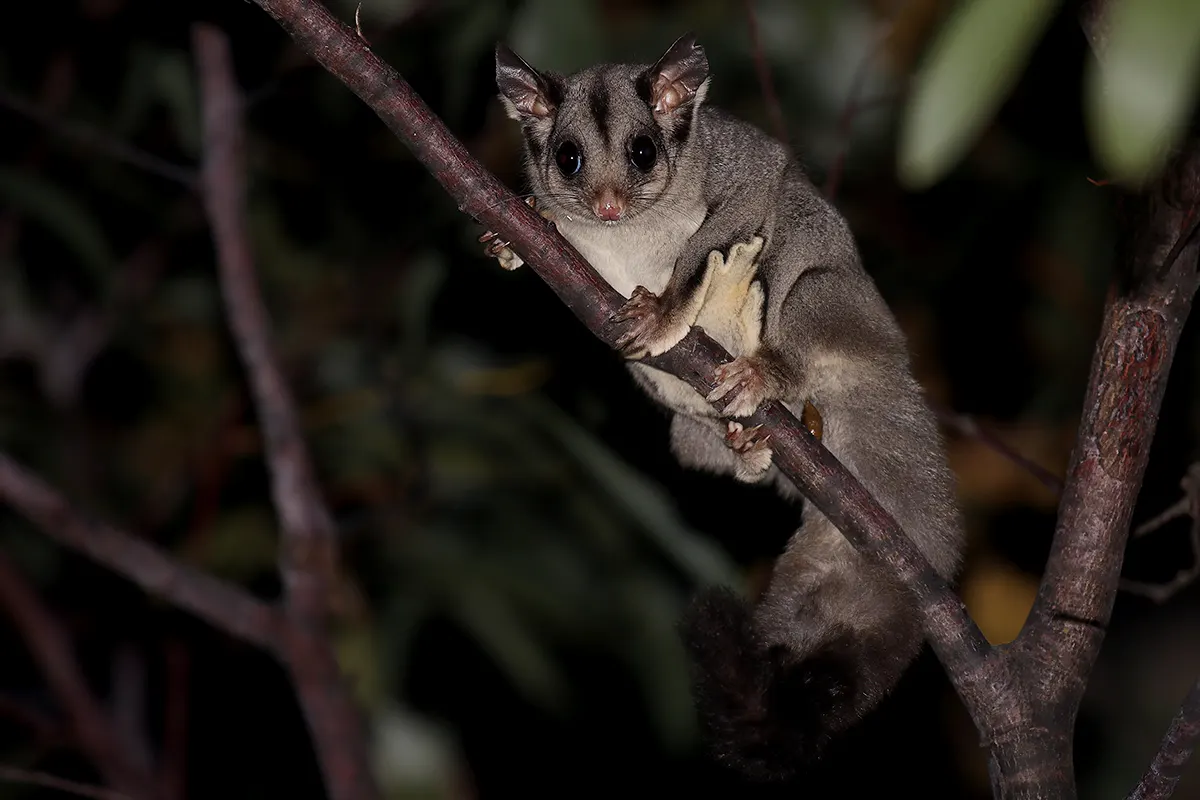
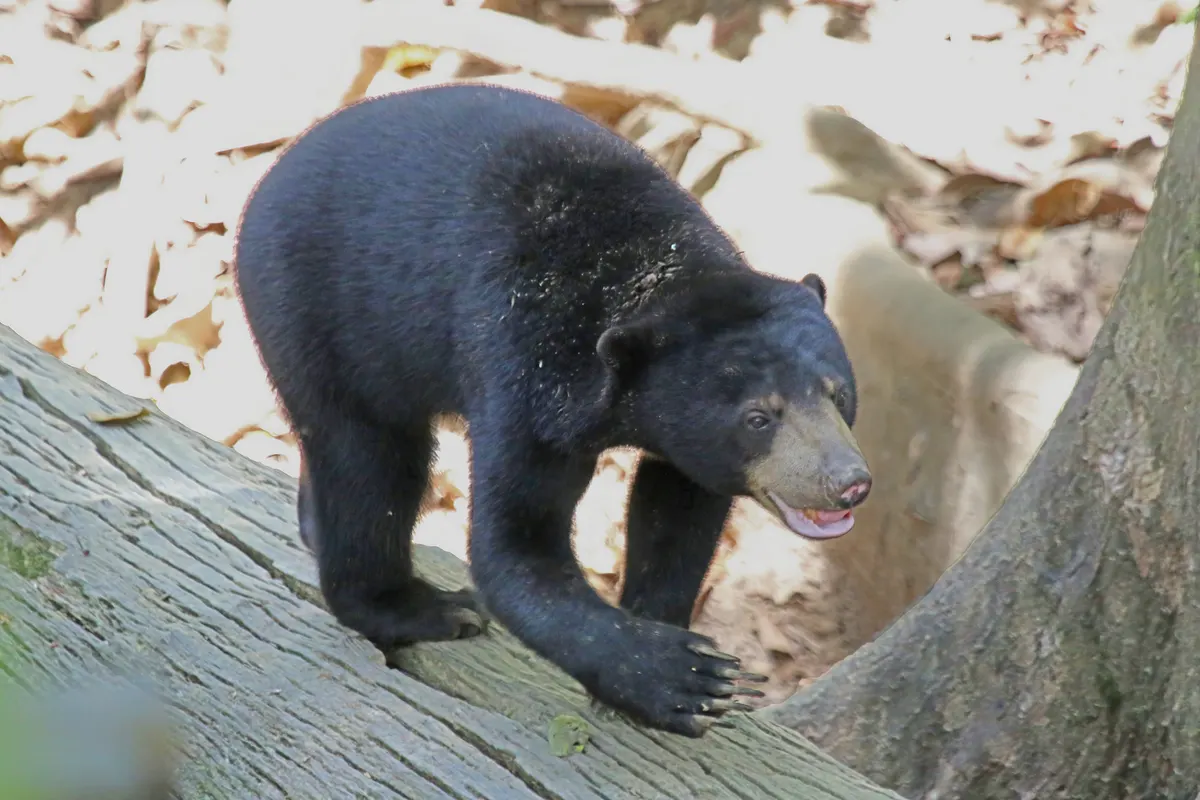
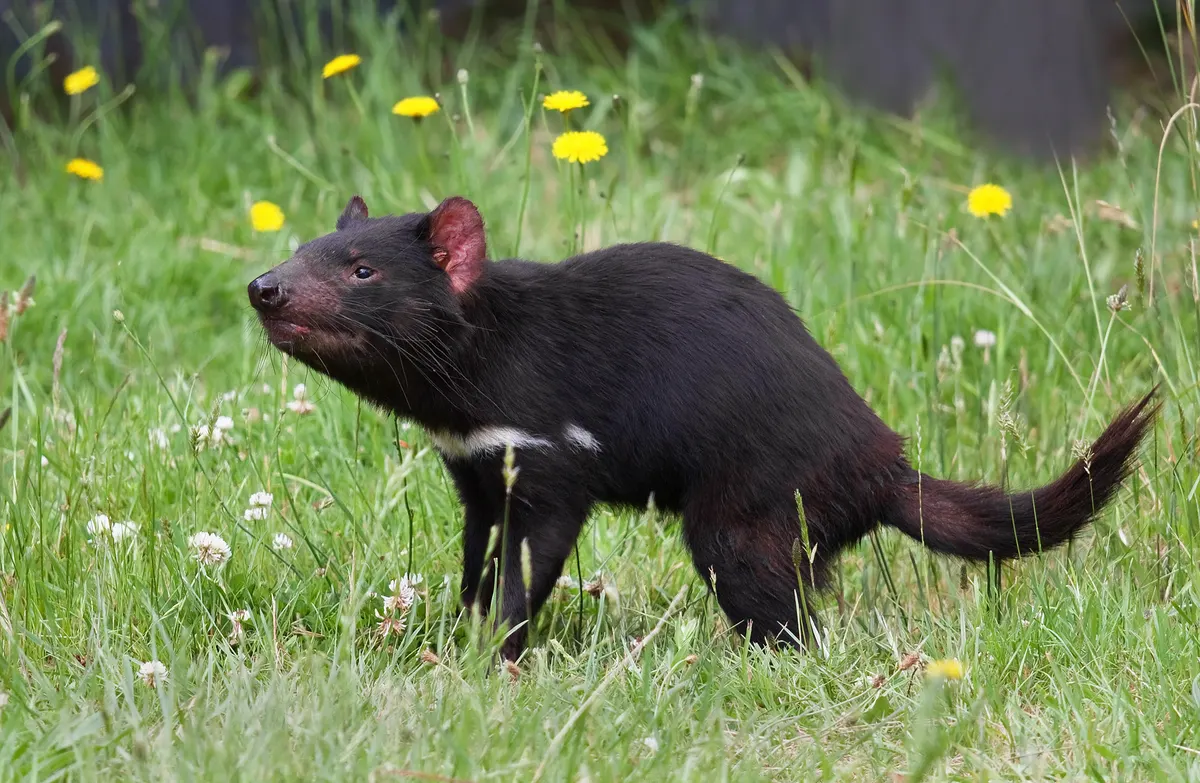
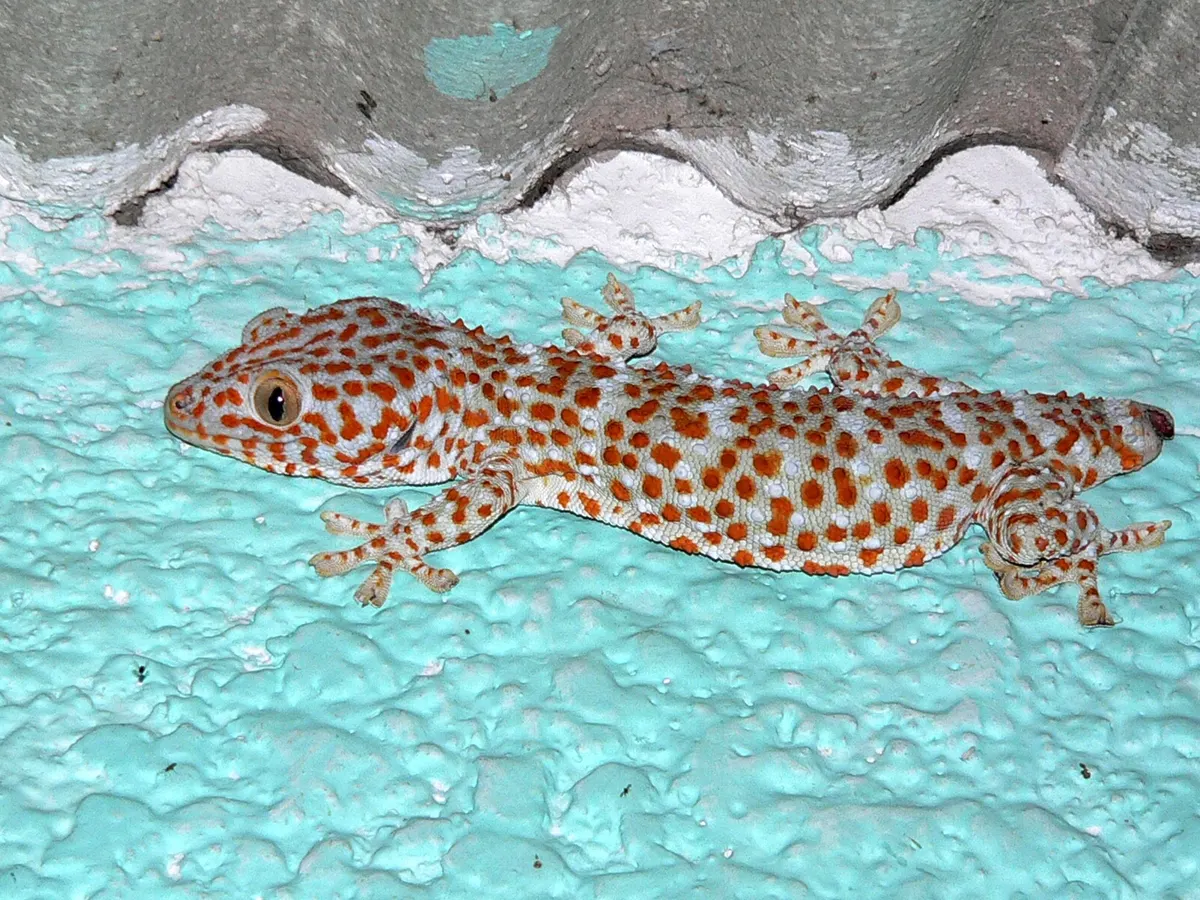
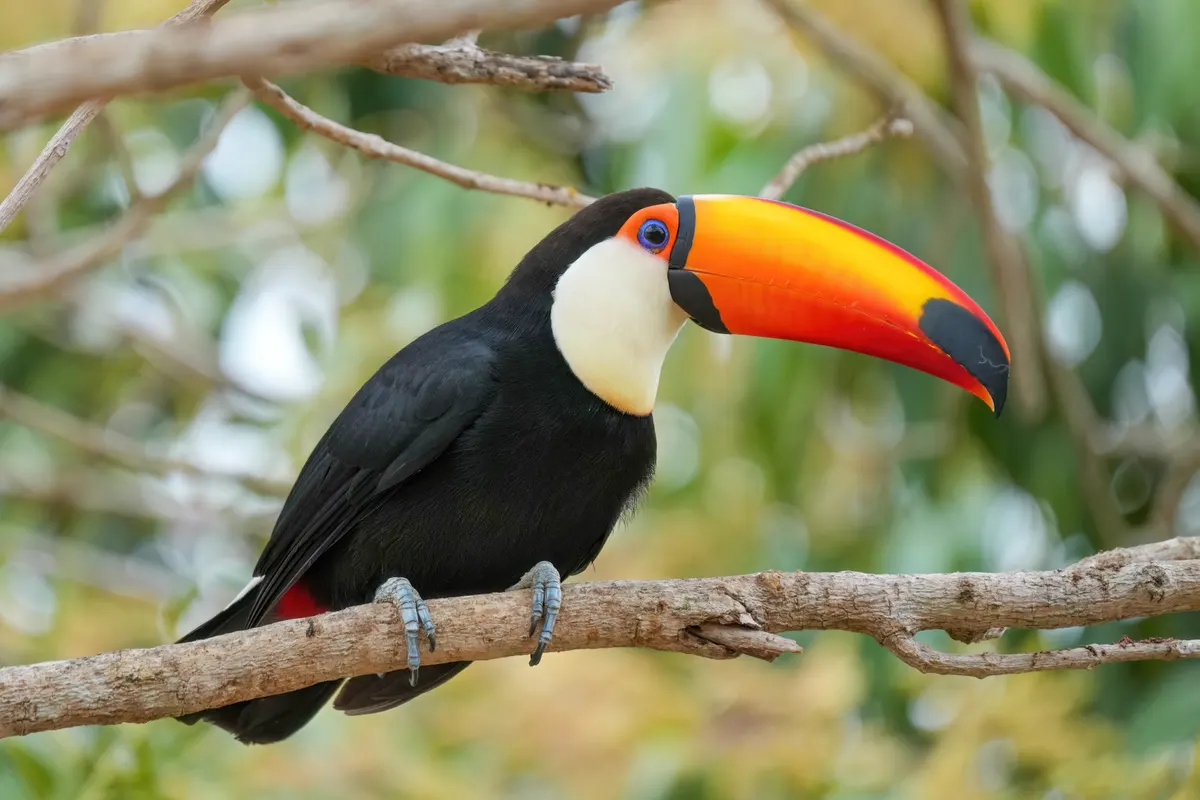
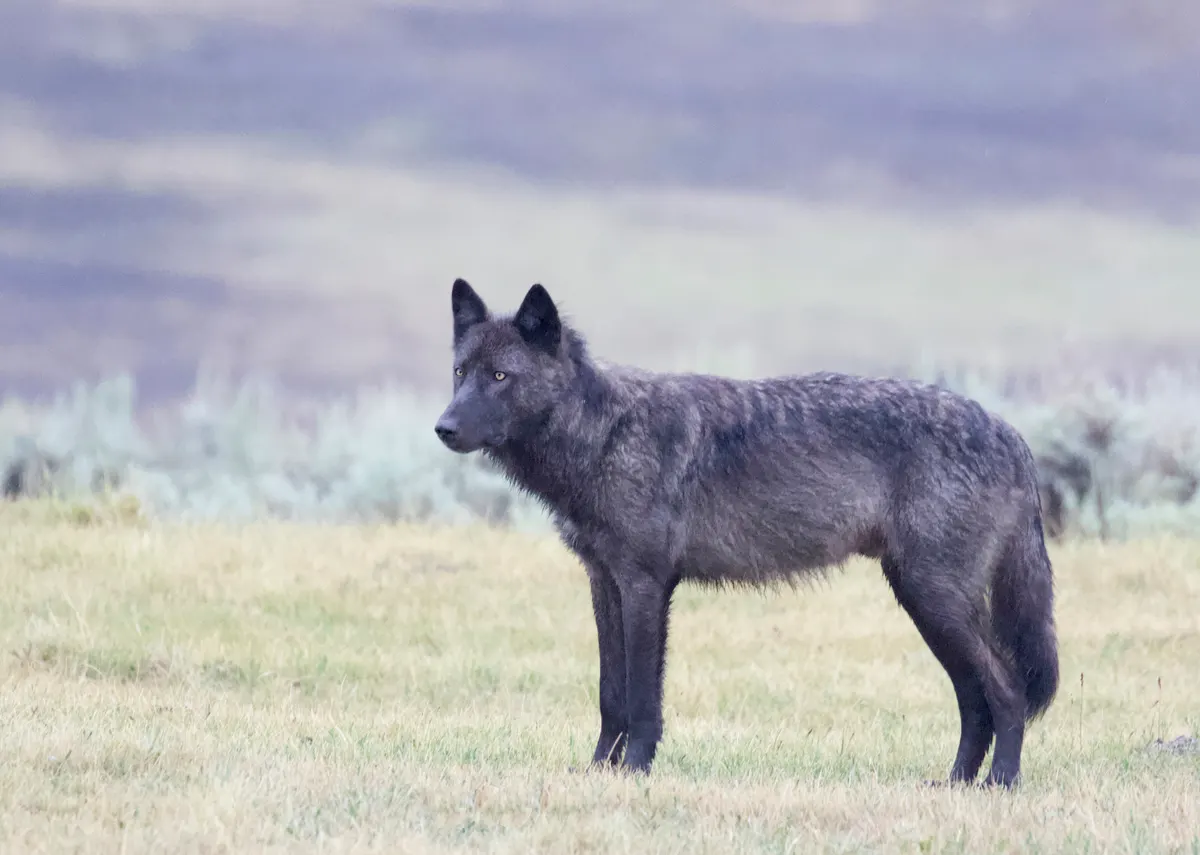
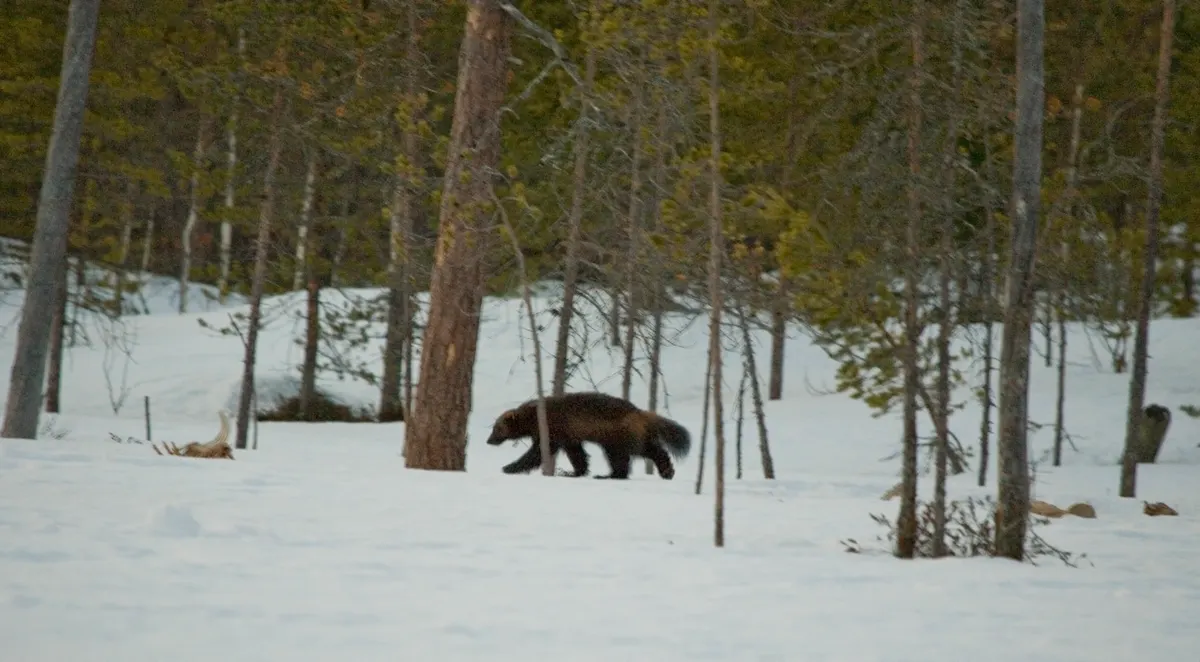
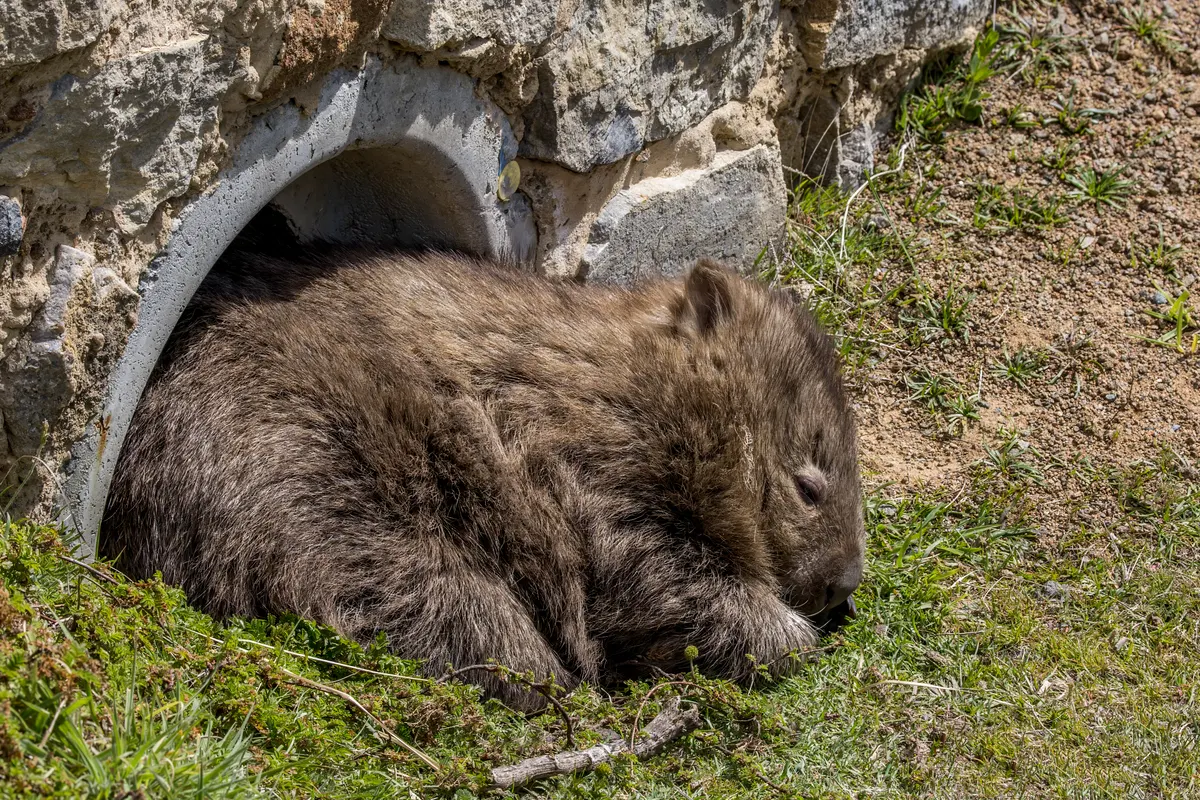
Dense cover favors camouflage — Chameleon, Owl, and Leopard all rely on it, in very different ways. Arboreal species like Red-eyed Tree Frog, Toucan, and Orangutan need strong limbs or gripping feet. Many forest insects and birds, including Cicada and Firefly, time their life cycles to seasonal leaf flush or fruiting.
Habitats hub
Forest Animals
Discover animals that live in forest habitats with wildlife photos and full fact pages.
- Species listed
- 71
- Diet mix
- 31 carnivore · 20 omnivore · 20 herbivore
- Updated
- October 2026
71 species · 31 carnivore, 20 omnivore, 20 herbivore
Measured spread
How much this hub varies
Computed from the 71 species listed here, using the published figure on each profile.
| Measure | Smallest listed | Largest listed |
|---|---|---|
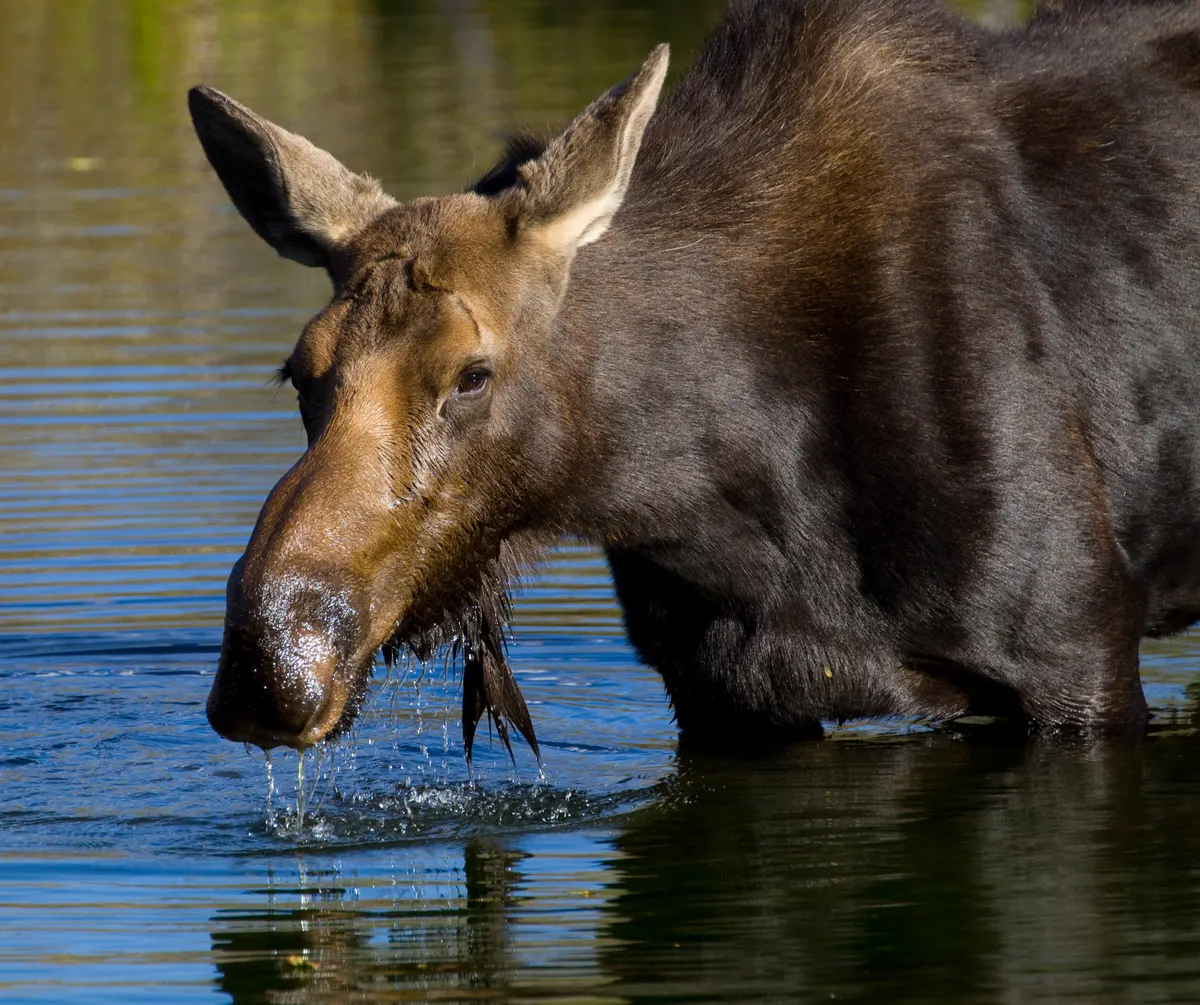
| Body mass (adult max) | Leafcutter Ant0.06 g | Moose680.4 kg |
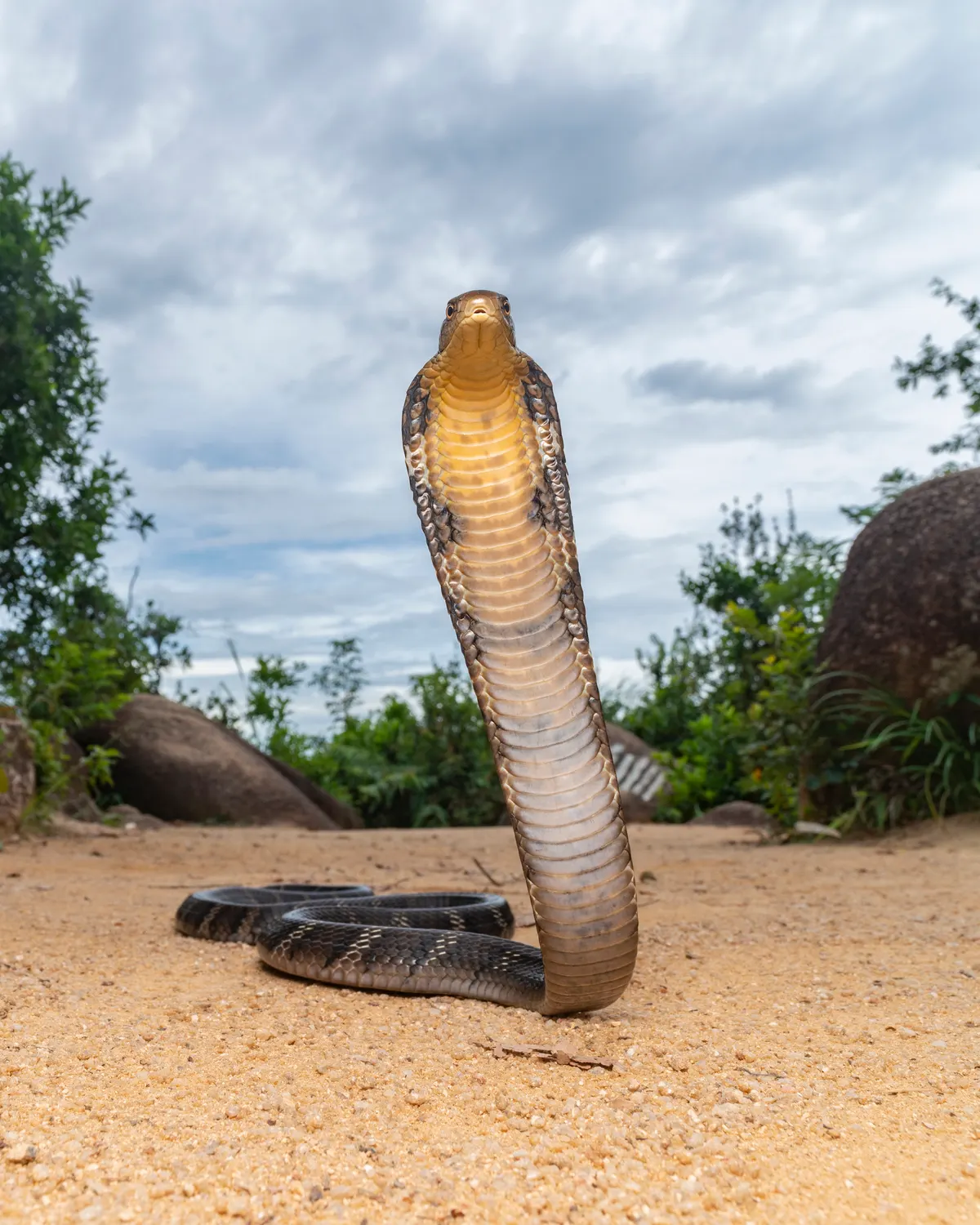
| Body length (max) | Firefly1.5 cm | King Cobra5.85 m |
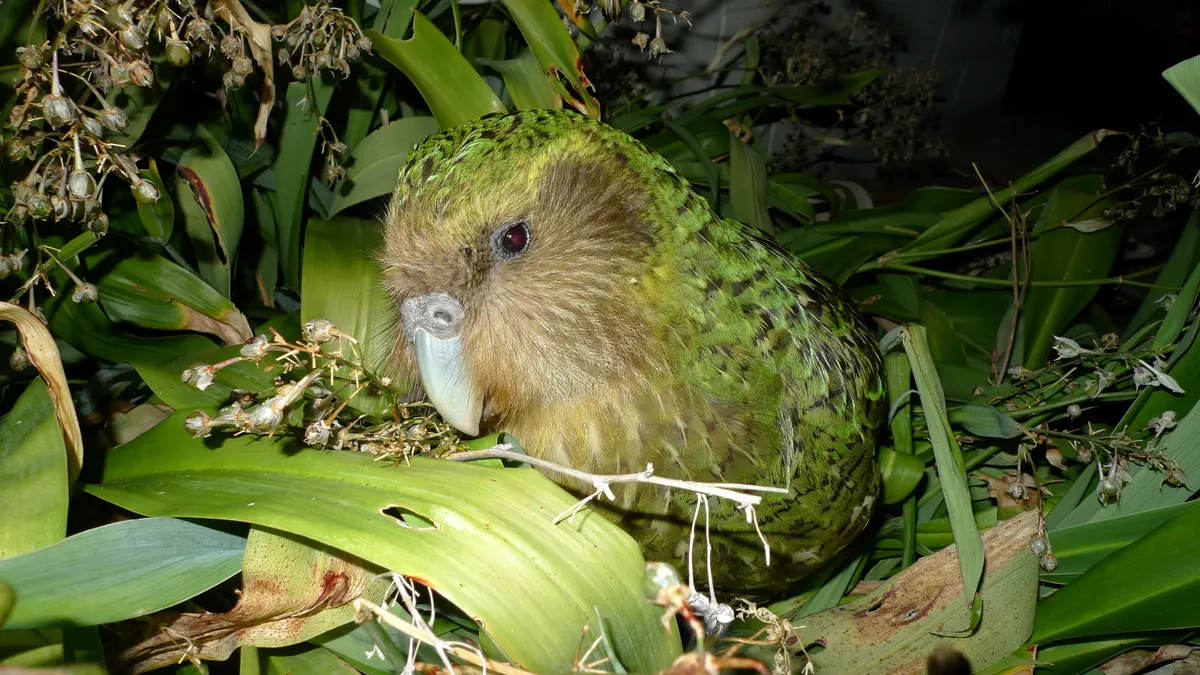
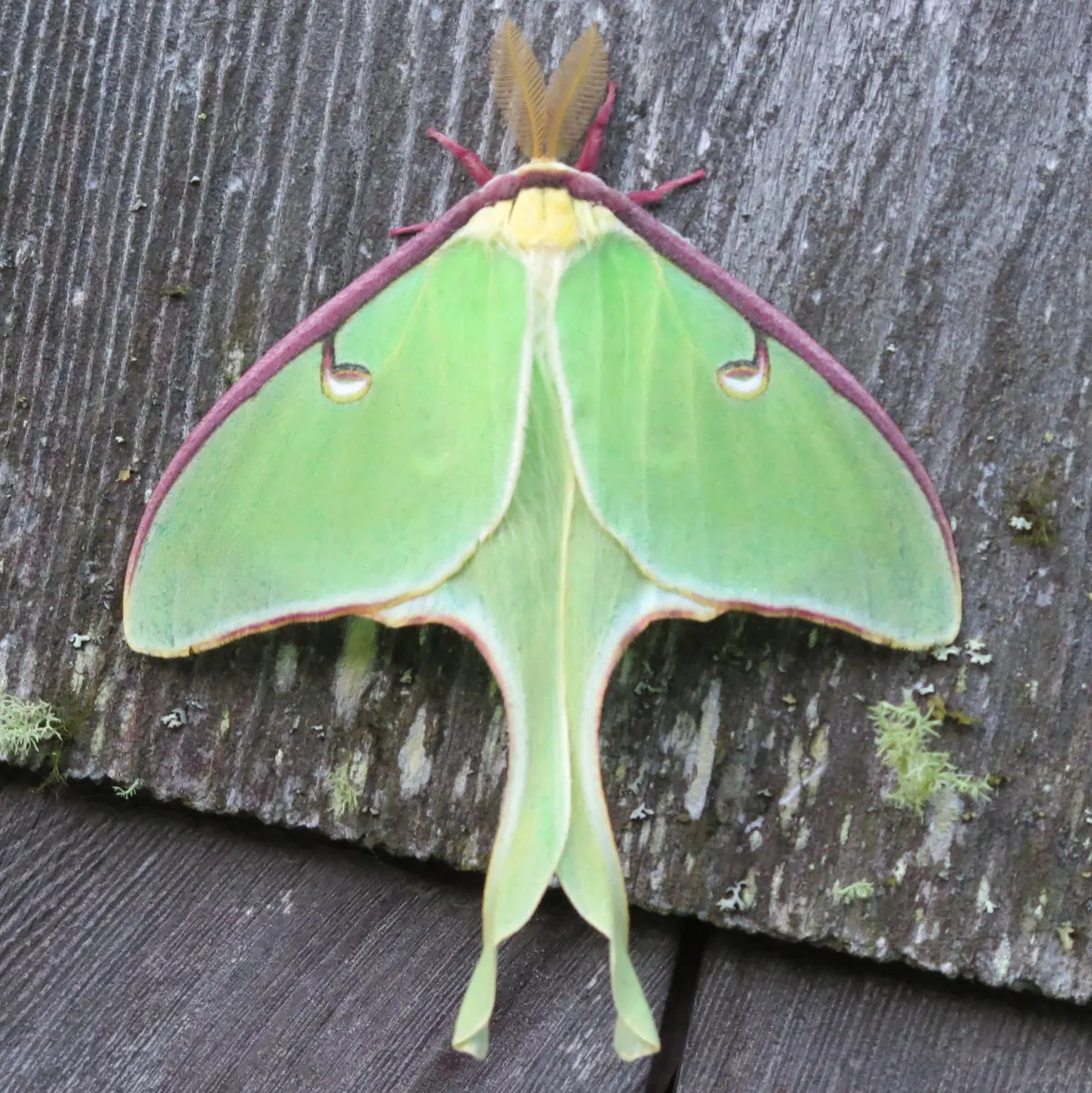
| Lifespan in the wild (max) | Luna Moth0 yr | Kakapo90 yr |
Overview
What counts as a forest animal?
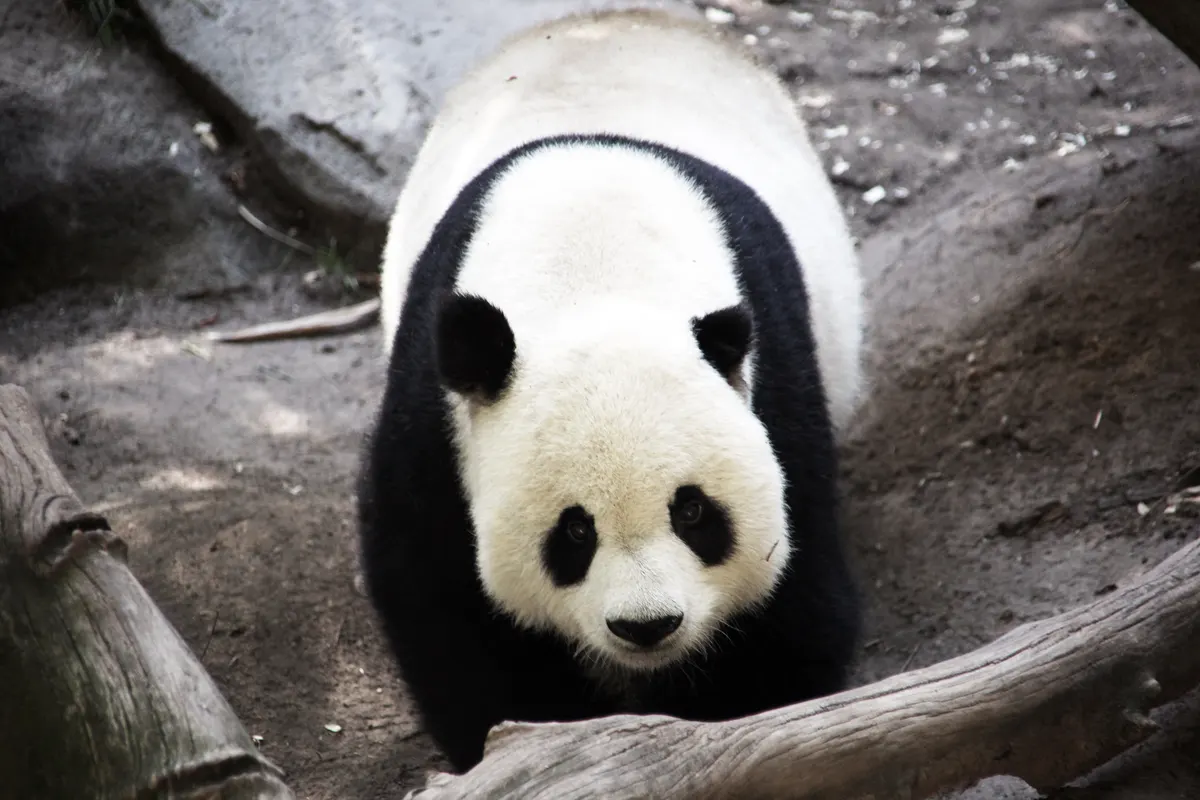
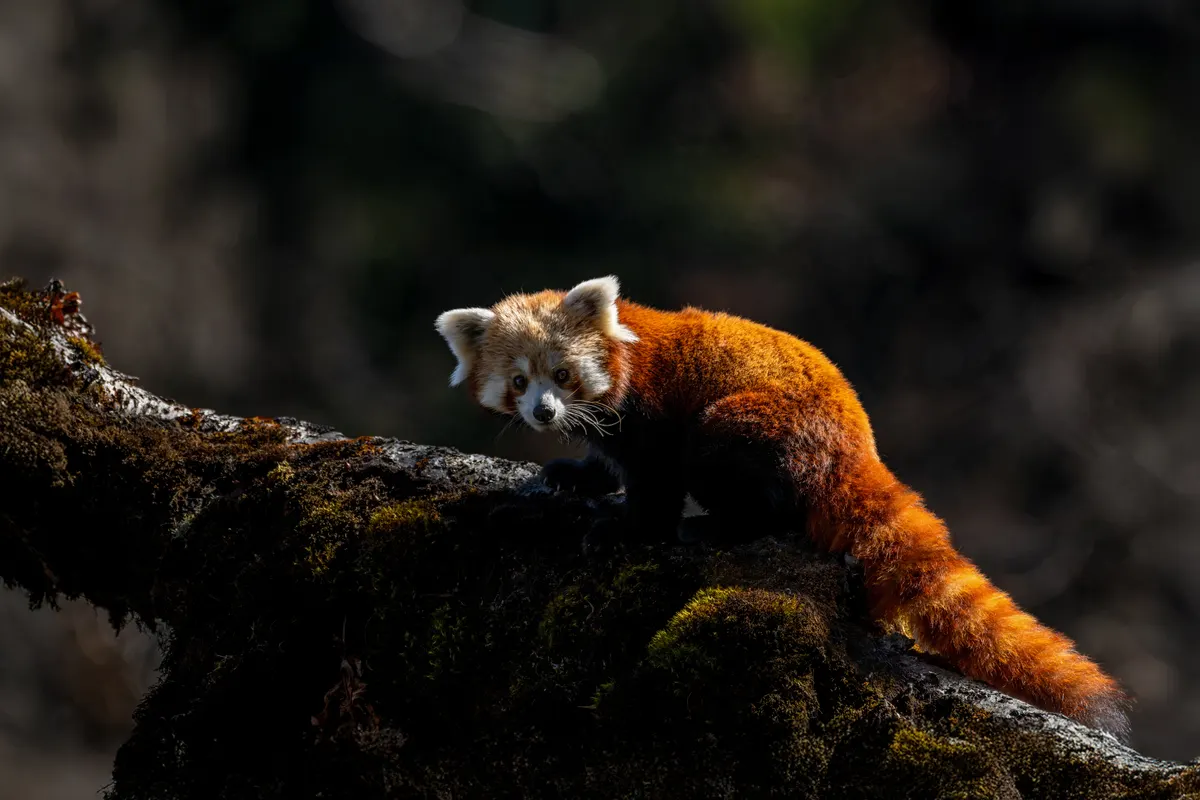
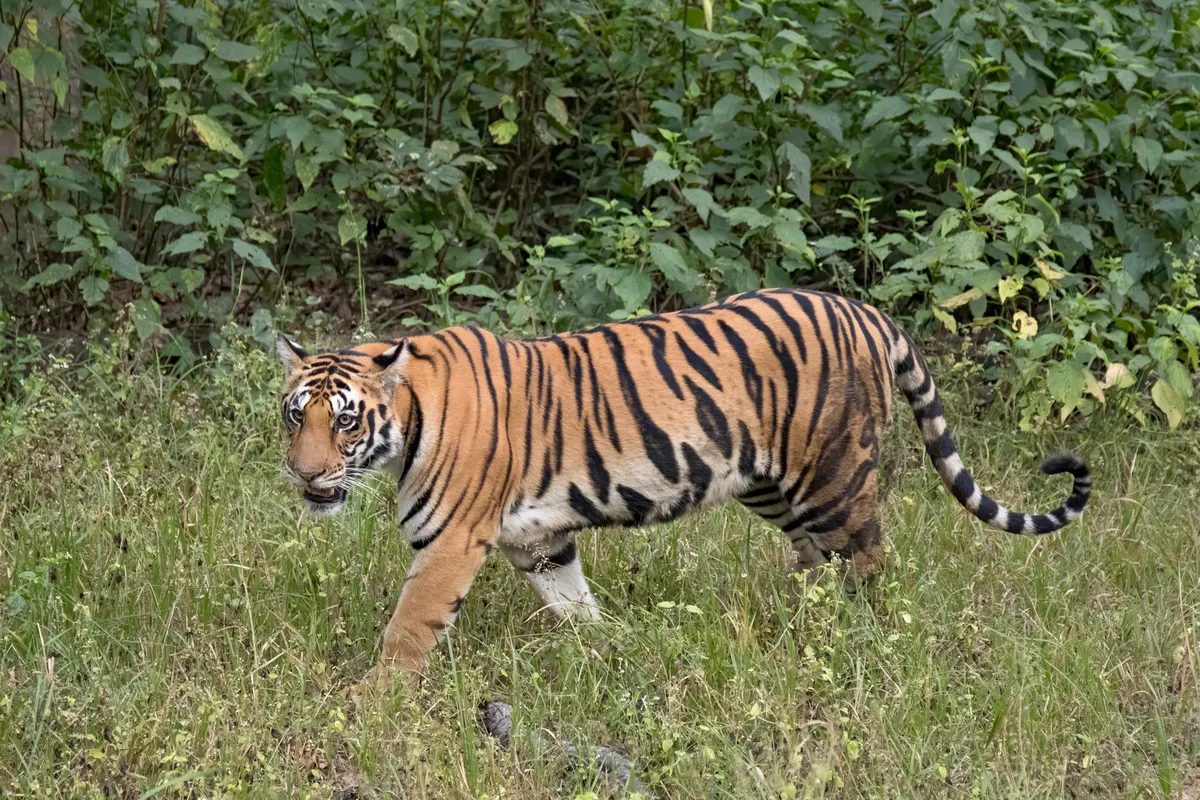
Forests stack into canopy, understory, and forest floor — and animals use different layers. Giant Panda and Red Panda feed almost entirely on bamboo in temperate and montane woods. Tiger, Leopard, and Jaguar hunt along trails and river edges where prey concentrates. Gorilla and Chimpanzee move in social groups through fruiting trees, while Sloth and Koala stay high in the canopy on slow, specialized diets.
Start here
Featured species
6 entry points into this cluster — each profile has range, diet, behavior, and conservation detail.
Species directory
All 71 animals in this hub
Flagship species appear first. Open any card for range maps, diet, behavior, and conservation status.
Field guide
Ecology & context
Adaptations, threats, and comparisons — background for readers who want more than the species directory.
Diet mix in one habitat
The same forest holds carnivores like Wolf, herbivores like Moose, and omnivores like Raccoon. Each species page has the range map, conservation status, and life-history detail that a habitat listing cannot replace.
Temperate, tropical, and boreal forests
Not all forests share the same structure. Tropical rainforests pack species into vertical layers year-round, with fruiting trees supporting Gorilla, Orangutan, and Toucan. Temperate forests swing sharply with seasons — leaf flush and autumn mast crops shape when Moose, Wolf, and Owl find food. Montane bamboo woods in China support Giant Panda and Red Panda on diets that would starve most other mammals.
Threats across forest wildlife
Fragmentation is the common thread. Roads and clearings split continuous forest into patches too small for wide-ranging Tiger and Jaguar. Logging removes nest trees for Kakapo and cavity nesters. Invasive plants and fire change understory structure that Chameleon and Red-eyed Tree Frog depend on. Recovery plans differ — some species need corridors, others need old-growth reserves or native reforestation.
Common Questions
FAQ about Forest Animals
Select a question to reveal the answer.
What animals live in forests?
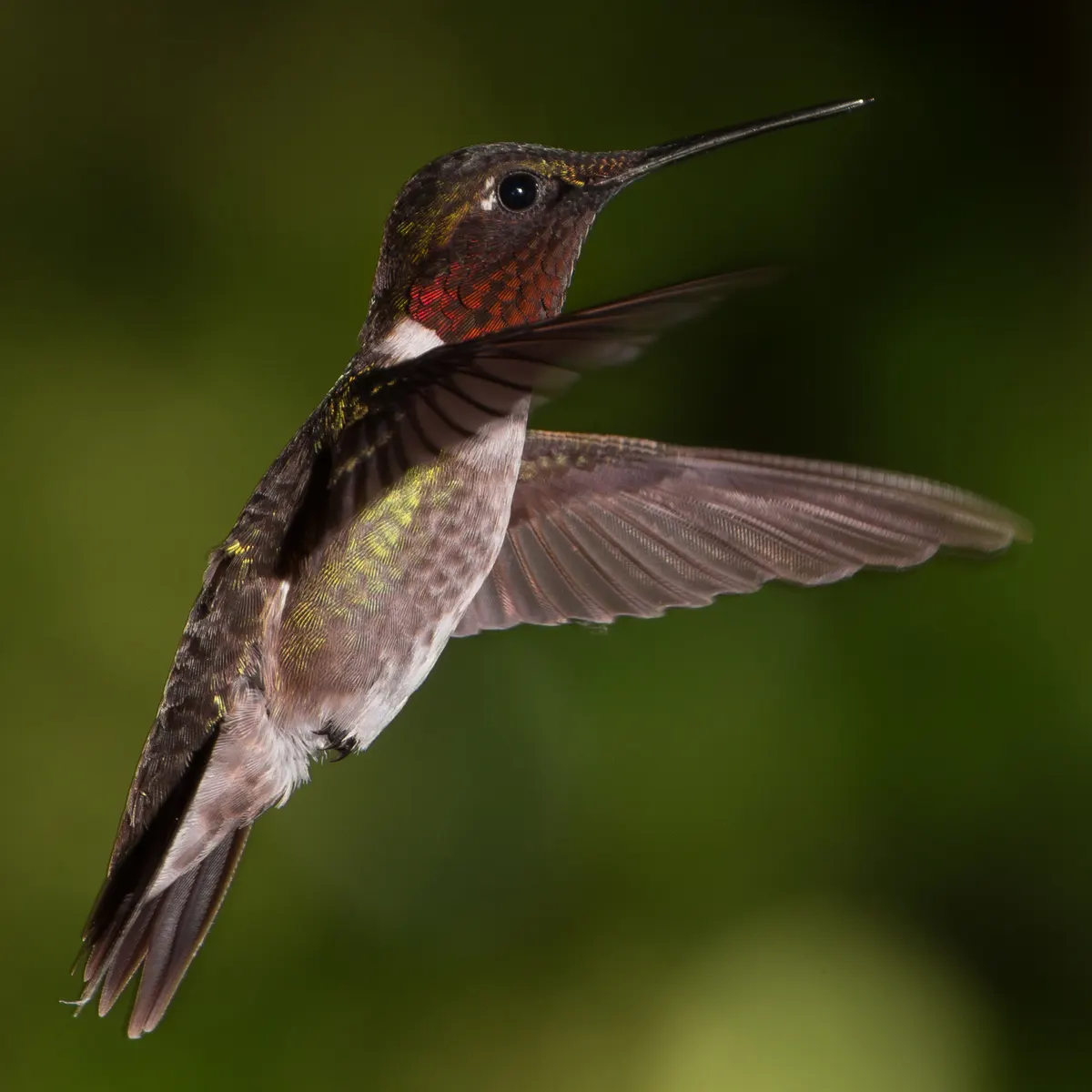
Forests hold mammals from Gorilla to Raccoon, birds from Eagle to Ruby-throated Hummingbird, reptiles like Iguana and Komodo Dragon, and insects including Cicada and Leafcutter Ant.
Do forest animals always live in trees?
How does deforestation affect forest species?
It shrinks home ranges, isolates populations, and removes food plants that specialists rely on. Apex predators need large contiguous forest. Fragmentation also increases conflict between people and wildlife at forest edges.
Where should I start reading?
Begin with Giant Panda, Tiger, or Gorilla for large flagship species, then compare a predator, a herbivore, and an arboreal specialist from the full list below.
Keep exploring
Related hubs
Same cluster, different angle — open a diet or habitat hub to compare species side by side.