The same species records used across WildlifeDB, aligned side by side so differences in size, habitat, diet, and behavior are easier to verify.
Compare any two species
Pick any two of the 178 species on the site. Mass, length, speed and lifespan are converted to one unit system and the ratio between them is computed, so “twice as heavy” is a number rather than an impression.
Ratios are computed from the upper end of each published adult range, so they compare typical large adults rather than record individuals. Where a value is descriptive rather than measured — most speeds — the row says so instead of inventing a number. The raw wording behind every figure is shown under it, and the whole table is downloadable from the species dataset.
African elephants and white rhinoceroses share savanna landscapes and large body size, but their anatomy, feeding, social structure, and conservation pressures are different.
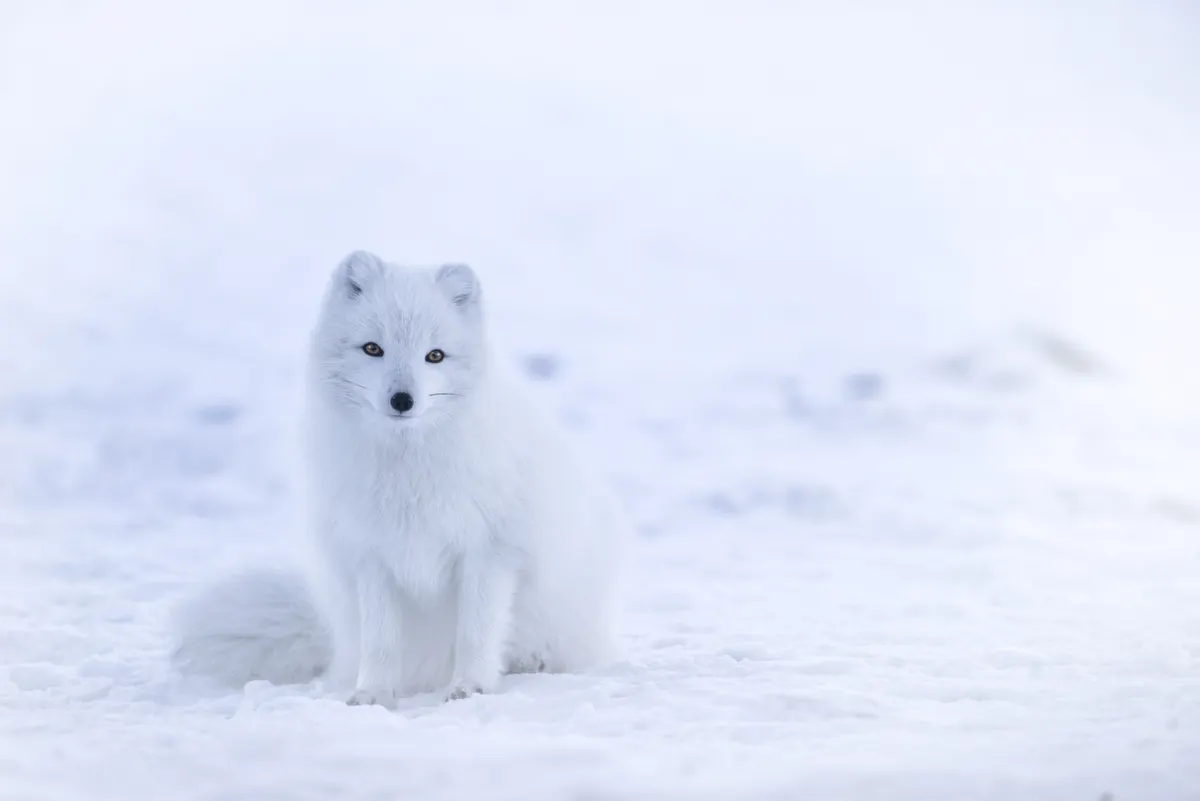
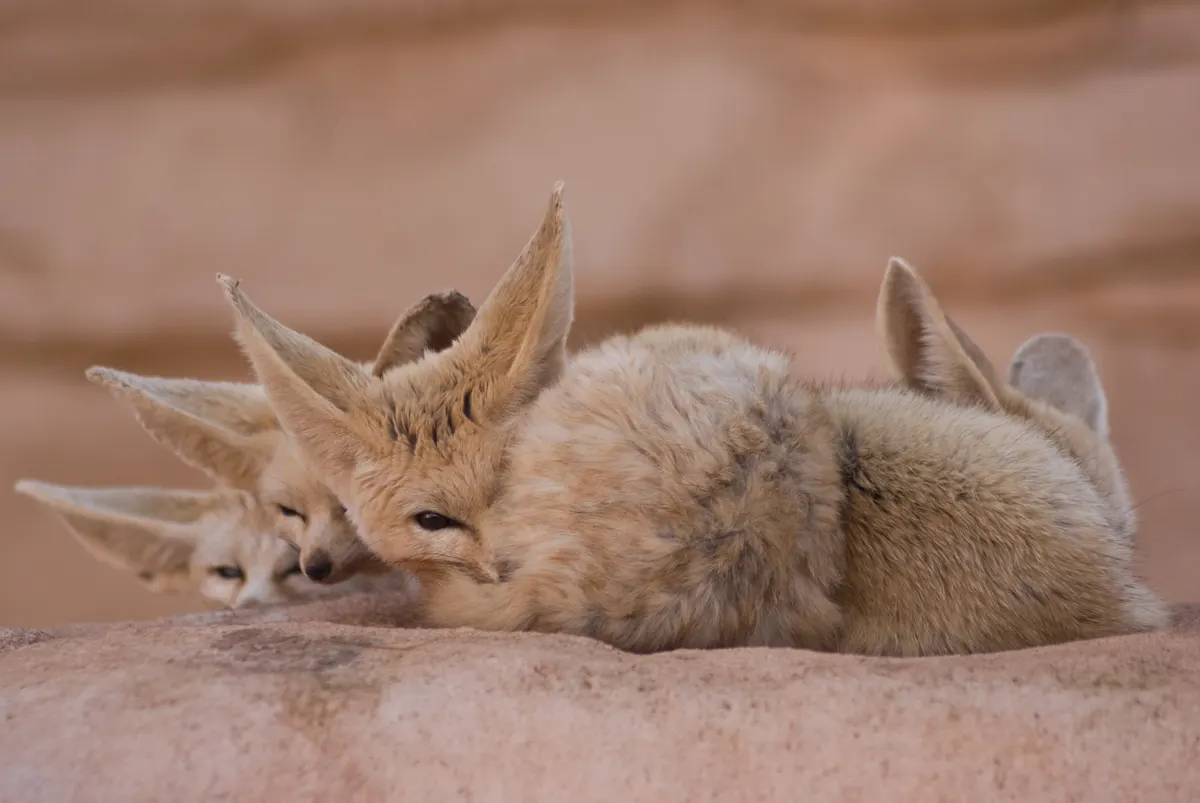
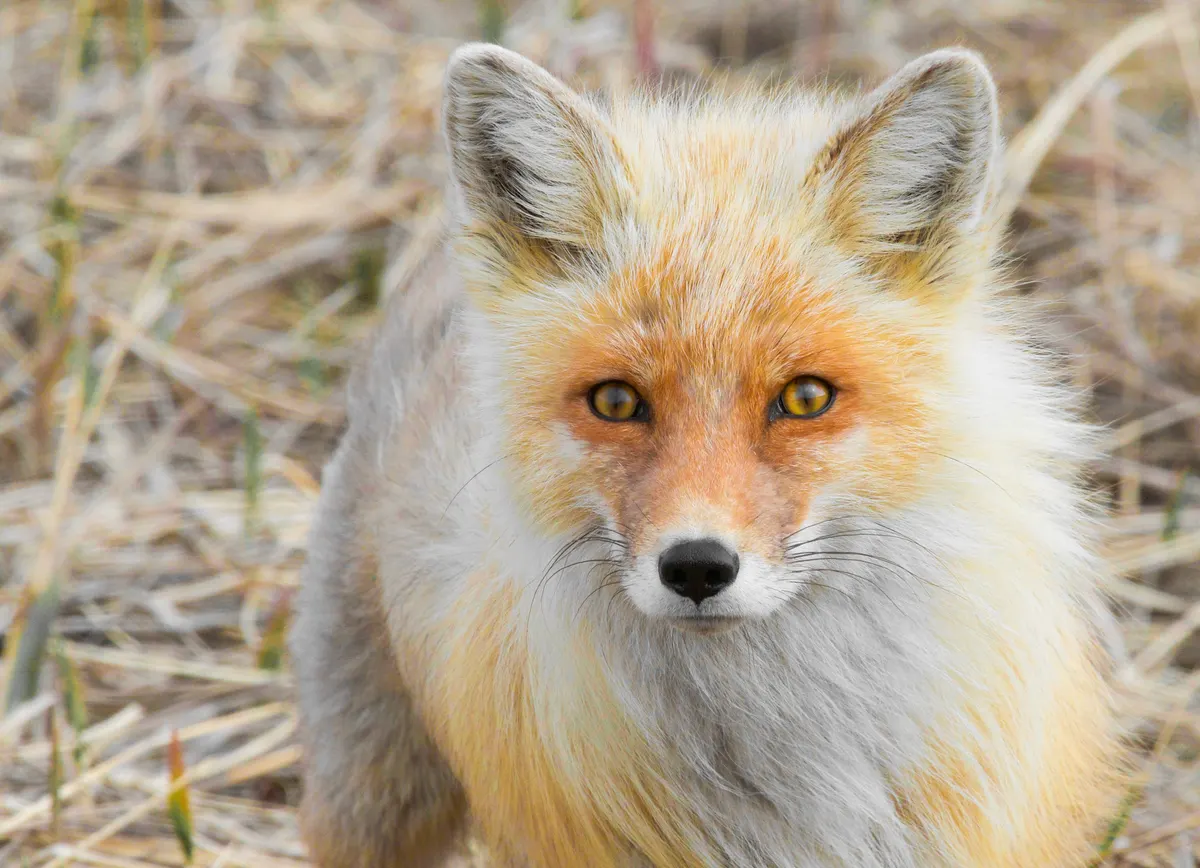
Arctic and fennec foxes are both Vulpes species whose bodies solve opposite thermal problems: the arctic fox is built to keep heat in, the fennec to get rid of it.
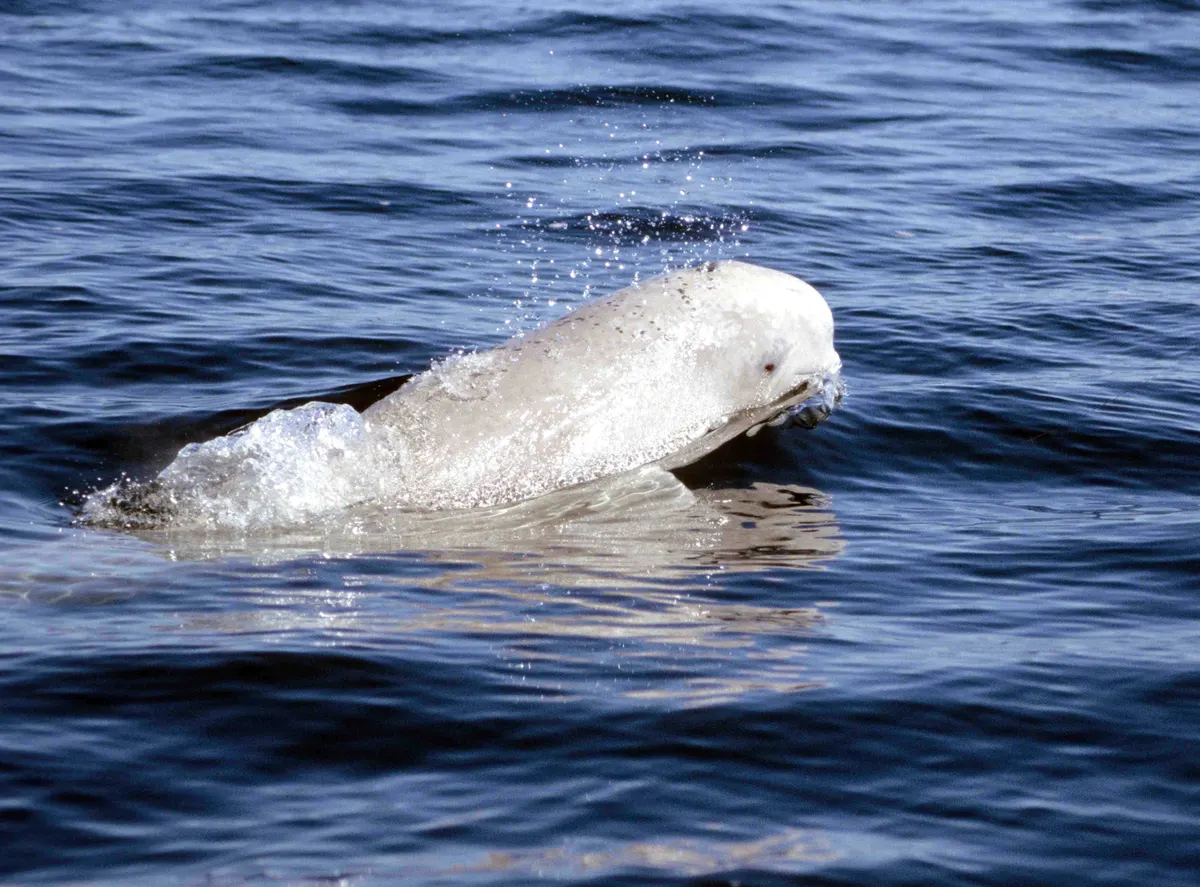
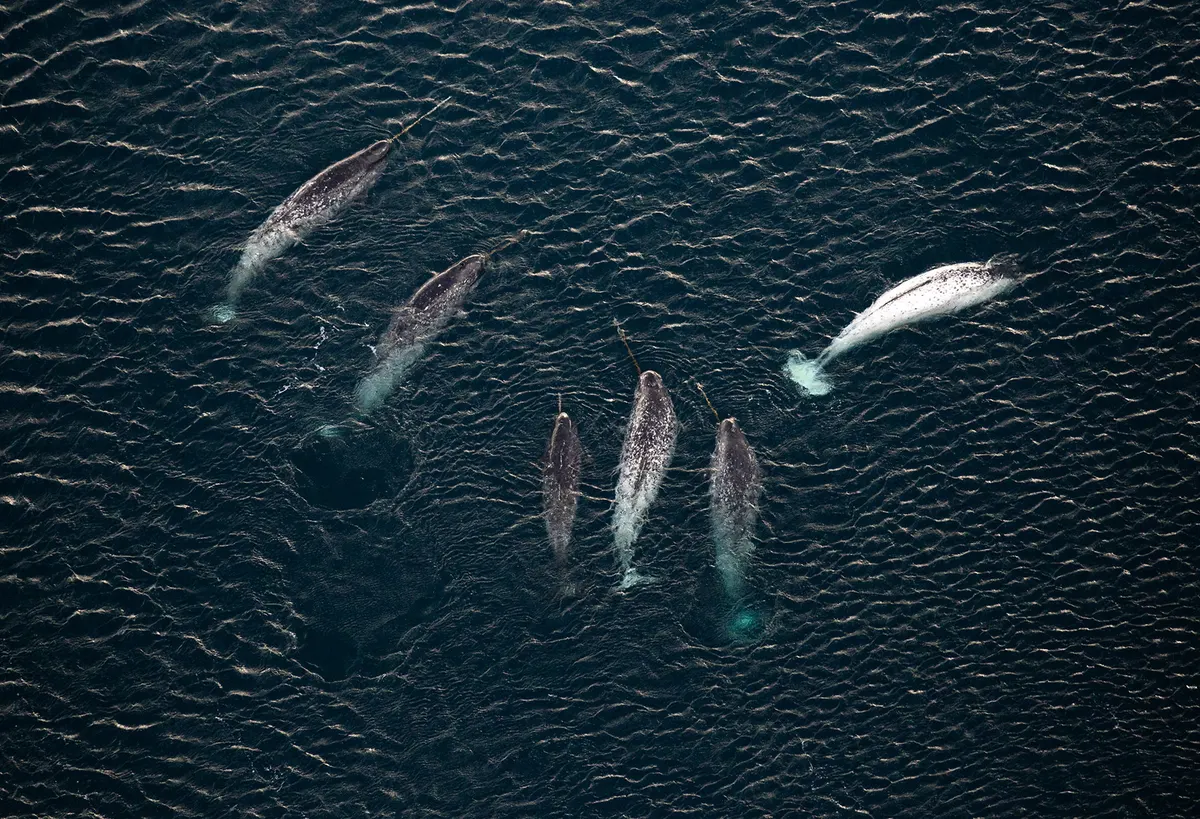
The Arctic's two monodontid whales share an ice-shaped body plan, yet differ sharply in appearance, seasonal habitat use, communication, and diving behavior.
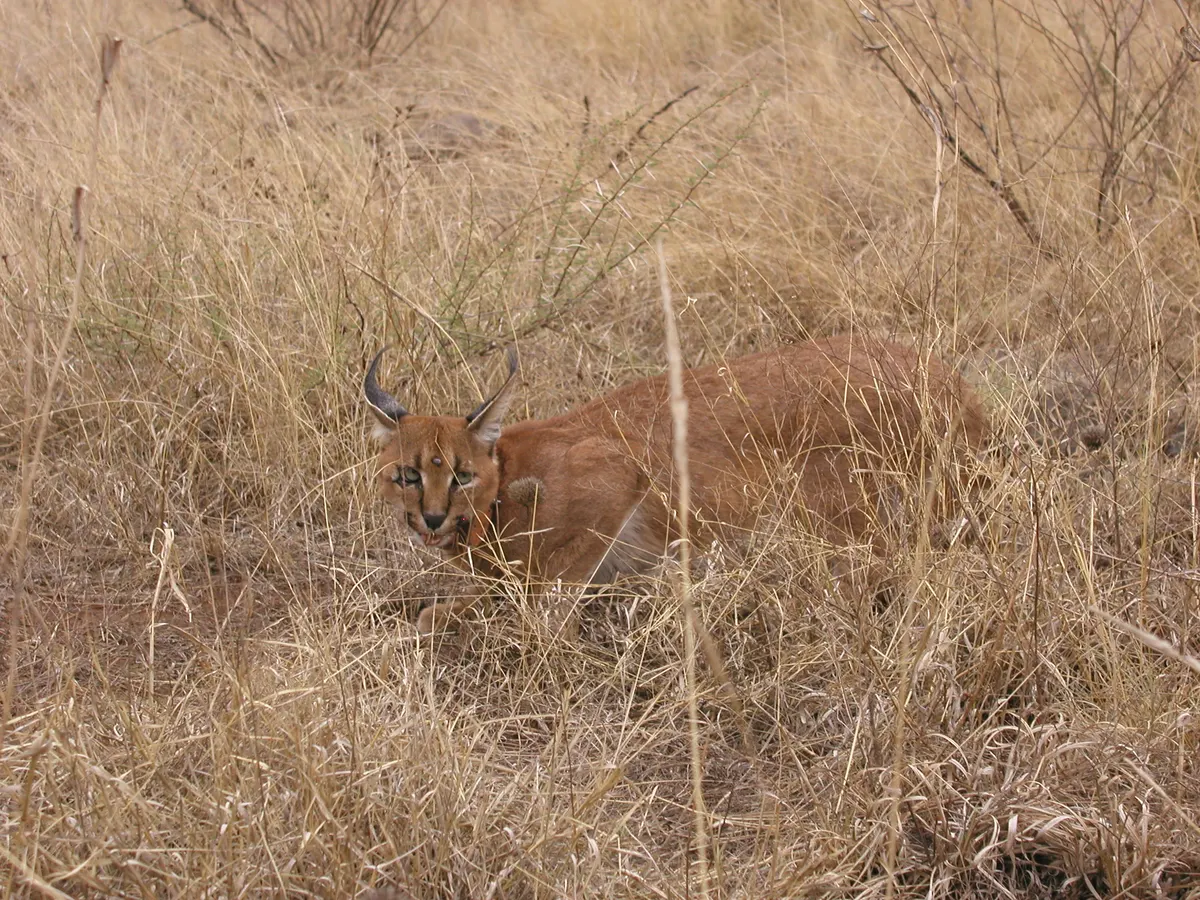
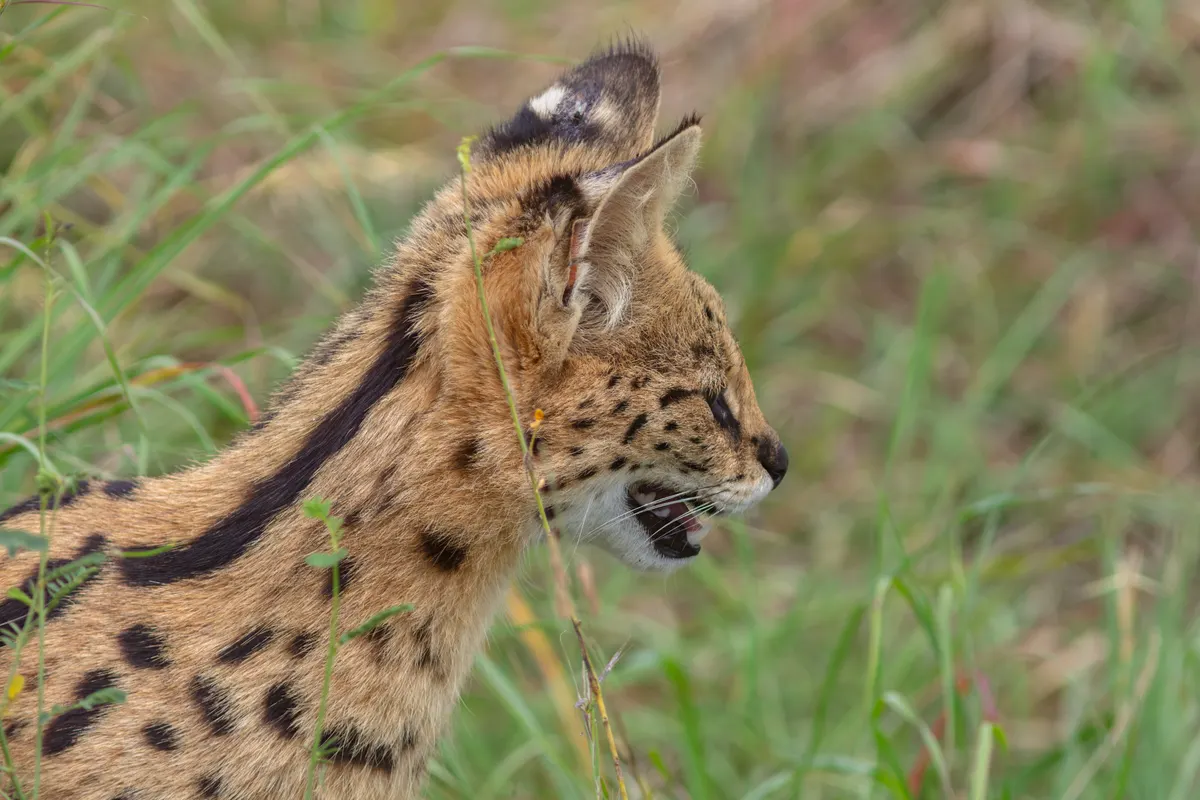
Caracals and servals are medium-sized African cats often confused with each other, but the caracal has plain fur and long black ear tufts while the serval is spotted with very tall legs and huge rounded ears.
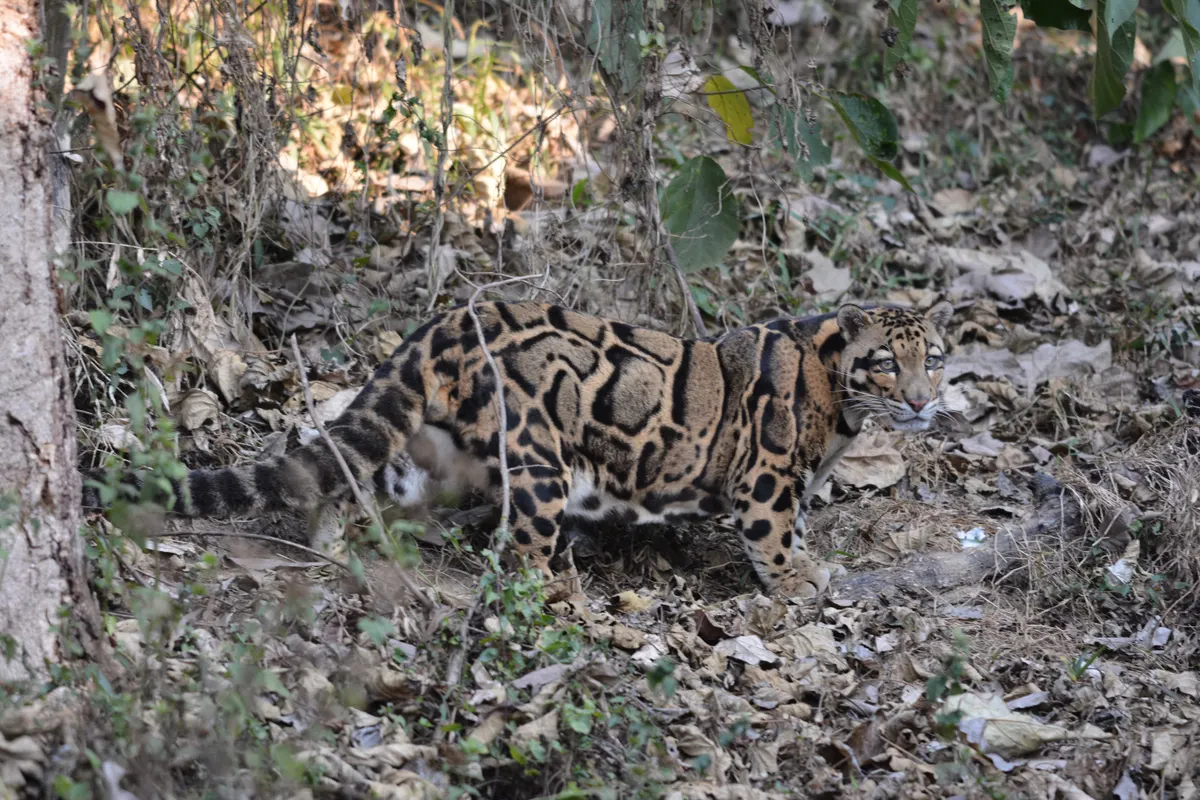
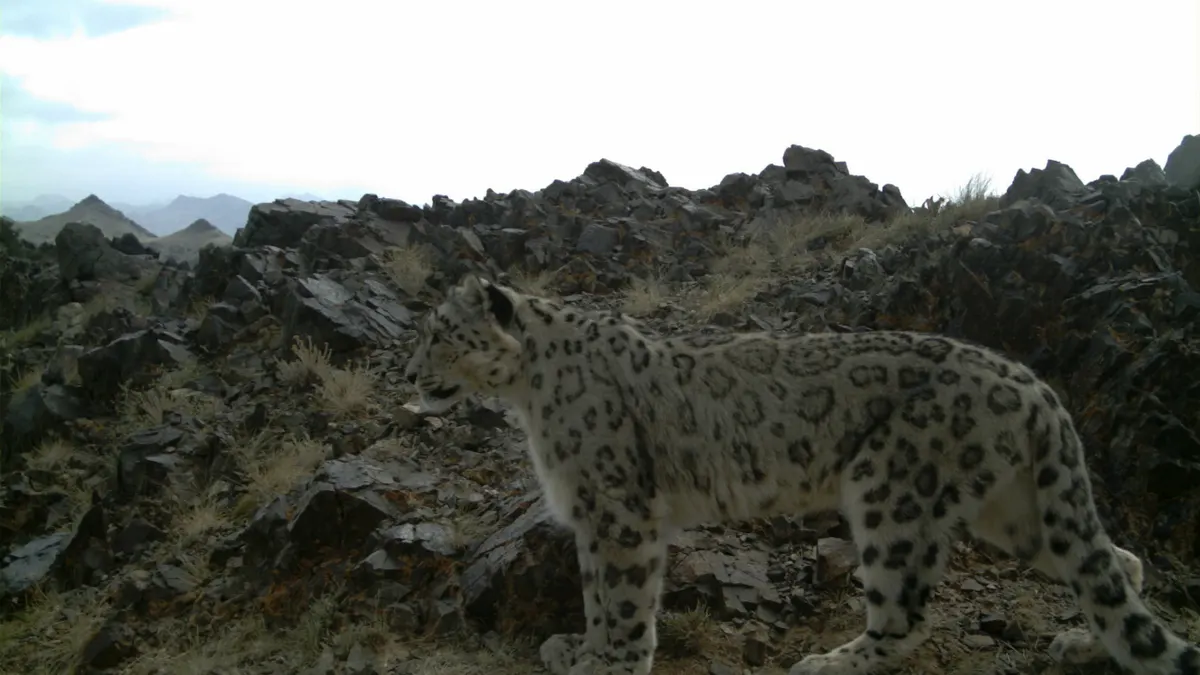
Despite the shared name, clouded leopards and snow leopards are different Asian cats: the smaller clouded leopard is a forest climber with cloud-shaped blotches, while the larger snow leopard is a thick-coated cat of high mountains.
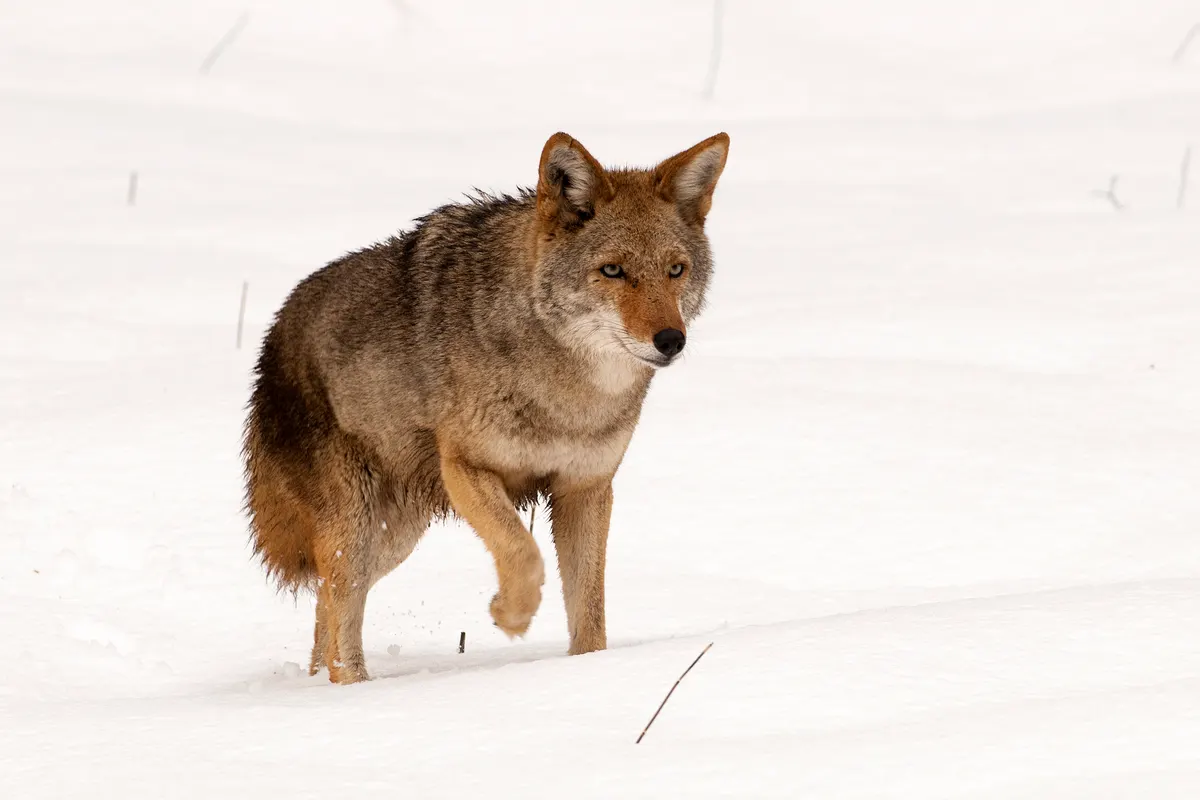
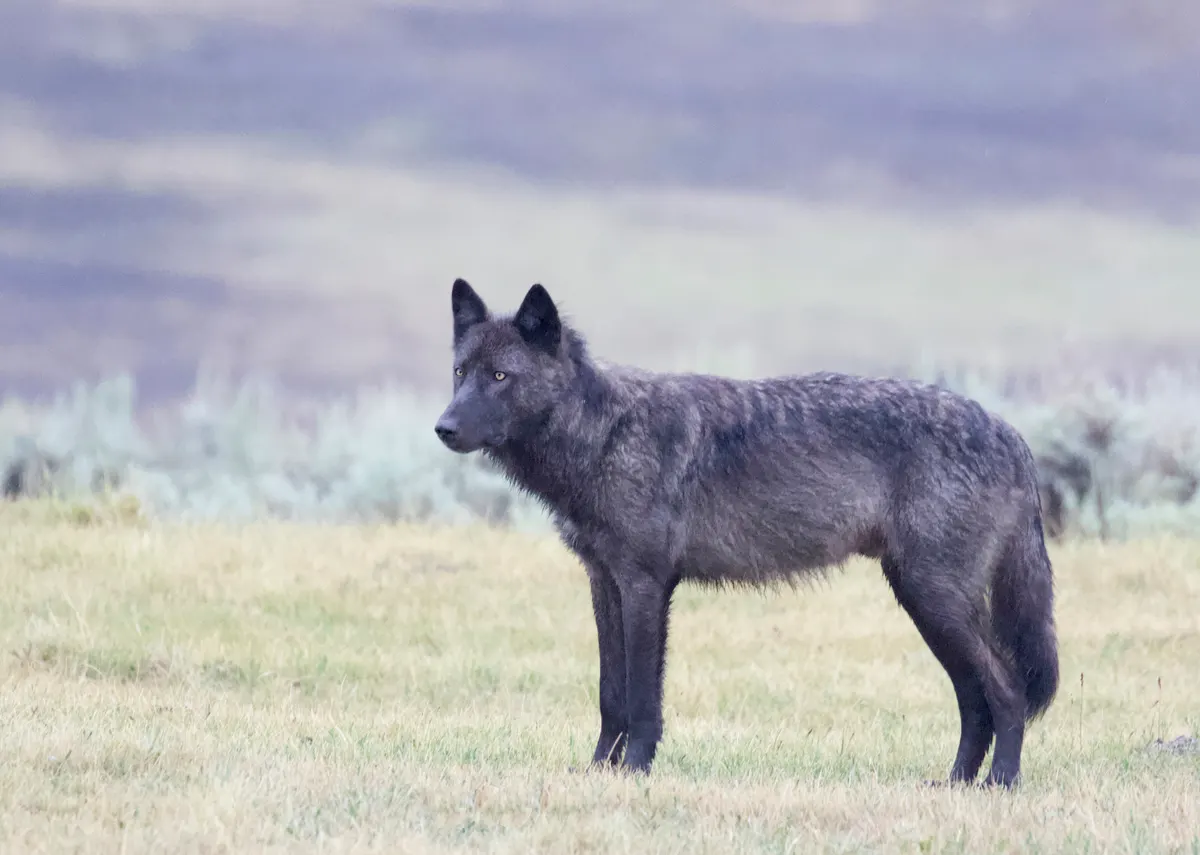
Coyotes and gray wolves are related Canis species, but wolves are larger pack hunters while coyotes use more flexible social groups and a broader diet.
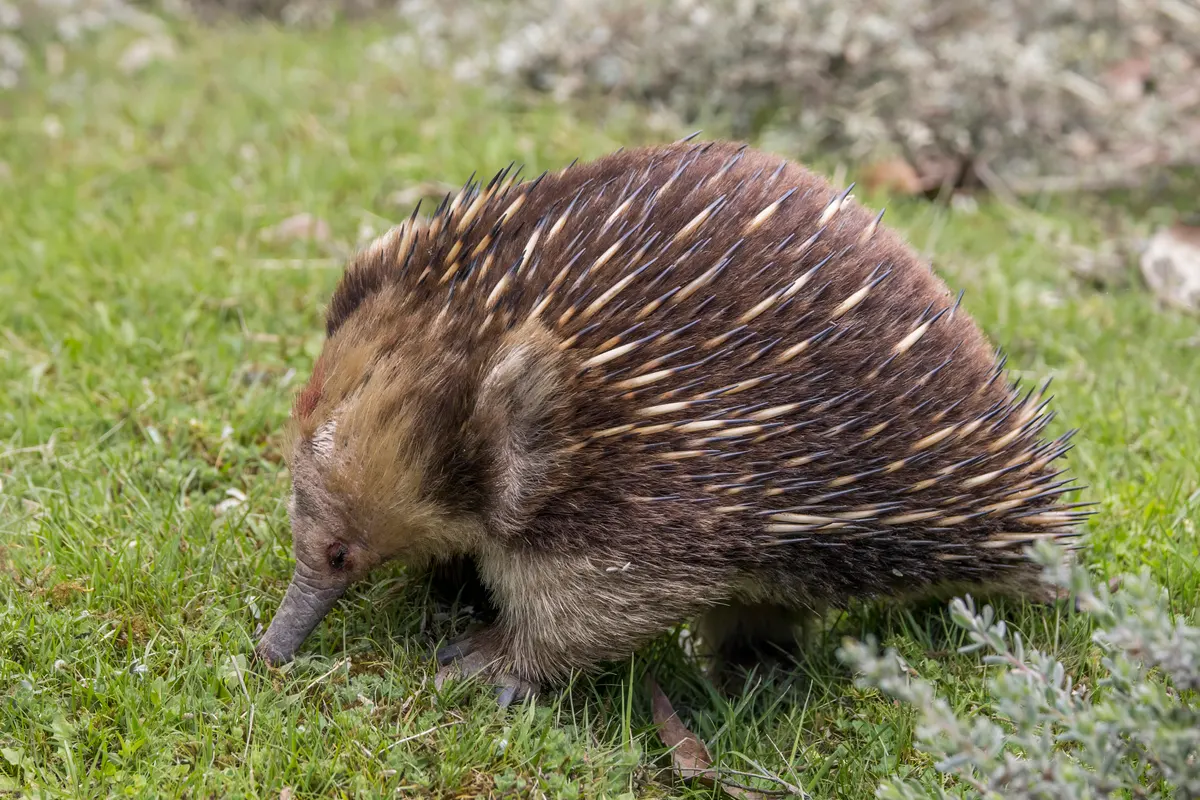
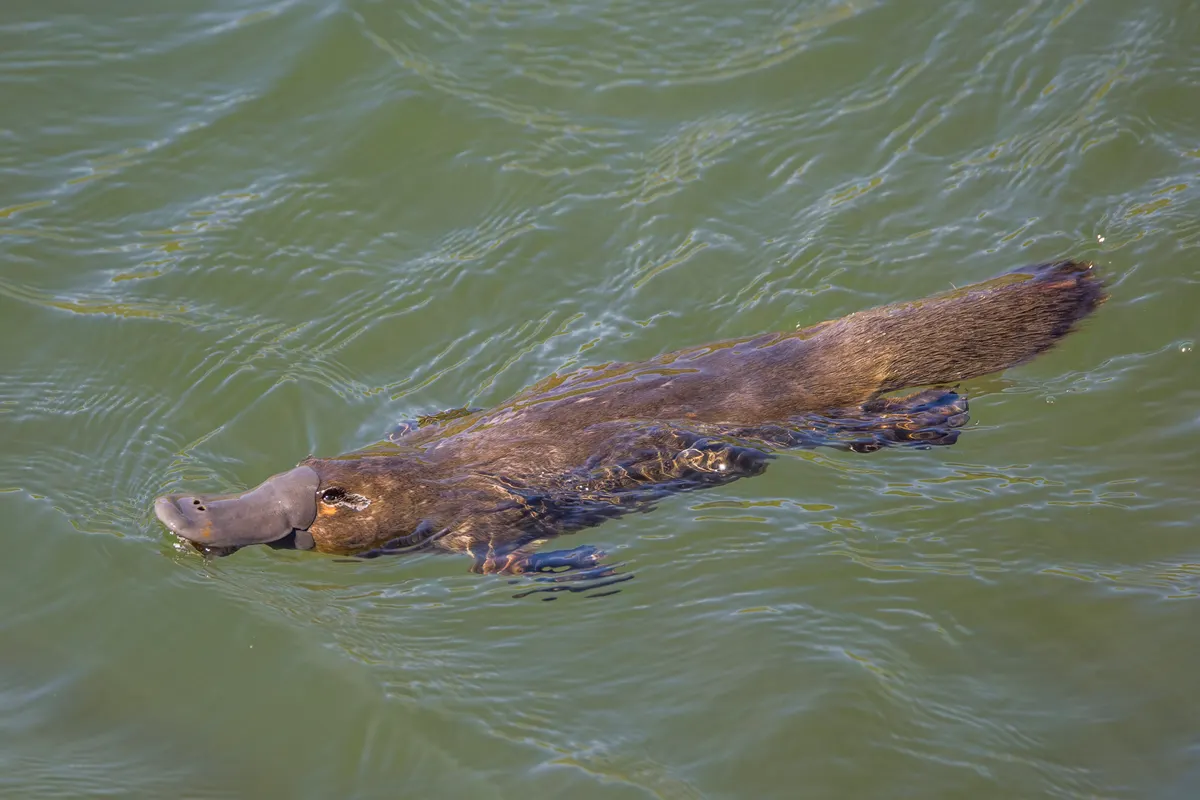
The short-beaked echidna and the platypus are the two surviving monotreme families, sharing egg-laying, electroreception and a toothless mouth while using them in completely different places.
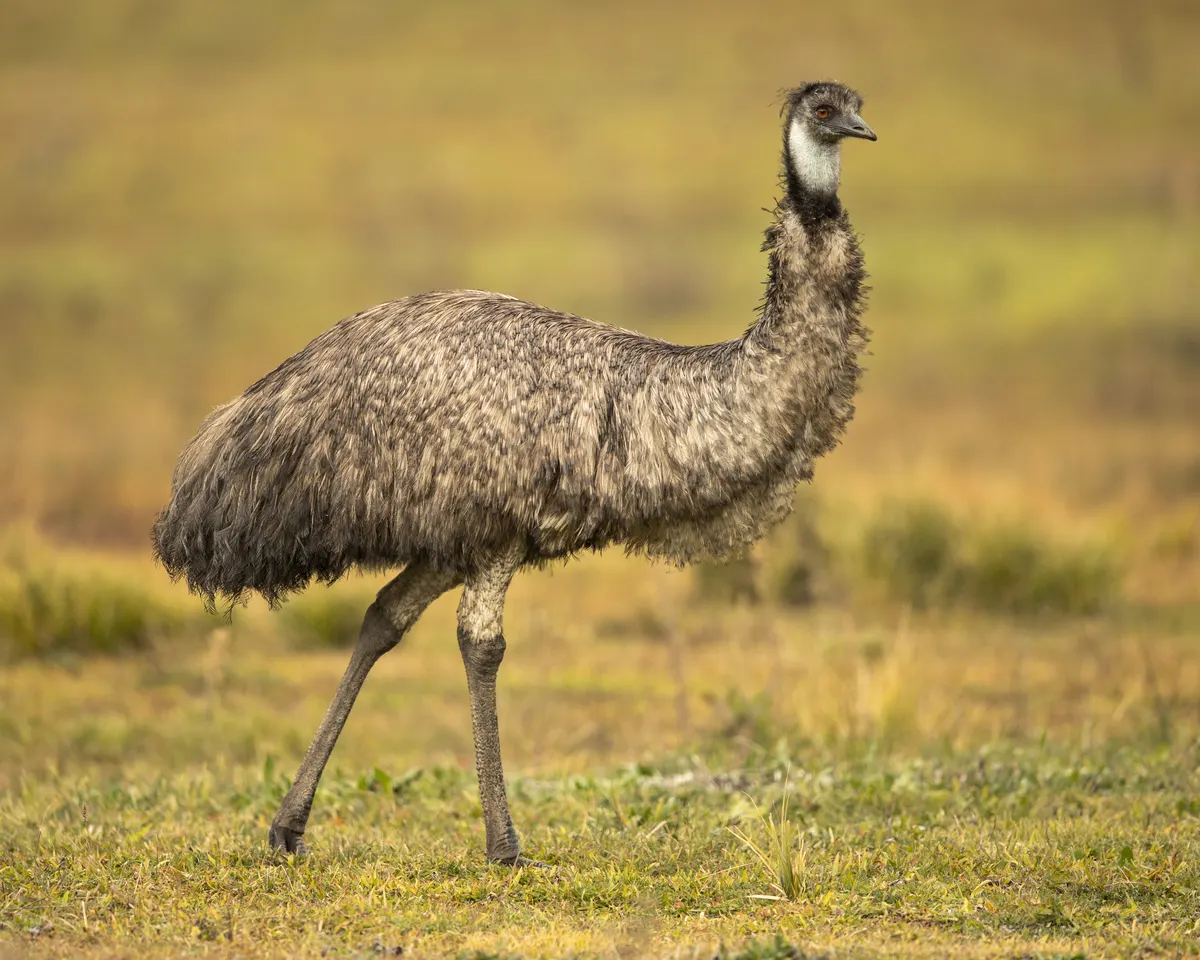
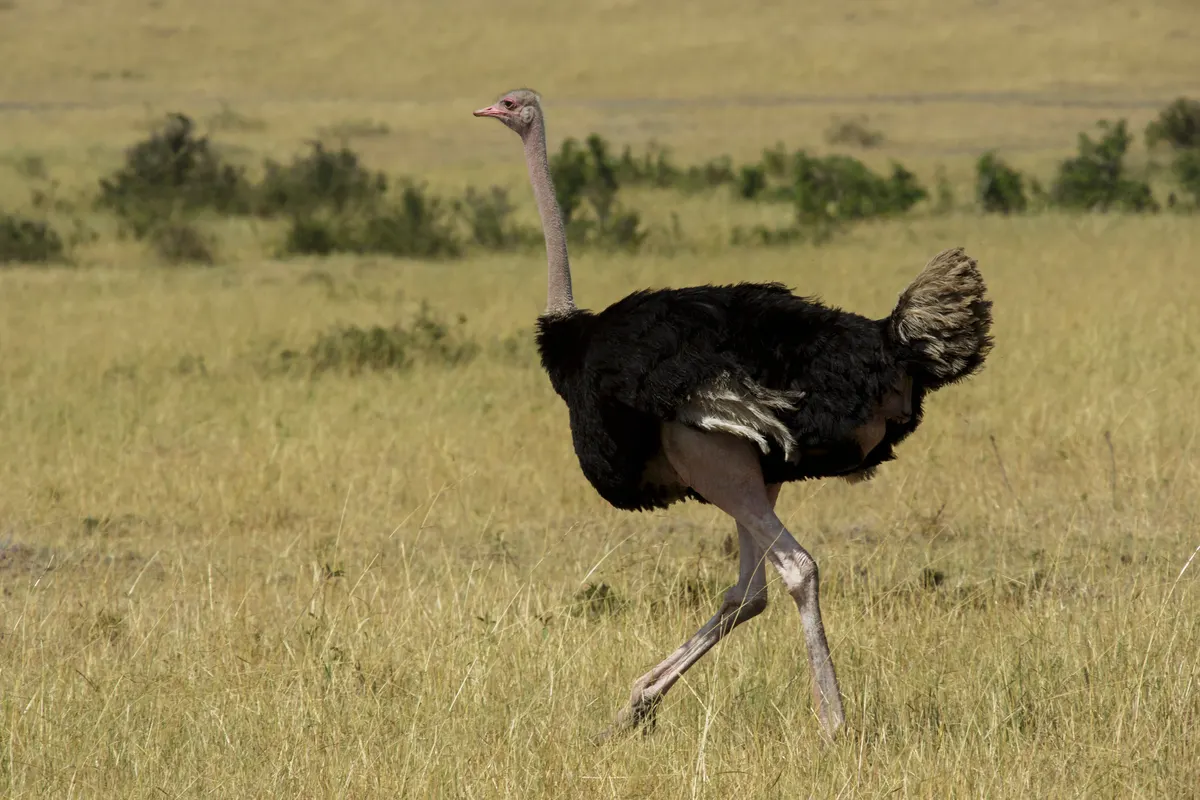
Emus and ostriches are the two largest flightless birds, but the ostrich is the bigger and faster African species with two toes, while the emu is a smaller Australian bird with three toes whose males raise the chicks alone.
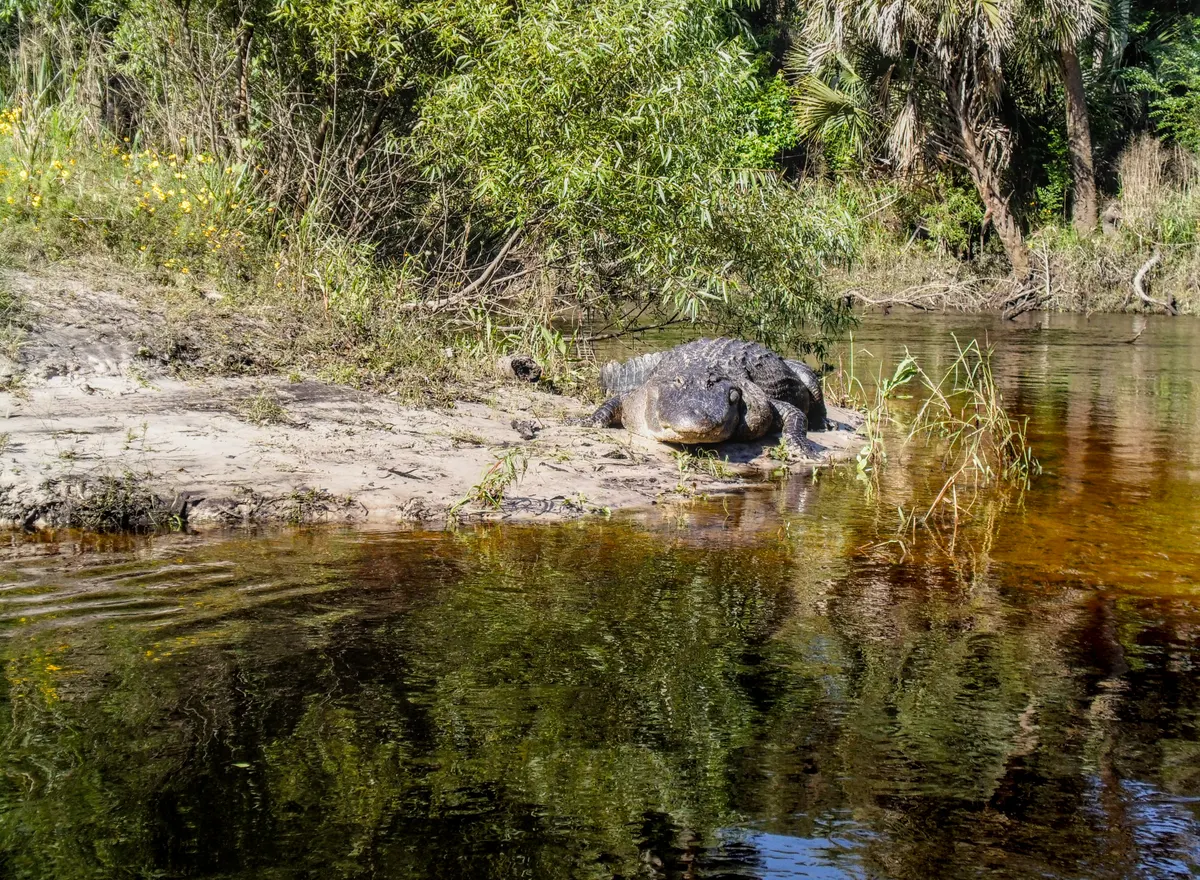
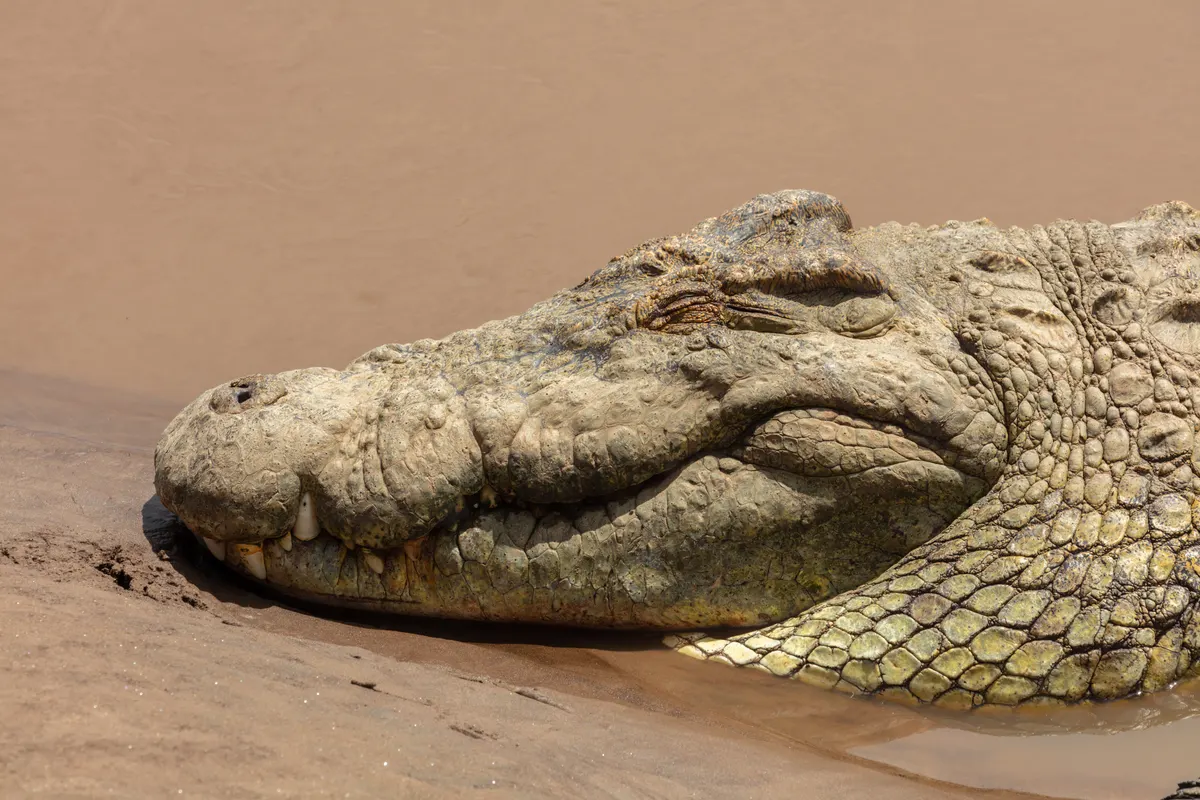
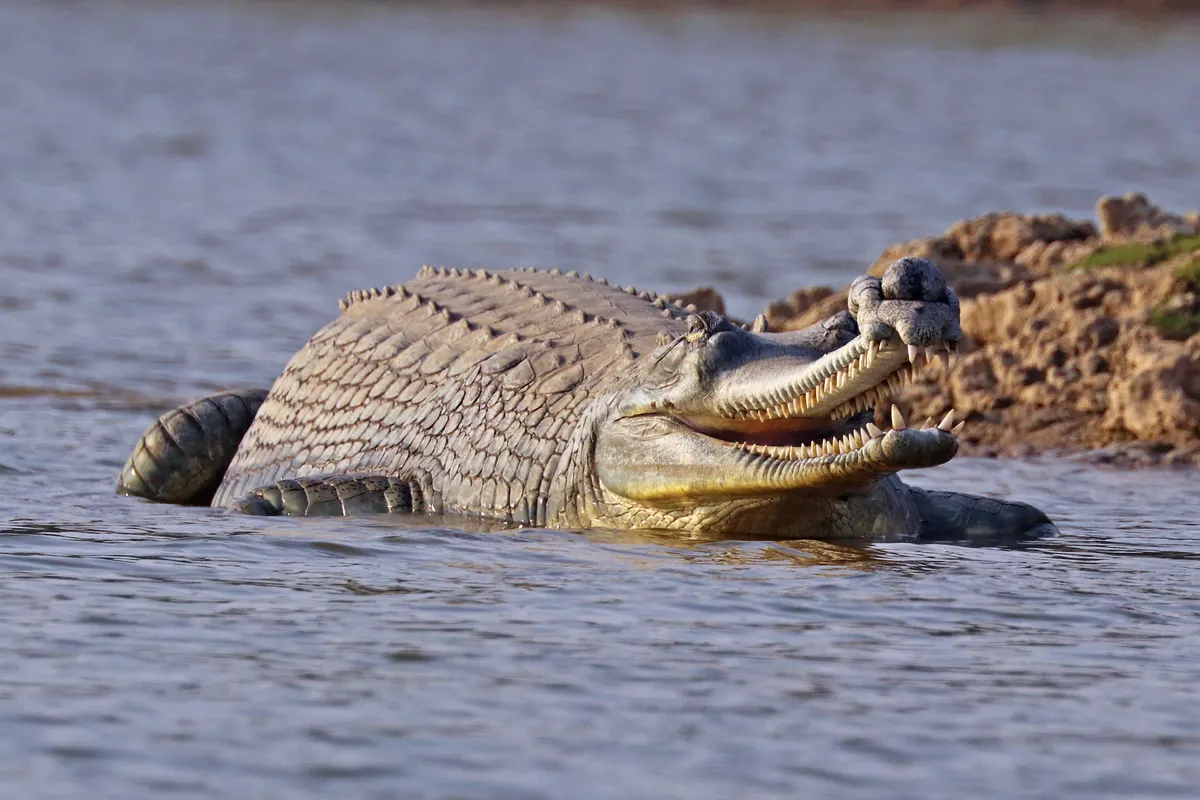
Gharials and crocodiles are both crocodilians, but the gharial has an extremely narrow fish-catching snout and is harmless to people, while the broad-snouted crocodile is a powerful generalist predator that can be dangerous.
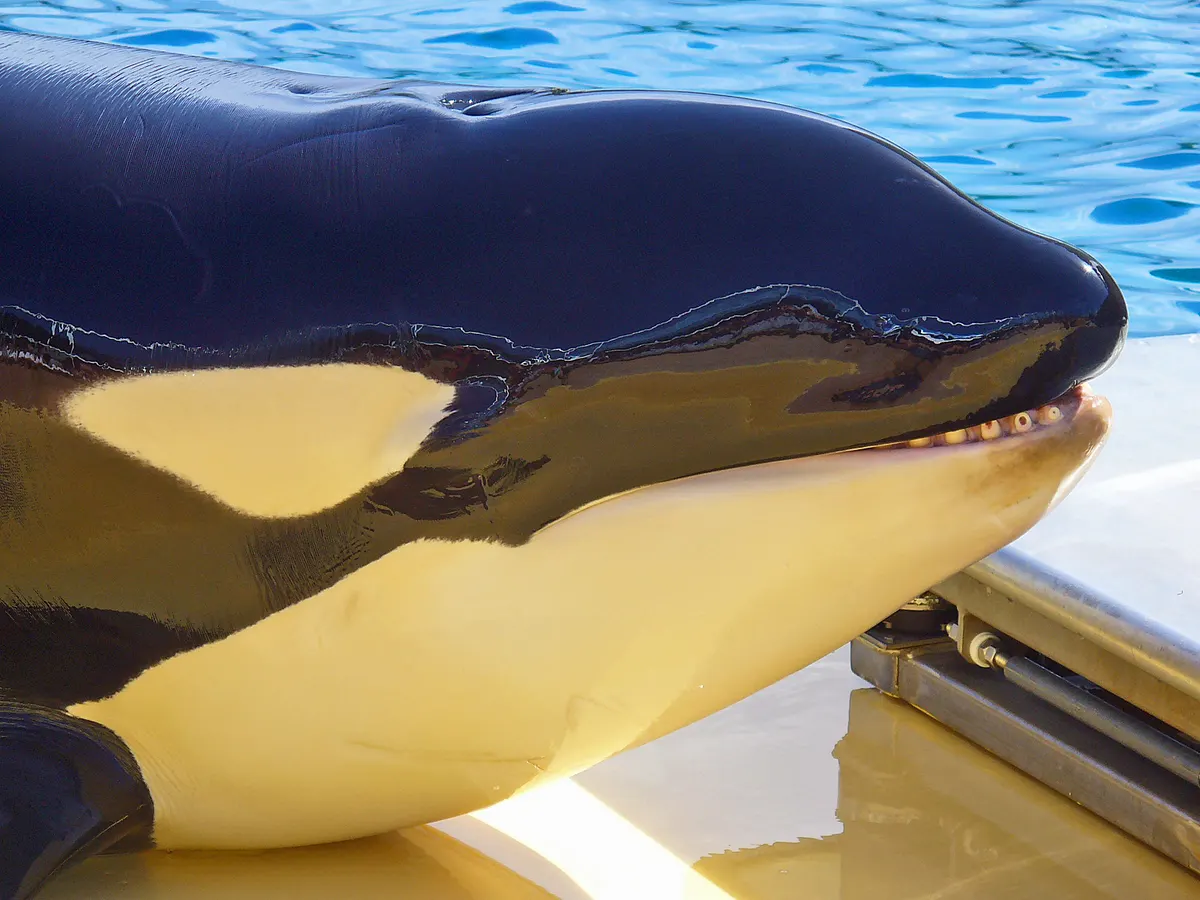
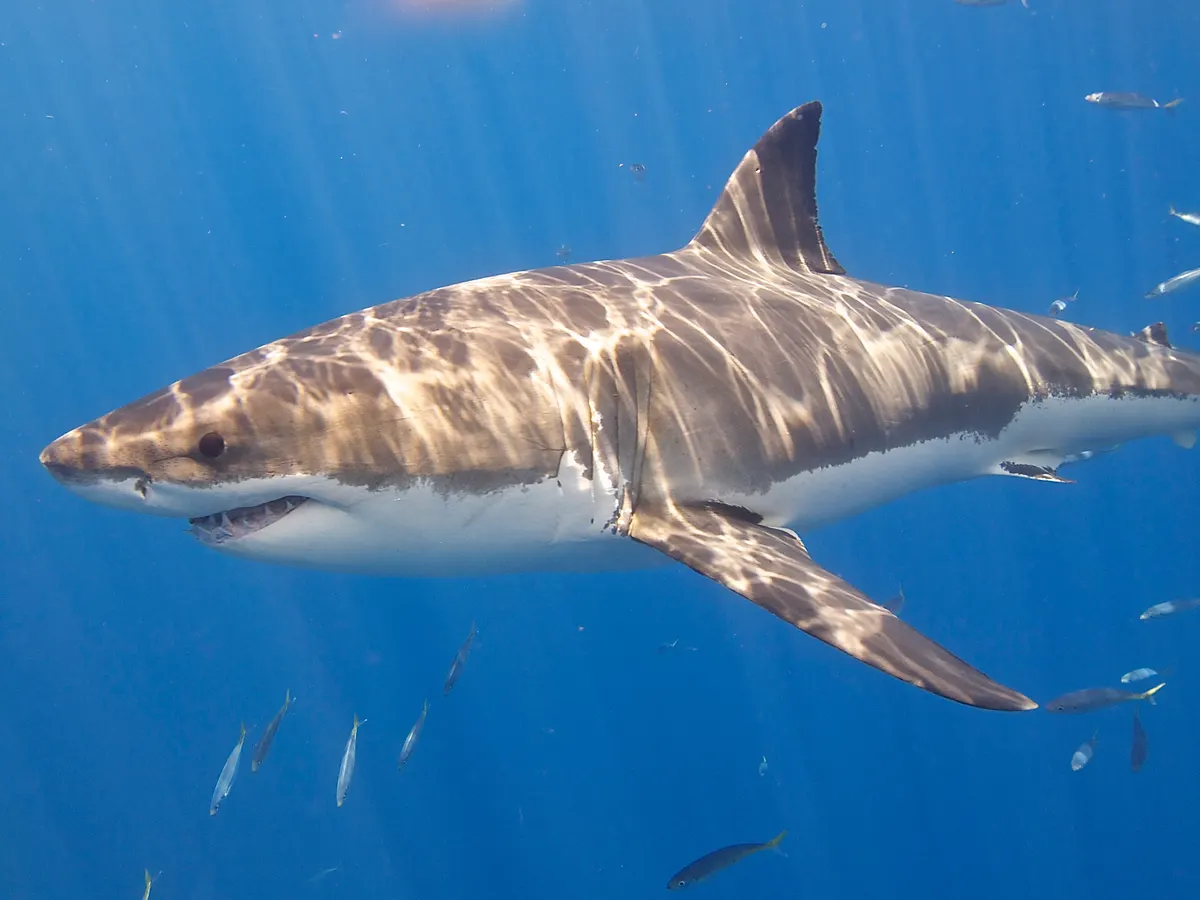
Orcas and great white sharks can hunt some of the same marine prey, but one is a social air-breathing mammal and the other is a solitary gill-breathing fish.
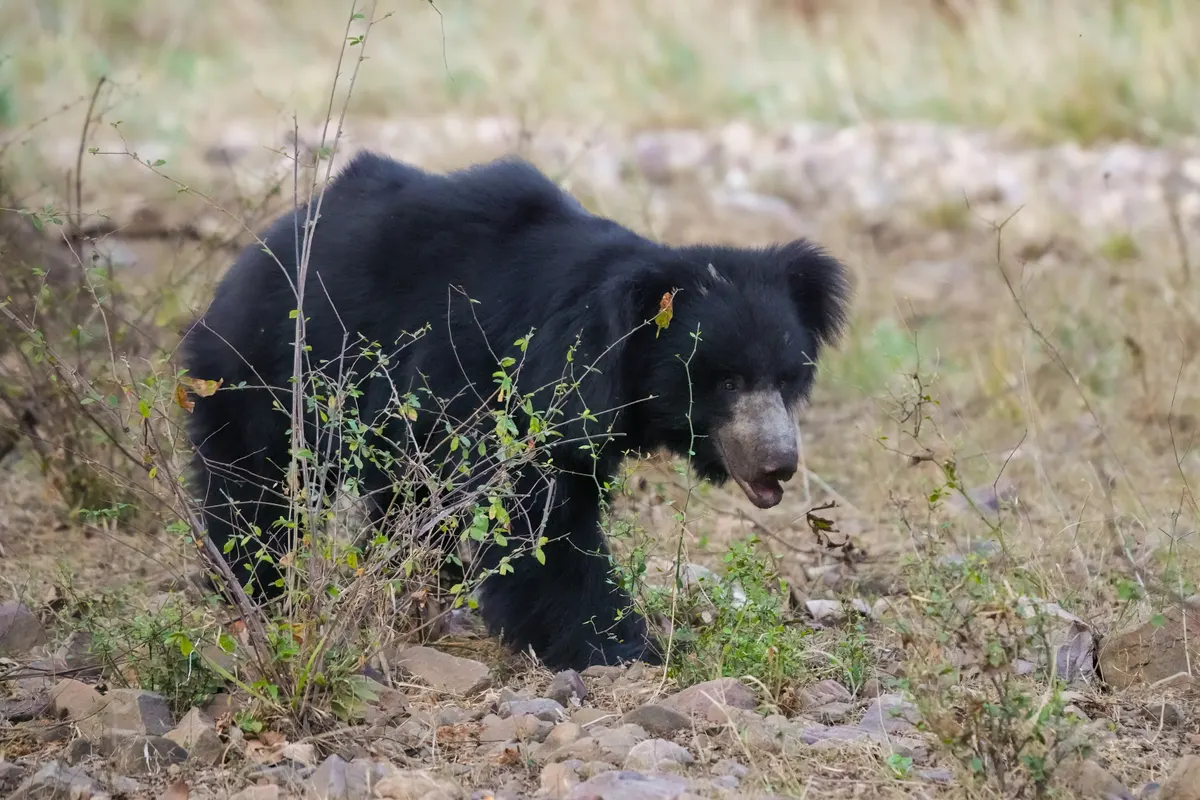
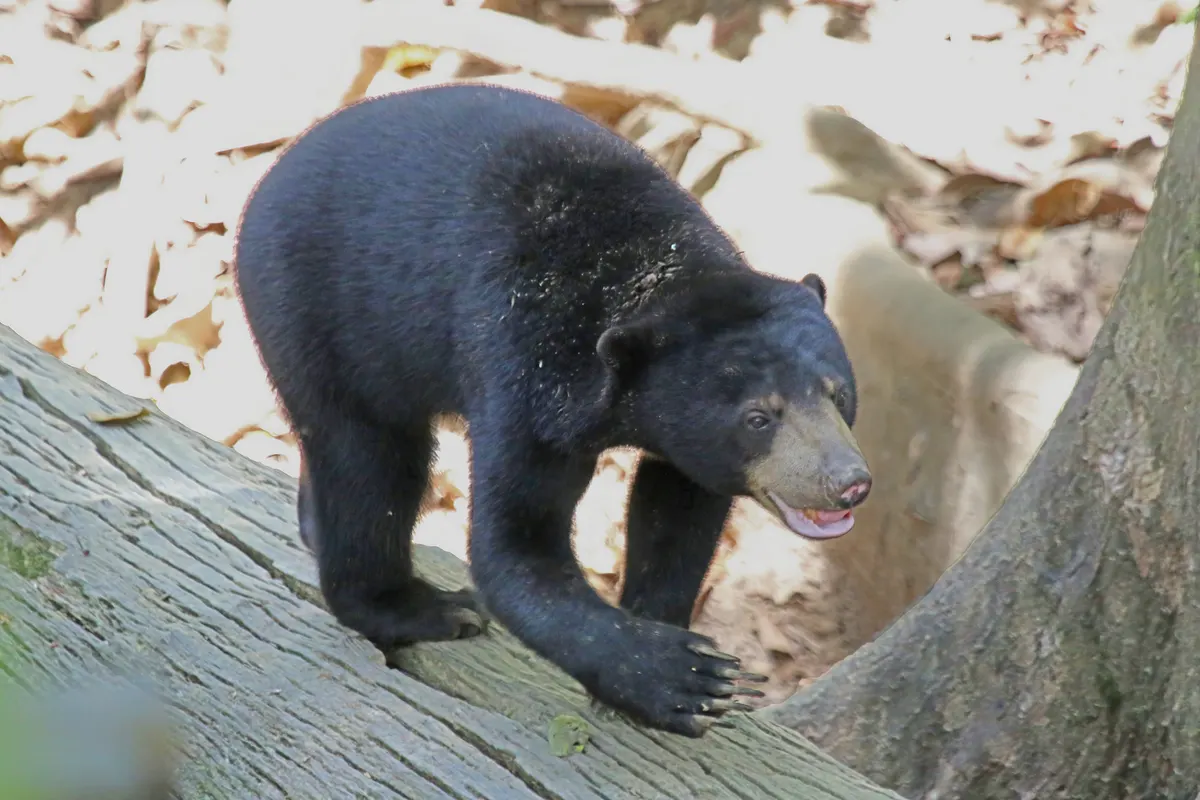
Sloth bears and sun bears are both small Asian bears with pale chest marks, but the sloth bear is larger and shaggy with a termite-eating snout, while the sun bear is the smallest bear, sleek-coated, and the most tree-dwelling.
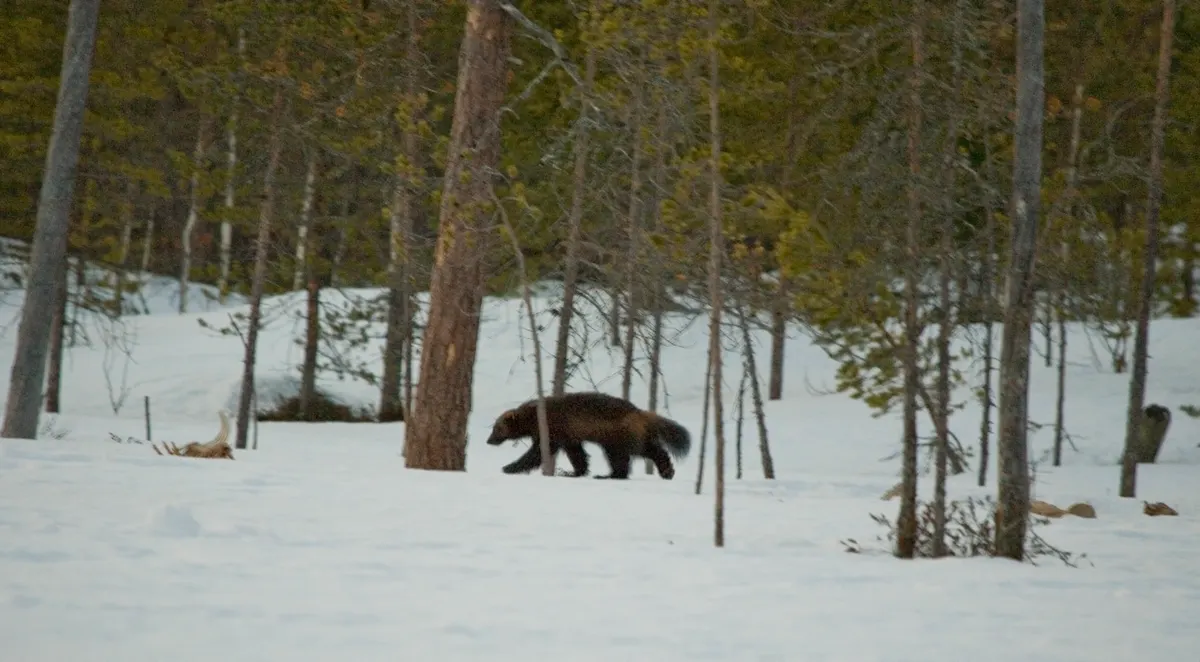
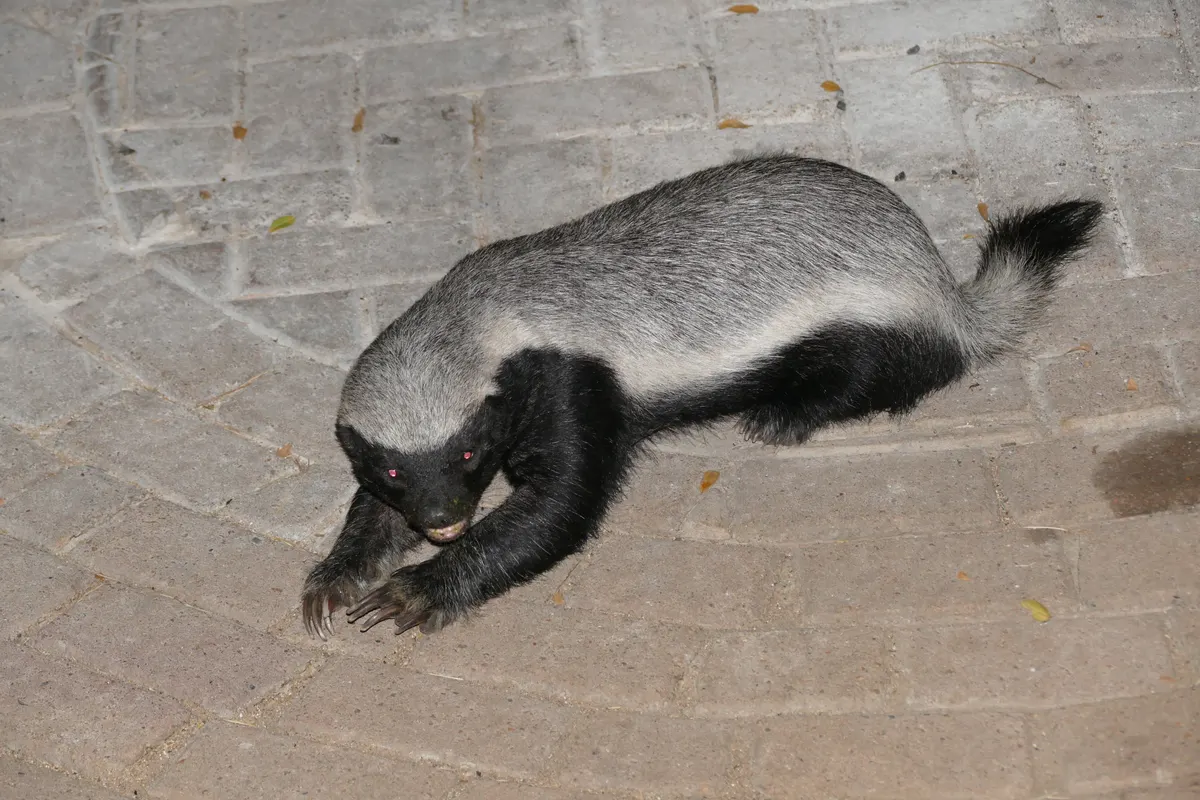
Wolverines and honey badgers are separate mustelid genera on different continents that arrived at a similar build, a similar diet breadth, and the same reputation for confronting larger animals.

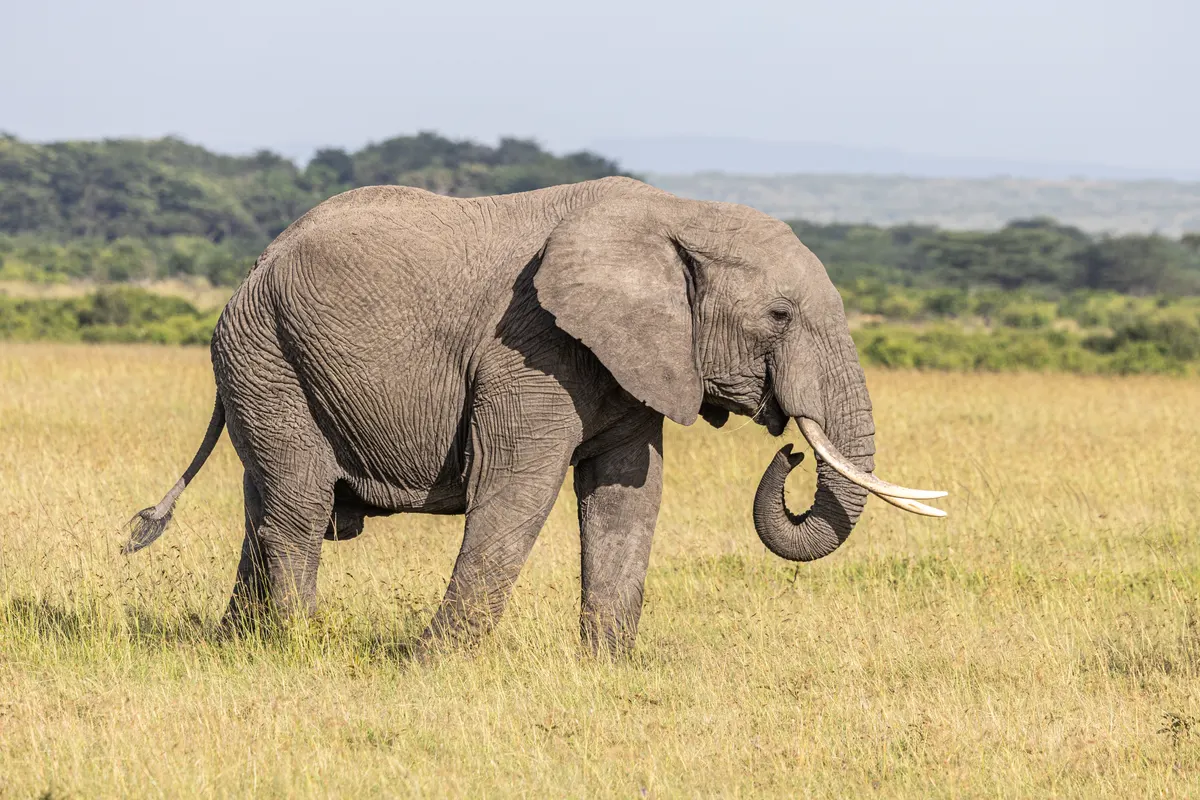 African Elephant
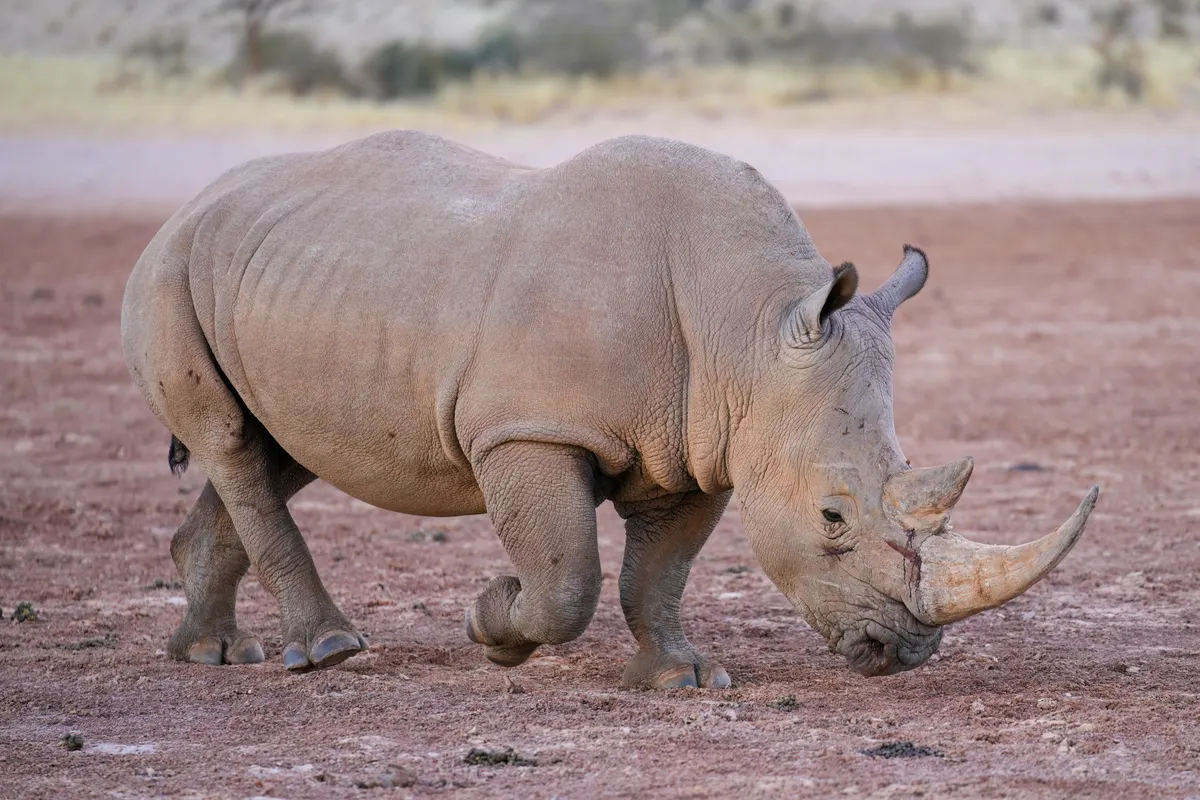 White Rhinoceros