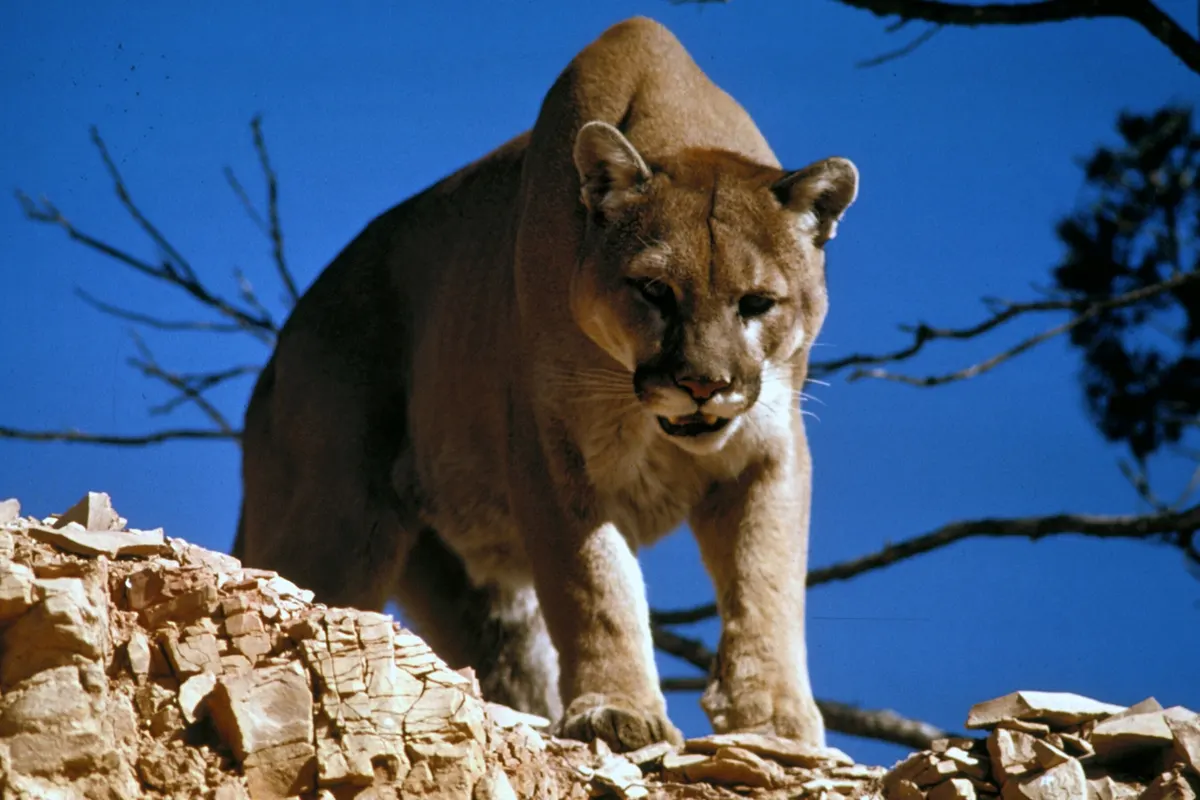
Mountain lion standing in rocky terrain in Glacier National Park
The cougar — also called mountain lion or puma — is the Americas’ wide-ranging big cat.
MammaliaLeast Concern

Cougar Facts

Cougar, mountain lion, and puma are names for the same species, *Puma concolor*.

The cougar — also called mountain lion or puma — is a large American wild cat with a plain tawny coat and a long heavy tail. It hunts deer in forests across the Americas and ranks as Least Concern.

By · Updated

Quick Facts

Cougar at a glance

Puma concolorCarnivoraFelidae

About their home

Kind of animal

Mammalia

Where they live

What they eat

How safe?

Least Concern

Size and speed

How heavy

64 pounds – 220 pounds

How long

3.5 feet – 5.5 feet

How fast

Up to about 50 mph in short chase bursts

Lifespan

About 8 to 13 years

Core article

Cougar: ecology and life history

A closer look at habitat, diet, behavior, reproduction, and conservation.

Start here

Cougar

Also called the mountain lion, puma, or panther, the cougar (Puma concolor) is the widest-ranging wild cat in the Americas. This powerful carnivore of the Felidae family stalks deer through forests, mountains, and woodland edges from Canada to Patagonia — usually alone, and almost always out of sight.

One Cat, Many Names — and No Roar

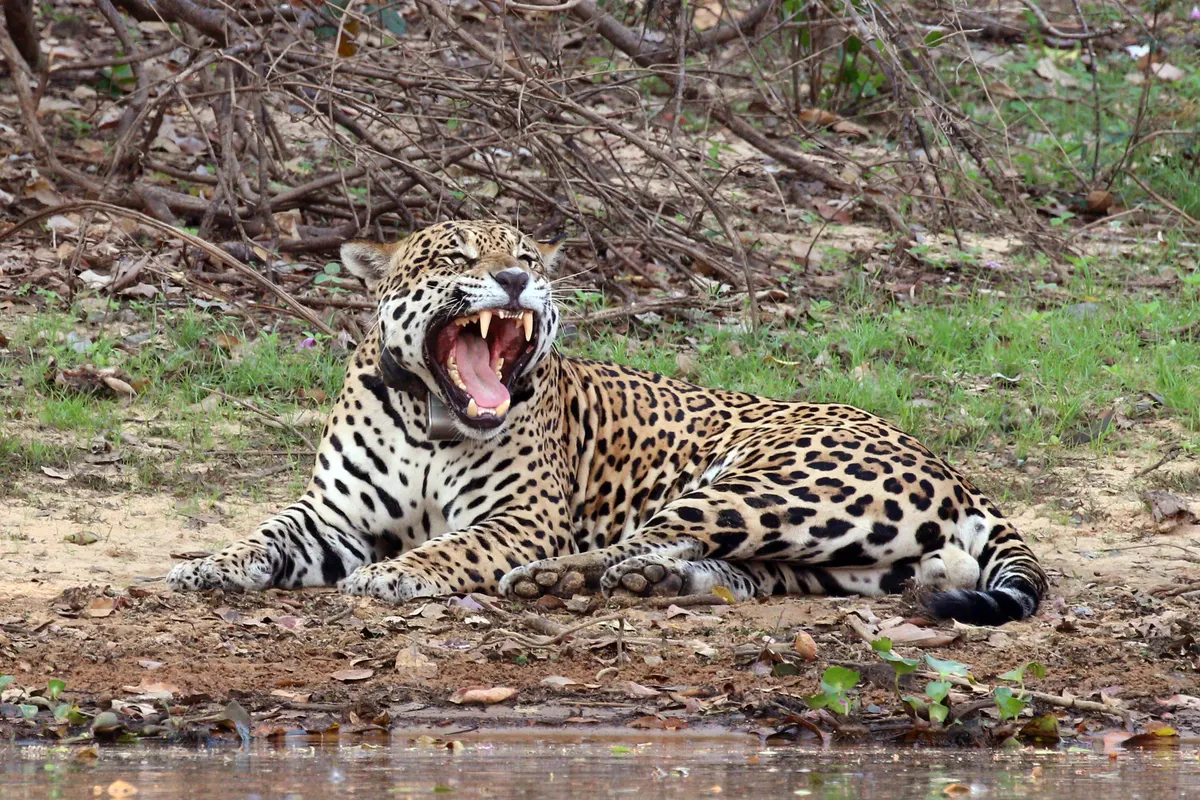
The cougar belongs to the genus Puma, and for all its size it does not roar like lions, tigers, or leopards; instead it screams, growls, and purrs, sitting genetically closer to smaller cats than to the roaring Panthera line that includes the tiger, jaguar, and snow leopard. Cougar, mountain lion, puma, panther, and catamount are all one species; the "Florida panther" is a rare regional population, not a separate kind. Adults measure 3.5 to 5.5 feet in body length plus a heavy 2-to-3-foot tail, stand 24 to 35 inches at the shoulder, and weigh from about 64 to 140 pounds, big males sometimes topping 200. The plain tawny coat — no leopard rosettes or cheetah spots — suits shadowed forest and canyon country, while powerful hind legs, a counterbalancing tail, retractable claws, and padded feet make it a superb stalker.

Where Cougars Live

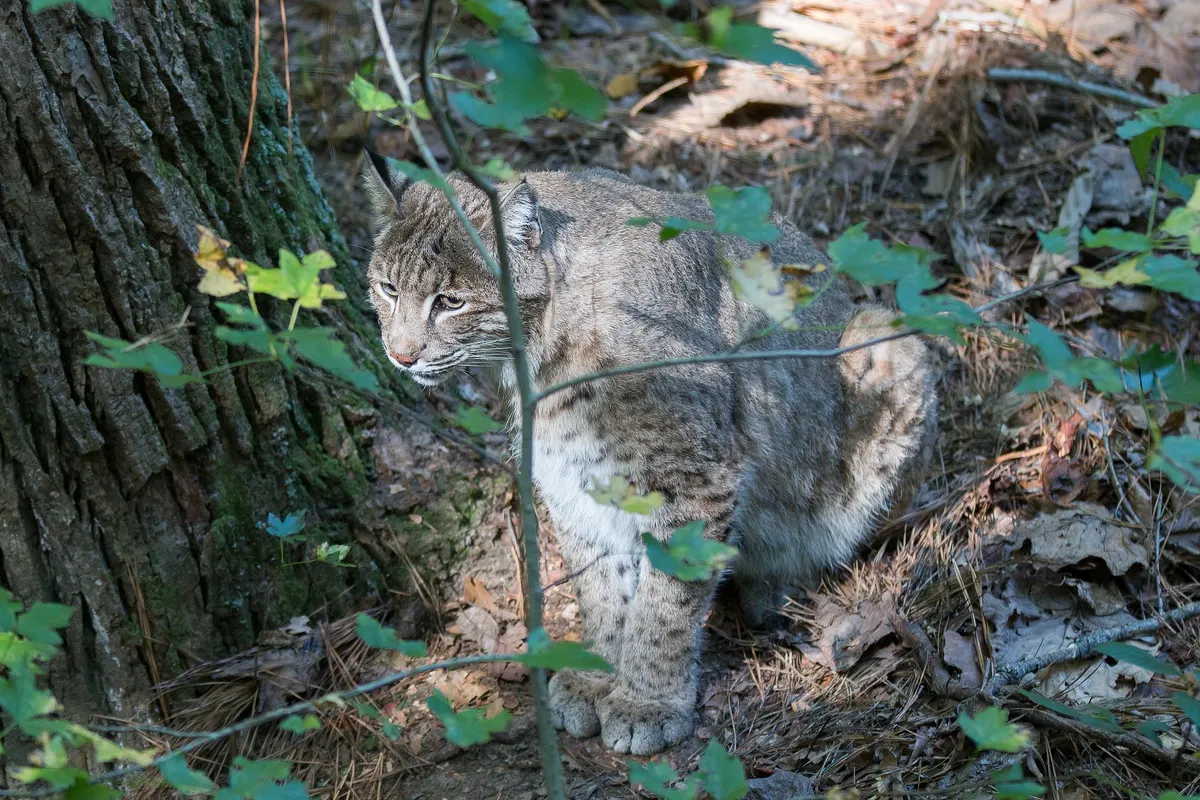
Cougars use many landscapes, but forest, woodland, and mountain cover are their broadest reliable habitats, supplemented by chaparral, canyons, and grassland edges wherever there is prey and hiding cover. The species runs from western Canada and much of the western U.S. through Mexico and Central America to southern Chile and Argentina; eastern North American populations are far more limited after historic declines. Because adults hold large territories, connected corridors matter, and dense day beds in thickets, caves, or ledges give secure rest between hunts — sometimes overlapping the ranges of bobcats and wolves, though the cougar fills its own role as a solitary deer specialist.

What Cougars Eat

Cougar licking its lips after feeding or scent marking
After large deer kills, cougars often cache leftovers and return for days.

Cougars are strict carnivores. Deer are the classic staple across much of the range, backed by elk, bighorn sheep, and other ungulates, with hares, raccoons, and rodents filling gaps and livestock taken where wild prey is scarce near ranches. Hunting is solitary ambush: stalk through cover, then a short explosive rush and a bite to the throat or nape. After a large kill the cat usually caches the carcass under leaves or snow and returns to it over several days — relying on stealth rather than the long pursuits of pack hunters like wolves.

Behavior: Solitary and Secretive

Mountain lion kitten resting near siblings in early life stages
Litters usually have two to four kittens that stay with the mother over a year.

Adult cougars are solitary outside brief mating encounters. Males hold large territories overlapping several female ranges, advertised with scrapes, urine, and feces, and females raise kittens alone, moving dens if disturbed. Cougars climb well, resting in trees or on rocky overlooks, and travel widely at night and dusk. People rarely see them — not because they are scarce everywhere, but because their hunting hours and dense cover keep encounters uncommon.

Life Cycle: Spotted Kittens and a Long Apprenticeship

Spotted cougar kitten walking toward the camera
Spots help camouflage kittens until they grow the plain tawny adult coat.

In many climates females can breed year-round, with local peaks in warmer seasons. After about 82 to 96 days' gestation, the mother bears two to four spotted kittens in a hidden den, their eyes opening at about two weeks. Kittens nurse for weeks, then share meat from her kills, their spots fading as they grow, and they often stay with her 12 to 18 months learning to stalk deer. Wild cougars commonly live 8 to 13 years, longer in human care.

Conservation: Widespread but Locally Fragile

Map highlighting puma distribution across North and South America
This species has one of the largest north–south ranges of any New World land mammal.

The cougar is Least Concern globally, yet the overall trend is decreasing in parts of the range, and some regional populations — the Florida panther among them — remain small and intensively managed. Threats include habitat fragmentation, vehicle collisions, retaliatory killing after livestock losses, and declining prey. Protecting forest and mountain corridors, cutting road mortality, and keeping wild ungulate populations healthy all help cougars persist near people.

References and Authoritative Sources

Cougar: classification and fun facts

Classification

Scientific Taxonomy
  1. Kingdom

    Animalia

  2. Phylum

    Chordata

  3. Class

    Mammalia

  4. Order

    Carnivora

  5. Family

    Felidae

  6. Genus

    Puma

  7. Species

    P. concolor

Did You Know?

Fun Facts

1

Cougar, mountain lion, and puma are names for the same species, *Puma concolor*.

2

Unlike lions, tigers, and leopards, cougars cannot roar — they scream, growl, and purr.

3

A cougar’s long thick tail helps it balance when leaping onto rocky slopes or prey.

4

Spotted cougar kittens lose most of their spots as they grow into plain tawny adults.

5

Cougars have the widest north–south range of any land mammal in the Western Hemisphere.

6

They often cache large kills under leaves or snow and return for several days.

Common Questions

FAQ about Cougar

Select a question to reveal the answer.

What is a cougar?

A cougar is a large American wild cat (*Puma concolor*) in the Felidae family. The same species is also called mountain lion or puma.

Is a mountain lion the same animal as a cougar?

Yes. Mountain lion, cougar, and puma are common names for one species. “Panther” is sometimes used regionally for the same cat.

Where do cougars live?

Cougars live in forests, mountains, and woodlands from Canada through the United States and Central America into South America.

What do mountain lions eat?

They are carnivores that prefer deer and other ungulates, but also take hares, raccoons, and smaller mammals when available.

How is a cougar different from a leopard or cheetah?

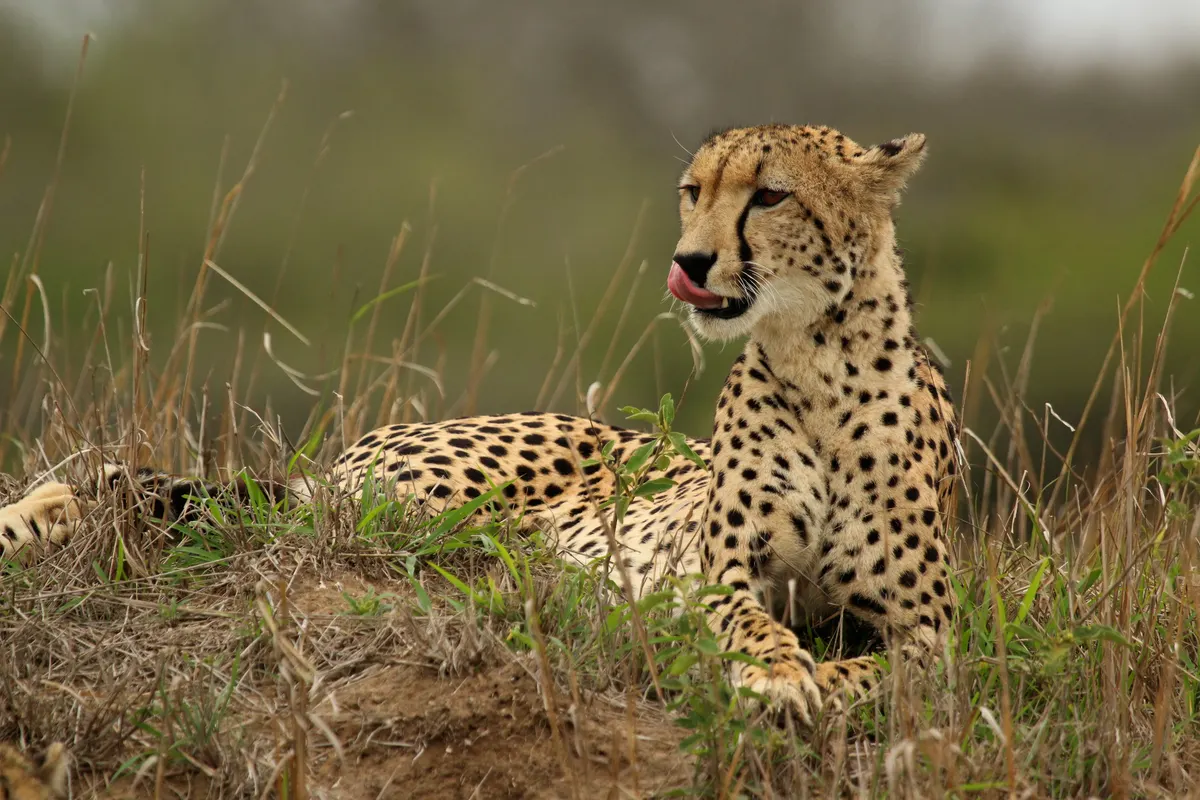
Adult cougars have a plain coat without rosettes or solid spots. Leopards are spotted climbers of Africa and Asia; cheetahs are open-country sprinters.

What is a baby cougar called?

A baby cougar is called a kitten. Litters usually have two to four spotted kittens raised by the mother alone.

Show 2 more questionsExpand
Are cougars endangered?

Cougars are listed as Least Concern overall, but some populations — such as the Florida panther — remain rare because of habitat loss and roads.

Are cougars dangerous to people?

Attacks are rare. Cougars usually avoid people, but hikers in cougar country should travel in groups, keep children close, and never approach a wild cat.