Lion Facts
"A lion's roar can be heard up to 5 miles (8 km) away on a quiet night."
Lions are powerful social cats that live in prides across African savannas and one small wild population in India. They hunt in groups, defend territory...
Loading page content

"A lion's roar can be heard up to 5 miles (8 km) away on a quiet night."
Lions are powerful social cats that live in prides across African savannas and one small wild population in India. They hunt in groups, defend territory...
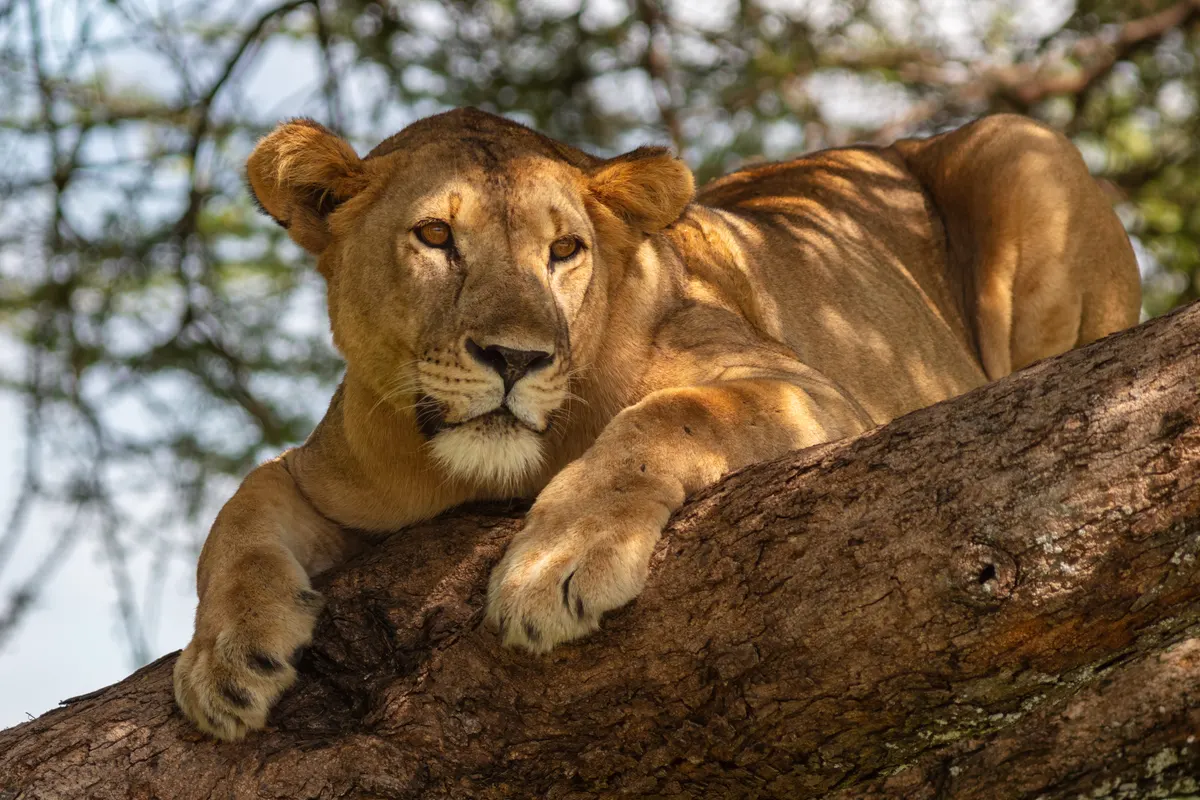
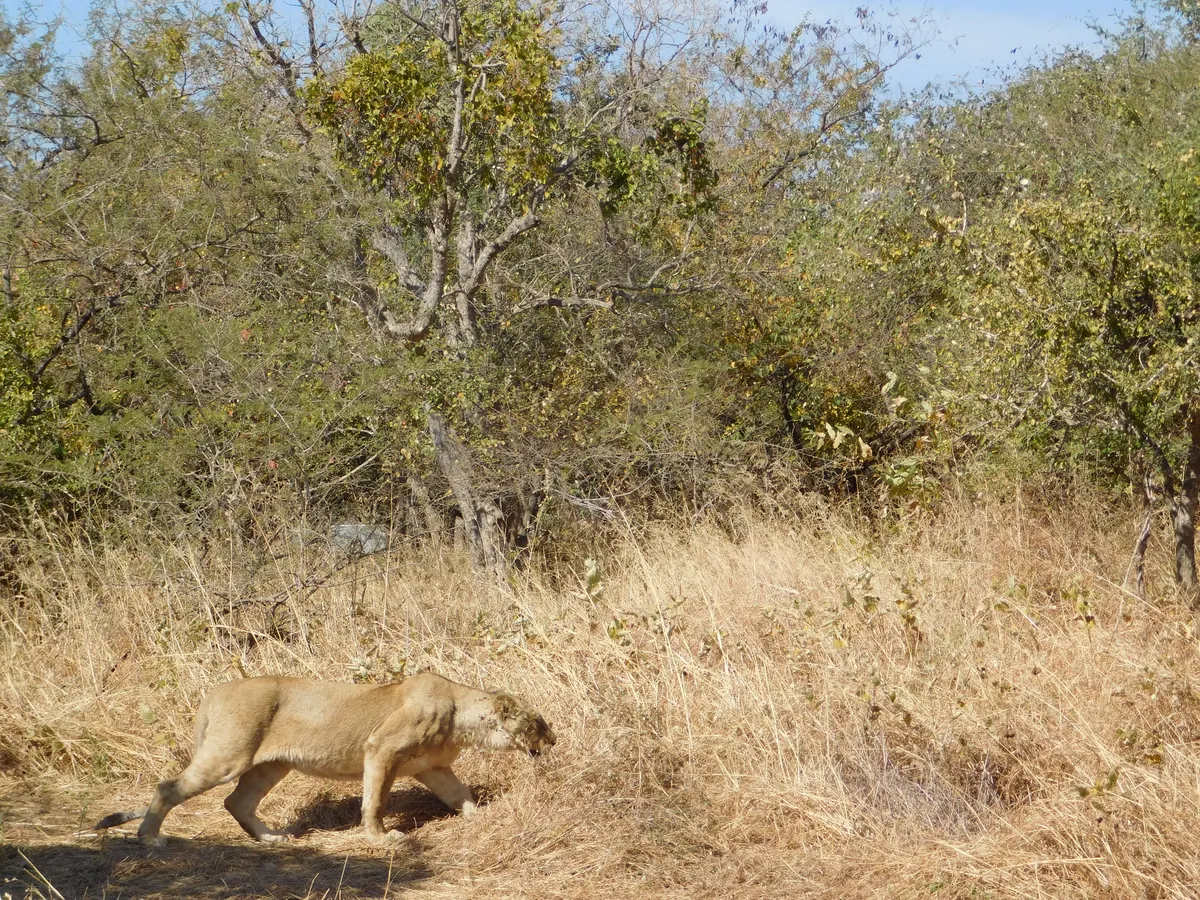
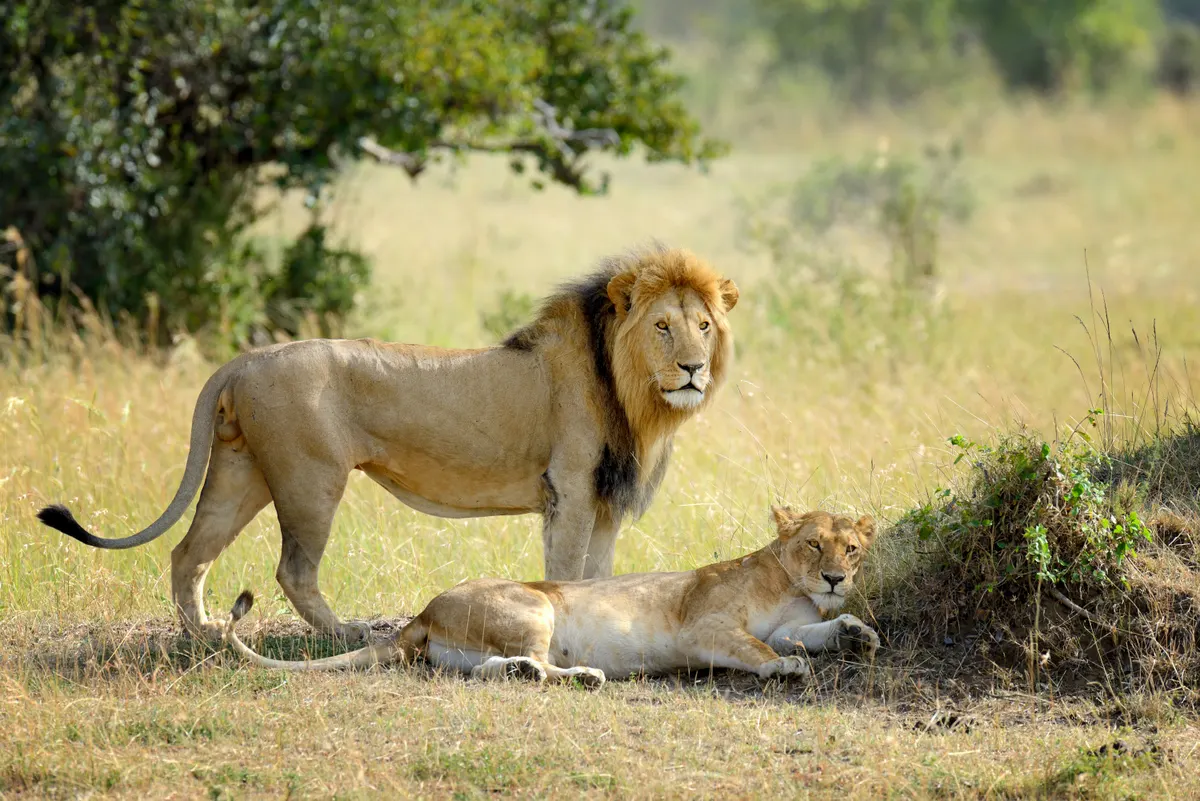
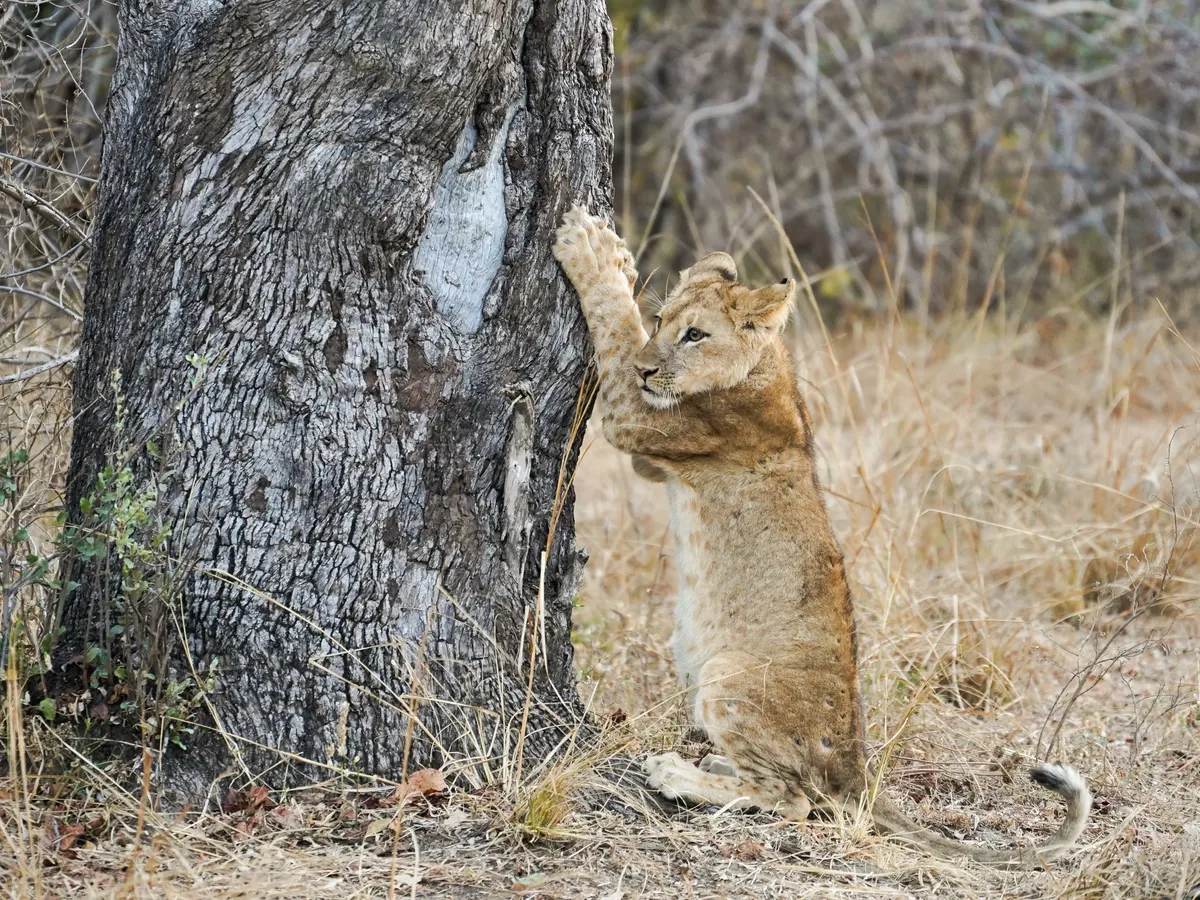
Explore lions through photos organized for learning, image search, and classroom observation—from cubs and manes to hunts on the savanna.
Click any photo to view it larger. 8 images available.
Core article
Habitat, diet, behavior, and more — everything on one page.
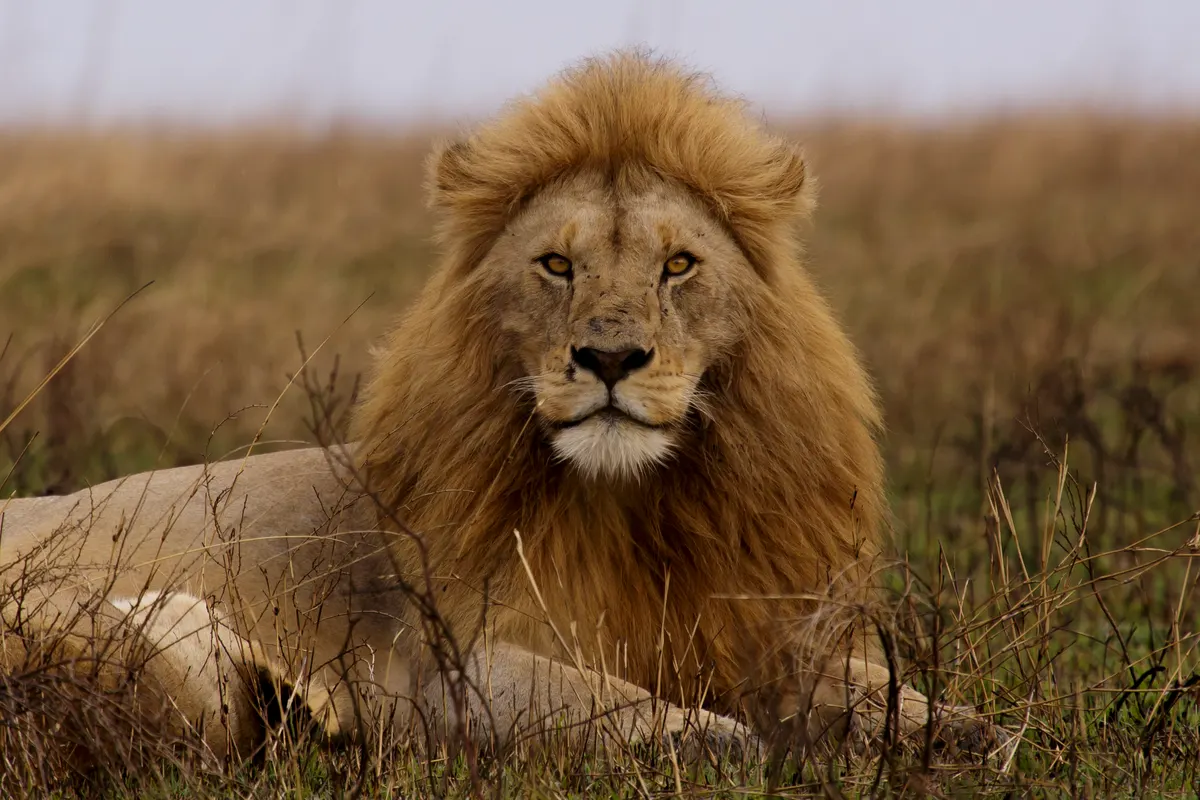
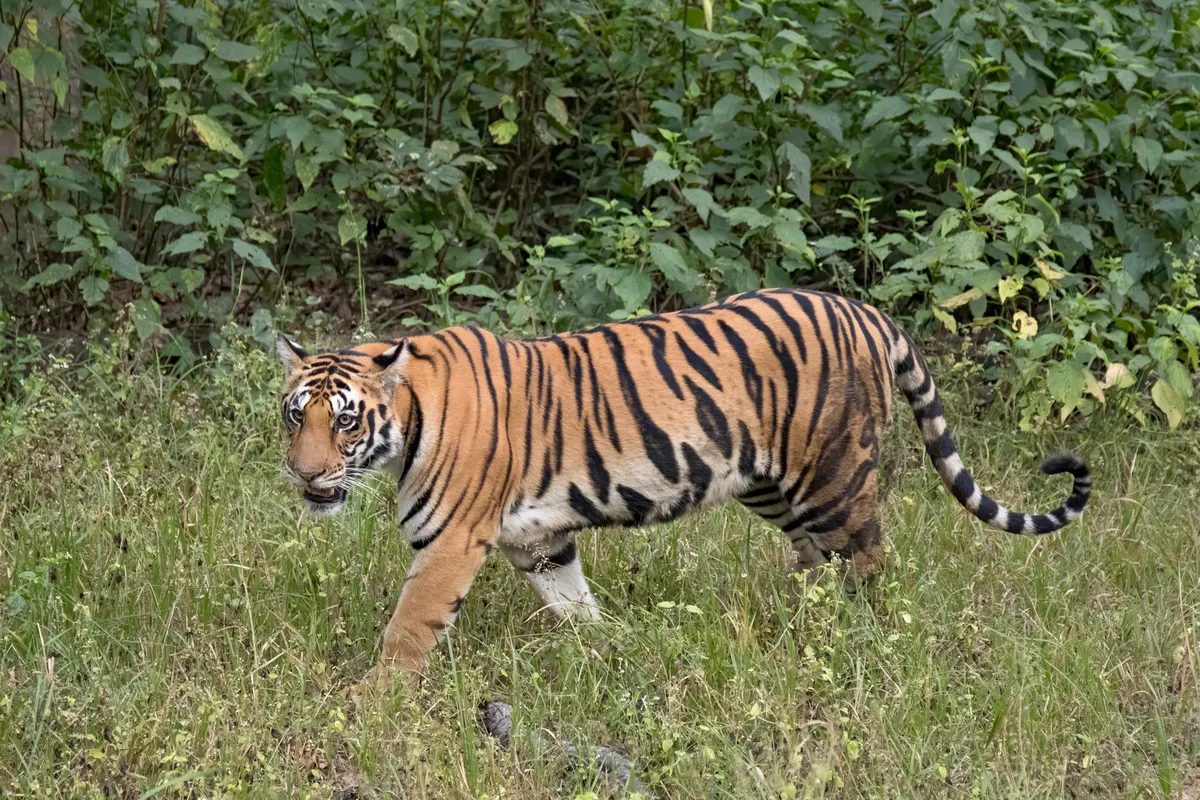
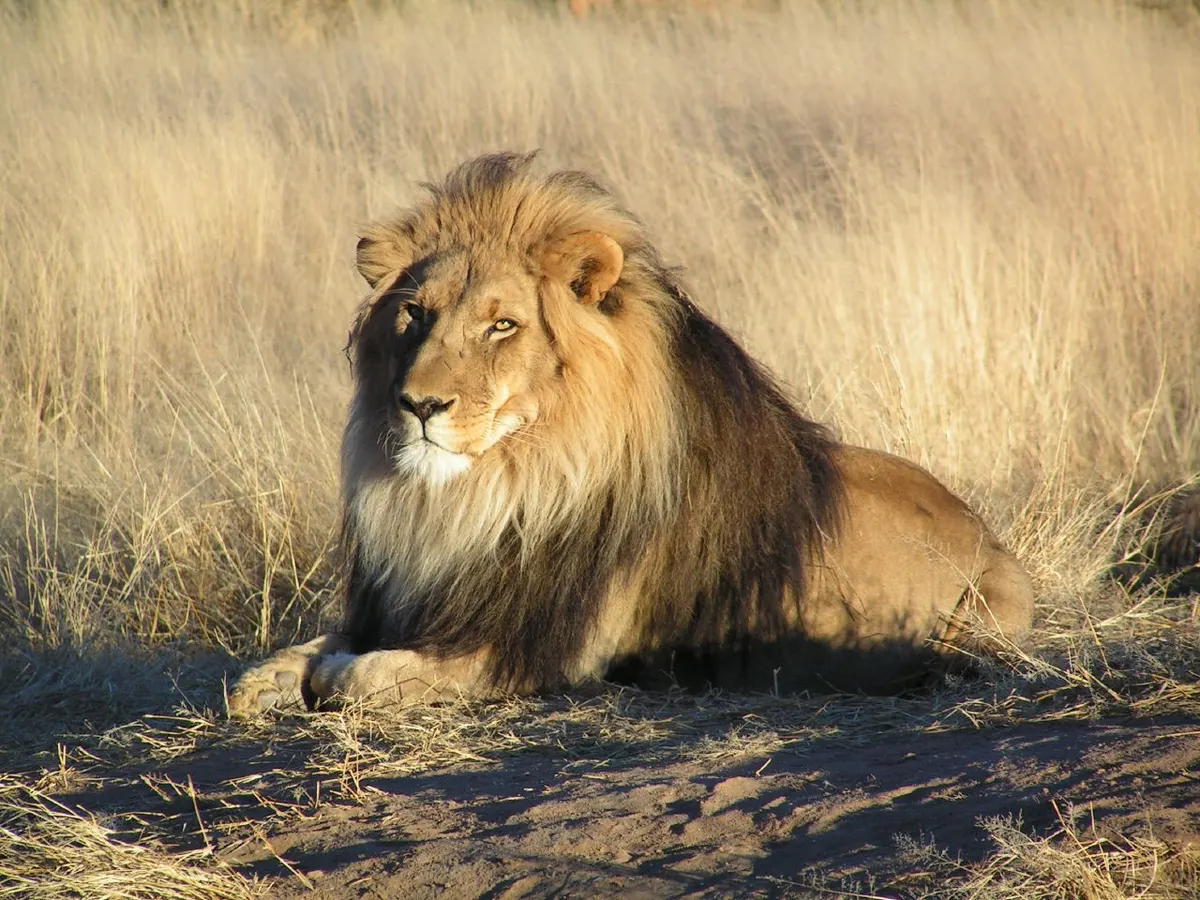
The lion (Panthera leo) is arguably the most iconic wild animal on Earth. Revered across cultures for its majestic appearance and thunderous roar, it is the second-largest wild cat species in the world, surpassed only by the tiger. Unlike all other big cats, lions are highly social, living in complex family units known as prides.
For millennia, they have symbolized courage and power. However, today, the "King of the Beasts" faces unprecedented challenges in the wild, making understanding their biology, behavior, and ecological importance more critical than ever.
Lions belong to the biological family Felidae and are part of the "big cat" genus, Panthera, which includes tigers, leopards, and jaguars.
Currently, scientists recognize two primary subspecies:
Historically, lions roamed across Africa, Europe, the Middle East, and Asia. Today, their range is a mere fraction of what it once was, restricted mainly to fragmented pockets in Sub-Saharan Africa and a single sanctuary in India.
Lions are apex predators, anatomically engineered for immense power rather than prolonged endurance.

While often referred to as the "King of the Jungle," lions actually prefer open spaces. Their primary habitats are savannas, grasslands, dense scrub, and open woodlands. These environments offer a strategic advantage: tall grasses provide the perfect camouflage for stalking, while the open plains support the massive herds of ungulates (hoofed mammals) that lions rely on for food.
Explore more animals that share this ecosystem in our Savanna Habitats guide.
The Asiatic lion is an endangered sub-population confined entirely to the Gir Forest National Park in Gujarat, India. Slightly smaller than their African cousins, Asiatic lions have a distinctive longitudinal fold of skin along their bellies. Thanks to rigorous conservation efforts, their population has grown from a mere 20 individuals in the early 20th century to several hundred today.

Lions are obligate carnivores. A male lion requires about 16 pounds (7 kg) of meat per day, while females need roughly 11 pounds (5 kg). However, when food is abundant, a lion can gorge up to 66 pounds (30 kg) in a single sitting!
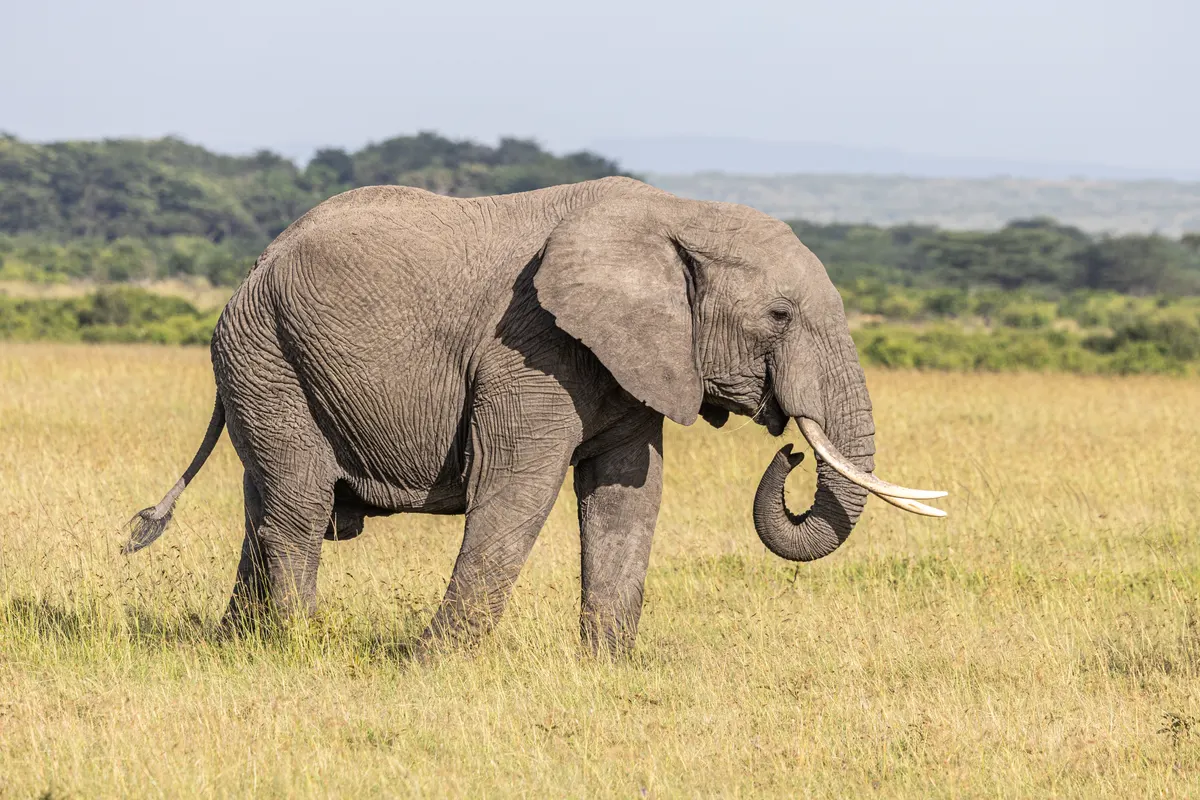
Unlike solitary cats, lions utilize teamwork to take down prey that heavily outweighs them, such as Cape buffalo, wildebeest, and even young elephants or hippos.
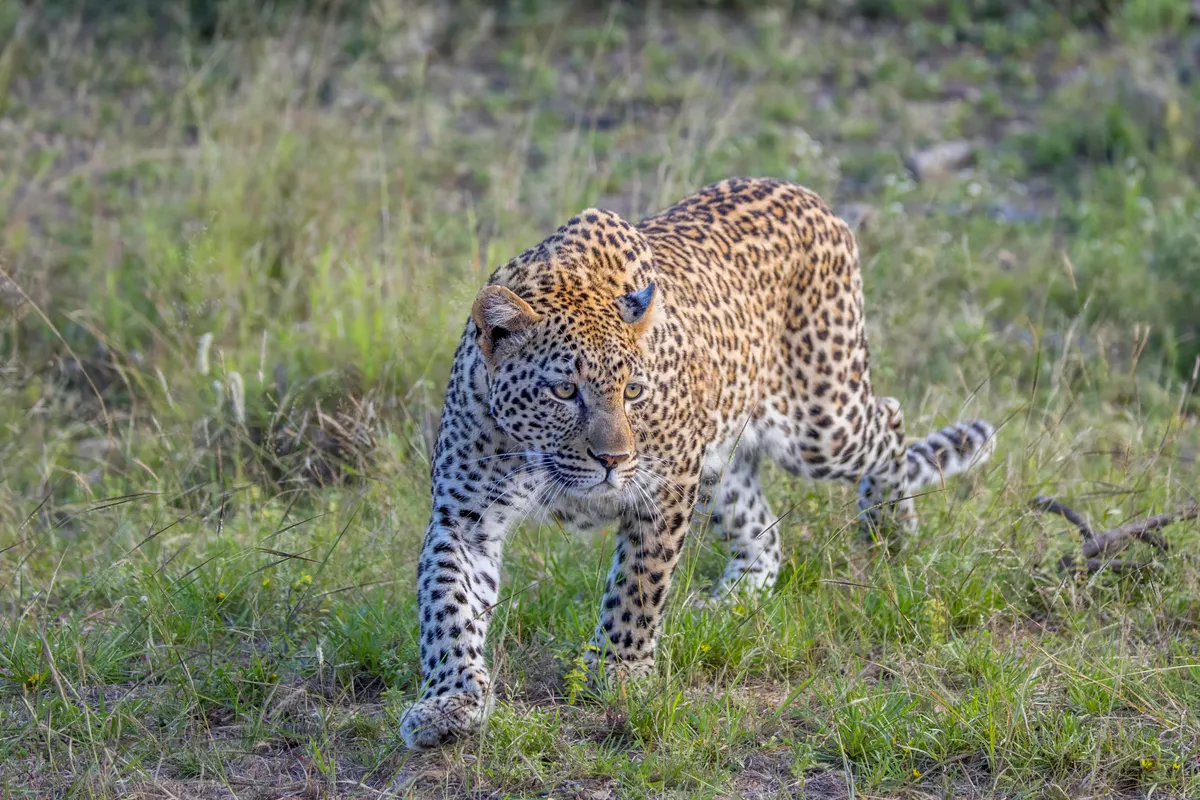
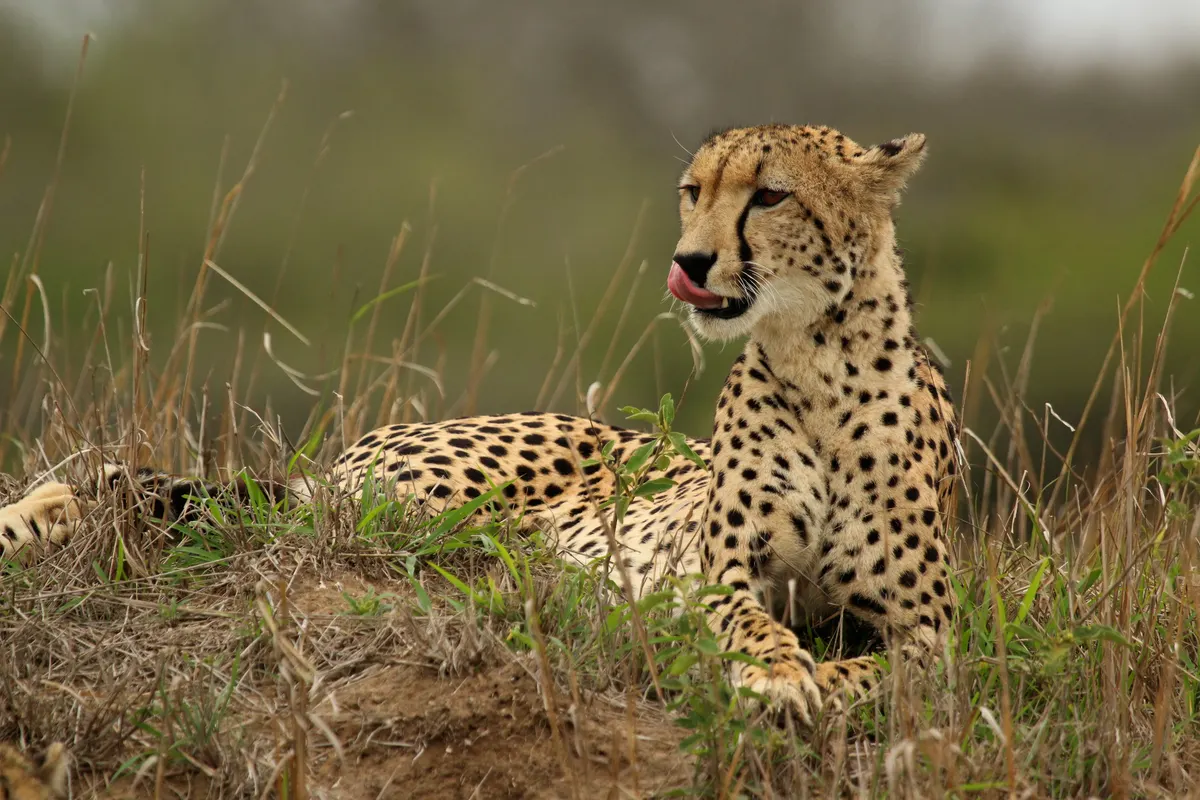
Despite their reputation, lions are also opportunistic scavengers. They will readily steal kills from leopards, cheetahs, and hyenas.

The pride is the core of a lion's existence. A typical pride consists of 2 to 40 individuals, usually comprising a core group of related females, their cubs, and a coalition of 1 to 4 dominant males.

A lioness gives birth to a litter of 2 to 4 cubs after a gestation period of about 110 days.

Today, the African lion is classified as Vulnerable by the International Union for Conservation of Nature (IUCN). In just the last 25 years, the wild lion population has plummeted by nearly 50%, with an estimated 20,000 to 24,000 remaining in the wild.
Despite these grim statistics, intensive conservation efforts are underway. Organizations like Panthera, the African Wildlife Foundation (AWF), and the World Wildlife Fund (WWF) are working alongside local governments and communities. Initiatives include:
To learn more about lions and ongoing conservation efforts, explore these trusted resources:
A lion's roar can be heard up to 5 miles (8 km) away on a quiet night.
Lions are the only big cats that usually live in large family groups called prides.
A male lion's mane can grow darker and fuller as he gets older.
Lion cubs are born with spots that often fade as they grow.
A lion's rough tongue can scrape meat clean off bones.
Lionesses in a pride often hunt together while males guard territory.
Select a question to reveal the answer.
A lion is a large wild cat and one of the biggest members of the cat family. Most lions live in Africa, and a small wild population lives in India.
Prides help lions protect cubs, defend territory, and hunt larger prey together. Group living gives lions a better chance of survival.
Lions are carnivores that eat meat. They often hunt hoofed animals such as zebra, wildebeest, and antelope.
Most wild lions live in African savannas, grasslands, and open woodlands. A small group also lives in the Gir Forest of India.
A lion can sprint up to about 50 mph (80 km/h), but only for a short distance. Lions rely on stealth and teamwork more than long chases.
A baby lion is called a cub. Cubs are born blind and depend on their mother and pride for food and protection.
Wild lions usually live about 10 to 14 years. Lions in zoos and sanctuaries can live longer with regular food and medical care.
Lions are listed as Vulnerable, which means their wild numbers are dropping and they need protection. Habitat loss and conflict with people are major threats.
Yes. Adult male lions usually have a thick mane around their head and neck. Females, called lionesses, are smaller and typically have no mane.
Lionesses do most of the hunting. They often work together to stalk and chase prey, while males help defend the pride's territory.
Lions have excellent night vision and a strong sense of smell. Their powerful legs and sharp claws help them make short, fast attacks.
Lions face habitat loss, fewer prey animals, and conflict with people who raise livestock. Poaching and shrinking wild land also put pressure on lion populations.