Tiger Facts
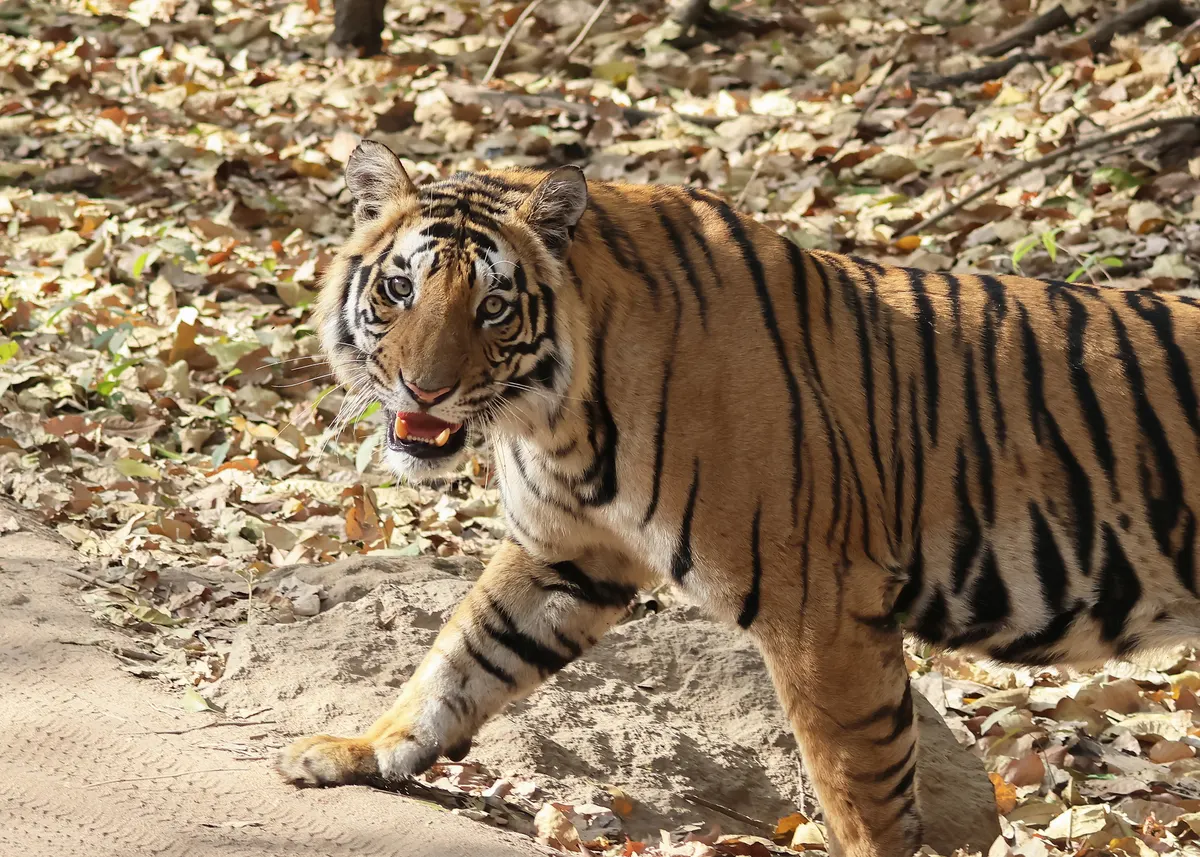
"Every tiger has a unique stripe pattern—like a fingerprint."
Tigers are the largest wild cats in the world. They live alone in Asian forests and grasslands, hunt large prey at night, and are famous for their orange...
Loading page content

"Every tiger has a unique stripe pattern—like a fingerprint."
Tigers are the largest wild cats in the world. They live alone in Asian forests and grasslands, hunt large prey at night, and are famous for their orange...
Explore tiger photos organized for learning and classroom observation.
Click any photo to view it larger. 8 images available.
Core article
Habitat, diet, behavior, and more — everything on one page.
The tiger (Panthera tigris) is the undisputed sovereign of the Asian wilderness, a creature that has captivated human imagination for millennia through its awe-inspiring blend of grace, power, and ferocity. As the largest of all living cat species, the tiger is an apex predator that commands respect across every ecosystem it inhabits, from the freezing boreal forests of the Russian Far East to the sweltering mangrove swamps of the Sundarbans.
Characterized by its iconic, fiery orange coat slashed with obsidian stripes, the tiger is a master of stealth and ambush. Despite their massive size and staggering physical power, tigers are solitary phantoms, navigating their territories with absolute silence. Yet, behind this magnificent facade lies a precarious reality: the tiger is currently fighting a desperate battle for survival. Driven to the brink by relentless poaching and habitat fragmentation, this big cat stands as both a symbol of the untamed natural world and a stark reminder of its vulnerability.
The tiger represents the evolutionary pinnacle of the feline lineage, categorized within the "big cat" genus.
The genus Panthera also includes lions, leopards, jaguars, and snow leopards, all of which share a modified hyoid bone and larynx structure that allows them to roar. Within the species Panthera tigris, scientists traditionally recognized several distinct subspecies, such as the Bengal tiger, the Siberian (Amur) tiger, and the Sumatran tiger. More recent genetic analysis has simplified this into two recognized subspecies groupings: the continental tigers (Panthera tigris tigris) and the Sunda island tigers (Panthera tigris sondaica). Evolutionarily, tigers originated in northern Asia and radiated southward, adapting their physical size and coat density to suit vastly different climates.
Tigers are monstrously powerful animals, heavily muscled and built for short, explosive bursts of overwhelming force rather than sustained stamina. Their size varies significantly depending on the region; the massive Siberian tigers can measure up to 10 feet in length and weigh a staggering 660 pounds, while the smaller Sumatran tigers generally weigh around 220 pounds. They stand between 2.5 and 3.5 feet tall at the shoulder.
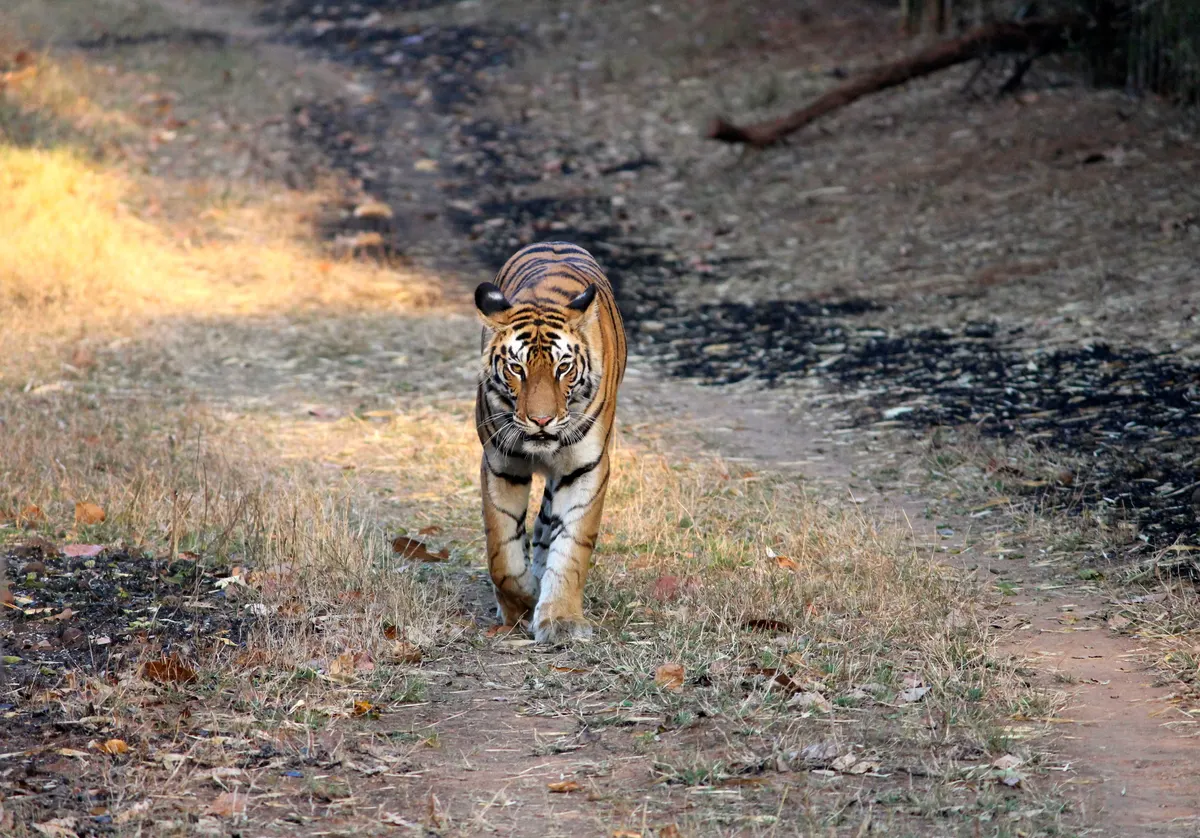
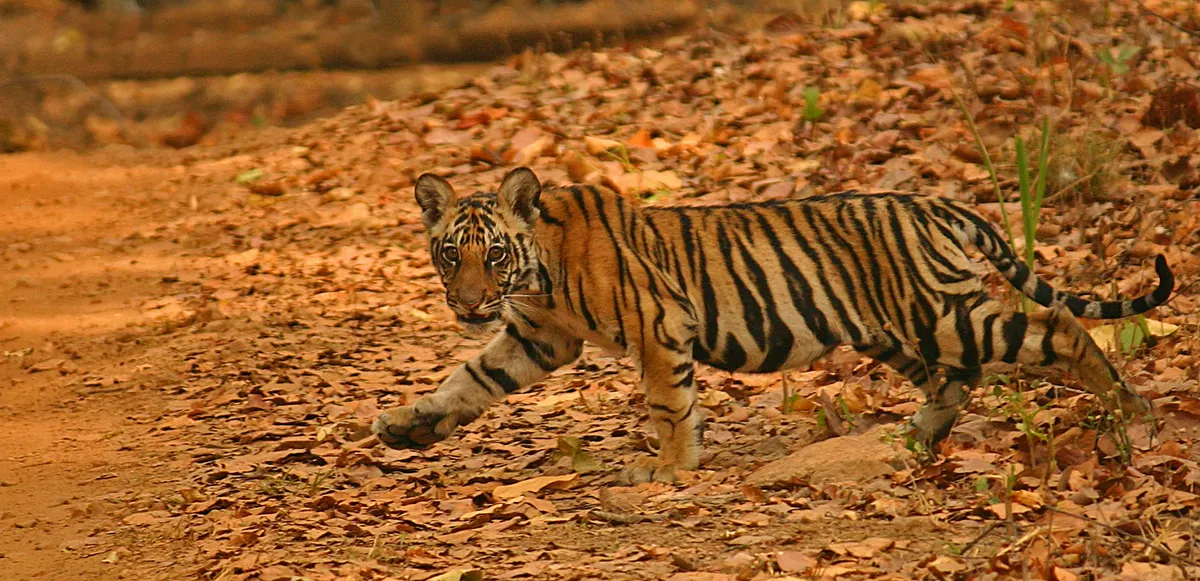
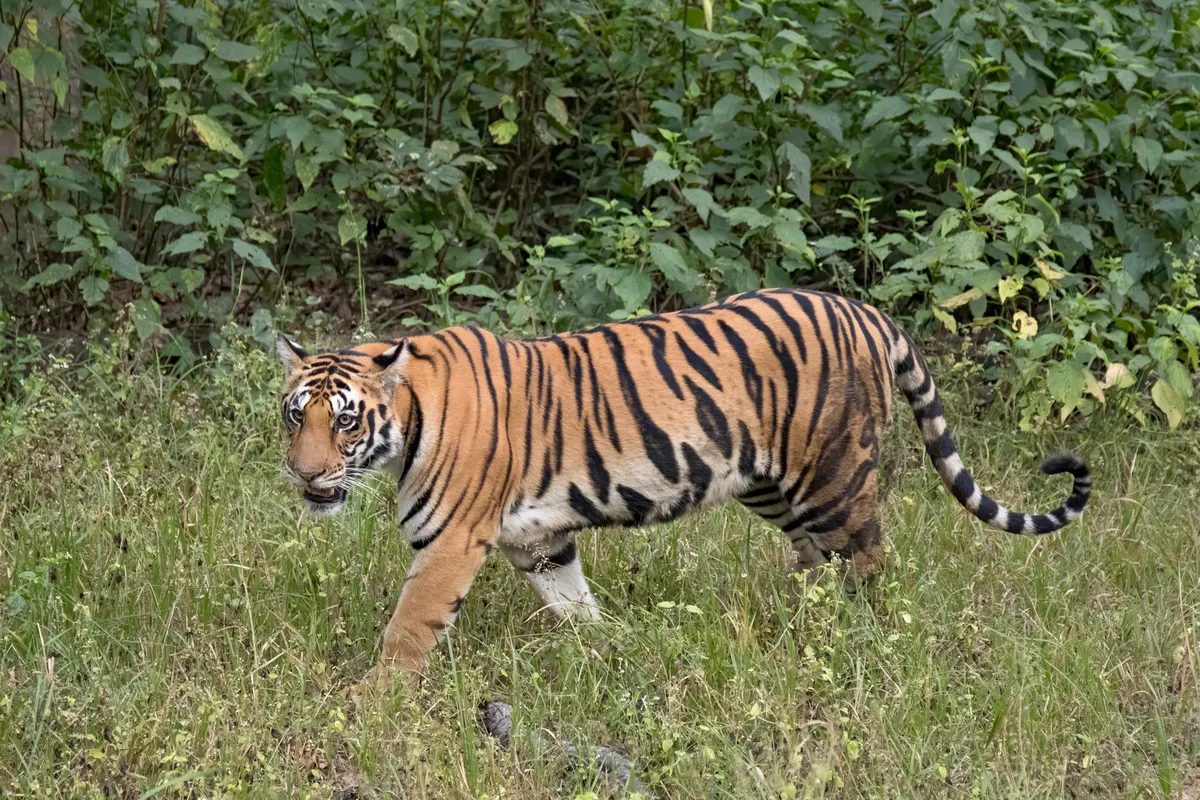
Their most distinctive feature is their coat. The base color ranges from a rich, reddish-orange to a lighter, rusty yellow, set against a white underbelly. Superimposed on this canvas is a pattern of dark vertical stripes. This striping pattern is entirely unique to each individual—much like a human fingerprint—and even extends directly onto their skin. This coloration provides disruptive camouflage, perfectly breaking up their massive silhouette among the dappled sunlight and vertical shadows of tall grasses and forest undergrowth.
A tiger's physical adaptations for hunting are lethal. Their skull houses massive jaw muscles capable of delivering a suffocating bite to the throat of a large ungulate. Their highly specialized, retractable claws remain sharp for grappling prey. Furthermore, their nocturnal vision is exceptional—thanks to a reflective layer behind the retina known as the tapetum lucidum, a tiger's night vision is roughly six times better than that of a human.

Historically, tigers roamed across a vast expanse of Asia, from the Caucasus region in the west to the Indonesian islands in the south. Today, their range has been reduced to roughly 7% of its former size. They are currently found in isolated pockets across countries including India (which holds the majority of the global wild population), Nepal, Bhutan, Bangladesh, China, Russia, Indonesia, Malaysia, and Thailand.
Tigers are incredibly adaptable and can thrive in a wide variety of biomes, provided there is sufficient cover, access to water, and abundant large prey. Their habitats range from the frigid, snow-covered temperate forests of the Russian Far East to the dense tropical rainforests of Southeast Asia. They also inhabit dry savannas, tall grasslands, and the unique, muddy mangrove ecosystems of the Sundarbans. Notably, tigers are exceptional swimmers; they possess webbing between their toes and often retreat into rivers and pools to cool off during the sweltering heat of the day.

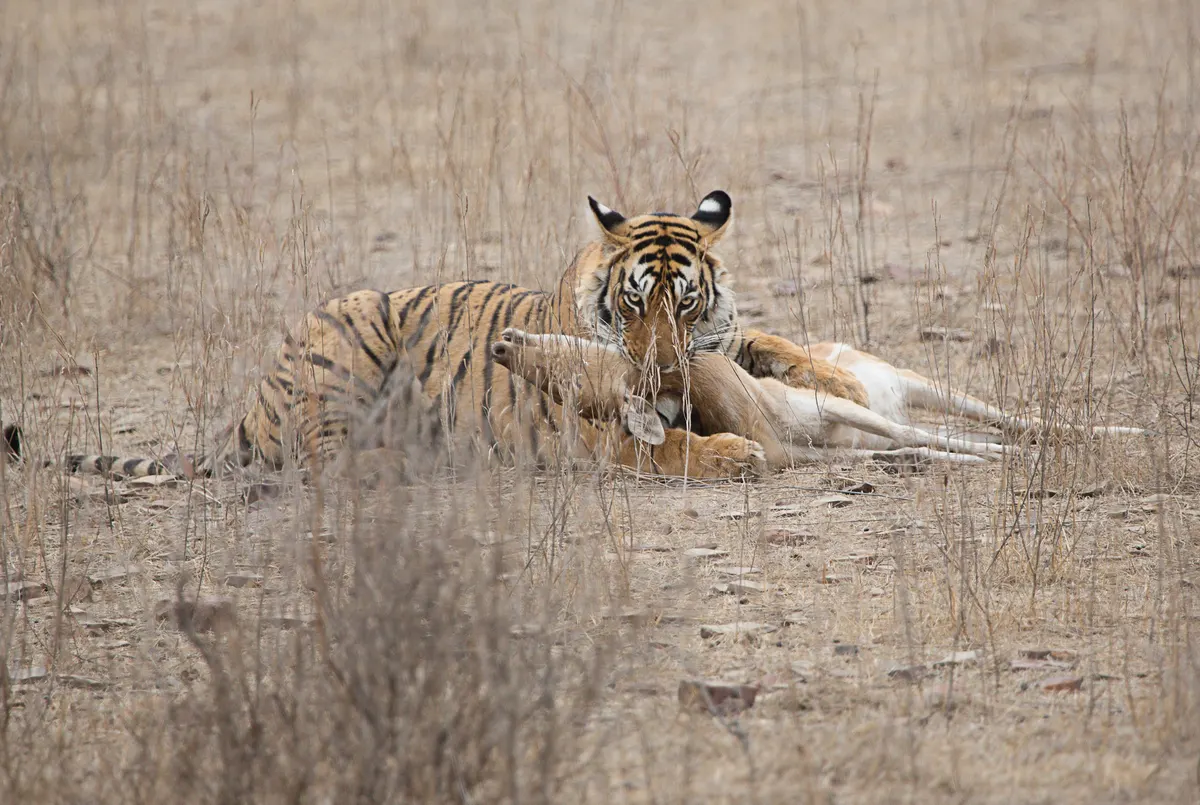
As obligate carnivores, tigers require a massive intake of meat to sustain their bulk. They are apex ambush predators, specializing in hunting large ungulates. Their primary diet consists of deer species (like sambar and chital), wild pigs, antelope, and massive bovines such as water buffalo and gaur.
Because a large tiger requires up to 88 pounds (40 kg) of meat in a single sitting after a successful kill, they rely on stealth and patience. Hunting almost exclusively at night, a tiger will stalk its prey through the underbrush with agonizing slowness, getting as close as possible before launching a devastatingly fast, explosive sprint that can reach 40 mph. Using its massive weight, the tiger wrestles the animal to the ground, delivering a fatal bite to the back of the neck for smaller prey or a sustained, suffocating bite to the throat for larger animals. Despite their physical prowess, tiger hunts have a low success rate, with only about 1 in 10 attempts ending in a kill.

Unlike their highly social lion cousins, adult tigers are solitary and fiercely territorial. Both males and females maintain massive home ranges, the size of which is dictated by the density of the prey population. A male's territory is typically larger and may overlap with the territories of several females, but he will aggressively defend it against any rival males.
Tigers communicate their presence and territorial boundaries through extensive scent marking. They spray pungent urine on trees, leave deep scratch marks on bark, and deposit feces in prominent locations. Vocal communication is also crucial; a tiger's roar is an incredibly powerful, low-frequency sound that can carry for over 2 miles (3 km) through dense forest, signaling dominance and warning away intruders.

The mating process in tigers is brief but intense. When a female enters estrus, she advertises her receptivity through frequent roaring and scent marking. After copulation, the male departs, leaving the female to shoulder the entirety of the rearing responsibilities.
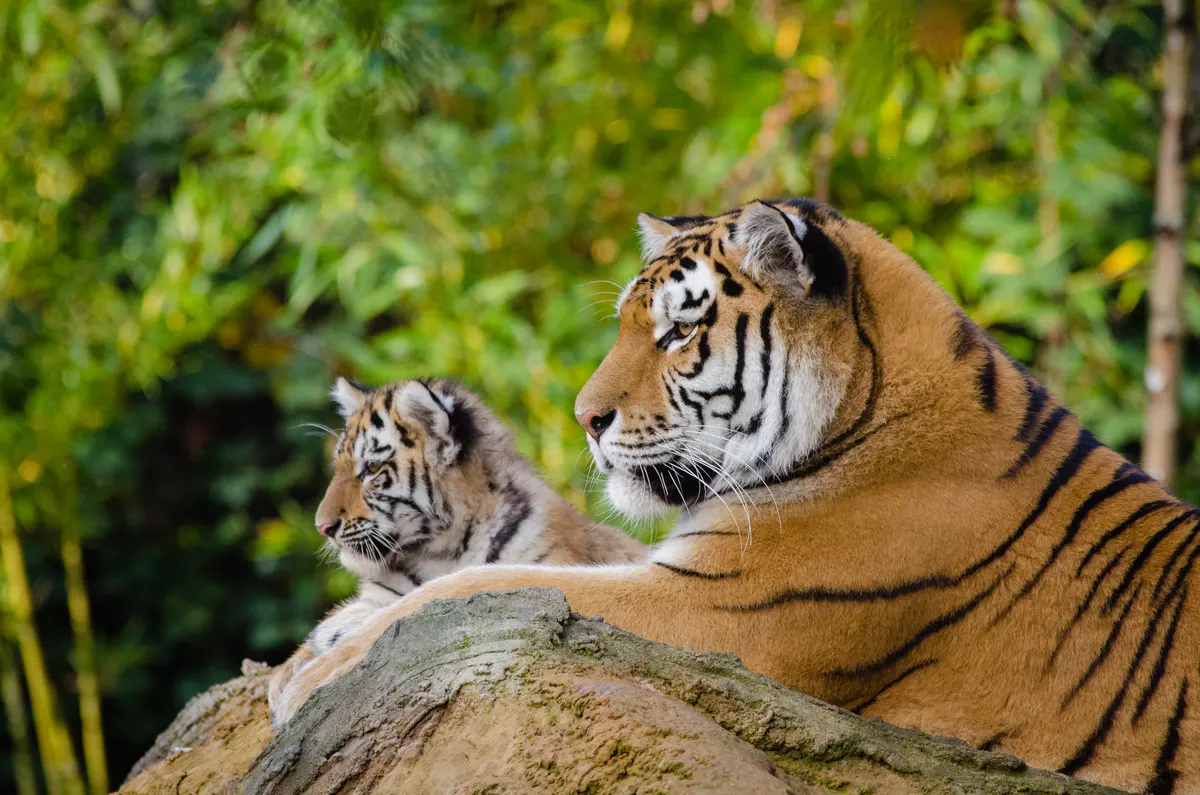
Following a gestation period of roughly 103 days, the female gives birth to a litter of 2 to 4 cubs in a secluded den. Tiger cubs are born blind and entirely helpless, with vivid blue eyes that eventually transition to a golden-yellow hue. The mother is fiercely protective, leaving the den only to hunt. At around 8 weeks old, the cubs begin to follow their mother out of the den, learning the complex skills required for ambush hunting.
Cubs remain with their mother for about two years, an unusually long period of dependency that highlights the difficulty of mastering tiger hunting techniques. Once they reach maturity, they disperse to establish their own territories. In the wild, a tiger faces a brutal existence and typically lives between 10 to 15 years, though captive individuals can live up to 20 years.
(Population and conservation trend data sourced from the IUCN Red List of Threatened Species)
The tiger is listed as Endangered on the IUCN Red List of Threatened Species, with its population trend categorized as decreasing. A century ago, an estimated 100,000 tigers roamed the wild; today, fewer than 4,500 remain.
The threats facing tigers are severe and multifaceted. Rampant habitat destruction due to logging, agriculture, and human infrastructure development has severely fragmented their populations, leading to dangerous genetic isolation and increased human-wildlife conflict as tigers are forced to hunt livestock. However, the most immediate and devastating threat is highly organized, illegal poaching. Tigers are hunted relentlessly for their skins, bones, and other body parts, which are highly sought after in illegal traditional medicine markets and as luxury status symbols in parts of Asia.
To learn more about the tiger and global efforts to save this iconic species, consult the following authoritative resources:
Every tiger has a unique stripe pattern—like a fingerprint.
Tigers are strong swimmers and often rest in rivers to cool off.
A tiger's roar can be heard up to 2 miles (3 km) away.
Tigers usually hunt alone at night, using stealth rather than long chases.
A tiger can eat up to 88 pounds (40 kg) of meat in one meal after a big hunt.
Tiger cubs are born with blue eyes and stay with their mother for about two years.
Select a question to reveal the answer.
A tiger is a large wild cat and the biggest member of the cat family. Tigers live in Asia and hunt animals such as deer and wild pigs.
Wild tigers live in forests and grasslands across Asia, including India, Nepal, Russia, and Southeast Asia. Most live in protected reserves.
Tigers are carnivores that eat meat. They hunt deer, wild pigs, buffalo, and other large animals.
Yes. Tigers are listed as Endangered because their numbers dropped sharply due to habitat loss and poaching.
Adult tigers usually live alone. Mothers raise cubs until the young tigers can hunt on their own.
Stripes break up a tiger's outline in tall grass and forest shadows, helping it hide while hunting.