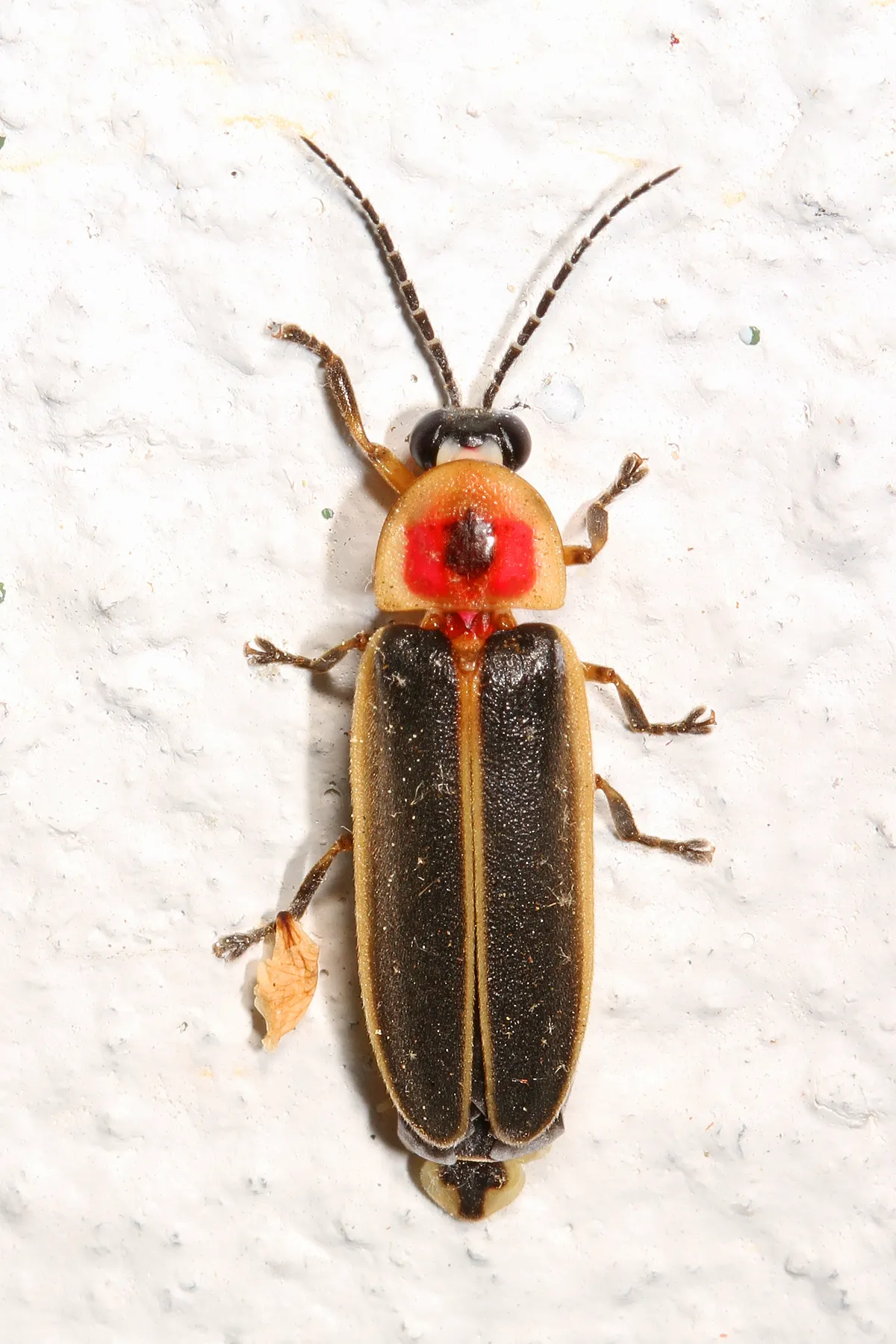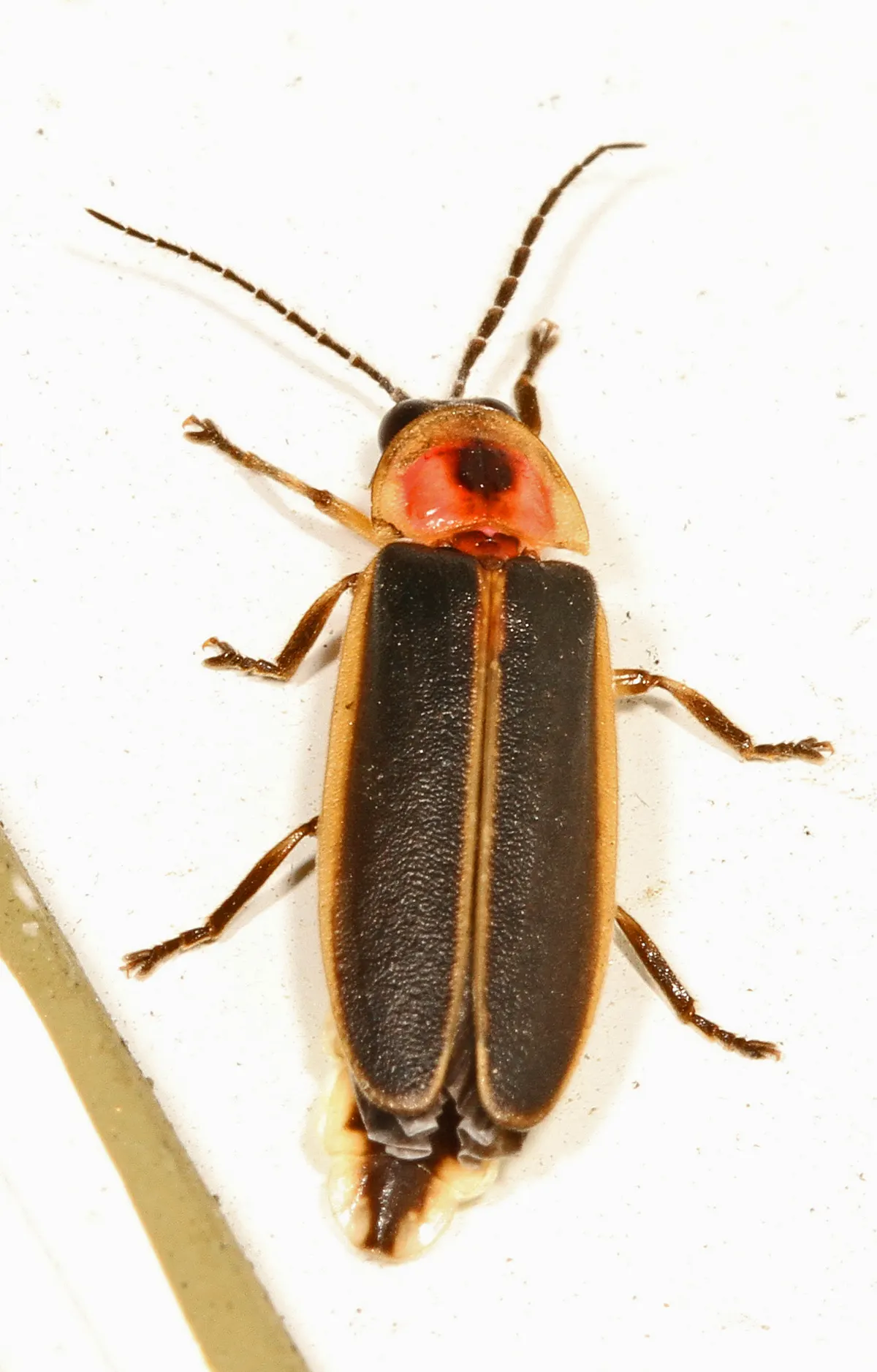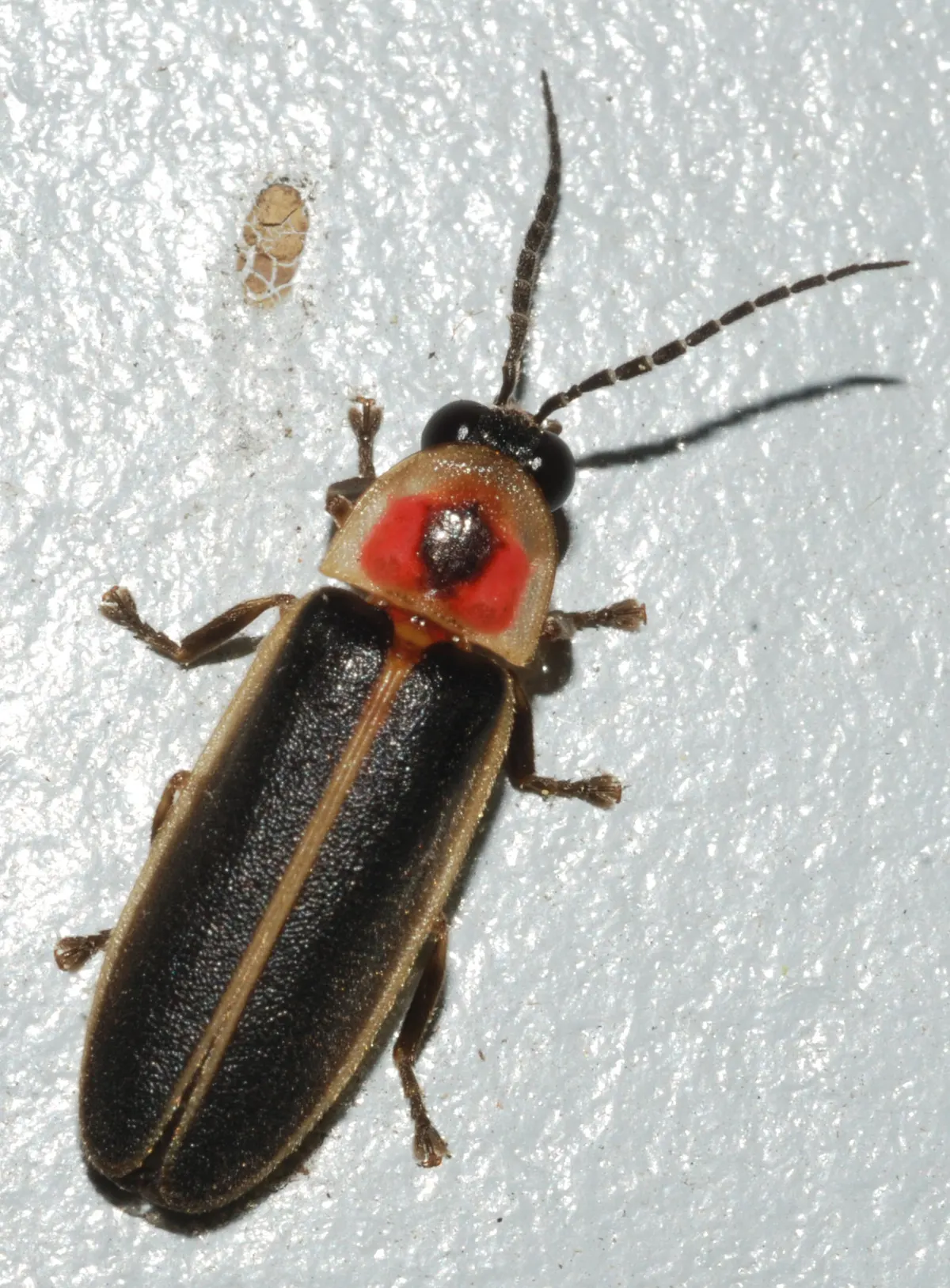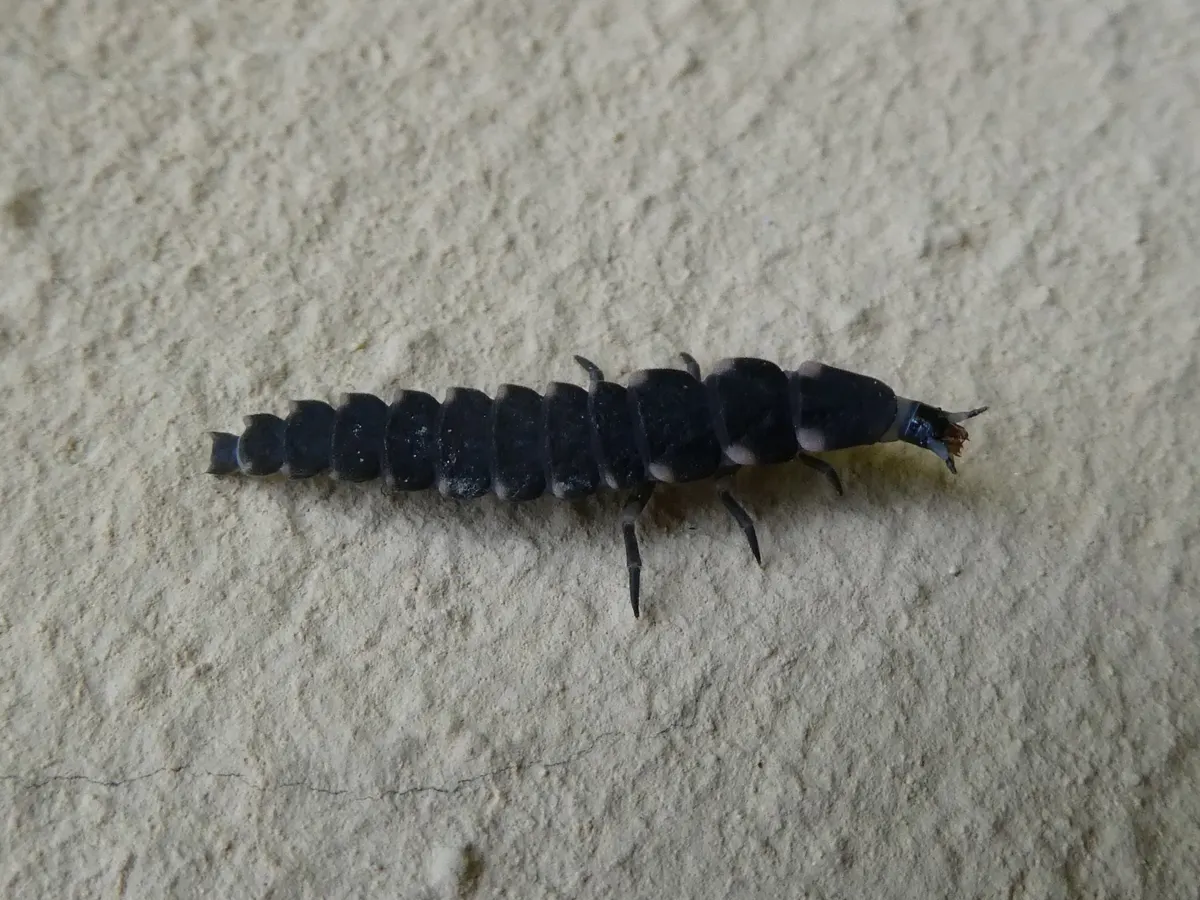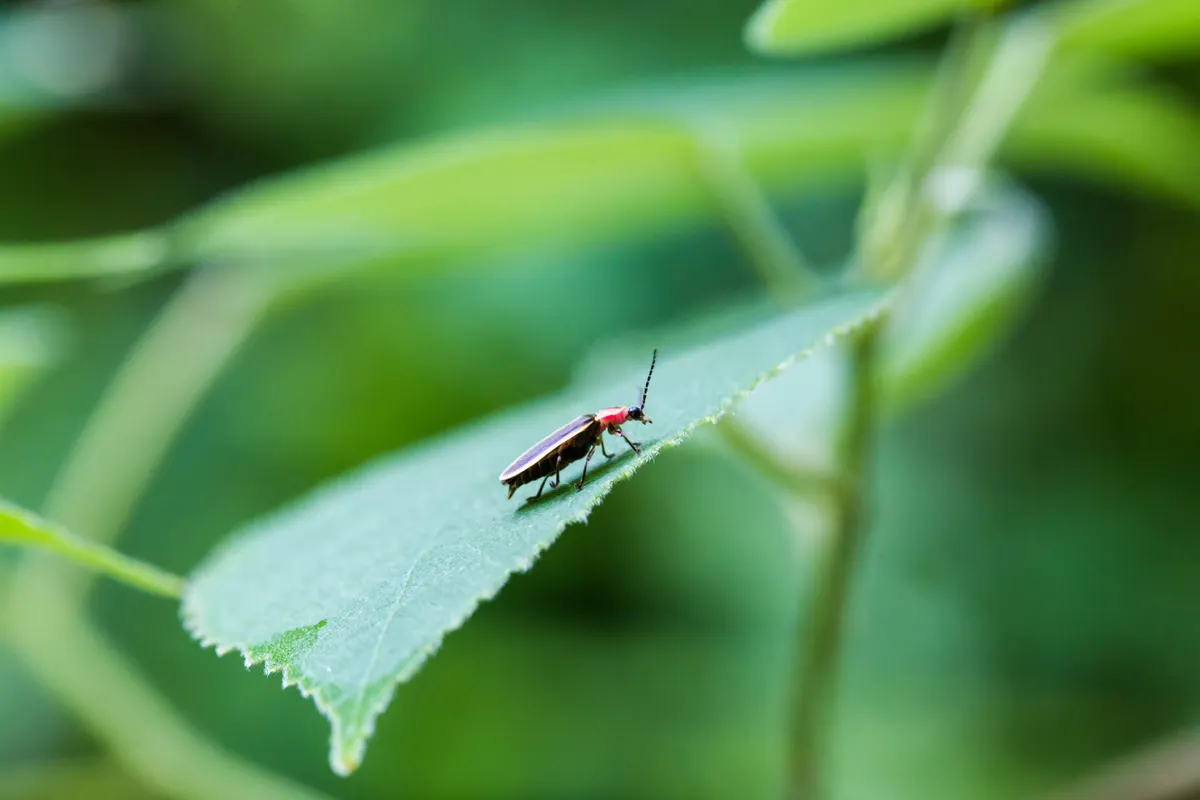
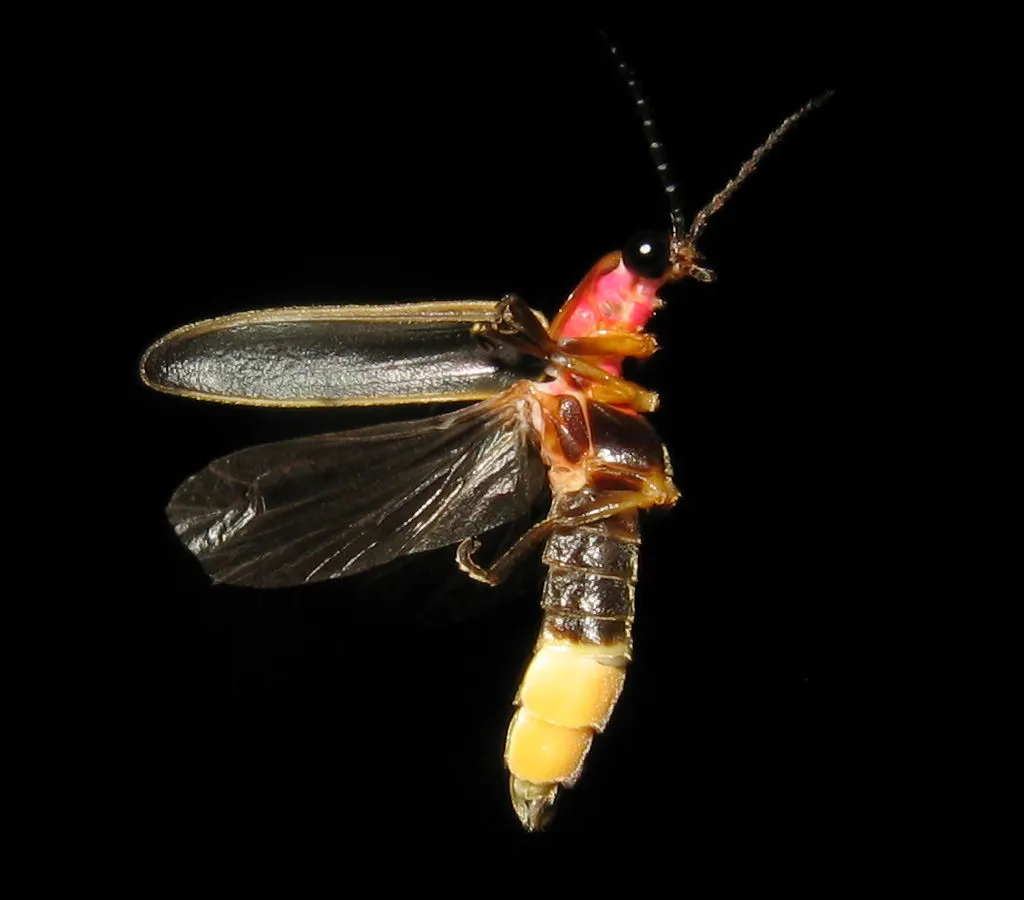
Adult firefly behavior is overwhelmingly dominated by reproductive imperatives. They do not form complex social structures, but they do aggregate in high densities, creating localized mating swarms. The bioluminescent signaling is a highly ritualized behavior. Males typically patrol the airspace in a slow, undulating flight pattern, emitting a precise sequence of flashes. For P. pyralis, this is characterized by a distinctive J-shaped swoop accompanied by a rising flash.
Females remain stationary in the vegetation below, critically evaluating the males' displays. If a female identifies a conspecific male with a desirable flash pattern (often correlated with higher spermatophore mass), she responds with a timed flash of her own. This visual dialogue continues until the male localizes her position.
Beneath the seemingly romantic light show lies a grim reality: some female fireflies of the genus Photuris are aggressive mimics. They perfectly replicate the flash responses of Photinus females to lure in unsuspecting Photinus males. Upon arrival, the male is swiftly captured, decapitated, and consumed. This macabre behavior allows the Photuris female to sequester lucibufagins (defensive steroidal pyrones) from her prey, rendering her and her subsequent offspring highly toxic to predators.