Kiwi Facts
“A kiwi egg can equal about one-fifth of the female’s body weight.”
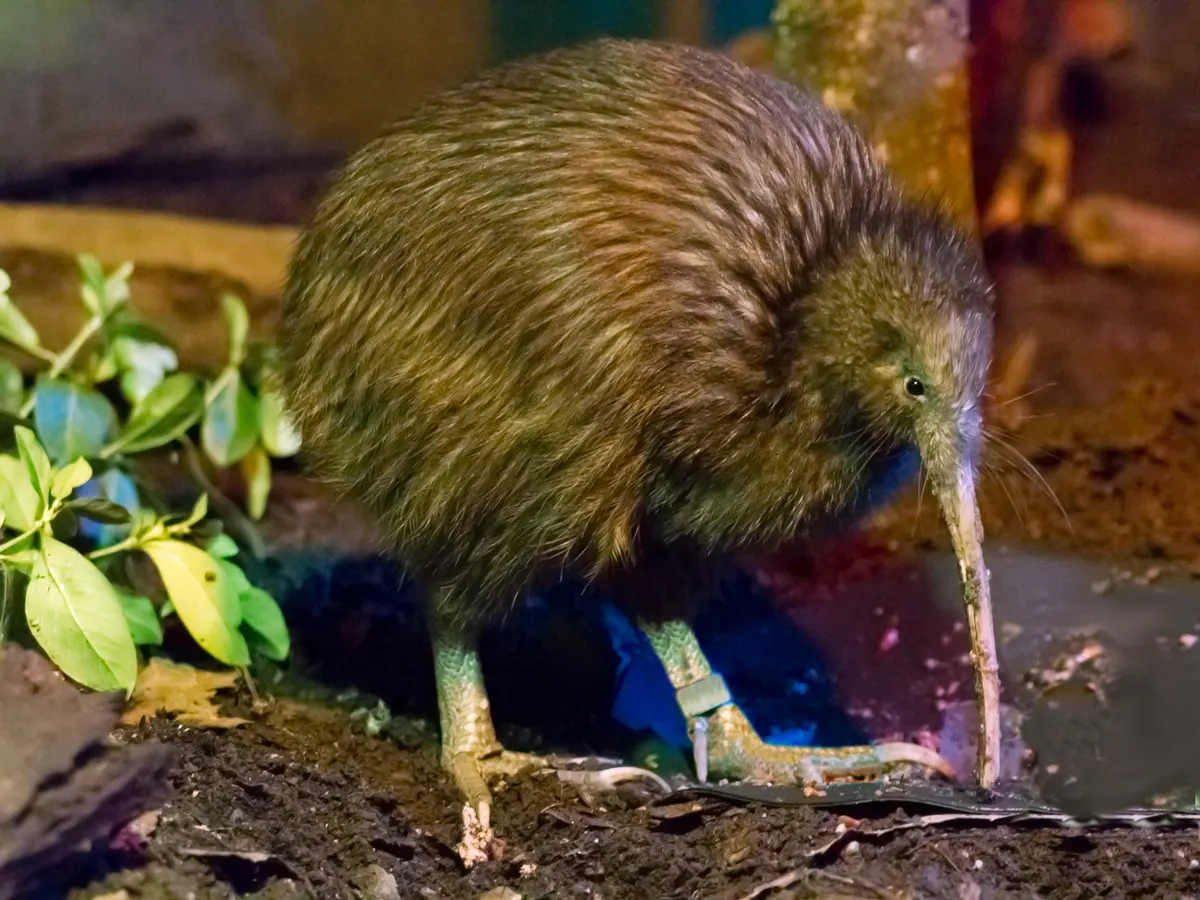
The kiwi is a flightless nocturnal bird endemic to New Zealand. North Island brown kiwis probe soft soil with long beaks to find earthworms and insects in native forests.
Loading page content
“A kiwi egg can equal about one-fifth of the female’s body weight.”
The kiwi is a flightless nocturnal bird endemic to New Zealand. North Island brown kiwis probe soft soil with long beaks to find earthworms and insects in native forests.
Apteryx mantelliApterygiformesApterygidae
Browse photographs of kiwi across habitat, behavior, anatomy, and life stages.
Click any photo to view it larger. 8 images available.
Core article
A closer look at habitat, diet, behavior, reproduction, and conservation.
It looks unlike any other bird on Earth. The North Island brown kiwi (Apteryx mantelli) is a flightless, nocturnal forager with hair-like feathers and nostrils at the tip of a long beak. Endemic to New Zealand forests, this carnivore probes soft soil after dark for earthworms and insects — a lifestyle that also makes it vulnerable to introduced predators.
Kiwis form the family Apterygidae within the ratite lineage of flightless birds, related in deep time to other southern-hemisphere ground birds. Apteryx mantelli is the North Island brown kiwi, the most numerous of the living kiwi species. Other kiwi species occupy South Island and isolated sanctuary islands with different habitat needs.
Without native land mammals as hunters for most of their evolutionary history, kiwis lost flight and invested in strong legs, keen smell, and nocturnal habits. When humans brought stoats, dogs, cats, and other mammals, those same traits left kiwis poorly prepared. Modern conservation tries to recreate predator-light islands of forest where the old strategy still works.
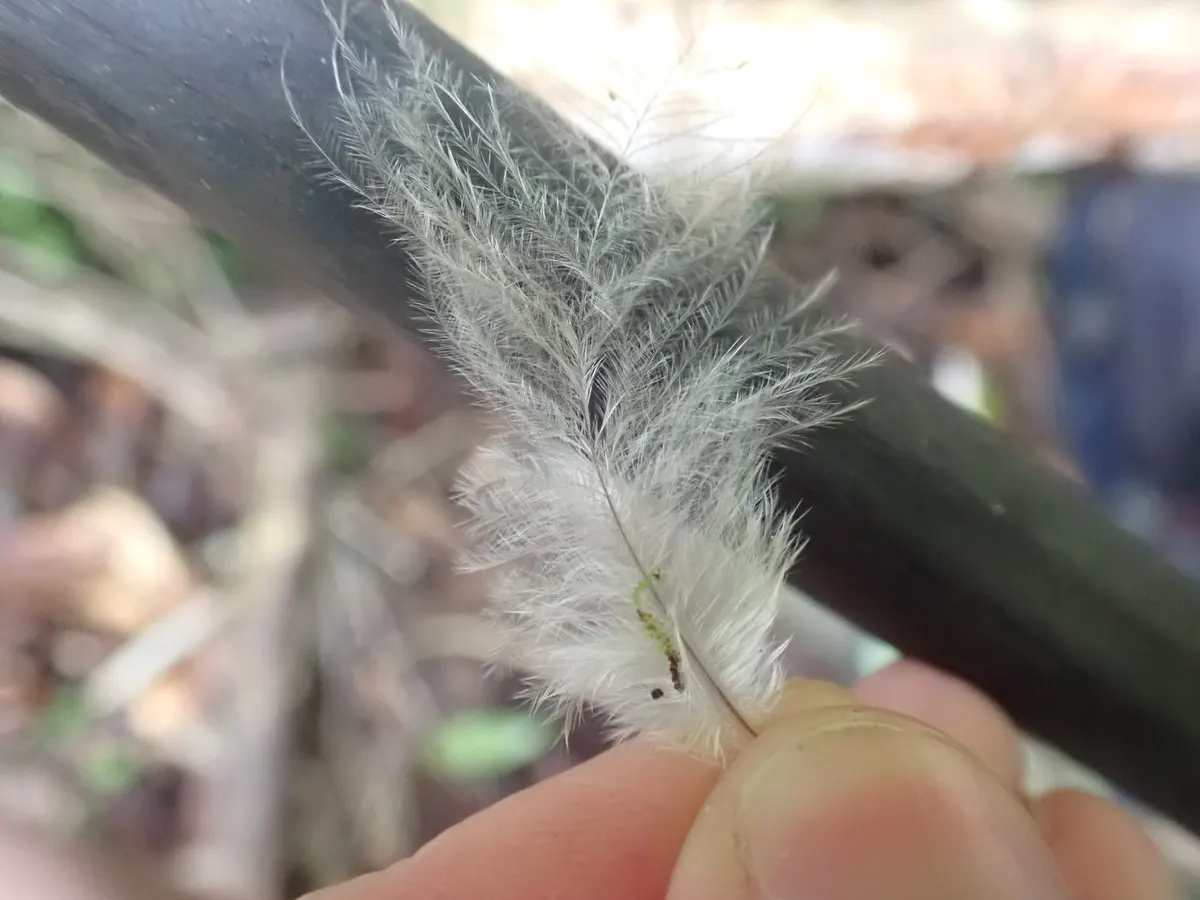
Adults are roughly chicken-sized: about 18 to 25 inches (45 to 65 cm) long and commonly 3 to 8 pounds (1.4 to 3.5 kg), with females larger than males. Wings are tiny stubs hidden under shaggy brown plumage that feels more like coarse fur than flight feathers. Strong legs and claws dig dens and kick through litter.
The bill is the kiwi’s signature tool. Nostrils sit near the tip — rare in birds — so the animal can sniff prey while probing underground. Sensory pits and a sensitive tip detect movement of worms and larvae. Small eyes suit nightlife better than daylight hunting; hearing and smell matter more than sharp vision.

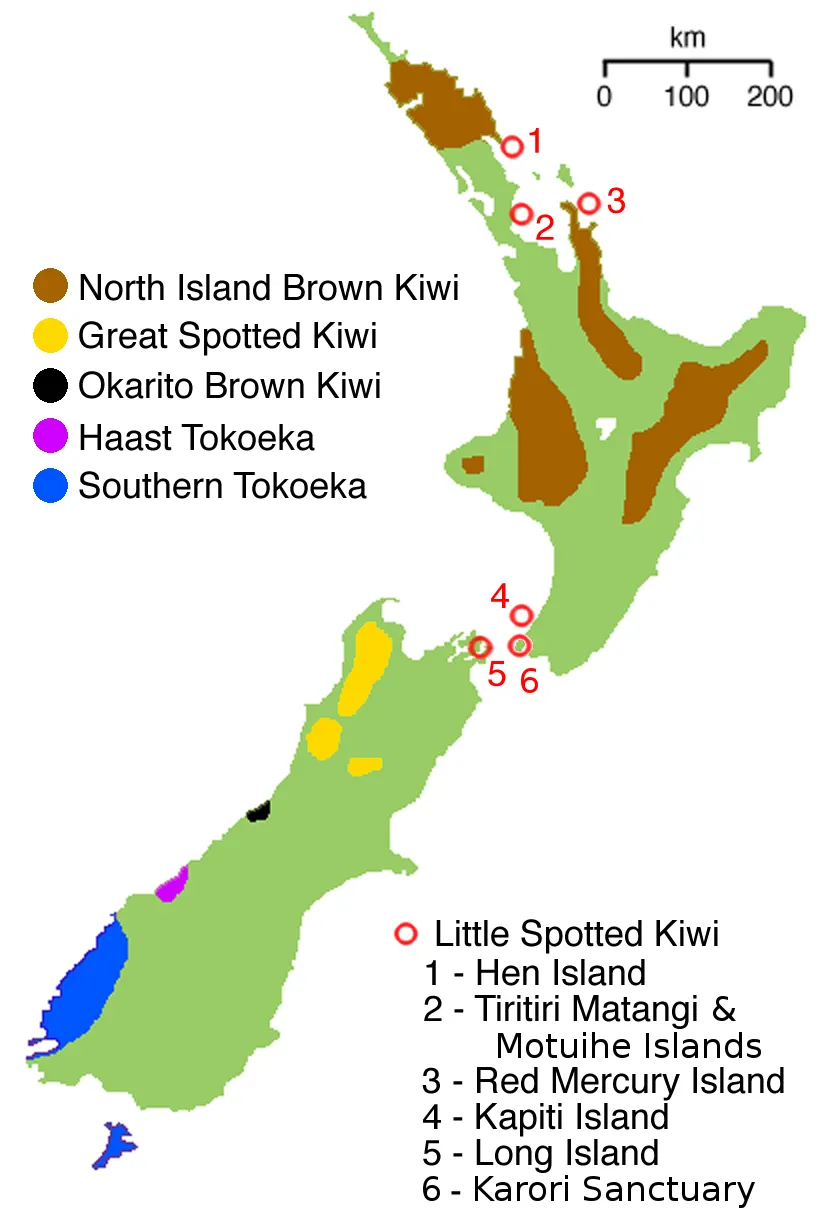
North Island brown kiwis inhabit native forest, scrub, regenerating bush, and some plantation edges across much of the northern two-thirds of New Zealand’s North Island. Soft, moist soils rich in invertebrates are ideal. Dense understory provides daytime den cover.
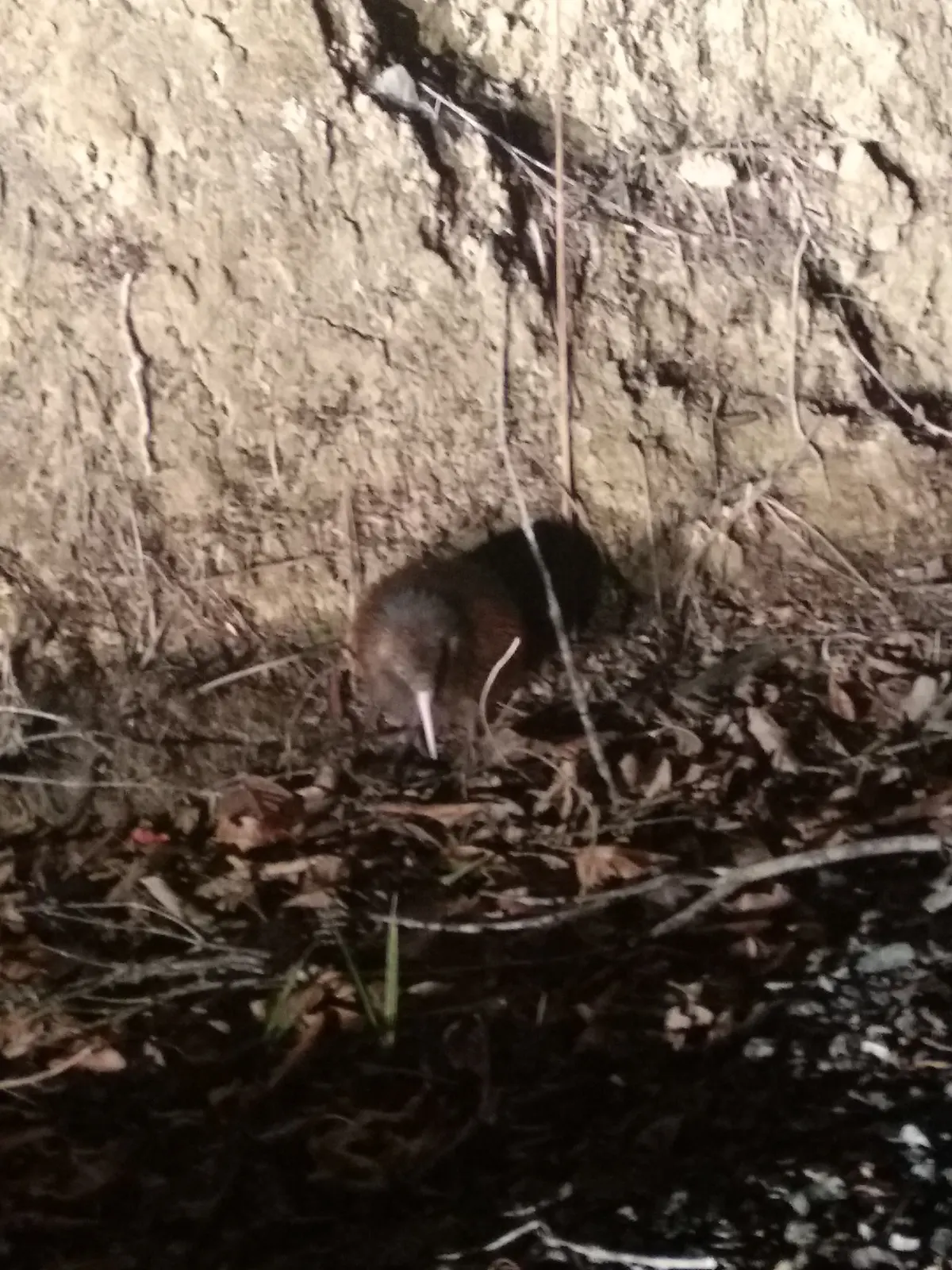
They roost in burrows, hollow logs, or thick vegetation by day, then emerge after dusk. Home ranges vary with food quality. On predator-controlled islands and fenced mainland sanctuaries, densities can be higher than on unprotected farmland-forest mosaics where stoats and dogs roam.

Kiwis are mainly invertebrate hunters. Earthworms, beetle larvae, adult insects, spiders, and centipedes fill most meals. Occasional fruit or seeds appear when abundant, but probing soil is the core technique. A night’s work leaves a trail of probe holes across soft ground.
Because prey sits underground, rain and soil moisture matter. Drought can push worms deeper and force longer walks between productive patches. Competition with invasive mammals for invertebrates adds pressure in degraded habitats. In intact forests with deep litter, foraging efficiency stays high.

Pairs often share a territory and communicate with loud calls that carry through night forests. Mutual preening and shared dens reinforce bonds. Outside the pair, kiwis are solitary foragers that avoid unnecessary fights; resources are defended more by space and scent than by daily combat.
When threatened, a kiwi may freeze, run into cover, or kick with powerful legs. They cannot fly from danger — escape depends on knowing every den and thicket in the territory. Nocturnal timing reduces encounters with day-active hunters but does little against stoats that also hunt after dark.

Breeding pairs dig or reopen nest burrows lined with leaf litter. The female usually lays a single enormous egg — sometimes two — that can represent a huge fraction of her body weight. Incubation often lasts about 70 to 80 days, with males commonly taking the longer shifts in many pairs.
Chicks hatch fully feathered and open-eyed. Within days they can leave the nest to feed themselves, though they stay near adults and shared dens. Survival through the first months is the bottleneck: introduced predators kill many juveniles before they establish territories. Adults that reach maturity may live decades.

(Population and conservation trend data sourced from the IUCN Red List of Threatened Species)
The North Island brown kiwi is classified as Vulnerable, with an overall decreasing trend where predators are uncontrolled. Stoats, dogs, cats, and ferrets are the primary killers. Habitat fragmentation and vehicle strikes add further losses on the mainland.
Conservation tools include trapping, predator-proof fencing, translocation to safe islands, and “Operation Nest Egg” style rearing that hatches eggs in captivity then returns juveniles when they are less vulnerable. Success is measurable: managed sites can reverse local declines, but unprotected forests continue to lose birds.
A kiwi egg can equal about one-fifth of the female’s body weight.
Kiwis have nostrils at the tip of the beak — rare among birds.
They are flightless and use strong legs to walk forest trails at night.
Their feathers look more like shaggy hair than typical bird plumage.
Males often do most of the long incubation of the giant egg.
The kiwi is a national symbol of New Zealand.
Select a question to reveal the answer.
A kiwi is a flightless bird found only in New Zealand. The North Island brown kiwi (*Apteryx mantelli*) is the most common living kiwi species.
North Island brown kiwis live in forest, scrub, and regenerating bush across much of New Zealand’s North Island, plus some offshore sanctuaries.
Kiwis evolved without native mammal predators, so they became ground foragers with tiny unused wings and heavy bodies adapted for walking and digging.
They are mostly carnivores that probe soil for earthworms, insect larvae, beetles, spiders, and other invertebrates.
A kiwi egg is enormous for the bird’s size — often close to 15 to 20 percent of the mother’s weight — and may take more than two months to hatch.
Yes. Most foraging happens at night, when they use smell and touch to find prey in leaf litter and soft soil.
The North Island brown kiwi is listed as Vulnerable. Introduced predators such as stoats, dogs, and cats remain the main threat.