
Animal guides
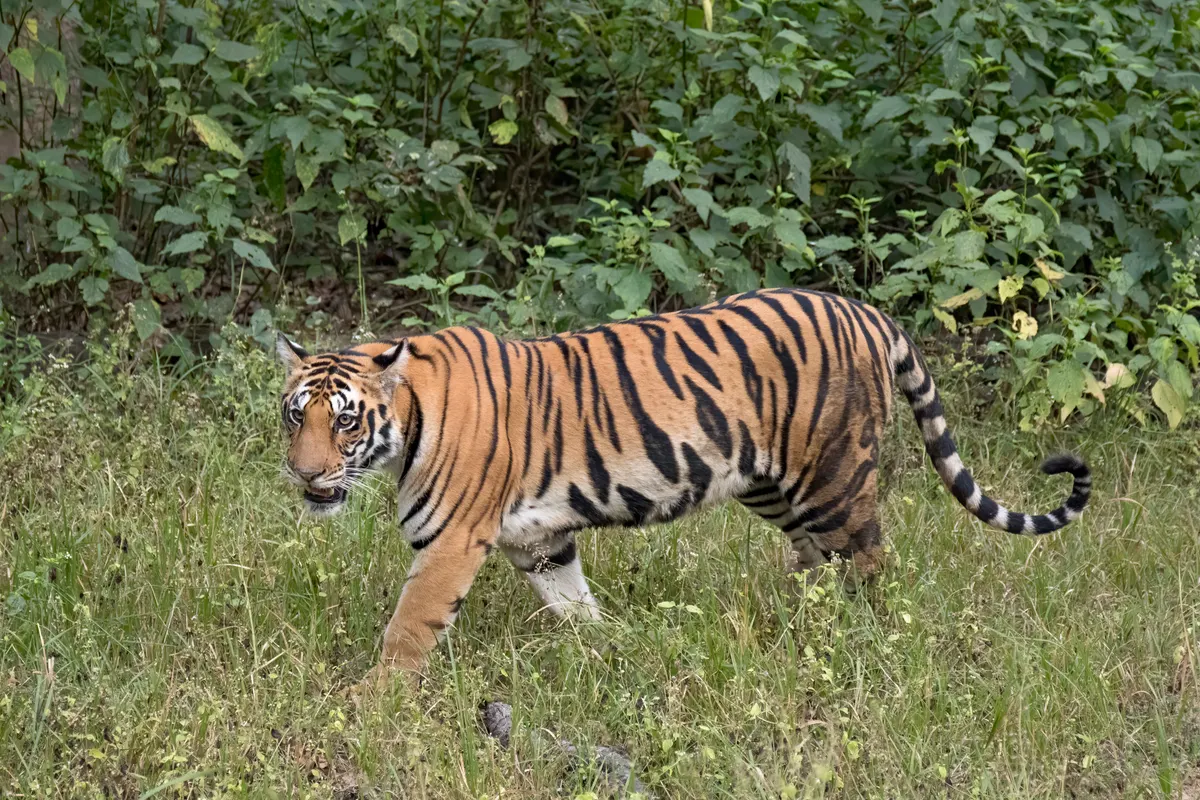
How Do Tigers Ambush Prey?
A tiger hunt depends on getting close unseen; speed and strength matter only after the stalk has closed the distance.
Read the guide →
Wildlife Journal
Guides that answer one useful question at a time, with sourced context and carefully credited wildlife photography.
Animal guides
A tiger hunt depends on getting close unseen; speed and strength matter only after the stalk has closed the distance.
Read the guide →
Animal guides
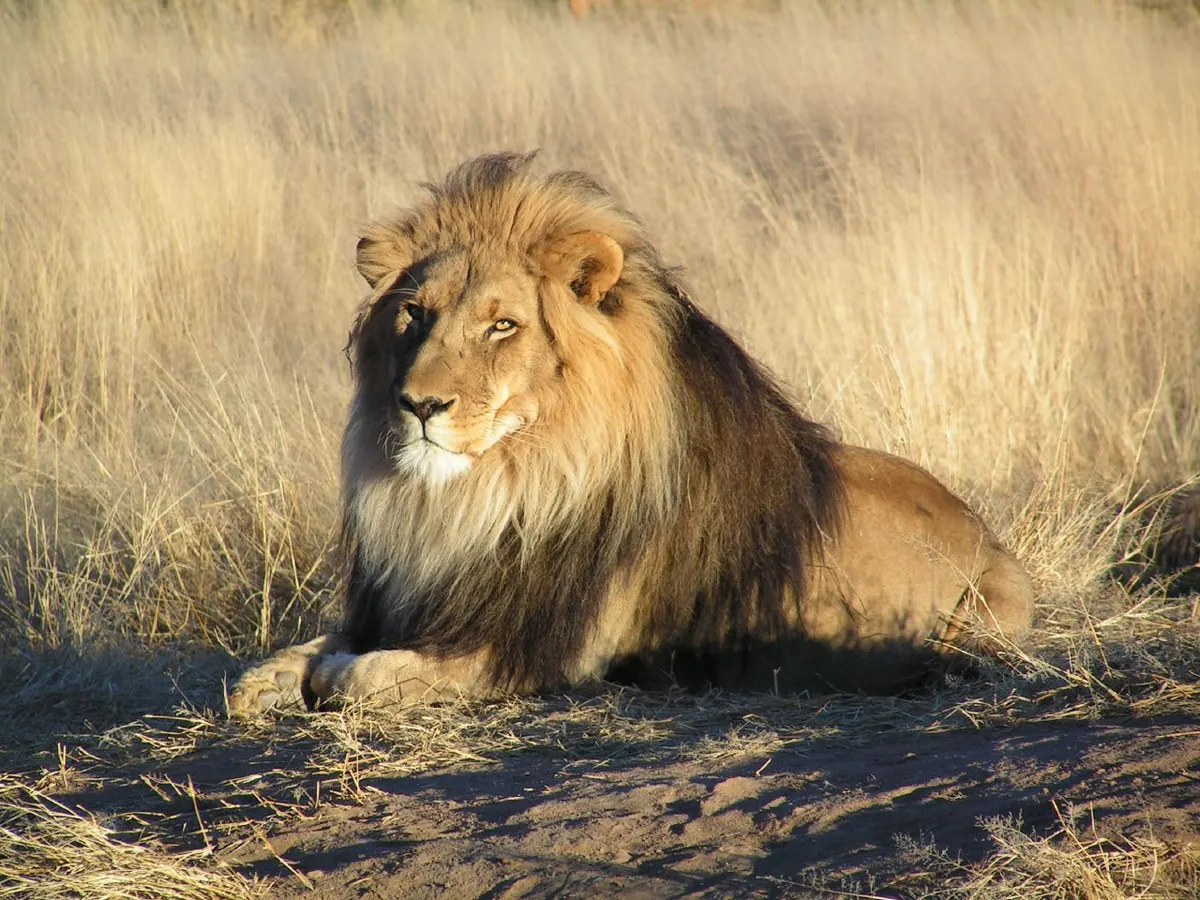
Pride life helps lions hold productive territory and protect cubs, while cooperation can improve some hunts.
Read the guide →
Animal guides
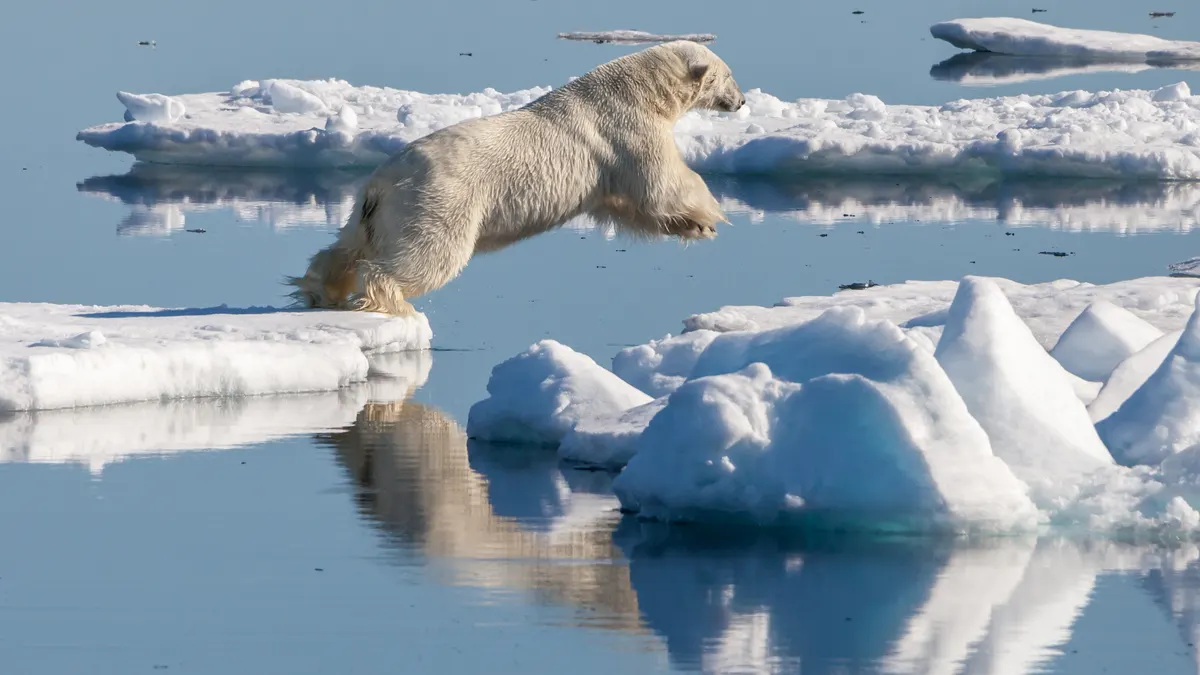
Sea ice places polar bears where seals surface; when the ice retreats, many bears lose hunting time and fast longer on land.
Read the guide →
Ocean life
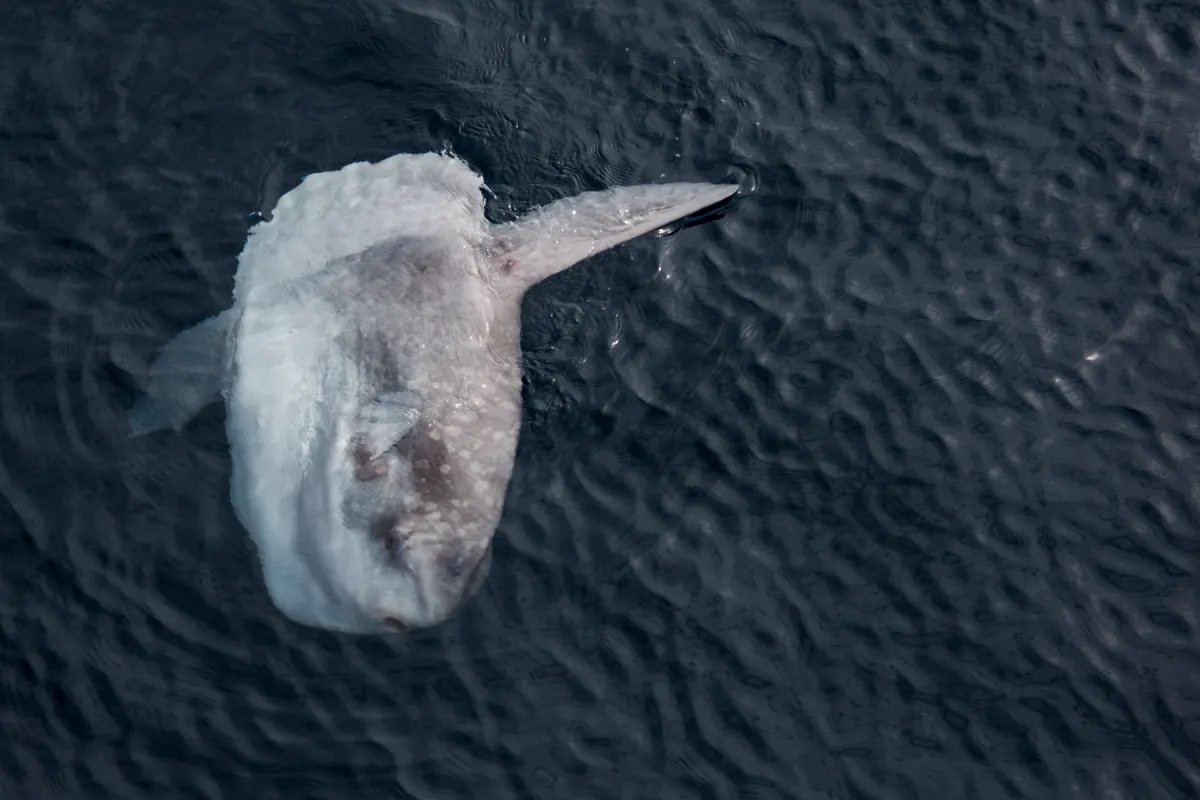
A sunfish draws gelatinous prey into its small mouth, breaks it into manageable pieces, and traps it with teeth deeper in the throat.
Read the guide →
Animal guides
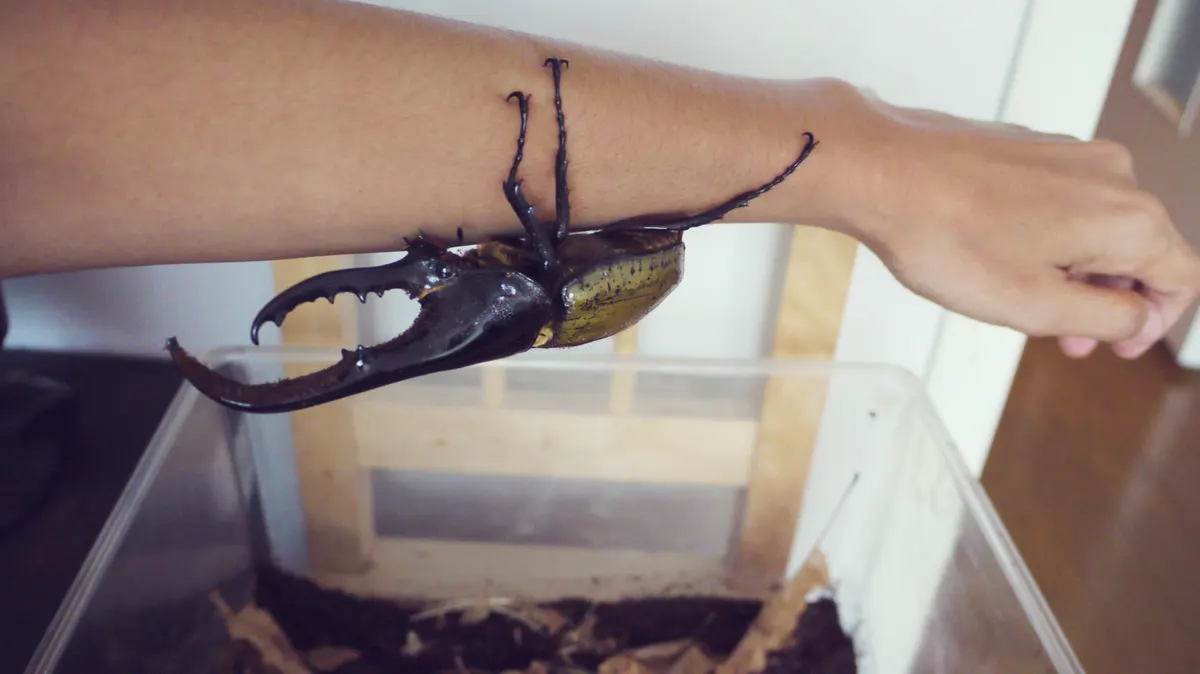
The beetle's real advantage is a horn-and-body system adapted to grip, lift, and dislodge rival males—not one viral strength number.
Read the guide →
Animal guides
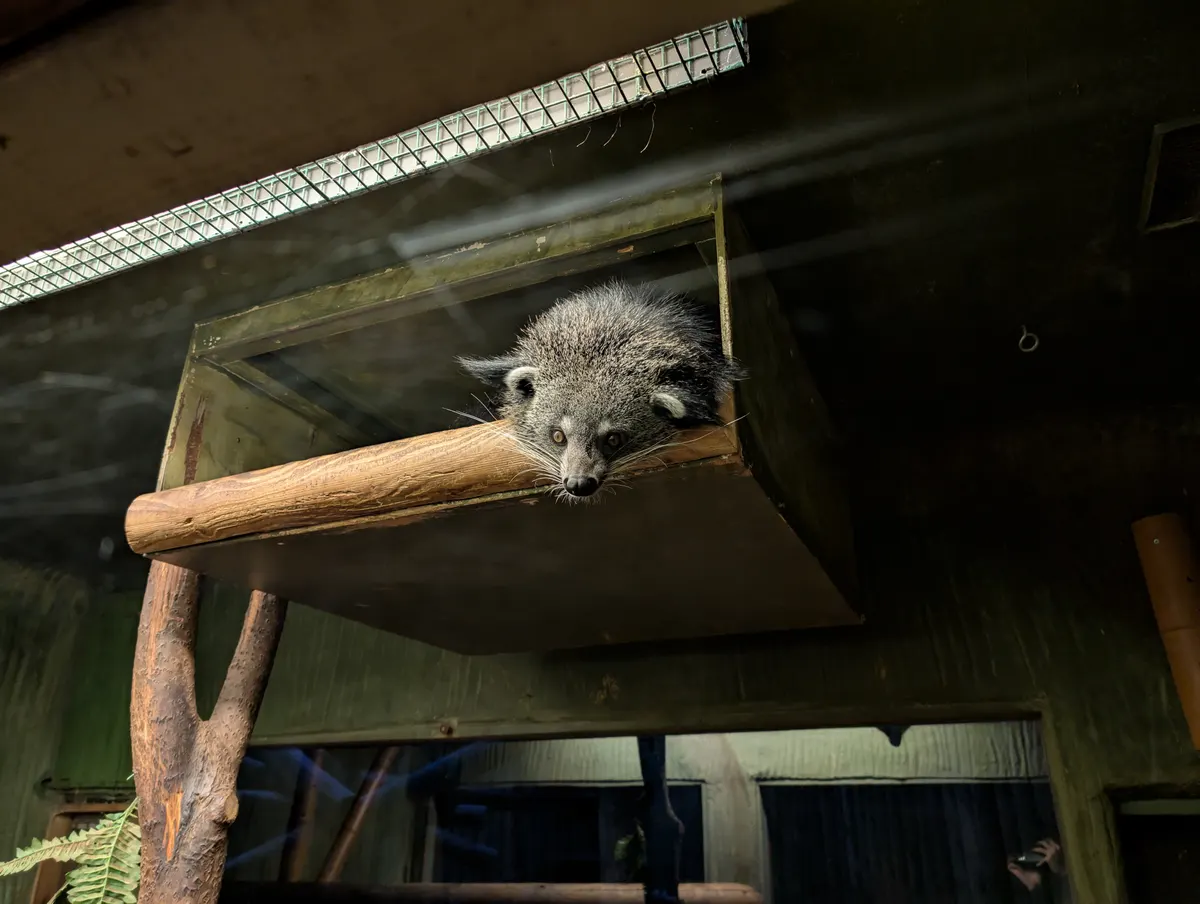
The popcorn-like smell is a chemical calling card left on branches, not evidence that the animal has eaten popcorn.
Read the guide →
Animal guides
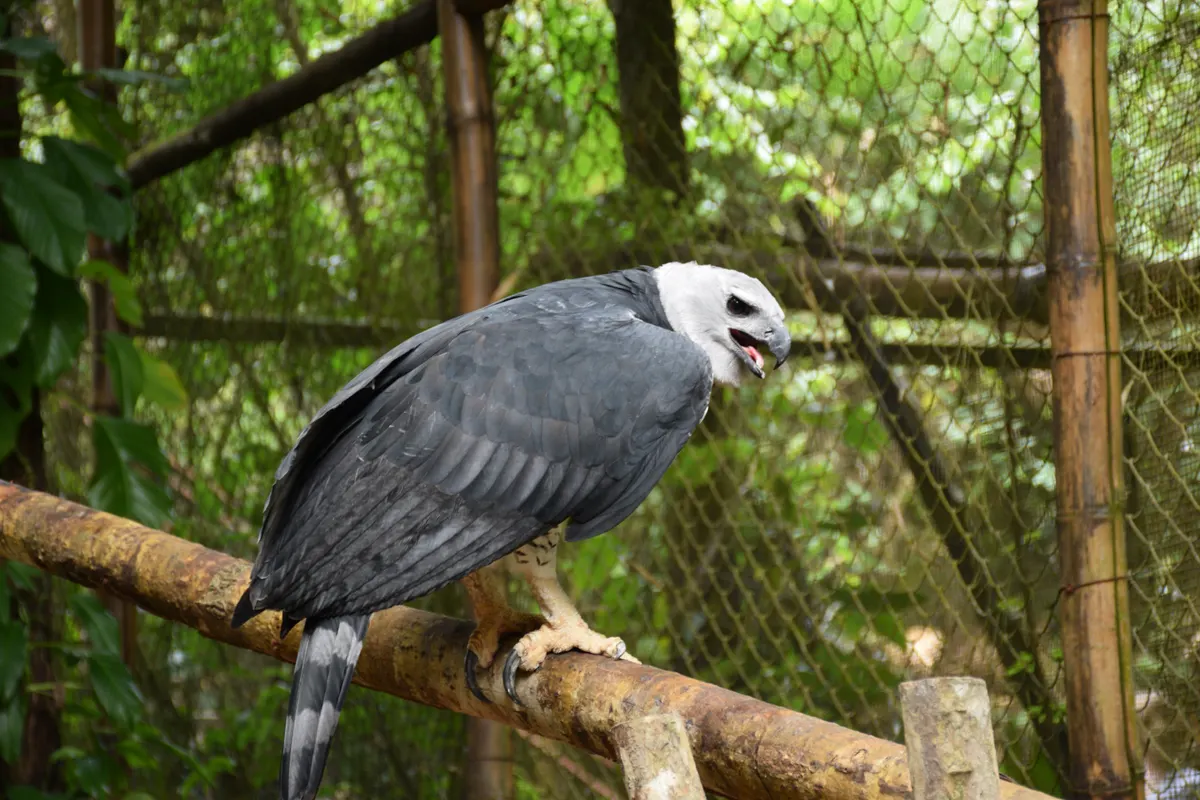
Large curved talons give a harpy eagle reach, penetration, and retention when an arboreal mammal cannot be allowed to escape.
Read the guide →
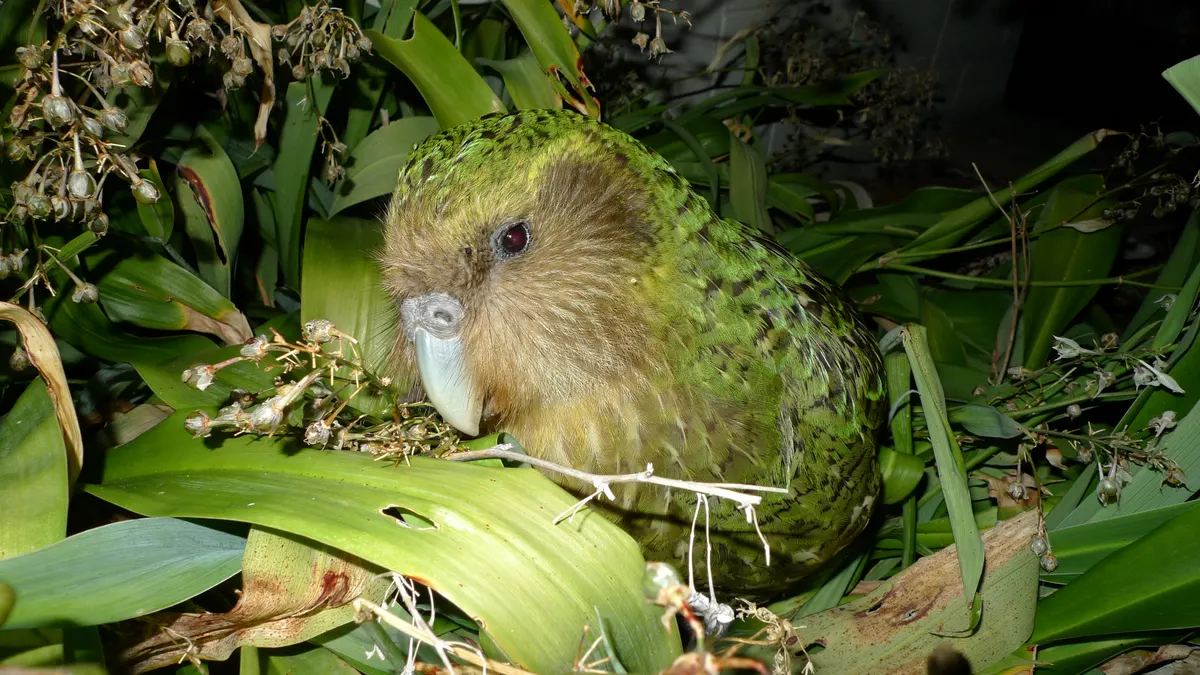
Animal guides
A kakapo boom is a long-distance mating signal shaped by nocturnal life, lek breeding, and the acoustics of New Zealand forest.
Read the guide →
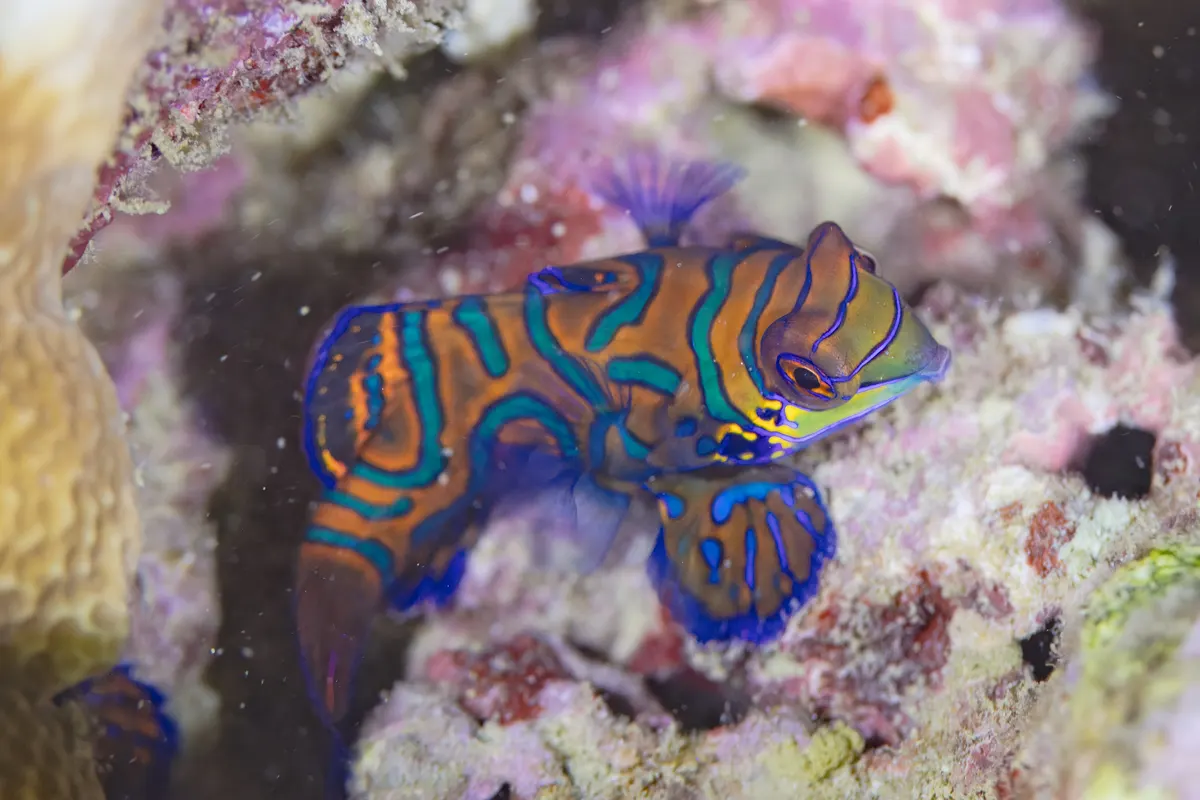
Ocean life
Instead of overlapping scales, mandarinfish rely on a specialized outer skin rich in mucus-producing and sacciform cells.
Read the guide →
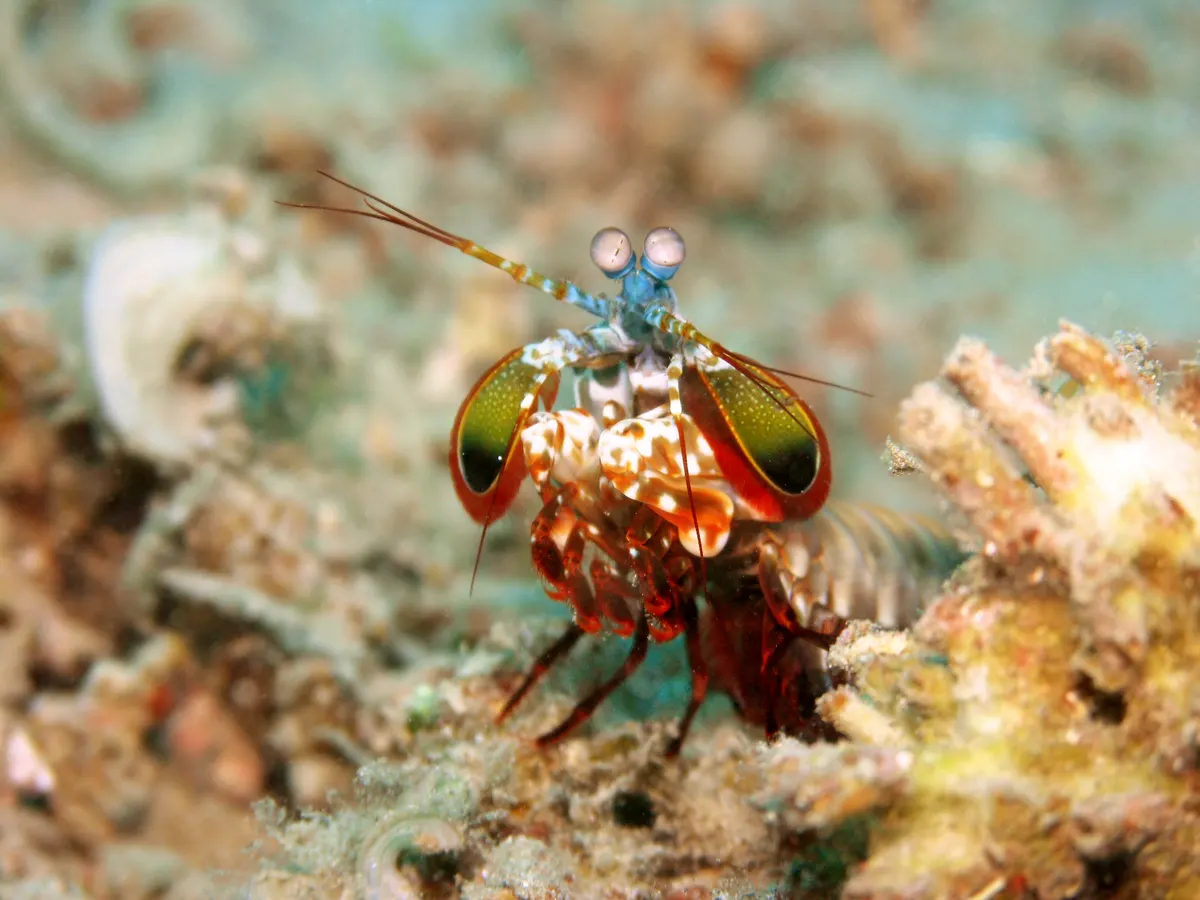
Ocean life
A spring, latch, and linkage release stored muscular energy faster than muscle alone can move the striking club.
Read the guide →
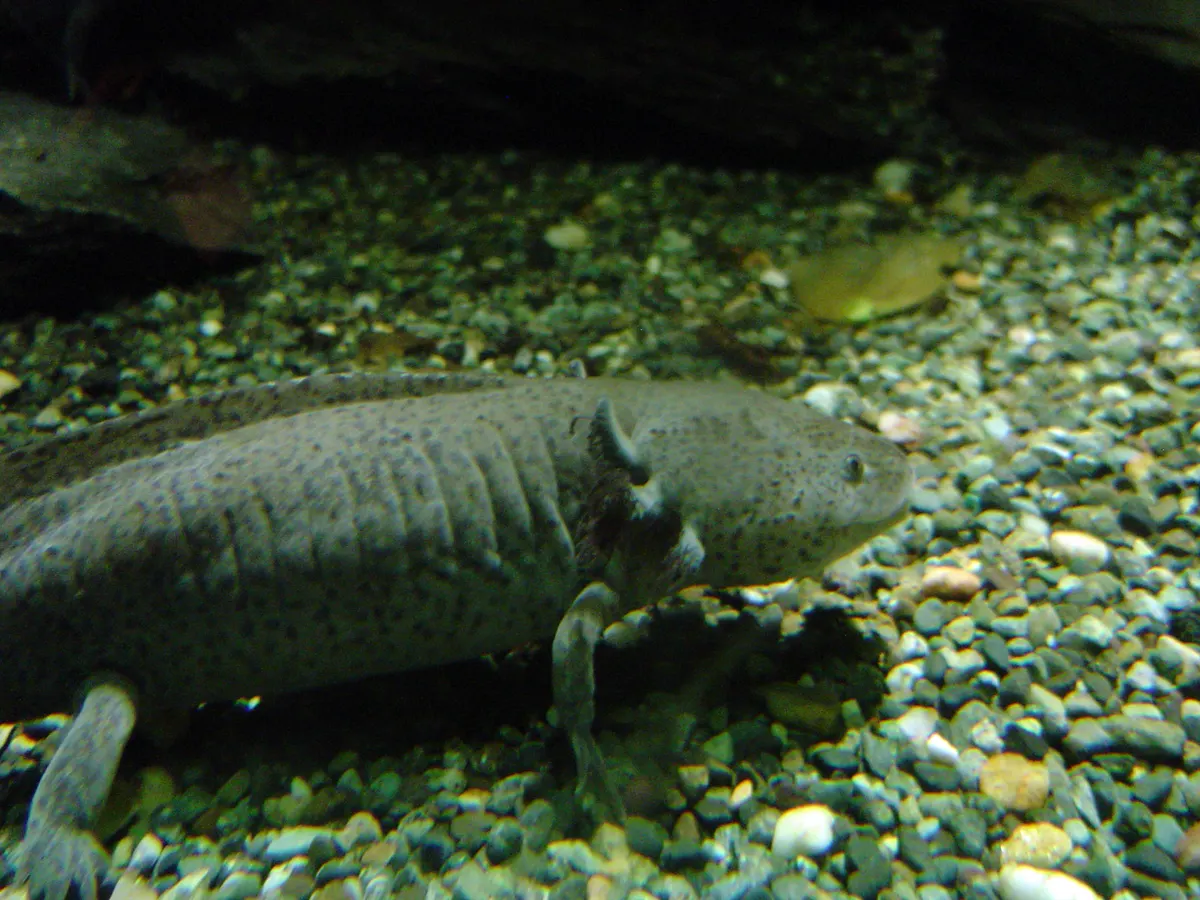
Animal guides
Captive axolotls live around the world, but the wild species is confined to a fragmented freshwater landscape of canals, chinampas, and refuges in Xochimilco.
Read the guide →
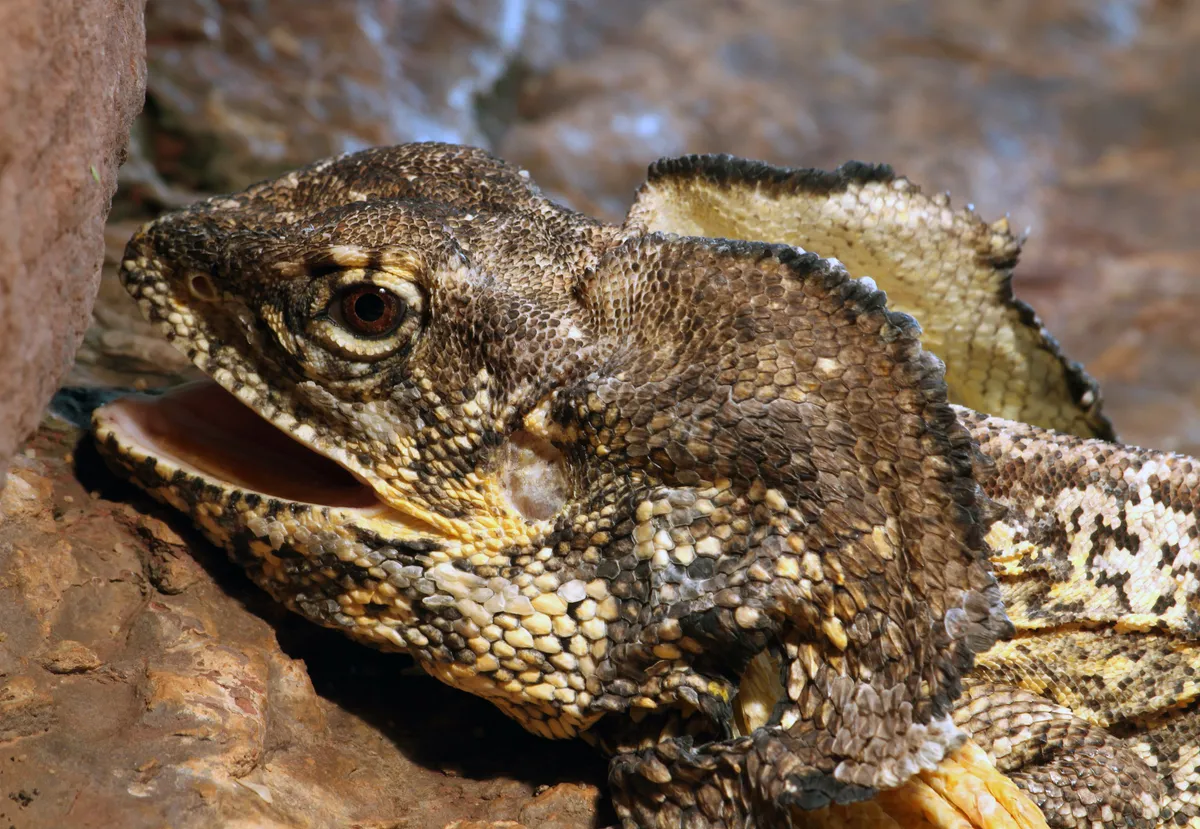
Animal guides
The famous neck frill is not always open—and field research shows that its real jobs are more specific than most myths suggest.
Read the guide →
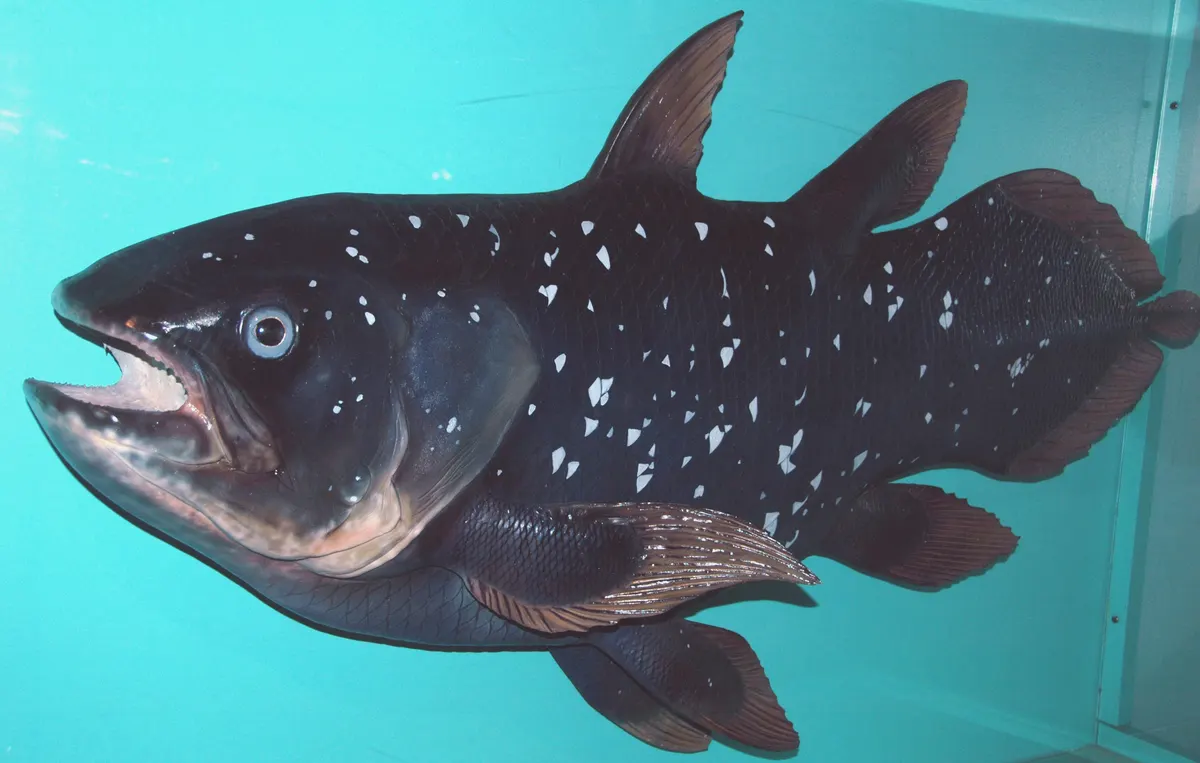
Ocean life
The 1938 discovery made the coelacanth a symbol of deep time. Its lineage is ancient, but today's fish is neither unchanged nor a resurrected fossil species.
Read the guide →
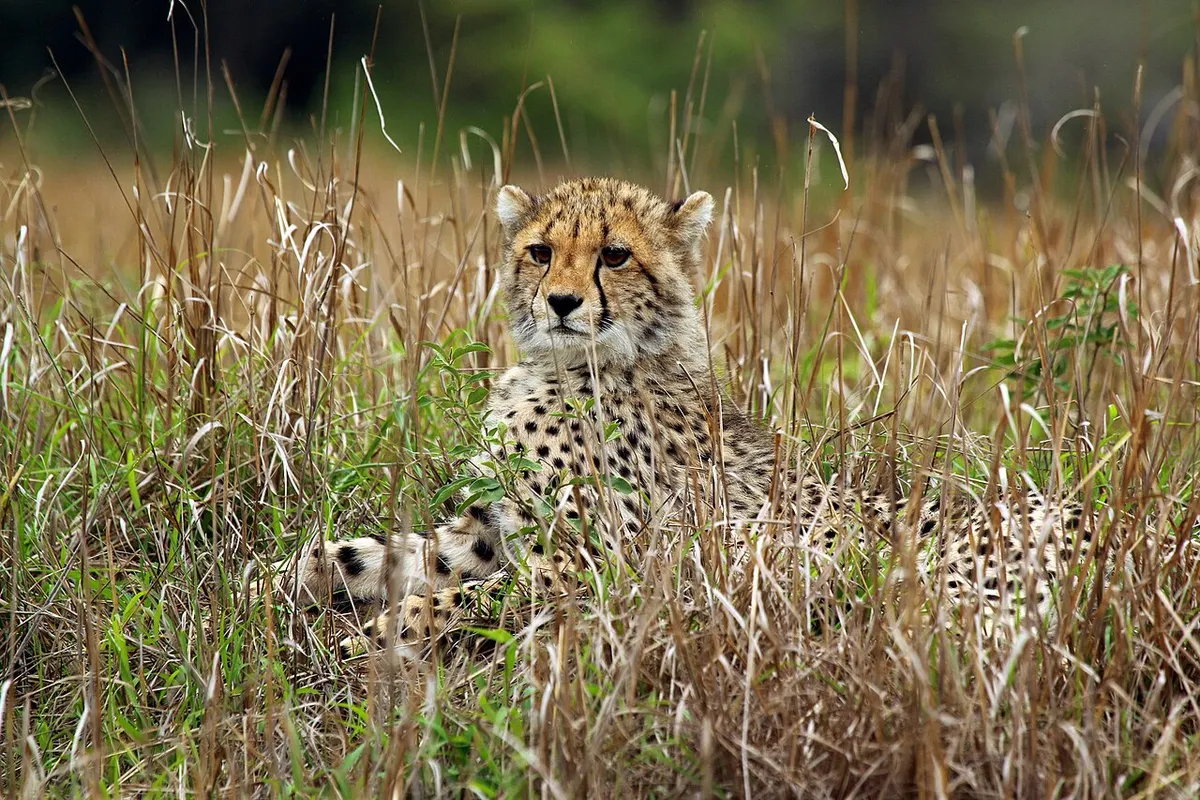
Animal guides
Speed is a cheetah's hunting tool, but it only lasts for a short, demanding sprint.
Read the guide →
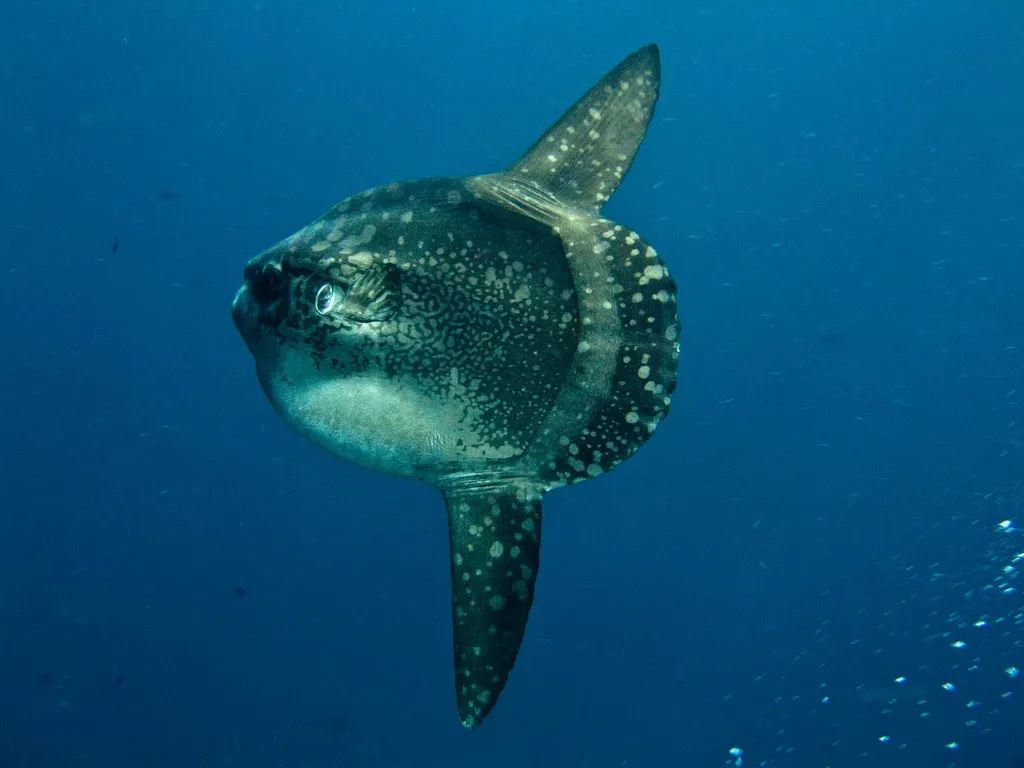
Ocean life
An ocean sunfish looks unfinished only if you expect every fish to have a long tail.
Read the guide →
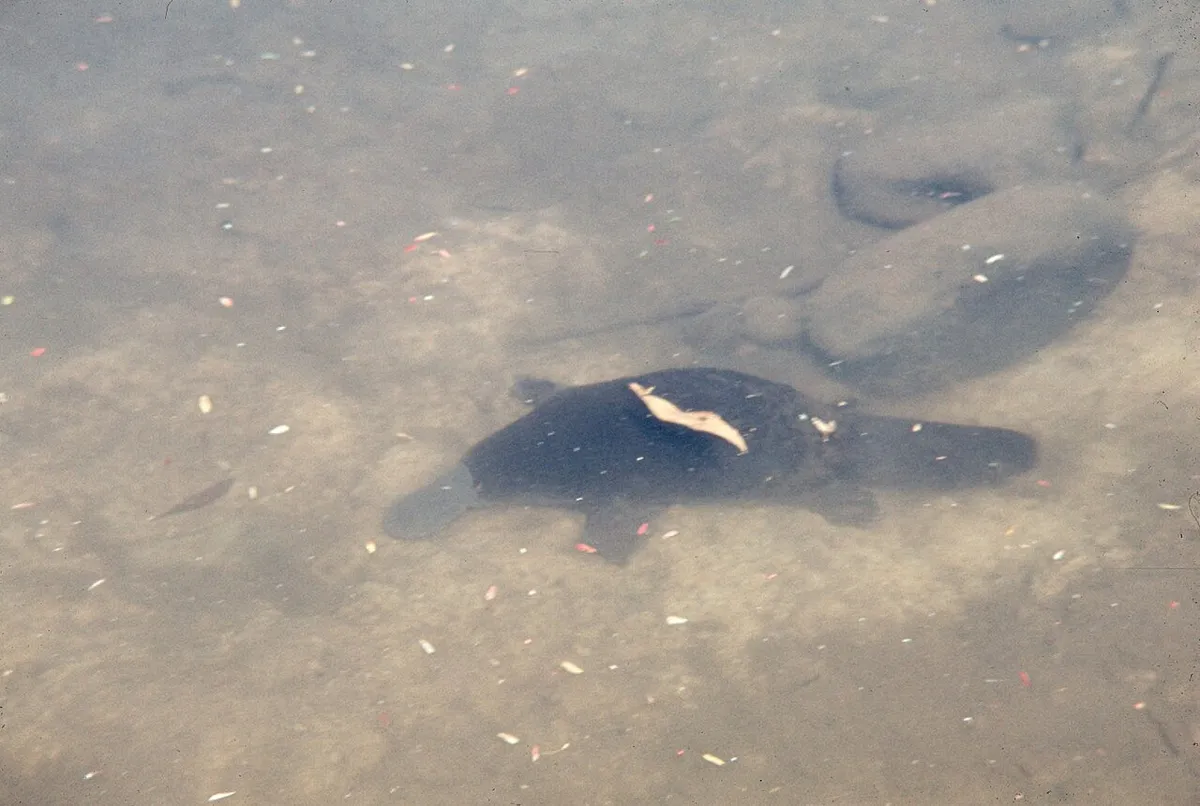
Animal guides
A platypus bill is a soft sensory organ that detects touch, water pressure, and electrical signals from prey.
Read the guide →
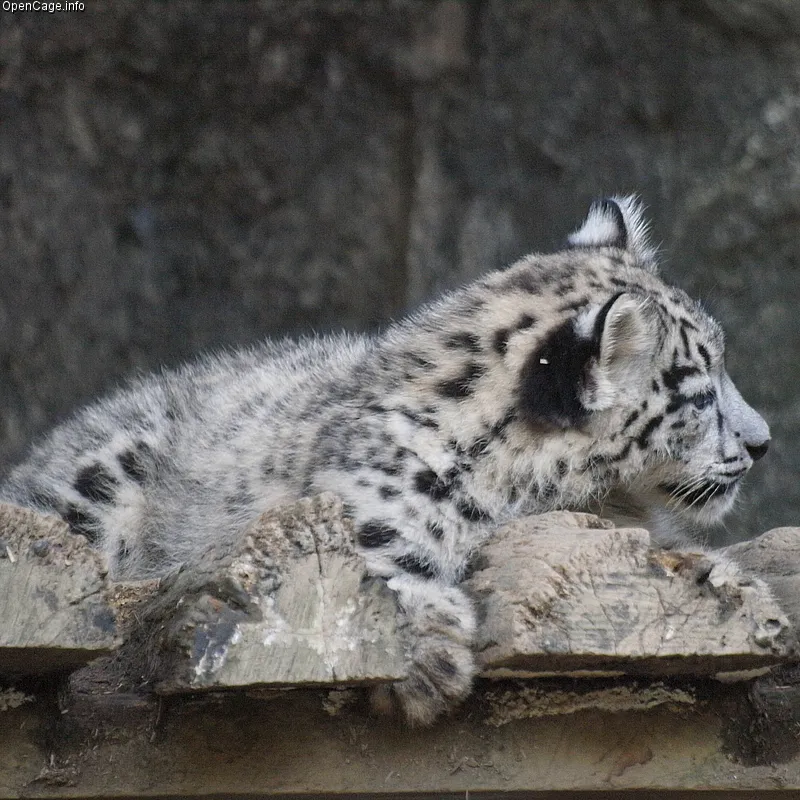
Animal guides
A snow leopard's long tail acts as a counterbalance on cliffs and an insulated wrap during rest.
Read the guide →
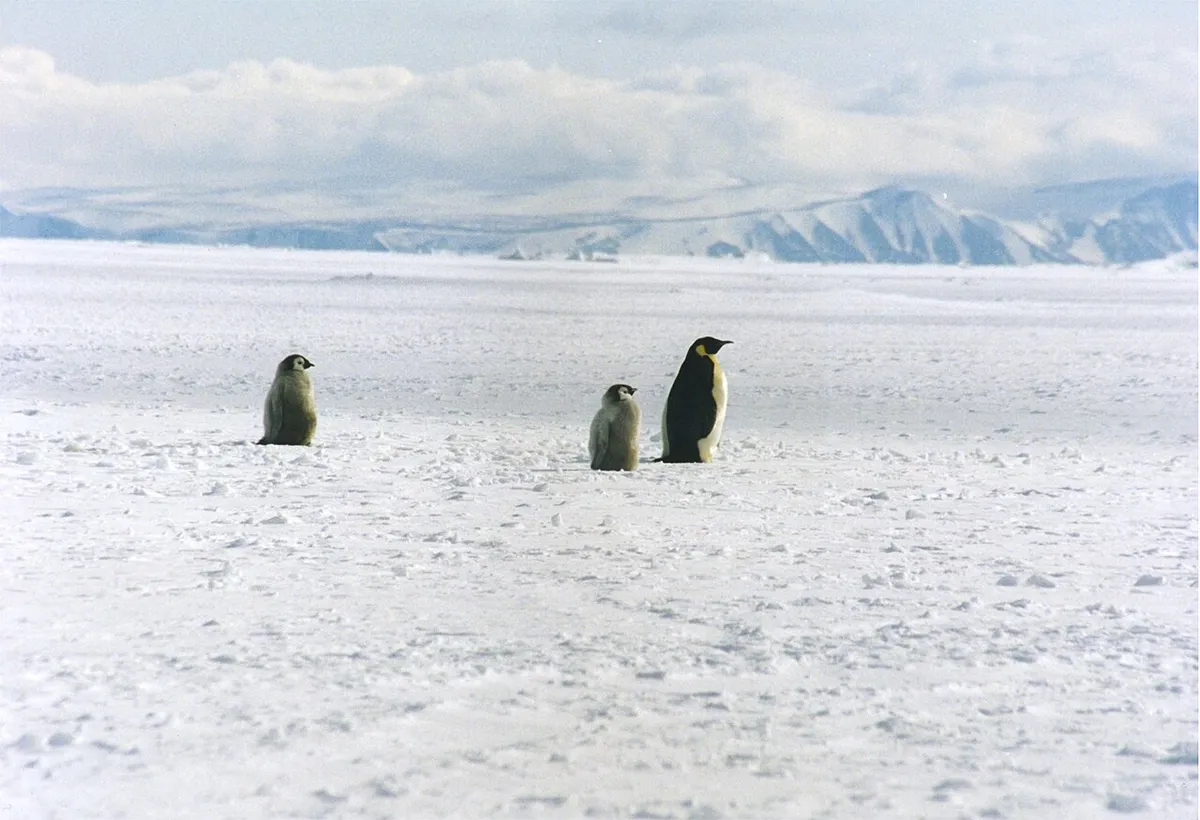
Animal guides
An emperor penguin is insulated on its own, but the colony becomes a shared shelter when Antarctic winds intensify.
Read the guide →
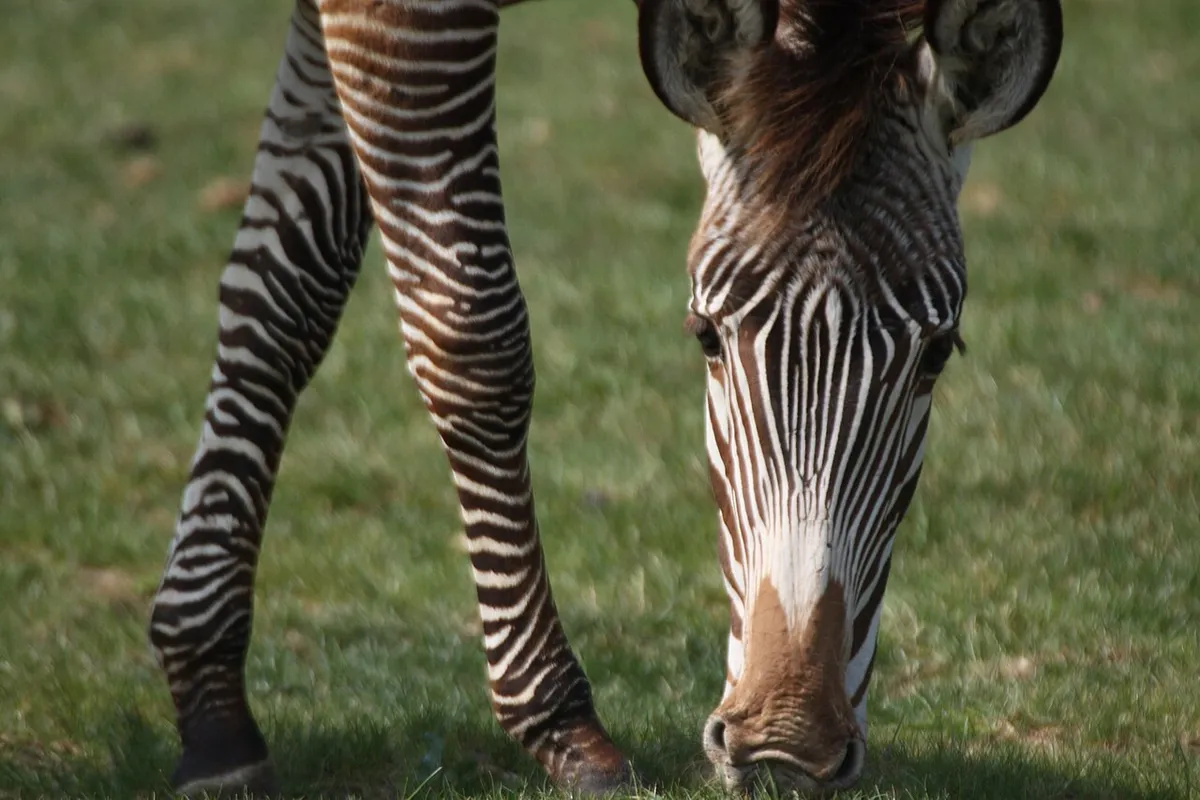
Animal guides
A zebra's stripes are not paint on a horse. They are an individual pattern shaped by life on the African plains.
Read the guide →
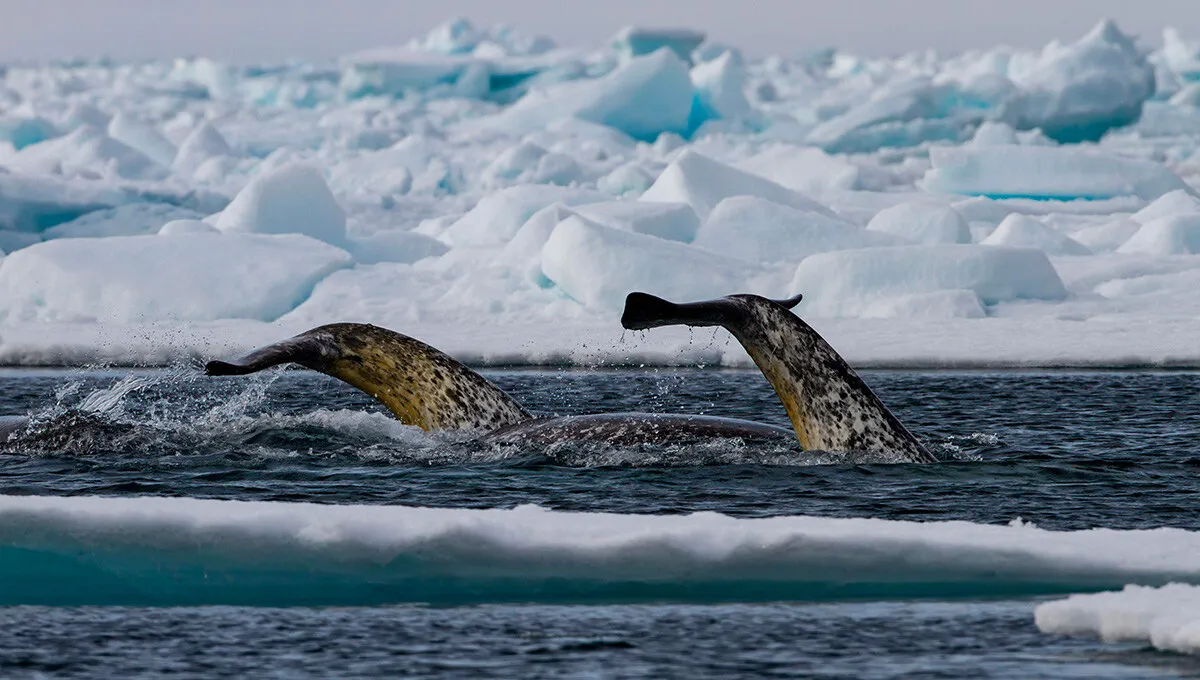
Animal guides
The Arctic's so-called unicorn does not carry a horn: its famous spiral is a tooth with social and sensory roles.
Read the guide →
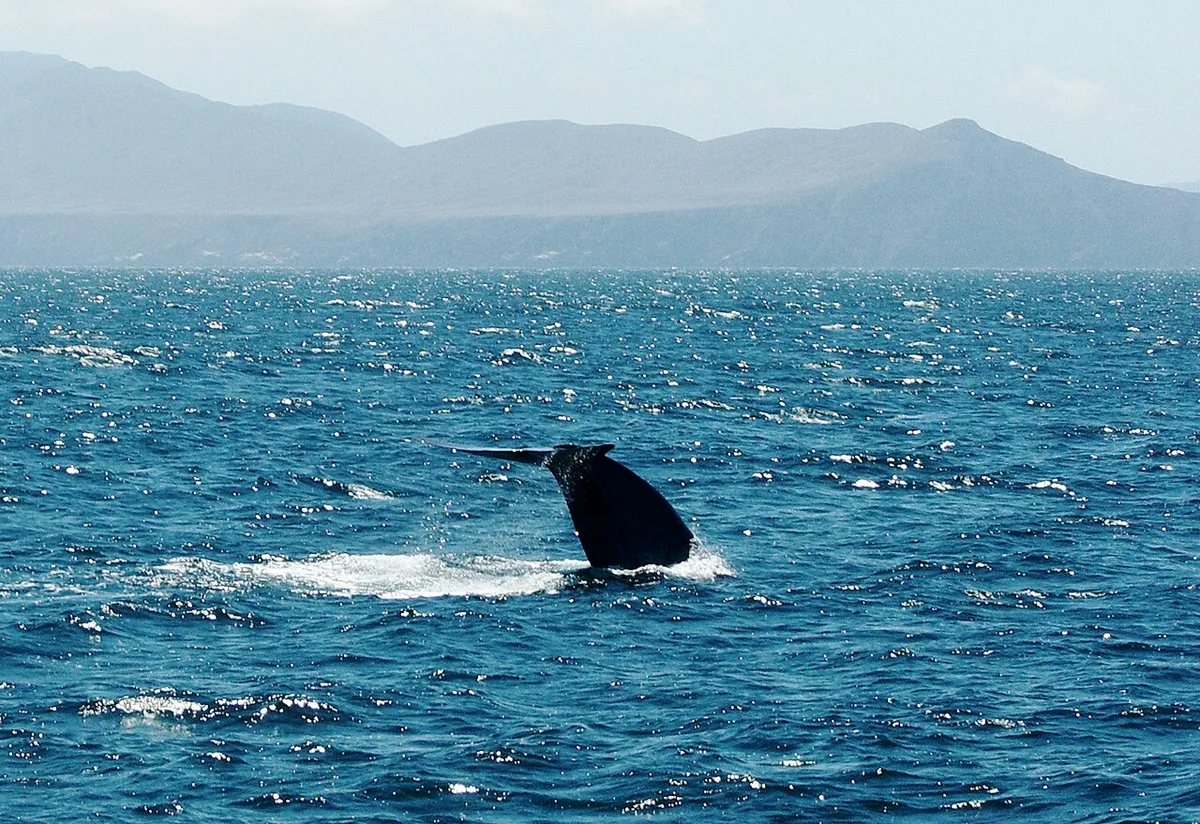
Ocean life
The largest animal ever known lives on tiny krill. Its size works because the ocean can sometimes concentrate an extraordinary amount of food.
Read the guide →
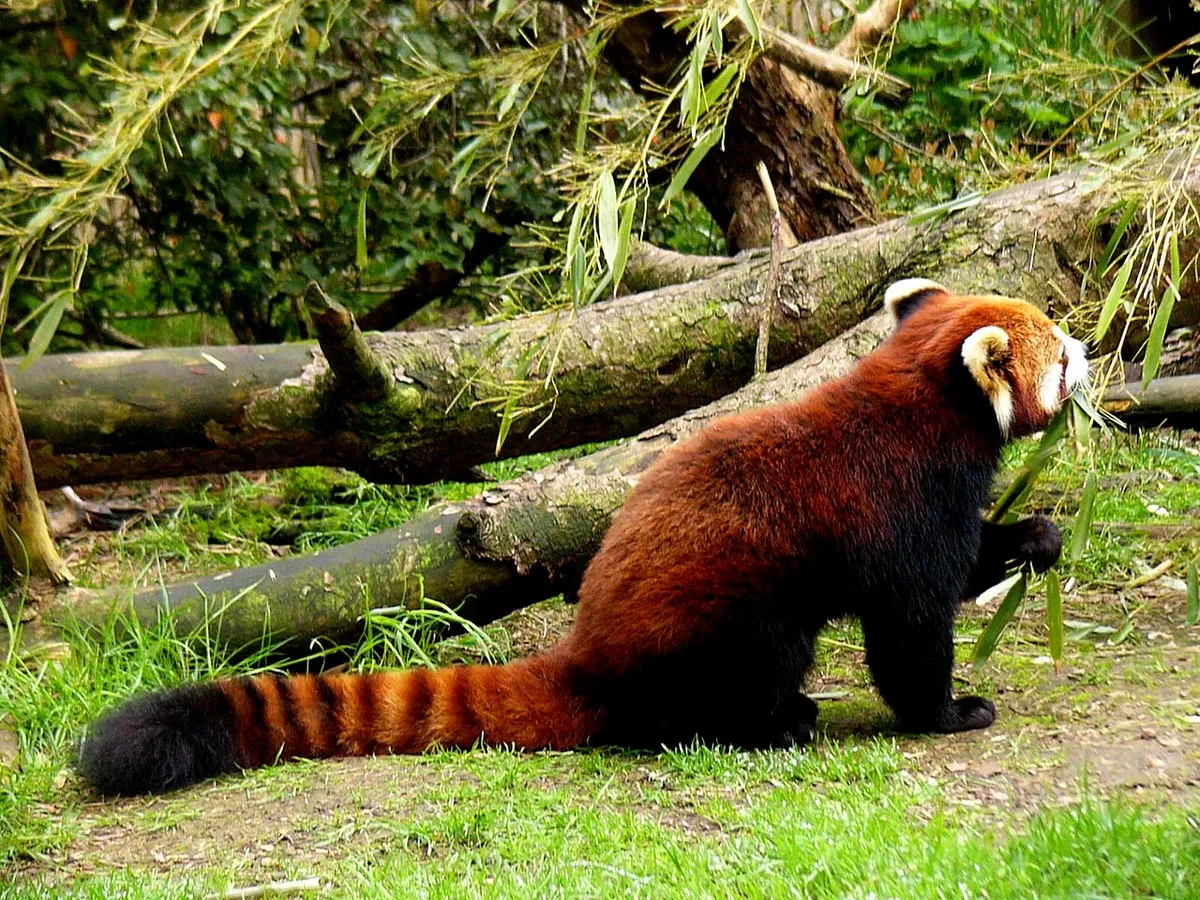
Animal guides
The name is shared, the menu overlaps, but a red panda is neither a small bear nor a young giant panda.
Read the guide →
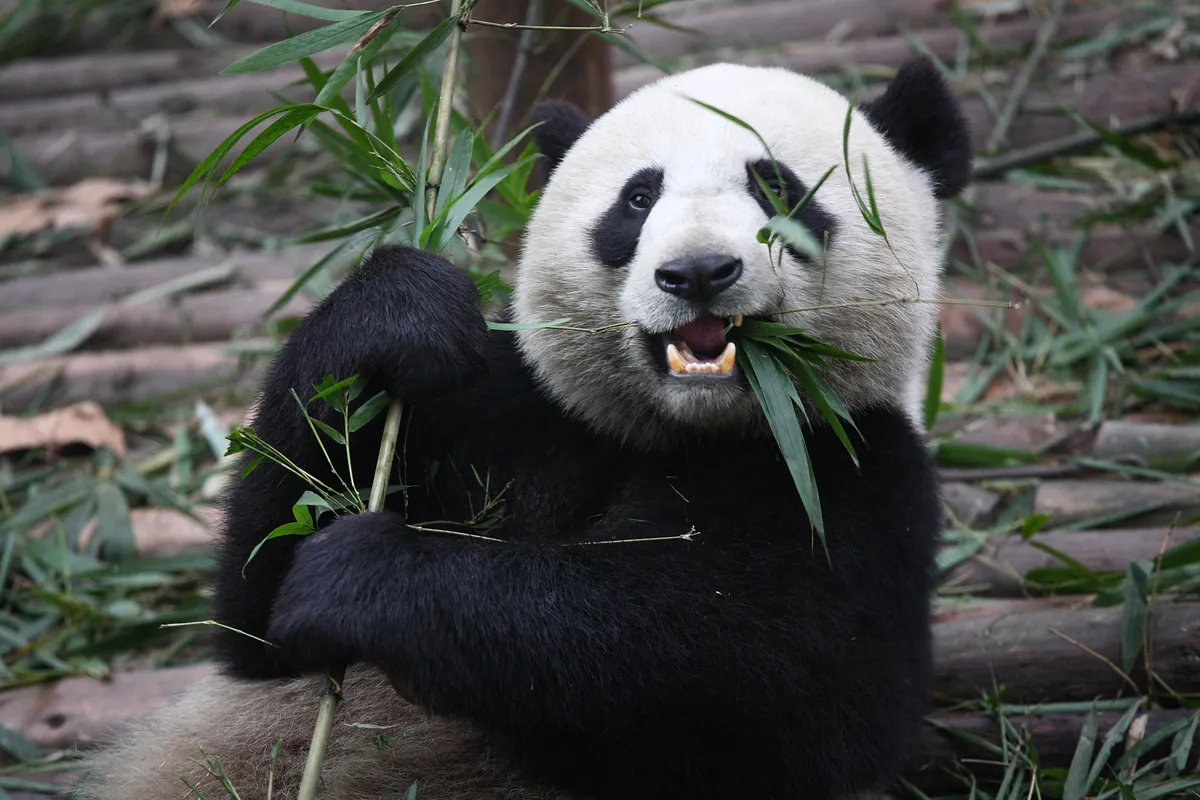
Animal guides
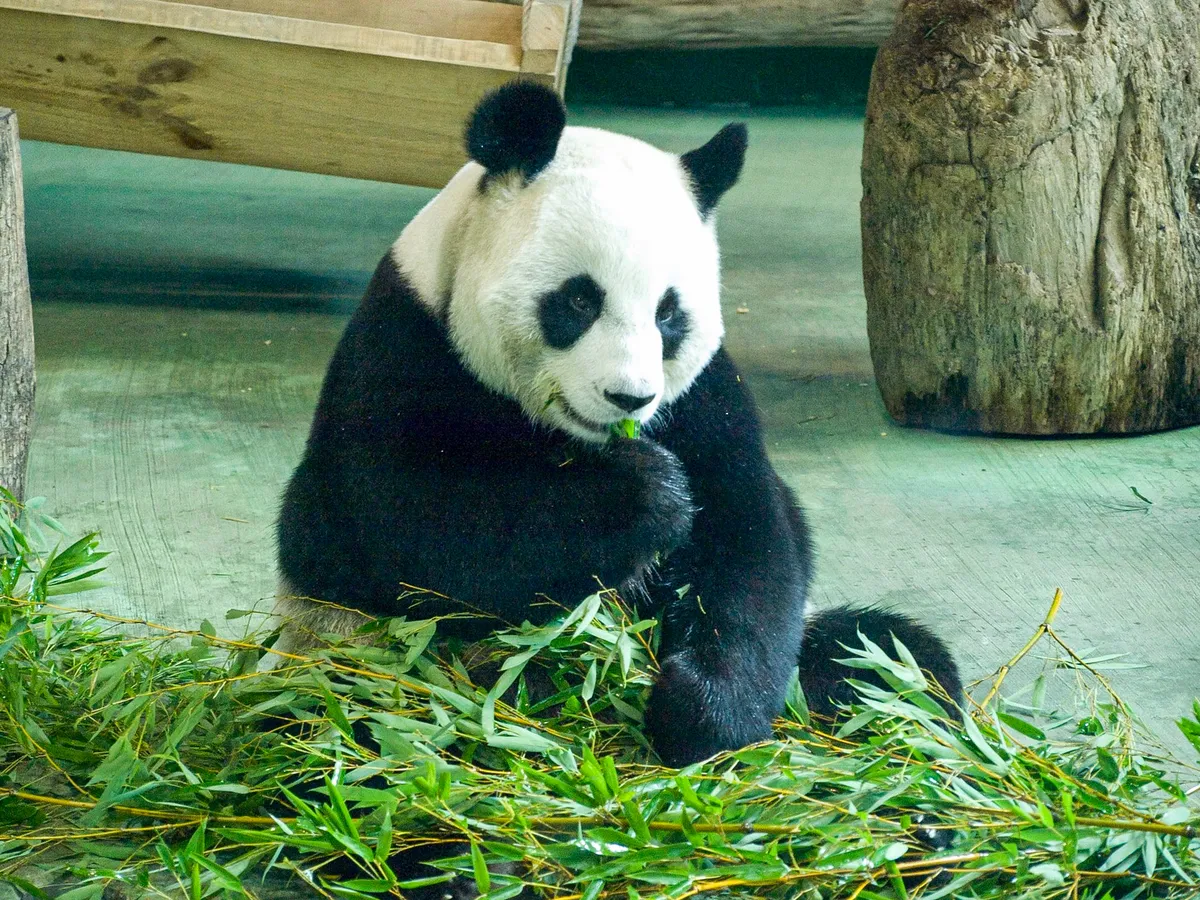
A panda's bamboo habit is less about greed than energy: tough stems, an inefficient digestive system, and a body built to keep eating.
Read the guide →
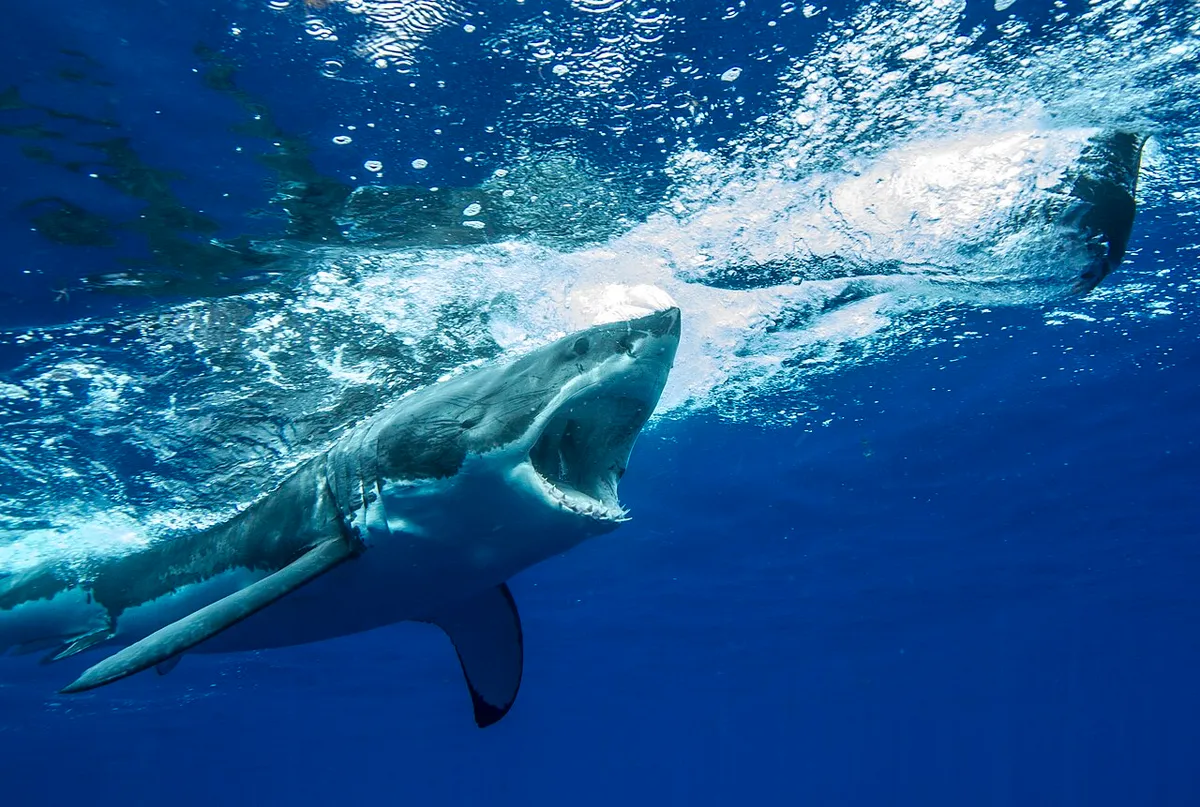
Ocean life
Great whites are not simply coastal hunters. Tagged sharks have crossed thousands of kilometres, linking rich coastal feeding grounds with distant offshore waters.
Read the guide →
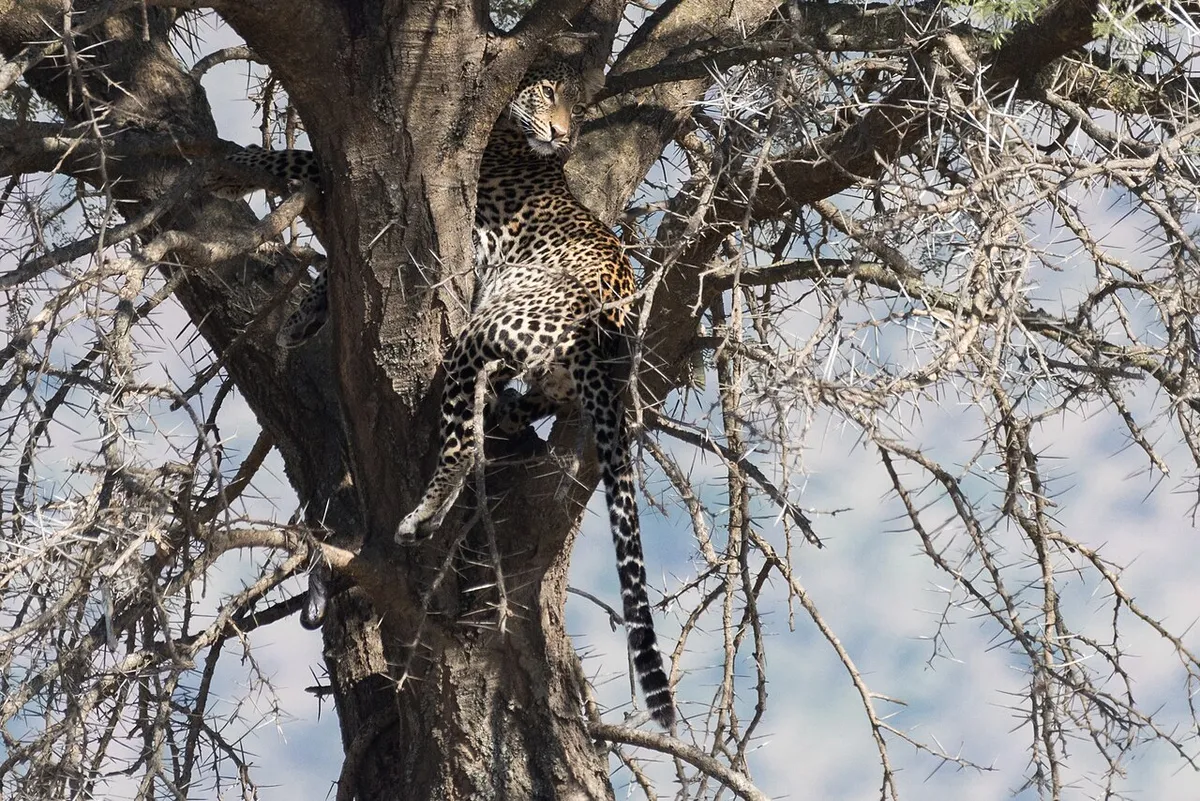
Animal guides
A leopard in a tree is not lost. Climbing gives this solitary cat a calmer place to rest, watch, and sometimes protect a meal.
Read the guide →