(Population and conservation trend data sourced from the IUCN Red List of Threatened Species)
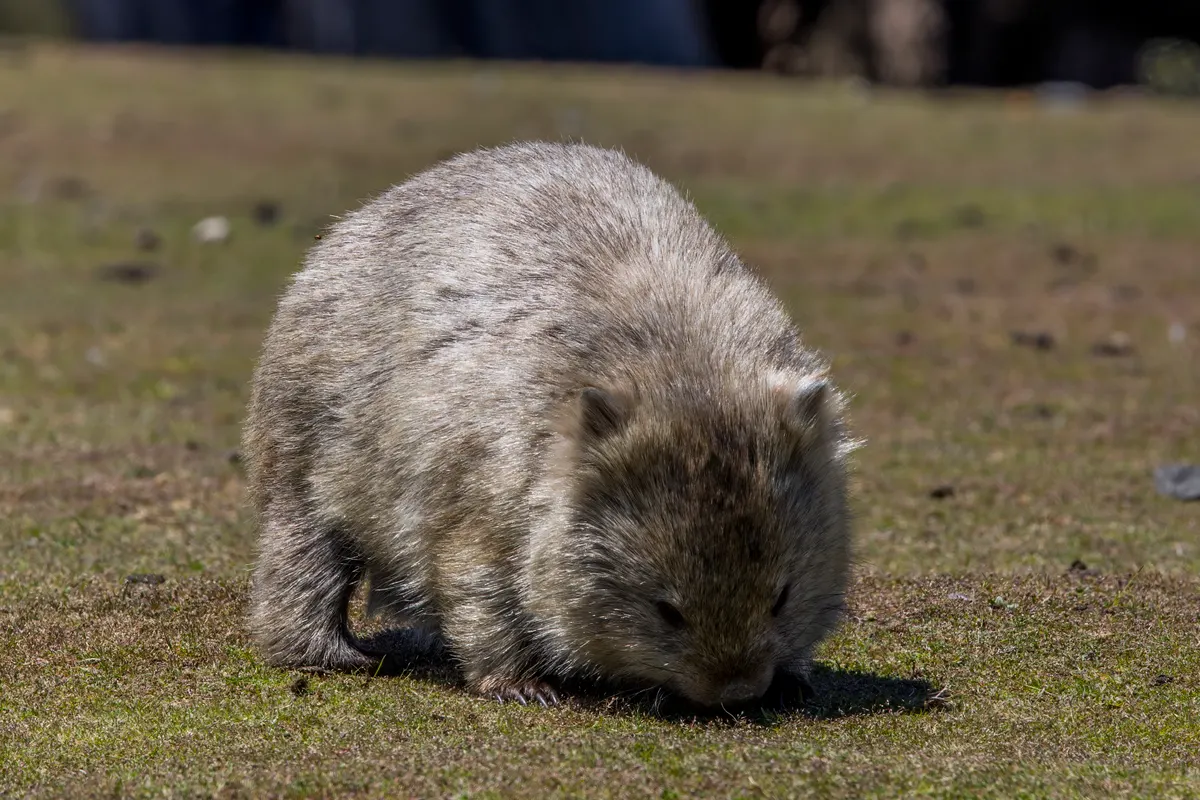
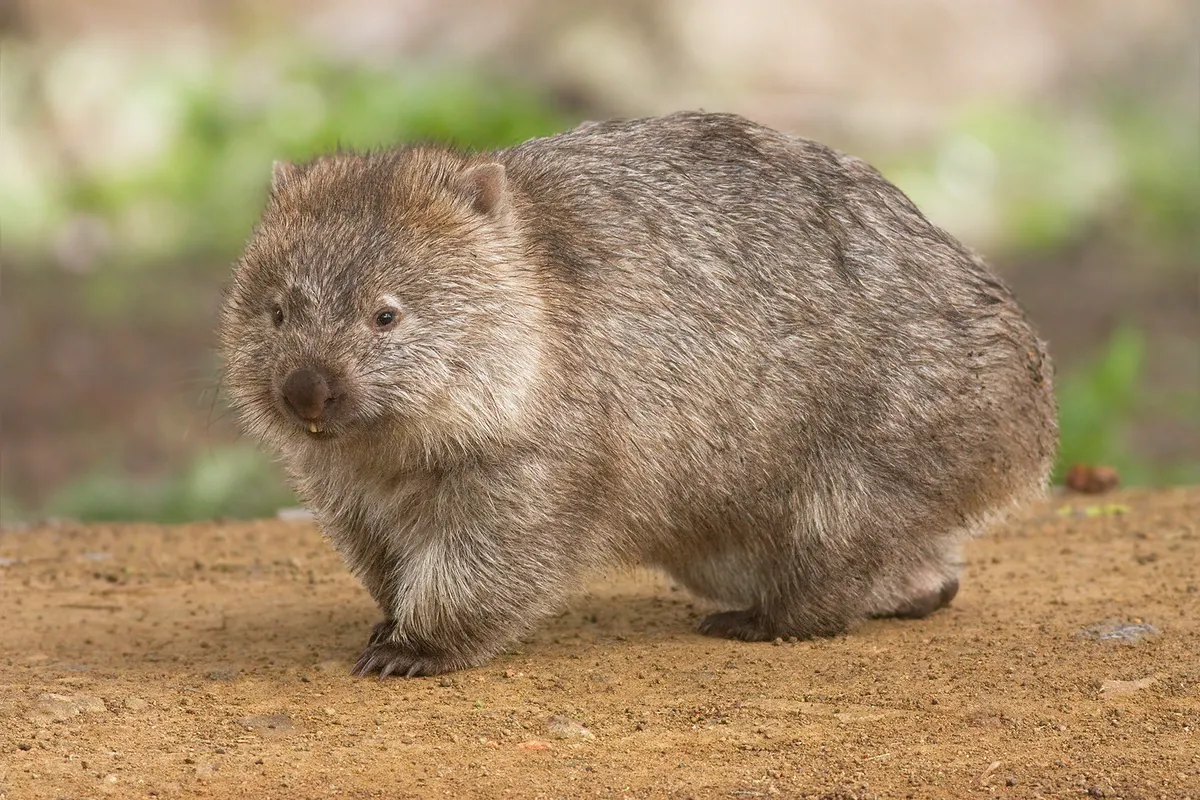
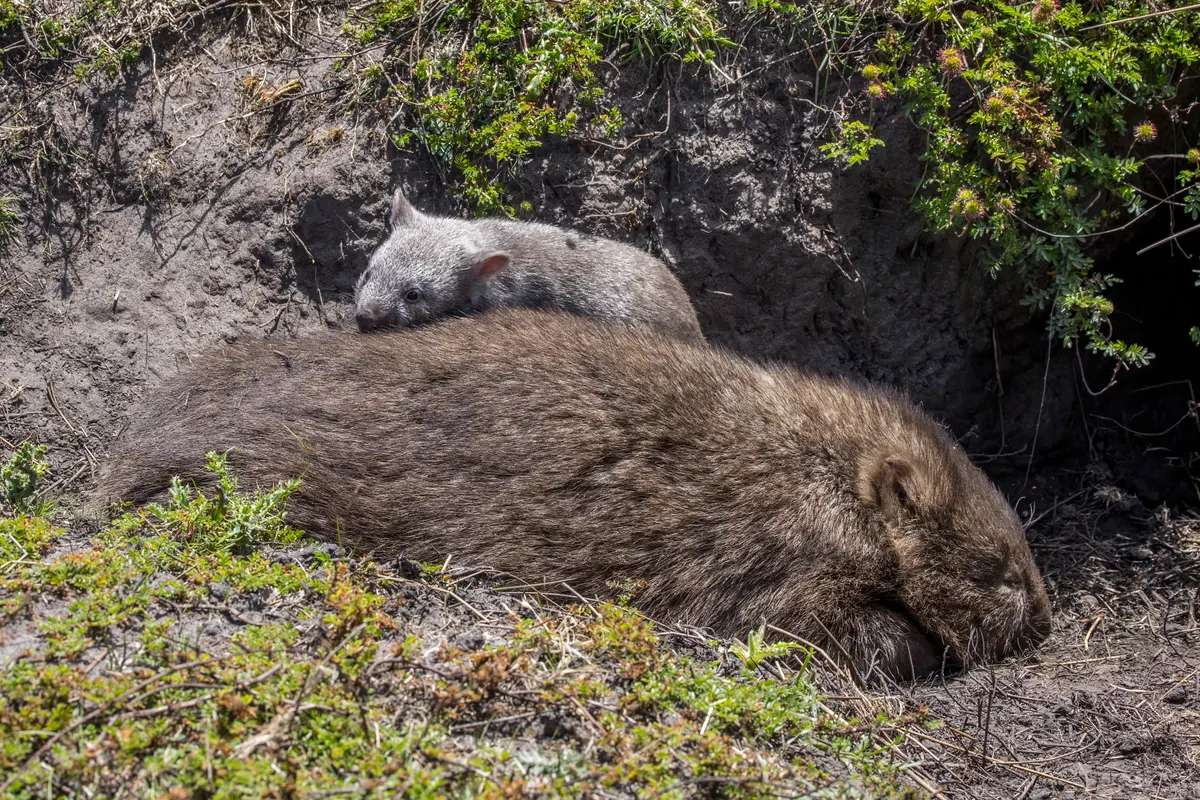
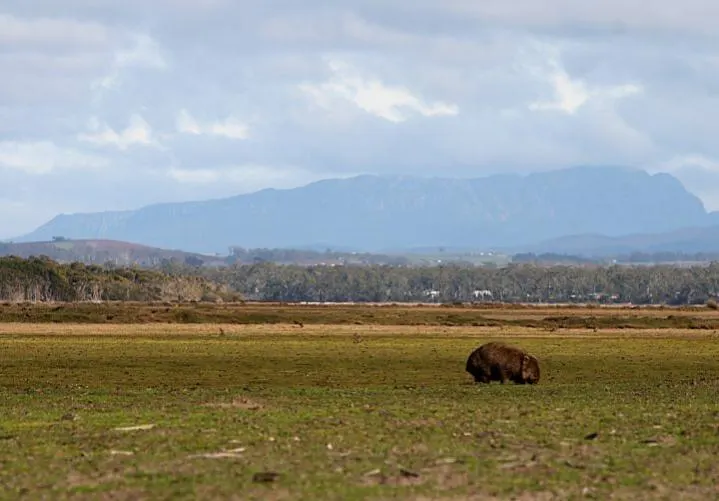
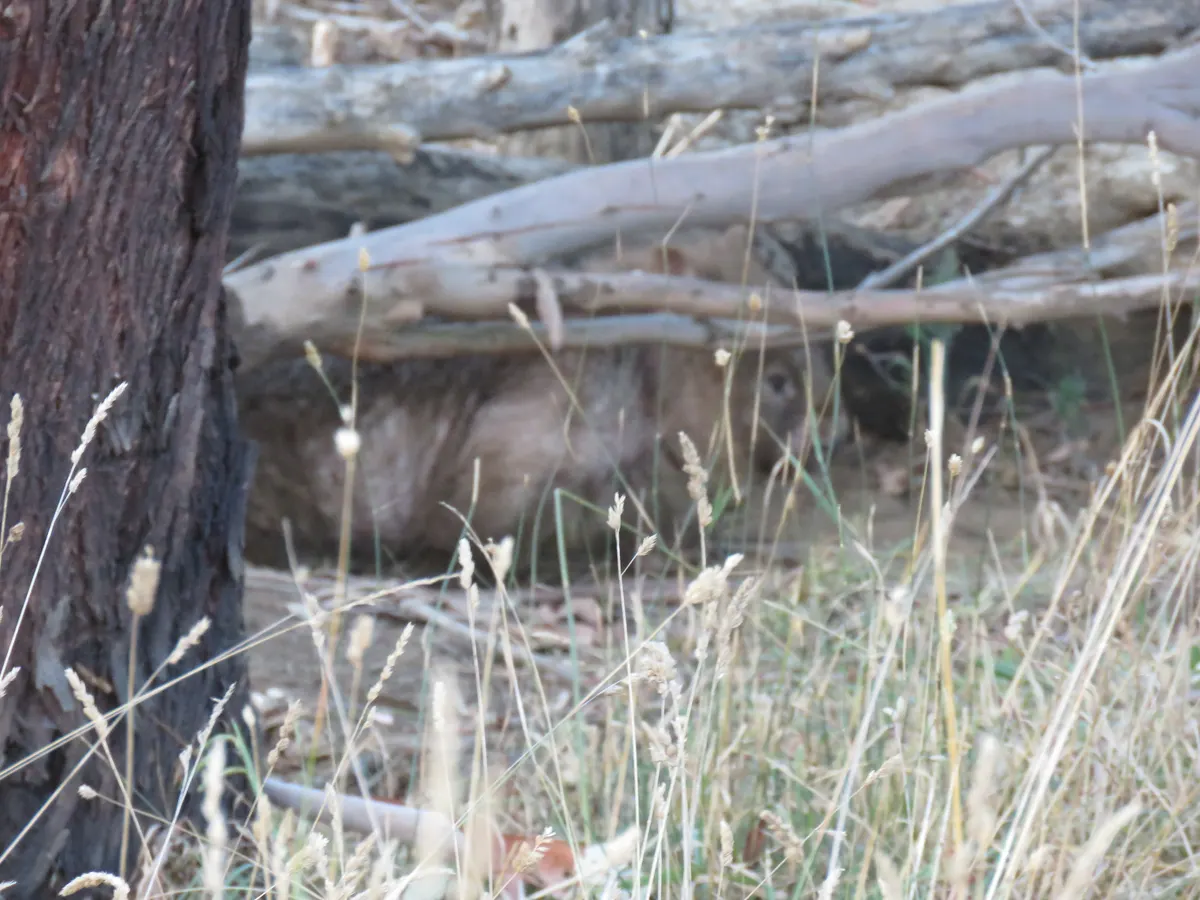
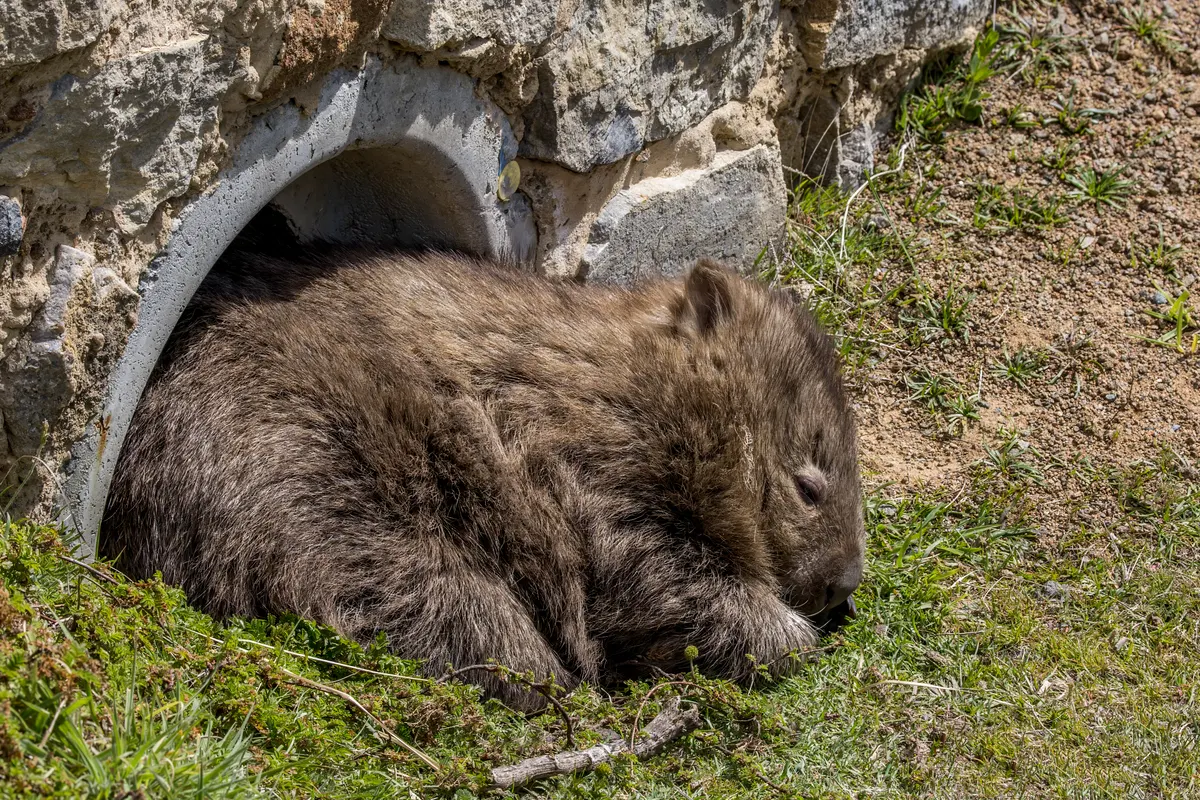
The common wombat (Vombatus ursinus) is classified as Least Concern by the IUCN, with a stable population trend across most of its range.
The primary threats are habitat fragmentation from agricultural clearing, competition with introduced livestock for grazing resources, and road mortality — wombats are among the most frequently roadkilled mammals in southeastern Australia. Sarcoptic mange, caused by the parasitic mite Sarcoptes scabiei, is an increasingly severe threat, causing painful skin crusting, blindness, and eventual death in untreated individuals. Localized culling by landowners who view wombats as agricultural pests continues in some states despite legal protections.
The situation is markedly different for the northern hairy-nosed wombat (Lasiorhinus krefftii), which is Critically Endangered with fewer than 300 individuals surviving at just two sites in Queensland. Conservation efforts for this species include predator-proof fencing, habitat restoration, and a carefully managed captive breeding program.