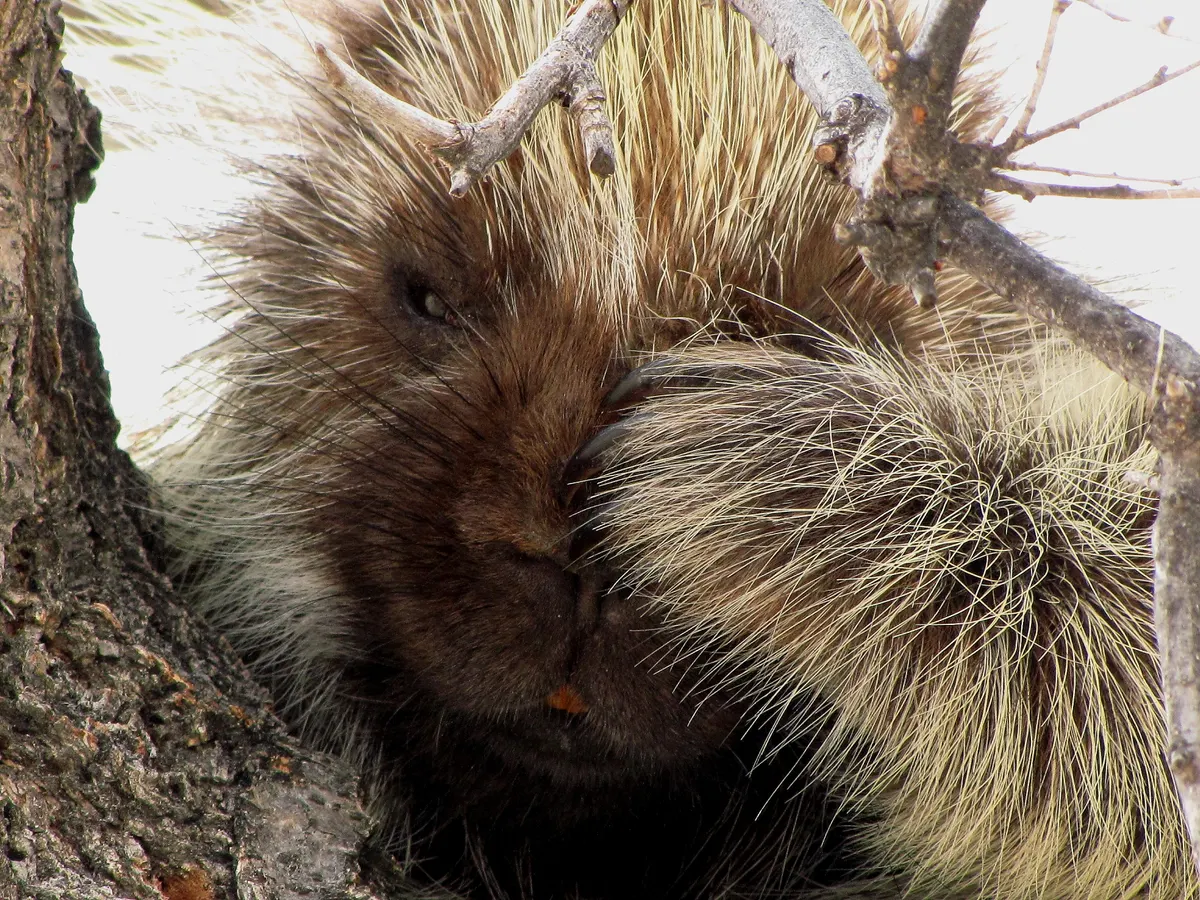
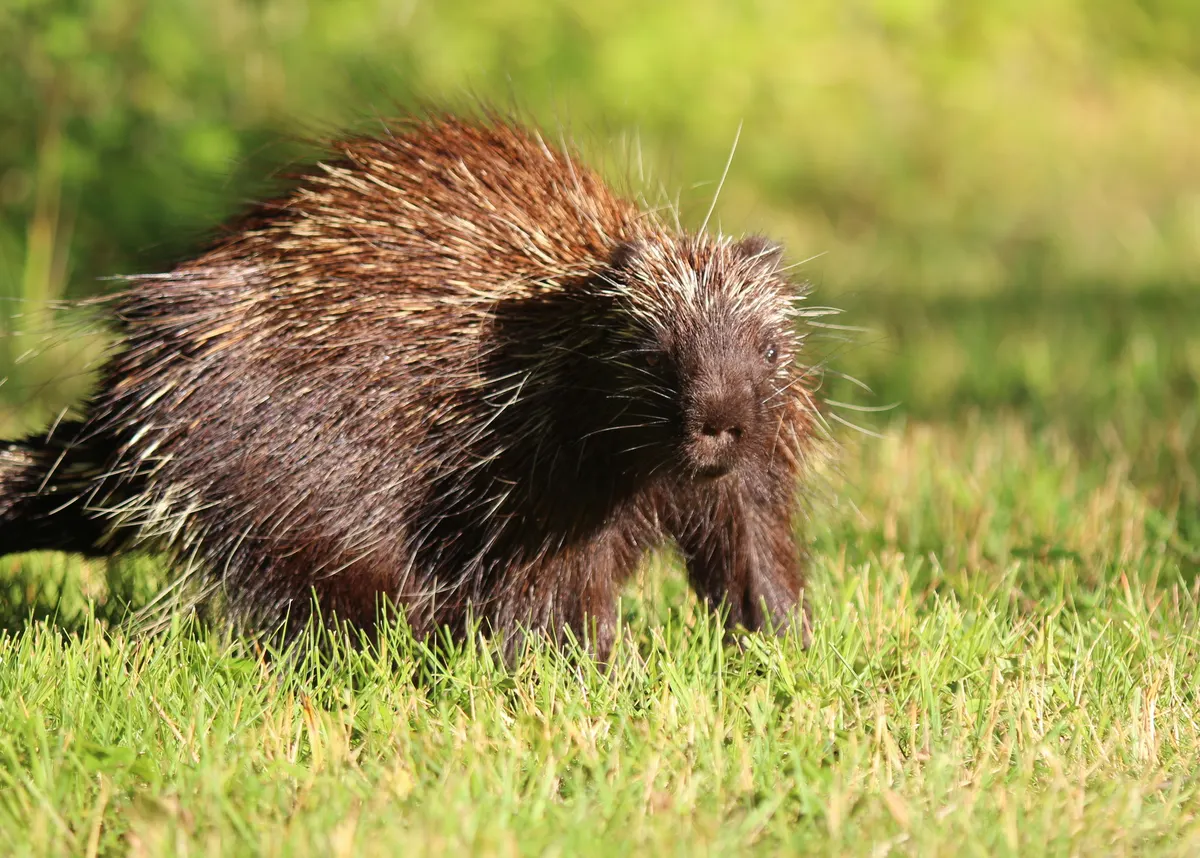
North American porcupine showing its head and quill-covered body
A North American porcupine (Erethizon dorsatum); its body and tail carry thousands of sharp, barbed quills.
MammaliaLeast Concern

Porcupine Facts

A North American porcupine may carry roughly 30,000 quills.

The North American porcupine is a large nocturnal forest rodent defended by thousands of barbed quills. It climbs trees to feed on bark, needles, leaves, and buds, and is listed as Least Concern across Canada, Alaska, and much of the northern United States.
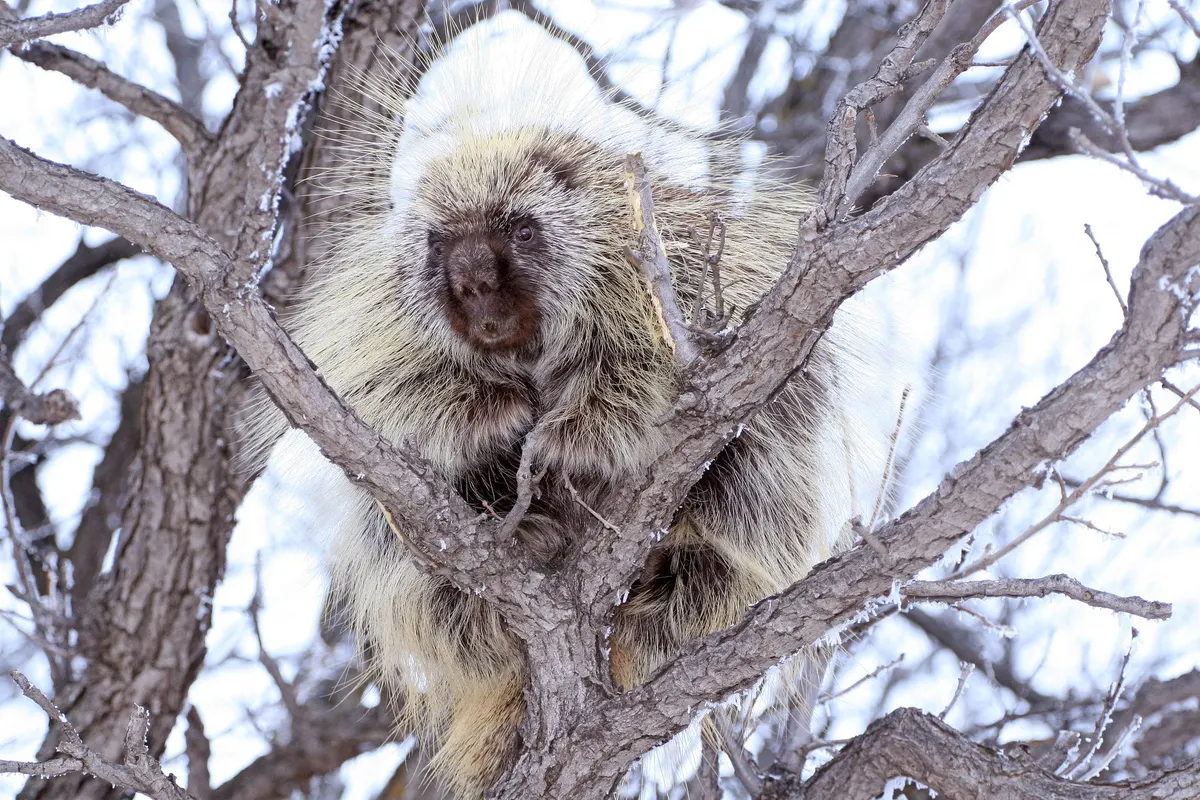
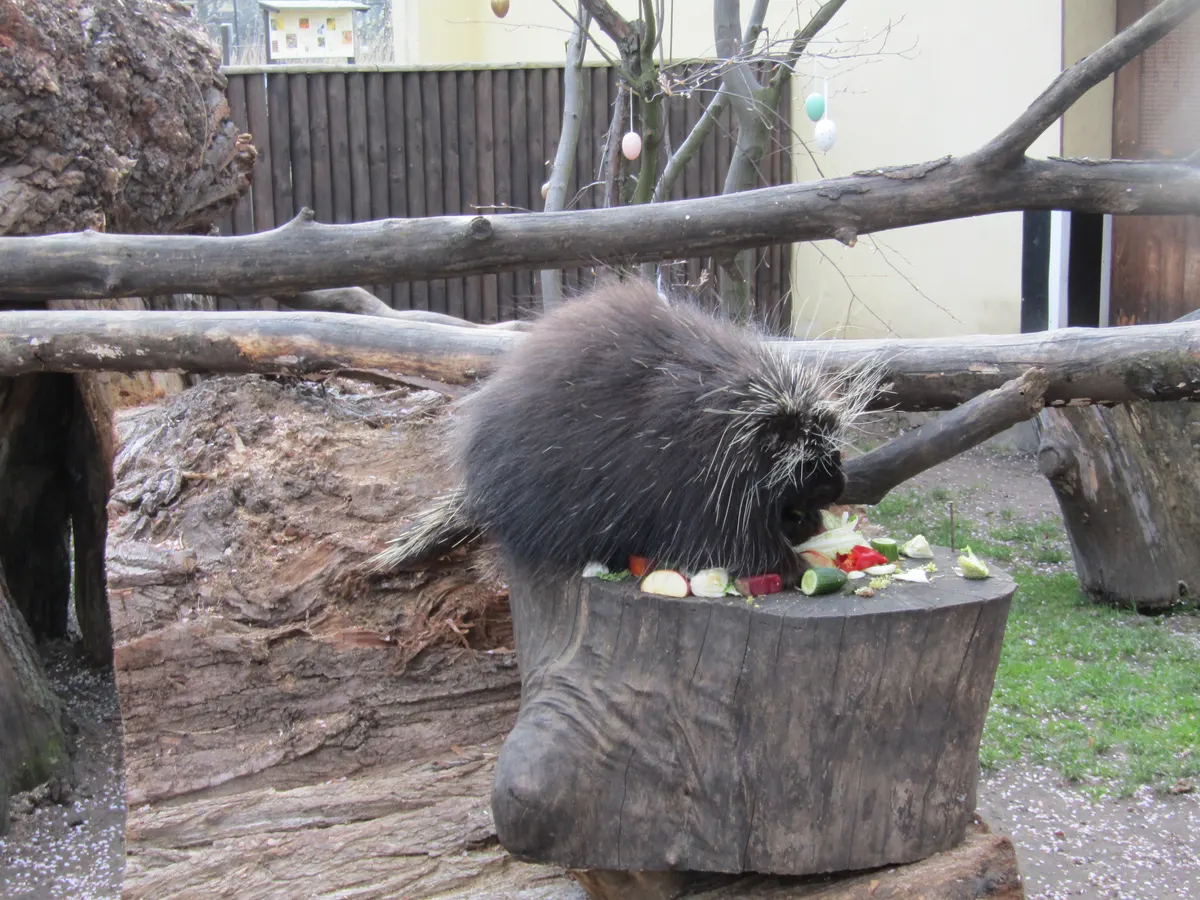
By · Updated

Quick Facts

Porcupine at a glance

Erethizon dorsatumRodentiaErethizontidae

About their home

Kind of animal

Mammalia

Where they live

What they eat

How safe?

Least Concern

Size and speed

How heavy

10 pounds – 30 pounds

How long

24 inches – 36 inches

How fast

Slow on the ground; agile climber

Lifespan

5 to 7 years

Core article

Porcupine: ecology and life history

A closer look at habitat, diet, behavior, reproduction, and conservation.

Start here

Porcupine

The North American porcupine (Erethizon dorsatum) is the continent's second-largest rodent after the beaver and the only porcupine native north of Mexico. Slow on the ground but sure-footed in the canopy, it is a nocturnal forest herbivore defended by tens of thousands of barbed quills. From boreal spruce woods in Canada and Alaska to hardwood stands in New England and western mountain forests, this solitary climber strips bark and cambium — and remains one of the most unmistakable mammals on the continent.

30,000 Barbed Quills — but No Shooting Them

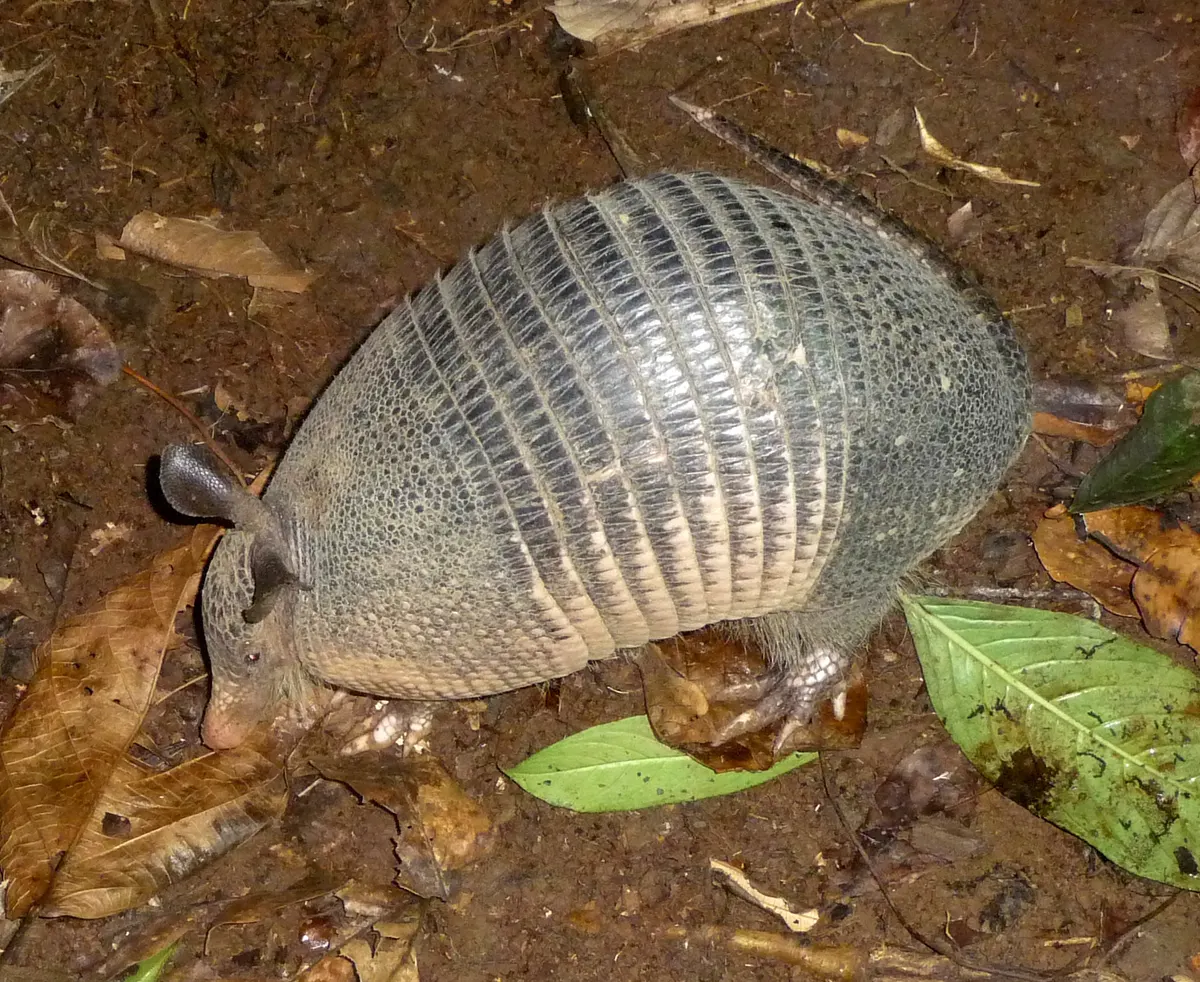
Adults run 24 to 36 inches in body length with a short, thick tail, weighing 10 to 30 pounds and sometimes more, on a chunky frame with a small head and short legs. The coat mixes soft underfur, long guard hairs, and roughly 30,000 quills over the back, sides, and tail; each quill has microscopic reverse barbs at the tip, so once lodged it works deeper into tissue. Contrary to folklore, porcupines cannot shoot quills — the quills detach easily when an attacker presses into them, and the animal may also thrash its quilled tail. Long curved claws and rough foot soles grip bark, and ever-growing incisors gnaw bark, wood, and even antlers and bones for food and minerals. It is the only living species in its genus and belongs to the New World porcupine family Erethizontidae, distinct from Old World porcupines; its quills are modified hairs, a different defense from the bony armor of an armadillo or the clever paws of a raccoon that may share its woods.

Where Porcupines Live

North American porcupine climbing a tree trunk in forest habitat
Despite their bulk, North American porcupines are agile climbers that feed high in the canopy.

North American porcupines occupy a broad forest belt across Alaska, most of Canada, New England, the Great Lakes, the Rockies, and parts of the western U.S., with isolated southern populations in mountain and woodland habitat, favouring coniferous, deciduous, and mixed forest with climbing structure and winter browse. By day they rest in trees, rock dens, hollow logs, or thick brush; at night they follow familiar routes and climb to feed. Winter use centers on stands of preferred browse trees, where bark-stripping leaves distinctive feeding scars, and their insulating underfur lets them endure the cold.

What Porcupines Eat

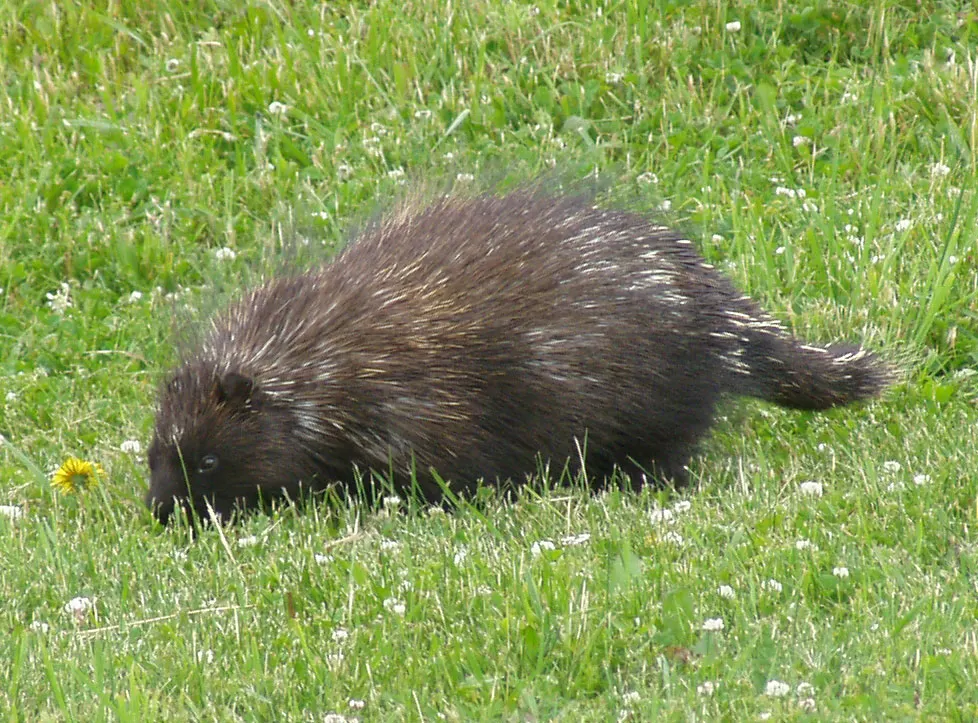
North American porcupine feeding on plant material
In winter, porcupines survive mainly on bark, twigs, and evergreen needles.

Porcupines are dedicated herbivores whose diet shifts sharply by season: grasses, herbs, leaves, buds, and fruit in summer, then evergreen needles, twigs, inner bark, and cambium — the soft growing layer under the bark — in winter, targeting aspen, willow, maple, birch, and conifers. Feeding is deliberate: the animal climbs to a safe branch, gnaws bark in patches, and may return to the same tree for nights running. A high sodium demand also drives it to chew shed antlers, bones, plywood, and tools left outdoors, which brings it into conflict with people even though it hunts nothing.

Behavior: Solitary, Nocturnal, and Well-Defended

Alert North American porcupine facing the camera in wetland scrub
After mating, a female raises her single porcupette alone without help from the male.

Porcupines are mostly solitary and nocturnal, holding overlapping home ranges but avoiding prolonged contact outside the breeding season, with mothers raising young alone. Threatened, a porcupine turns its back, raises its quills, and may stamp, chatter, or strike with its tail. Fishers specialize in flipping them to attack the unprotected face and belly, and wolves, coyotes, bobcats, cougars, and large owls take them opportunistically, though many predators learn to leave a defended adult alone. Awkward on the ground, they climb steadily and rest for long stretches high in the canopy.

Life Cycle: A Single Porcupette

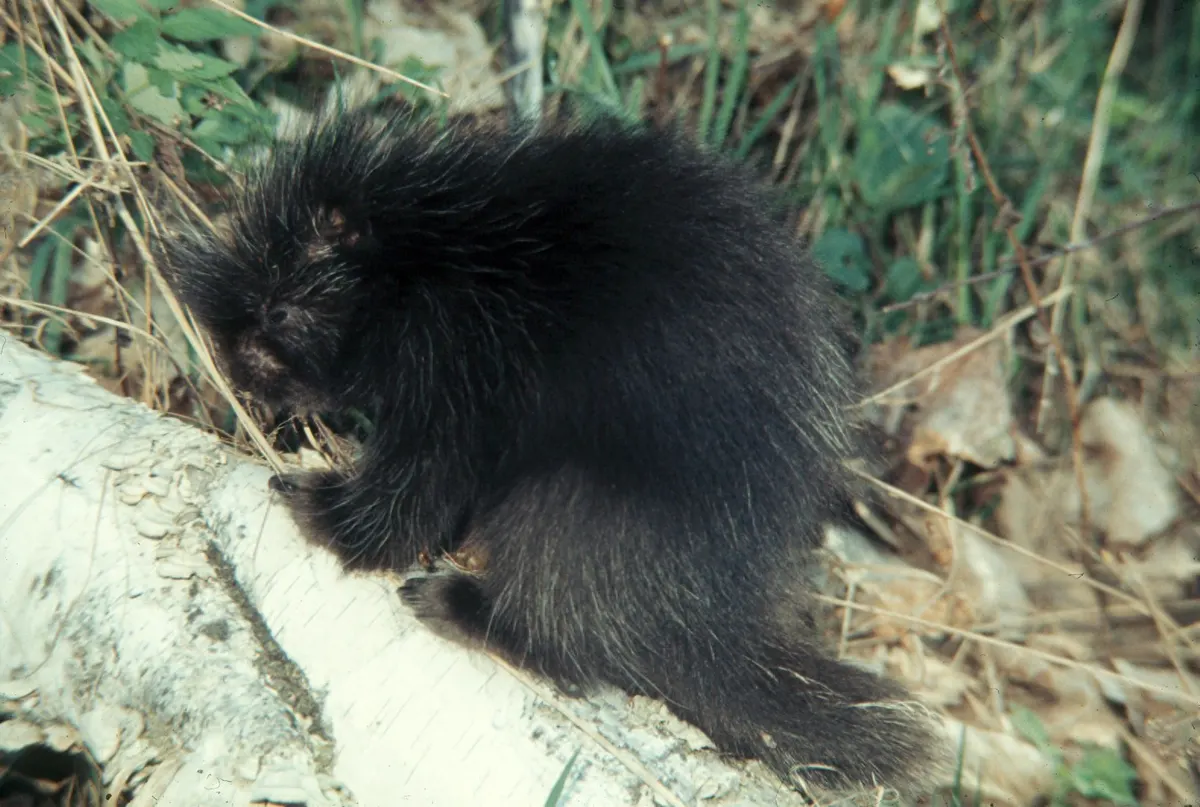
Baby North American porcupine standing on a log
Porcupettes can climb soon after birth and follow their mother for several months.

Breeding peaks in late autumn and early winter. After a long gestation of about seven months the female usually bears a single young — a porcupette — in spring or early summer; twins are rare. Porcupettes are born with eyes open and soft quills that harden within hours, and they can climb early, nursing for weeks to months while sampling plants. The mother–young bond lasts through the first summer into autumn before the porcupette becomes independent, with maturity often in the second year. Wild porcupines commonly live around 5 to 7 years, and 15 to 20 in human care.

Conservation: Least Concern Across a Wide Range

North American porcupine in Forillon National Park Quebec
Canada and Alaska hold some of the densest populations across the species' northern range.

The North American porcupine is Least Concern with a generally stable population, though local densities vary with forest condition, winter food, and predators. Important sources of mortality include vehicle collisions, fence entanglement, shooting or poisoning where animals damage timber or property, and predation, especially where fishers are common. Intensive forestry can remove preferred browse and den trees, and shifting forest composition slowly reshapes habitat, but a broad range and reliable breeding keep the species' extinction risk low.

References and Authoritative Sources

Porcupine: classification and fun facts

Classification

Scientific Taxonomy
  1. Kingdom

    Animalia

  2. Phylum

    Chordata

  3. Class

    Mammalia

  4. Order

    Rodentia

  5. Family

    Erethizontidae

  6. Genus

    Erethizon

  7. Species

    E. dorsatum

Did You Know?

Fun Facts

1

A North American porcupine may carry roughly 30,000 quills.

2

Porcupines cannot shoot their quills; quills detach on contact.

3

Quill tips are barbed, so they work deeper into flesh once lodged.

4

A baby porcupine is called a porcupette.

5

Fishers are one of the few predators that regularly kill porcupines.

6

Porcupines chew wood and antlers for minerals as well as food plants.

Common Questions

FAQ about Porcupine

Select a question to reveal the answer.

What is a North American porcupine?

The North American porcupine (*Erethizon dorsatum*) is a large, nocturnal rodent of the New World porcupine family Erethizontidae. It is covered in barbed quills and lives mainly in forests across Canada, Alaska, and much of the northern and western United States.

Where do porcupines live?

They inhabit forest habitats from Alaska and Canada south through New England, the Great Lakes region, the Rockies, and parts of the western United States. They climb trees for food and shelter and also travel across the forest floor at night.

What do porcupines eat?

Porcupines are strict herbivores. In winter they eat bark, cambium, twigs, and evergreen needles. In spring and summer they switch to leaves, buds, grasses, herbs, and fruit.

Can porcupines shoot their quills?

No. Quills are loosely attached and come free when they poke an attacker. Porcupines raise their quills, turn their back, and thrash the tail, but they cannot launch quills through the air.

What is a baby porcupine called?

A baby porcupine is called a porcupette. Females usually give birth to one porcupette after a long gestation of about seven months.

Are porcupines nocturnal?

Yes. They are mainly nocturnal, resting in trees, dens, or rocky cover by day and climbing or foraging after dusk.

Show 3 more questionsExpand
How do porcupines protect themselves?

Their main defense is a coat of barbed quills. When threatened, a porcupine turns its quilled back toward the threat and may strike with its stout, quill-covered tail.

Are North American porcupines endangered?

No. The species is listed as Least Concern, with a generally stable population. Local risks include vehicle collisions, habitat loss, and predation by fishers and other carnivores.

Are North American porcupines the same as African porcupines?

No. North American porcupines belong to family Erethizontidae and climb trees. African and Asian Old World porcupines belong to family Hystricidae (genus *Hystrix*) and are mainly ground-dwelling.