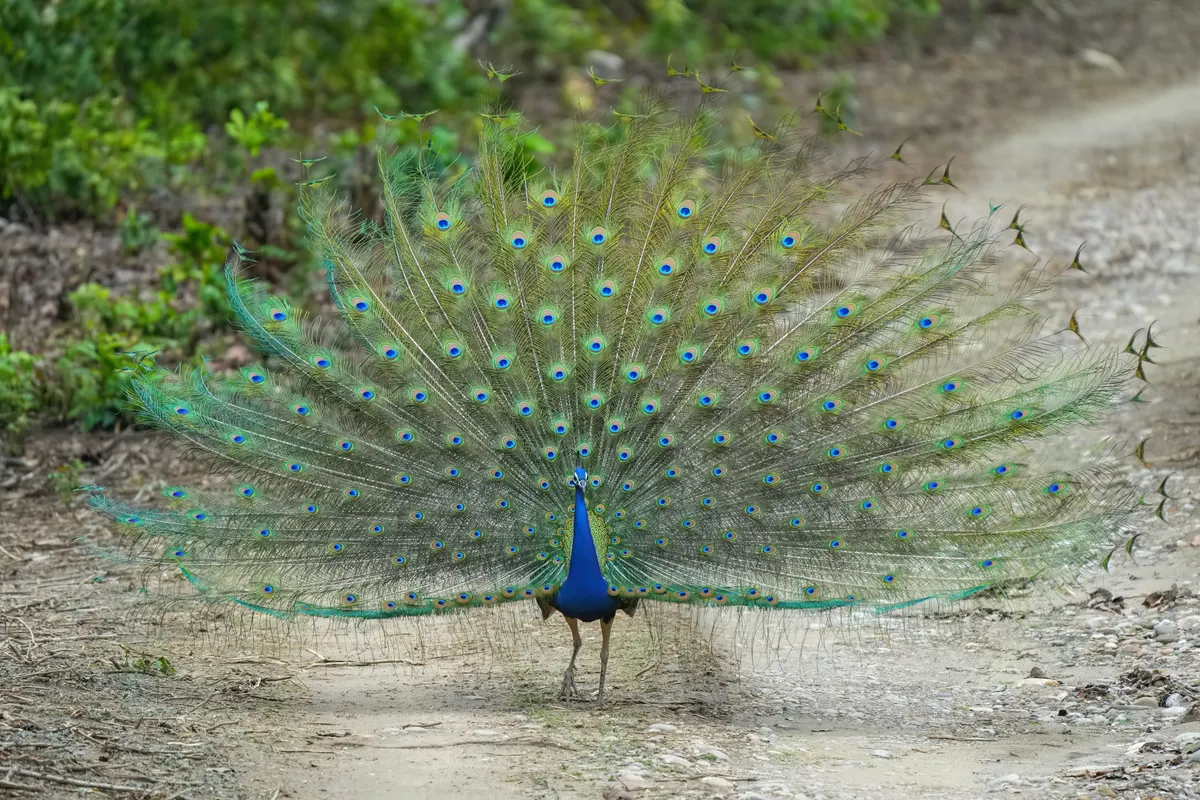
The social dynamics of peafowls are characterized by complex interactions, particularly during the breeding season. Outside of the mating period, peafowls often congregate in small, loose flocks, sometimes segregating by sex. They are highly alert and cautious birds; when a predator is detected, they emit loud, sharp warning calls that resonate through the forest, alerting not only other peafowl but also different species in the vicinity.
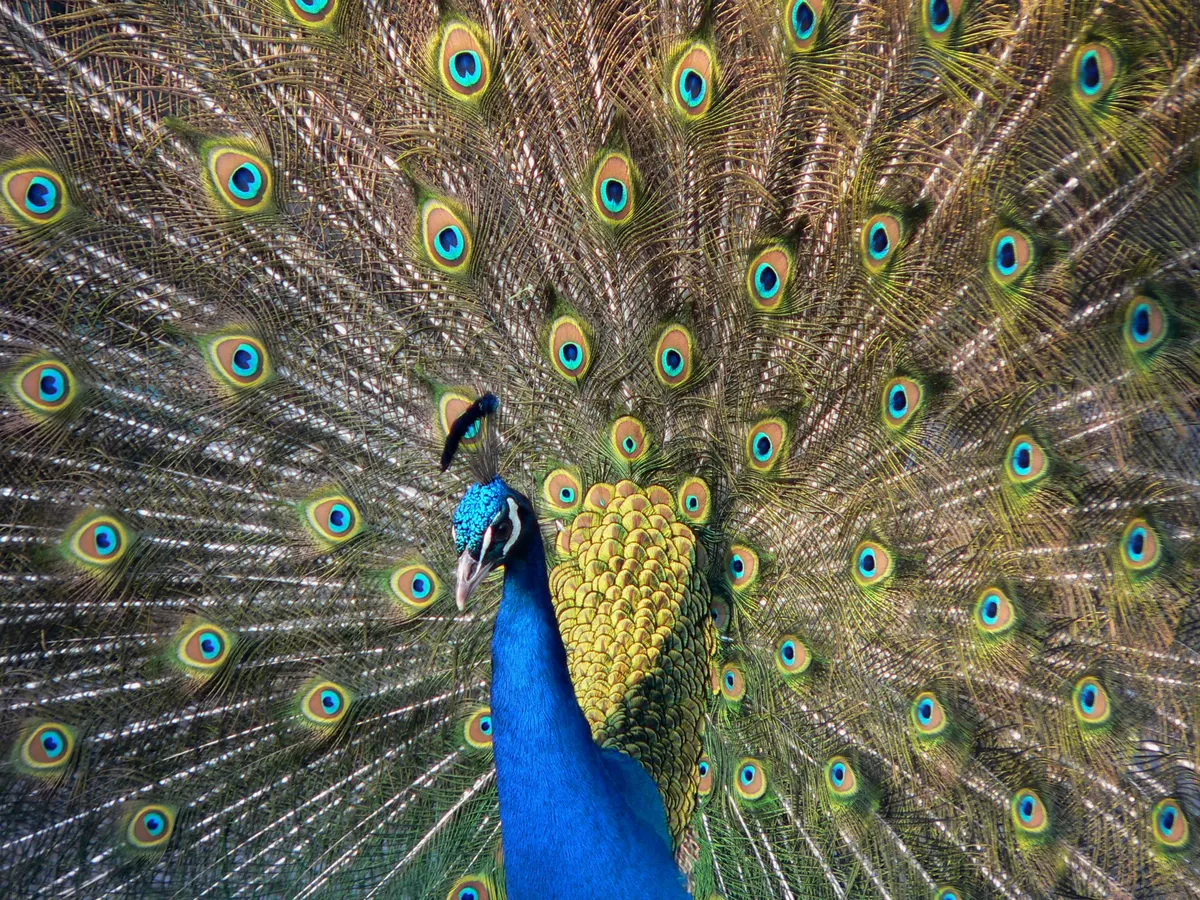
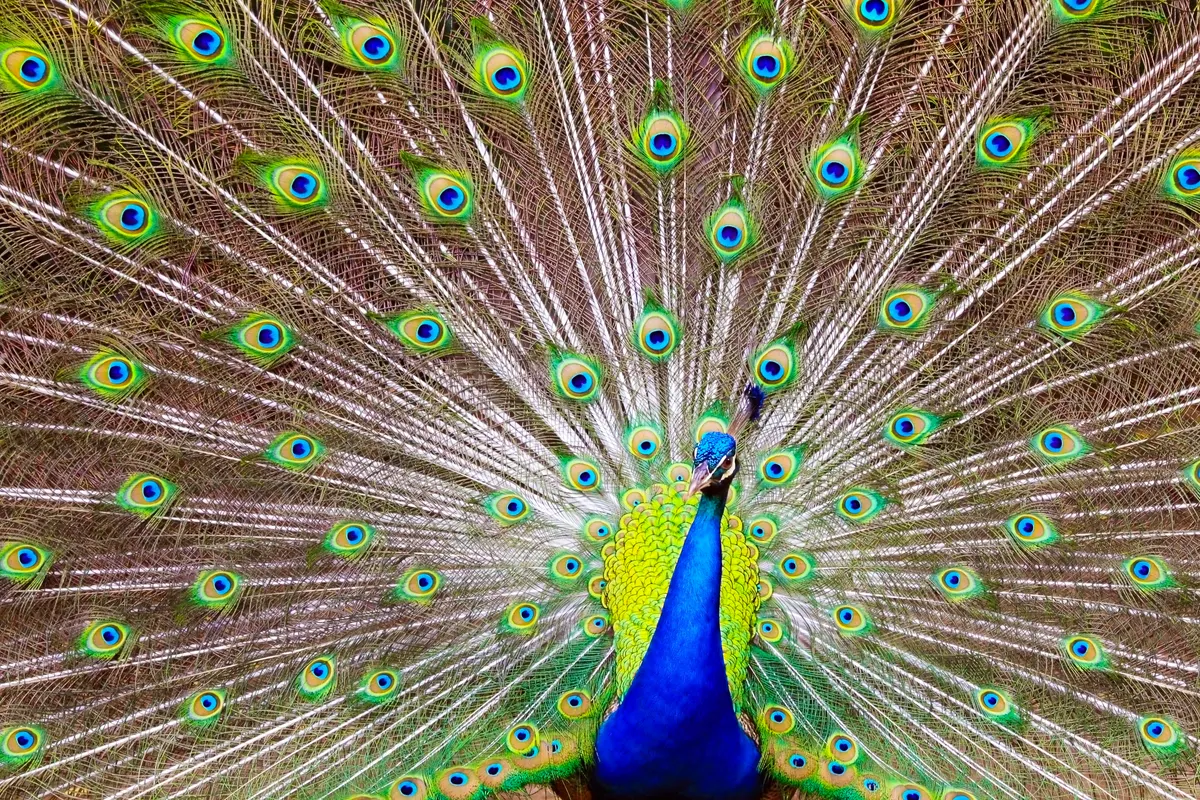
Their most famous behavior, the tail fan display, is a specialized courtship ritual performed by the males. When attempting to attract a peahen, the male raises his elongated covert feathers into a shimmering, hemispherical fan. He then engages in a behavior known as "shivering," rapidly vibrating the feathers to create a distinct rustling sound, akin to the noise of wind rushing through dry leaves. The peahen evaluates the male based on the size of his train, the density of the ocelli, and the vigor of his display.
Male peafowls are aggressively territorial during the breeding season. They will fiercely defend their display grounds against rival males, engaging in physical combat. These altercations involve intense posturing, leaping into the air, and striking at one another with the sharp spurs on their legs.
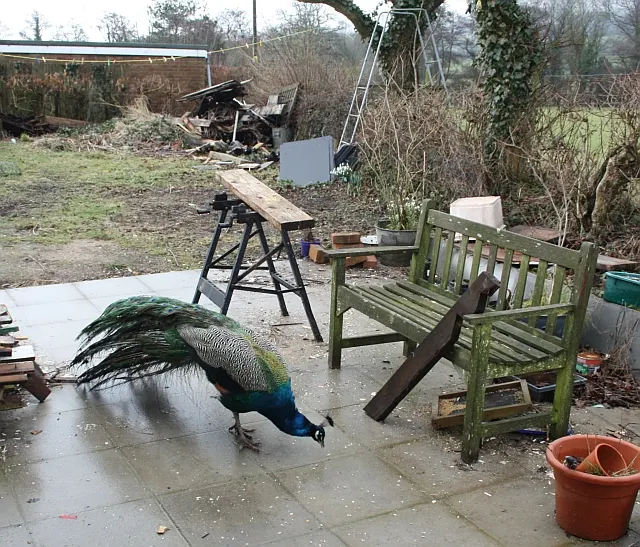
Despite their terrestrial foraging habits, peafowls are incredibly vulnerable to nocturnal predators on the ground. To mitigate this risk, they exhibit a strict daily routine of flying up into the high canopies of tall trees at dusk to roost safely through the night.