Leopard Facts
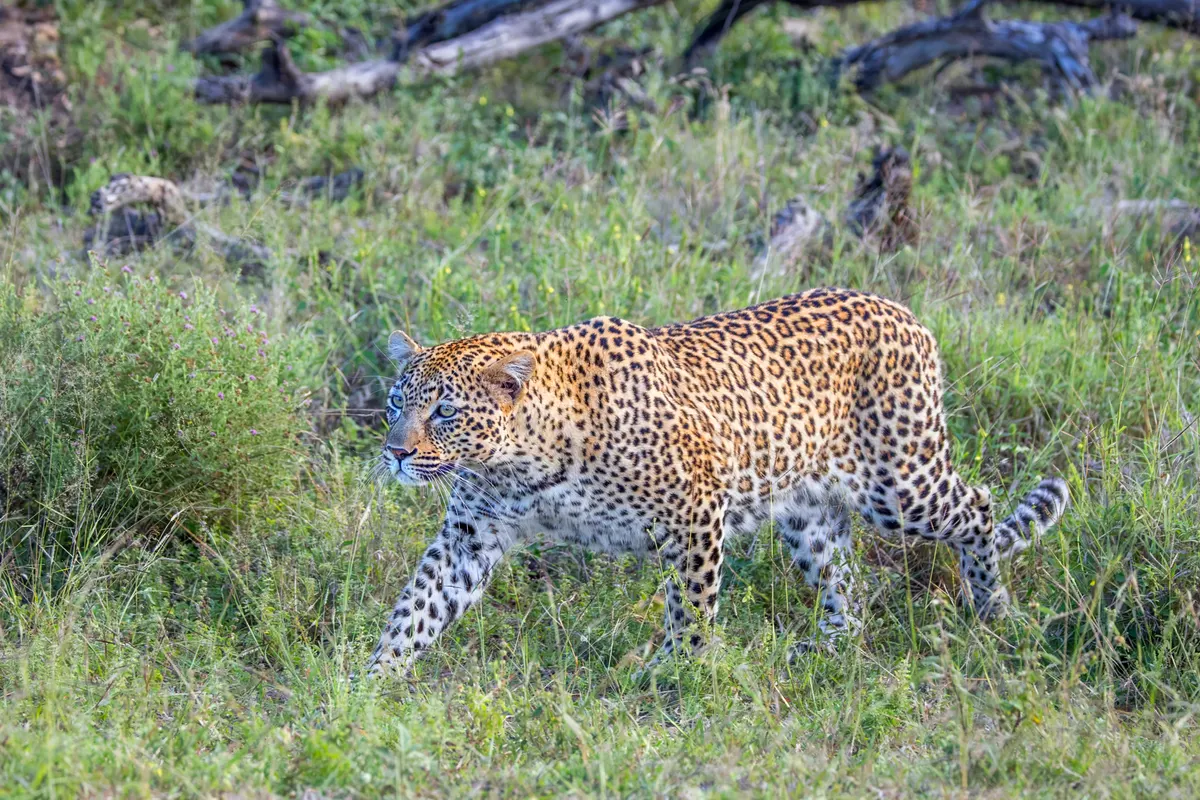
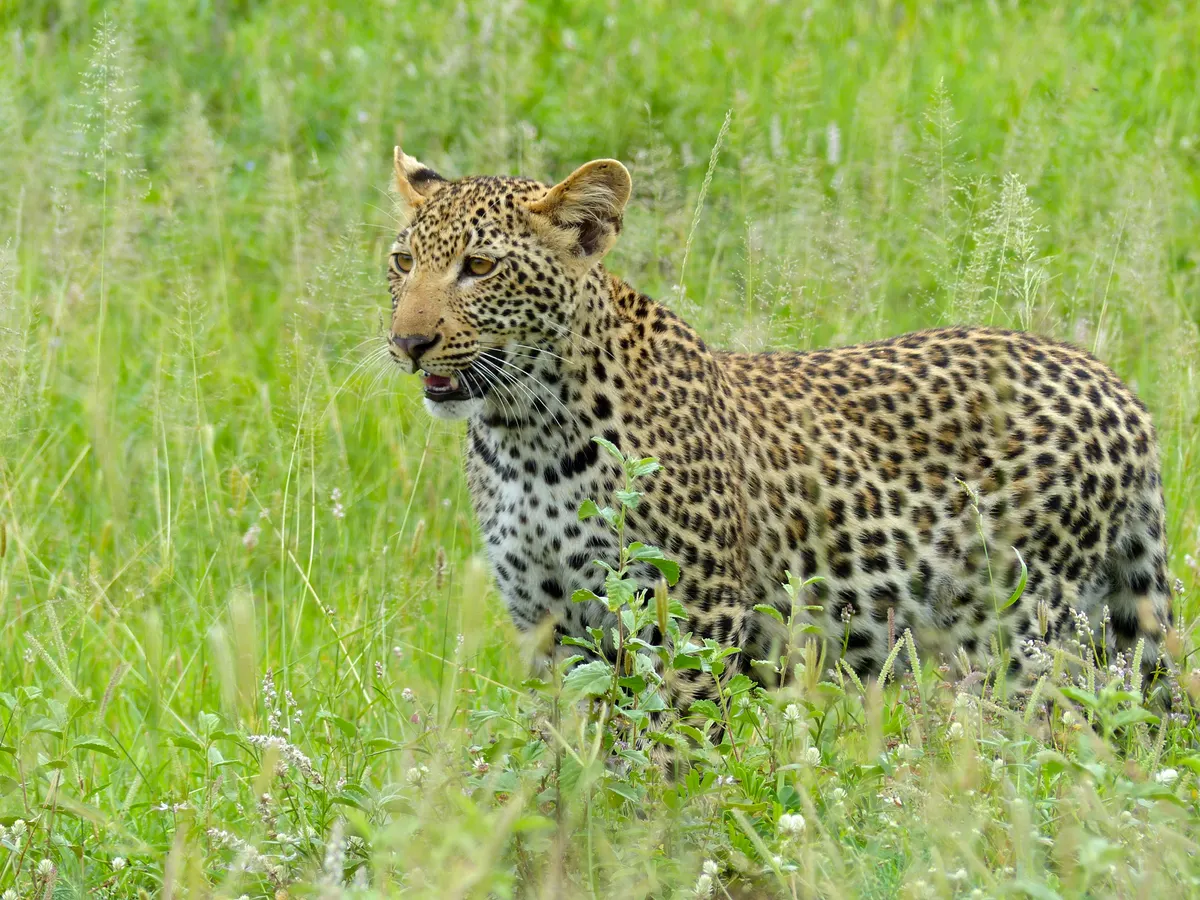
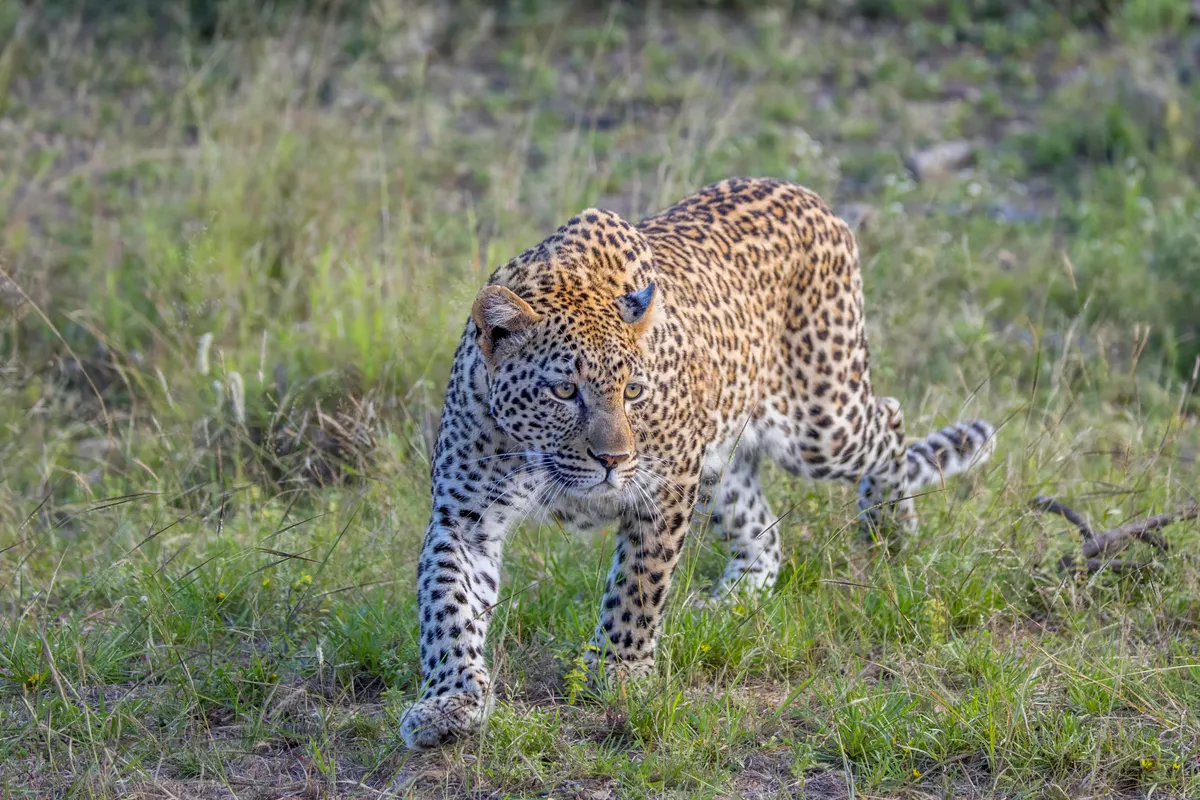
"Every leopard has a unique spot pattern—like a fingerprint."
Leopards are spotted wild cats that hunt alone across Africa and Asia. They climb trees, drag prey into branches, and are famous for their golden coats and...
Loading page content

"Every leopard has a unique spot pattern—like a fingerprint."
Leopards are spotted wild cats that hunt alone across Africa and Asia. They climb trees, drag prey into branches, and are famous for their golden coats and...
Explore leopard photos organized for learning and classroom observation.
Click any photo to view it larger. 8 images available.
Core article
Habitat, diet, behavior, and more — everything on one page.
The leopard (Panthera pardus) is perhaps the most adaptable, elusive, and successful of all the "big cats." Unlike the highly visible lions of the open plains or the water-loving tigers of the jungle, the leopard is a creature of shadows. Armed with stunning rosette-patterned camouflage, incredible muscular strength, and an unmatched ability to climb, this solitary predator dominates a massive geographical range that spans from the arid savannas of Africa to the snowy mountains of Asia. It is an ambush hunter par excellence, famous for hauling massive carcasses high into the branches of trees to secure its hard-won meals from scavengers.
The scientific classification of the leopard places it securely within the elite lineage of apex feline predators.
Belonging to the genus Panthera, the leopard shares a common ancestry with the lion, tiger, jaguar, and snow leopard. Evolutionarily, the leopard prioritized adaptability and stealth over sheer size. While the cheetah evolved for blistering speed on flat ground, the leopard evolved a heavily muscled forequarter and a flexible spine, optimizing it for explosive ambush tactics and exceptional arboreal (tree-climbing) agility. There are nine recognized subspecies of leopard, reflecting their vast geographical radiation and adaptation to highly localized environments, such as the critically endangered Amur leopard of the Russian Far East.
Leopards are sexually dimorphic, with males being significantly larger and heavier than females. A typical male measures between 3.5 and 6.2 feet in length (excluding the tail) and weighs anywhere from 66 to 176 pounds, depending heavily on the subspecies and available prey.

The leopard possesses the largest distribution of any wild cat species, demonstrating a remarkable ecological plasticity. They inhabit vast tracts of sub-Saharan Africa, small pockets in the Middle East, the Indian subcontinent, Southeast Asia, and the Russian Far East.
They can thrive in almost any biome that provides sufficient cover and prey:

The leopard is an opportunistic, hypercarnivorous predator with an incredibly broad palate. While they prefer medium-sized ungulates, they will consume almost any meat they can catch, giving them a distinct survival advantage over specialized hunters like cheetahs.
Their diet frequently includes:
The leopard's hunting technique relies entirely on stealth. They stalk their prey with agonizing slowness, keeping their belly low to the ground. Once within 10 to 30 feet, they launch an explosive ambush, capable of hitting 36 mph in short bursts. The kill is swift, usually achieved via a suffocating bite to the throat or a crushing bite to the back of the neck.
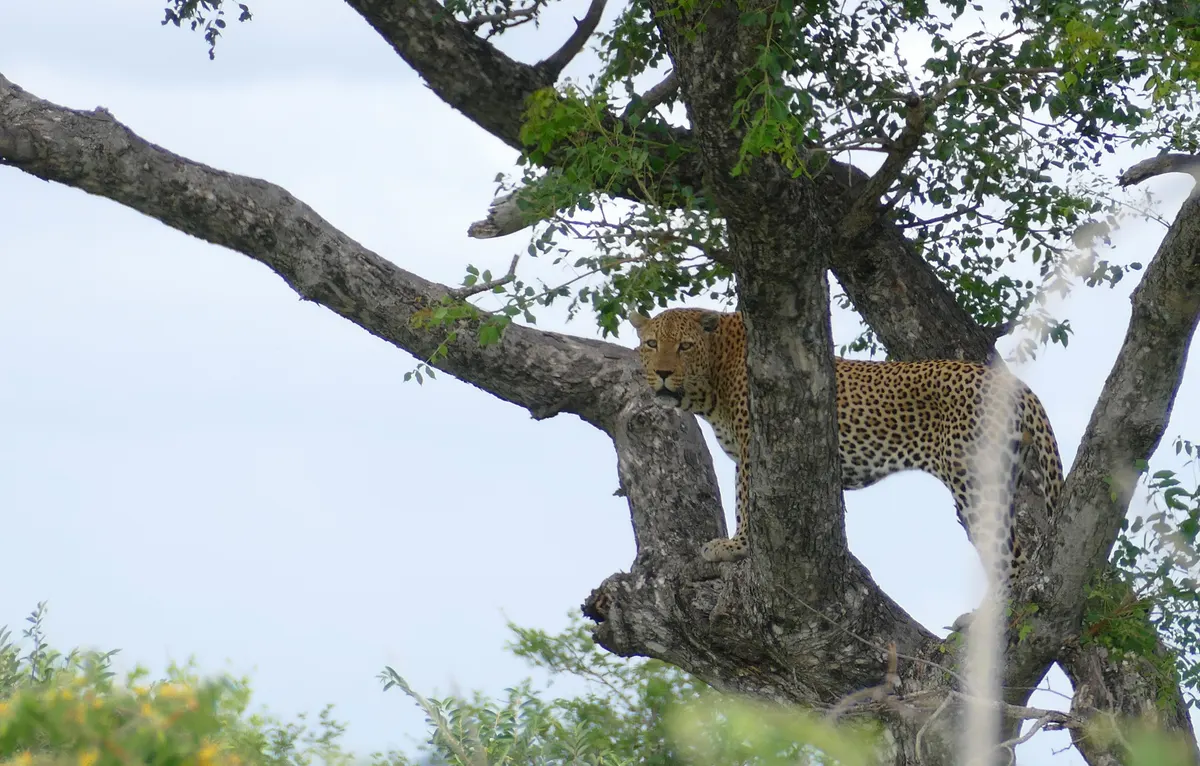
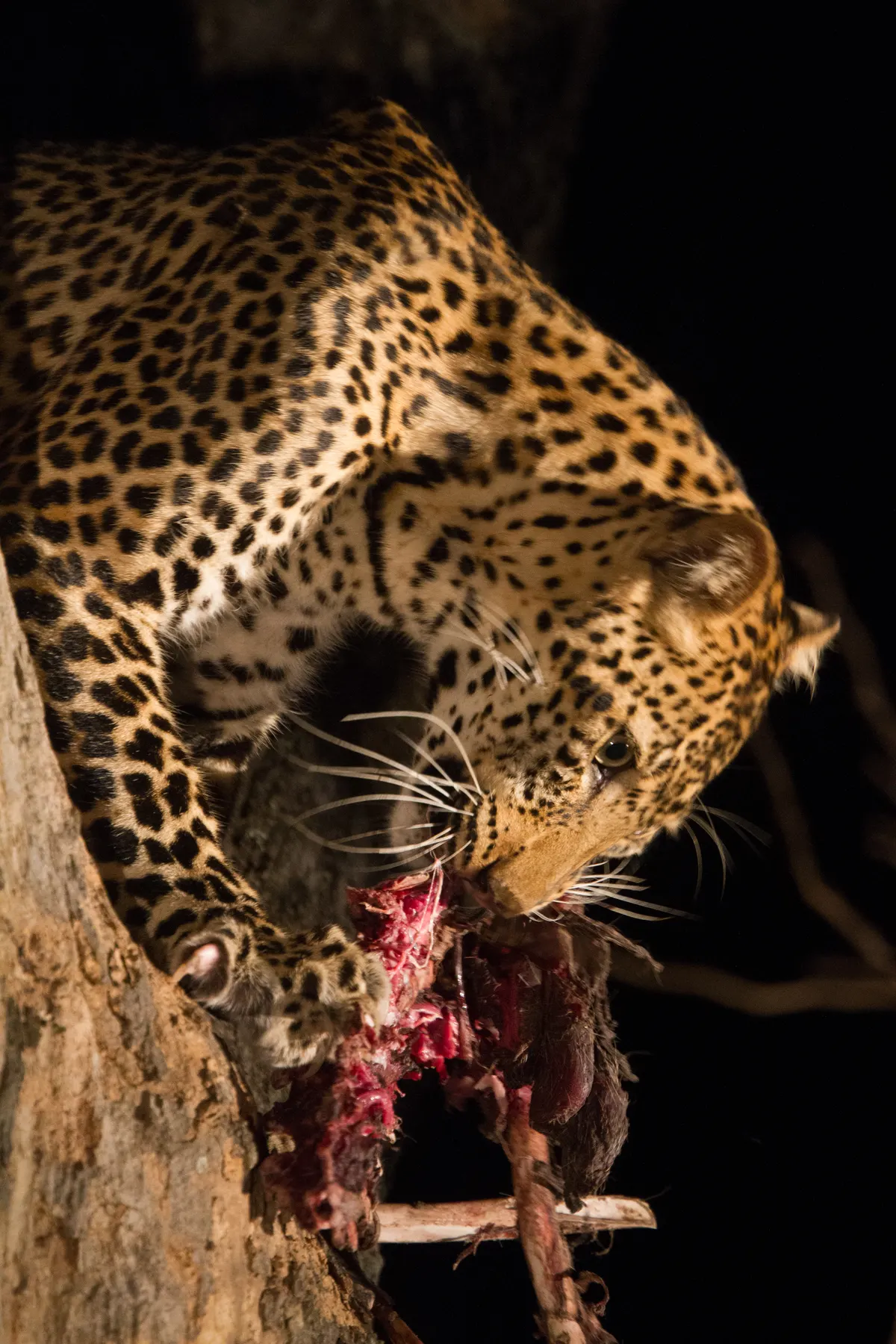
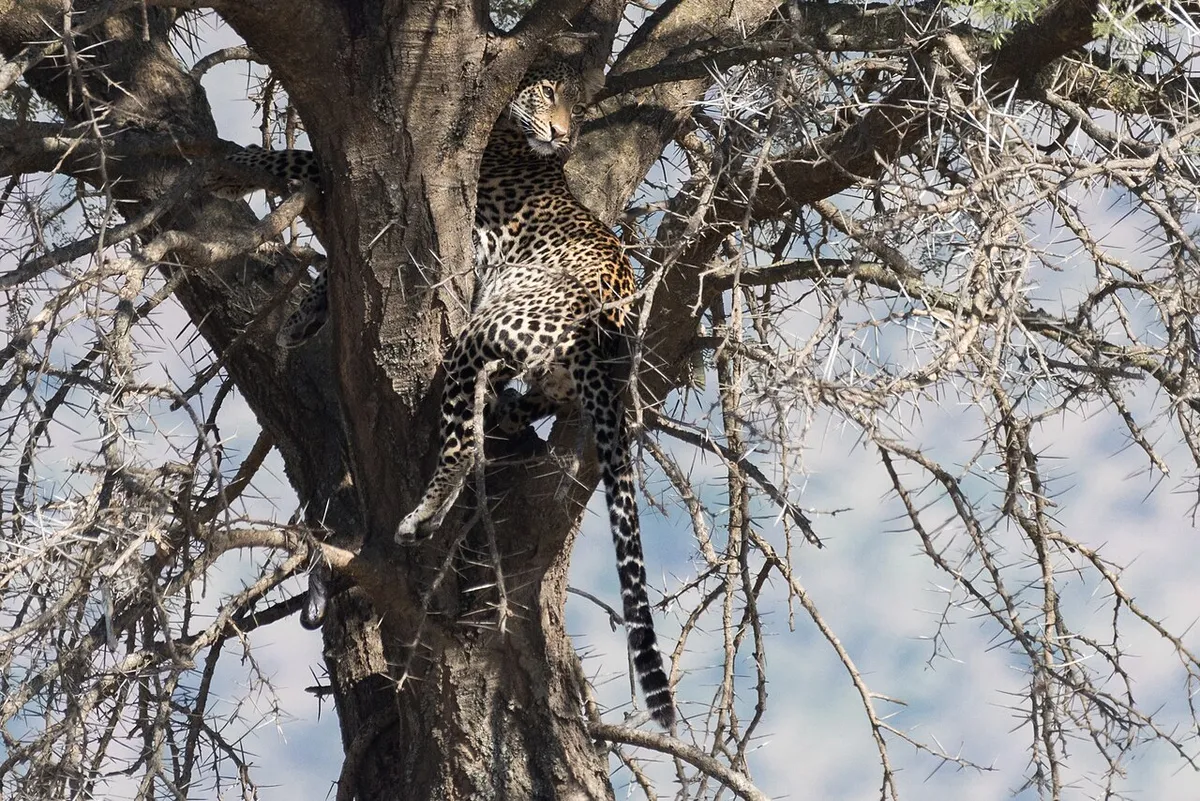
To protect their kill from larger, pack-hunting scavengers like lions and spotted hyenas, leopards immediately drag the carcass into the dense foliage of a tree, wedging it firmly in the high forks where competitors cannot reach it.

Leopards are fiercely solitary and fiercely territorial. Adults associate only briefly for mating.
Males establish massive home ranges that overlap with the territories of several females but actively exclude other males. They constantly patrol their borders, leaving deep scratch marks on tree trunks, spraying pungent urine, and emitting a highly distinctive, rhythmic vocalization that sounds like a handsaw cutting through rough wood.
Because they live alone, injury is often a death sentence. Consequently, leopards are highly risk-averse. If a hunt goes awry or if challenged by a larger predator like a lion or a pack of wild dogs, the leopard will immediately retreat into the canopy rather than risk a debilitating fight.

The leopard's reproductive cycle is designed to maximize the survival of the highly vulnerable cubs in hostile, predator-dense environments.
(Population and conservation trend data sourced from the IUCN Red List of Threatened Species)
Despite their massive range and high adaptability, the leopard is globally classified as Vulnerable by the IUCN, with the population trend steadily decreasing. Several localized subspecies (such as the Amur, Arabian, and Javan leopards) are classified as Critically Endangered.
The major threats leading to their decline include:
Every leopard has a unique spot pattern—like a fingerprint.
Leopards can drag prey heavier than themselves high into trees.
Black leopards still have spots—you can see them in bright light.
Leopards are strong swimmers and sometimes hunt near water.
A leopard's tail helps it balance when climbing and leaping.
Leopard cubs stay with their mother for about two years.
Select a question to reveal the answer.
A leopard is a spotted wild cat in the same genus as lions and tigers. Leopards live across Africa and parts of Asia and hunt alone.
Leopards live in forests, woodlands, savannas, and mountains from sub-Saharan Africa to India and Southeast Asia.
Leopards are carnivores that eat antelope, deer, wild pigs, monkeys, and other animals they can catch.
Leopards are listed as Vulnerable. Habitat loss, fewer prey animals, and conflict with people threaten many populations.
Adult leopards usually live alone. Mothers raise cubs until the young cats can hunt on their own.
Trees give leopards a safe place to rest, watch for prey, and store food away from lions and hyenas.
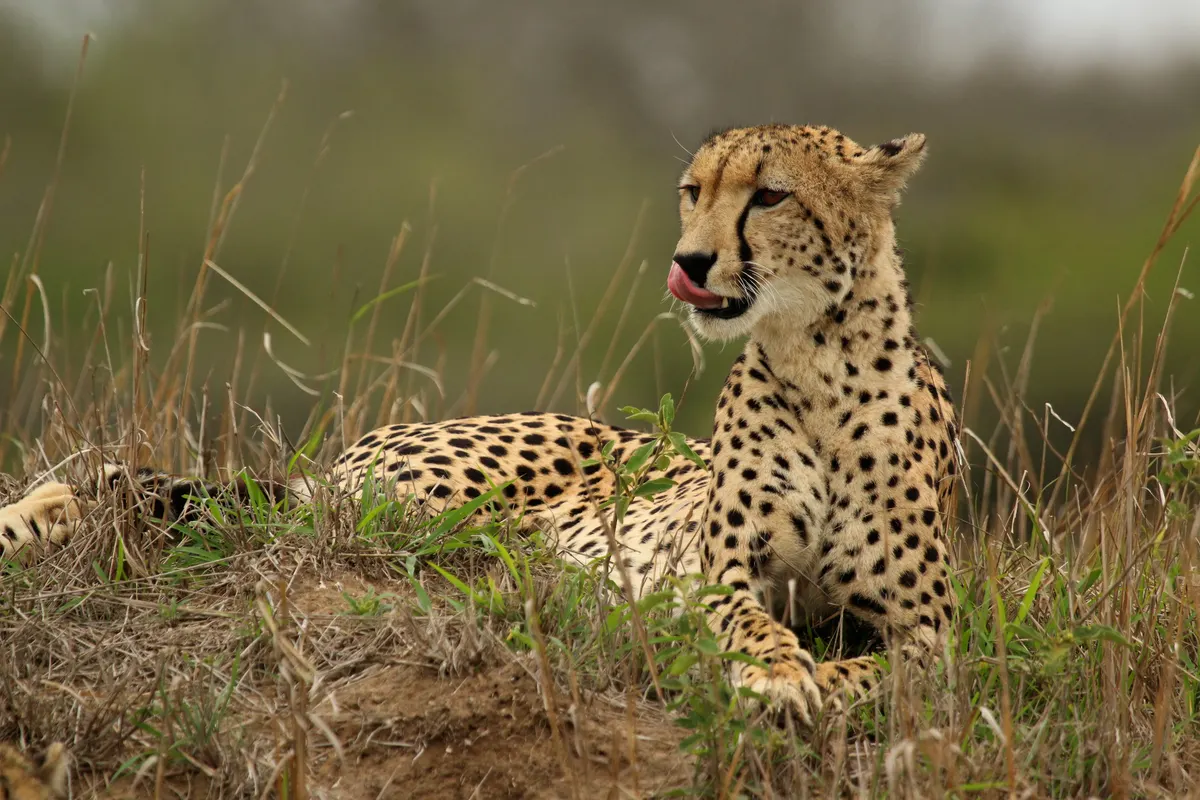
Leopards are heavier, stronger climbers, and have rosette spots instead of solid black dots. Cheetahs are built for speed on open ground.