
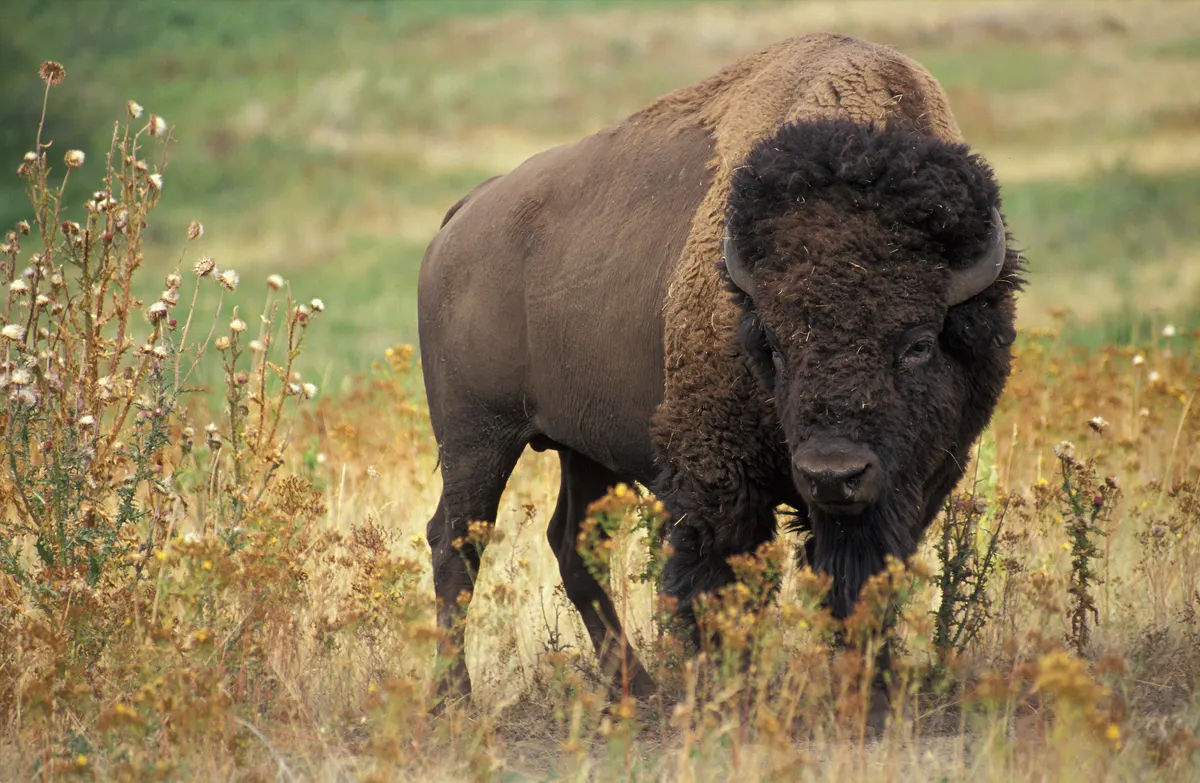
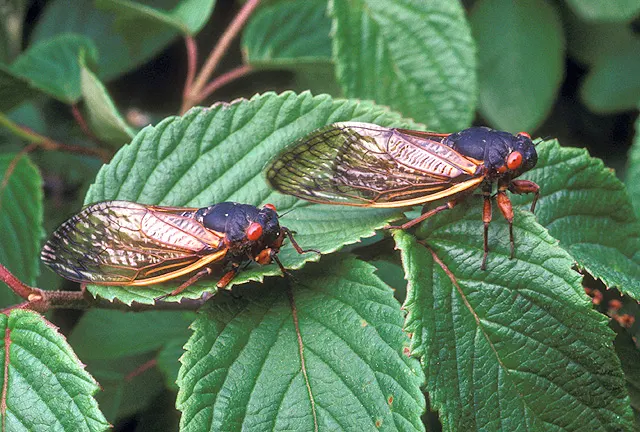
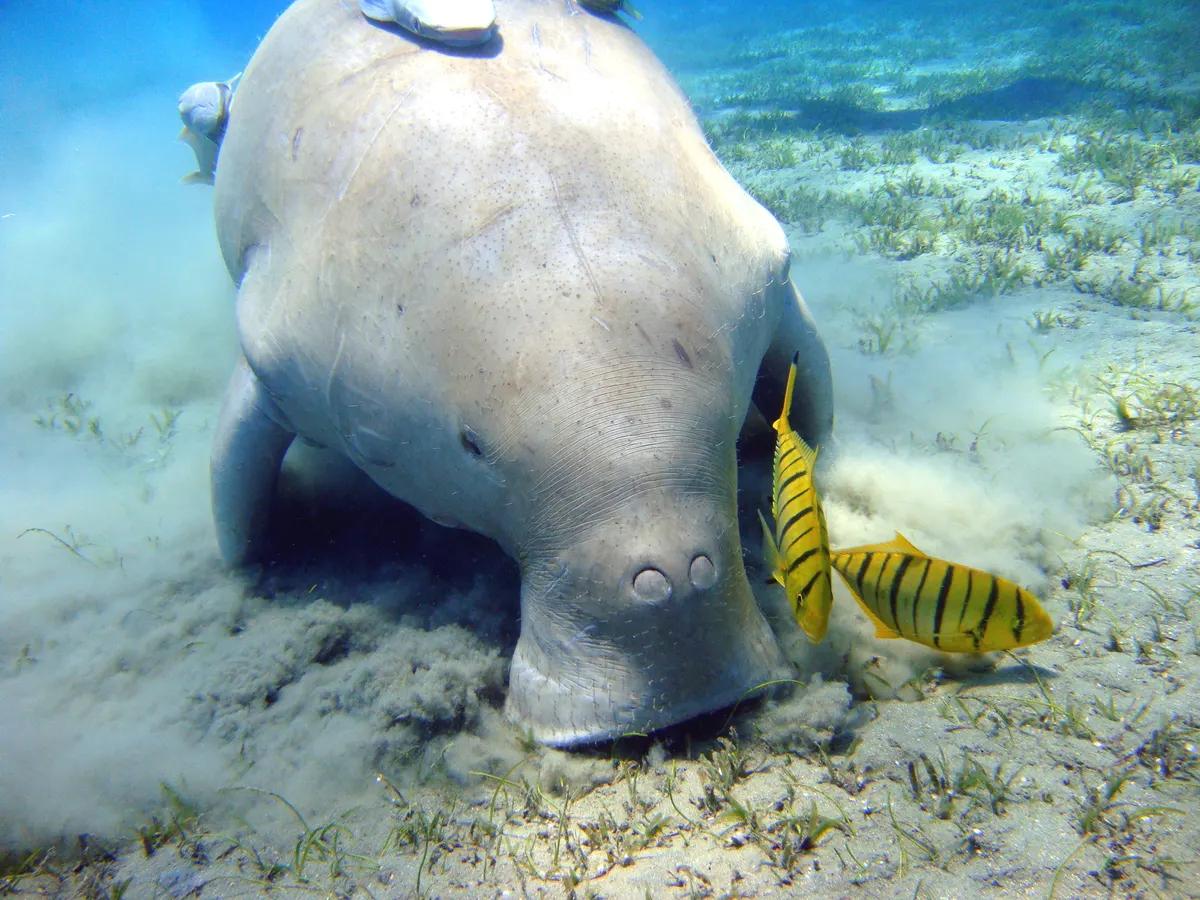
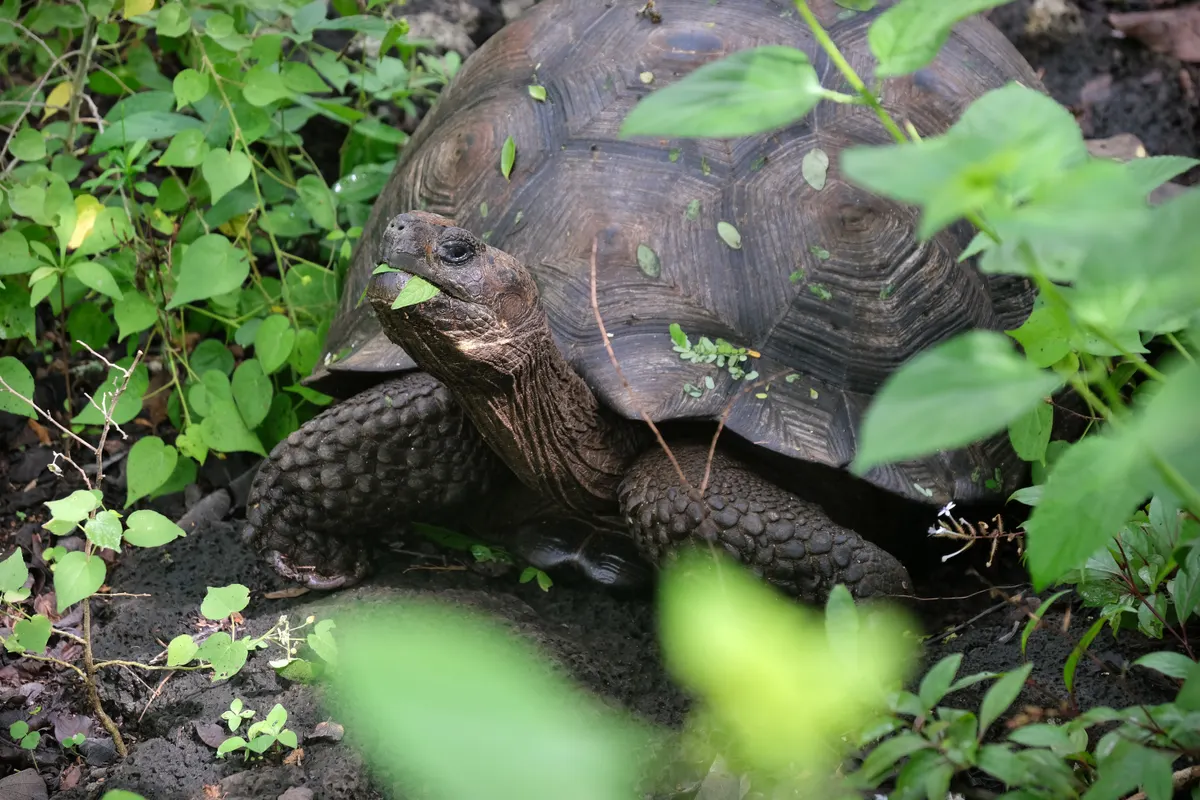
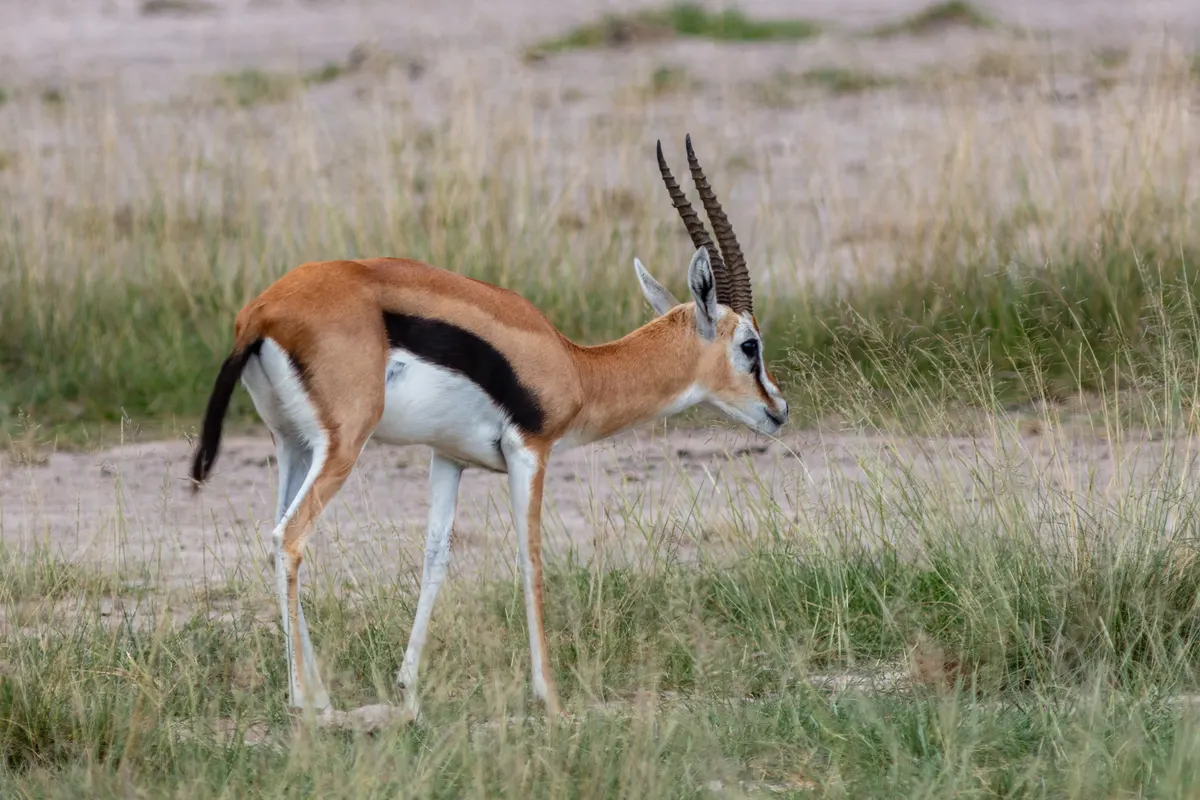
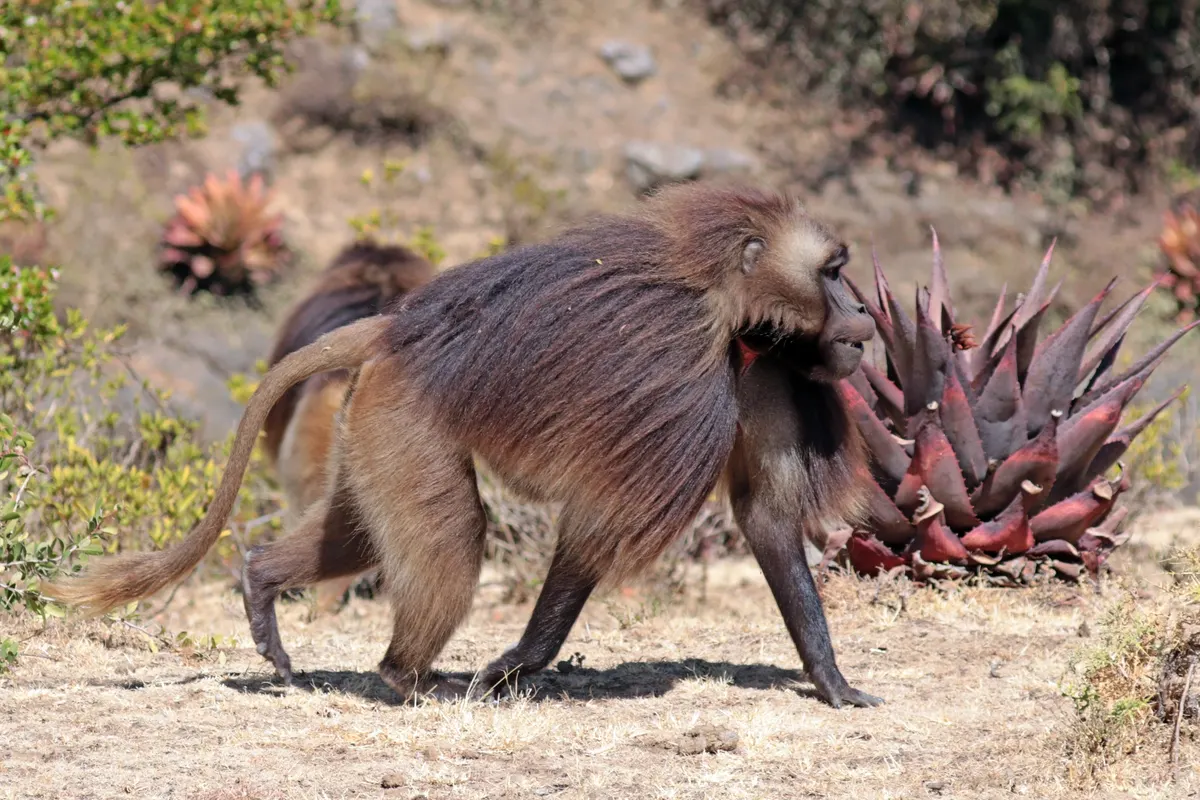
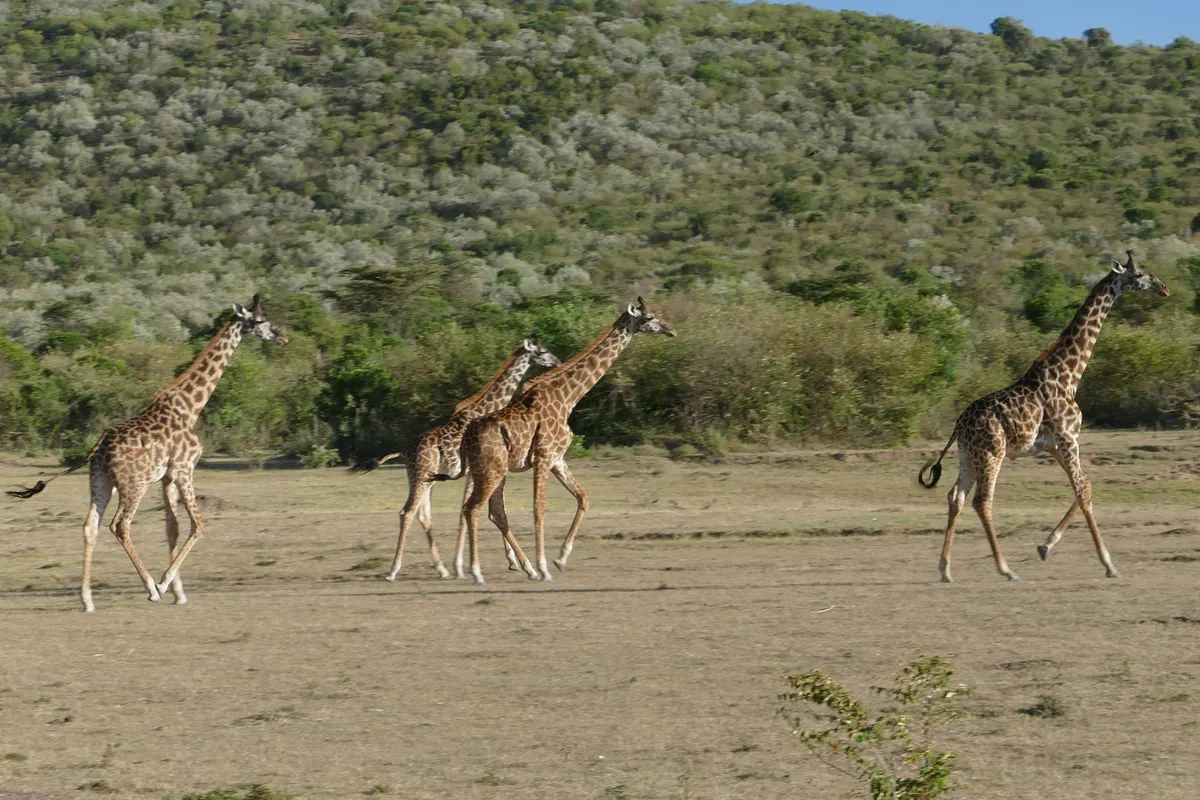
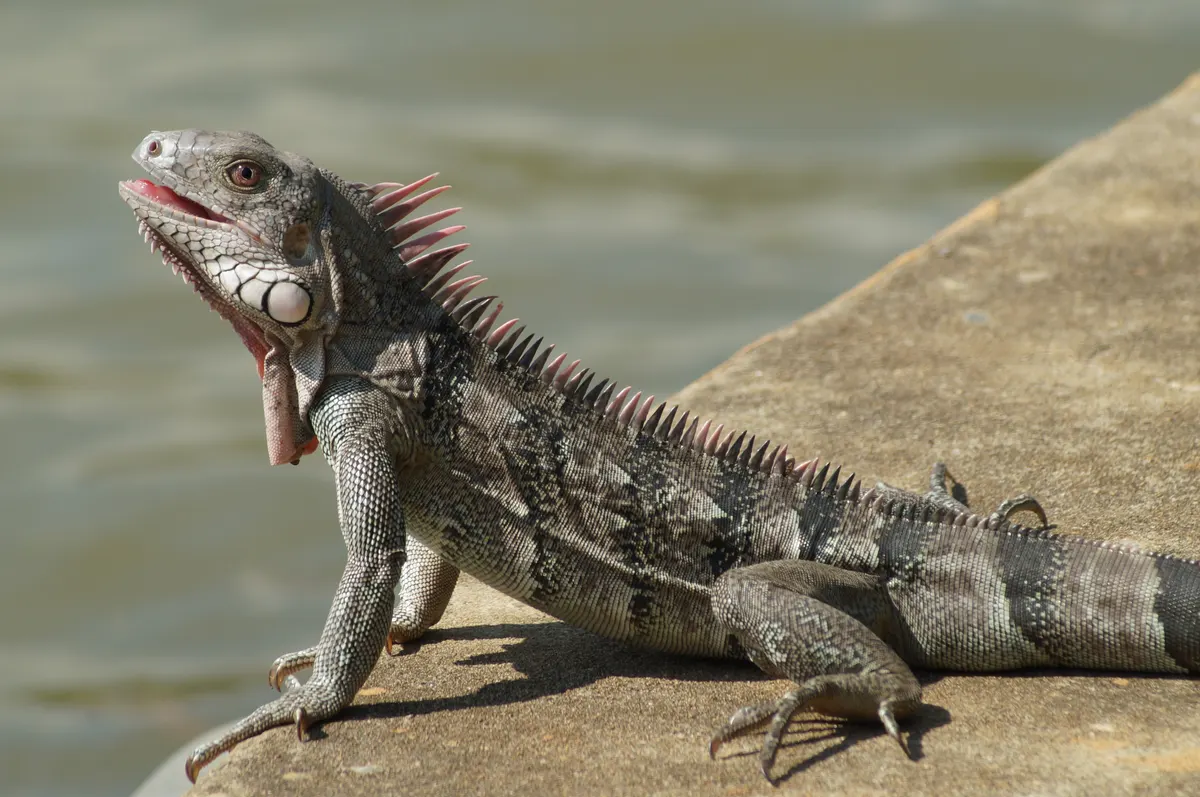
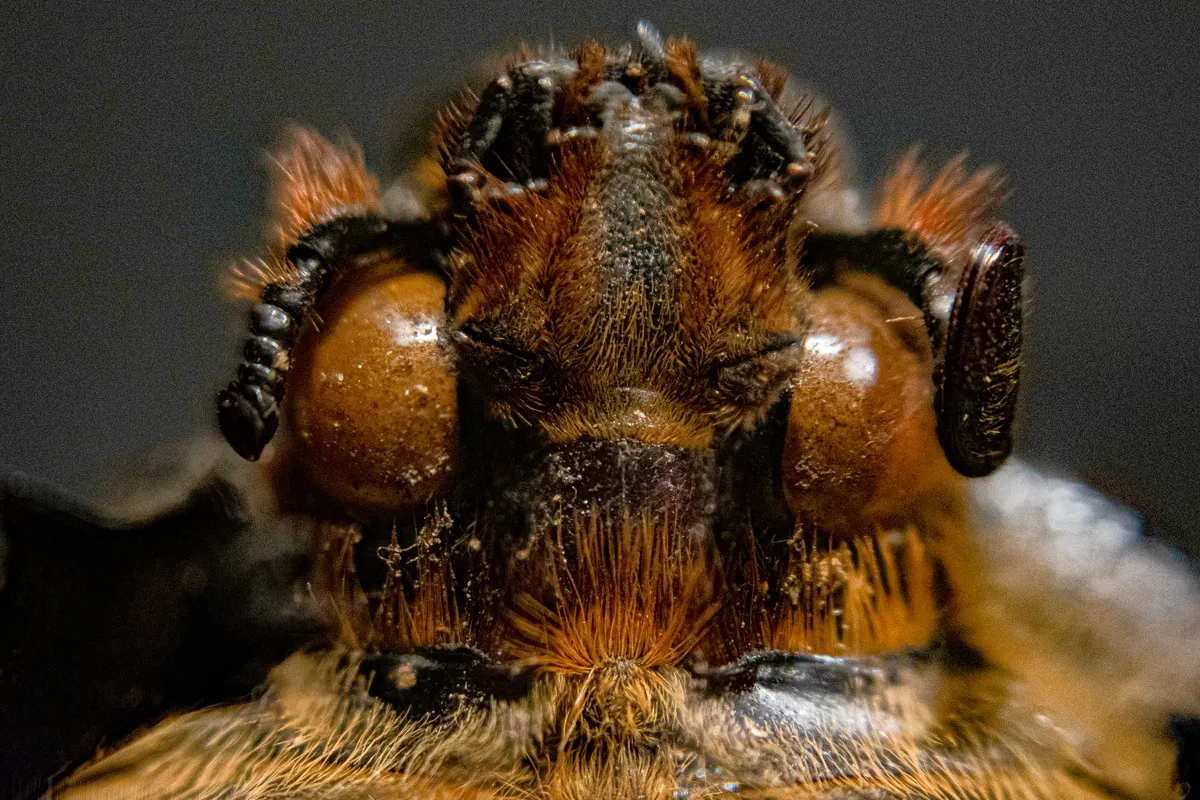
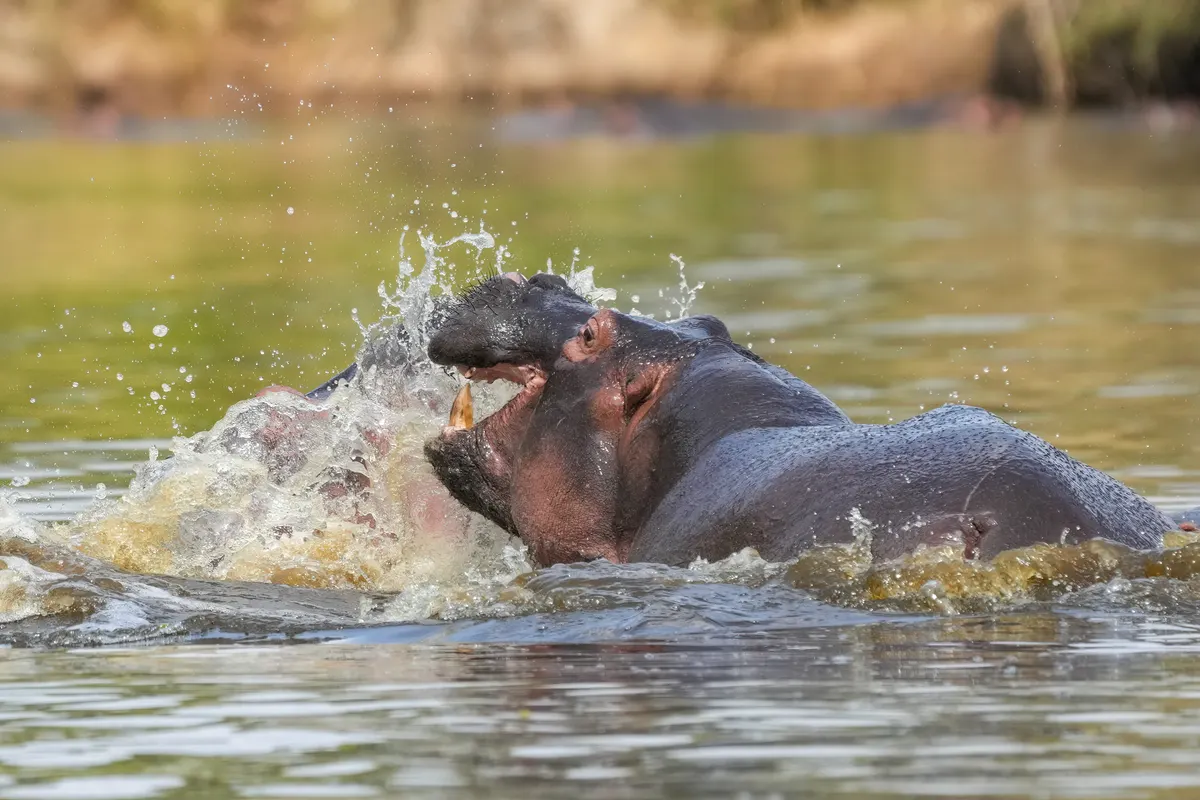
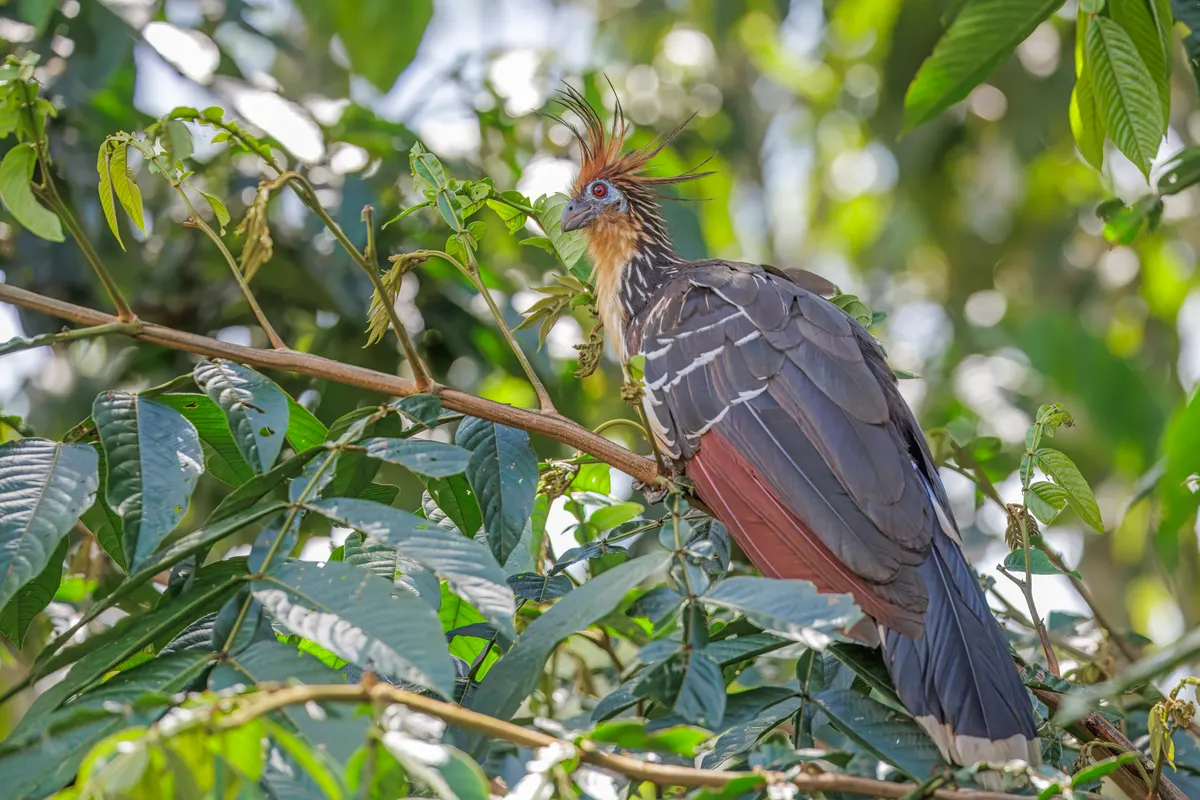
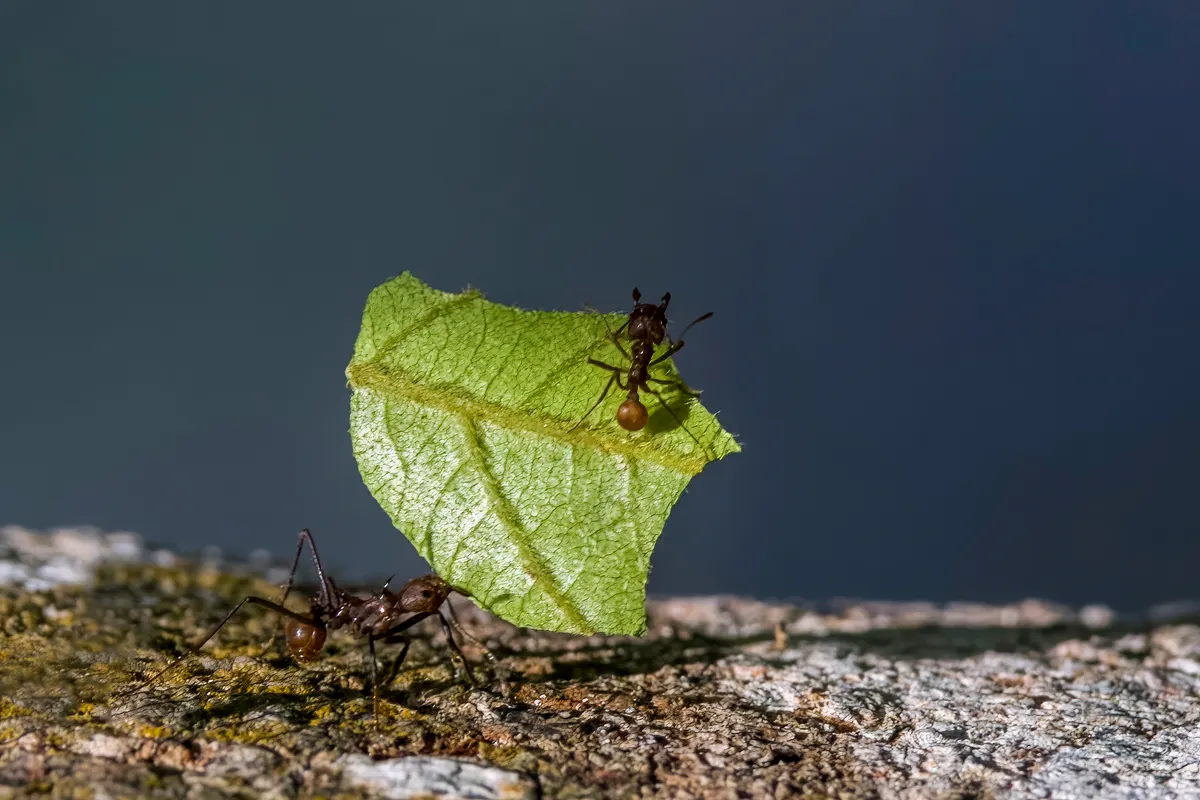
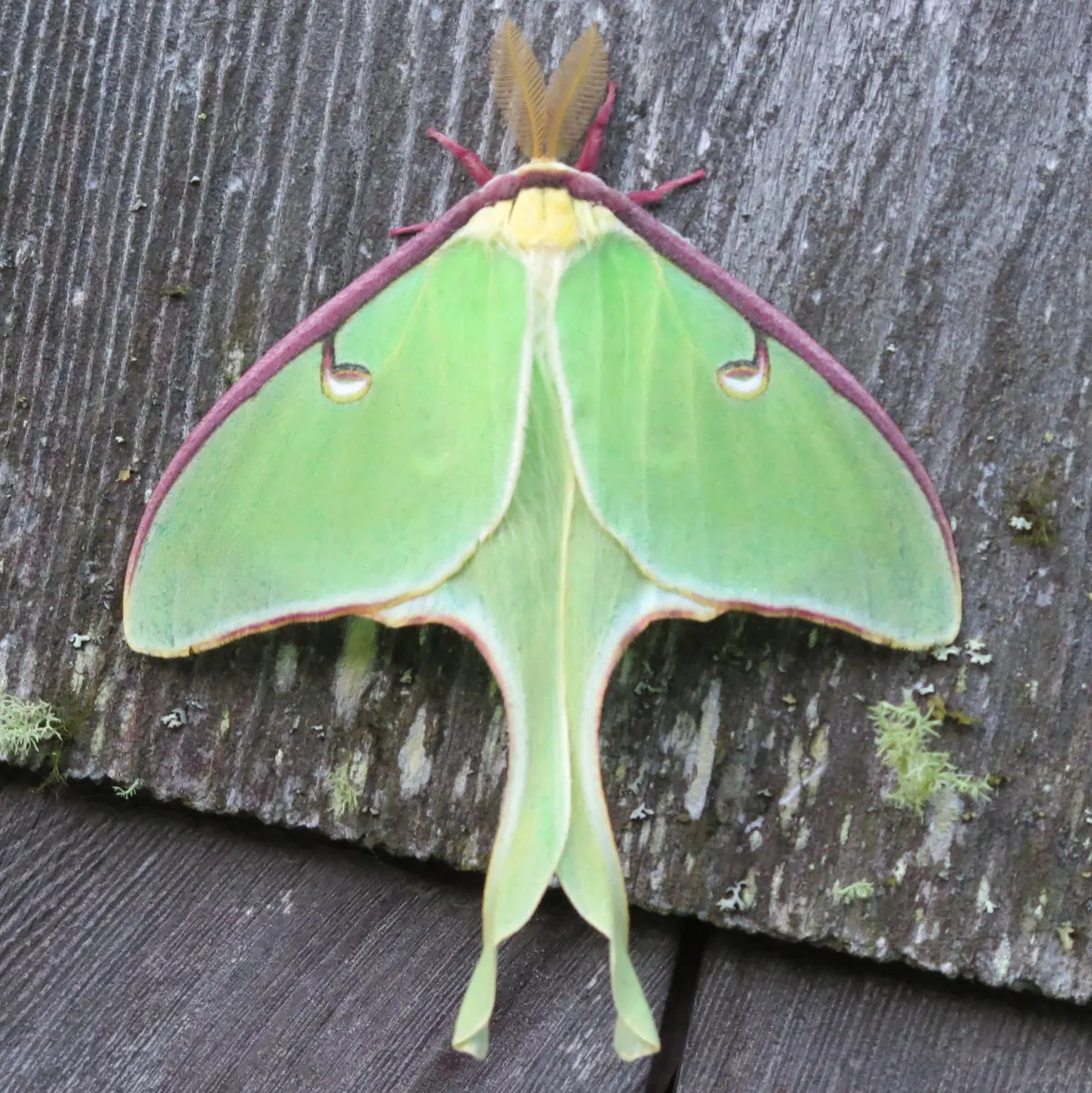
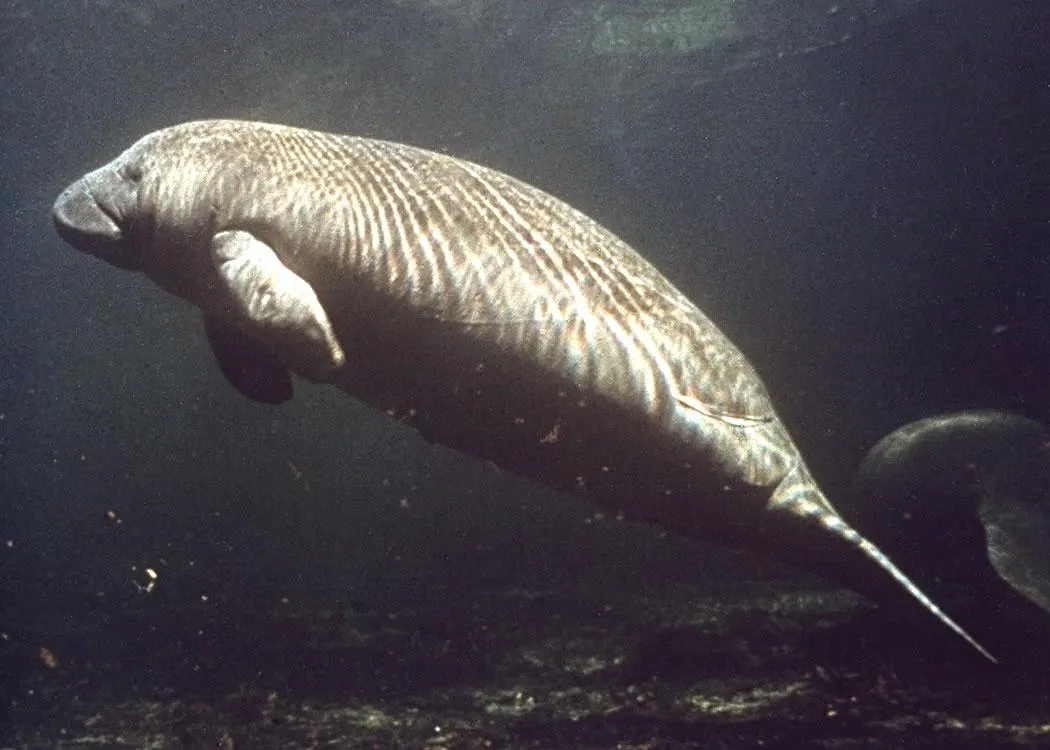
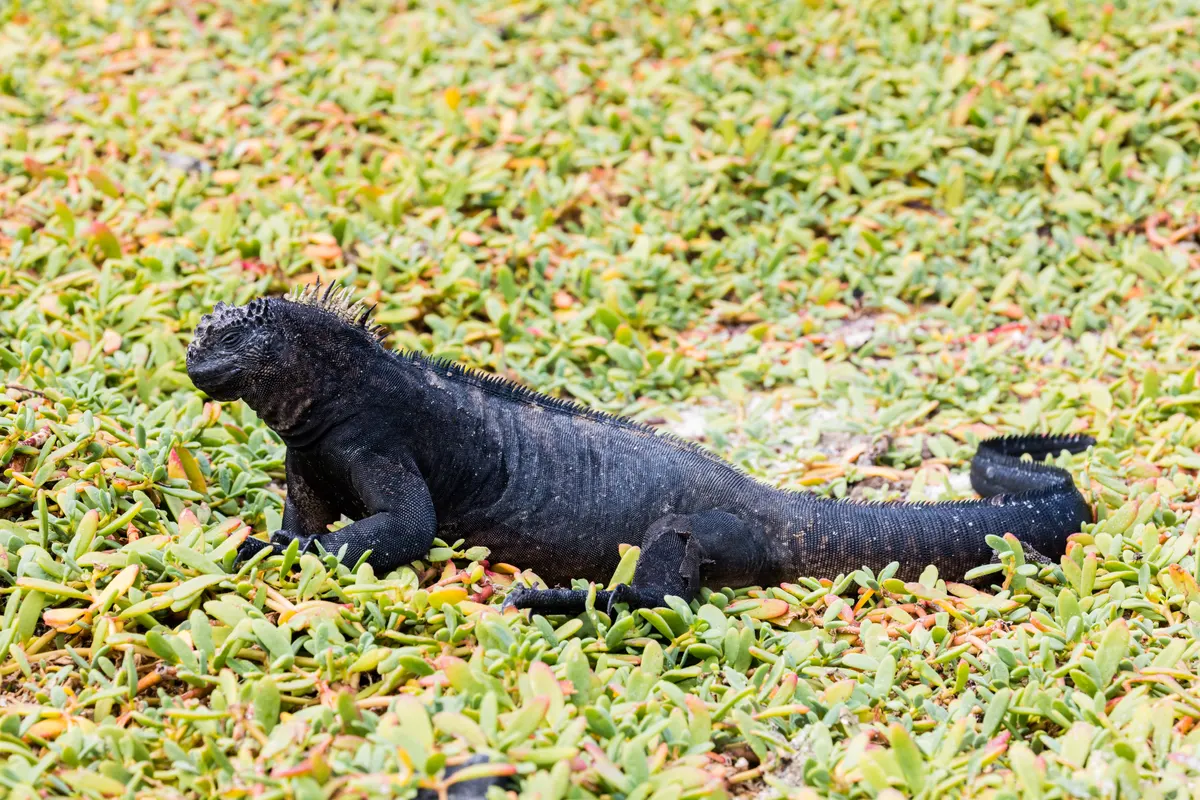
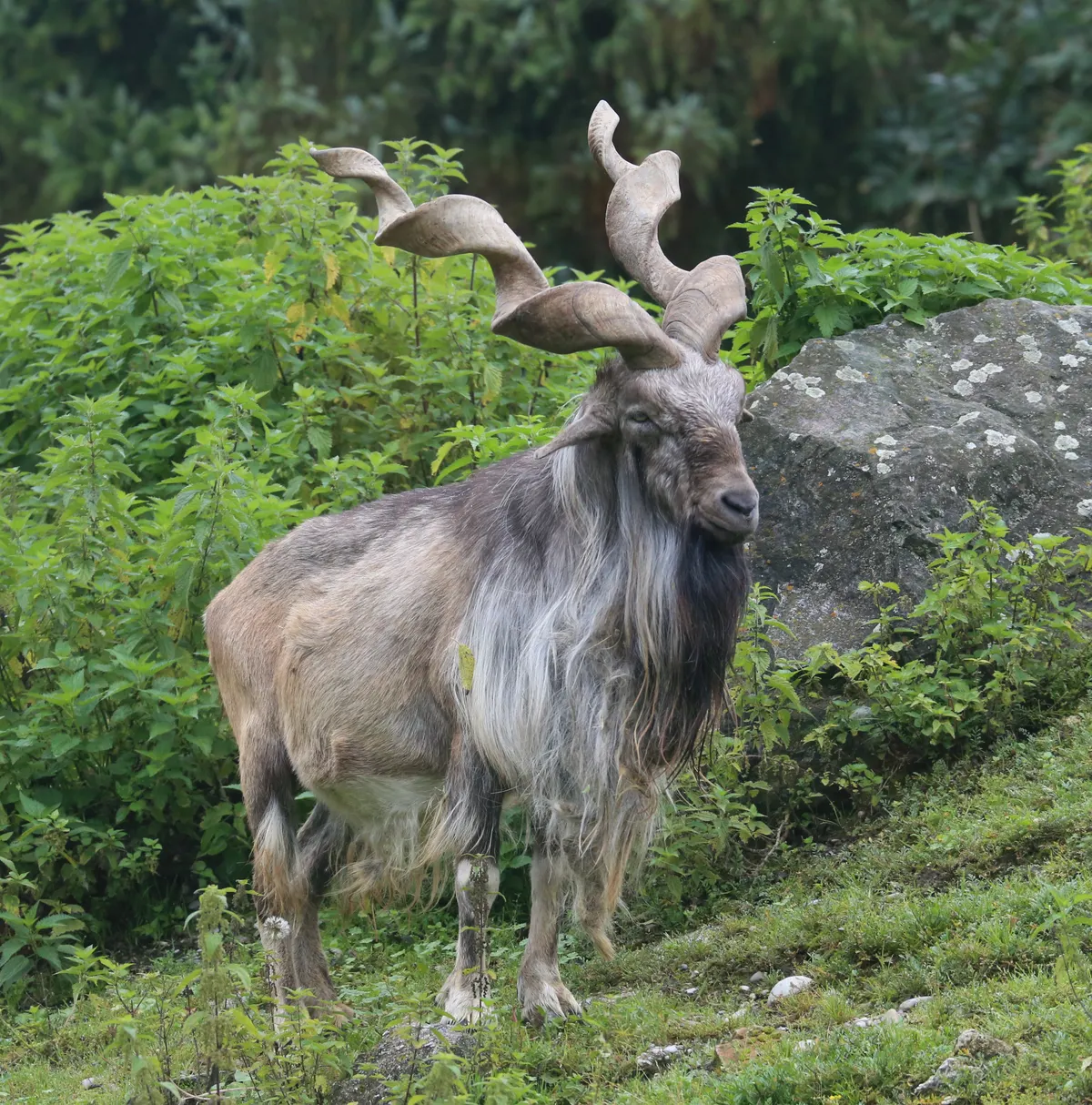
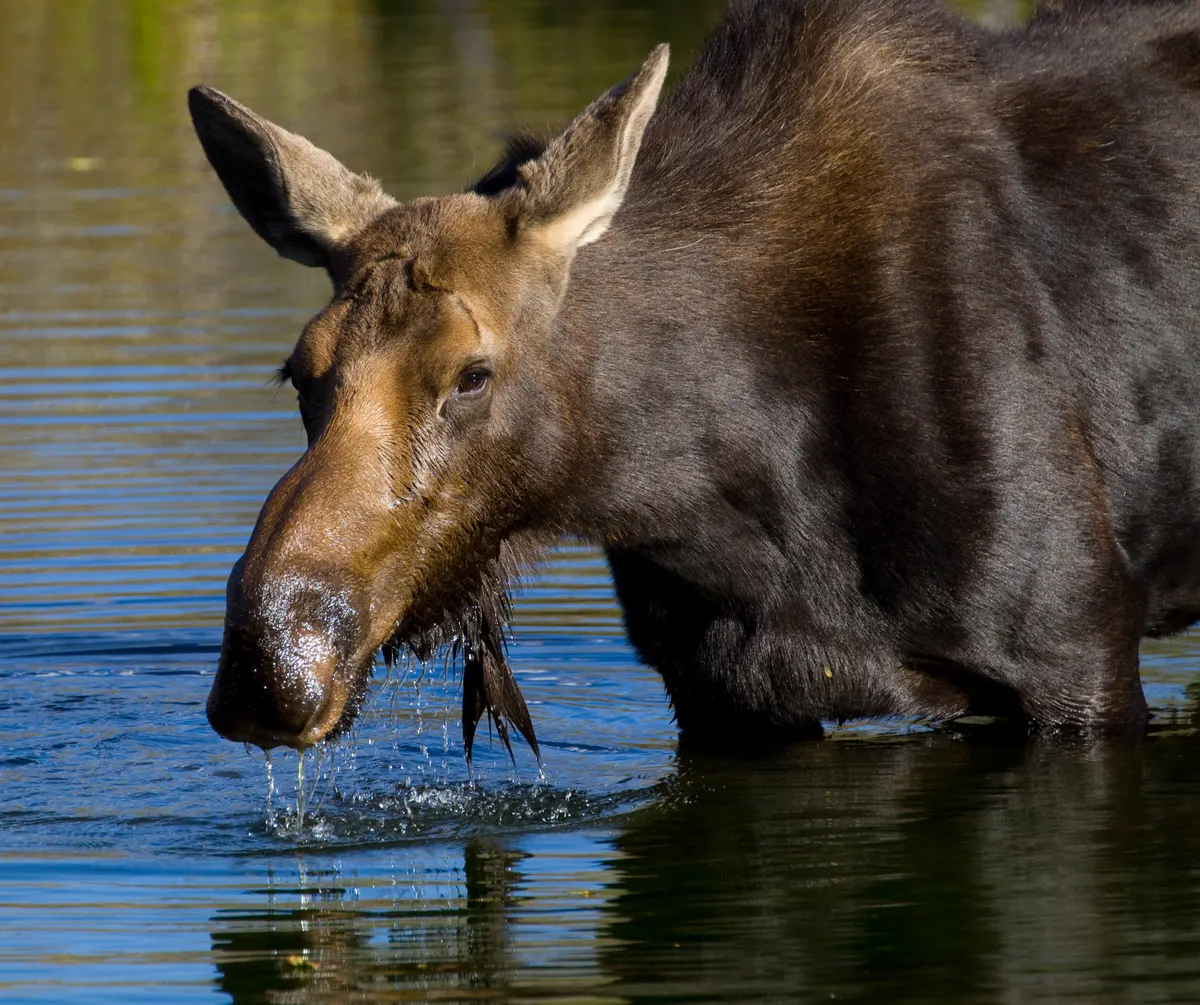
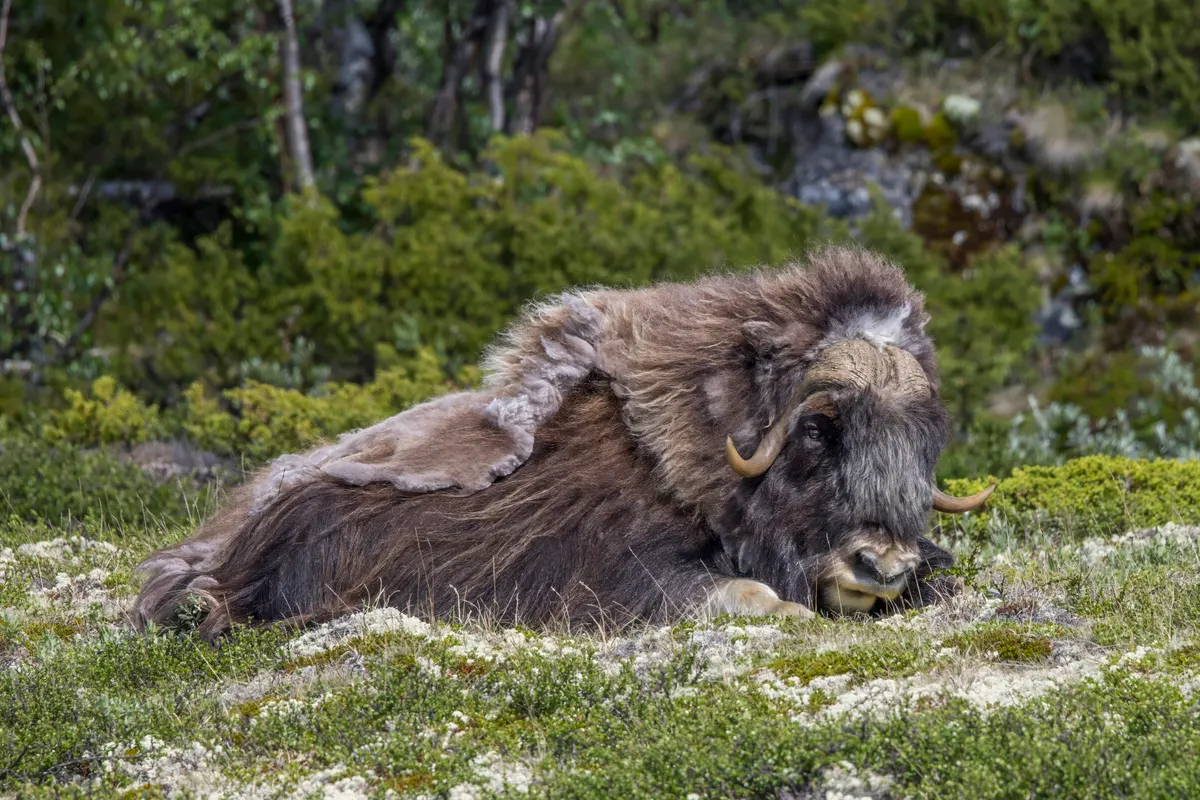
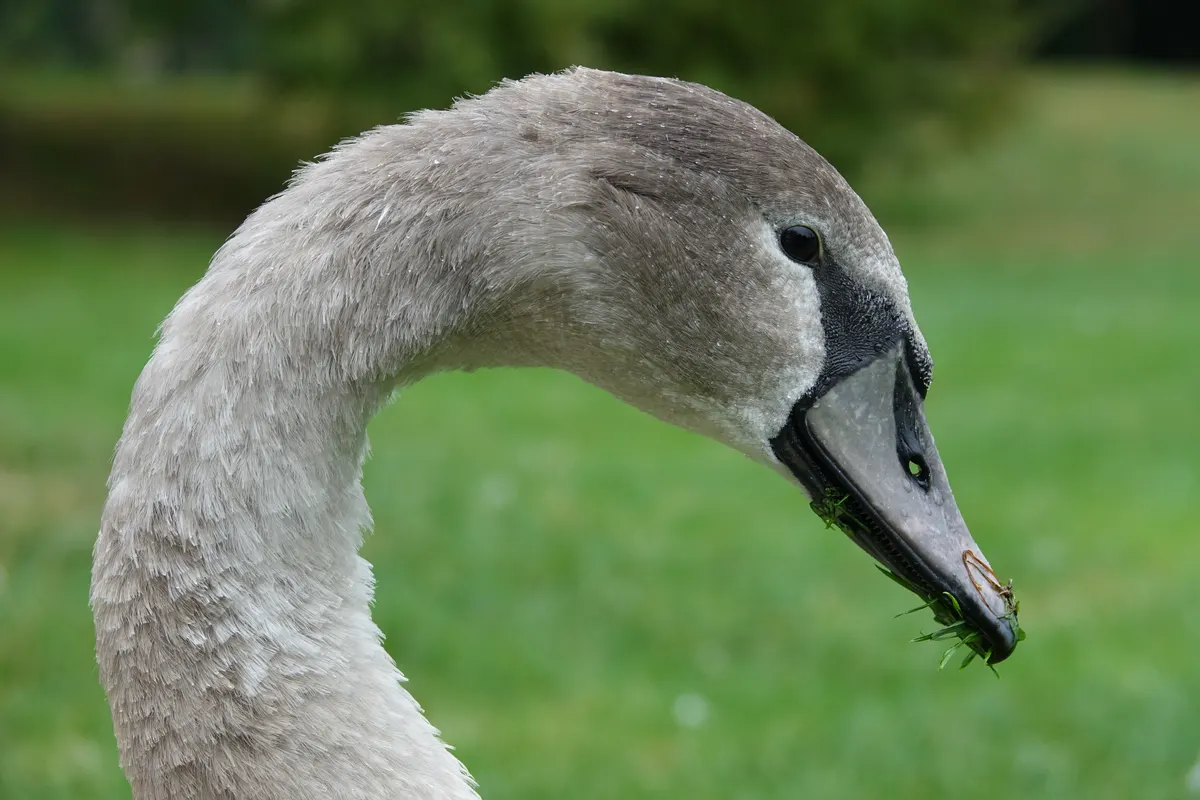
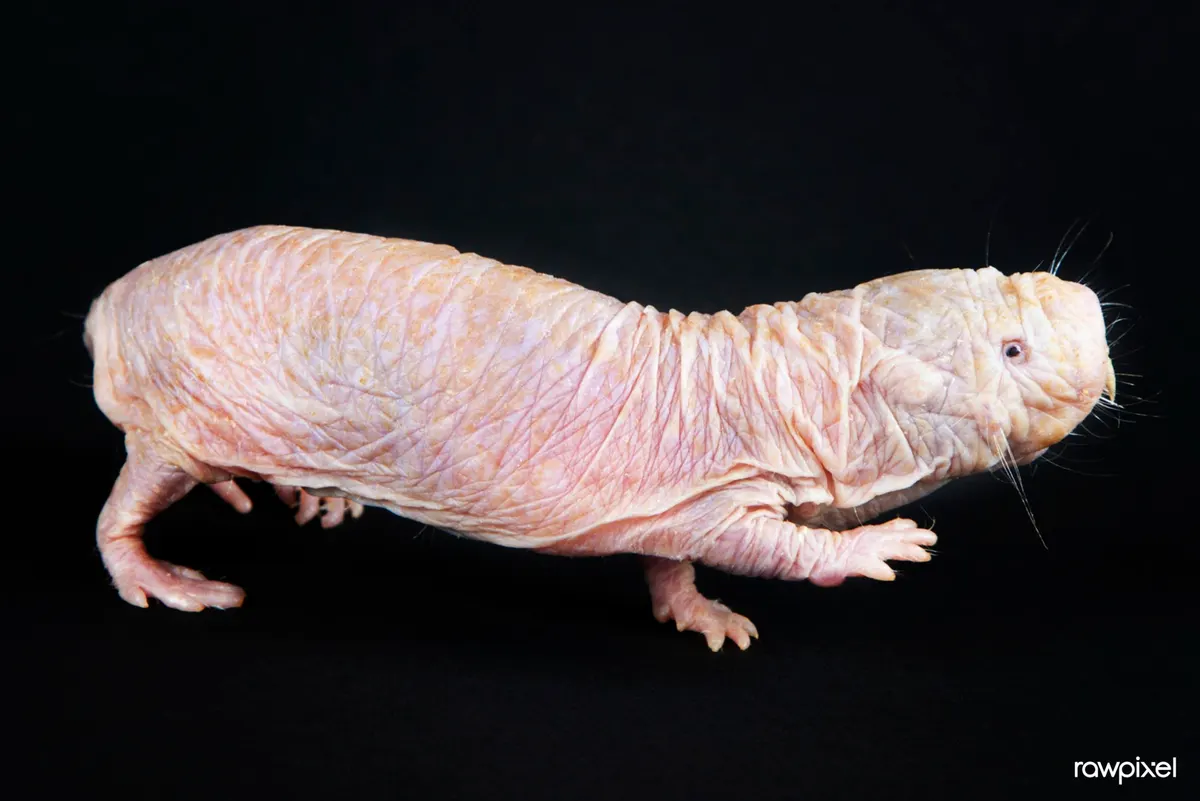
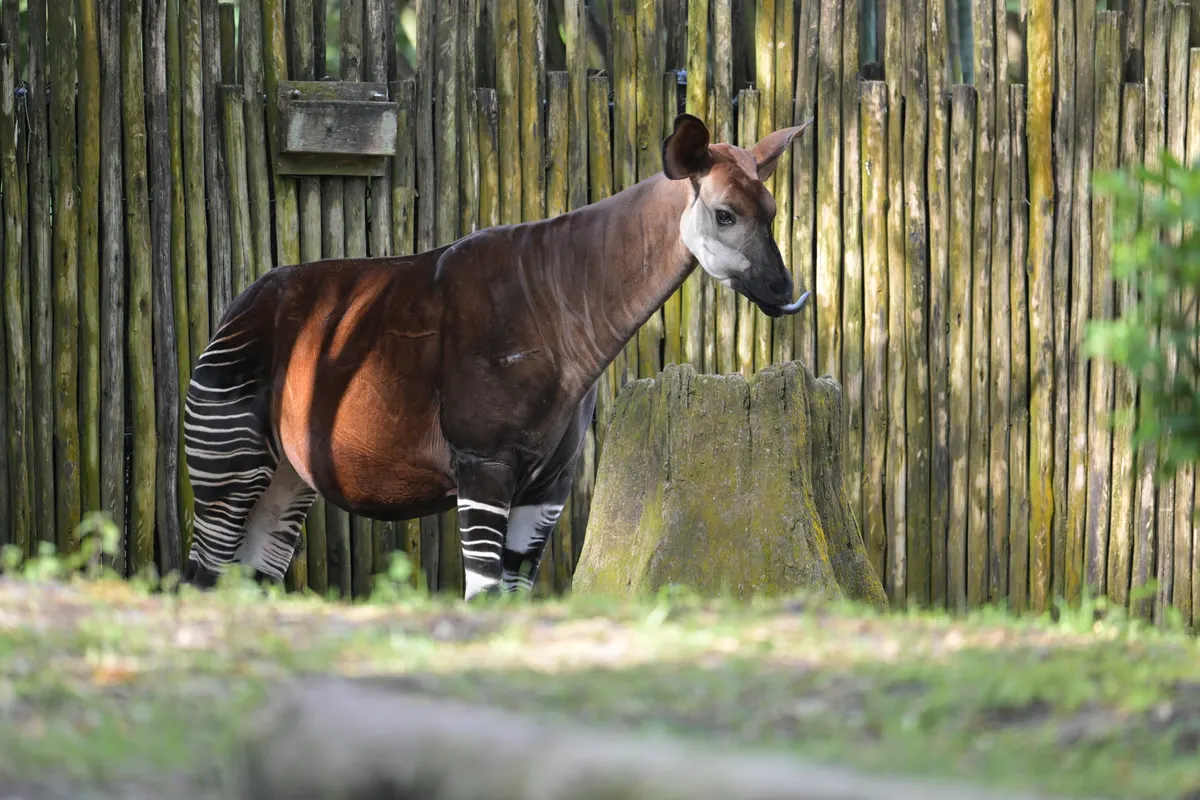
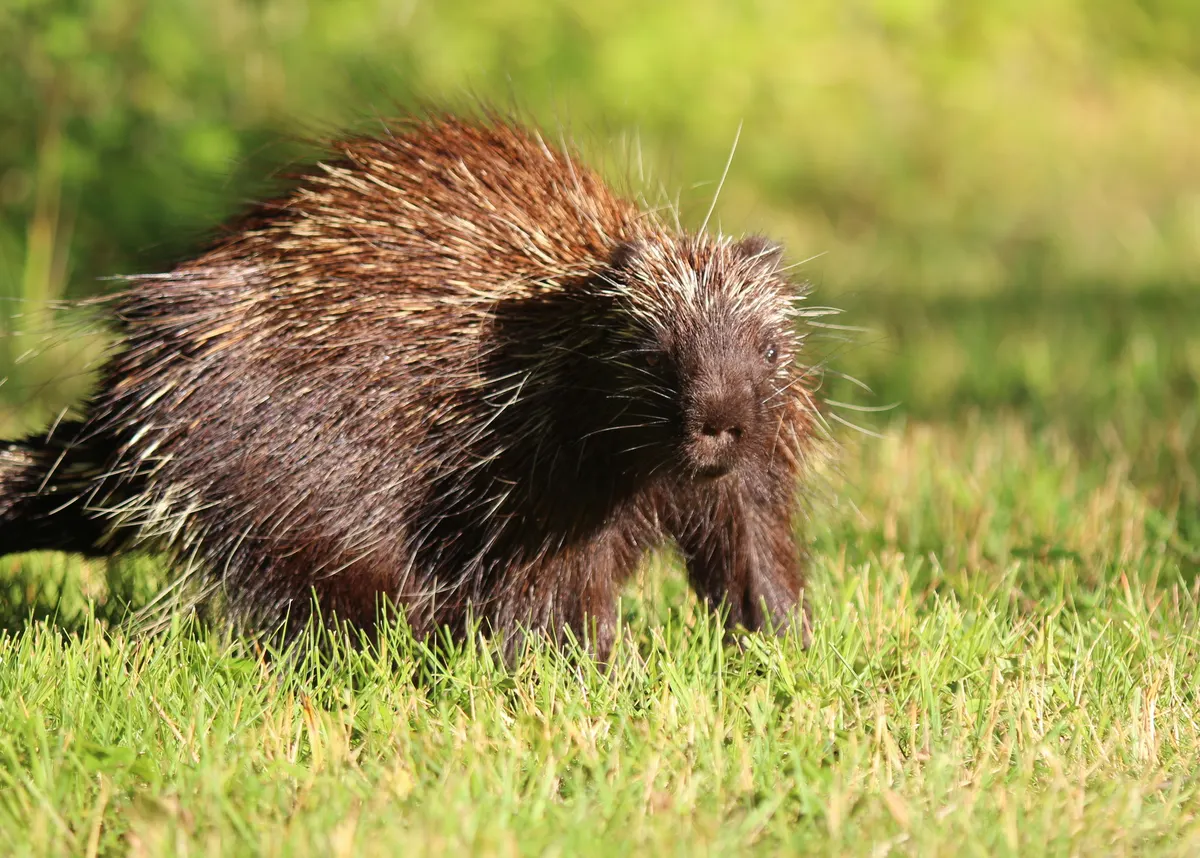
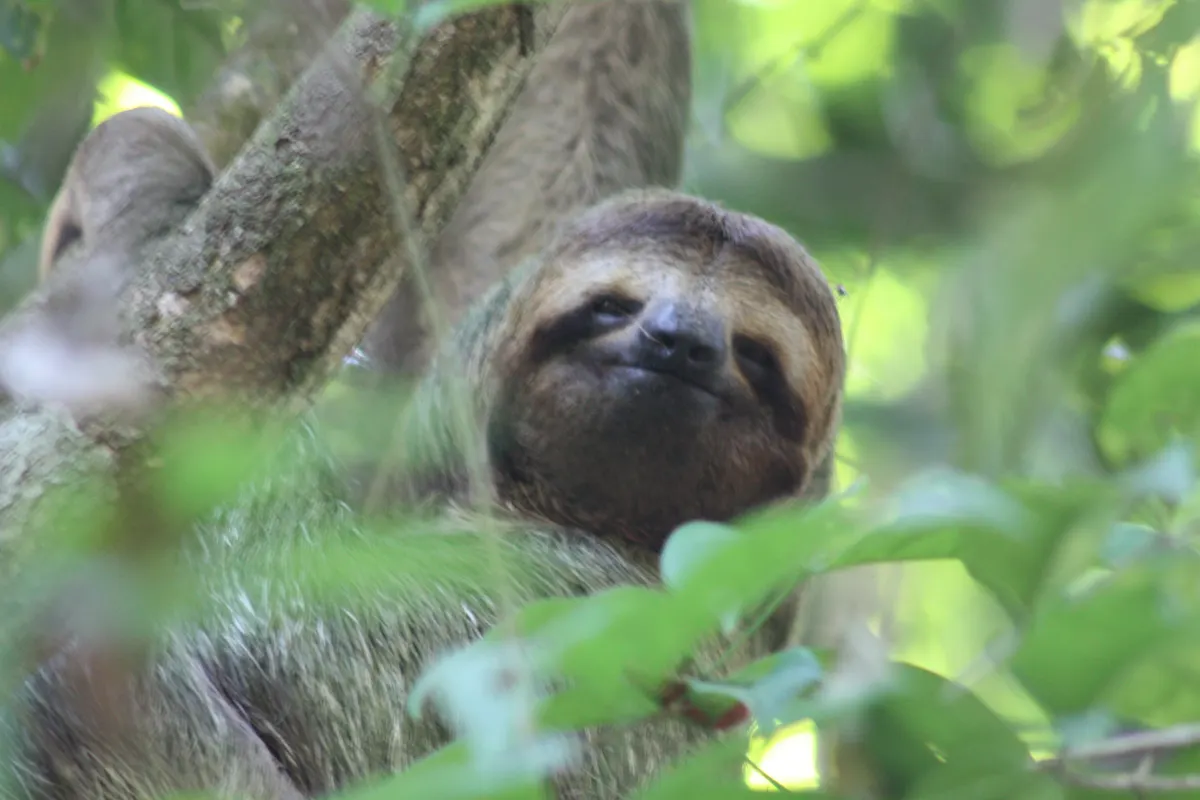
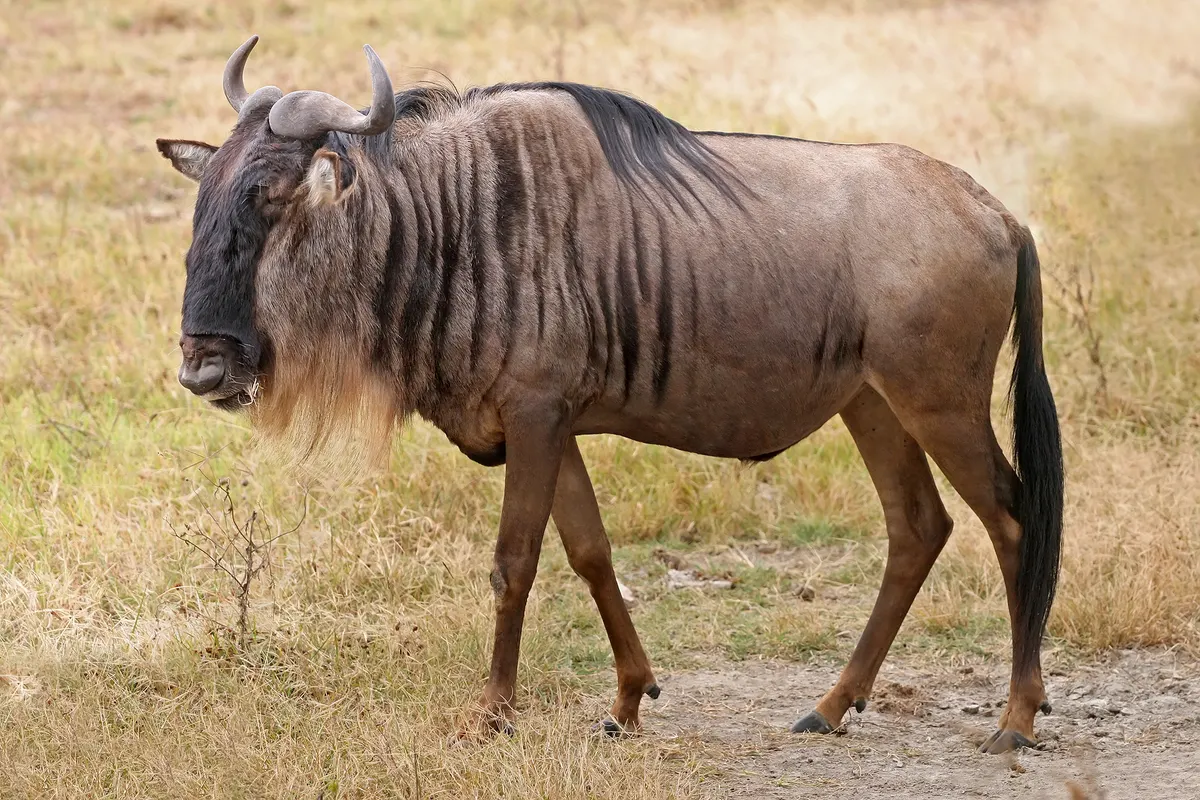
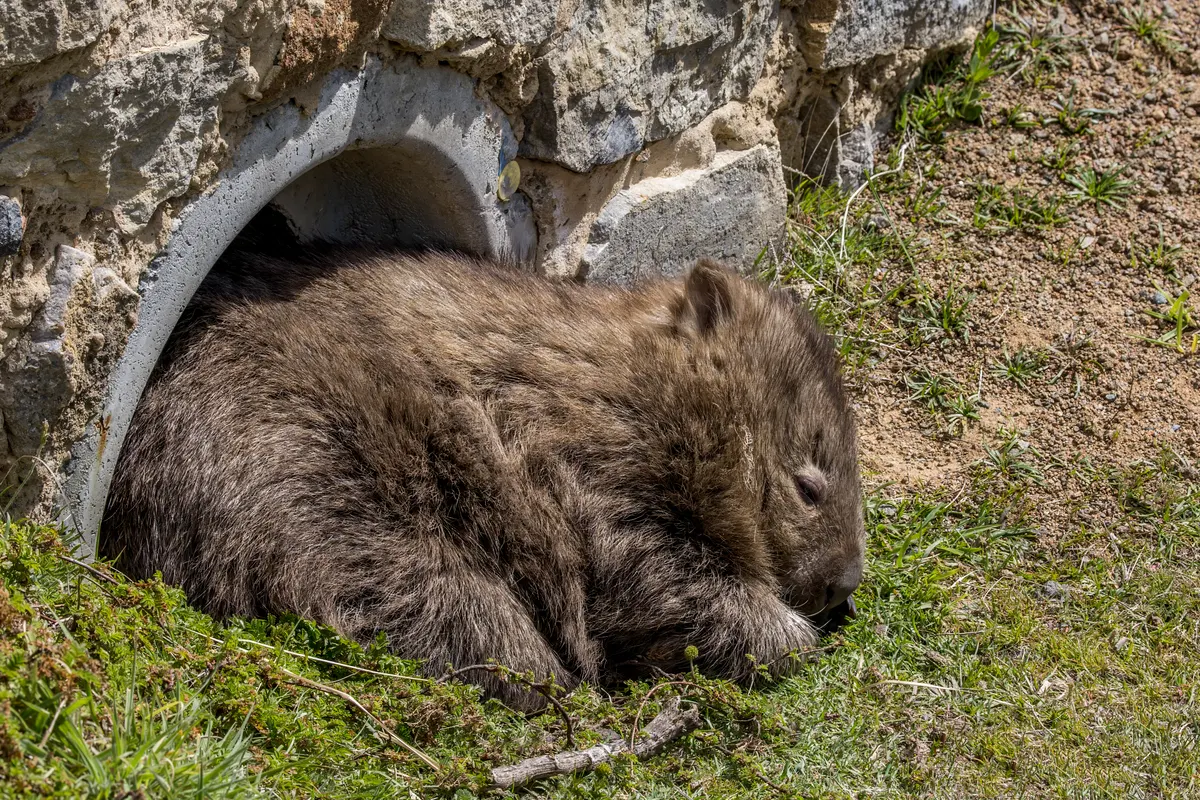
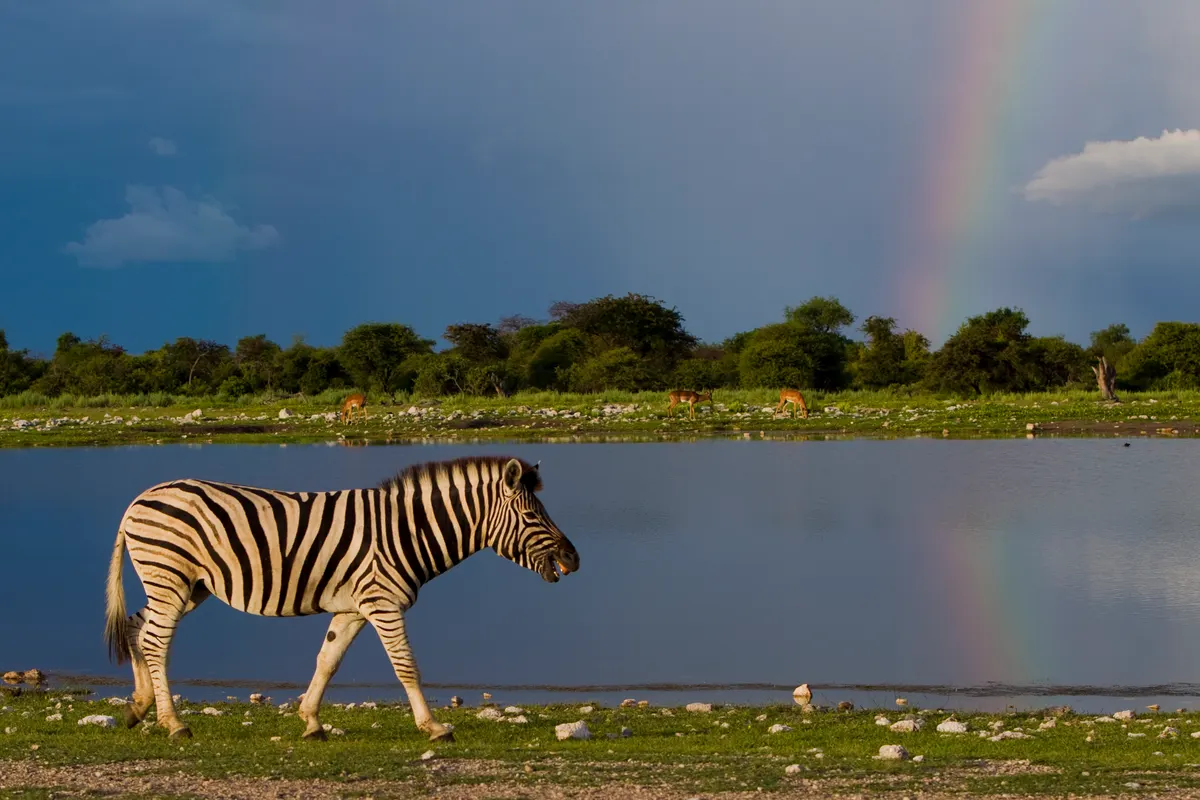
Large herbivores need long guts or fermentation chambers to break down cellulose — American Bison, Giraffe, and Hippopotamus all graze or browse but at very different scales. Sloth moves slowly because its leaf diet delivers little energy per bite. Cicada and Leafcutter Ant show that plant feeding extends to insects as well.
Diets hub
Herbivore Animals
Explore herbivore animals with wildlife photos, diet details, and full fact pages.
- Species listed
- 47
- Diet mix
- 47 herbivore
- Updated
- October 2026
47 species across forest, savanna, grassland habitats
Measured spread
How much this hub varies
Computed from the 47 species listed here, using the published figure on each profile.
| Measure | Smallest listed | Largest listed |
|---|---|---|
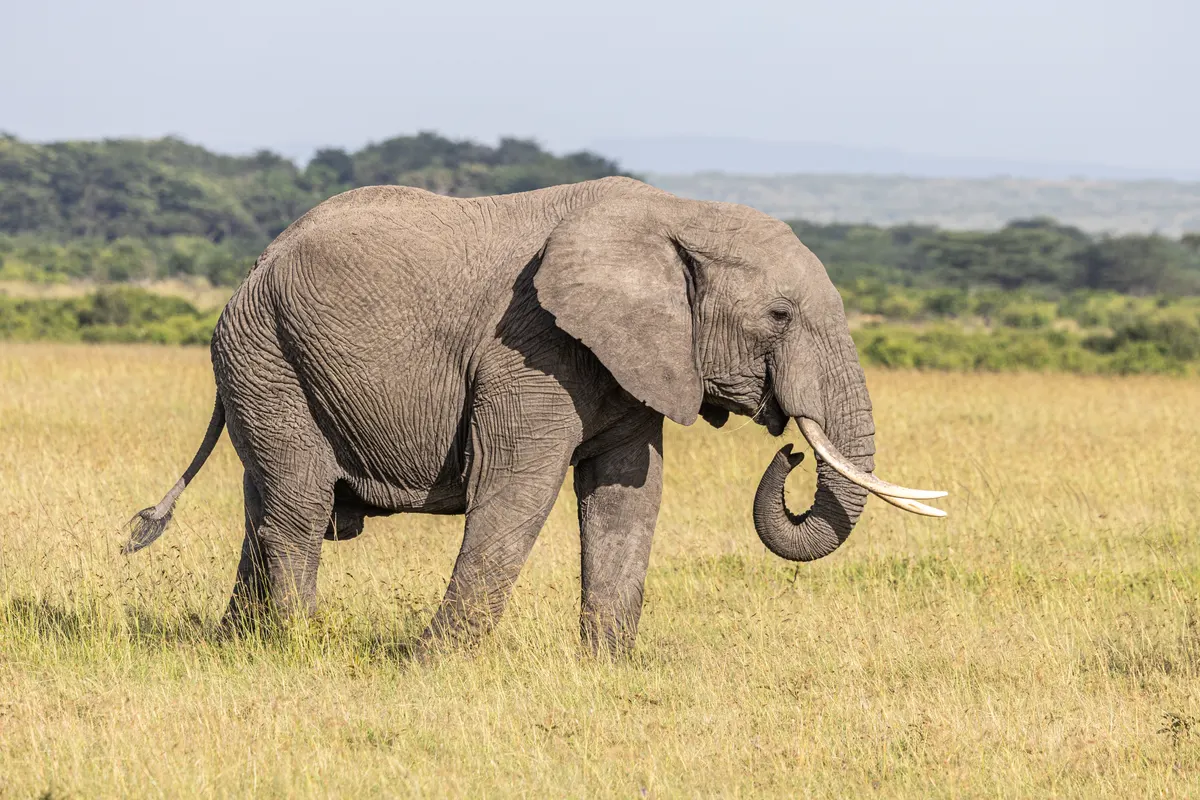
| Body mass (adult max) | Leafcutter Ant0.06 g | African Elephant5.9 t |
| Body length (max) | Honeybee2 cm | African Elephant7.32 m |
| Lifespan in the wild (max) | Luna Moth0 yr | Galápagos Tortoise120 yr |
Overview
Plants as the main food source
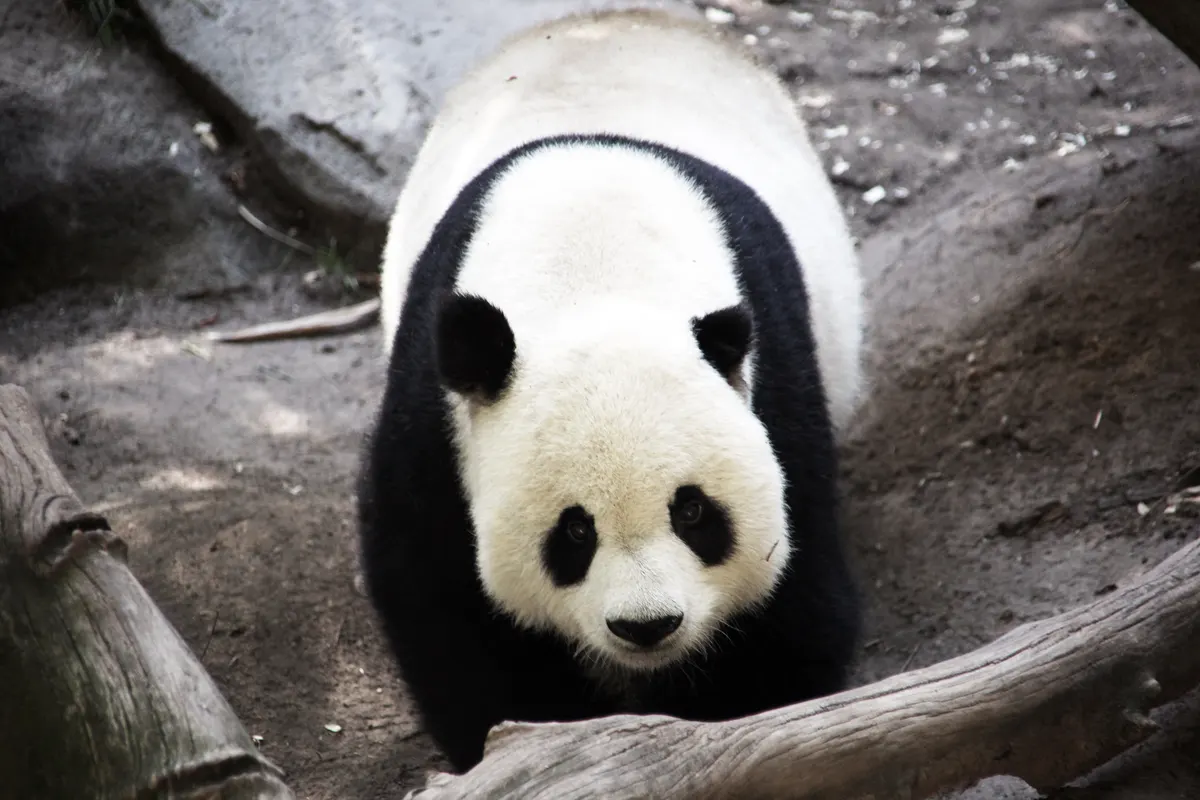
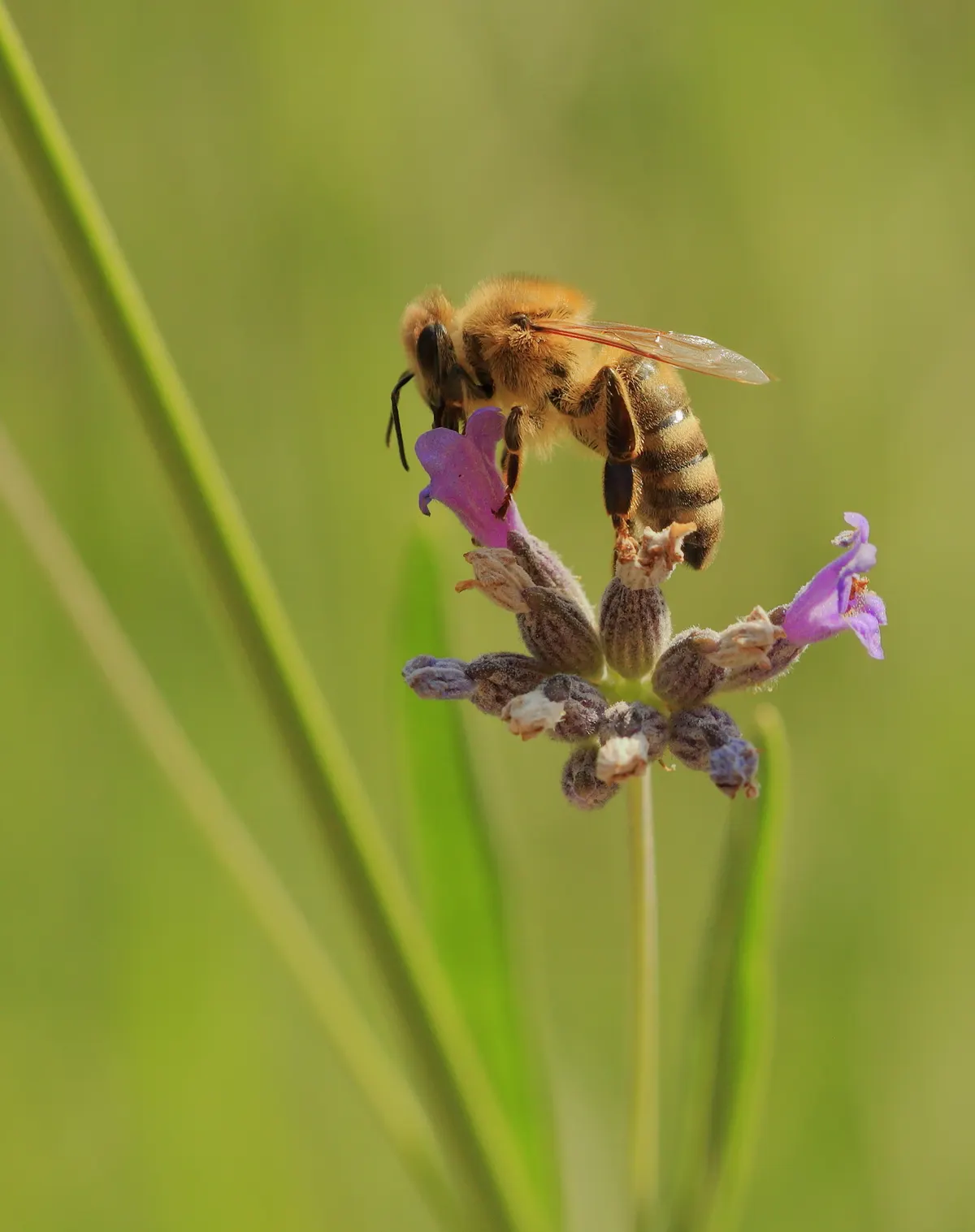
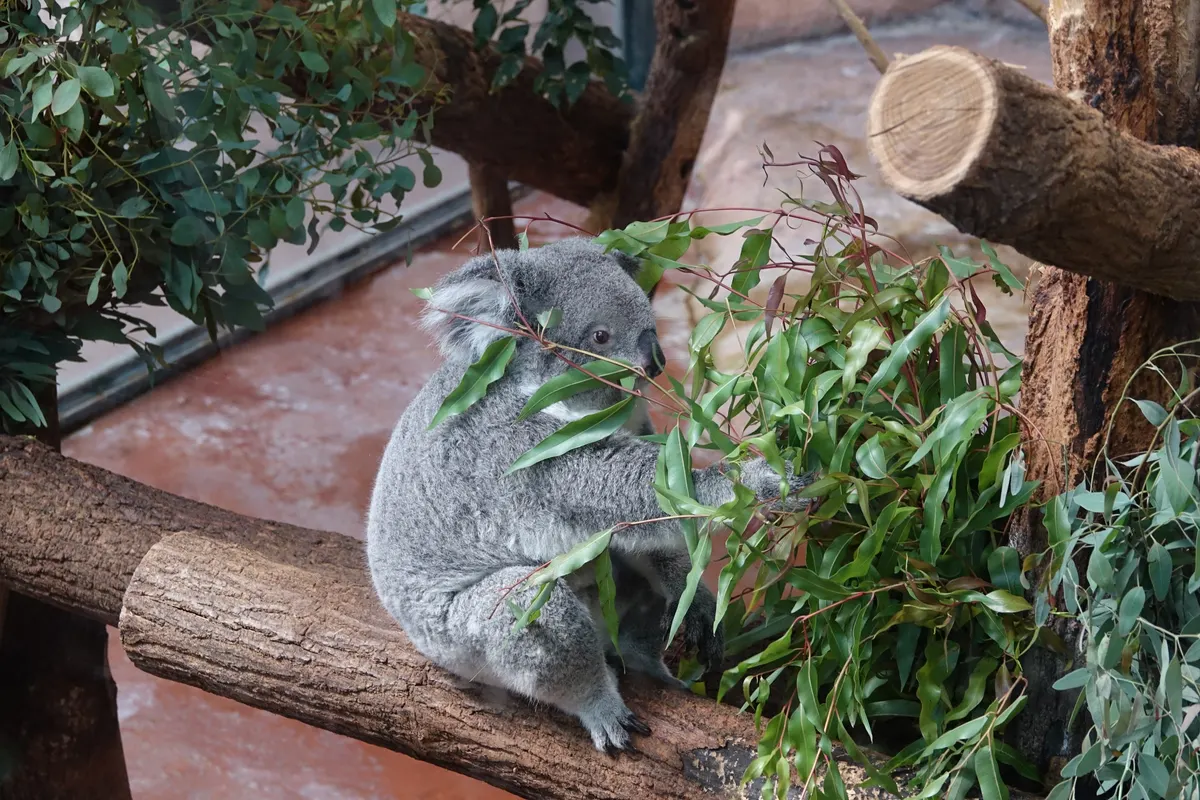
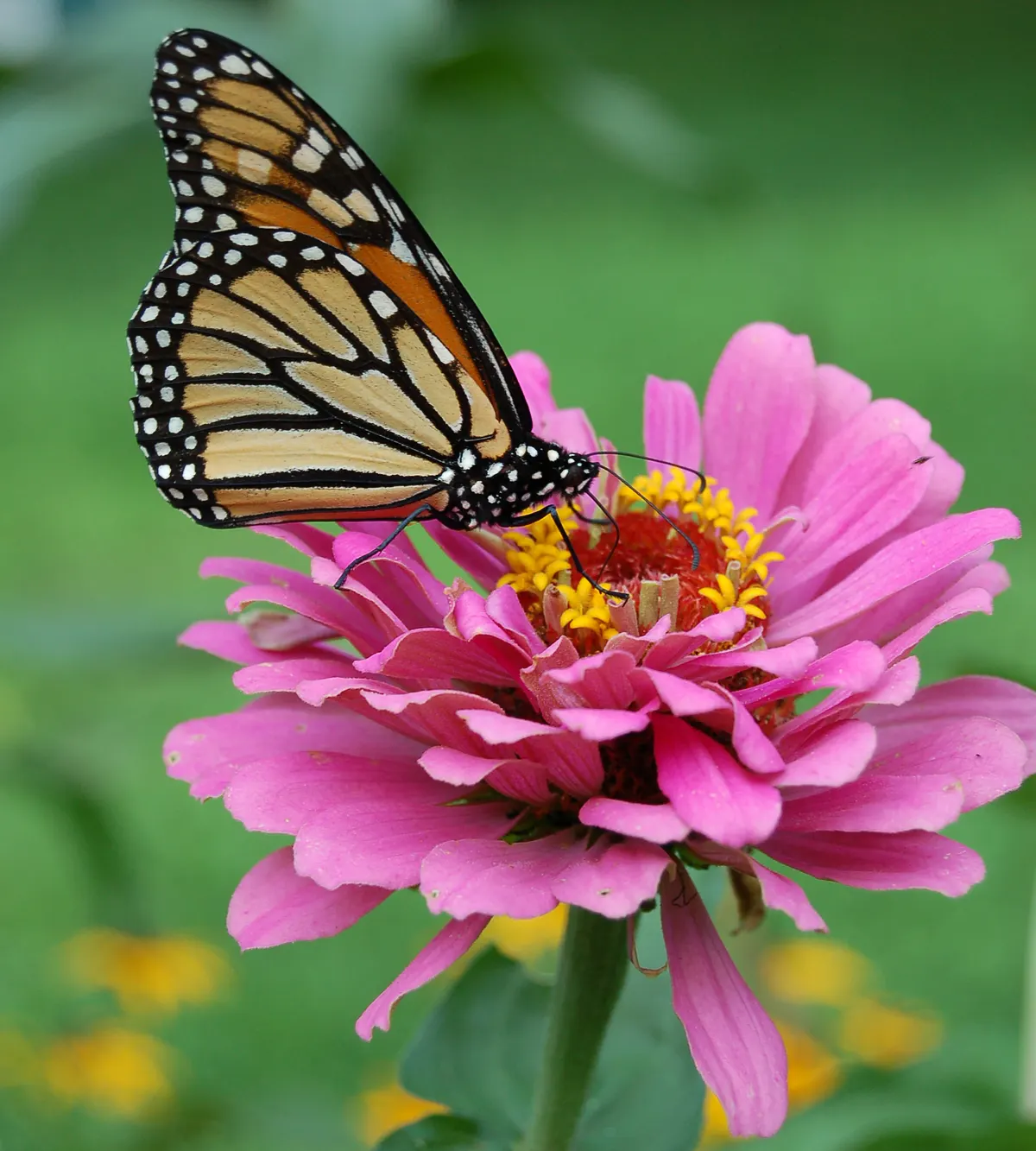
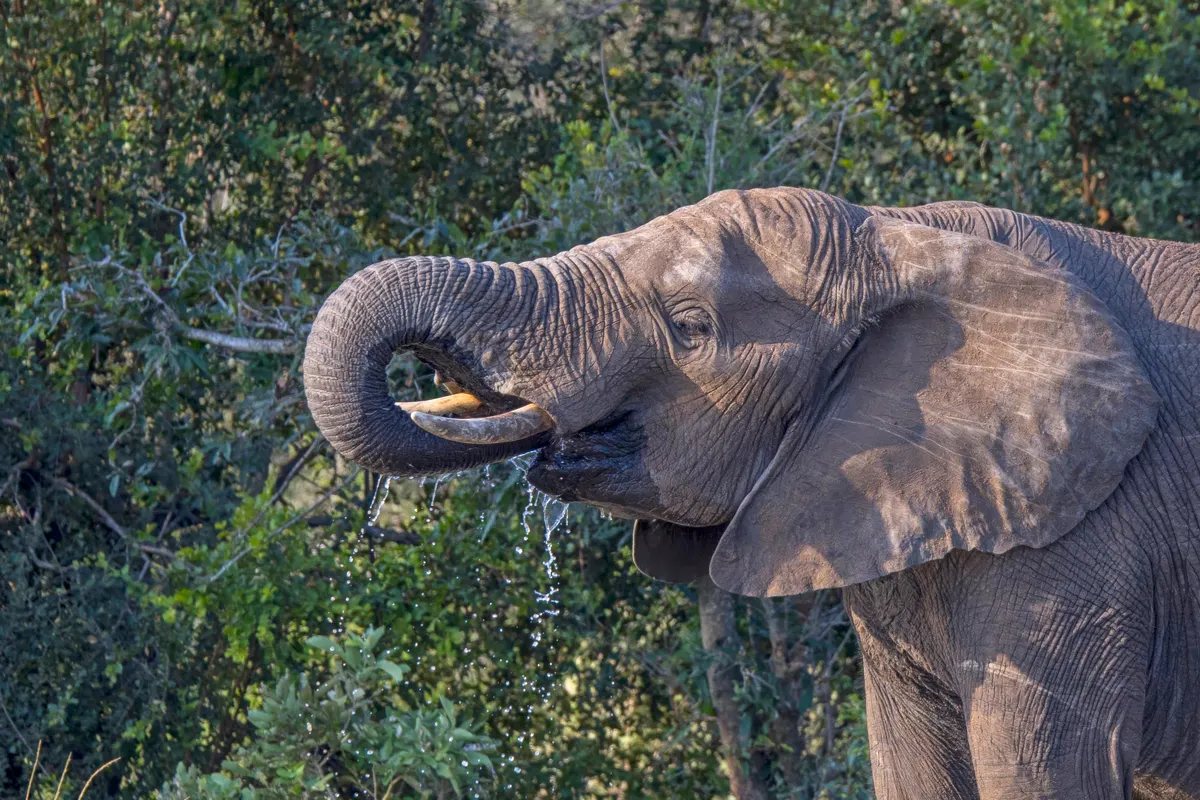
Herbivores graze grass, browse leaves, eat fruit, or specialize on a single plant type. African Elephant strips bark and pushes over trees on the savanna. Giant Panda eats almost only bamboo in forest mountains. Koala feeds on eucalyptus leaves with a gut built for toxins. Monarch Butterfly and Honeybee take nectar and pollen rather than leaves.
Start here
Featured species
3 entry points into this cluster — each profile has range, diet, behavior, and conservation detail.
Species directory
All 47 animals in this hub
Flagship species appear first. Open any card for range maps, diet, behavior, and conservation status.
Field guide
Ecology & context
Adaptations, threats, and comparisons — background for readers who want more than the species directory.
Same diet, different habitats
Grazers, browsers, and specialists
Grass eaters like Zebra and American Bison need wide open grassland and savanna. Tree browsers like Giraffe and Koala target leaves out of reach of competitors. Giant Panda is an extreme specialist — bamboo makes up almost its entire diet. Nectar feeders like Honeybee and Ruby-throated Hummingbird pollinate while they feed.
Plants fight back
Many leaves carry toxins or tough fibers. Koala detoxifies eucalyptus in a slow metabolism. Hoatzin ferments leaves in its crop like a ruminant. Herds of African Elephant push over trees to reach bark and branches other herbivores cannot.
Micro-herbivores matter too
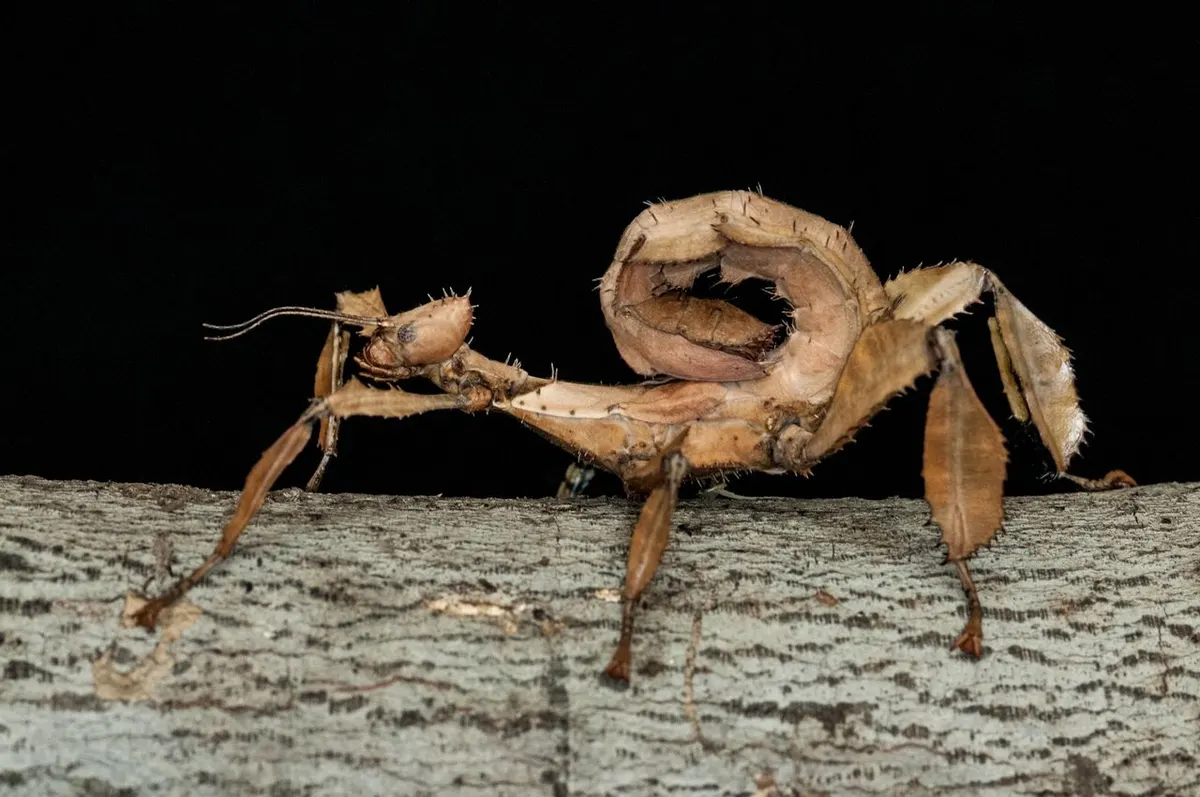
Insects and other small feeders shape plant communities. Leafcutter Ant farms fungus on harvested leaves. Cicada spends years underground on sap before a brief adult stage. Honeybee pollination ties herbivory to fruit set for many plants herbivores later eat.
Reading order for this hub
Compare a generalist grazer (Zebra), a specialist (Koala or Giant Panda), and a marine grazer (Manatee) to see how plant type drives anatomy.
Common Questions
FAQ about Herbivore Animals
Select a question to reveal the answer.
What is a herbivore?
An animal whose primary food is plants — leaves, grass, fruit, nectar, or wood. WildlifeDB groups frugivores and grazers under this label for discovery.
Are herbivores always large?
No. Cicada, Ladybug, and Leafcutter Ant are herbivores or plant-feeders at insect scale.
Do herbivores need to drink water?
Some get most water from food — Koala from eucalyptus, desert grazers from morning dew on plants. Others drink daily at rivers, like Hippopotamus.
Where should I start?
Compare African Elephant, Giant Panda, and Giraffe for three feeding strategies on land.
Keep exploring
Related hubs
Same cluster, different angle — open a diet or habitat hub to compare species side by side.
habitats
Forest animals
20 herbivores live in forest habitats
Open hubhabitats
Savanna animals
8 herbivores live in savanna habitats
Open hubhabitats
Grassland animals
7 herbivores live in grassland habitats
Open hubhabitats
Wetland animals
4 herbivores live in wetland habitats
Open hubdiets
All diets
Browse carnivores, herbivores, and omnivores
Open hub