Wolf Facts
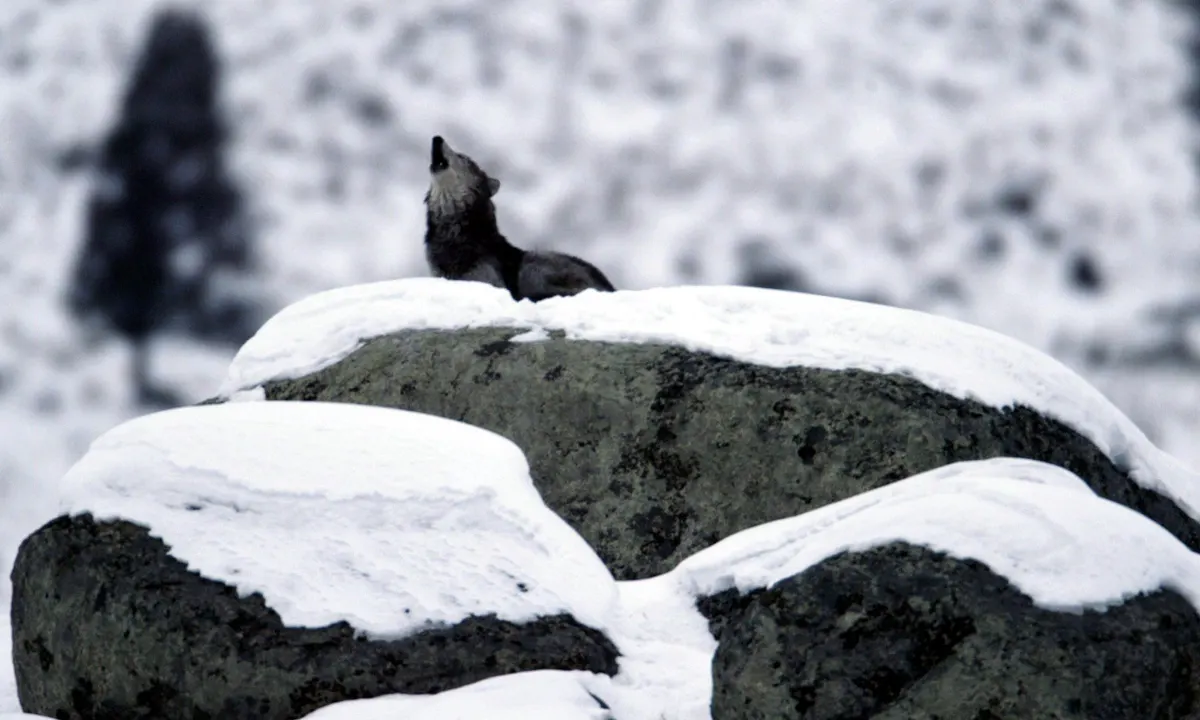
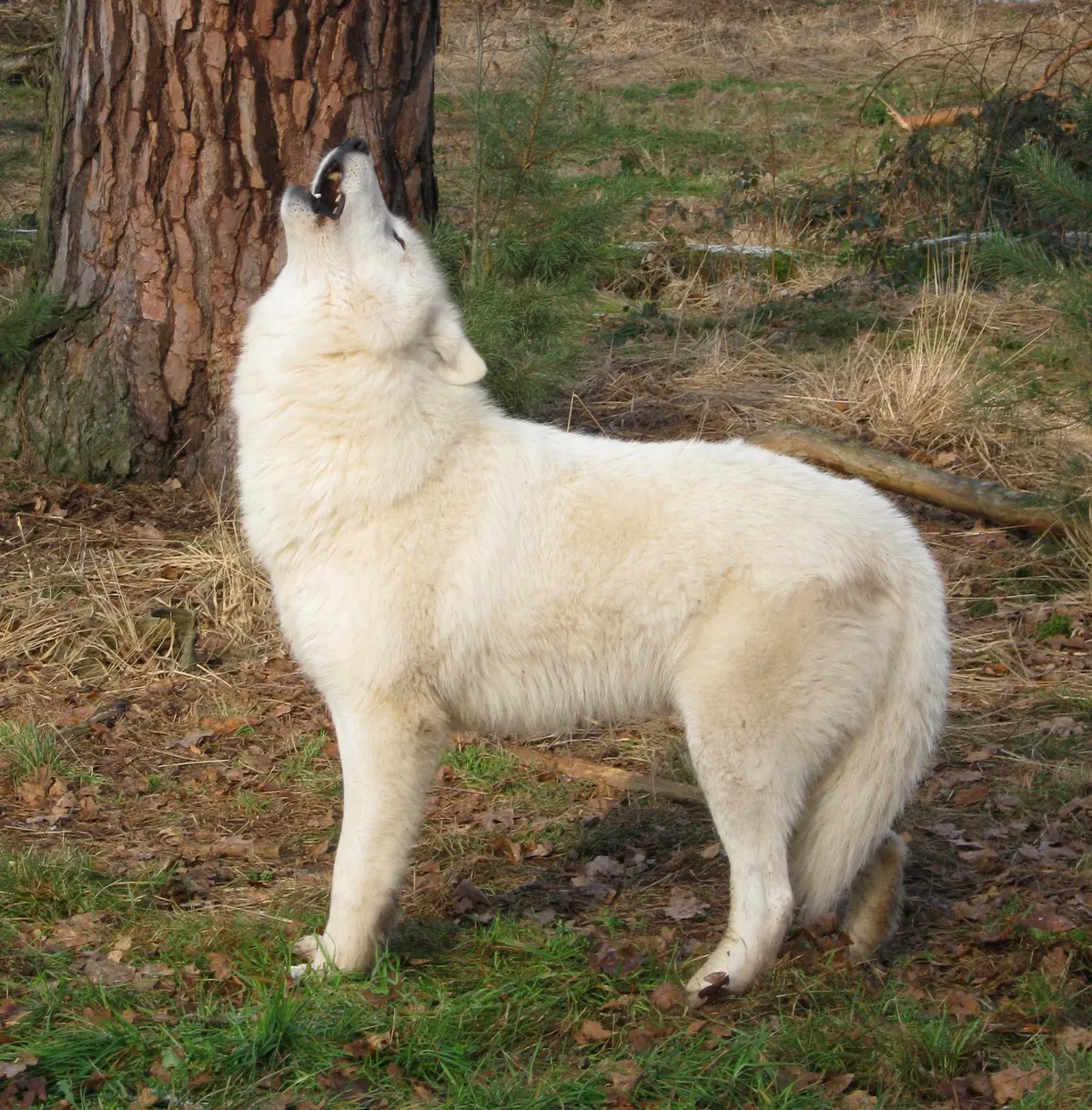
"A wolf's howl can carry for miles on a quiet night."
Wolves are wild dogs that live and hunt in packs across forests, tundra, and mountains. They communicate with howls, chase large prey together, and raise...
Loading page content

"A wolf's howl can carry for miles on a quiet night."
Wolves are wild dogs that live and hunt in packs across forests, tundra, and mountains. They communicate with howls, chase large prey together, and raise...
Explore wolf photos organized for learning and classroom observation.
Click any photo to view it larger. 8 images available.
Core article
Habitat, diet, behavior, and more — everything on one page.
Haunting the frosty stillness of the boreal forest with its spine-chilling howl, the gray wolf (Canis lupus) is the embodiment of the untamed wilderness. As the largest wild member of the dog family, the wolf is an apex predator whose intelligence, stamina, and fierce social loyalty have made it one of the most successful and widespread land mammals in history.
Far from the bloodthirsty monsters depicted in human mythology, wolves are highly social, devoted animals whose survival relies entirely on the strength of their family unit: the pack. Working in incredibly synchronized cooperation, a pack of wolves can bring down prey more than ten times their individual size. They are keystone predators, shaping the very ecosystems they inhabit by keeping large herbivore populations in check. From the freezing expanses of the Arctic tundra to the dense temperate forests of Europe, the wolf remains a symbol of wild endurance and complex animal intelligence.
The gray wolf is the evolutionary ancestor of all domestic dogs, representing the pinnacle of canine evolution.
The family Canidae includes foxes, coyotes, jackals, and wild dogs. The genus Canis encompasses the large true dogs. The gray wolf (Canis lupus) is one of the most widely researched species on the planet, and scientists currently recognize over 30 distinct subspecies based on geography and morphology, including the massive timber wolf and the pure white Arctic wolf. Evolutionarily, wolves evolved as highly specialized cursorial (running) predators, designed to pursue large, fleet-footed ungulates across open plains and through deep snow.
A gray wolf is built for supreme cardiovascular endurance and punishing physical power. They are large, deep-chested animals, measuring between 3.5 and 6.5 feet in length from nose to tail, and standing between 2 and 3 feet tall at the shoulder. Their weight varies drastically depending on the subspecies and geographical location; southern wolves may weigh as little as 50 pounds, while massive northern wolves in Alaska and Russia can tip the scales at 175 pounds.
Their physical adaptations for hunting are formidable. A wolf's skull is large and robust, anchoring massive jaw muscles capable of delivering a bone-crushing bite pressure of up to 1,500 pounds per square inch—double that of a large domestic dog. Their legs are long and relatively close together, allowing them to move with a smooth, loping gait that can cover dozens of miles a day without fatigue.
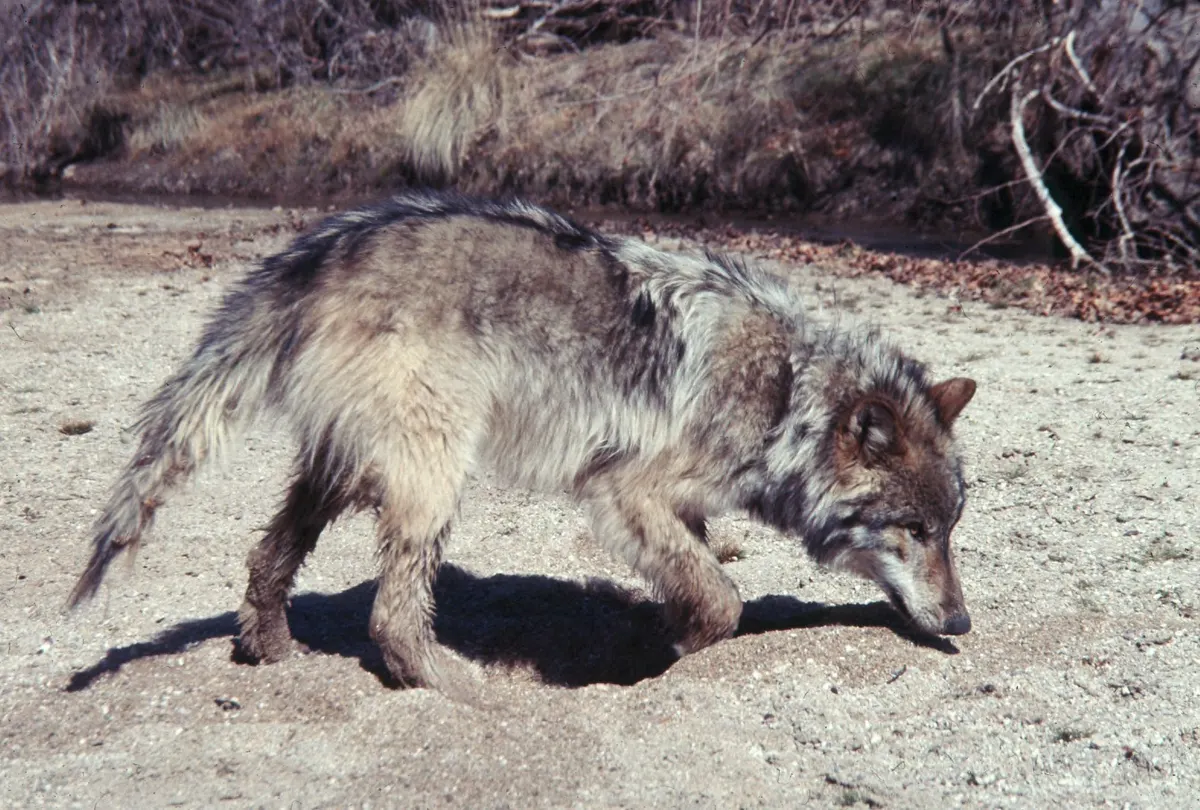
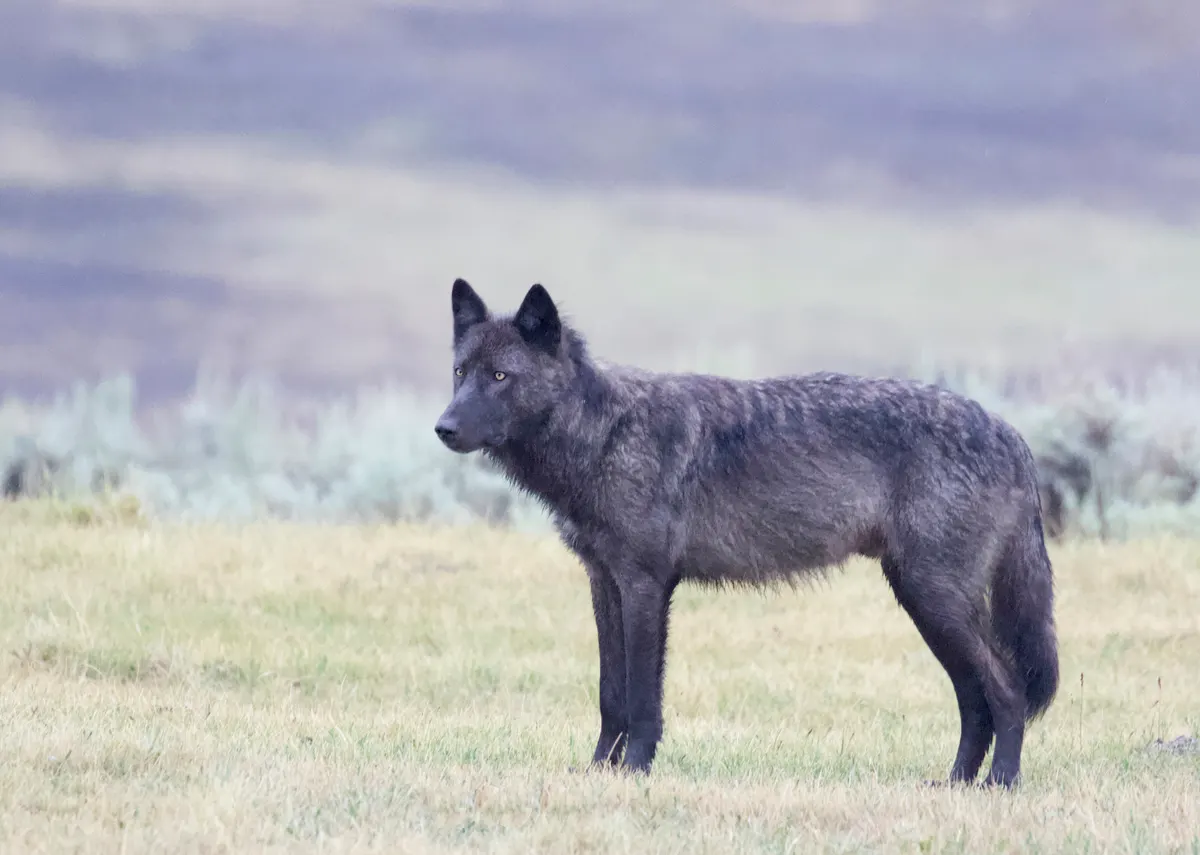
To survive the bitter cold of their northern habitats, wolves possess a dense, double-layered coat. The coarse, water-repellent guard hairs protect against snow and rain, while the thick, wooly undercoat provides extreme thermal insulation. Despite the name "gray wolf," their coats can range in color from pure white to grizzled gray, brown, rusty red, and jet black. Their paws are exceptionally large and webbed slightly, acting as snowshoes to distribute their weight over deep powder.

Historically, the gray wolf had one of the largest natural distributions of any terrestrial mammal, spanning across the entire Northern Hemisphere. Today, due to centuries of human persecution, their range has been significantly reduced, but they remain highly adaptable.
They currently inhabit vast, remote areas of North America (specifically Canada, Alaska, and the northern United States), Europe (including Spain, Italy, and Poland), and across the sweeping expanses of Russia, Mongolia, and northern India. They are not restricted to one specific biome; wolves thrive in dense temperate forests, freezing arctic tundra, mountainous alpine regions, and even arid desert margins, provided there is sufficient large prey and minimal human interference.

Wolves are obligate carnivores and apex pursuit predators. Their diet consists primarily of large, hooved mammals (ungulates). Depending on their region, they hunt deer, elk, moose, caribou, bison, and wild boar. When large prey is scarce, they will opportunistically consume smaller animals like beavers, hares, rodents, and occasionally scavenge carrion.
The success of the wolf lies in cooperative hunting. A single wolf cannot safely bring down a 1,000-pound moose; it requires the coordinated strategy of the entire pack. Wolves are not ambush predators like big cats; they hunt by testing a herd, forcing the animals to run, and identifying the weak, sick, or young. Once a target is selected, the pack gives chase. They rely on their incredible stamina to run their prey to the point of absolute exhaustion, reaching speeds of up to 37 mph in short bursts, but maintaining a steady pursuit for miles. After a massive kill, a hungry wolf can consume up to 20 pounds of meat in a single meal, burying the leftovers in the snow to eat later.

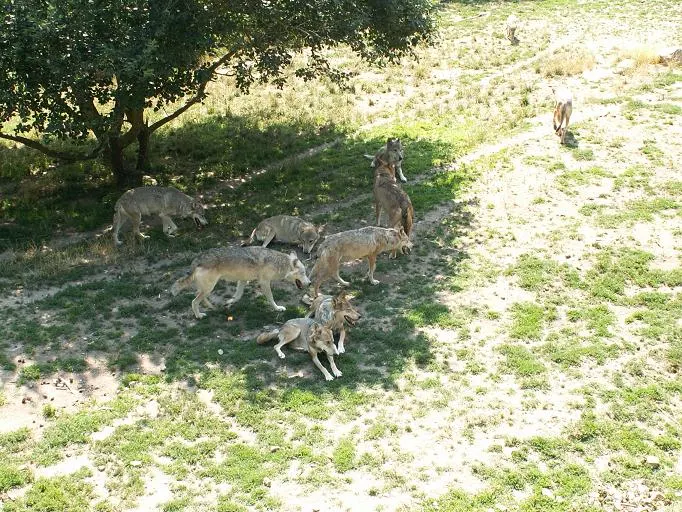
The core of a wolf's existence is the pack. A pack is essentially an extended family unit, typically consisting of 5 to 10 individuals, though massive packs of up to 30 have been recorded in areas with abundant prey.
The pack is led by the alpha pair (the breeding male and female), who direct the pack's movements and hunting strategies. The rest of the pack is usually composed of their offspring from previous years. The social hierarchy is strict and maintained through complex body language: dominant wolves stand tall with raised tails and forward-pointing ears, while subordinates crouch, tuck their tails, and lick the muzzles of the alphas to show submission.
Communication is vital for pack cohesion. Wolves utilize a sophisticated system of scent marking to define their massive territories, which can span hundreds of square miles. Their most famous form of communication is the howl. Howling serves multiple purposes: it rallies the pack before a hunt, locates separated members, and acts as a long-distance warning to rival packs to stay away. Each wolf has a unique vocal signature, and when the pack howls together, they harmonize at different pitches to make the group sound larger and more intimidating.

Reproduction within the pack is tightly controlled. Usually, only the alpha pair mates, which prevents overpopulation and ensures that the entire pack is invested in raising the single litter of pups. Mating occurs in late winter.
After a gestation period of roughly 63 days, the alpha female retreats to an excavated underground den to give birth to a litter of 4 to 6 pups. The pups are born blind, deaf, and entirely dependent on their mother's milk. The entire pack contributes to their survival; while the mother stays in the den, other members of the pack hunt and regurgitate partially digested meat for the mother and eventually the growing pups.
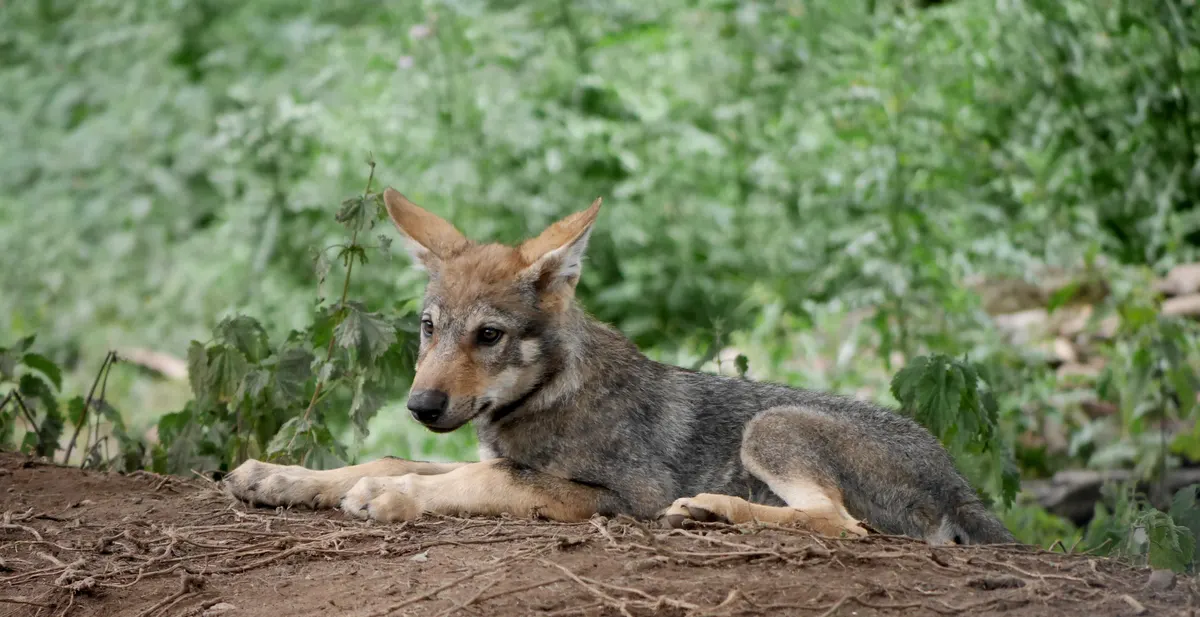
At about three weeks old, the pups emerge from the den and begin to play, learning vital social and hunting skills. By autumn, they are large enough to travel and hunt with the pack. While many young wolves choose to stay with their natal pack, others will disperse at around two years of age to seek out a mate and establish a new territory. In the wild, the life of a wolf is incredibly harsh, and they typically live for 6 to 8 years, though captive wolves can live up to 16 years.
(Population and conservation trend data sourced from the IUCN Red List of Threatened Species)
The gray wolf is currently classified as a species of Least Concern globally by the International Union for Conservation of Nature (IUCN), due to their vast range and stable populations in Canada, Alaska, and Russia.
However, on a local and regional scale, the conservation story is highly complex. For centuries, wolves were heavily persecuted, poisoned, and shot by ranchers and governments due to conflicts over livestock depredation and human fear, leading to their complete eradication from much of Western Europe and the lower 48 United States. In recent decades, intense conservation efforts and landmark reintroduction programs (such as in Yellowstone National Park) have successfully restored wolf populations to some of their historical ranges. Despite these successes, the delicate balance between protecting wild wolves and managing human-wildlife conflict remains a highly contentious and ongoing challenge.
To learn more about the gray wolf and ongoing conservation efforts, consult the following authoritative resources:
A wolf's howl can carry for miles on a quiet night.
Wolf packs are usually led by a breeding pair and their offspring.
Pups are born in underground dens in spring.
Wolves can eat up to 20 pounds of meat in one meal after a big hunt.
Each wolf has a unique howl that pack members can recognize.
Wolves use body language, scent, and sound to communicate.
Select a question to reveal the answer.
A wolf is a wild member of the dog family. Wolves live in packs and hunt animals such as deer and elk.
Wolves live in forests, mountains, and tundra across North America, Europe, and Asia. They need large wild areas with prey.
Wolves are carnivores that eat meat. They hunt deer, elk, moose, bison, and other large animals, often working as a pack.
Wolves howl to keep in touch with pack members, warn rivals, and strengthen social bonds.
Healthy wild wolves usually avoid people. Conflicts are rare, but wolves should always be watched from a safe distance.
Dogs descended from wolves, but wolves remain wild animals with stronger instincts to hunt and defend territory in packs.
Gray wolves are listed as Least Concern overall, but some local populations were wiped out and later reintroduced through conservation programs.