Fox Facts
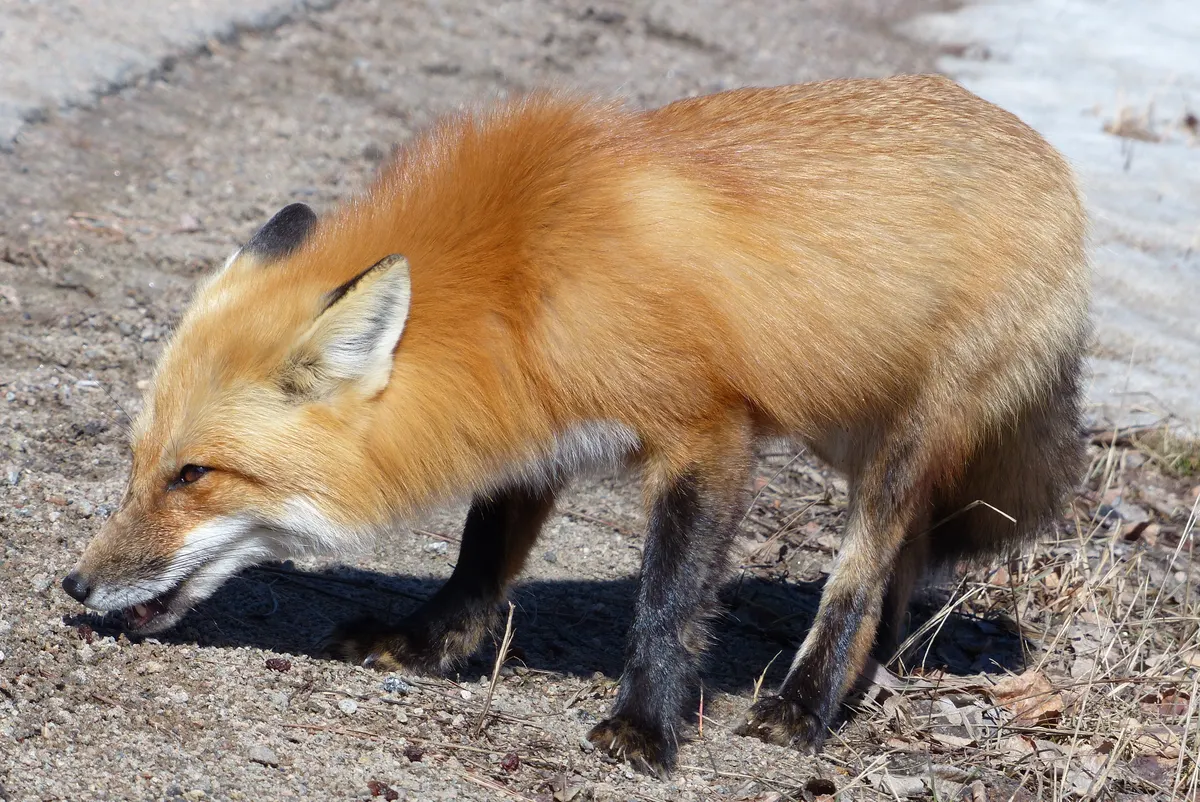
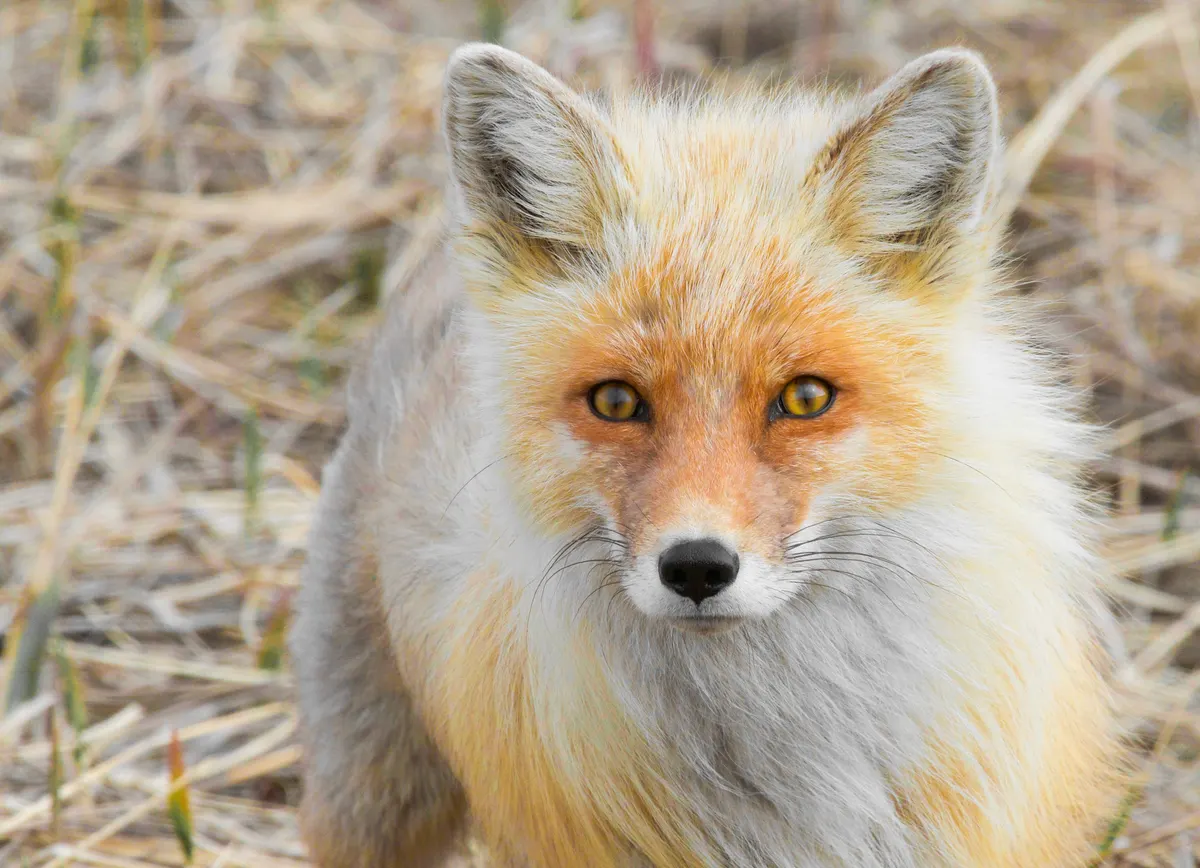
"A fox uses its bushy tail for balance and warmth."
Red foxes are quick, clever wild dogs with bushy tails and excellent hearing. They hunt mice and rabbits, raise kits in dens, and live from Arctic tundra to...
Loading page content

"A fox uses its bushy tail for balance and warmth."
Red foxes are quick, clever wild dogs with bushy tails and excellent hearing. They hunt mice and rabbits, raise kits in dens, and live from Arctic tundra to...
Explore red fox photos organized for learning and classroom observation.
Click any photo to view it larger. 8 images available.
Core article
Habitat, diet, behavior, and more — everything on one page.
Slinking through the underbrush of dense forests, darting across arid savannas, and increasingly navigating the concrete labyrinths of urban environments, the red fox is a masterpiece of mammalian adaptability. As the most widely distributed wild carnivore on the planet, this cunning canid has woven itself into human mythology and ecological webs alike. Armed with hyper-sensitive acoustics, highly localized hunting techniques, and a complex social intelligence, the red fox represents the apex of evolutionary versatility within the Canidae family.
The red fox, scientifically designated as Vulpes vulpes, is a member of the kingdom Animalia, phylum Chordata, and class Mammalia. It falls within the order Carnivora and the family Canidae, which includes wolves, coyotes, and domestic dogs. The genus Vulpes encompasses the "true foxes," a lineage distinct from other canid groups.
Evolutionarily, Vulpes vulpes emerged in Eurasia during the Middle Pleistocene. Its lineage represents a deep evolutionary divergence from larger, pack-hunting canids. Instead of relying on brute strength and cooperative takedowns of large ungulates, the fox evolved for solitary stalking and explosive, precise strikes on small mammals. This evolutionary path necessitated the development of a lighter skeletal structure, heightened sensory apparatus, and behavioral plasticity.
A morphologically diverse species, the red fox exhibits significant size variation depending on geographic location, generally ranging from 18 to 35 inches in body length with a shoulder height of 14 to 20 inches. They typically weigh between 6 and 24 pounds. Their most prominent physical trait is the dense, russet-red pelage, although melanistic (black) and silver morphs occur naturally.
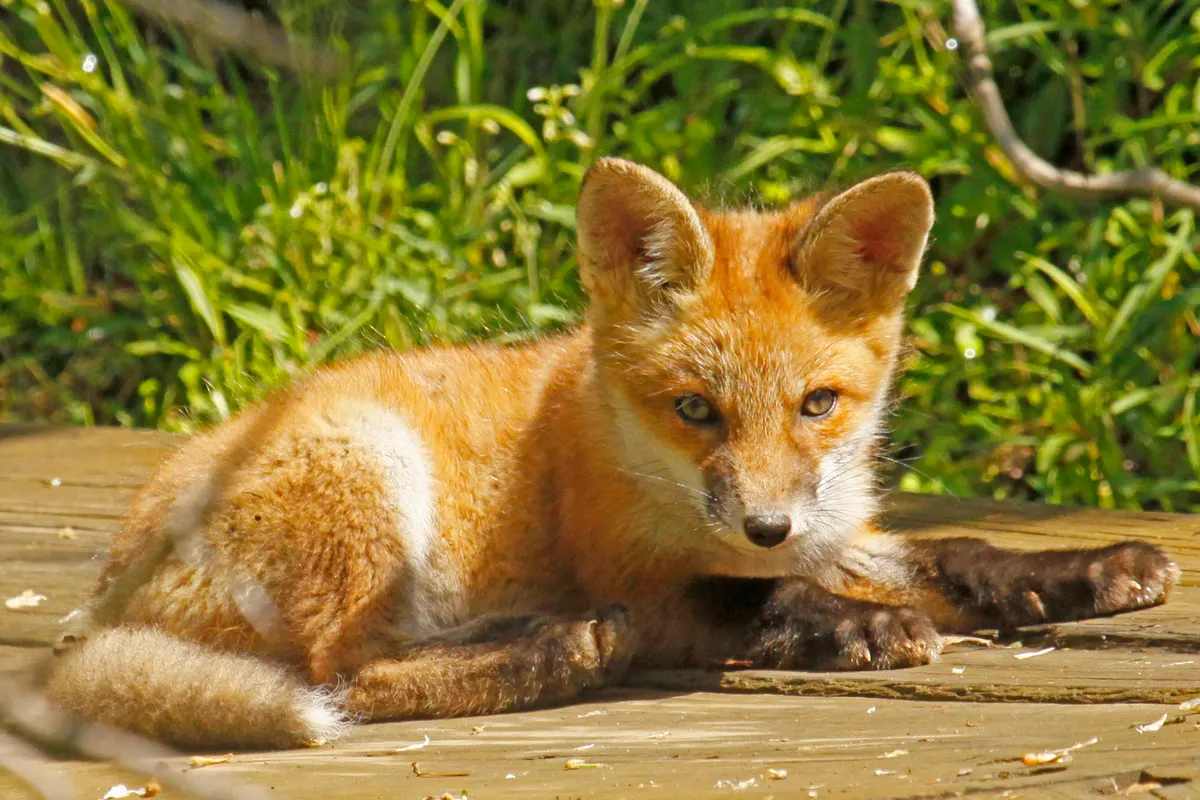
The anatomy of the red fox is fine-tuned for cursorial locomotion and acute sensory reception. They possess an elongated rostrum housing sharp dentition optimized for shearing meat and crushing insect exoskeletons. Their distinctive, bushy tail—accounting for nearly a third of their total body length—serves multiple crucial biological functions: it acts as a counterbalance during high-speed, erratic pursuits (allowing them to execute rapid turns at speeds up to 30 mph), provides thermal insulation when wrapped around the body during winter rest, and acts as a visual signaling flag for intraspecific communication.
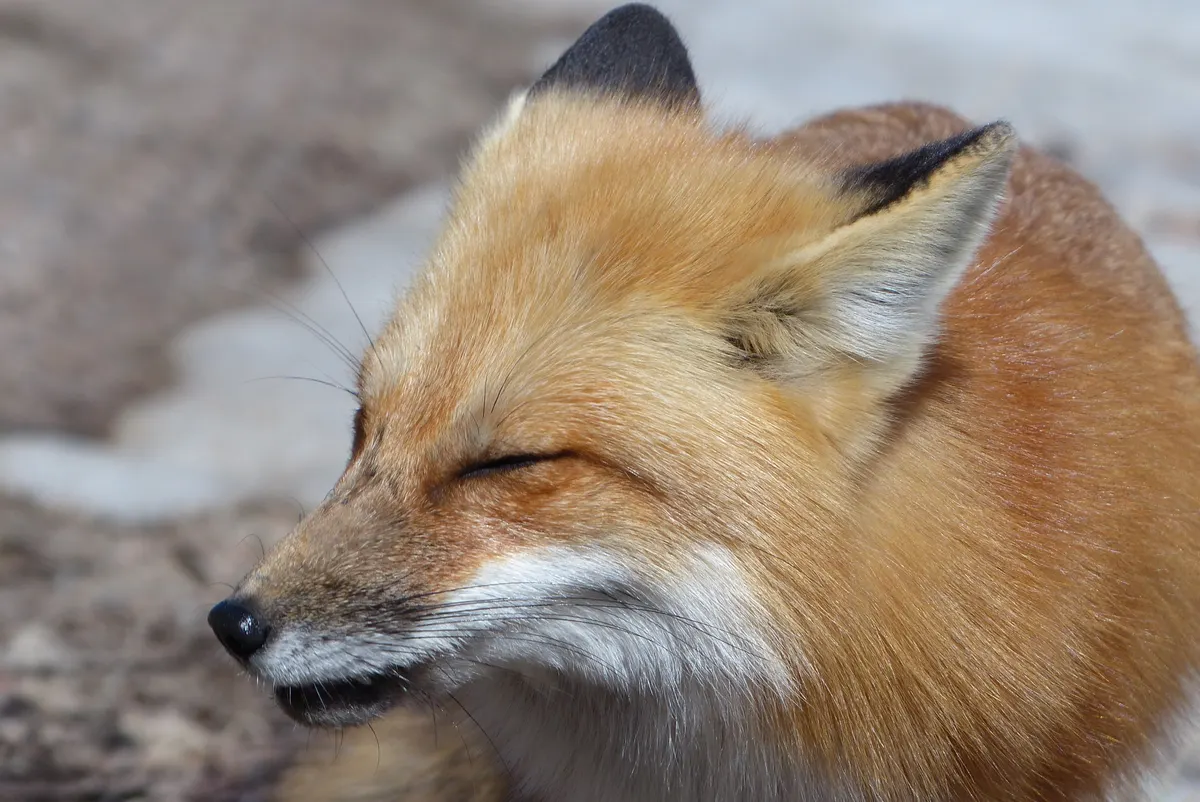
Perhaps their most vital anatomical adaptation is their auditory system. A fox's large, upright pinnae can rotate independently, allowing them to pinpoint the exact location of low-frequency rustling, effectively giving them the ability to hear rodents burrowing deep beneath snow or subterranean soil.

The red fox boasts a near-global distribution, spanning North America, Europe, Asia, and the northern fringes of Africa. They have even been introduced to Australia, where they have become a devastating invasive predator.
Their biome tolerance is extraordinarily broad. They thrive in temperate broadleaf forests, expansive grasslands, arid savannas, and the freezing expanses of the Arctic tundra. This adaptability stems from their lack of strict habitat requirements; they require only a viable prey base and sufficient cover for denning. In recent decades, red foxes have successfully colonized urban and suburban landscapes, utilizing culverts for dens and heavily exploiting anthropogenic food sources, demonstrating an exceptional degree of synanthropy.

While taxonomically classified as a carnivore, the red fox is ecologically a highly opportunistic omnivore. Their primary diet consists of small terrestrial mammals, heavily favoring mice, voles, and leporids (rabbits and hares). However, they readily shift their foraging based on seasonal availability, consuming ground-nesting birds, invertebrates (such as beetles and earthworms), and substantial quantities of vegetative matter, including wild berries and fallen fruit.
Their hunting technique is iconic. Upon detecting a subterranean or hidden rodent via their acute hearing, the fox utilizes a specialized "mousing leap." They launch themselves vertically into the air at a steep trajectory, plunging nose-first into the snow or vegetation to pin the prey with their forepaws.
Furthermore, foxes practice caching behavior. When prey is abundant, they systematically bury surplus food in shallow excavated pits, marking the cache with urine. This spatial memory mapping ensures a reliable caloric reserve during times of scarcity.

Contrary to the pack structure of their wolf cousins, red foxes are primarily solitary hunters. However, their social structure during the breeding season is surprisingly complex. They typically form monogamous breeding pairs, though polygyny (one male with multiple females) is occasionally observed in environments with high resource density.
Foxes communicate through a vast repertoire of vocalizations—including barks, whines, and a chilling, high-pitched scream often heard during the breeding season. Chemical communication is equally vital. They possess paired anal sacs and a supracaudal gland (the "violet gland") at the base of the tail, which secrete highly pungent, musky volatile compounds used to aggressively demarcate territorial boundaries and advertise reproductive status.
Infanticide and intense competition can occur; occasionally, subordinate non-breeding females (often offspring from the previous year) remain in the territory to act as "helpers," assisting in rearing the current litter by provisioning food and guarding the den, a fascinating display of alloparental care.

The reproductive cycle is tightly synchronized with seasonal changes. Following a gestation period of approximately 52 days, the female (vixen) retreats to a subterranean den—often an enlarged badger or marmot burrow—to give birth to a litter of 4 to 6 altricial offspring, known as kits or cubs.
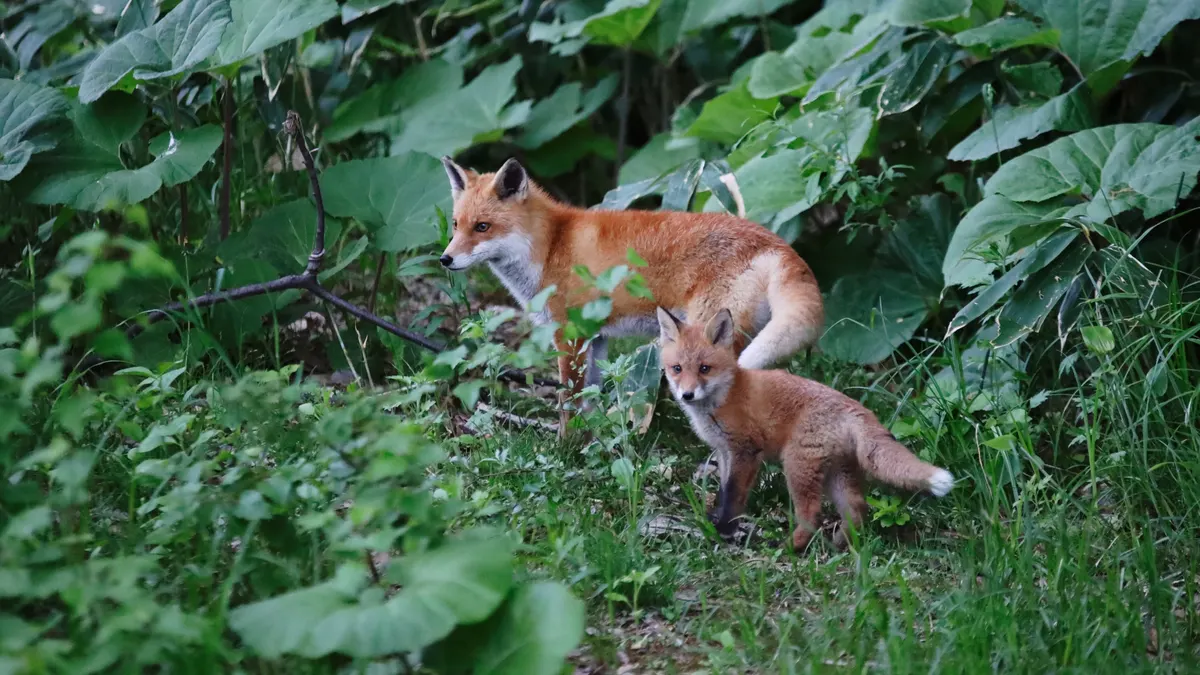
The kits are born blind, deaf, and entirely dependent on the vixen's milk. During this critical early phase, the male (dog fox) vigorously hunts and provisions the lactating female. By one month of age, the kits begin to emerge from the den, engaging in intense play-fighting. This play is not merely frivolous; it is critical neurological and physical conditioning, establishing dominance hierarchies and honing the precise motor skills required for the mousing leap.
Weaning occurs at around 8 to 10 weeks, and the kits begin accompanying the adults on foraging expeditions. By autumn, juvenile dispersal occurs, with young foxes traveling significant distances to establish their own territories. While they can live up to 14 years in captivity, high mortality rates from predation, disease, and vehicular collisions limit their wild lifespan to a mere 3 to 6 years.
(Population and conservation trend data sourced from the IUCN Red List of Threatened Species)
Globally, the red fox is classified by the IUCN as a species of "Least Concern" with a stable population trend. Their sheer adaptability makes them highly resilient to localized ecological disruptions.
However, they are not without threats. They face intense predation from larger carnivores, including wolves, coyotes, and golden eagles. Historically, the primary threat to foxes has been human exploitation via the fur trade and intensive culling campaigns, particularly in regions where they are viewed as agricultural pests or vectors for diseases such as rabies and sarcoptic mange. While globally secure, isolated geographic subspecies (such as the Sierra Nevada red fox) face critical endangerment due to habitat fragmentation and genetic isolation.
A fox uses its bushy tail for balance and warmth.
Foxes can hear rodents moving underground.
Red foxes have a wide range of coat colors, including black and silver.
Fox kits play-fight to practice hunting skills.
A group of foxes is sometimes called a skulk or leash.
Foxes store extra food by burying it to eat later.
Select a question to reveal the answer.
A fox is a small wild member of the dog family. The red fox is the most widespread species and lives on several continents.
Red foxes live in forests, grasslands, farms, deserts, and even city parks across Europe, Asia, North America, and parts of Africa.
Foxes eat mice, voles, rabbits, birds, insects, fruit, and other food they can catch or find.
A baby fox is called a kit or cub. Kits are born in an underground den.
Foxes are most active at night and at dawn or dusk, though they may come out in daylight too.
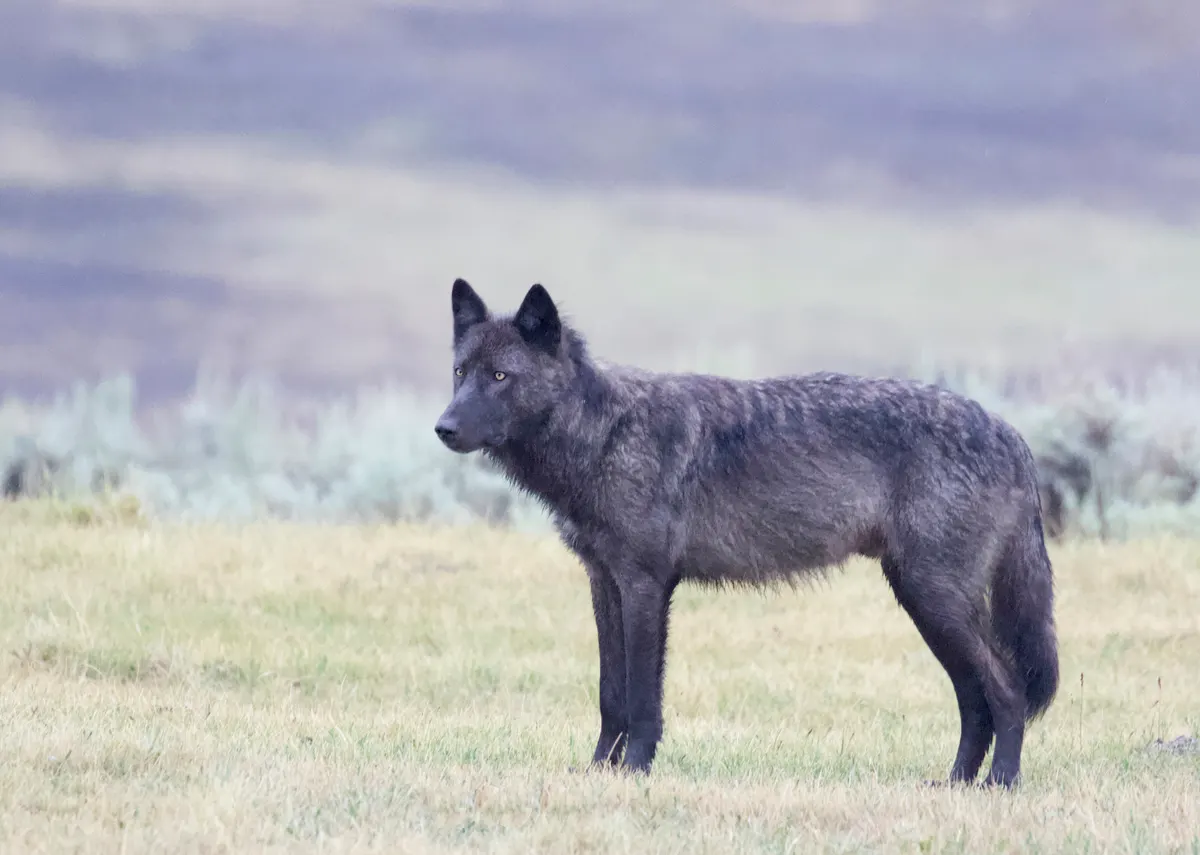
Foxes are much smaller, usually hunt alone, and eat smaller prey. Wolves live in packs and hunt large animals.
Red foxes are listed as Least Concern and remain common in many regions, though local populations can still face threats.