Komodo Dragon Facts
"Komodo dragons are the largest lizards alive today."
Komodo dragons are the largest living lizards. They live on a few Indonesian islands, hunt large prey with a powerful bite, and use their forked tongues to...
Loading page content

"Komodo dragons are the largest lizards alive today."
Komodo dragons are the largest living lizards. They live on a few Indonesian islands, hunt large prey with a powerful bite, and use their forked tongues to...
Varanus komodoensisSquamataVaranidae
Explore komodo dragon photos organized for learning and classroom observation.
Click any photo to view it larger. 8 images available.
Core article
Habitat, diet, behavior, and more — everything on one page.
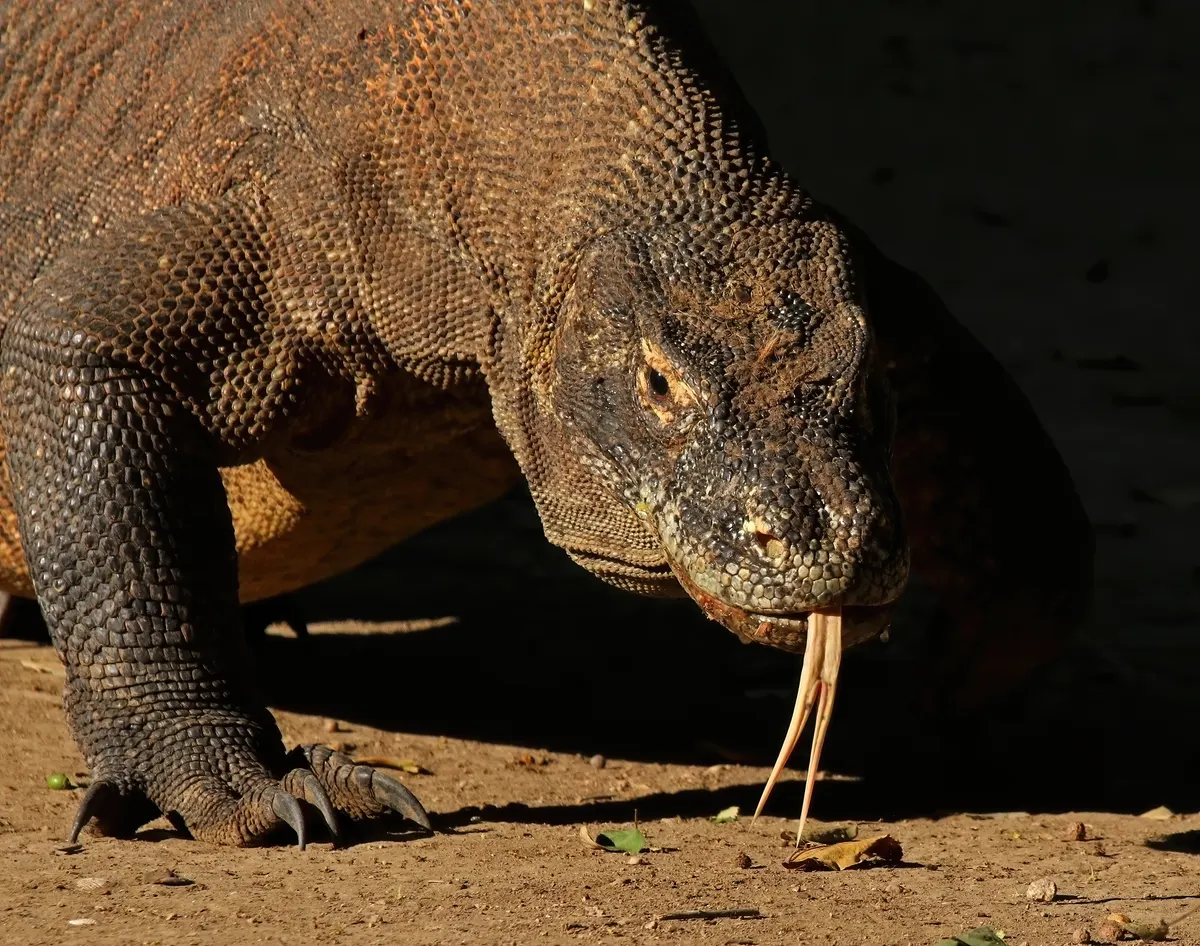
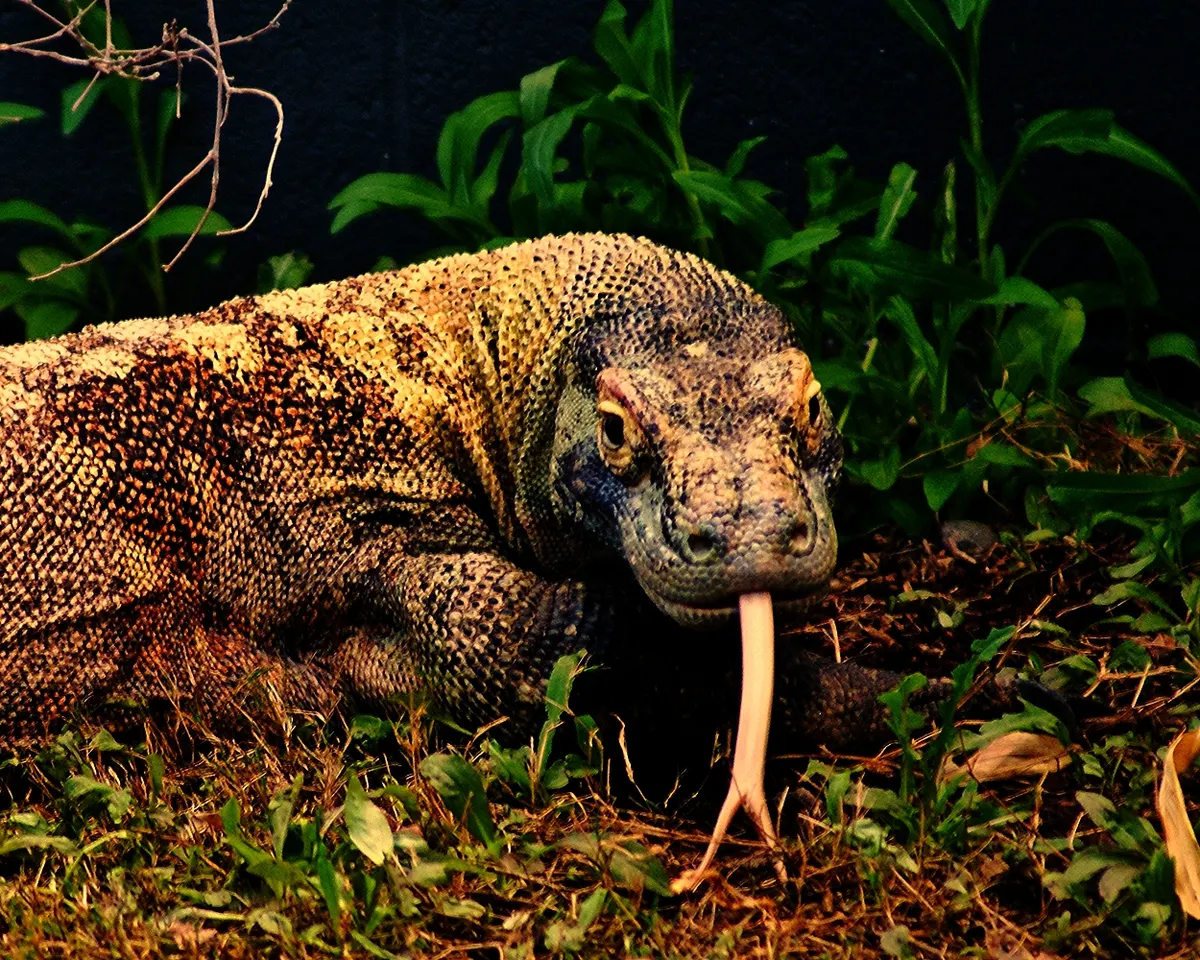
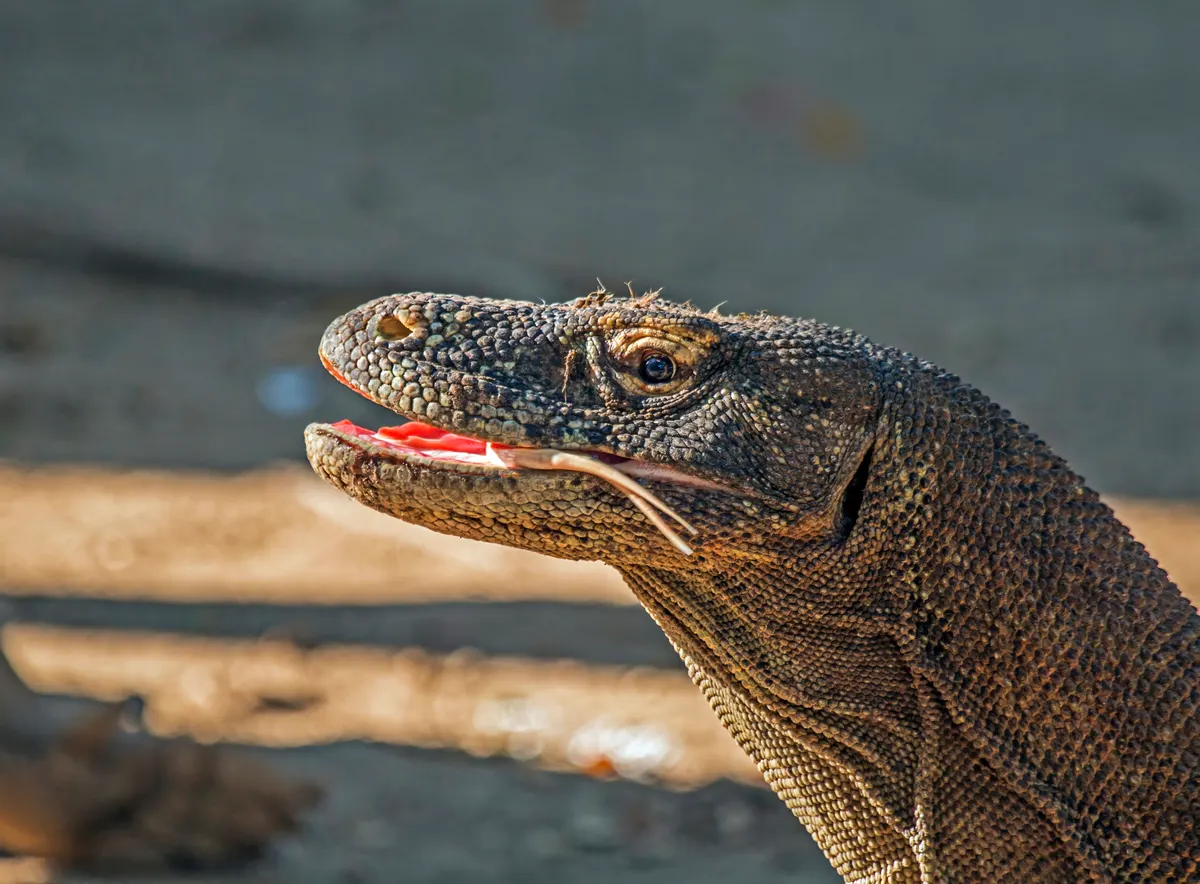
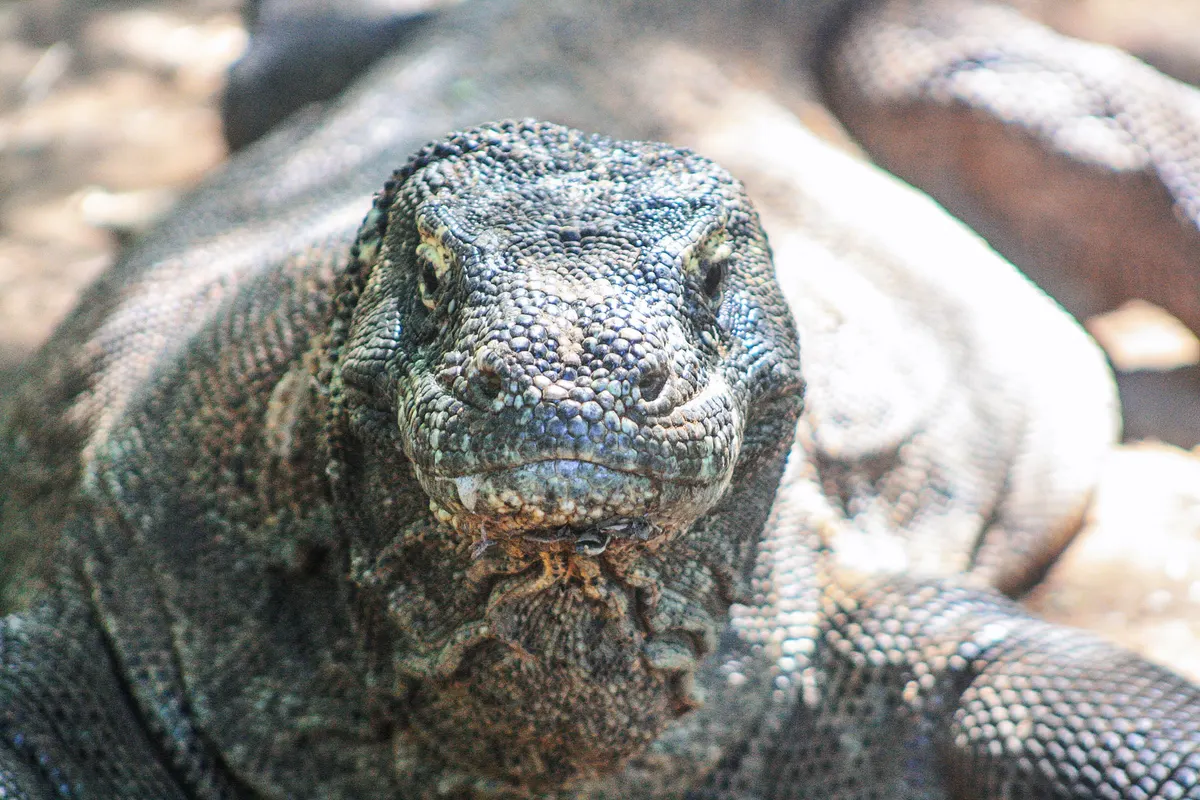
The Komodo dragon (Varanus komodoensis) is a creature of legend, an apex predator that dominates a small archipelago of harsh, volcanic islands in the Indonesian archipelago. As the largest and heaviest living lizard on Earth, this formidable monitor commands respect with its massive size, armor-plated scales, and devastating hunting tactics. Armed with serrated teeth, a venomous bite, and a remarkably keen sense of smell mediated by its forked tongue, the Komodo dragon routinely hunts prey much larger than itself, including deer and water buffalo. It is a striking example of island gigantism, a biological phenomenon where isolation allows a species to grow exponentially in the absence of competing mammalian carnivores.
The Komodo dragon represents the pinnacle of monitor lizard evolution, descending from an ancient lineage of giant varanids that originated in Asia and migrated through Australia.
The family Varanidae includes all monitor lizards. Fossil evidence suggests that the direct ancestors of the Komodo dragon evolved in Australia roughly 4 million years ago before migrating westward to the Lesser Sunda Islands. The species achieved its massive size through a combination of island gigantism and adapting to hunt the now-extinct pygmy elephants (Stegodon) that once inhabited the region.
A mature Komodo dragon is a massive, heavily built reptile. Males are substantially larger than females, often reaching lengths of up to 10 feet (3 meters) and weighing between 150 and 200 pounds (70 to 90 kilograms) after a large meal.

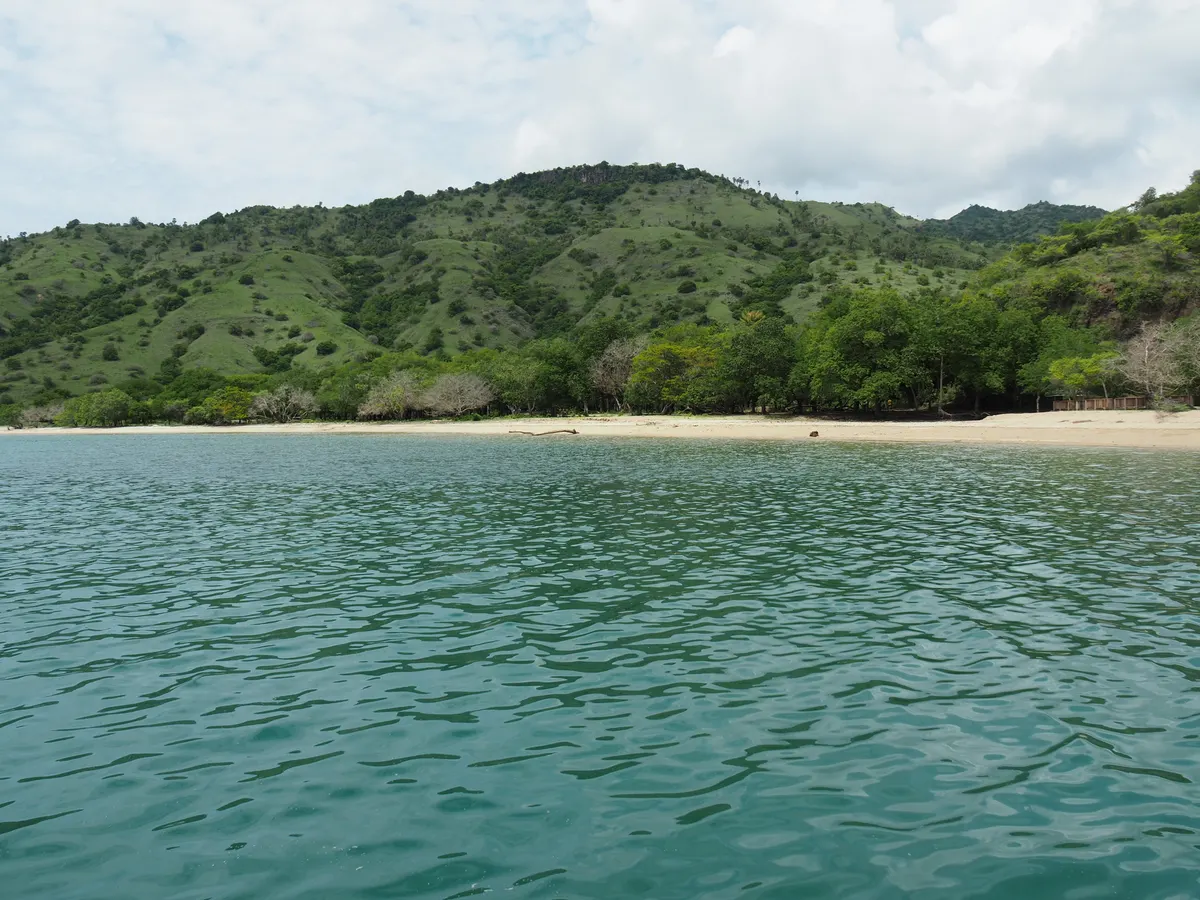
The geographic range of the Komodo dragon is incredibly restricted, making it highly vulnerable to localized environmental disruptions. They are endemic to only a few rugged volcanic islands in central Indonesia, primarily within Komodo National Park.
To escape the blistering midday heat, dragons maintain extensive networks of burrows dug up to 9 feet into the earth, maintaining a stable microclimate.

As an apex predator and obligate carnivore, the Komodo dragon's diet shifts as it matures. Juvenile dragons are agile climbers, spending their early years in the canopy hunting insects, small lizards, and birds to avoid cannibalistic adults.
Adult dragons are terrestrial ambush predators capable of bringing down massive prey:
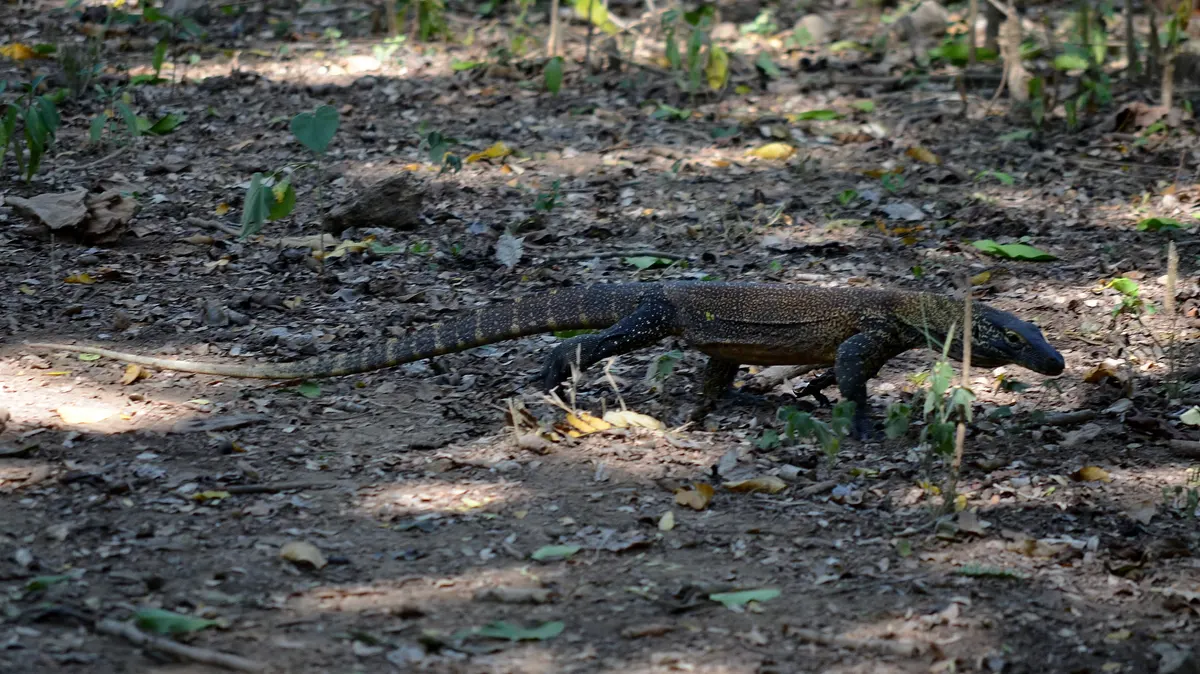
The dragon's hunting strategy relies on immense patience and explosive bursts of speed. Camouflaged against the dry earth, the dragon waits along game trails. When prey passes, the dragon launches a high-speed ambush, capable of sprinting up to 12 mph (20 km/h).
For smaller prey like pigs or deer, a powerful bite to the neck or belly is often fatal. For massive prey like water buffalo, the dragon targets the hind legs, using its serrated teeth and venomous saliva to hamstring the animal and induce shock. The dragon will then track the dying animal for days until it collapses. Their jaws are highly kinetic, and their stomach expands dramatically, allowing an adult dragon to consume up to 80% of its own body weight in a single sitting.

Komodo dragons are solitary reptiles, associating only to breed or when drawn to a large carcass. The scent of a kill can attract dozens of dragons from miles around. During these communal feeding events, a strict, size-based hierarchy dictates feeding rights. Large dominant males eat first, aggressively defending the carcass with hisses, tail whips, and physical attacks against smaller individuals.
During the breeding season, mature males engage in spectacular, violent combat for mating rights. They rear up on their hind legs, using their muscular tails for balance, and grapple with their forelimbs in an attempt to wrestle the opponent to the ground. These bipedal wrestling matches can result in severe injuries, yet dragons show a remarkable resistance to the virulent bacteria present in their own mouths.

The reproductive biology of the Komodo dragon includes standard sexual reproduction as well as the remarkable ability to reproduce asexually.
(Population and conservation trend data sourced from the IUCN Red List of Threatened Species)
Despite their fearsome reputation, the Komodo dragon is highly vulnerable to extinction. The IUCN has classified the species as Endangered, with a decreasing population trend. There are estimated to be fewer than 3,500 individuals remaining in the wild.
The primary threats to their survival include:
Komodo dragons are the largest lizards alive today.
They can smell carrion from miles away using their forked tongues.
Young Komodo dragons often live in trees to avoid being eaten by adults.
A Komodo dragon can run faster than many people expect for such a large reptile.
Komodo dragons can swim between nearby islands when they need to move.
Female Komodo dragons can sometimes lay fertile eggs even without a male.
Select a question to reveal the answer.
A Komodo dragon is a huge monitor lizard and the largest living lizard on Earth. It lives on a few islands in Indonesia.
Wild Komodo dragons live only on a few Indonesian islands, mainly in and around Komodo National Park.
Komodo dragons are carnivores. They hunt deer, wild pigs, and other large animals, and they also eat carrion.
Yes. Komodo dragons are listed as Endangered because they live in a very small wild range and face habitat and prey loss.
Yes. A Komodo dragon bite delivers venom and harmful bacteria that help weaken prey.
Large adults can grow up to about 10 feet long and weigh around 150 to 200 pounds.