
Savanna Animals

Habitats hub

Savanna Animals

Explore savanna animals and how they survive seasonal grasslands, fire, drought, and predators, with wildlife photos, habitat facts, diets, and conservation.

Species listed
20
Diet mix
8 herbivore · 8 carnivore · 4 omnivore
Updated
August 2026

20 species · 8 herbivore, 8 carnivore, 4 omnivore

Overview

Grasslands with scattered trees

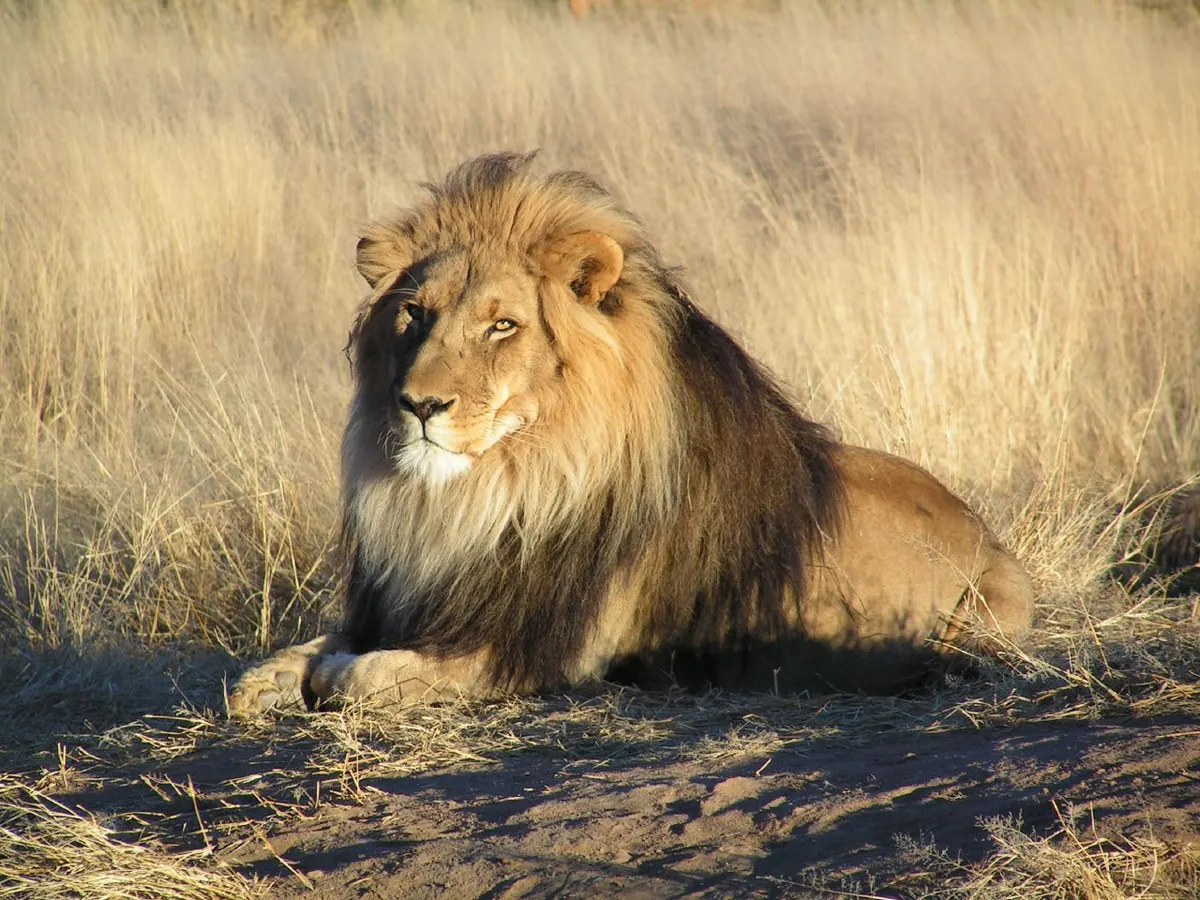
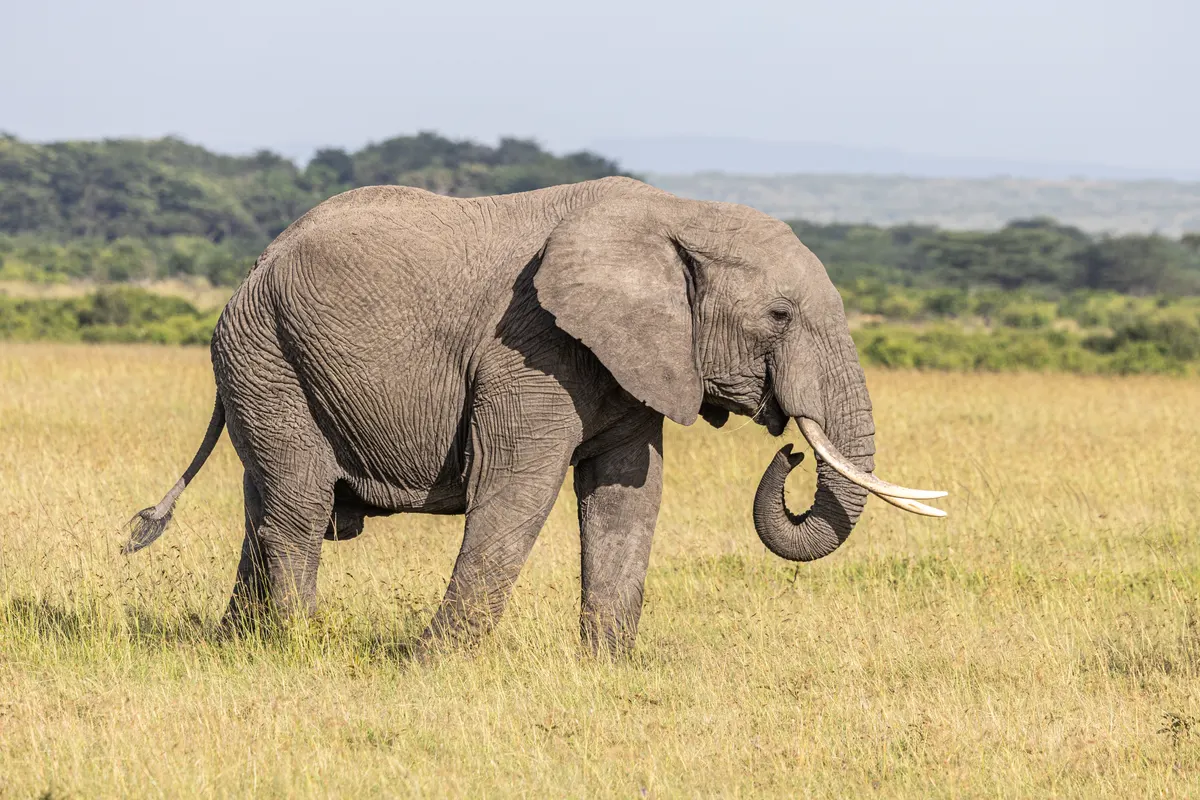
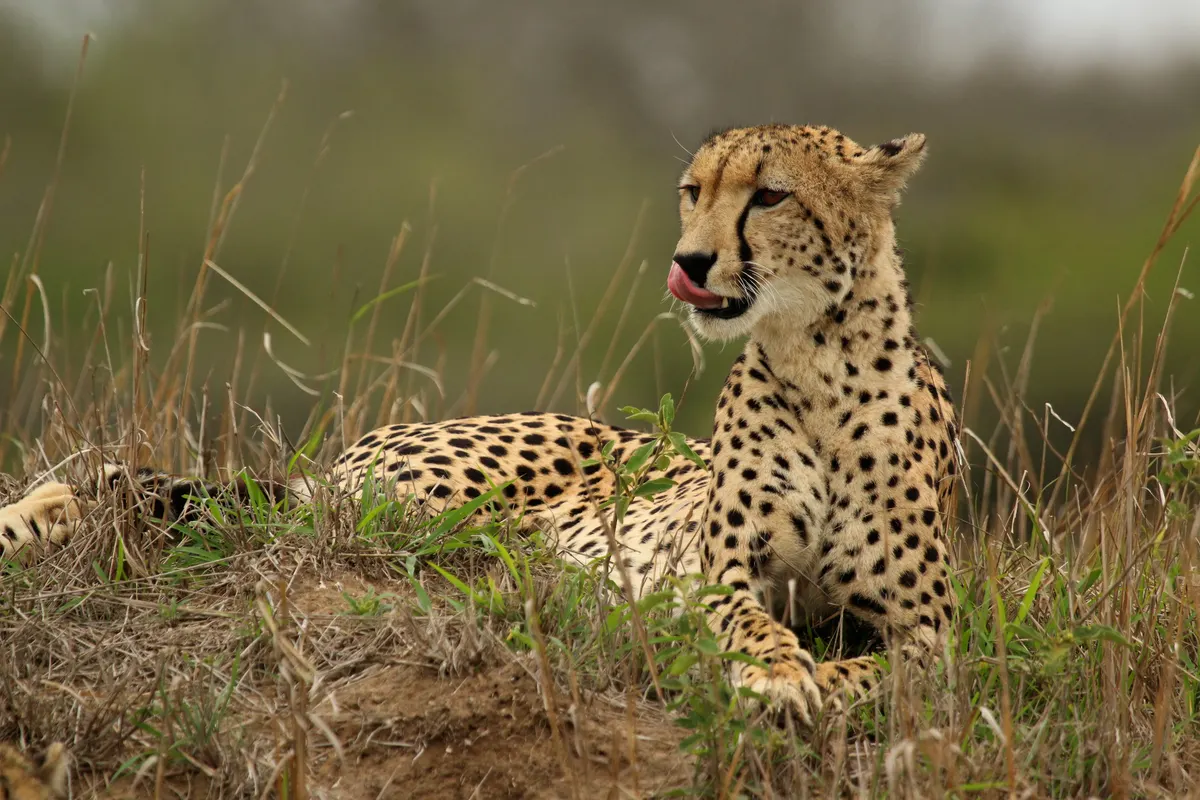
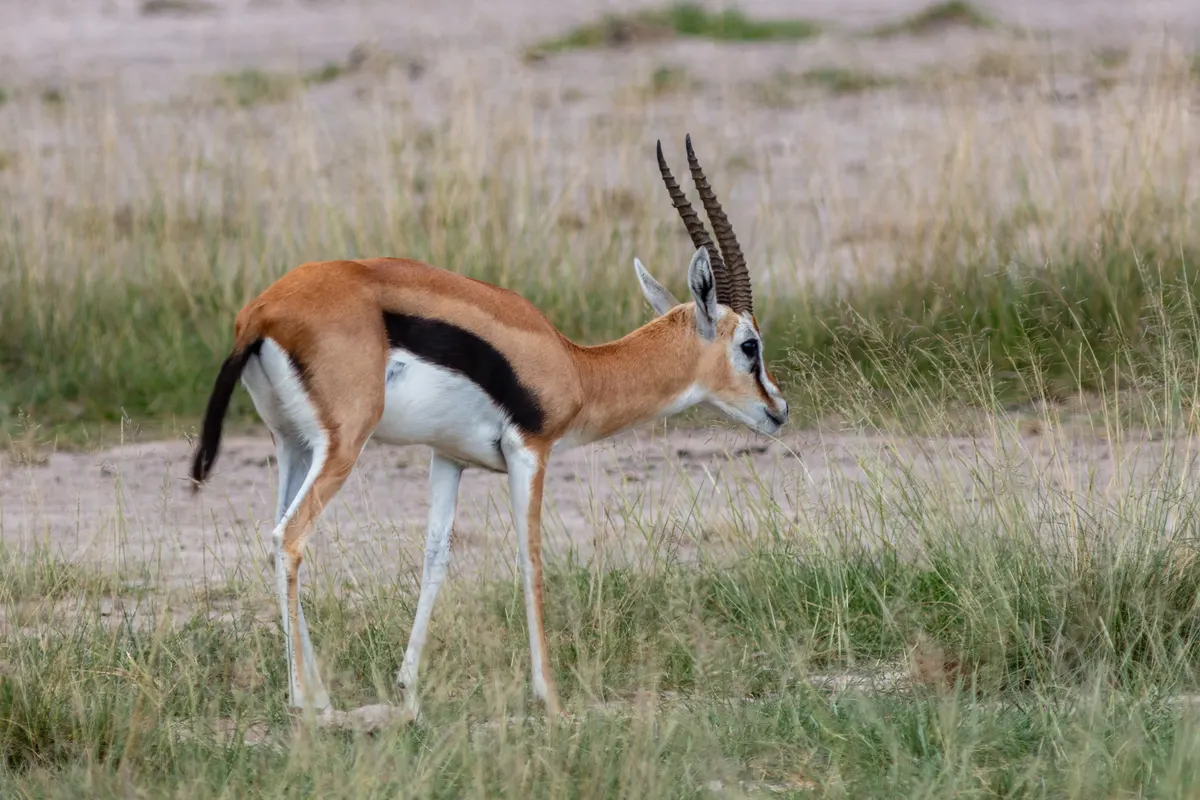
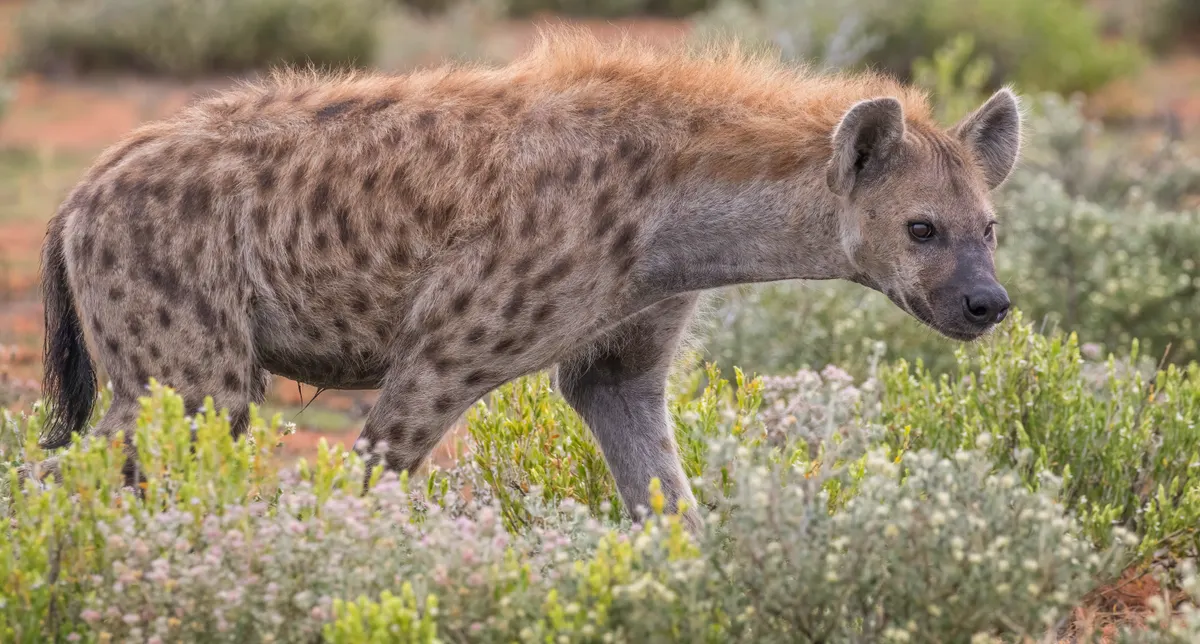
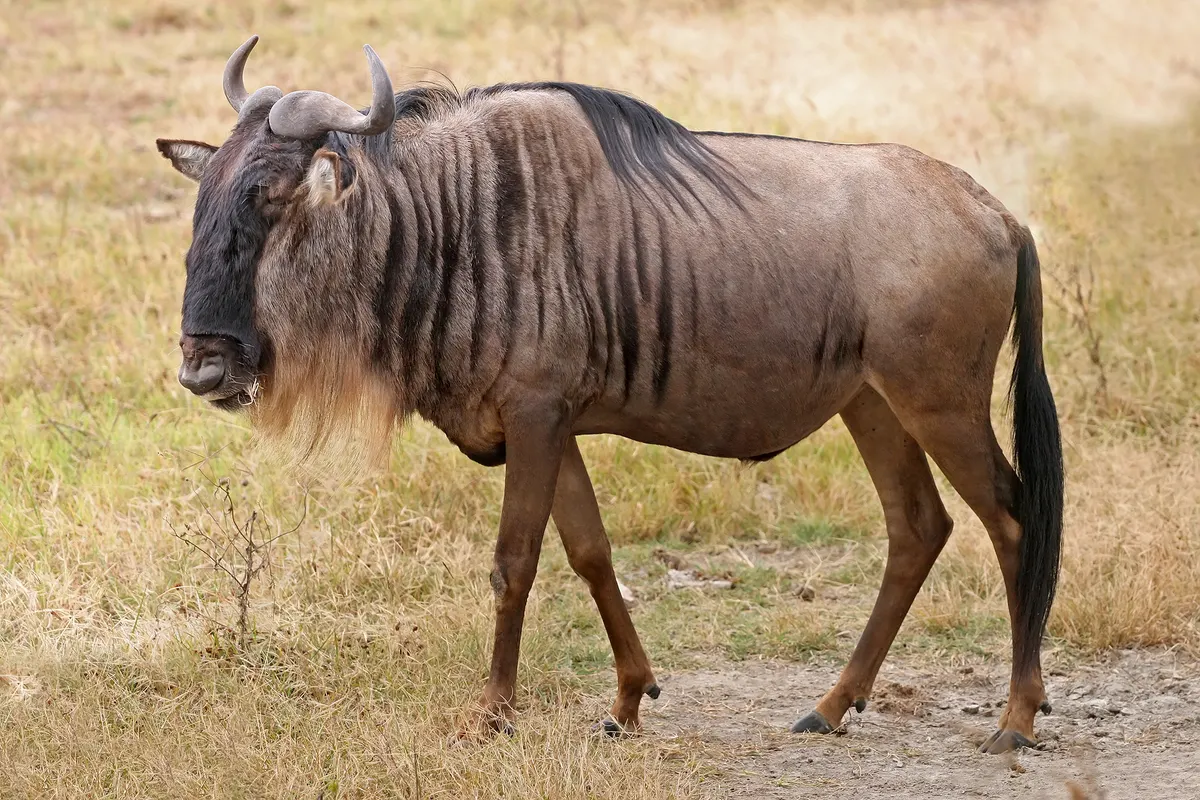
Savannas mix open grass, seasonal rainfall, and scattered woodland. African Elephant, Giraffe, and Zebra graze and browse across wide ranges. Lion, Cheetah, and Spotted Hyena hunt in the open where speed and stamina matter. Wildebeest and Gazelle migrate with rain and fresh grass.

Start here

Featured species

3 entry points into this cluster — each profile has range, diet, behavior, and conservation detail.

Species directory

All 20 animals in this hub

Flagship species appear first. Open any card for range maps, diet, behavior, and conservation status.

Field guide

Ecology & context

Adaptations, threats, and comparisons — background for readers who want more than the species directory.

Predator–prey dynamics

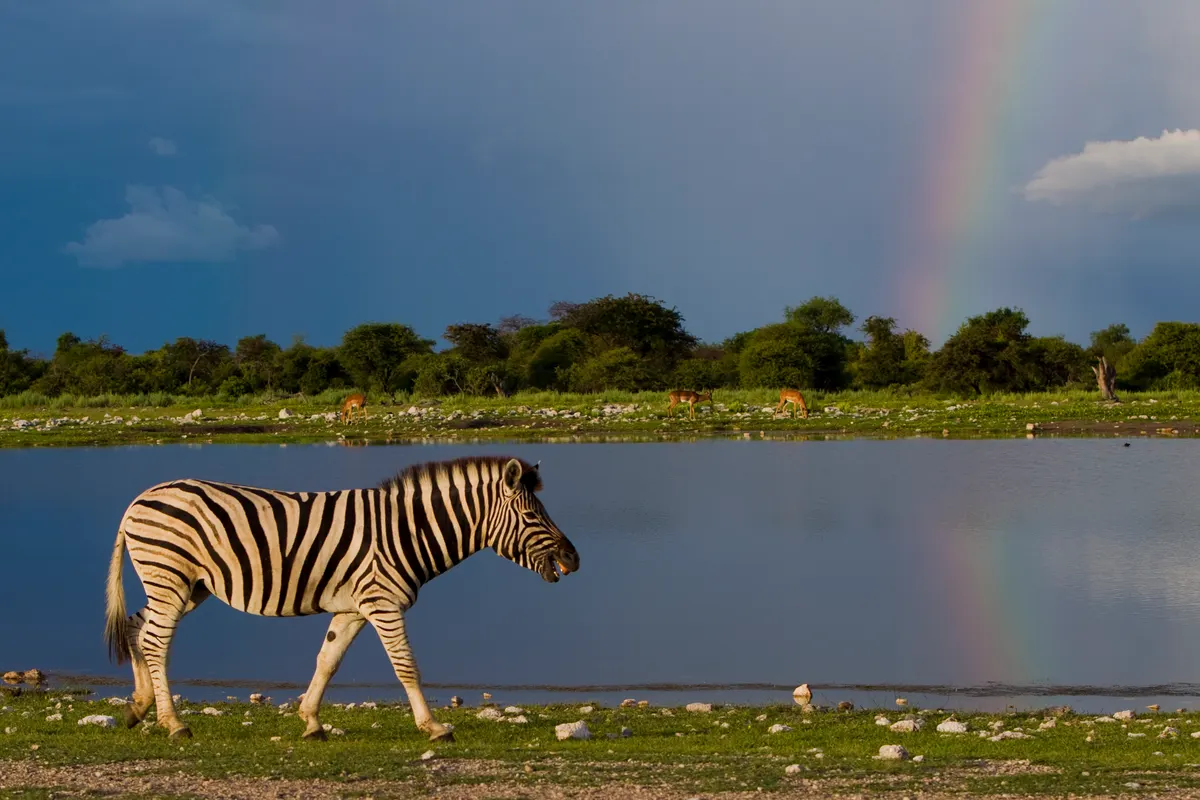
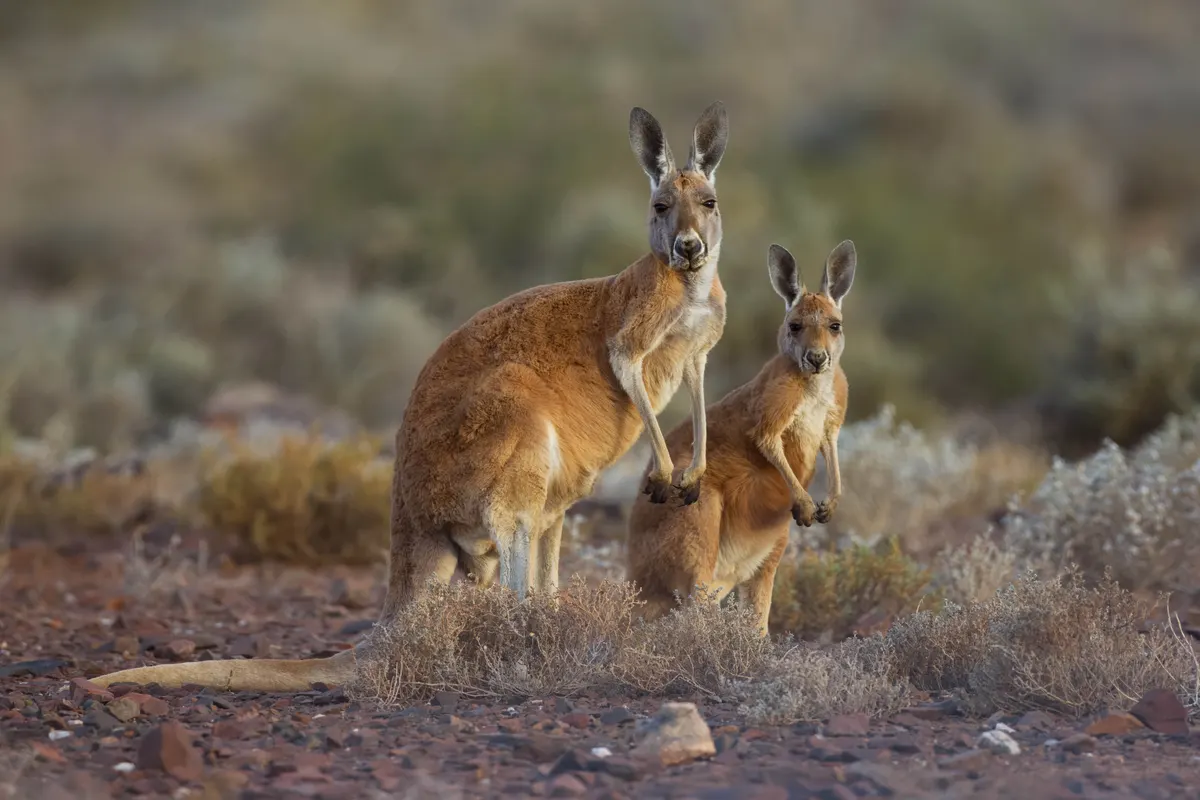
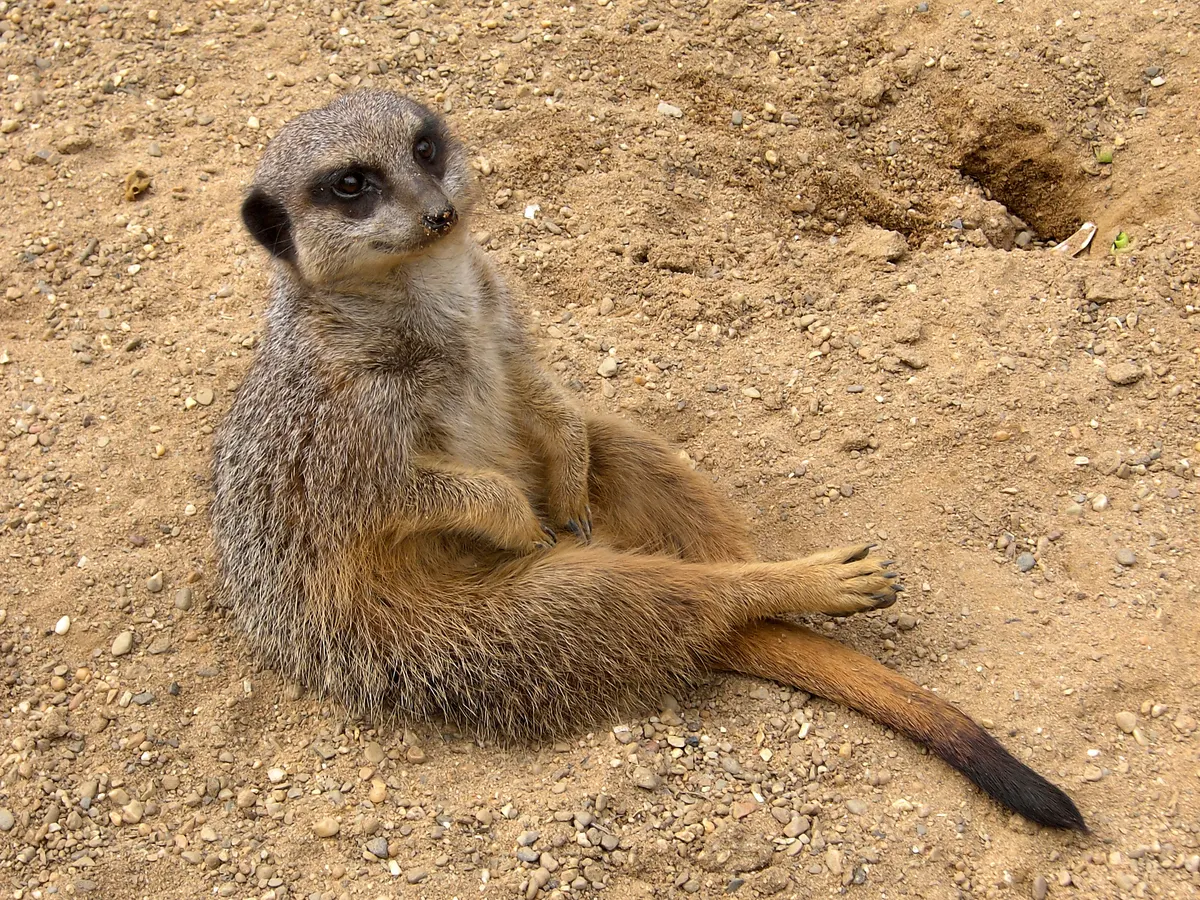
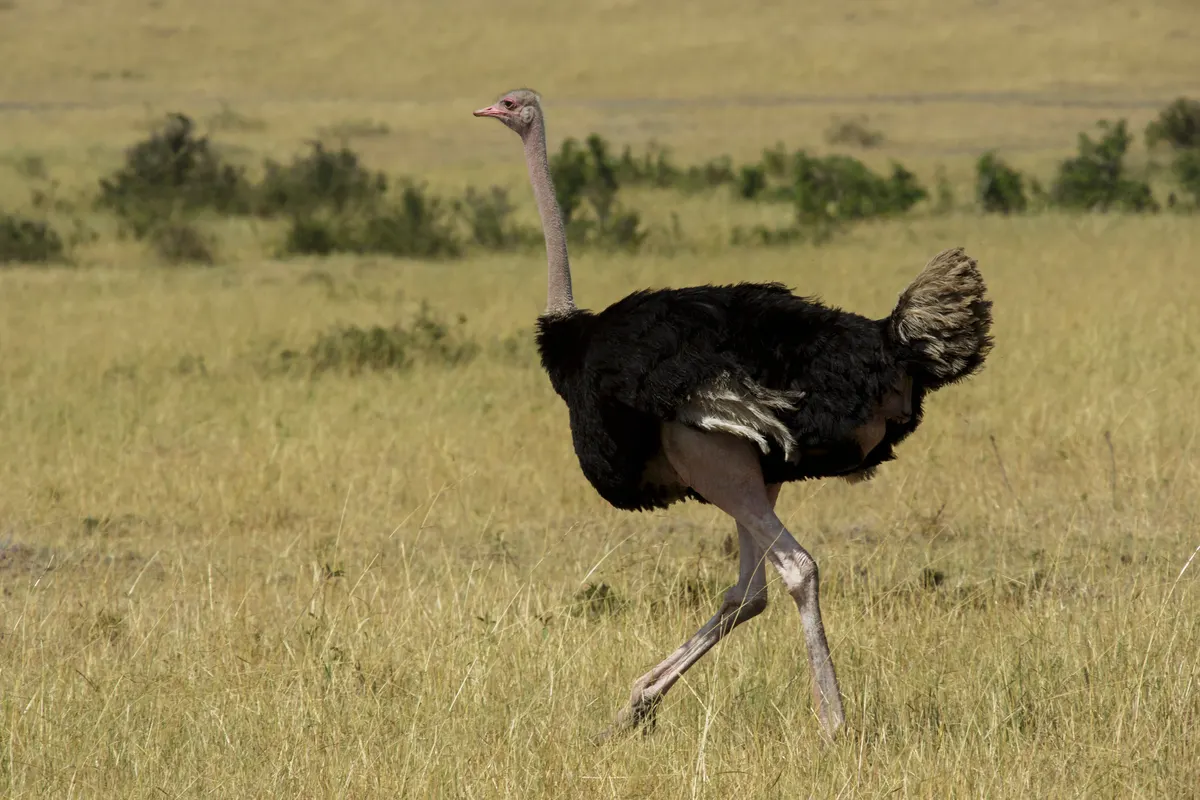
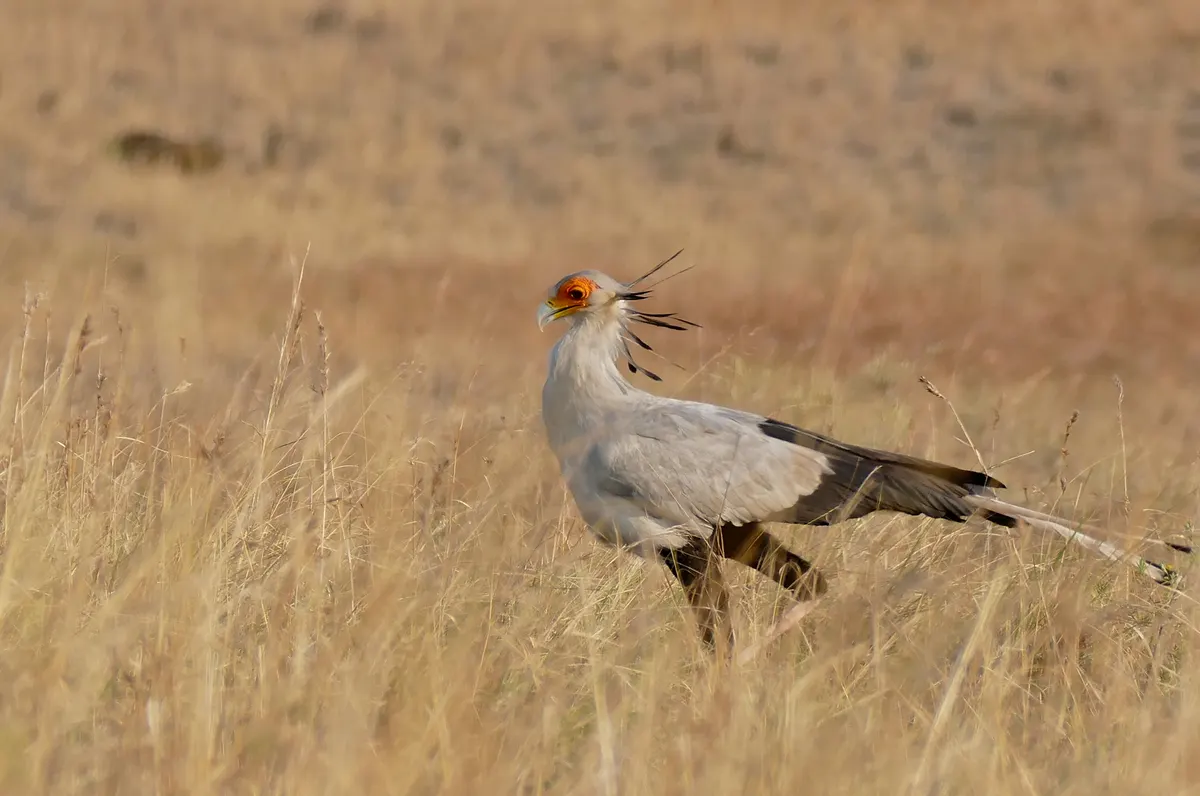
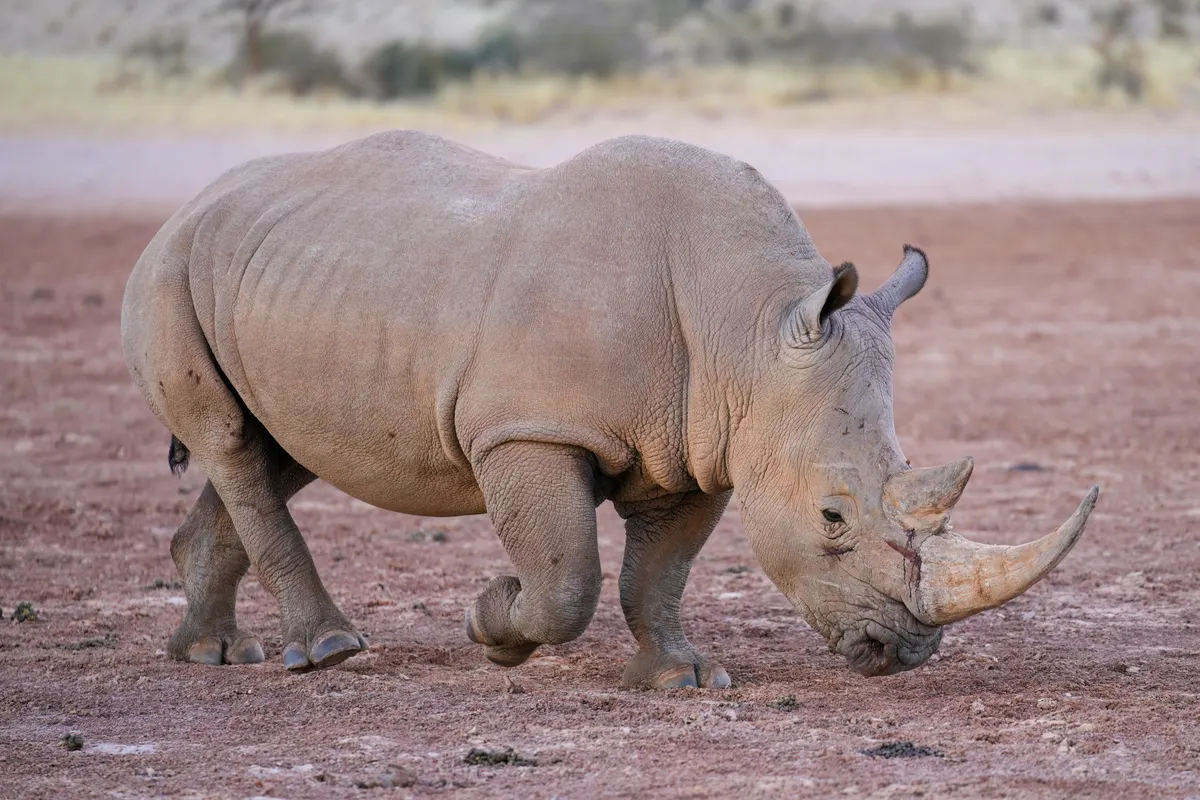
Open sight lines favor speed over ambush — Cheetah sprints, Secretarybird stalks on foot. Herds like Zebra and Rhinoceros use group vigilance. Meerkat posts sentries from burrows. Ostrich and Kangaroo show that similar grassland pressures produce very different body plans on different continents.

Diets on the same plain

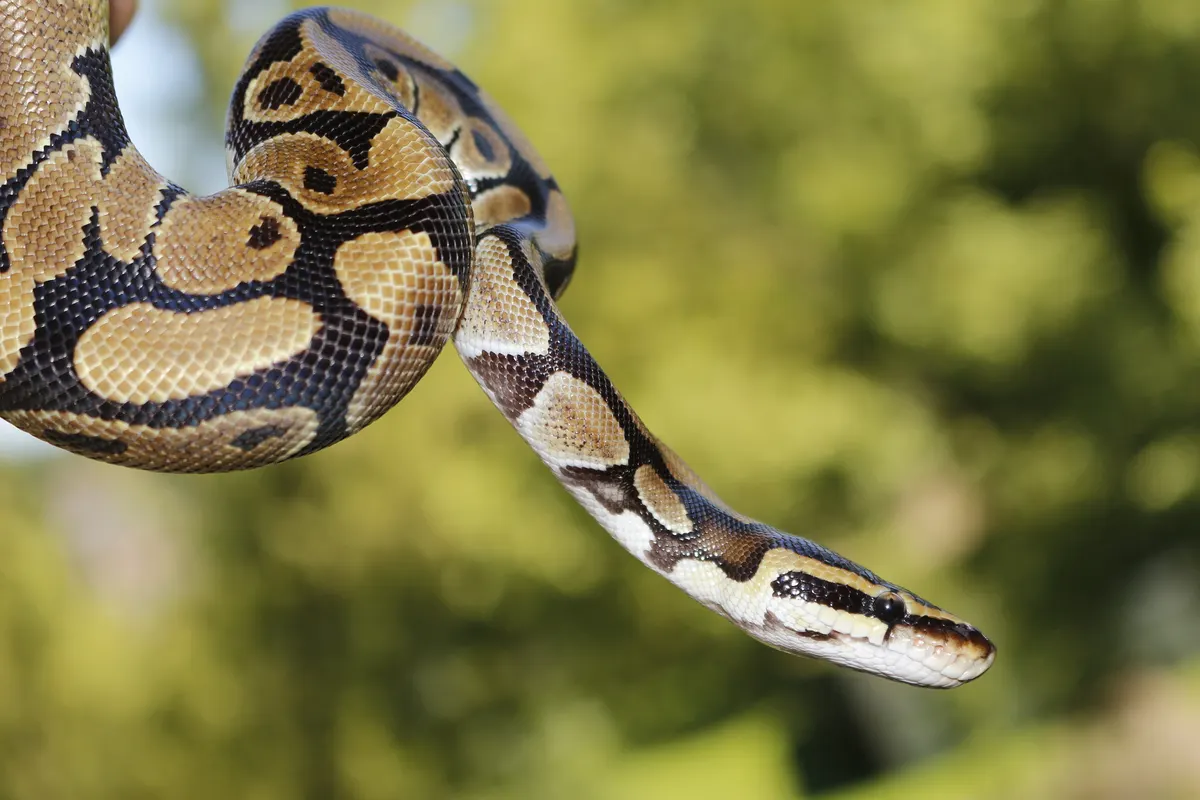
Savannas hold large herbivores like Giraffe, carnivores like Lion, and flexible feeders like Snake. Each animal page covers range, herd behavior, and current conservation threats.

Rain, grass, and fire

Savannas are shaped by rainfall gaps between forest and desert. Grass fires clear woody growth and recycle nutrients — many plants resprout quickly. Wildebeest and Zebra follow fresh growth after rain. African Elephant opens woodland by pushing over trees, which can maintain grassland in some regions.

Migration and megafauna

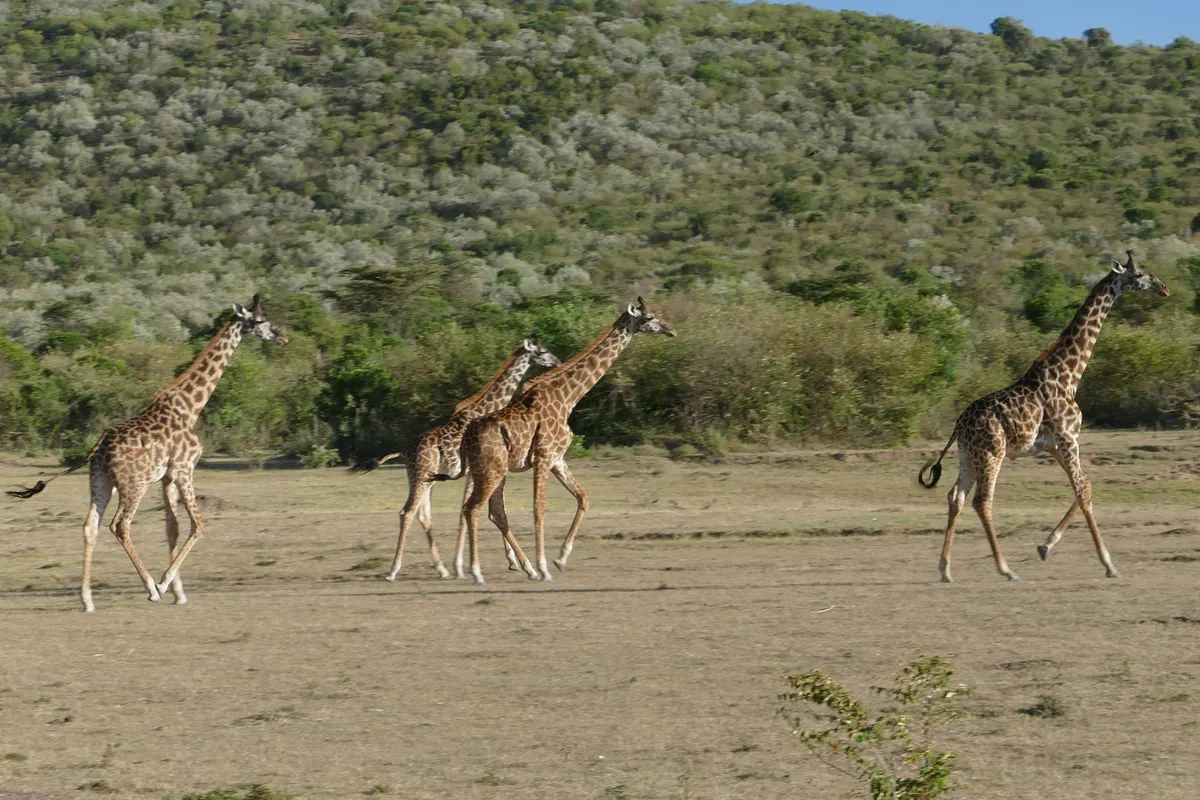
Large herds move long distances to stay on green forage. Predators like Lion, Cheetah, and Spotted Hyena track those herds. Giraffe and Rhinoceros browse at heights other grazers cannot reach, splitting food niches on the same plain.

Acacia woodlands and waterholes

Scattered trees provide shade and browse for Giraffe and Elephant. Permanent waterholes concentrate animals in the dry season — predators and prey meet at the same mud banks. Meerkat and Secretarybird hunt invertebrates in shorter grass where visibility is high.

Reading order for this hub

Pair a grazer (Zebra or Wildebeest), a browser (Giraffe), and a predator (Lion or Cheetah) to see how the same rainfall cycle supports different niches on one plain.

Common Questions

FAQ about Savanna Animals

Select a question to reveal the answer.

What is a savanna?

Grassland with scattered trees and strong wet-dry seasons — classic in sub-Saharan Africa but also found on other continents with similar climate.

Which savanna animals migrate?

Wildebeest and Zebra are famous migrants; Gazelle and African Elephant also move with rainfall and food.

What threatens savanna wildlife?

Habitat loss to farmland, poaching, fencing that blocks migration, and drought intensified by climate change.

Where should I start?

Try African Elephant, Lion, and Cheetah — then compare grazers and browsers from the full list.

Keep exploring

Related hubs

Same cluster, different angle — open a diet or habitat hub to compare species side by side.