Bobcat Facts
“Bobcats are named for their short “bobbed” tail, often with a black tip on top.”
The bobcat is a medium-sized North American wild cat with a short “bobbed” tail. It stalks rabbits and rodents in forests and ranks as Least Concern.
Loading page content
“Bobcats are named for their short “bobbed” tail, often with a black tip on top.”
The bobcat is a medium-sized North American wild cat with a short “bobbed” tail. It stalks rabbits and rodents in forests and ranks as Least Concern.
Lynx rufusCarnivoraFelidae
Browse photographs of bobcat across habitat, behavior, anatomy, and life stages.
Click any photo to view it larger. 8 images available.
Core article
A closer look at habitat, diet, behavior, reproduction, and conservation.
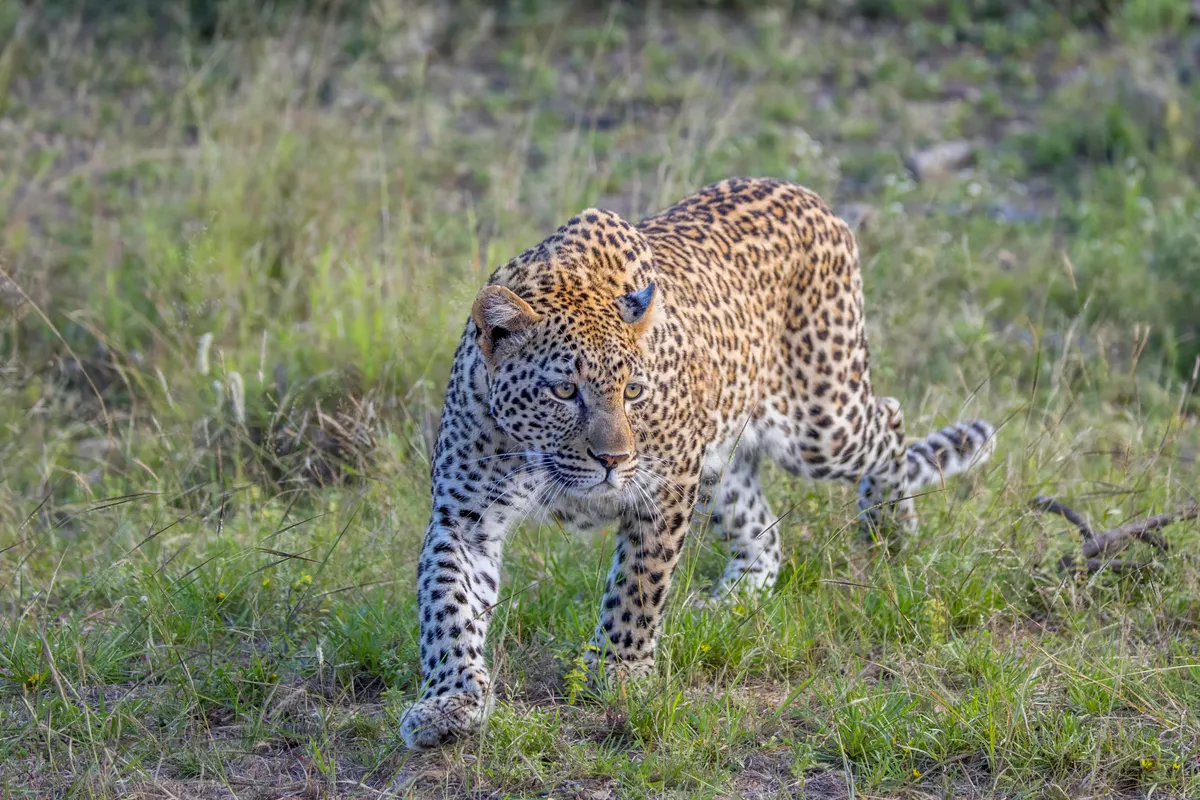
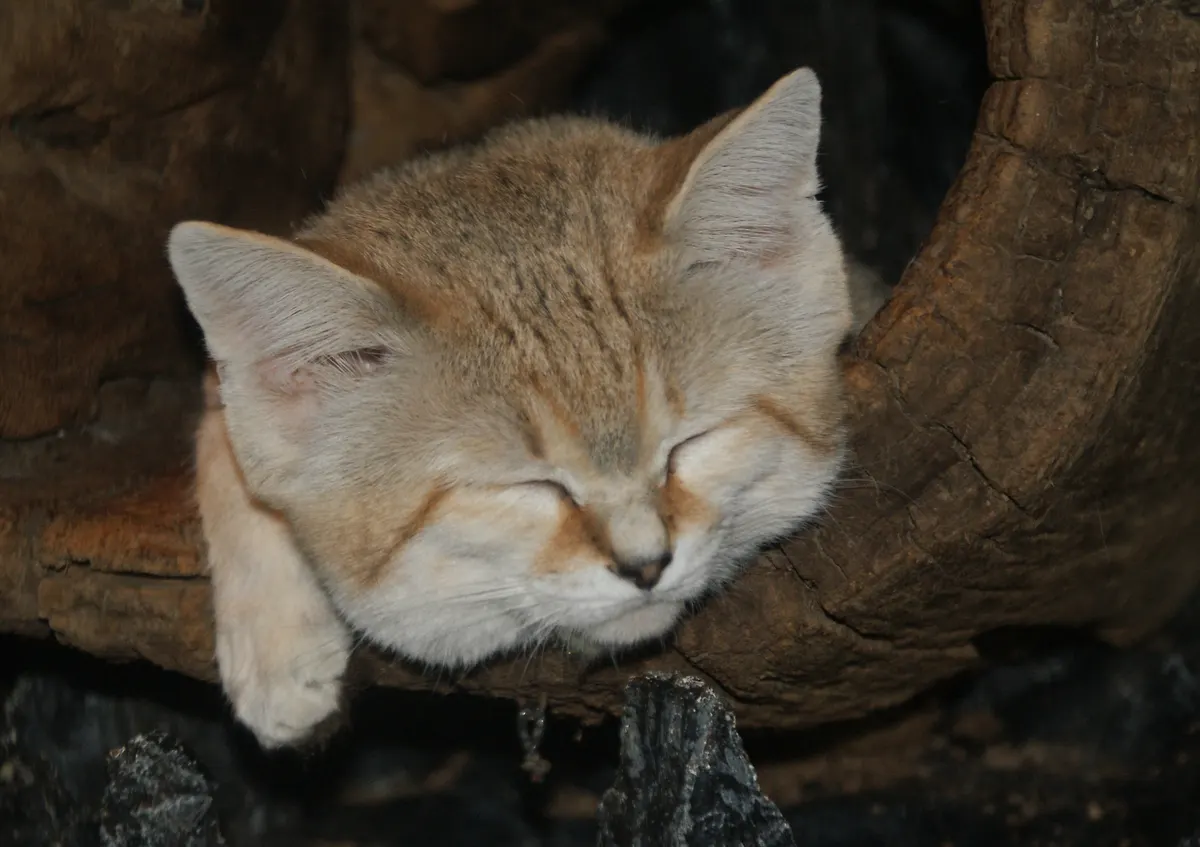
The bobcat belongs to the genus Lynx, which also includes the Canada lynx, Eurasian lynx, and Iberian lynx. Its scientific name is Lynx rufus. Within Felidae it is a mid-sized ambush hunter — larger than a house cat or sand cat, yet far smaller than a leopard or cougar.
Fossil and genetic evidence place bobcats as long-standing North American specialists of temperate woodlands and scrub. Their spotted coats, tufted ears, and compact bodies are adaptations for stalking in uneven forest cover rather than chasing prey across open plains.
Adult bobcats typically measure 26 to 41 inches (66 to 104 cm) in body length, with a 4- to 7-inch tail that looks cut short. Shoulder height is usually 12 to 20 inches (30 to 51 cm), and weight commonly ranges from 15 to 30 pounds (7 to 14 kg), with males larger than females.
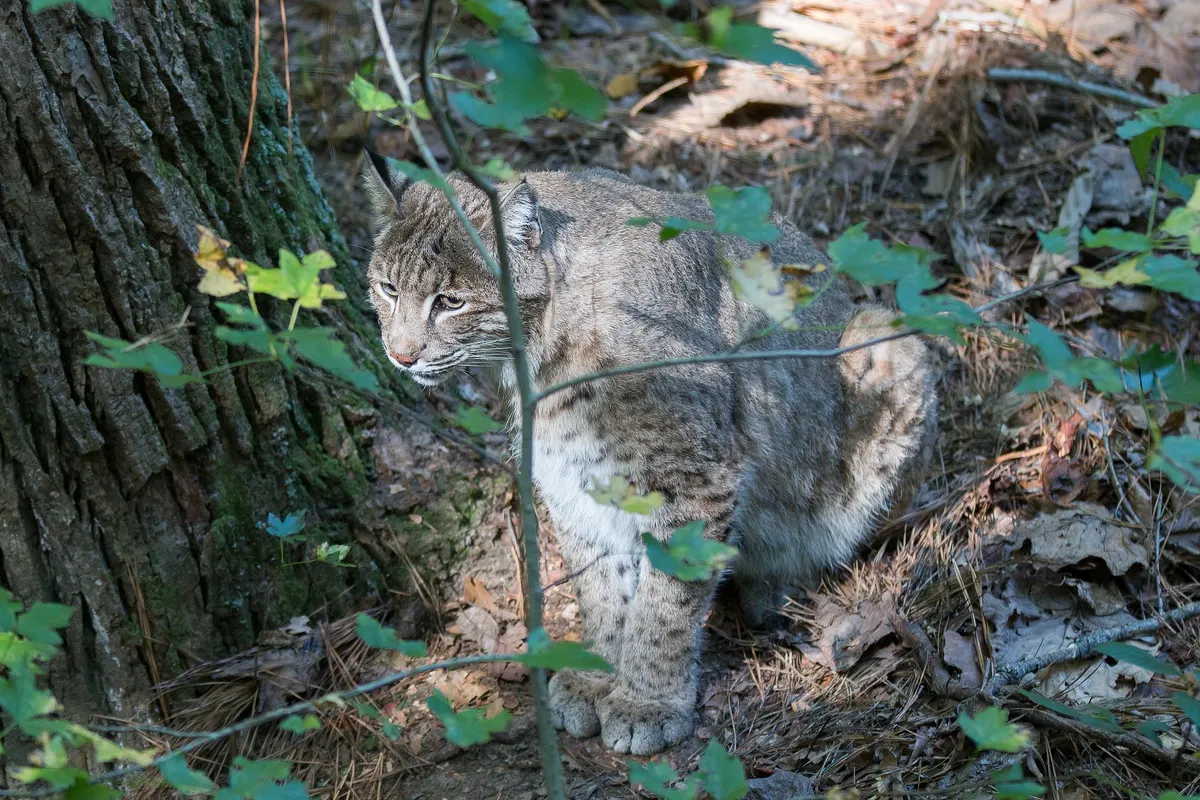
The coat is tawny to gray-brown with dark spots and streaks that break up the outline in dappled forest light. Black ear tufts and a facial ruff give bobcats a lynx-like look, though their feet are smaller than those of Canada lynx built for deep snow. Retractable claws and padded paws keep stalks nearly silent.

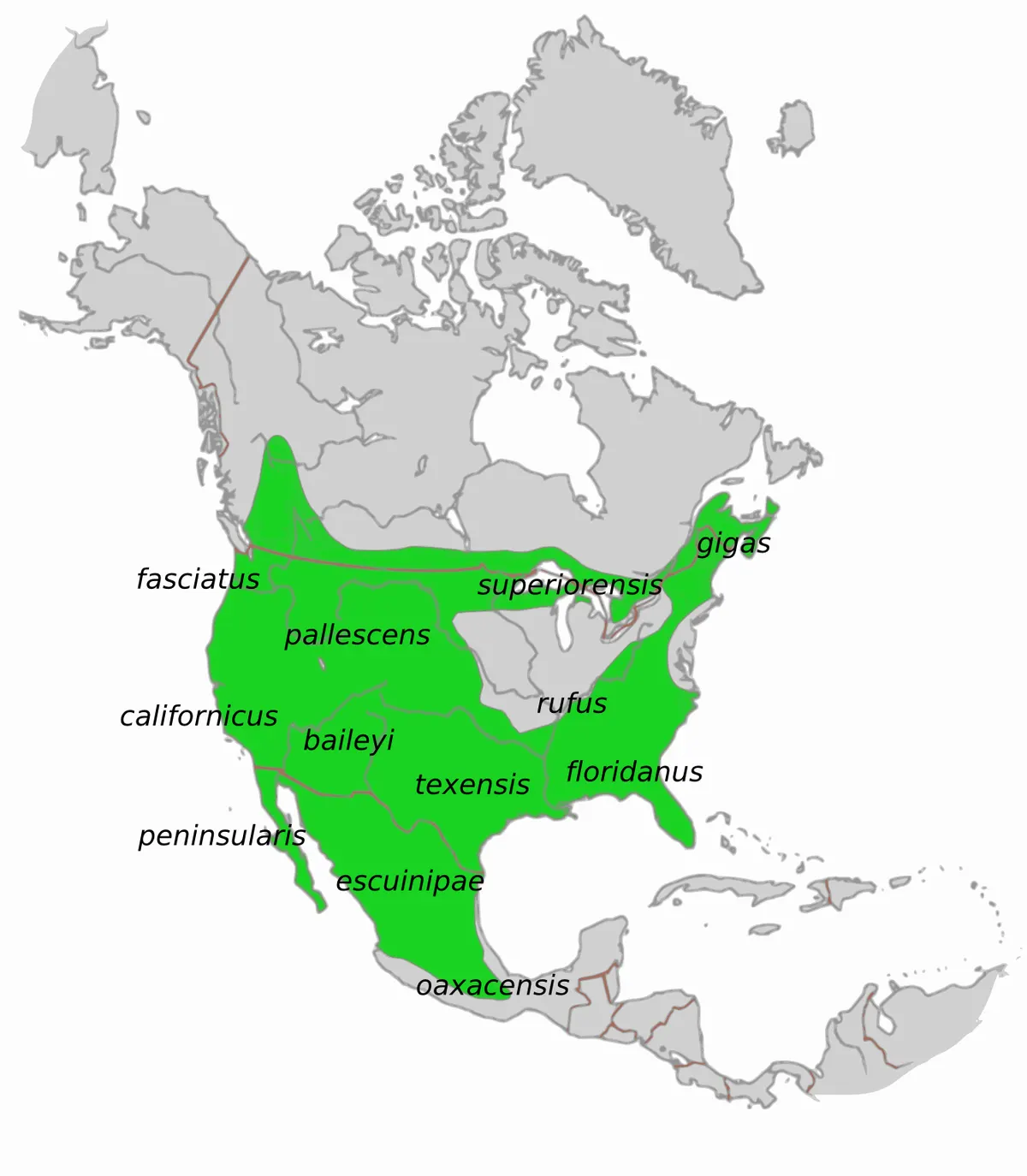
Bobcats favor forest and woodland habitats with dense understory, rocky ledges, or brush for denning and ambush cover. They also use chaparral, desert scrub, and swamp edges when prey is available. The species ranges from southern Canada through most of the contiguous United States into Mexico.
Home ranges vary with prey density. Males usually hold larger territories that may overlap several female ranges. Daytime resting sites include thickets, hollow logs, and caves. Because bobcats need cover more than open grassland, they are less often seen in cities than coyotes, though they inhabit some suburban greenbelts.

Bobcats are strict carnivores. Rabbits and hares are classic staples, followed by rodents, birds, reptiles, and — where opportunity allows — fawns or weak deer. Hunting is mostly solitary and crepuscular or nocturnal: stalk, pause, then a short explosive pounce.
Unlike pack-hunting canids, bobcats rely on camouflage and surprise. They may cache large kills under leaves or snow and return later. In poor prey years, bobcats expand their hunting routes rather than switch to plant foods; plant matter is incidental at most.

Adult bobcats are solitary and territorial outside the breeding season. They communicate with scent marks, scrapes, feces, and quiet vocalizations such as growls, hisses, and occasional caterwauls during mating.
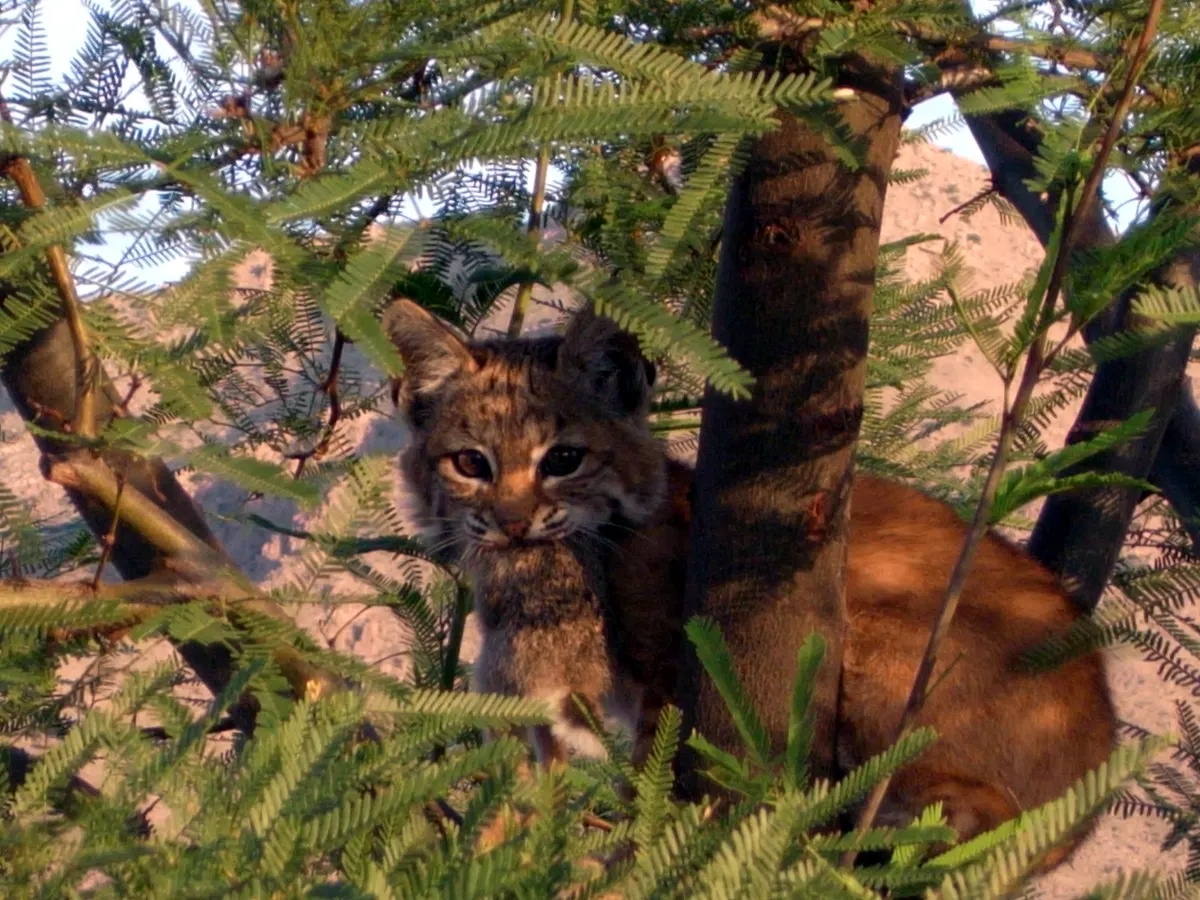
Mothers alone raise kittens and may relocate dens if disturbed. Bobcats climb well and sometimes rest on low branches. When threatened they usually freeze or slip away; confrontation with people is uncommon because their preferred hunting hours avoid daytime human activity.

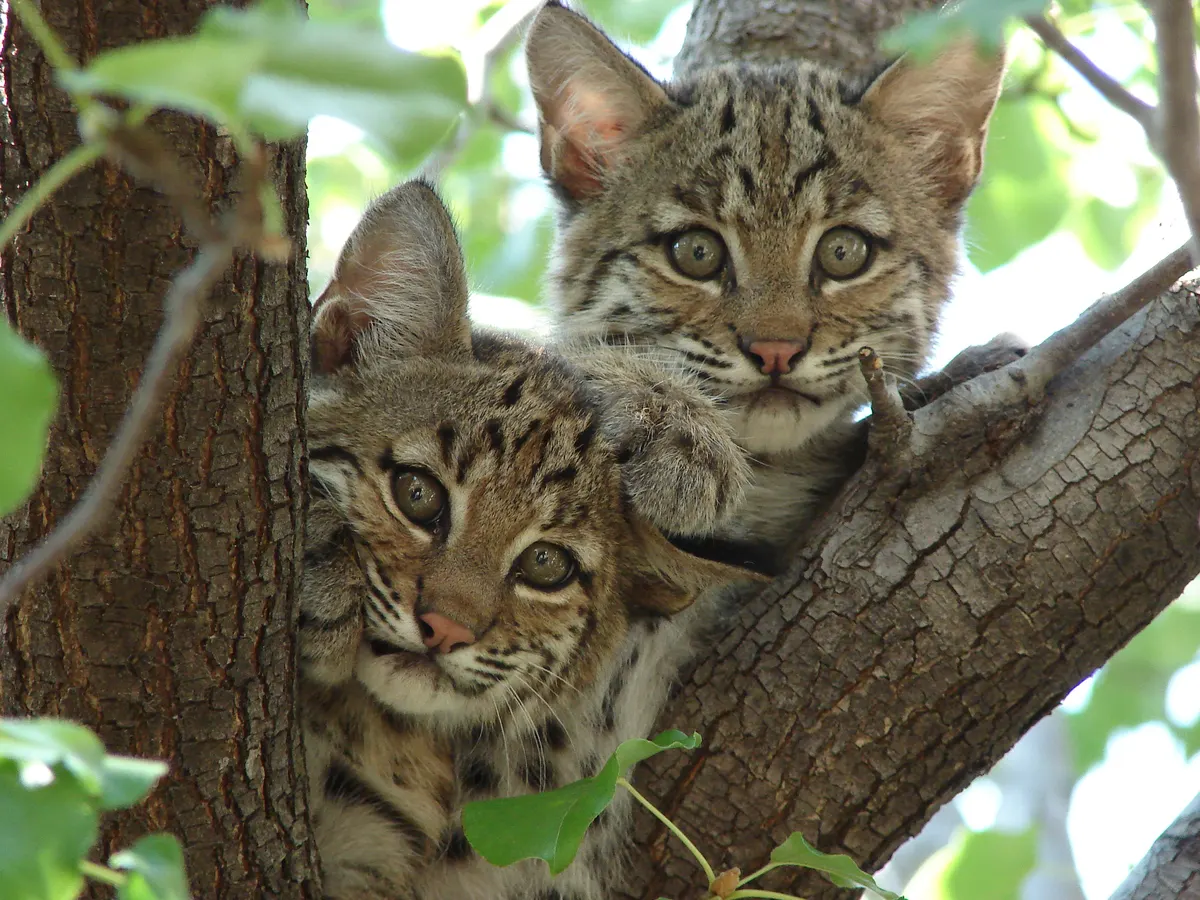
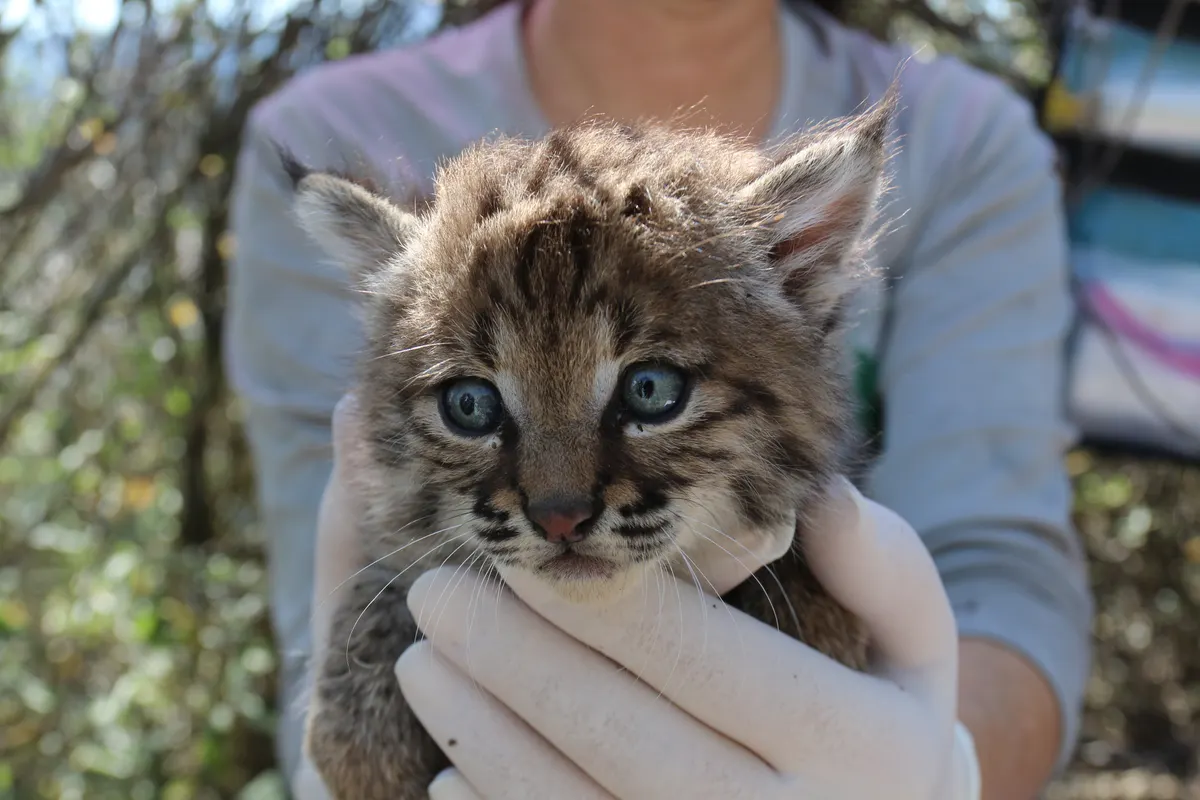
Breeding often peaks in late winter or early spring. After a gestation of about 60 to 70 days, the female gives birth to usually 2 to 4 kittens in a secluded den. Kittens are born blind; eyes open after roughly 9 to 10 days.
Solid food begins around two months, and hunting practice follows through summer and fall. Young typically stay with the mother for close to a year before dispersing. Wild bobcats often live 7 to 10 years, with longer spans recorded in human care.

(Population and conservation trend data sourced from the IUCN Red List of Threatened Species)
The bobcat is classified as Least Concern, with a broadly stable population. Its wide range and flexible use of forest and scrub habitats support resilient numbers in many regions.
Threats include habitat fragmentation, vehicle collisions, and regulated fur harvest in some states and provinces. Disease and competition with larger predators such as cougars or coyotes can affect local density. Maintaining connected woodland corridors and night-safe road crossings helps keep bobcat populations healthy near developed areas.
Bobcats are named for their short “bobbed” tail, often with a black tip on top.
They can leap more than 10 feet to pounce on prey.
Bobcats are excellent climbers and sometimes rest on low tree limbs.
Unlike Canada lynx, bobcats have smaller ear tufts and a wider southern range.
A bobcat’s tracks show four toes with no claw marks when claws are retracted.
They are mostly solitary except when mothers raise kittens.
Select a question to reveal the answer.
A bobcat is a medium-sized wild cat native to North America. It belongs to the genus *Lynx* in the Felidae family and is known for its short tail.
Bobcats live in forests, woodlands, scrub, swamps, and rocky hillsides from southern Canada through the United States into Mexico.
Bobcats are carnivores that hunt rabbits, hares, rodents, birds, and sometimes young deer.
Bobcats usually live farther south, have shorter ear tufts and smaller feet, and prefer mixed forests and scrub instead of deep snow country preferred by Canada lynx.
A baby bobcat is called a kitten. Litters usually have two to four kittens raised by the mother alone.
Bobcats are listed as Least Concern overall. Local populations can still be affected by habitat loss, road deaths, and hunting regulations.
Bobcats are shy and usually avoid people. Sightings are rare because they hunt mostly at night and hide in dense cover.