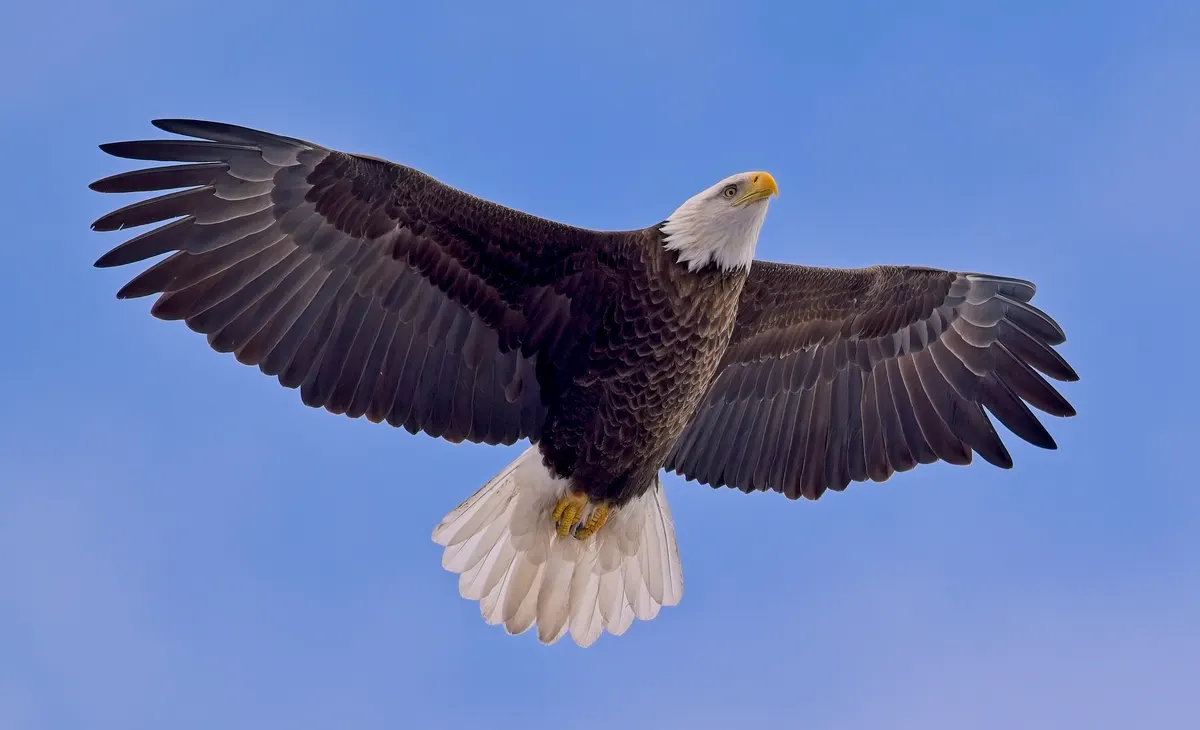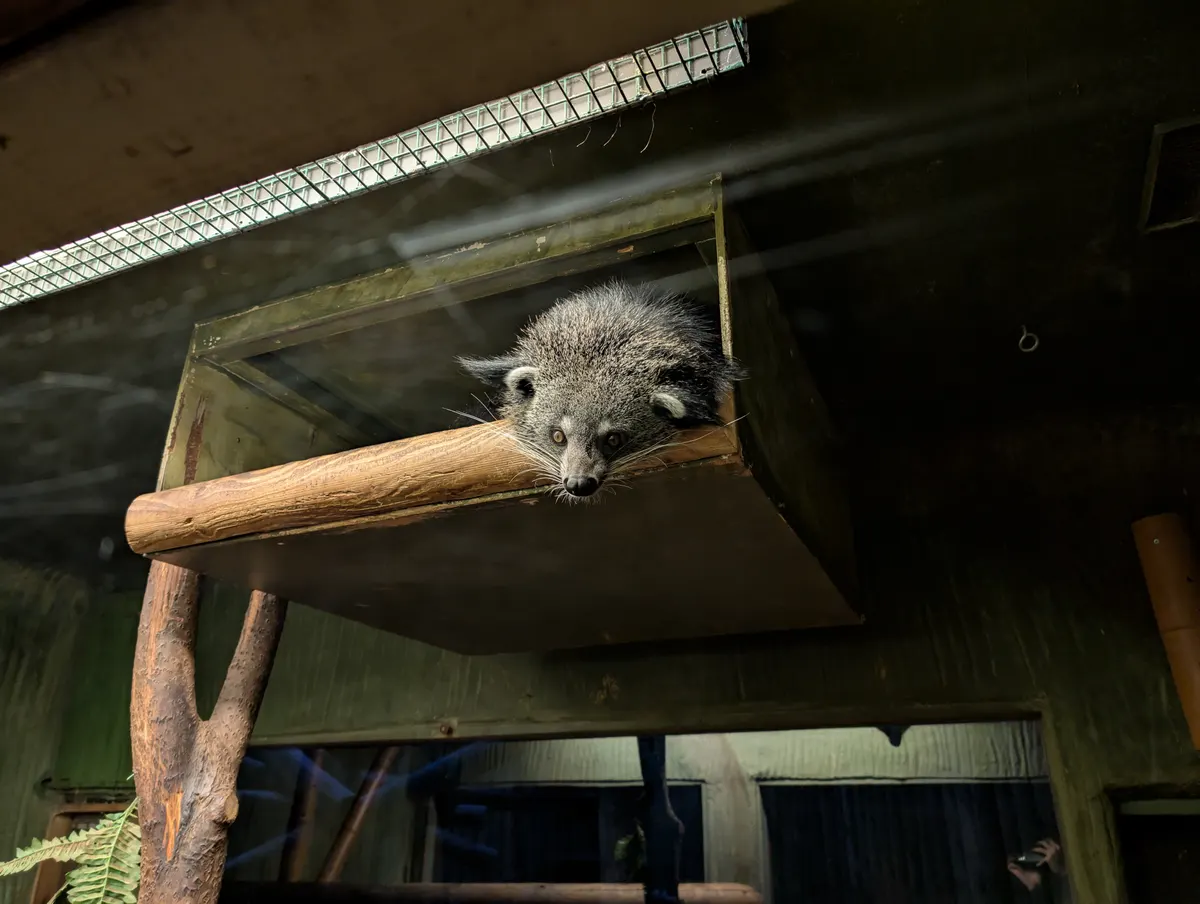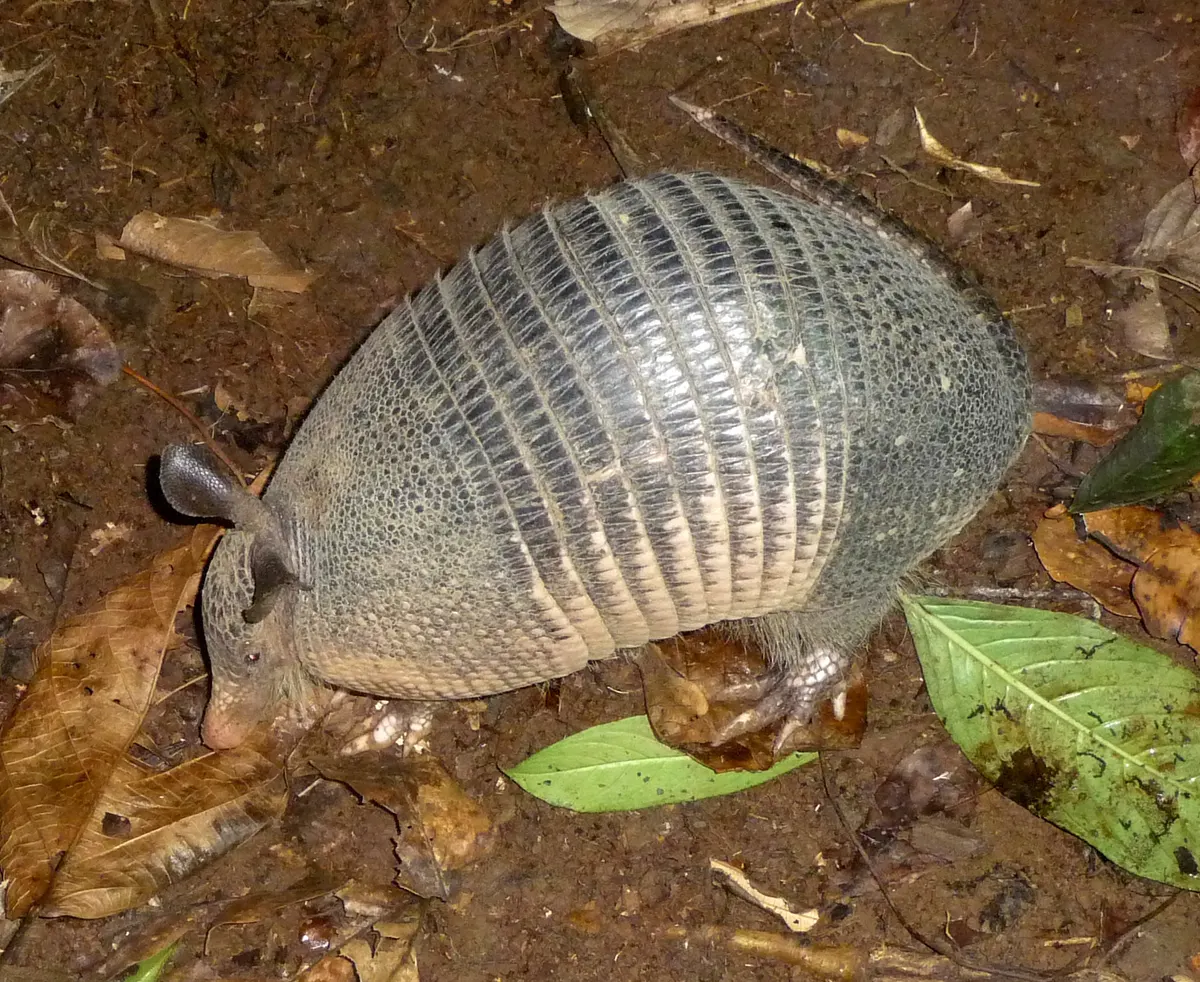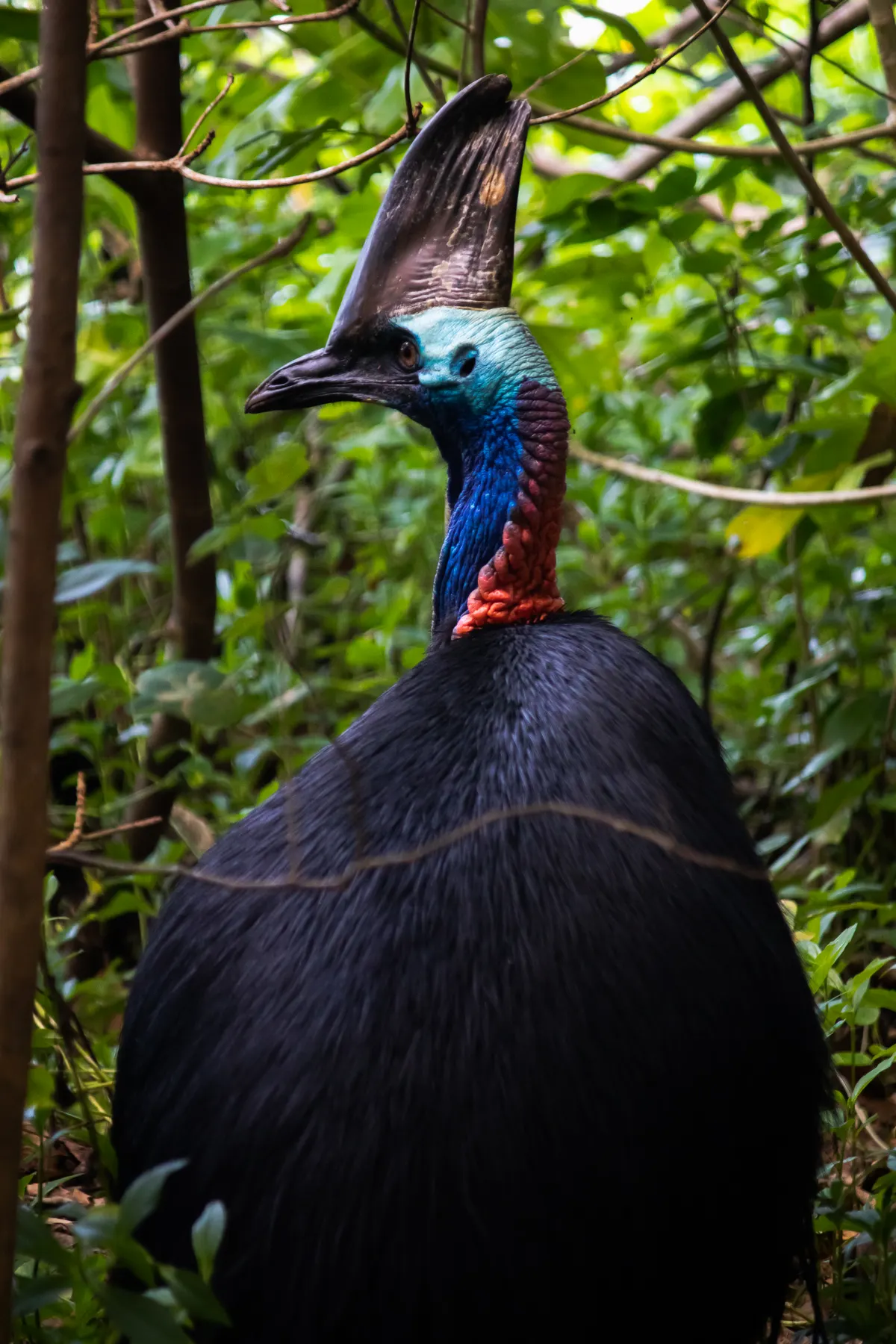
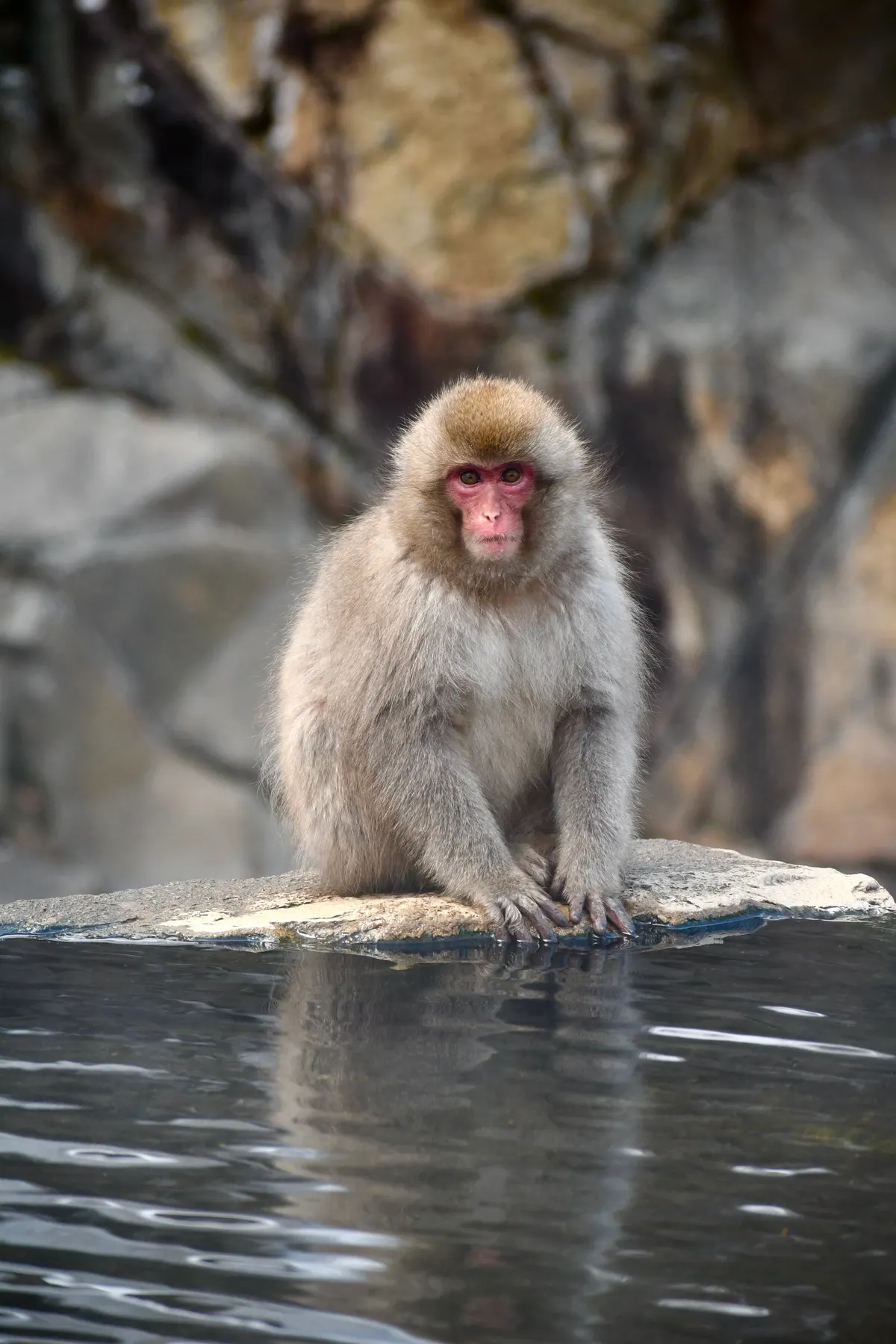
The Japanese macaque, or snow monkey, is the northernmost-living non-human primate.
MammaliaLeast Concern
Japanese Macaque
“Japanese macaques are the northernmost-living non-human primates, reaching the Shimokita Peninsula in northern Honshu.”
The Japanese macaque, or snow monkey, is an Old World monkey endemic to Japan and the northernmost-living non-human primate. It is known for bathing in hot springs, learned food-washing traditions, and thick winter fur that lets it endure sub-zero cold.