Raccoon Facts
"Raccoons are most active at night."
Raccoons are clever North American mammals with black masks, ringed tails, and nimble front paws. They live in forests and cities and are famous for raiding...
Loading page content

"Raccoons are most active at night."
Raccoons are clever North American mammals with black masks, ringed tails, and nimble front paws. They live in forests and cities and are famous for raiding...
Explore raccoon photos organized for learning and classroom observation.
Click any photo to view it larger. 8 images available.
Core article
Habitat, diet, behavior, and more — everything on one page.
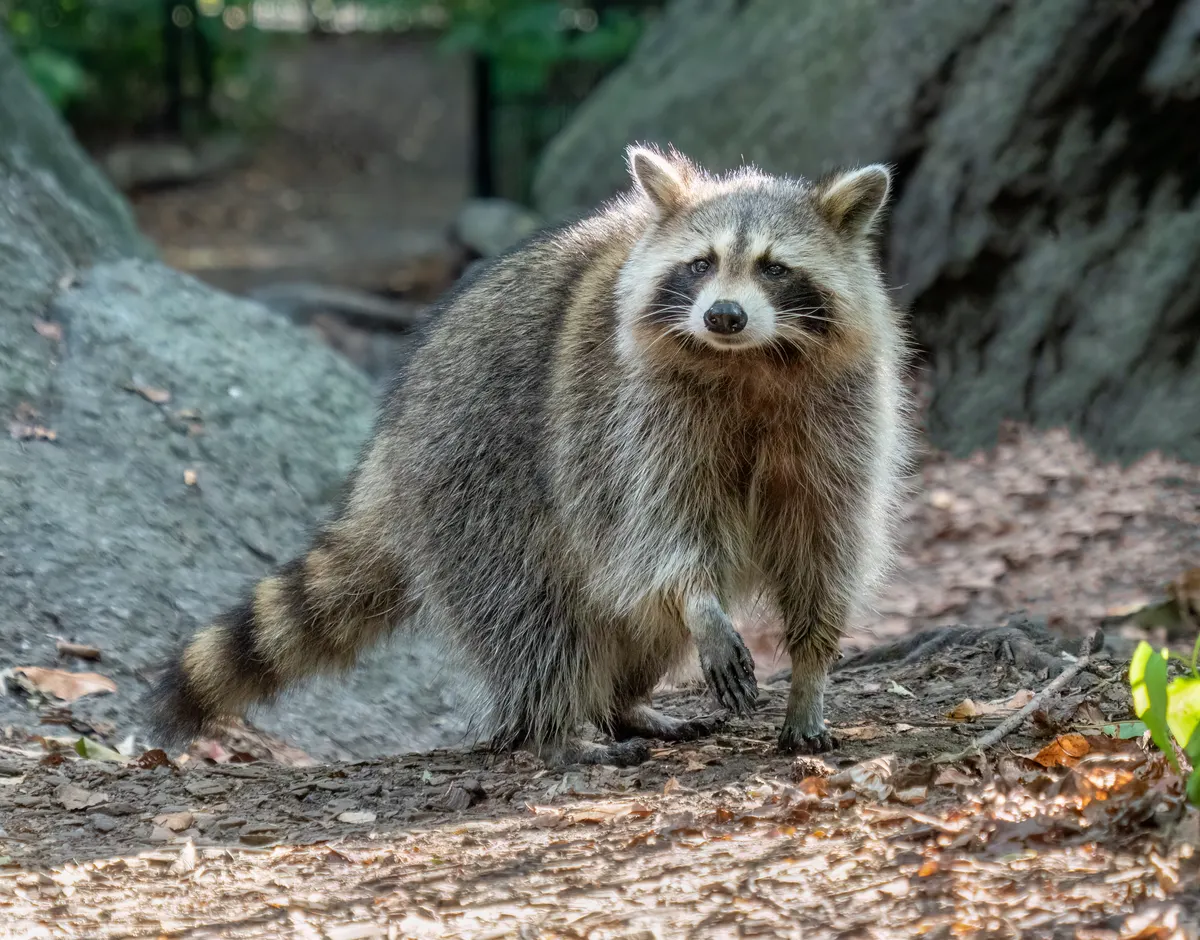
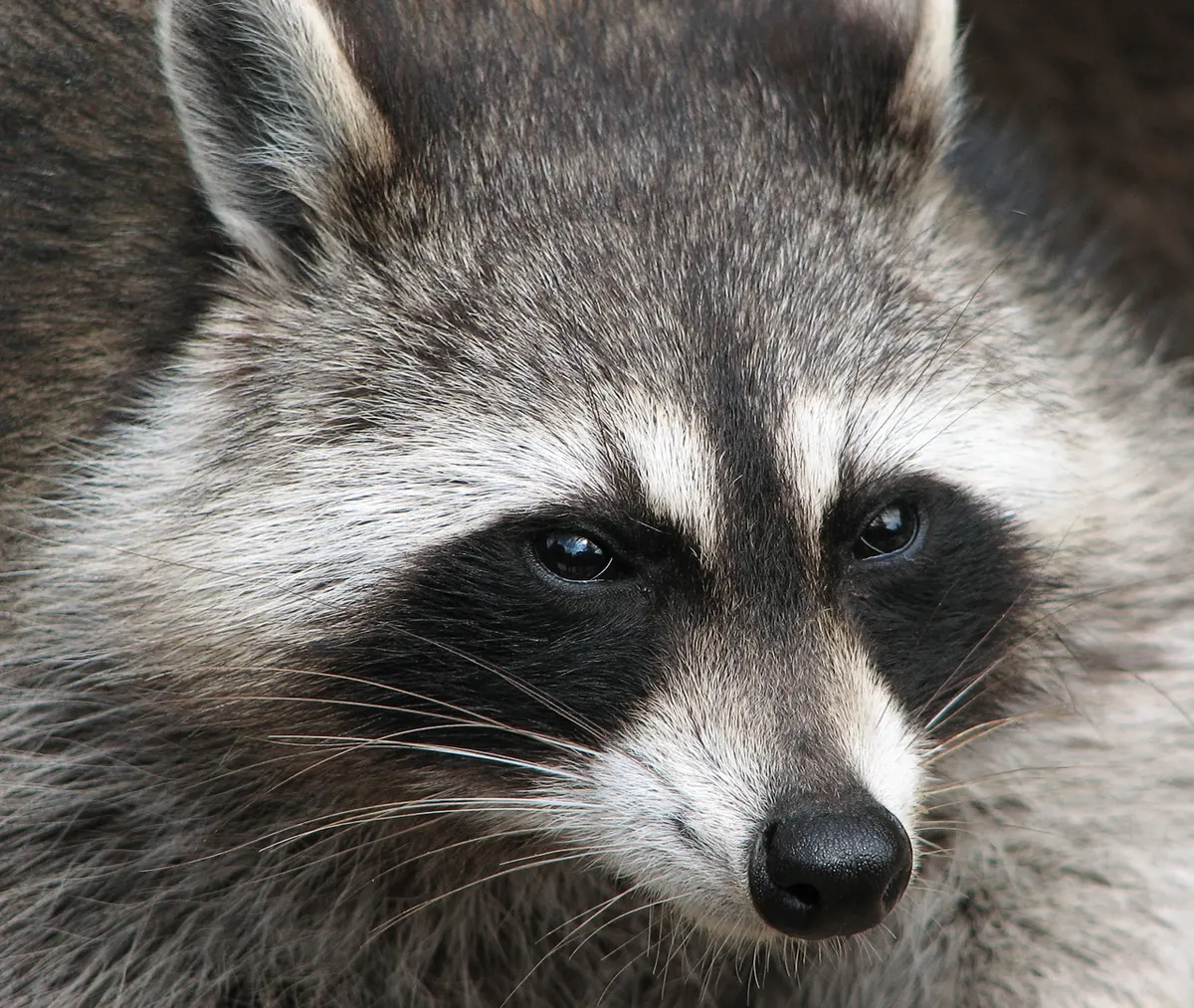
The raccoon is an incredibly adaptable, highly intelligent, and instantly recognizable mammal native to the Americas. Sporting a distinct black "bandit" mask across its eyes and a heavily furred, ringed tail, the raccoon (Procyon lotor) has entrenched itself deep within human folklore and modern urban ecology. Often affectionately—or frustratingly—referred to as "trash pandas," raccoons are the quintessential opportunistic omnivores. Originally evolved to navigate complex temperate forests and wetlands, their unique dexterity, sharp intellect, and dietary flexibility have allowed them to conquer one of the most challenging environments on the planet: the modern human metropolis. From meticulously foraging in pristine riverbeds to cracking the complex latches on suburban garbage bins under the cover of darkness, the raccoon's existence is a masterclass in behavioral plasticity and mammalian survival.
The raccoon is classified within the kingdom Animalia, phylum Chordata, class Mammalia, and the order Carnivora. Despite the order name, their diet is deeply omnivorous. They belong to the family Procyonidae, a New World family that includes ringtails, coatis, kinkajous, and olingos. The common raccoon is the largest and most widely distributed species within the genus Procyon.
Evolutionarily, the Procyonidae family diverged from a common caniform (dog-like) ancestor millions of years ago. The raccoon lineage evolved in the dense, complex riparian forests of North America. Selective pressures in these environments favored high cognitive function, omnivory, and extreme tactile sensitivity over sheer speed or specialized predatory anatomy. This evolutionary path resulted in an animal equipped with essentially a "Swiss Army knife" of physiological traits, perfectly generalized to exploit a massive variety of ecological niches, ultimately pre-adapting them for extreme success in anthropogenic (human-altered) landscapes.
The anatomy of a raccoon is heavily optimized for generalized foraging and climbing. They are medium-sized mammals, presenting a stout, robust build. Adults typically measure between 16 and 28 inches in body length, with a bushy tail adding an additional 8 to 16 inches. Their weight fluctuates dramatically based on genetics, habitat, and season, generally ranging from 8 to 20 pounds, though heavily provisioned urban raccoons preparing for winter can exceed 30 pounds.
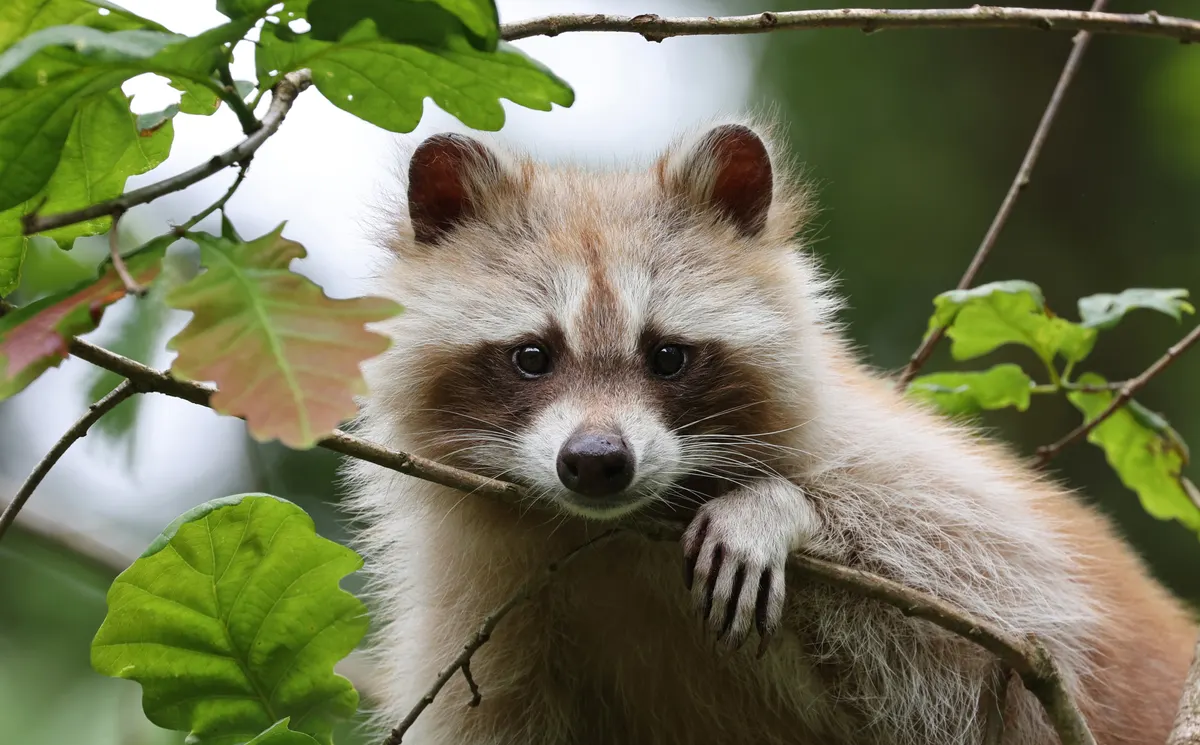
Their most famous anatomical feature is their highly specialized front paws. Raccoons possess five elongated, highly dexterous toes on their front feet that function remarkably like human hands, albeit without an opposable thumb. The cerebral cortex of a raccoon devotes a massive amount of neural real estate to processing tactile information from these paws. The skin on their front paws is embedded with a dense network of mechanoreceptors. Notably, the sensitivity of these receptors increases significantly when submerged in water, explaining their famous "washing" behavior.
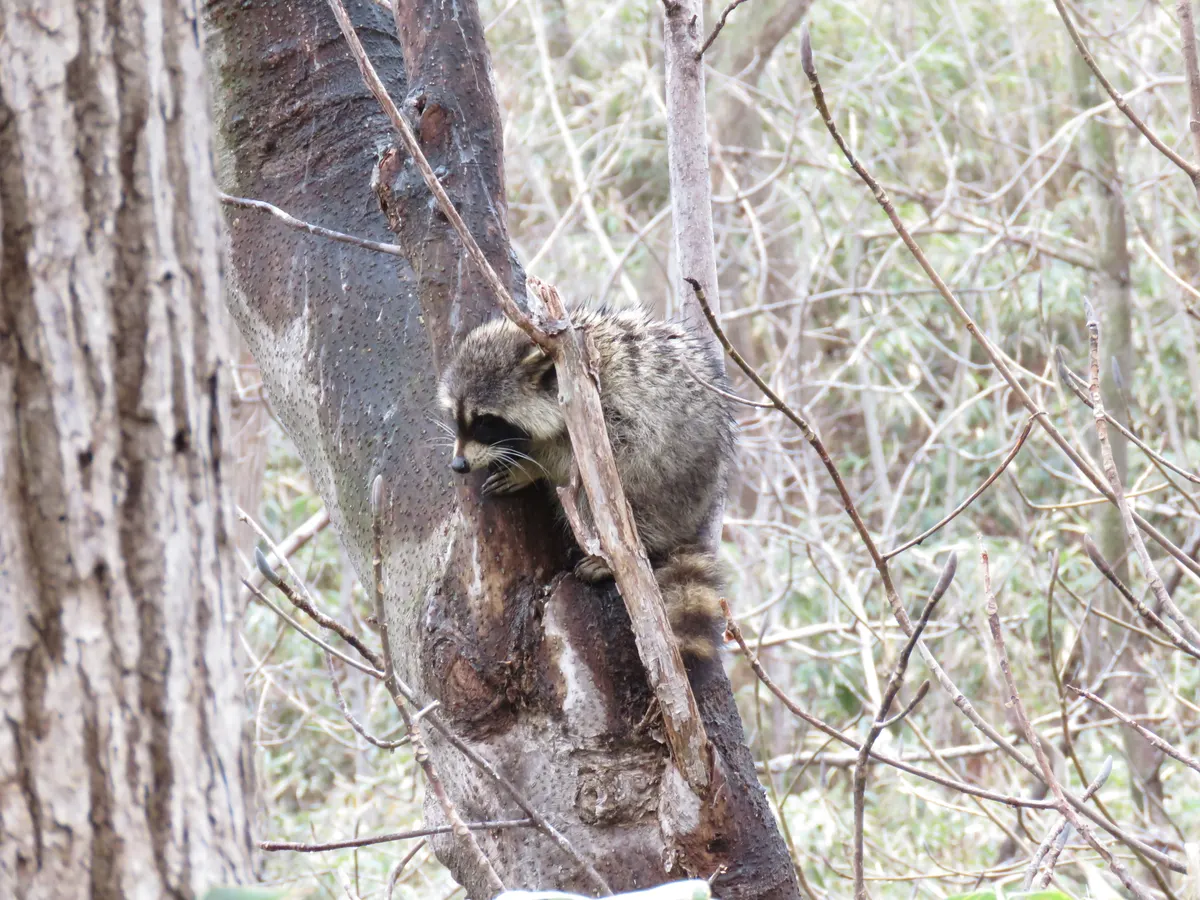
Their dense pelage consists of a thick, insulating undercoat and long, coarse guard hairs, typically mottled in shades of gray, brown, and black. The distinctive black mask across their eyes is believed to reduce glare and enhance their exceptional night vision, while the alternating light and dark rings on their tail may aid in breaking up their outline for camouflage or act as a visual signaling mechanism to other raccoons. Furthermore, they are highly capable climbers, able to descend tree trunks headfirst by rotating their hind feet 180 degrees to hook their sharp, non-retractable claws securely into the bark.

The common raccoon is natively distributed across a vast swath of North America, spanning from the southern provinces of Canada, throughout the entirety of the continental United States, and deep into Mexico and parts of Central America. Furthermore, due to deliberate introductions and escapes from fur farms in the 20th century, robust invasive populations are now deeply established across Europe (notably Germany) and Asia (specifically Japan).
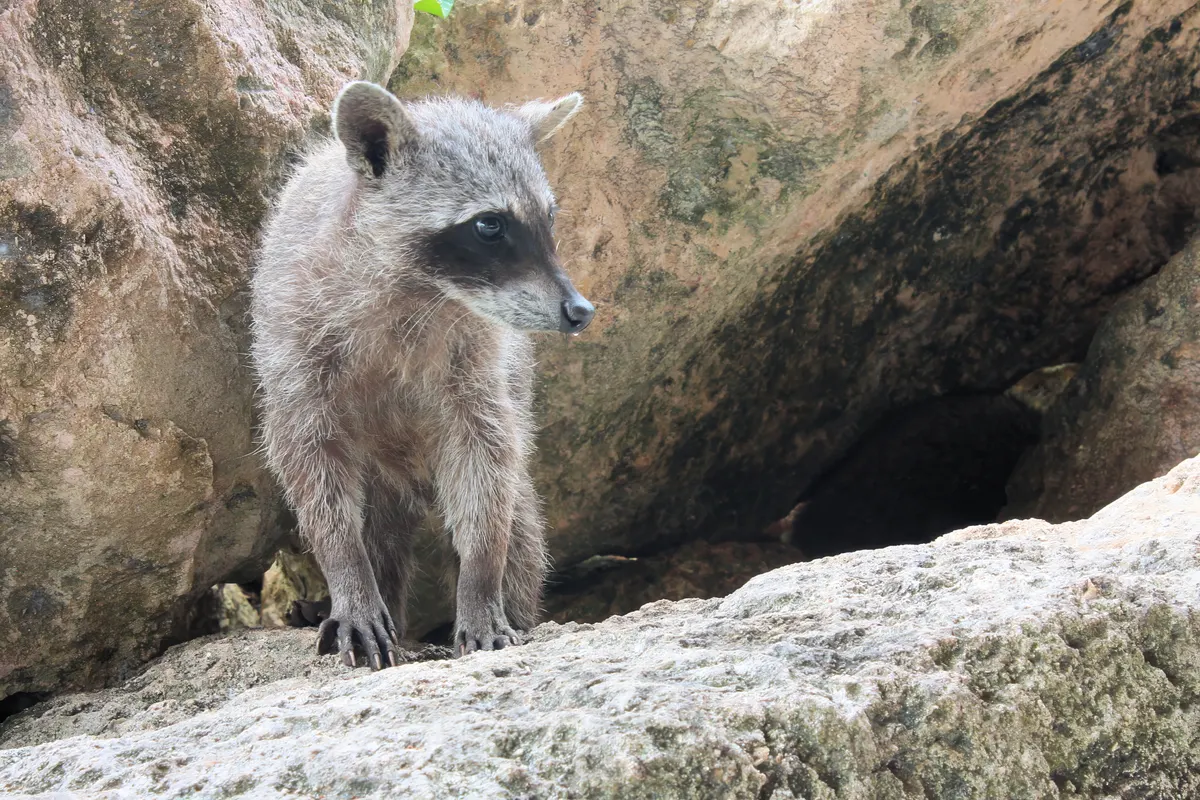
In their natural state, raccoons are highly dependent on riparian biomes—areas where land meets water. They thrive in mature temperate deciduous forests, dense hardwood swamps, and expansive wetland marshes. They require constant access to freshwater sources for foraging and large, hollow trees, rock crevices, or abandoned animal burrows for denning.
However, their ecological plasticity is staggering. Raccoons have seamlessly integrated into the urban biome. Today, some of the highest population densities of raccoons on Earth are found in major metropolitan cities and sprawling suburbs. They readily utilize storm drains, attics, chimneys, and crawlspaces as artificial dens, perfectly adapting their historical forest survival strategies to navigate the concrete jungle.

Raccoons are the ultimate opportunistic omnivores; there is very little they will not eat. Their diet is wildly varied and shifts dramatically based on seasonal availability and geographic location.
In wild settings, their diet is roughly split into equal thirds: invertebrates, plant matter, and vertebrates. They spend their nights meticulously feeling around in the muddy shallows of streams and lakes with their hyper-sensitive paws to catch crayfish, frogs, aquatic insects, and small fish. On land, they actively forage for nutrient-dense plant materials, gorging on seasonal fruits, wild berries, acorns, and walnuts. They will also eagerly consume bird eggs, small rodents, and insects dug from rotting logs.
Their feeding strategy is deeply tactile. The famous behavior of "washing" food—scientifically known as "dousing"—is not actually for hygiene. Because the nerve endings in their front paws become vastly more responsive when wet, raccoons immerse their food and furiously manipulate it underwater to gather complex tactile information about the object's texture, shape, and edibility before consuming it. In urban environments, their diet shifts heavily toward human food scraps, pet food left outdoors, and agricultural crops like sweet corn, utilizing their dexterous paws to easily bypass complex locks, bungee cords, and latches to access garbage bins.

Raccoons are primarily nocturnal, embarking on their foraging rounds shortly after dusk and returning to their dens before sunrise. While traditionally viewed as strictly solitary animals, modern behavioral ecology has revealed a highly complex, fluid social structure, particularly in areas with dense populations.
Related females (such as a mother and her adult daughters) often exhibit a "fission-fusion" social dynamic, occasionally sharing den sites or foraging territories. Unrelated adult males frequently form small, loose coalitions of three to four individuals. These male coalitions cooperate to defend prime territories against foreign males, increasing their chances of securing mating rights with local females.
Raccoons are highly intelligent and intensely curious. They possess excellent memories, capable of recalling the solutions to complex mechanical puzzles for years. They communicate through a diverse array of vocalizations, including chitters, purrs, growls, hisses, and a distinct, bird-like trilling sound often used by mothers to communicate with their young.

The mating season for raccoons generally occurs between late January and mid-March. The mating system is polygynous and promiscuous; males will attempt to mate with multiple females, and females may mate with multiple males. After copulation, the males play absolutely no role in raising the offspring.
The female is entirely responsible for finding a secure maternity den, often a high, hollow tree cavity or a secluded attic. After a gestation period of approximately 63 days, she gives birth to a litter typically consisting of 2 to 5 offspring, known as kits.
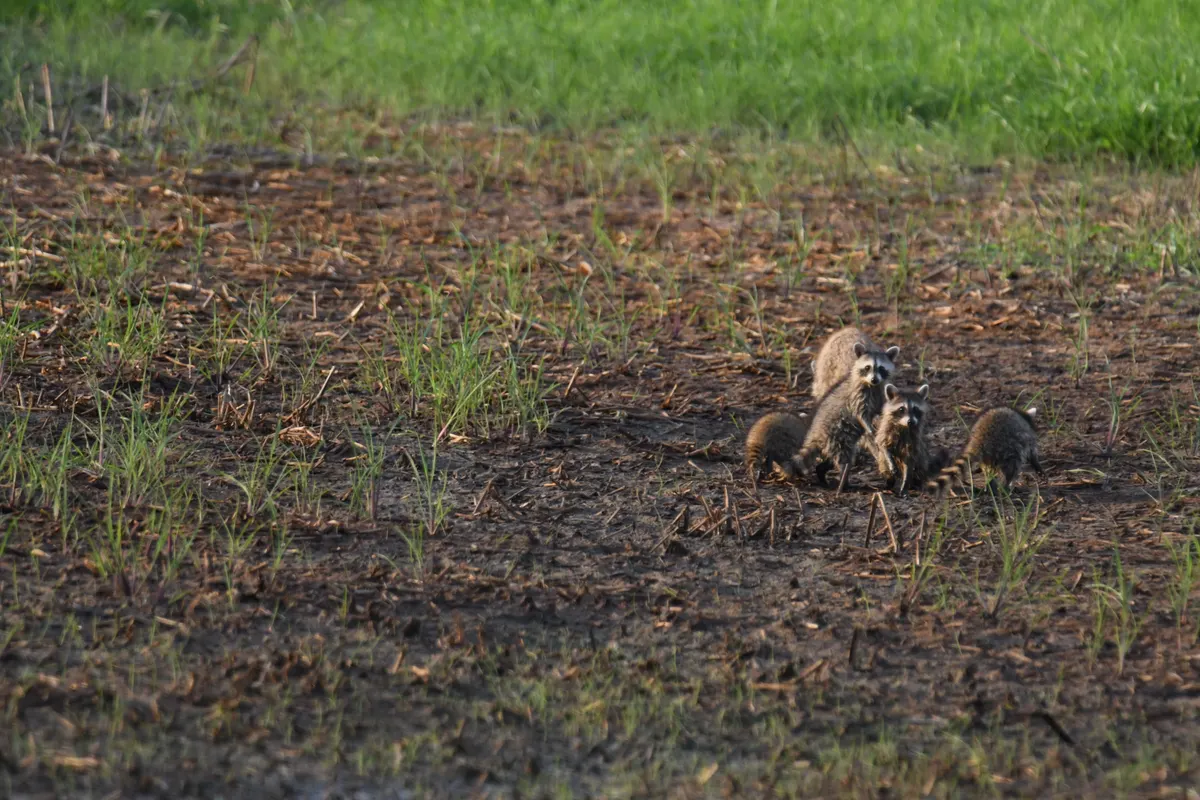
The kits are altricial—born blind, deaf, and highly dependent, though they already sport the faint outline of their facial masks. They remain hidden in the den, nursing on their mother's rich milk for about eight weeks. By early summer, the energetic kits emerge from the den and begin following their mother on nocturnal foraging expeditions, learning crucial survival skills and complex problem-solving. The family unit stays intact through their first winter, finally dispersing the following spring. While a raccoon's lifespan in captivity can reach 20 years, the harsh realities of the wild—predation, disease, starvation, and vehicle collisions—mean the average wild lifespan is only 2 to 3 years.
(Population and conservation trend data sourced from the IUCN Red List of Threatened Species)
The common raccoon is listed as "Least Concern" on the IUCN Red List of Threatened Species, boasting an increasing global population trend. Far from being endangered, their numbers have exploded over the past century, largely due to their ability to exploit human-altered landscapes and the eradication of their natural apex predators.
In wild settings, raccoons face predation from coyotes, bobcats, cougars, and large birds of prey like Great Horned Owls. However, their most significant threats are entirely anthropogenic. Vehicle collisions account for a massive percentage of raccoon mortality every year. Furthermore, as dense populations congregate in urban areas, disease transmission becomes a critical factor. Raccoons are highly susceptible to canine distemper and raccoon parvovirus, which can decimate local populations. They are also a primary vector for the rabies virus in North America, leading to aggressive trapping and culling programs by wildlife management agencies in an attempt to control the spread of the disease to humans and domestic pets.
Raccoons are most active at night.
Their front paws can open jars, latches, and trash cans.
Baby raccoons are called kits.
Raccoons often dip food in water before eating.
They can climb trees and swim well.
Raccoons have spread to Europe and Japan after being introduced.
Select a question to reveal the answer.
A raccoon is a medium-sized mammal with a black mask, ringed tail, and clever front paws. The common raccoon lives across North America.
Raccoons live in forests, wetlands, and cities across North America. They have also been introduced to parts of Europe and Asia.
Raccoons eat fruit, nuts, insects, fish, eggs, and many foods they find near people, including trash.
A baby raccoon is called a kit. Kits are born in spring and stay with their mother for months.
Raccoons often dip food in water, which may help them feel their food better with their sensitive paws.
Yes. Raccoons usually come out at night to search for food and avoid predators.
Wild raccoons should not be approached. They can bite if scared and may carry diseases.