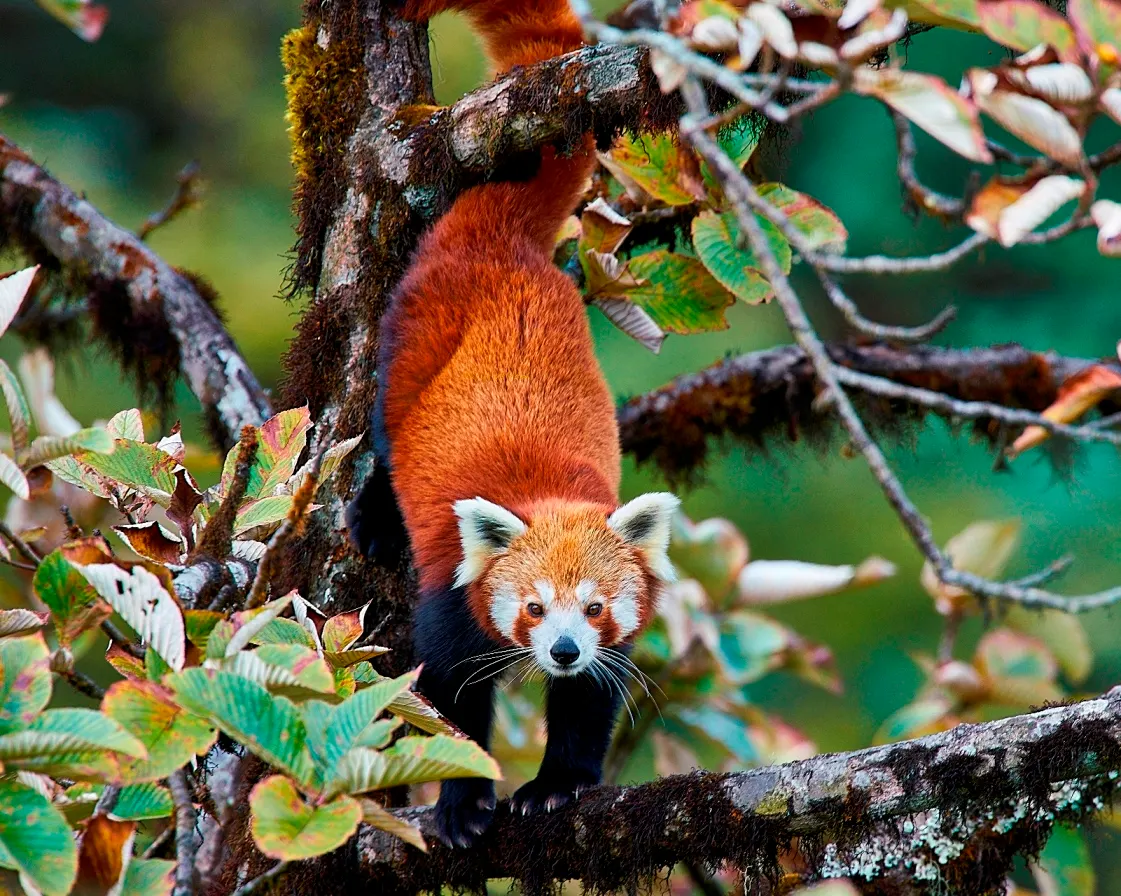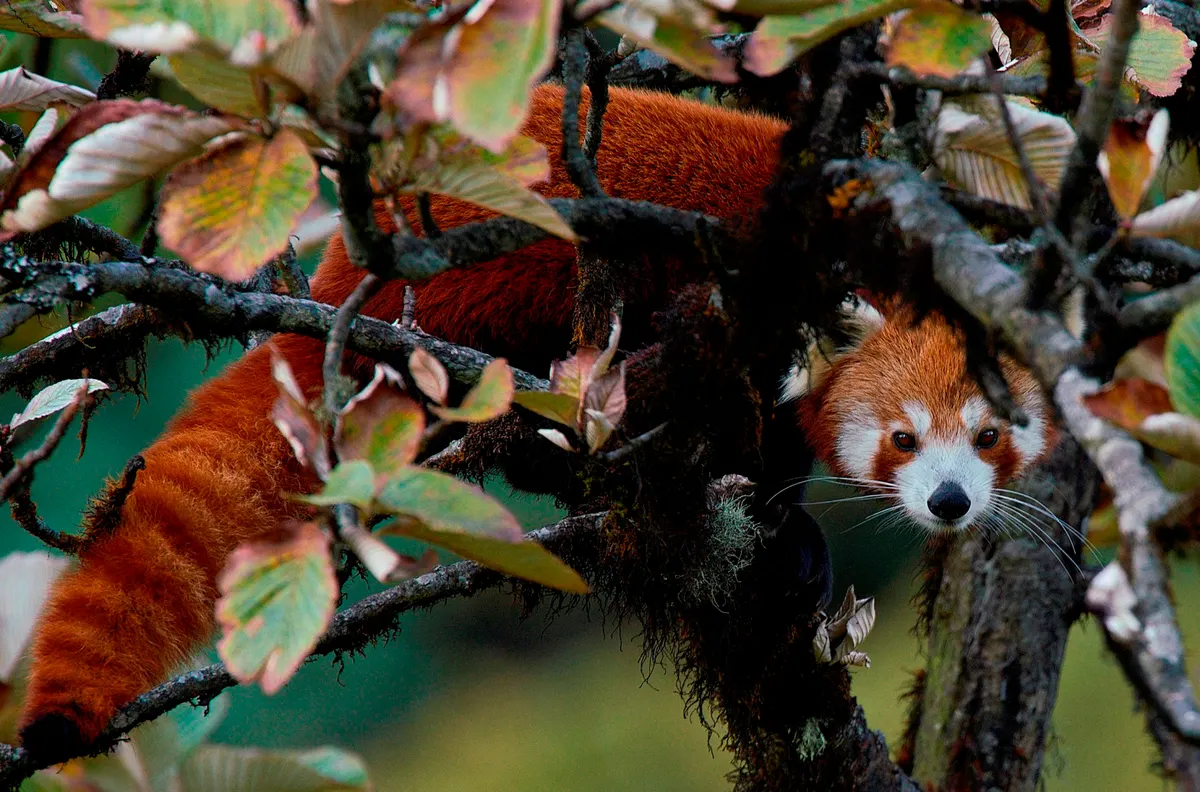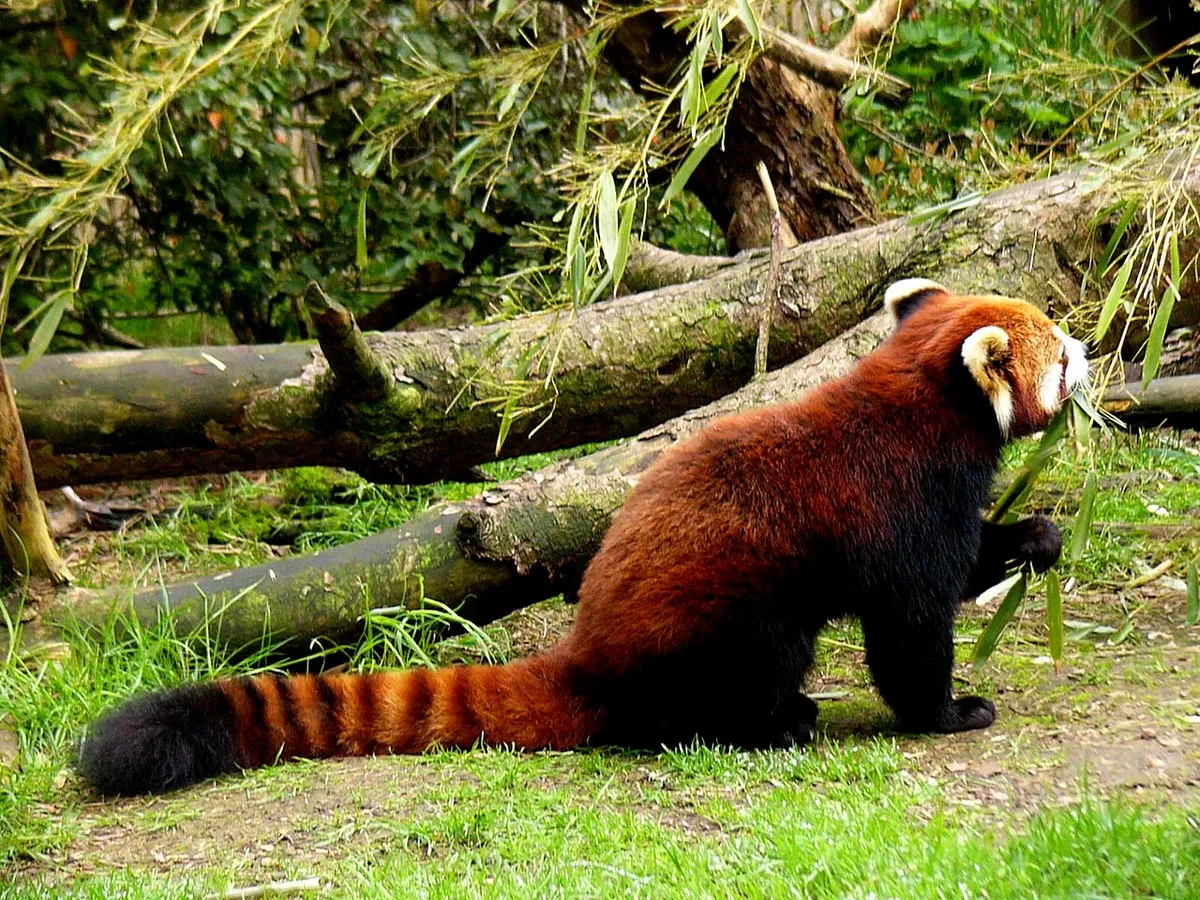
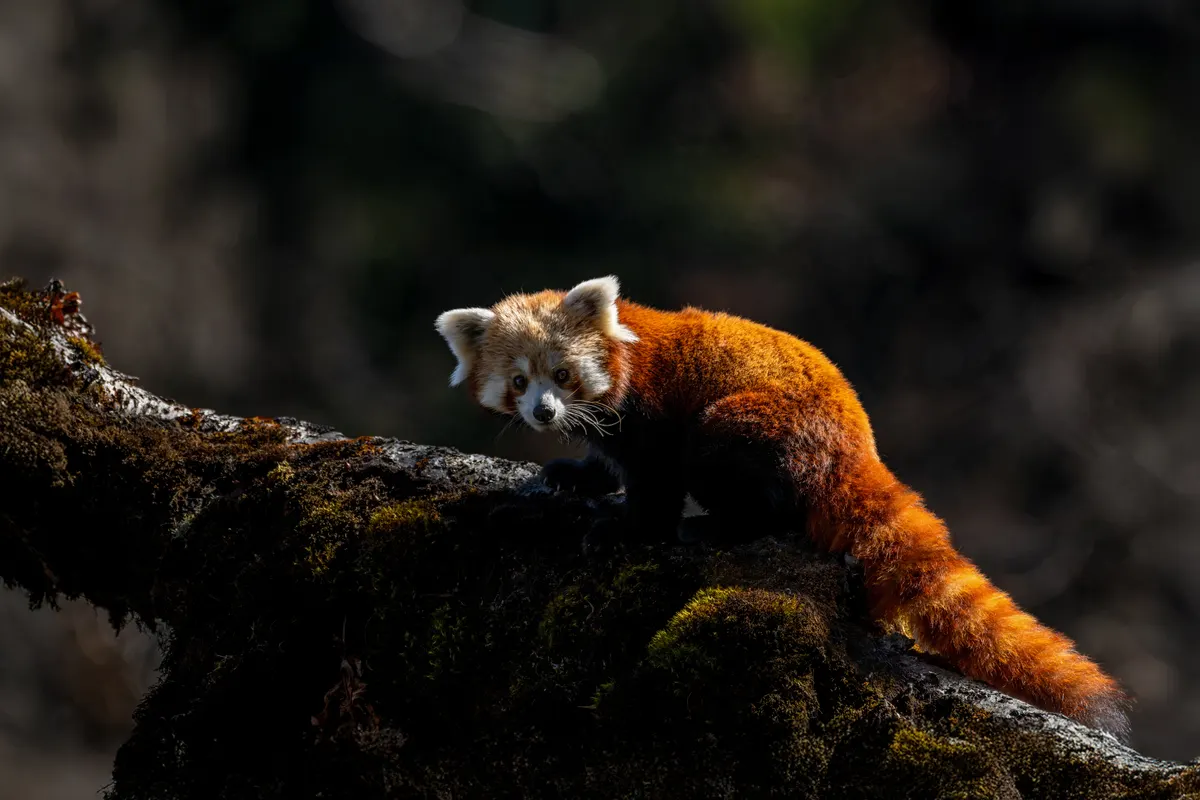
The red panda occupies a highly restricted, fragmented geographic range tightly hugging the slopes of the Himalayan mountain range. Their distribution spans across five Asian nations: Nepal, India, Bhutan, Myanmar (Burma), and the mountainous provinces of southwestern China.
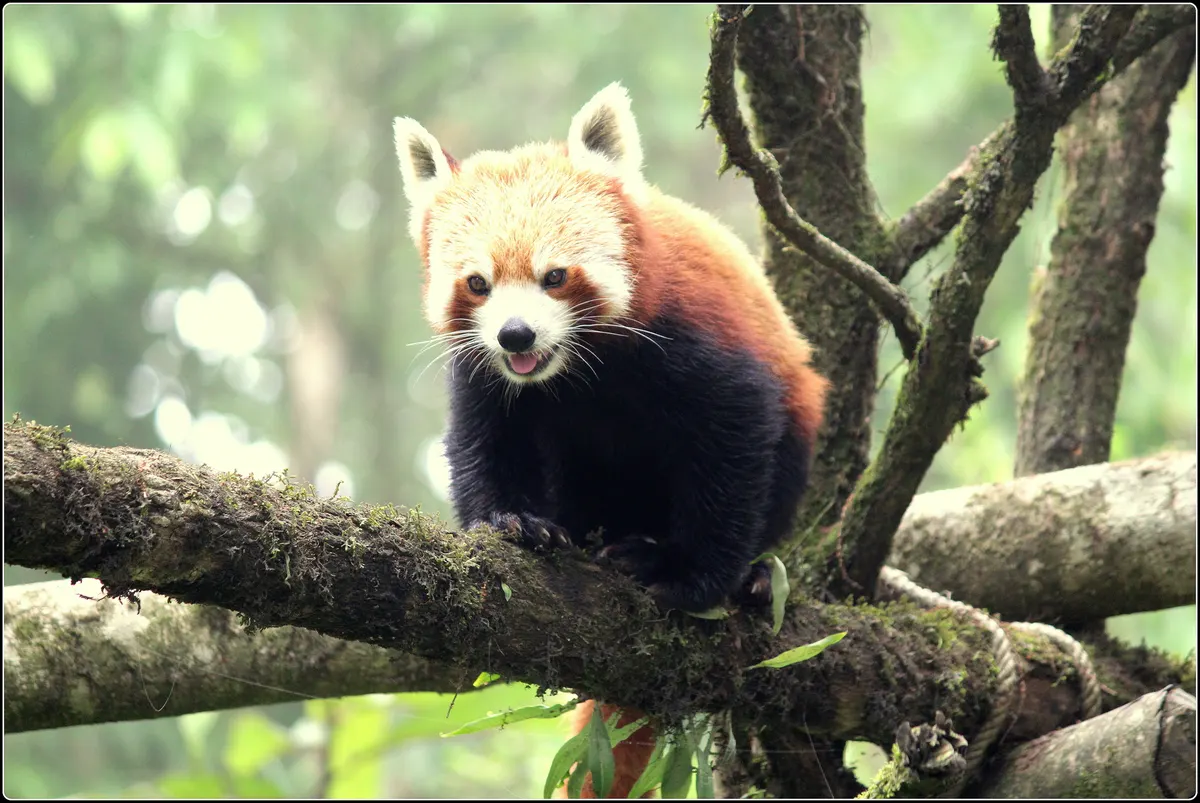
Their obligate habitat consists of high-altitude temperate broadleaf and mixed montane forests, typically situated between elevations of 7,000 and 15,000 feet (2,200 to 4,800 meters). These environments are characterized by steep, rugged terrain, freezing temperatures, and constant, heavy cloud cover.
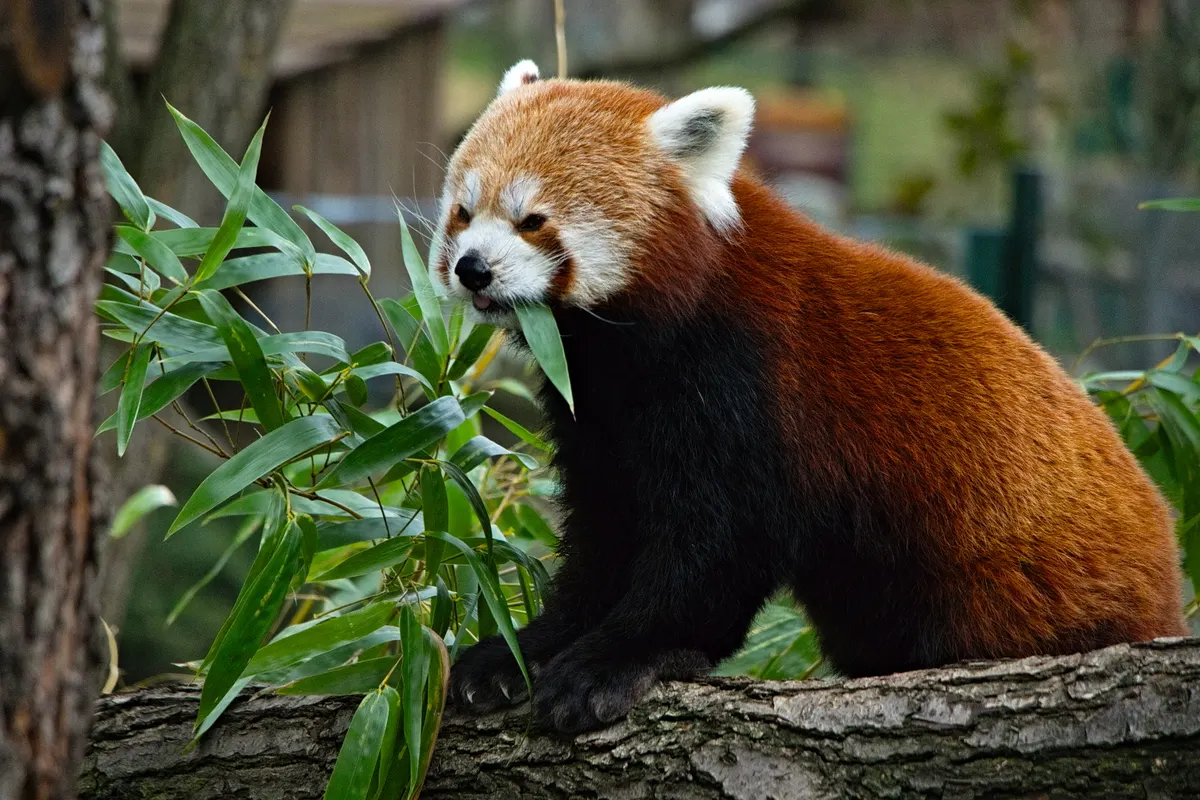
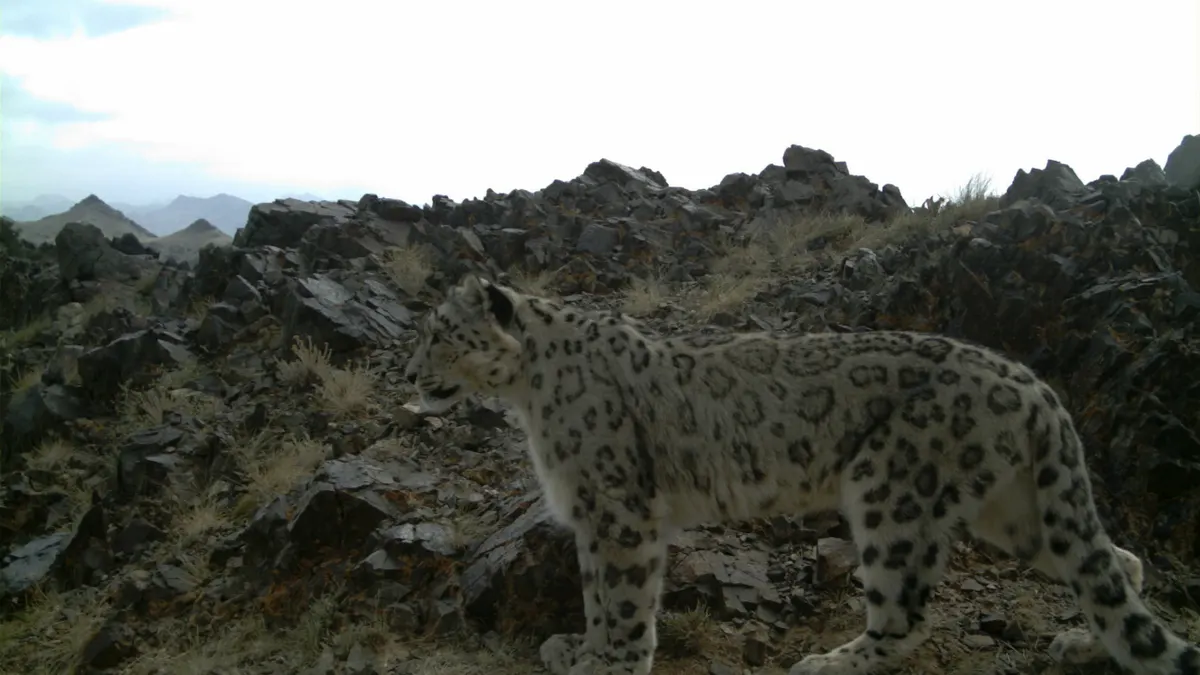
Crucially, a red panda's biome must contain a dense, continuous understory of specific bamboo species, interspersed with massive, old-growth deciduous and coniferous trees. They require the large, hollow cavities found only in ancient trees for denning and resting, while the dense bamboo thickets provide their primary food source and critical cover from apex predators like snow leopards. As highly specialized arboreal creatures, they rarely descend to the forest floor, preferring to spend their lives navigating the intricate, overlapping canopy of the forest.