Platypus Facts
"Platypuses are one of only two kinds of egg-laying mammals alive today."
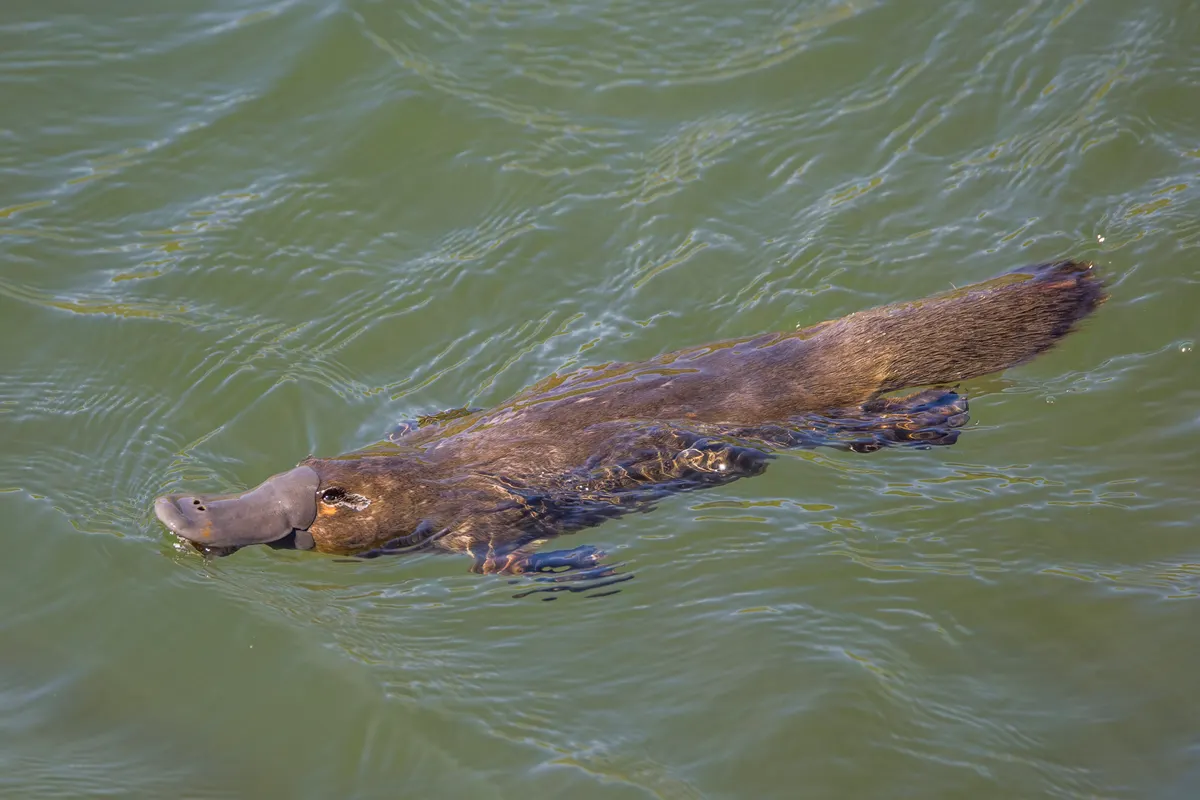
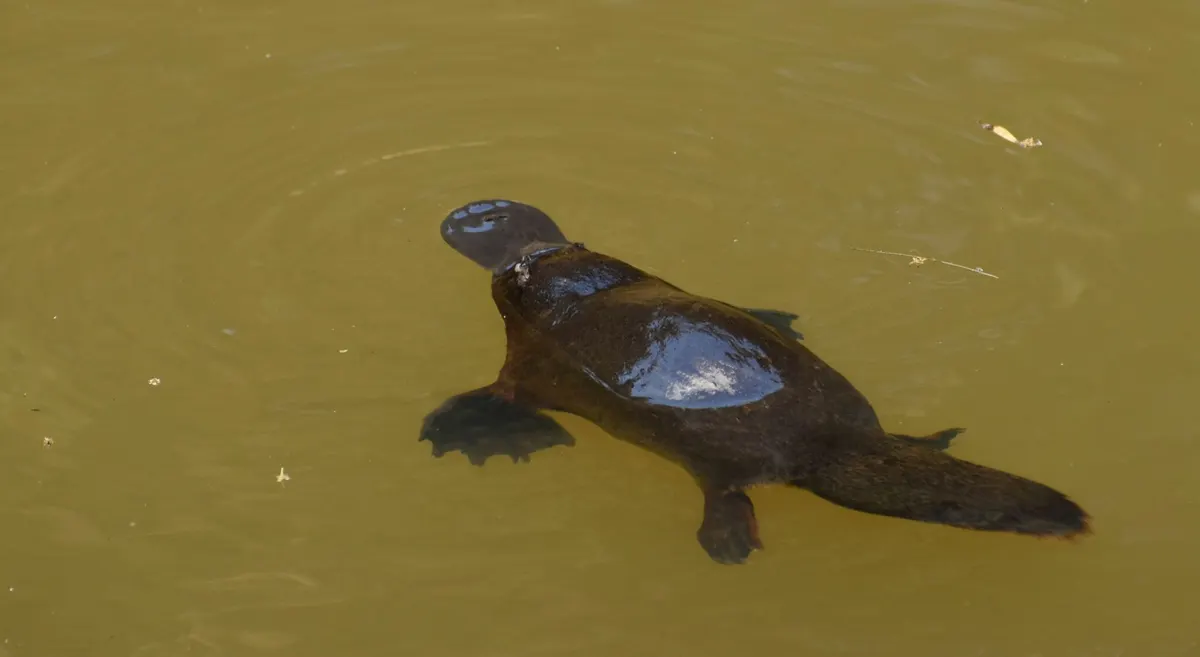
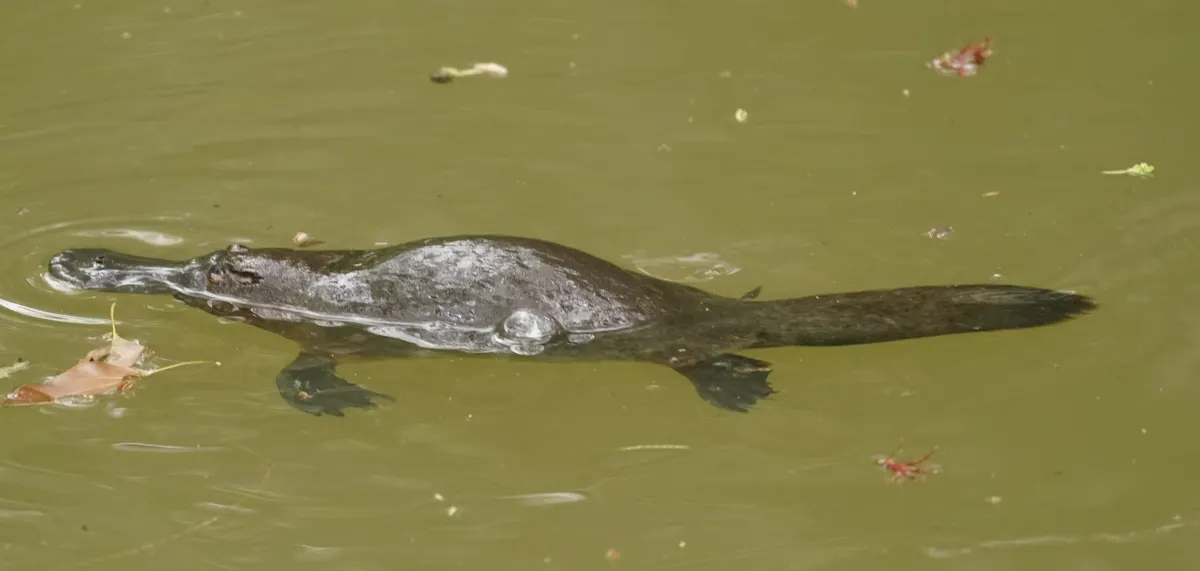
Platypuses are egg-laying mammals from Australia with duck-like bills, webbed feet, and waterproof fur. They hunt underwater in rivers and streams.
Loading page content

"Platypuses are one of only two kinds of egg-laying mammals alive today."
Platypuses are egg-laying mammals from Australia with duck-like bills, webbed feet, and waterproof fur. They hunt underwater in rivers and streams.
Ornithorhynchus anatinusMonotremataOrnithorhynchidae
Explore platypus photos organized for learning and classroom observation.
Click any photo to view it larger. 8 images available.
Core article
Habitat, diet, behavior, and more — everything on one page.
The platypus is widely regarded as one of the most bewildering and biologically bizarre creatures on the planet. Endemic to the freshwater systems of eastern Australia and Tasmania, this semi-aquatic mammal seems like a patchwork of different species stitched together. With the bill of a duck, the tail of a beaver, the webbed feet of an otter, and venomous spurs akin to a reptile, the platypus defies conventional mammalian categorization. When British naturalists first encountered preserved specimens in the late 18th century, many famously dismissed the animal as an elaborate hoax—a taxidermist's prank. However, the platypus (Ornithorhynchus anatinus) is a very real, highly adapted survivor from an ancient lineage of mammals. Operating primarily under the cover of darkness, these exceptional predators navigate murky rivers and streams, utilizing incredibly sophisticated electroreception to hunt.
The platypus belongs to the kingdom Animalia, phylum Chordata, and class Mammalia. Within mammals, however, it occupies a deeply divergent and ancient branch known as the order Monotremata, which it shares only with the four living species of echidnas. Monotremes are fundamentally distinct from marsupial and placental mammals because they retain the reptilian trait of laying eggs rather than giving birth to live young.
The platypus is the sole living representative of its family, Ornithorhynchidae, and its genus, Ornithorhynchus. The evolutionary lineage of the platypus dates back over 100 million years to the Mesozoic era, making them living fossils that offer invaluable insights into the early evolution of mammals. Paleontological records reveal that ancient monotreme relatives were once more widespread across the supercontinent of Gondwana, but today, this unique evolutionary offshoot is entirely restricted to the Australian landmass. Their survival through millions of years of shifting climates and tectonic movements is a testament to the highly specialized, ecological niche they occupy in freshwater environments.
The physical anatomy of a platypus represents extreme morphological adaptation to a benthic, aquatic lifestyle. They are relatively small mammals; adults range from 12 to 20 inches in length and weigh between 2 to 5 pounds, with males being notably larger than females.
The most prominent feature of the platypus is its bill. While it resembles a duck's bill visually, it is entirely different in structure. The platypus bill is soft, leathery, and highly flexible, packed with thousands of sensitive electroreceptors and mechanoreceptors. Since a platypus hunts with its eyes, ears, and nostrils tightly clamped shut to keep out water, this highly innervated bill allows the animal to detect the minute electrical impulses generated by the muscular contractions of its prey hidden in the mud.
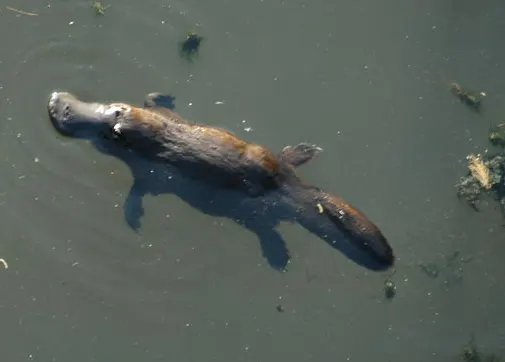
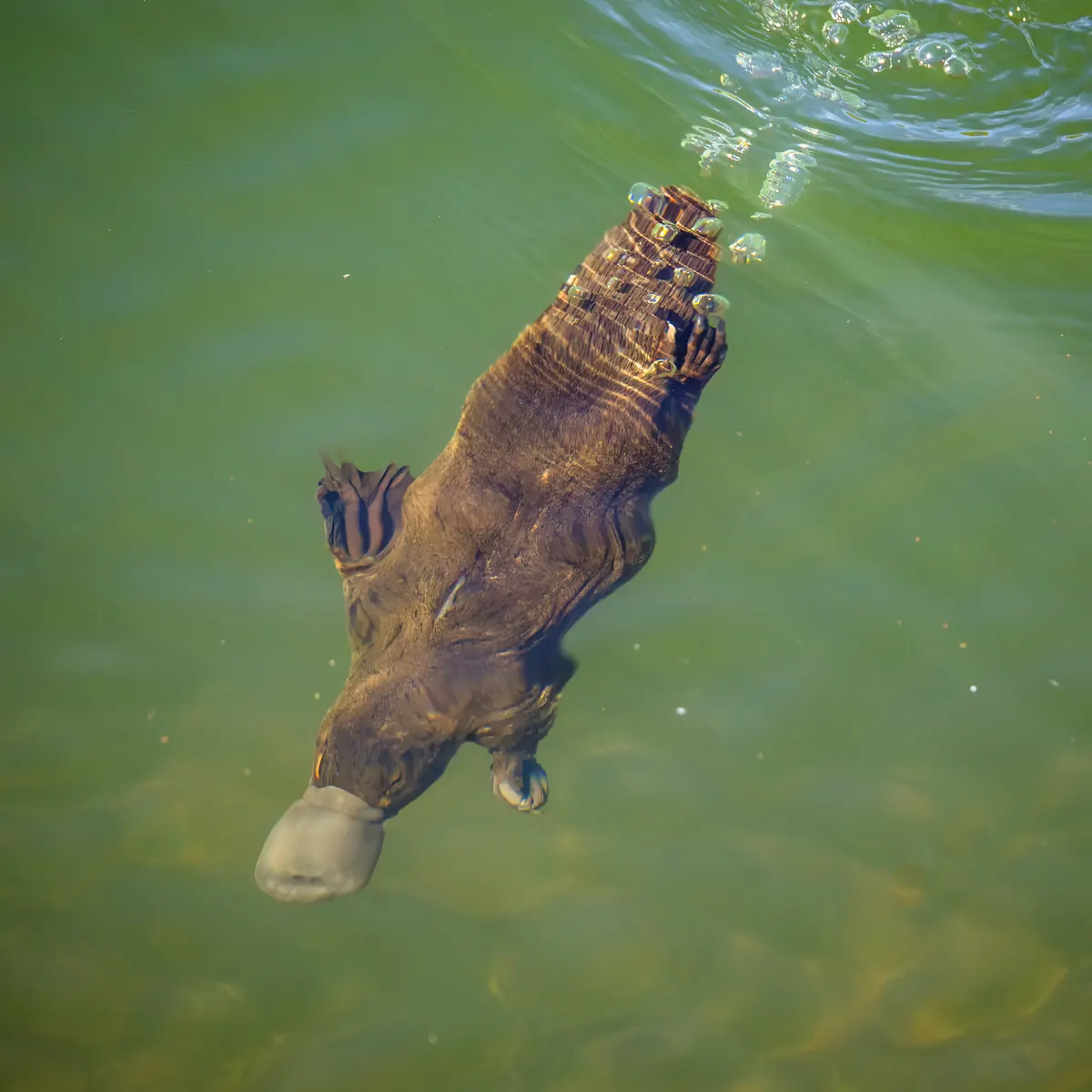
Their bodies are streamlined and densely covered in two layers of thick, waterproof fur—a dense undercoat for insulation and longer guard hairs to repel water. This pelage traps a layer of air next to the skin, crucial for thermoregulation in frigid mountain streams. For propulsion, the platypus relies on its short limbs and heavily webbed front feet. Unlike most aquatic mammals that use their hind legs or tail to swim, the platypus generates thrust by alternately rowing with its front legs. When on land, the webbing folds back, exposing sturdy claws used for digging extensive burrows into riverbanks.
Uniquely among mammals, the male platypus is venomous. They possess a sharp, hollow spur on each hind ankle connected to a venom gland in the upper leg. The venom is not lethal to humans, but it causes excruciating, persistent pain and severe swelling. This venom system is seasonally active and is primarily used in aggressive territorial battles between rival males during the breeding season. Additionally, adult platypuses lack teeth; instead, they have heavily keratinized pads in their mouths to crush their hard-shelled prey, utilizing grit scooped up from the riverbed to aid in mastication.

The platypus has a highly restricted geographic distribution, confined exclusively to the eastern coastal regions of mainland Australia (including Queensland, New South Wales, and Victoria) and the island of Tasmania. They are obligate freshwater dwellers, demanding continuous access to water systems.
Their preferred biomes include freshwater rivers, flowing streams, deep creeks, and occasionally natural lakes and artificial reservoirs. They can thrive in a variety of climatic conditions, from the humid, tropical rainforests of northern Queensland to the freezing, snow-fed alpine streams of the Tasmanian highlands.
A critical component of a platypus’s habitat is the structural integrity of the riparian zone—the interface between the land and a river. They require steep, heavily vegetated earthy banks where they can excavate their complex, multi-chambered burrows above the water line. Overhanging vegetation, submerged logs, and root systems are essential, providing necessary cover from terrestrial and aerial predators, as well as fostering the benthic invertebrate communities the platypus relies upon for food.

The platypus is a voracious carnivorous predator, operating as a benthic forager. Its diet consists predominantly of freshwater macroinvertebrates. Key food sources include various insect larvae (such as caddisflies, mayflies, and dragonflies), annelid worms, freshwater shrimp, small crayfish (yabbies), and aquatic snails.
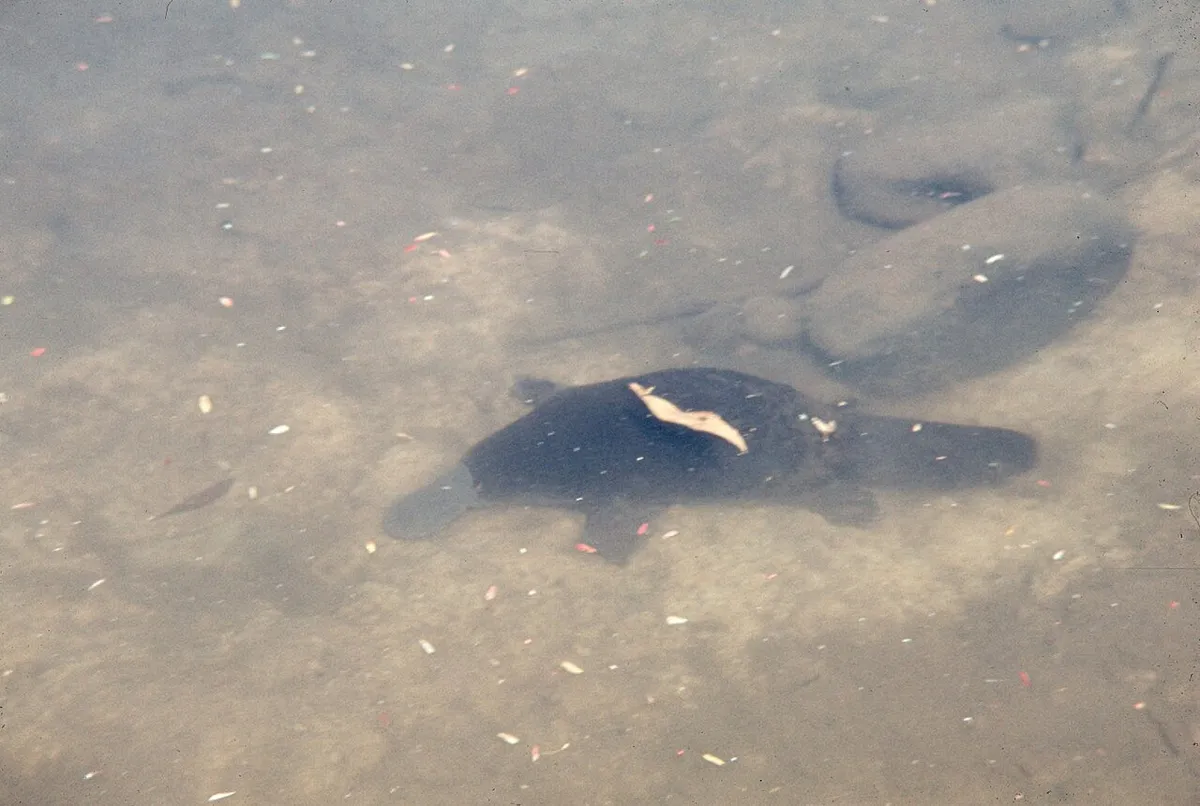
Due to their high metabolic rate, platypuses must consume up to 20% of their body weight in food every single day, requiring them to spend 10 to 12 hours actively foraging. The platypus's hunting strategy is entirely reliant on its remarkable bill. Diving to the bottom of a river or stream, the platypus sweeps its bill from side to side—a motion known as "saccadic" sweeping—to detect the electrical fields and mechanical disturbances caused by buried prey.
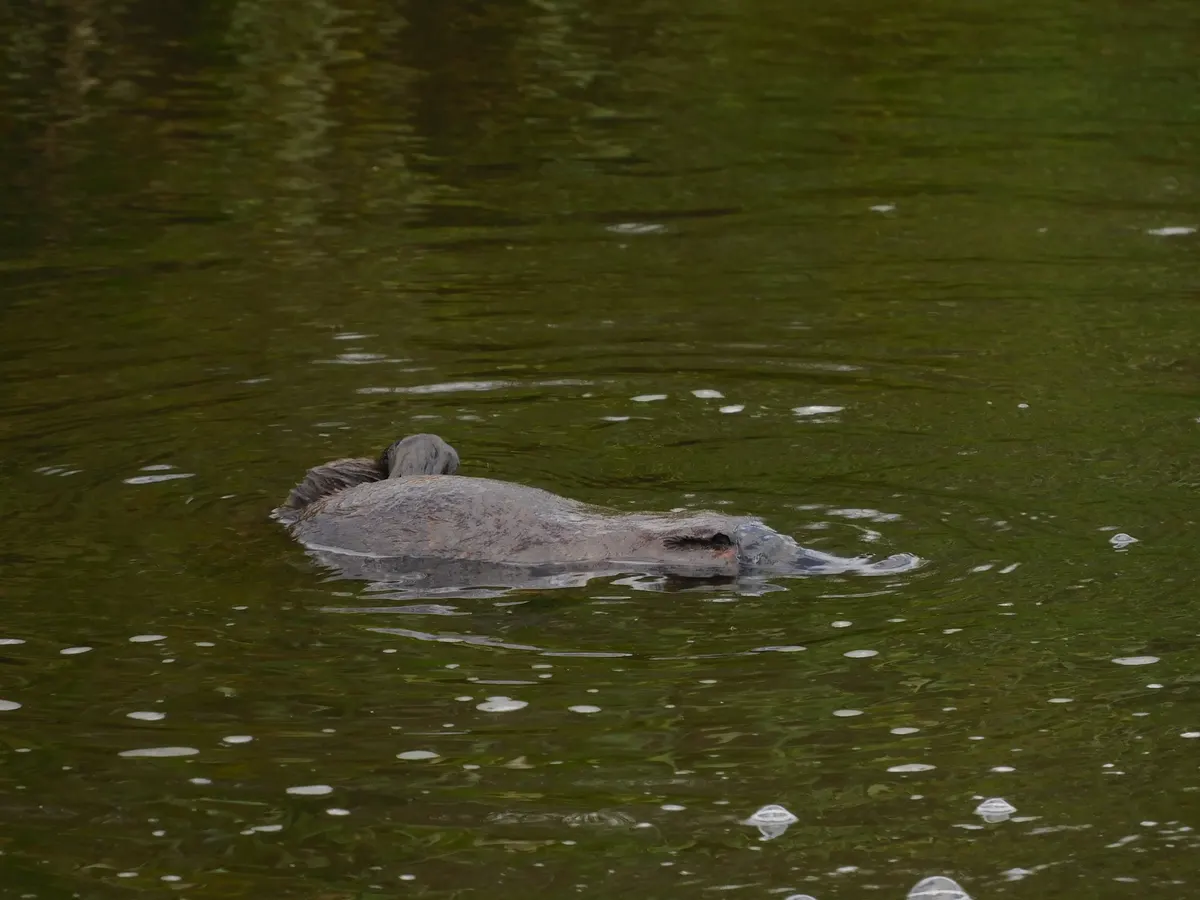
Once an item is located, the platypus uses its bill to scoop up the prey, often gathering a mouthful of mud, sand, and gravel in the process. Because they cannot chew or swallow while submerged, platypuses possess specialized cheek pouches where they store their gathered food. After one to two minutes underwater, the platypus returns to the surface to breathe, at which point it vigorously grinds the prey against the horny keratin plates in its mouth, using the ingested grit to break down hard exoskeletons before swallowing.

Platypuses are predominantly solitary, cryptic, and primarily nocturnal or crepuscular (active at dawn and dusk). They do not form complex social structures or enduring pair bonds. Their interactions are generally limited to the breeding season or incidental encounters in overlapping foraging territories.
Despite being exceptional swimmers, platypuses are remarkably slow and awkward on land, expending 30% more energy walking than similarly sized terrestrial mammals. When not hunting in the water, they spend the vast majority of their time resting in their subterranean burrows. They construct two types of burrows: a simple, short resting burrow used year-round, and a much longer, elaborate nesting burrow constructed exclusively by the female during the breeding season.
While generally quiet, platypuses can vocalize when threatened or handled, emitting a low, growling sound. Males become highly aggressive toward one another during the breeding season, utilizing their venomous ankle spurs in violent combat to secure access to receptive females and defend prime aquatic territories.

The reproductive cycle of the platypus is its most distinguishing feature, solidifying its status as a monotreme. Following a brief and often aggressive courtship and mating period in the water, the male departs, leaving the female to manage gestation, incubation, and rearing alone.
The female excavates a deep, complex nesting burrow that can extend up to 30 meters into the riverbank, plugging the tunnel at intervals with soil to protect against flooding and predators, and to regulate temperature and humidity. At the end of the burrow, she constructs a nest from wet reeds and leaves. After a gestation period of about 21 days, she typically lays 1 to 3 small, leathery, reptile-like eggs.
The female incubates the eggs by curling her body around them. After approximately 10 days, the young platypuses, affectionately called puggles, hatch. The puggles are altricial—blind, hairless, and highly vulnerable. Unlike placental mammals, female platypuses lack distinct nipples. Instead, they secrete milk through specialized pores in their abdominal skin, which the puggles lap up as it pools on the mother's fur. The mother nurses the puggles in the safety of the dark burrow for 3 to 4 months. By the time they emerge, the juveniles are fully furred and capable of independent foraging. In the wild, platypuses face a challenging environment but can reach lifespans of 10 to 17 years.
(Population and conservation trend data sourced from the IUCN Red List of Threatened Species)
Currently, the platypus is classified as "Near Threatened" on the IUCN Red List of Threatened Species, with population trends pointing toward a continuous decrease across much of their historic range. While they are legally protected in Australia, their reliance on pristine freshwater ecosystems makes them acutely vulnerable to environmental degradation.
Habitat destruction and fragmentation represent the most severe threats. Agricultural expansion, urban development, and land clearing erode the riverbanks essential for burrowing and pollute the waterways with runoff, destroying the invertebrate populations the platypuses eat. Furthermore, the construction of massive dams and weirs disrupts river flow, alters water temperatures, and creates impassable barriers that isolate populations, leading to reduced genetic diversity.
Climate change dramatically exacerbates these issues, causing severe, prolonged droughts that dry up critical river systems, leaving platypuses exposed to terrestrial predators like foxes, feral cats, and dogs. Historically, they were heavily hunted for their dense, waterproof fur, though this practice was banned in the early 20th century. Today, entanglement in illegal or discarded fishing nets and enclosed yabby traps remains a significant cause of drowning for these unique animals.
Platypuses are one of only two kinds of egg-laying mammals alive today.
A platypus bill can sense electric signals from prey underwater.
Male platypuses have venomous spurs on their hind legs.
Baby platypuses are called puggles.
Platypuses have no teeth as adults and grind food with horny plates.
They store food in cheek pouches before eating at the surface.
Select a question to reveal the answer.
A platypus is an unusual egg-laying mammal from Australia with a duck-like bill, webbed feet, and waterproof fur.
Yes. Platypuses are mammals because they have fur and feed milk to their young, even though they lay eggs.
Platypuses live along freshwater rivers, streams, and lakes in eastern Australia and Tasmania.
Platypuses eat insects, worms, shrimp, crayfish, and other small animals found in river mud.
A baby platypus is called a puggle. Puggles hatch from eggs and then nurse from their mother in a burrow.
They close their eyes and ears while diving and use their bill to detect movement and electric signals from prey.
Platypuses are listed as Near Threatened. Pollution, drought, and damaged river habitat threaten some populations.