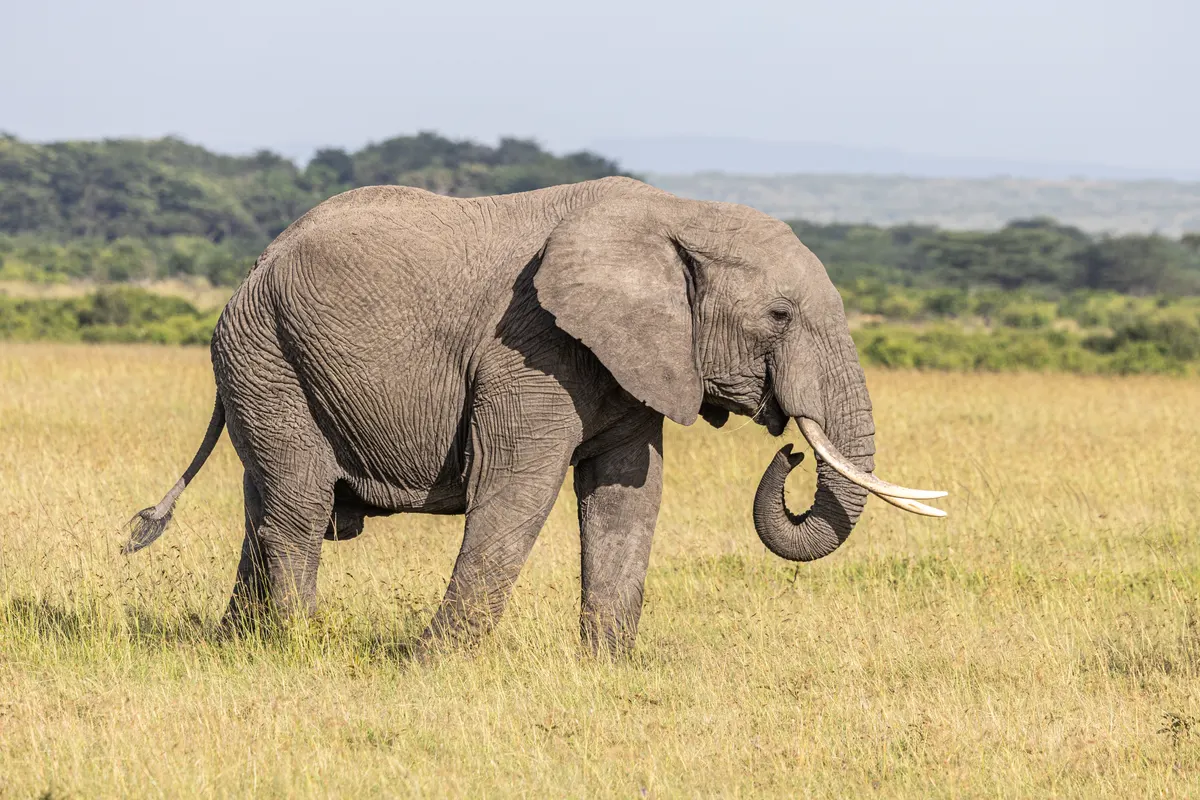
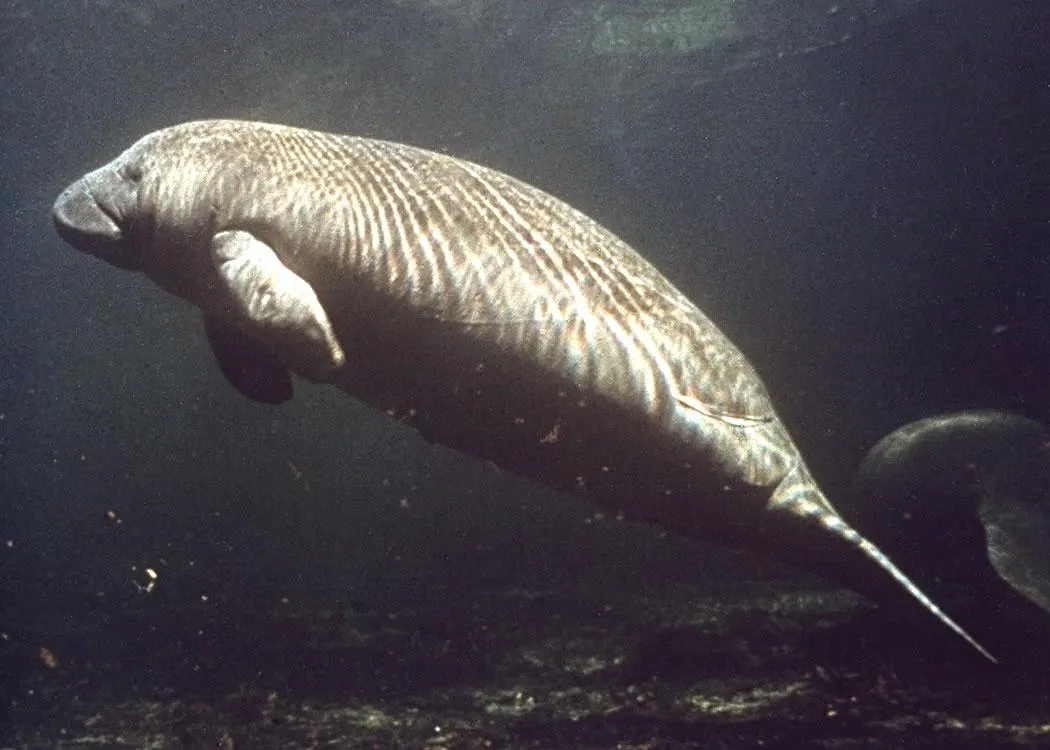
A mature West Indian manatee is an imposing animal, typically measuring between 8 to 13 feet in length and weighing a staggering 440 to 1,300 pounds, with some exceptional females reaching over 3,000 pounds. Their bodies are fusiform and highly streamlined, terminating in a large, horizontally flattened, paddle-like tail (fluke) that propels them through the water with slow, undulating strokes. Their forelimbs are modified into flexible flippers equipped with three to four vestigial toenails—a clear morphological nod to their terrestrial elephantine ancestors—used for steering, crawling along the riverbed, and grasping vegetation.
One of the manatee's most specialized adaptations is its dense, thick bones (pachyostosis), which lack marrow cavities. These unusually heavy ribs and limb bones act as internal ballast, counteracting the immense buoyancy generated by their large, gas-filled intestines and elongated lungs, allowing them to remain submerged with minimal effort. Their sensory world revolves around touch; a manatee's entire body is sparsely covered in highly specialized tactile hairs (vibrissae) that detect subtle hydrodynamic shifts, helping them navigate murky, silt-laden waters. Furthermore, they possess highly muscular, prehensile upper lips divided into left and right pads that operate independently to grasp and manipulate aquatic plants into their mouths.