Crocodile Facts
"Nile crocodiles are one of the largest crocodile species in the world."
Nile crocodiles are giant African reptiles with powerful jaws and armor-like scales. They live in rivers and wetlands and are among Africa's top predators.
Loading page content

"Nile crocodiles are one of the largest crocodile species in the world."
Nile crocodiles are giant African reptiles with powerful jaws and armor-like scales. They live in rivers and wetlands and are among Africa's top predators.
Crocodylus niloticusCrocodiliaCrocodylidae
Explore nile crocodile photos organized for learning and classroom observation.
Click any photo to view it larger. 8 images available.
Core article
Habitat, diet, behavior, and more — everything on one page.
The Nile crocodile (Crocodylus niloticus) is a prehistoric titan of the African waterways, an apex predator that has dominated river ecosystems for millions of years. Growing to lengths between 11 and 16 feet and weighing a staggering 500 to 1,650 pounds, these armored leviathans are uniquely adapted for lethal stealth and explosive power. Lurking just beneath the surface with only their eyes and nostrils exposed, the Nile crocodile is responsible for taking down some of the largest prey on the continent, utilizing crushing jaw pressure and the infamous "death roll" to subdue everything from fish to adult buffalo.
The Nile crocodile is scientifically designated as Crocodylus niloticus. It is placed within the kingdom Animalia, phylum Chordata, and the class Reptilia. It anchors the order Crocodilia and the family Crocodylidae, classifying it as a "true crocodile."
Evolutionary biologists consider crocodilians to be some of the most morphologically conservative animals on Earth, having survived the mass extinction that wiped out the non-avian dinosaurs 65 million years ago with their basic body plan entirely intact. They are archosaurs, making them more closely related to modern birds than to other living reptiles like lizards and snakes. Their evolutionary success is rooted in their design as the perfect amphibious ambush predator.
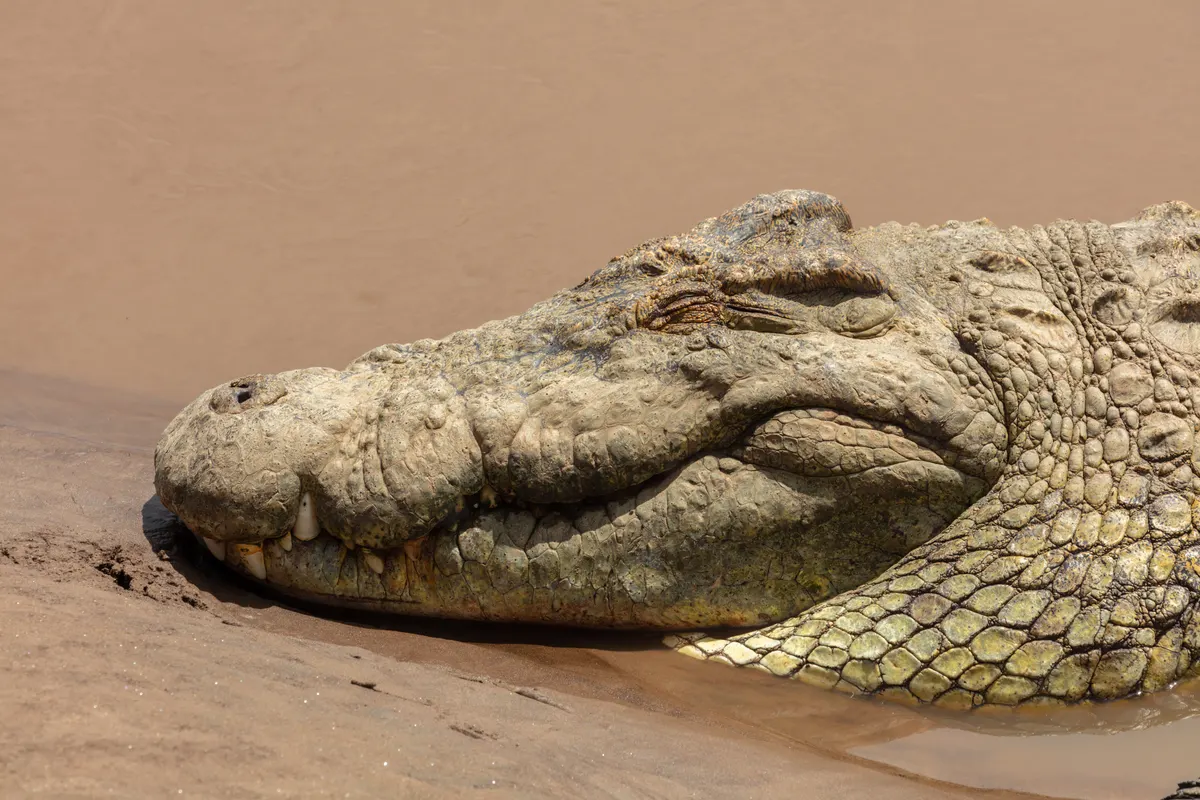
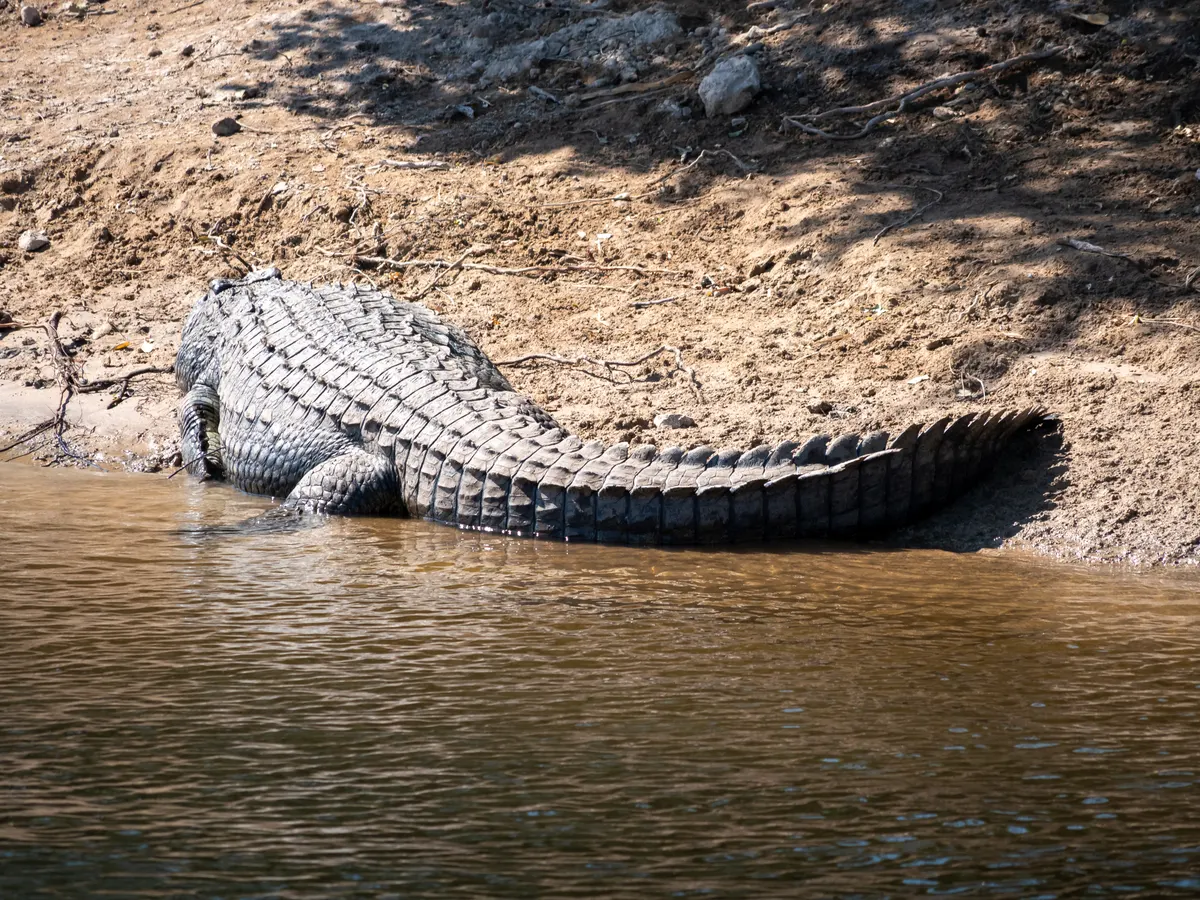
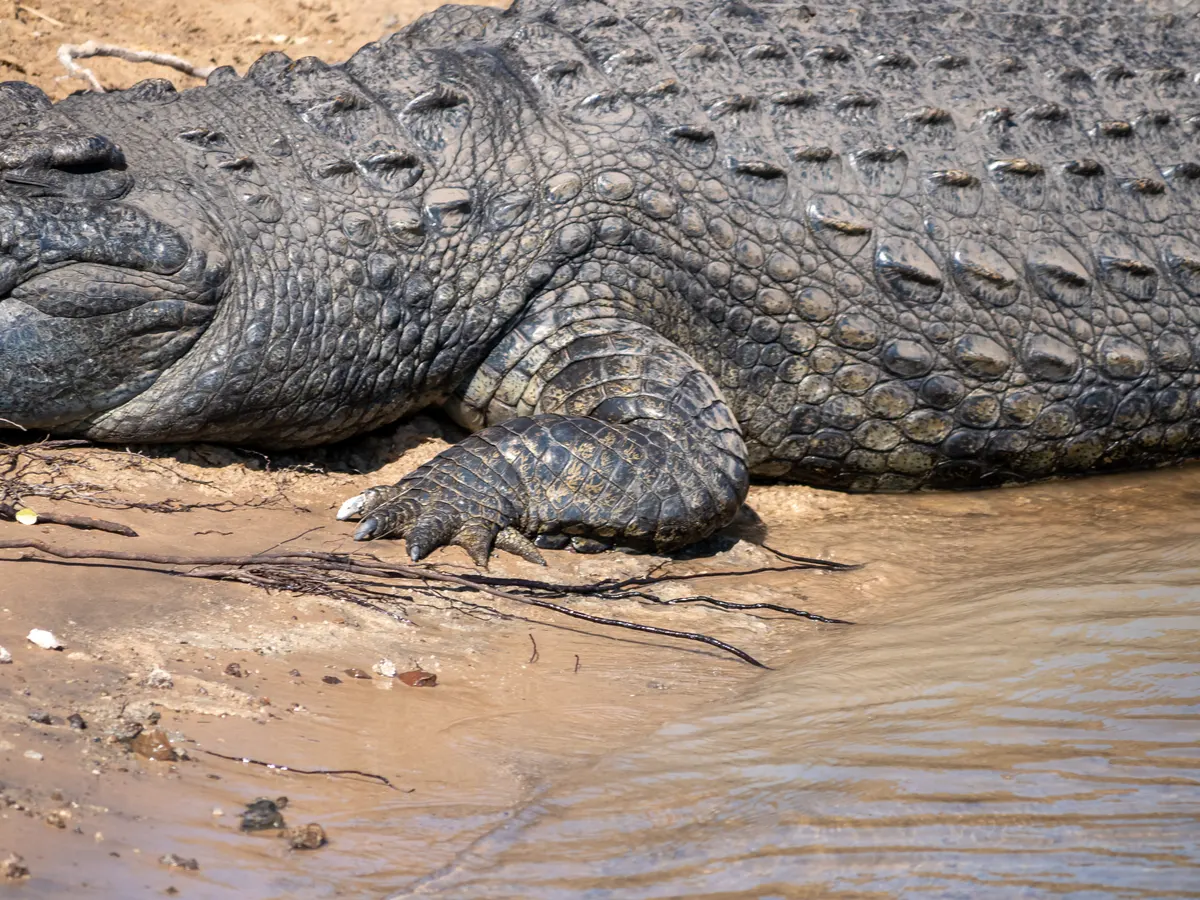
The anatomy of the Nile crocodile is heavily fortified and lethally efficient. Their skin is covered in thick, keratinous scales, fortified along the back and tail by bony plates known as osteoderms, providing heavy armor against the kicks and horns of struggling prey.
Their skulls are perfectly engineered for stealth and power. The eyes, ears, and nostrils are situated on the very top of the head, allowing the crocodile to remain almost entirely submerged and hidden while maintaining full sensory awareness of the surface. At the back of the throat, a specialized fold of tissue called the palatal valve seals the airway, allowing the crocodile to open its mouth underwater without drowning.
The jaw of a Nile crocodile is legendary. While the muscles that open the jaw are relatively weak, the muscles that snap it shut can exert an astonishing bite force exceeding 3,000 pounds per square inch. Lacking the ability to chew, they possess conical teeth designed exclusively for gripping and tearing. For propulsion, they rely on a massively muscular, laterally compressed tail that functions as an aquatic torpedo, allowing for explosive lunges out of the water.

Crocodylus niloticus is widely distributed across sub-Saharan Africa, with populations stretching from Egypt down to South Africa, and extending to the island of Madagascar.
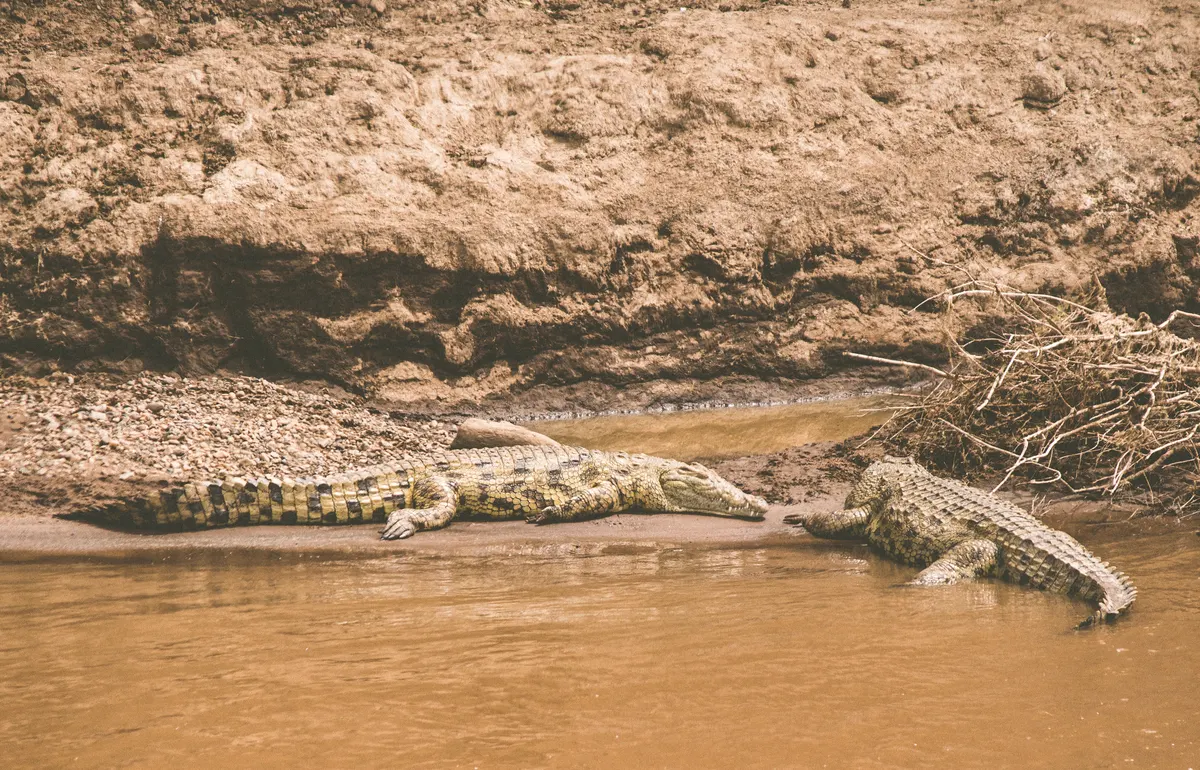
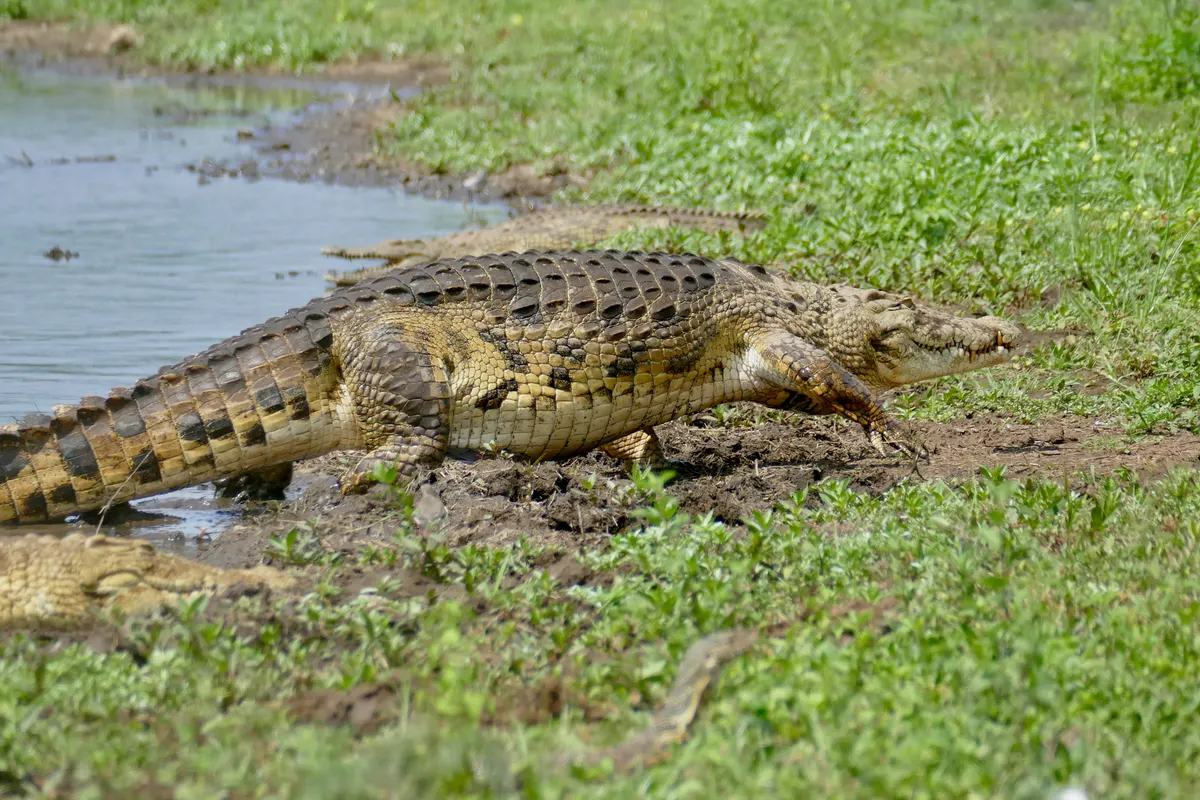
Their preferred biomes include freshwater rivers, expansive wetlands, freshwater lakes, and mangrove swamps. They require aquatic environments with adjacent sandy or muddy banks, which they utilize extensively for thermoregulation (basking in the sun to raise their body temperature) and for excavating their nests. During times of severe drought, Nile crocodiles can estivate, digging deep burrows in the mud and lowering their metabolism to survive until the rains return.

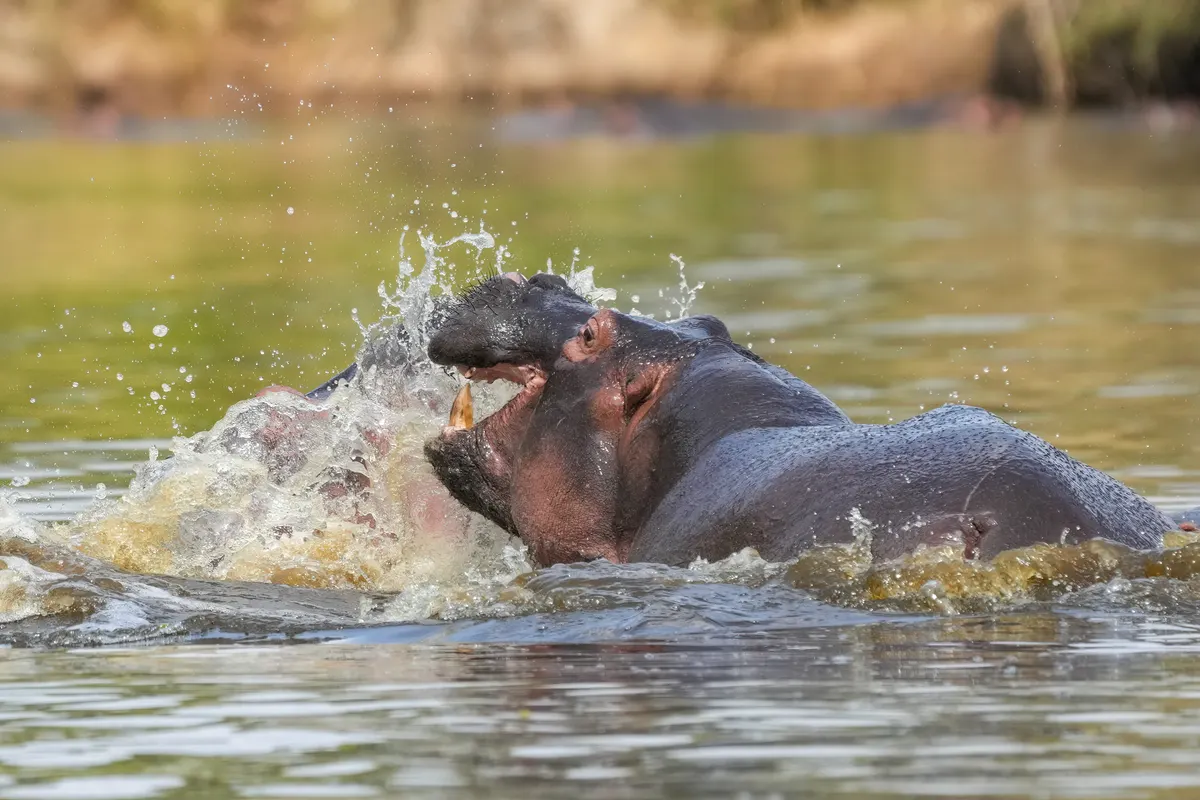
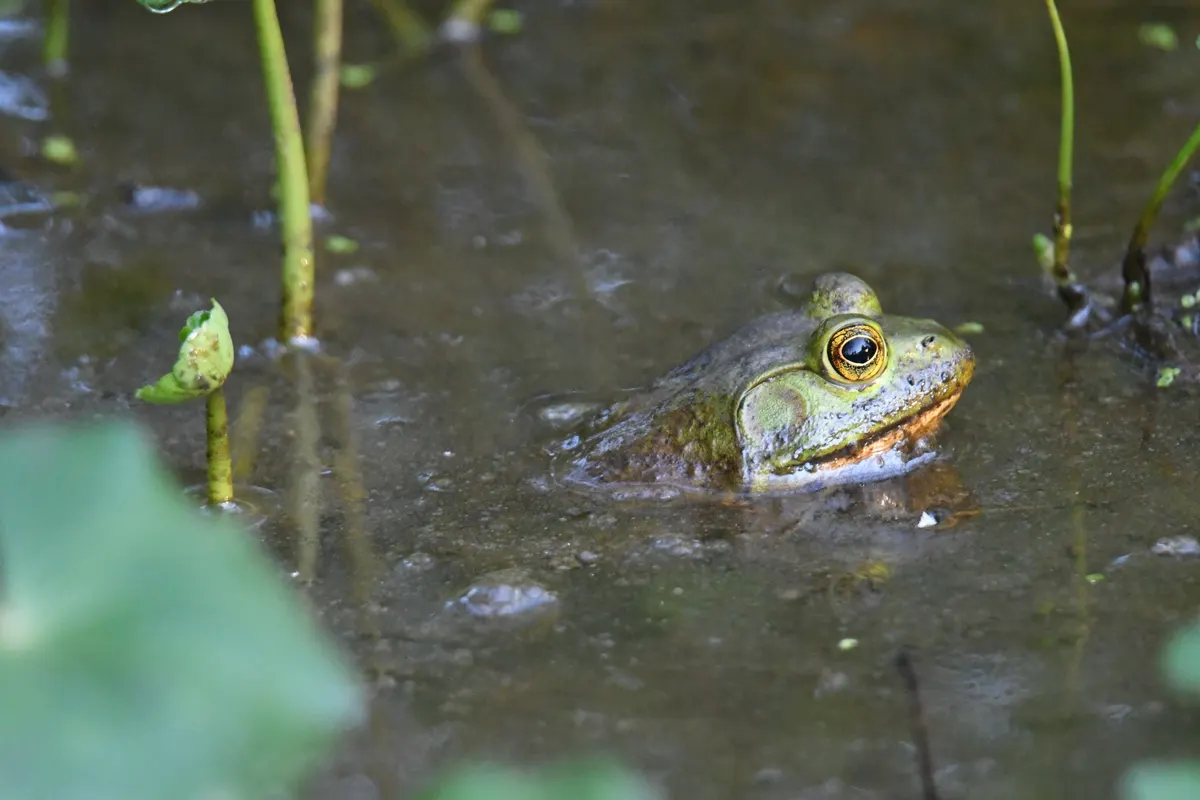
As hypercarnivores, Nile crocodiles have a highly varied diet that shifts as they grow. Juveniles feed primarily on aquatic insects, small fish, and frogs. Adult crocodiles, however, are capable of taking down nearly any animal that comes to the water's edge to drink, including zebras, wildebeest, porcupines, and even young hippopotamuses.
Their feeding strategy relies heavily on patience and explosive ambush. A crocodile will float motionless near the shoreline, resembling a drifting log. When prey approaches within striking distance, the crocodile utilizes its powerful tail to launch its massive body out of the water in a fraction of a second. Once the jaws lock onto the prey, the crocodile drags it into deeper water to drown it. Because they cannot chew, they frequently utilize the "death roll"—spinning their entire body rapidly in the water to wrench off swallowable chunks of meat. They will also cache large carcasses underwater to soften the meat.

Contrary to their solitary appearance, Nile crocodiles possess a complex, hierarchical social structure, particularly during basking and feeding. Large adults often aggregate in significant numbers on prime sunning banks.
The hierarchy is strictly size-dependent; the largest, heaviest males demand the best basking spots and the first access to large carcasses. Social interactions frequently involve aggressive vocalizations, including deep, rumbling bellows that vibrate the surrounding water, and violent head-slapping to assert dominance. However, they also display remarkable cooperation. Multiple crocodiles will often work together to corral large schools of fish in shallow water, and they occasionally share large kills without engaging in fatal combat.

The reproductive cycle of the Nile crocodile is characterized by fierce territoriality and surprisingly tender maternal care. After mating in the water, the female excavates a deep hole in a sandy riverbank above the flood line. She deposits a clutch of 25 to 80 eggs and carefully buries them.
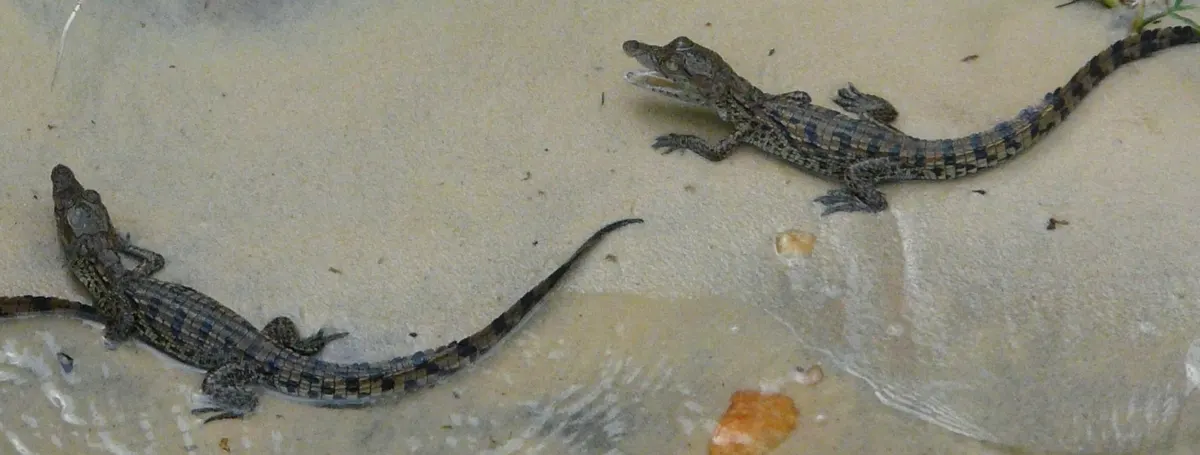
The temperature of the nest strictly dictates the sex of the offspring (temperature-dependent sex determination). For the next 3 months, the female intensely guards the nest against monitor lizards and hyenas. When the hatchlings begin to pip, they emit high-pitched chirps from beneath the sand. The mother carefully excavates the nest, sometimes gently rolling the unhatched eggs in her massive jaws to help the babies emerge, before gently carrying the 12-inch hatchlings to the water in her mouth. She will protect the crèche (group of hatchlings) for several months. Despite this care, juvenile mortality is extremely high due to predation by large fish, birds of prey, and other crocodiles. Those that survive can live 50 to 70 years in the wild.
(Population and conservation trend data sourced from the IUCN Red List of Threatened Species)
The Nile crocodile is classified as a species of "Least Concern" by the IUCN, having recovered significantly from severe overhunting in the mid-20th century.
However, they face persistent and growing localized threats. As human populations expand across Africa, human-crocodile conflict is escalating, often resulting in retaliatory killings. Habitat destruction, particularly the damming and draining of wetlands, degrades their hunting and nesting grounds. Furthermore, the pollution of river systems with agricultural runoff and heavy metals poses a long-term threat to their reproductive success.
Nile crocodiles are one of the largest crocodile species in the world.
They can stay hidden with only their eyes above the water.
Crocodiles cannot chew—they grip prey and roll or swallow pieces.
Females guard nests and may help carry hatchlings to water.
Nest temperature can affect whether hatchlings are male or female.
Crocodiles have been around since the time of dinosaurs.
Select a question to reveal the answer.
A crocodile is a large reptile with a long snout, armored skin, and a powerful tail. Nile crocodiles live in African rivers and wetlands.
Nile crocodiles live across sub-Saharan Africa and Madagascar in rivers, lakes, and wetlands.
Crocodiles are carnivores that eat fish, birds, mammals, and other animals that come to the water.
Nile crocodiles are powerful predators and should always be treated as dangerous. They usually avoid people unless threatened or hunting.
A baby crocodile is called a hatchling. Hatchlings emerge from eggs laid in nests near water.
Crocodiles often wait hidden underwater and lunge quickly when prey comes close to drink or cross the river.
Nile crocodiles are listed as Least Concern, but habitat loss and conflict with people can harm local populations.