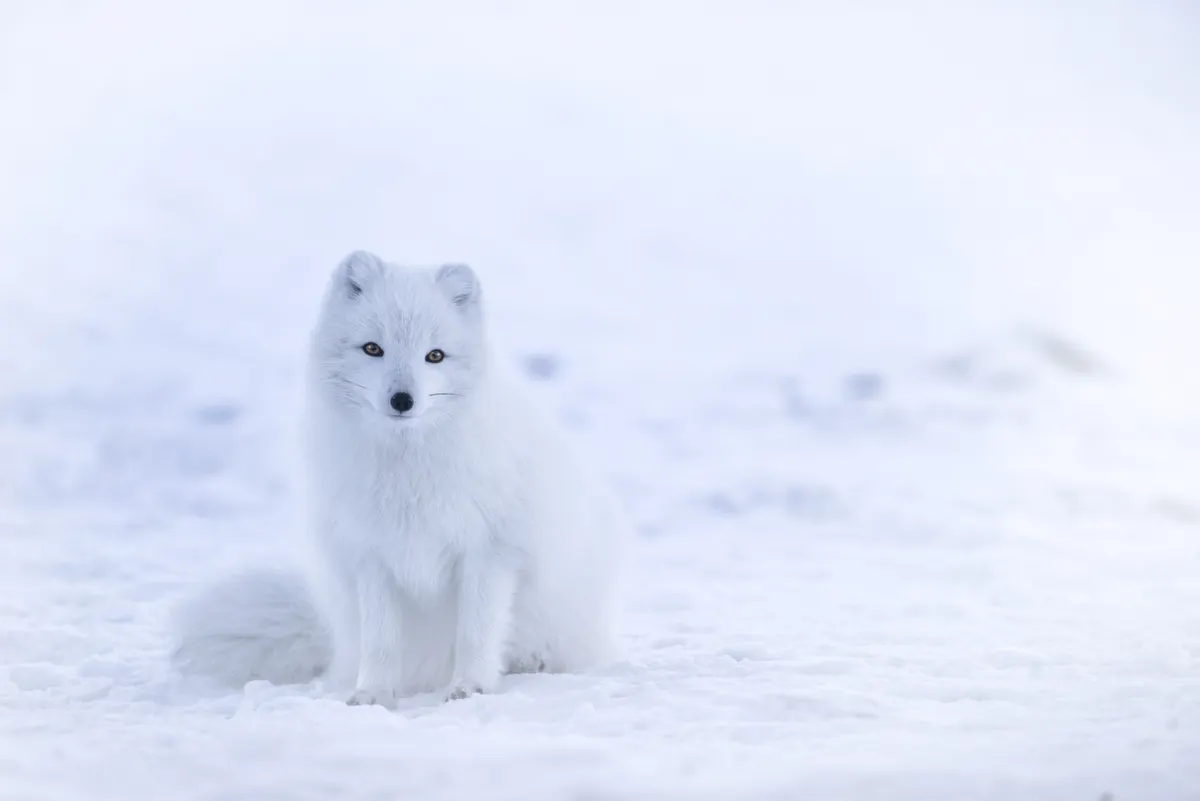
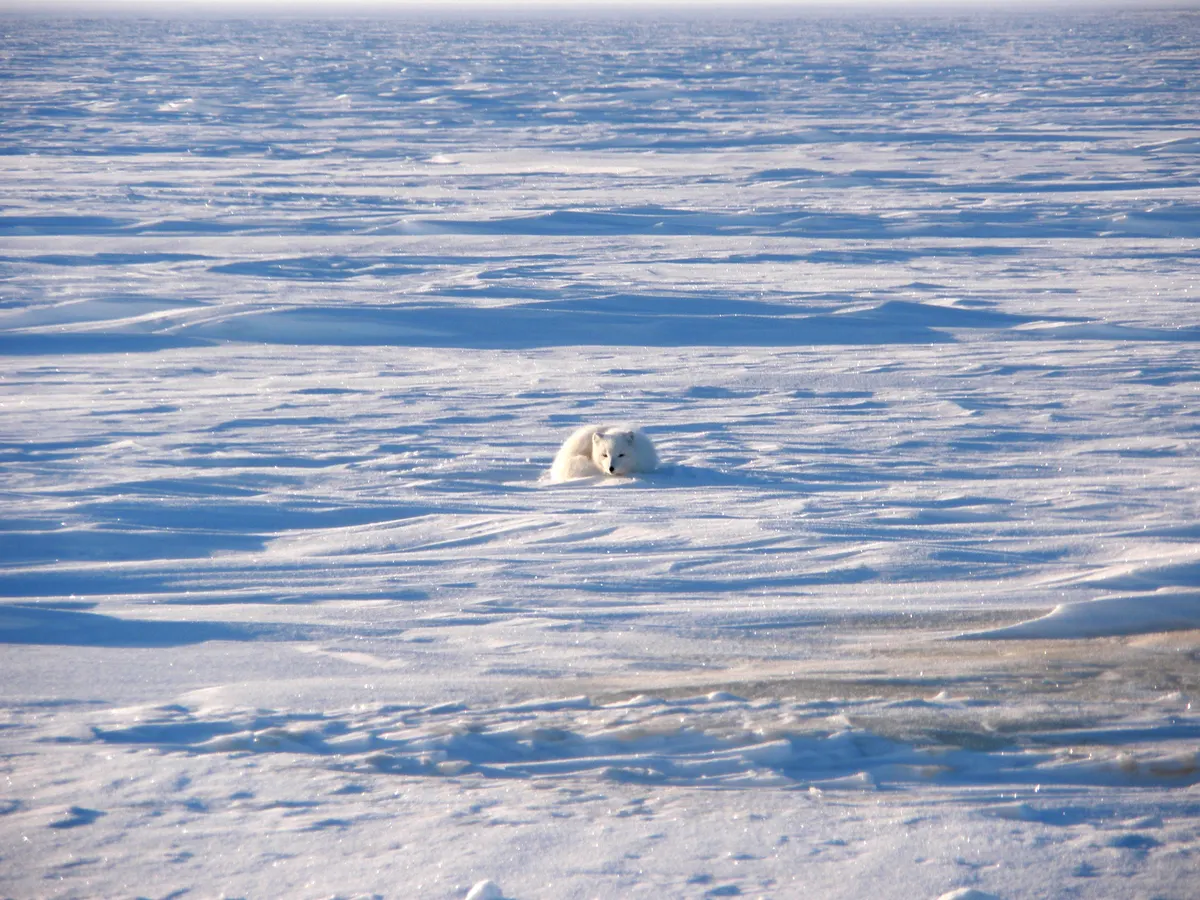
White arctic fox standing on snow in Iceland winter pelage
Arctic foxes grow a dense white winter coat that blends into snow and ice.
MammaliaLeast Concern

Arctic Fox Facts

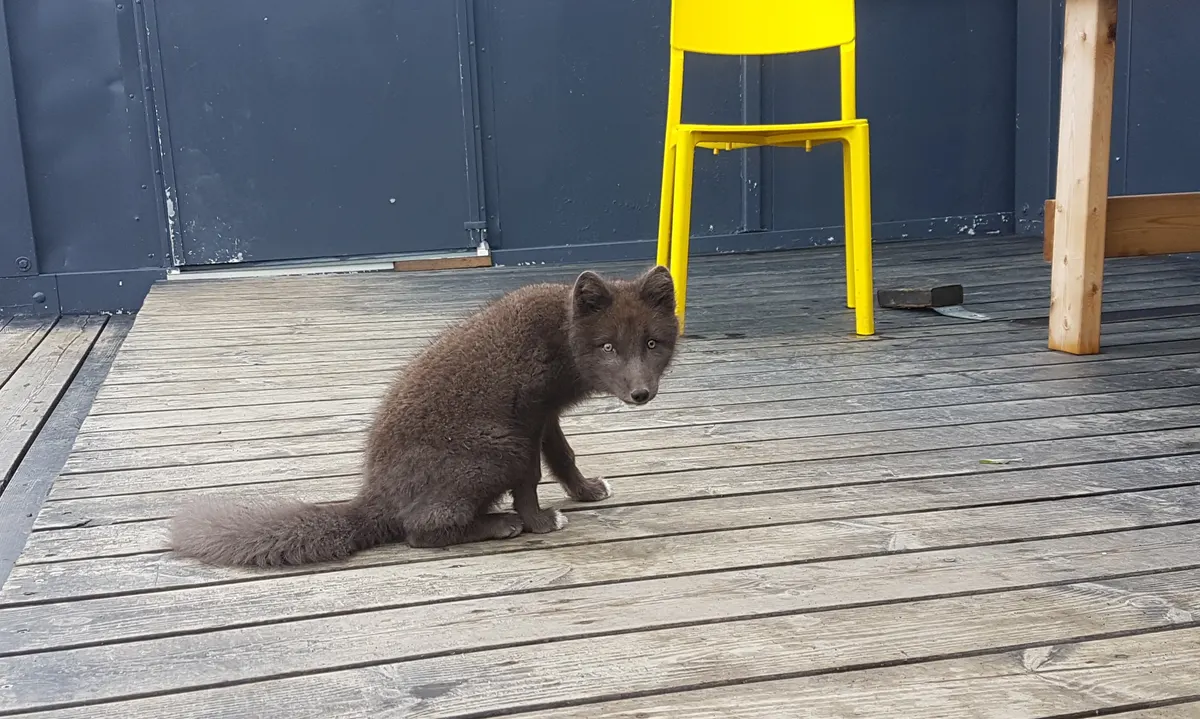
Arctic foxes change from white winter coats to brown or gray summer coats.

The arctic fox is a small canid built for polar cold, with dense fur and seasonal coat colors. It hunts lemmings and birds on the tundra and scavenges seals killed by polar bears.
By · Published · Updated

Quick Facts

Arctic Fox at a glance

Vulpes lagopusCarnivoraCanidae

About their home

Kind of animal

Mammalia

Where they live

What they eat

How safe?

Least Concern

Size and speed

How heavy

6 pounds – 17 pounds

How long

18 inches – 27 inches

How fast

Steady long-distance travel across ice and tundra; quick pounces on rodents

Lifespan

About 3 to 6 years

Core article

Arctic Fox: ecology and life history

A closer look at habitat, diet, behavior, reproduction, and conservation.

Start here

Arctic Fox

Bundled in fur against a wind that can freeze exposed skin in minutes, the arctic fox (Vulpes lagopus) is a small carnivore shaped for the top of the world. A member of the dog family Canidae, it works the polar tundra and ice edges from Alaska and Canada to Greenland, Iceland, Scandinavia, and Siberia. A colour-changing coat, compact body, and relentless scavenging let it survive where almost no other land mammal can.

A Coat That Changes With the Seasons

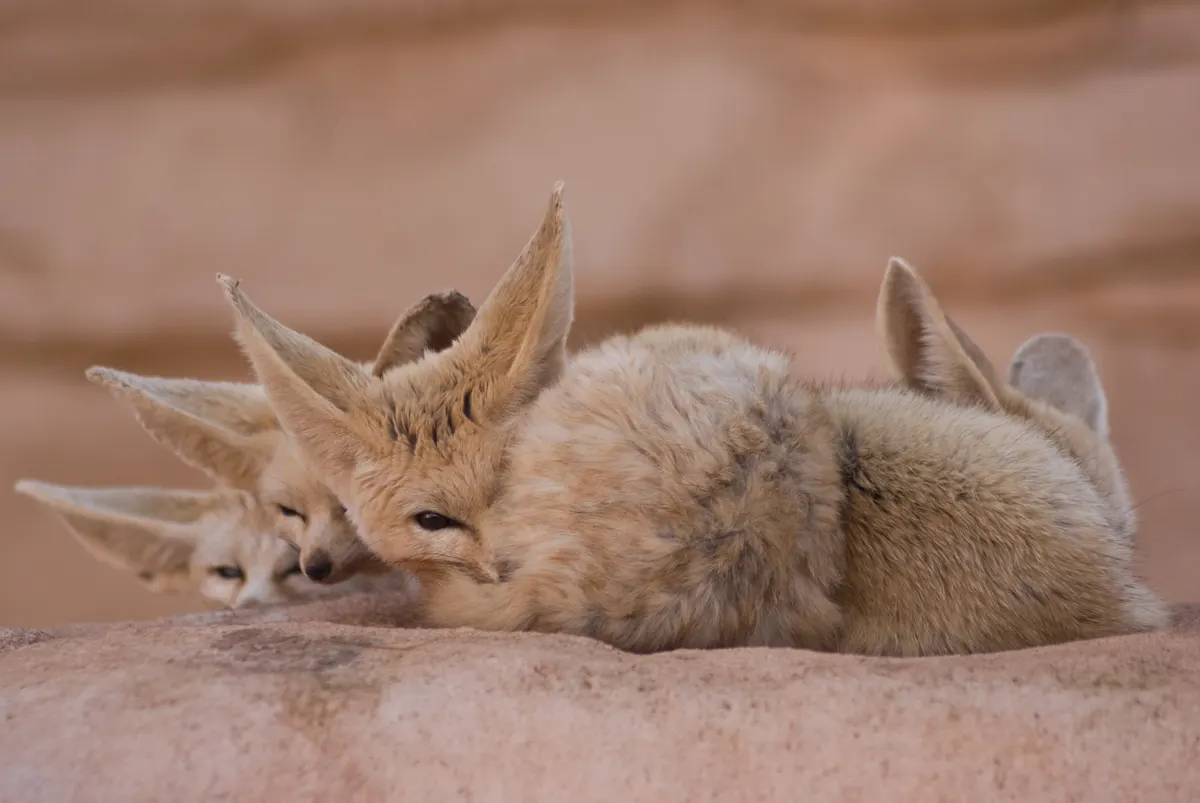
The arctic fox's fur is its master adaptation. A dense underlayer plus longer guard hairs trap warm air even at −50°C, and the coat changes twice a year: most foxes turn pure white in winter (a "blue" morph stays charcoal-grey), then moult to browns and greys in summer to match rock and lichen. The rest of the body follows the same heat-saving logic — short legs, small rounded ears, a blunt muzzle, and fur even on the paw pads all cut the surface area that leaks heat, while fat laid down under the skin serves as both insulation and fuel. Adults are small, about 18 to 27 inches in the body and 6 to 17 pounds, lighter than most red foxes. Once placed in its own genus, the arctic fox is now known from genetics to be a true fox (Vulpes), a cold-country cousin of the red fox and fennec fox.

Where Arctic Foxes Live

Arctic fox on open snow-covered Alaskan coastal plain
Frozen plains and pack-ice edges offer dens, prey, and scavenging chances.

Arctic foxes circle the far north, using coastal plains, inland tundra, alpine-Arctic pockets, and the edges of the pack ice. They den in sandy or gravelly mounds that thaw earlier than the surrounding ground, and a good den — sometimes with dozens of entrances — may be reused by generations of foxes. In winter some follow polar bears out onto the sea ice to scavenge; in summer they stay nearer the den hunting lemmings and nesting birds. Warming is now shrinking summer ice and letting red foxes push north, squeezing arctic foxes at the southern edge of their range, especially in Scandinavia.

What Arctic Foxes Eat

Brown summer-coated arctic fox alert on Icelandic ground
In summer they hunt birds and rodents; in winter they often follow polar bears for scraps.

The arctic fox is an opportunist. Lemmings and other voles are the staple when their populations boom, with birds, eggs, fish, invertebrates, berries, and carrion filling the gaps when rodents crash. In winter it will trail polar bears or wolves to scavenge calorie-rich seal or reindeer remains. It hunts rodents by sound, pinpointing them under snow and pouncing through the drift, and caches surplus food near the den for lean times. That flexibility is survival itself — a fox tied to one prey would starve in the years when lemming numbers collapse.

Behavior: Pairs, Dens, and Following Polar Bears

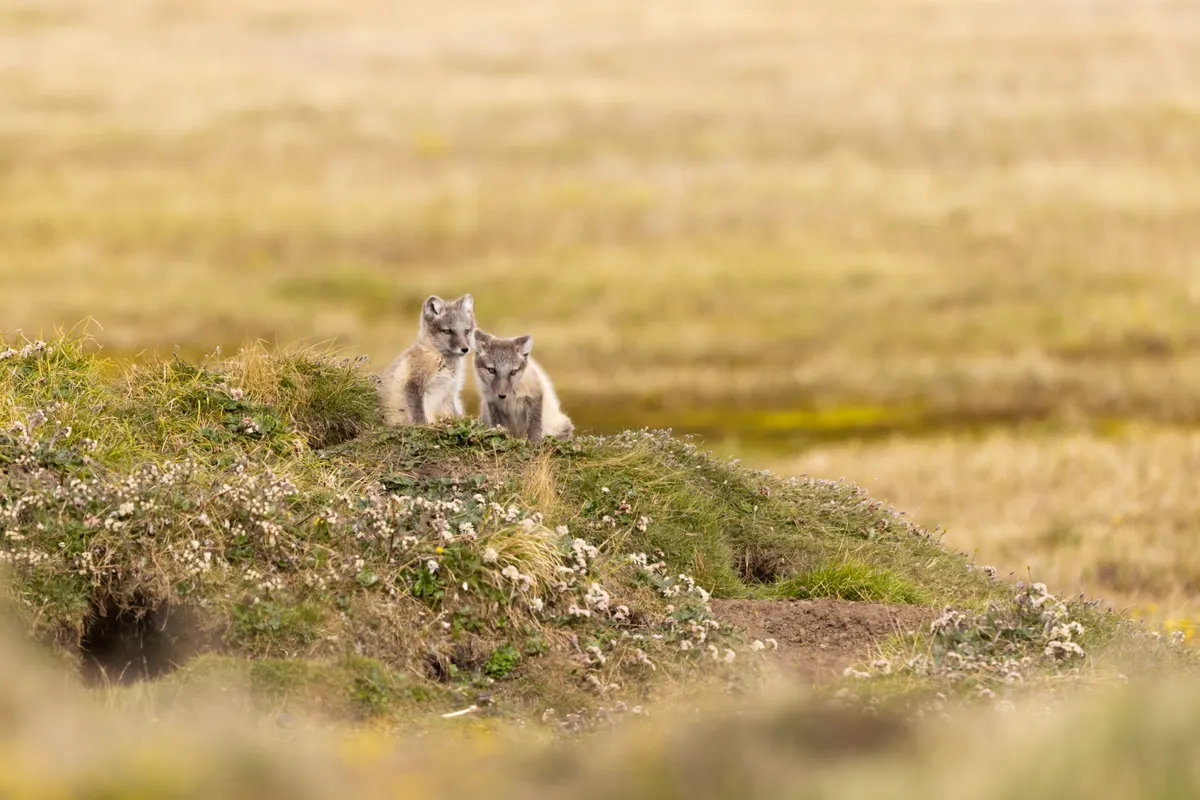
Pair of young arctic fox siblings on tundra near their den
Family dens may be reused for years on raised, well-drained tundra mounds.

Breeding pairs often stay together to raise pups, sometimes with a helper from the previous litter, while outside the denning season adults may range alone across large territories. They communicate with barks, growls, and scent marks around dens and trails. Facing danger, arctic foxes rely on camouflage and speed rather than a fight, and shelter in snow dens through storms. Where red foxes are expanding, the larger species can push arctic foxes out of the best ground.

Life Cycle: Huge Litters in Lemming Years

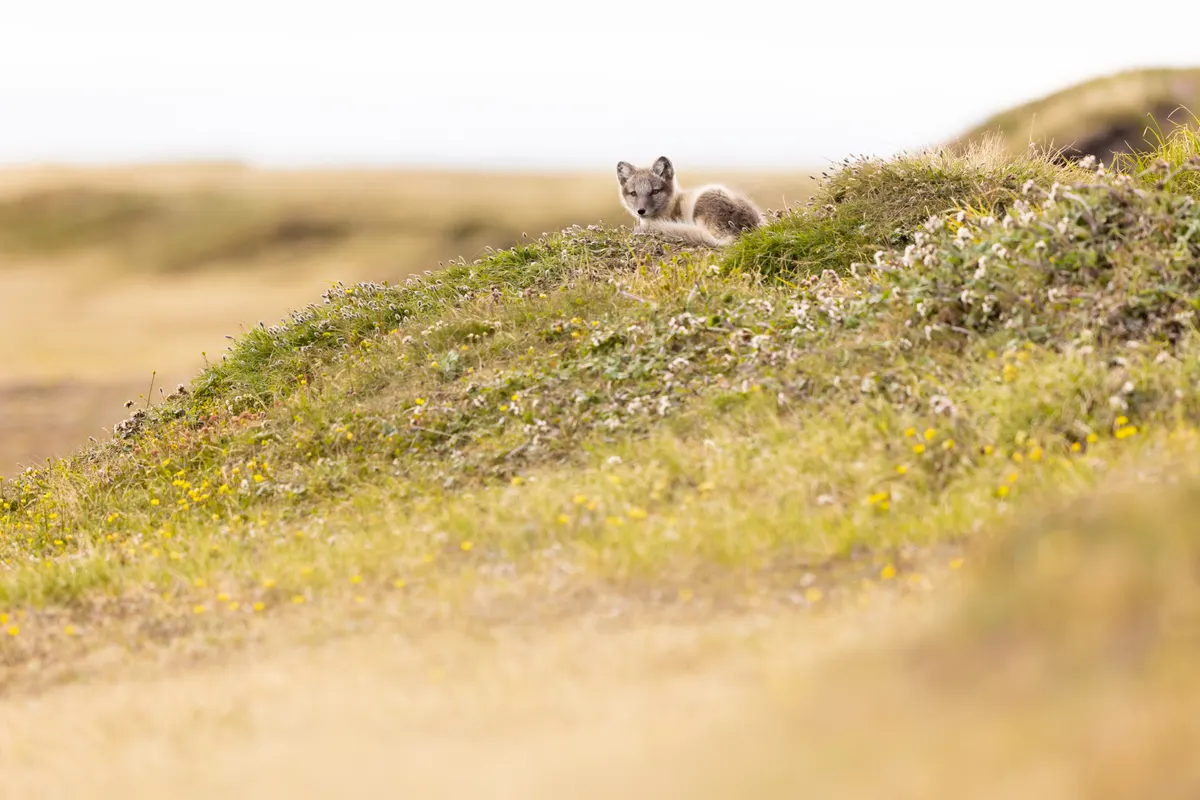
Young arctic fox curled on a hillside of tundra plants
Pups explore near the den while parents deliver lemmings and bird prey.

Arctic foxes mate in early spring so pups arrive as the tundra warms. After about 52 days' gestation the female bears a large litter — commonly 5 to 10 pups, and more still in years when lemmings are abundant, one of the biggest litters of any wild canid. Both parents feed the young, which play and practise hunting near the den entrances through summer before dispersing in autumn. Wild lives are often just a few years, cut short by cold, food crashes, and predators; in captivity arctic foxes can live over a decade.

Conservation: Secure Overall, Struggling in Scandinavia

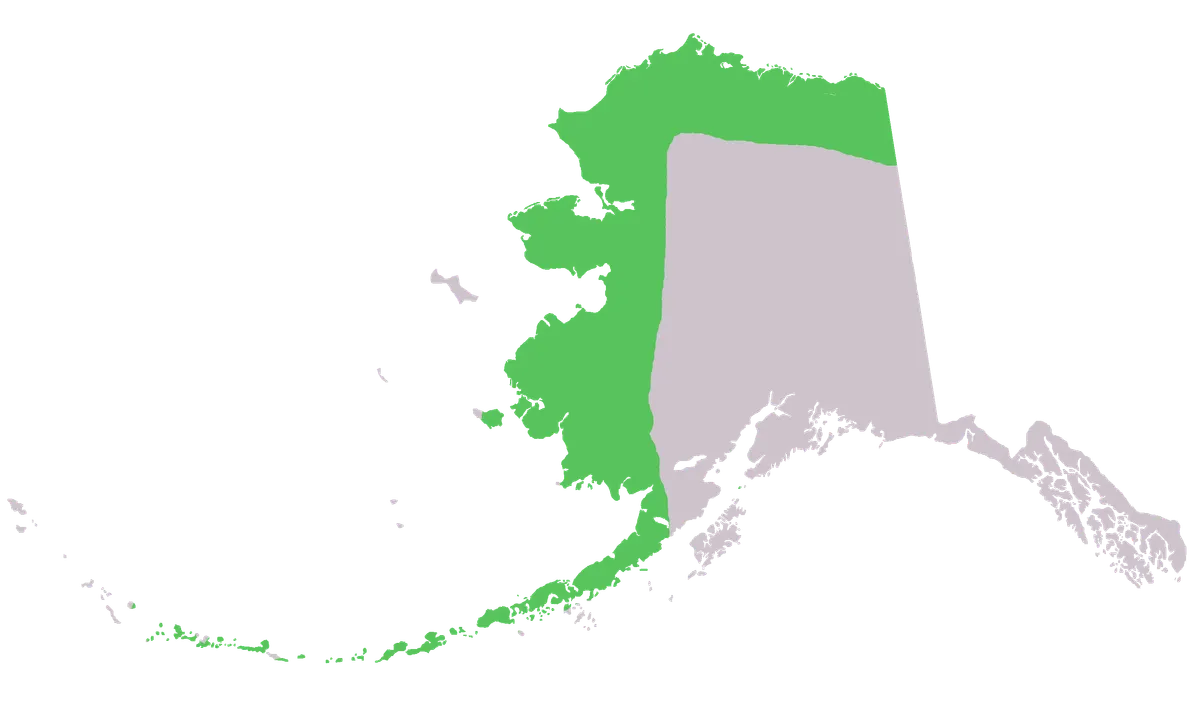
Map of arctic fox range across Alaska
Alaska’s Arctic coast and islands support important Vulpes lagopus populations.

Globally the arctic fox is Least Concern, with a large circumpolar population, but the regional picture varies. The Fennoscandian population fell sharply from hunting, climate pressure, and red-fox competition and is still a conservation priority. Warming summers, disrupted sea ice, and mismatches in prey timing threaten parts of the range. Protecting intact tundra, limiting red-fox expansion where possible, and reducing conflict around camps all help keep this polar specialist widespread.

References and Authoritative Sources

Arctic Fox: classification and fun facts

Classification

Scientific Taxonomy
  1. Kingdom

    Animalia

  2. Phylum

    Chordata

  3. Class

    Mammalia

  4. Order

    Carnivora

  5. Family

    Canidae

  6. Genus

    Vulpes

  7. Species

    V. lagopus

Did You Know?

Fun Facts

1

Arctic foxes change from white winter coats to brown or gray summer coats.

2

Their foot pads are covered in fur for grip and insulation on ice.

3

They sometimes follow polar bears to scavenge leftover seal meat.

4

Large dens with many entrances can be used by fox families for decades.

5

In good lemming years, litters can include more than a dozen pups.

6

Rounded ears and a short snout help keep body heat from escaping.

Common Questions

FAQ about Arctic Fox

Select a question to reveal the answer.

What is an arctic fox?

The arctic fox (*Vulpes lagopus*) is a small member of the Canidae family adapted to life in the high Arctic. It is closely related to other true foxes in the genus *Vulpes*.

Where do arctic foxes live?

They live in polar tundra and coastal Arctic habitats across North America, Greenland, Iceland, northern Europe, and Siberia, sometimes traveling onto sea ice.

What do arctic foxes eat?

Arctic foxes are opportunistic carnivores. They hunt lemmings, voles, birds, and eggs, and they scavenge carrion, including seals left by polar bears.

Why do arctic foxes turn white in winter?

Their white winter fur camouflages them against snow. In summer many foxes molt into brown or gray coats that match tundra rocks and plants.

How are arctic foxes different from red foxes?

Arctic foxes are smaller, with shorter legs and ears for saving heat. Red foxes are larger and more adaptable to forests and farmland, and they can push arctic foxes out of overlapping areas.

What is a baby arctic fox called?

A baby arctic fox is called a pup (or kit). Both parents feed the litter at a tundra den during the short Arctic summer.

Show 2 more questionsExpand
Are arctic foxes endangered?

Globally they are Least Concern, but some populations — especially in Scandinavia — face serious threats from climate change and competition with red foxes.

How do arctic foxes stay warm?

Thick layered fur, furry feet, a compact body shape, and fat stores help them survive temperatures far below freezing.