Cheetah Facts
"The cheetah is the fastest land animal on Earth."
Cheetahs are slim, long-legged cats built for speed. They live mostly in open African grasslands, hunt by day with quick bursts of speed, and use black tear...
Loading page content

"The cheetah is the fastest land animal on Earth."
Cheetahs are slim, long-legged cats built for speed. They live mostly in open African grasslands, hunt by day with quick bursts of speed, and use black tear...
Explore cheetah photos for learning and classroom observation, from sprinting hunters to spotted cubs in the savanna.
Click any photo to view it larger. 8 images available.
Core article
Habitat, diet, behavior, and more — everything on one page.

The cheetah (Acinonyx jubatus) is the undisputed speed champion of the terrestrial animal kingdom, a remarkably specialized feline capable of accelerating from zero to 60 miles per hour in just three seconds. Built for aerodynamic perfection rather than brute strength, the cheetah relies on explosive, daytime sprints to run down swift prey across the sprawling African savannas. Weighing between 46 and 160 pounds and measuring up to 5 feet in length, these sleek carnivores trade the heavy musculature of other big cats for a lightweight frame, semi-retractable claws, and a highly flexible spine.
Classified within the kingdom Animalia, phylum Chordata, and class Mammalia, the cheetah is a distinct member of the order Carnivora and the family Felidae. It is the sole extant species in the genus Acinonyx, carrying the scientific name Acinonyx jubatus.
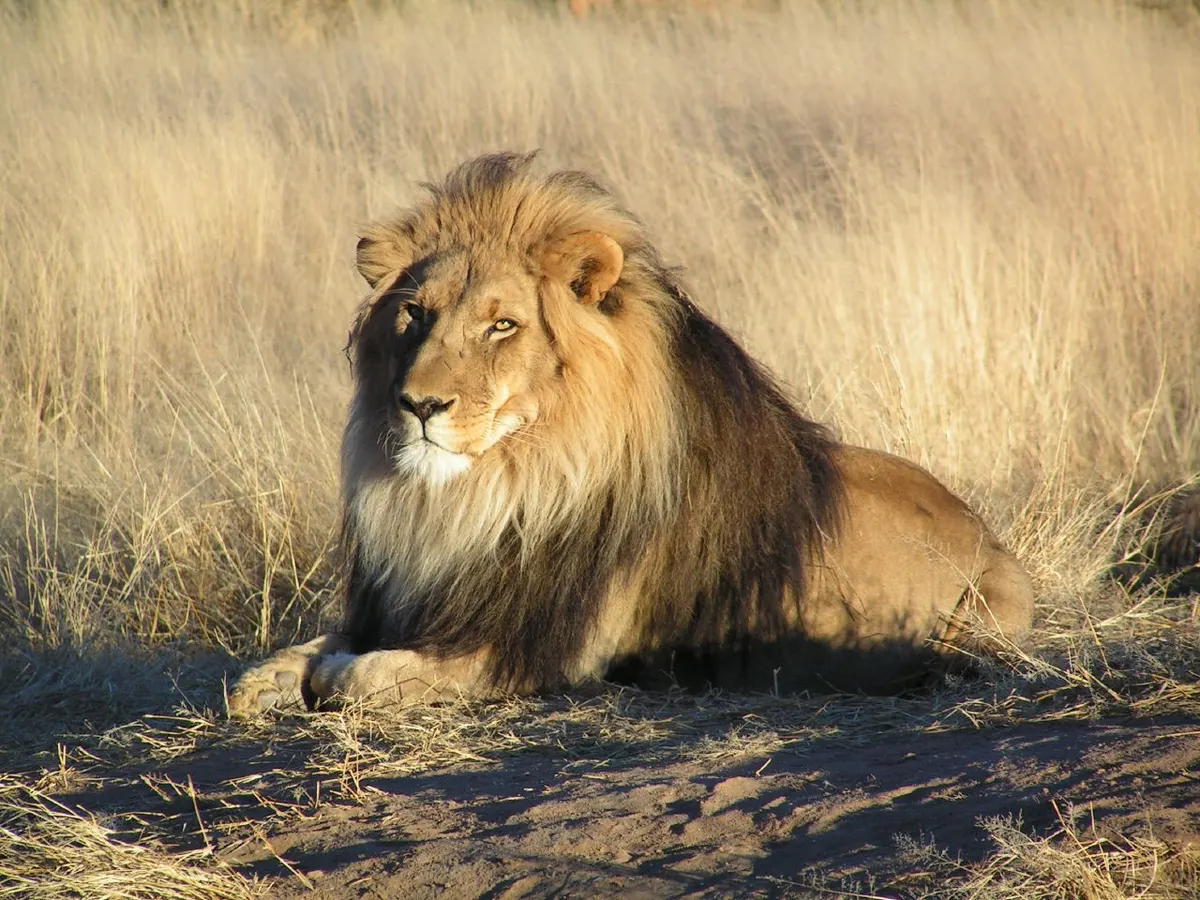
Evolutionary history reveals that the cheetah lineage diverged significantly from other big cats (the Panthera genus). While lions and leopards evolved for power and ambush, the Acinonyx lineage became highly cursorial, adapting for high-speed pursuits. This evolutionary divergence is evident in their unique morphological traits, setting them apart from true big cats—for instance, cheetahs are completely incapable of roaring, communicating instead through bird-like chirps, purrs, and yelps.
Every aspect of a cheetah's anatomy is hyper-optimized for velocity. Their lightweight, slender bodies are supported by elongated legs and a highly flexible spine that functions like a coiled spring, maximizing stride length during a sprint. A running cheetah can cover up to 22 feet in a single stride, with its feet touching the ground less than half the time.
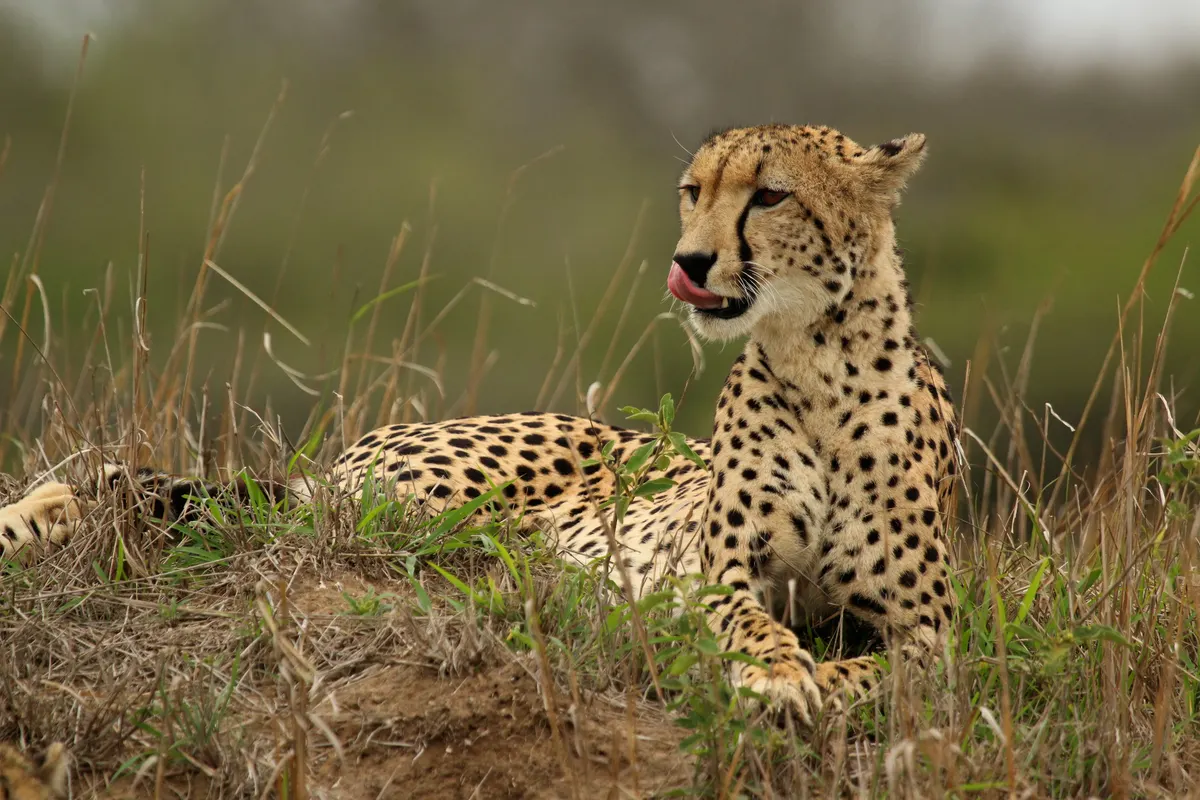
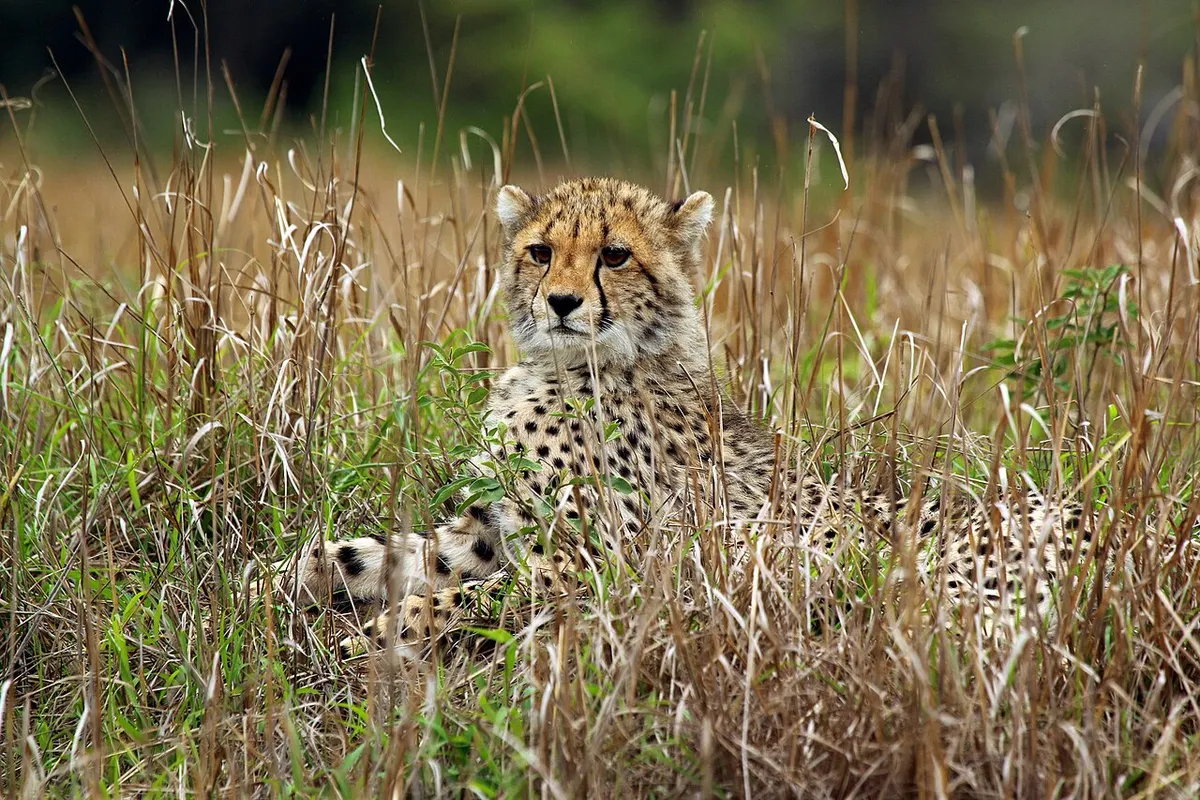
Unlike most felines, cheetahs possess semi-retractable claws that function similarly to the cleats on a sprinter's shoe, providing critical traction during high-speed turns. Their long, muscular tail acts as a counterweight and rudder, enabling sharp, sudden changes in direction to match the erratic movements of fleeing prey. Additionally, the iconic black "tear marks" running from the inner corners of their eyes down to their mouth serve a vital physiological function: they absorb sunlight and reduce glare, acting like natural sunglasses for daytime hunting.
Historically distributed across vast swathes of Africa and Asia, the modern cheetah's range has been drastically reduced. Today, they are predominantly found in sub-Saharan Africa, with robust populations in countries like Kenya, Tanzania, Namibia, Botswana, and South Africa. A critically endangered subspecies, the Asiatic cheetah, barely clings to survival in isolated pockets of Iran.
Their preferred biomes are expansive savannas, grasslands, and open woodlands. These environments offer the vast, unobstructed lines of sight required to spot prey from a distance and the open terrain necessary to unleash their breathtaking speed without the risk of colliding with dense vegetation.

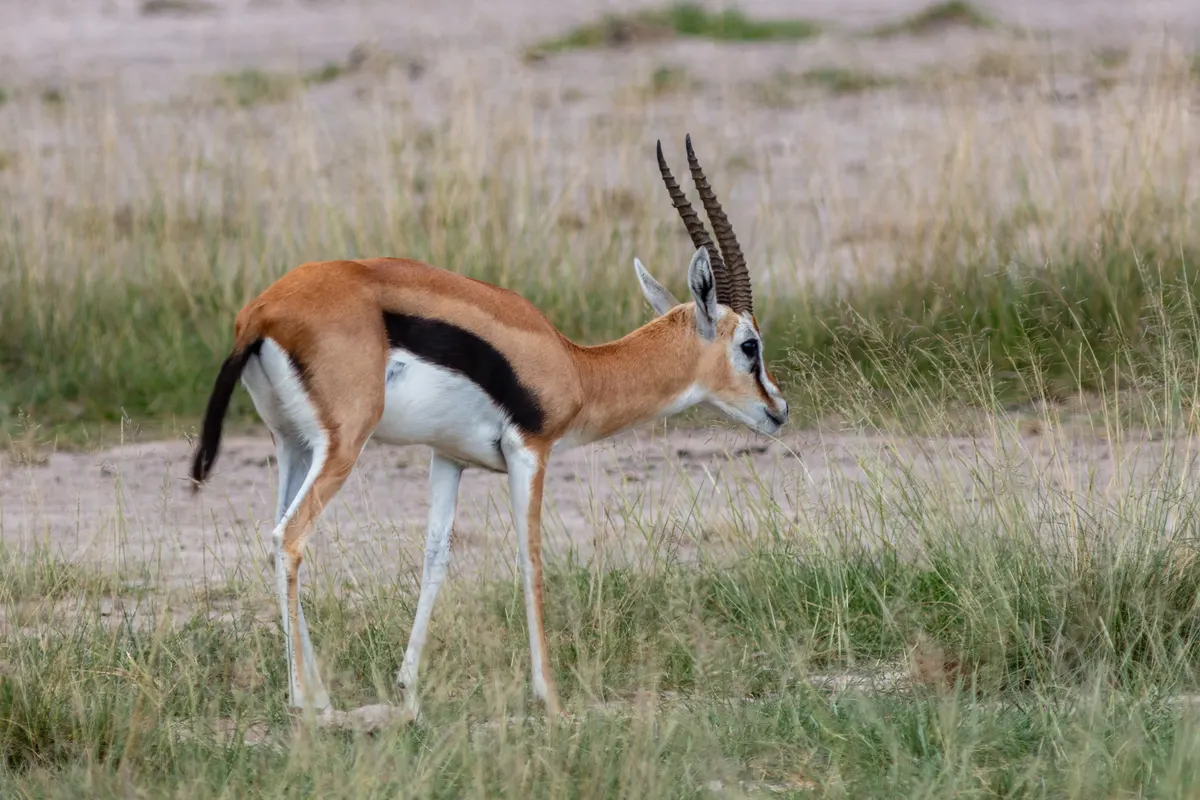
As obligate carnivores, cheetahs prey primarily on small to medium-sized ungulates, with a strong preference for Thomson's gazelles, impalas, springboks, and the calves of larger species like wildebeest. They will also opportunistically hunt hares and ground-dwelling birds.
Unlike lions and leopards, which are largely nocturnal, cheetahs hunt during the day (diurnal hunting) to avoid intense competition and kleptoparasitism (prey theft) from larger predators. A hunt begins with the cheetah stalking its target, utilizing tall grass for cover until it closes the distance to roughly 100 to 300 feet. The cheetah then triggers its explosive sprint. Despite their incredible top speeds of 60 to 70 mph, these chases are intensely anaerobic and rarely last more than 20 to 60 seconds. Once the prey is overtaken, the cheetah trips the animal with a specialized dewclaw and delivers a precise, suffocating bite to the throat.

The social dynamics of the cheetah exhibit fascinating sexual dimorphism. Adult females are strictly solitary, interacting with males only during mating and spending the rest of their time hunting alone or raising cubs. They maintain massive, overlapping home ranges that follow the migratory routes of their prey.
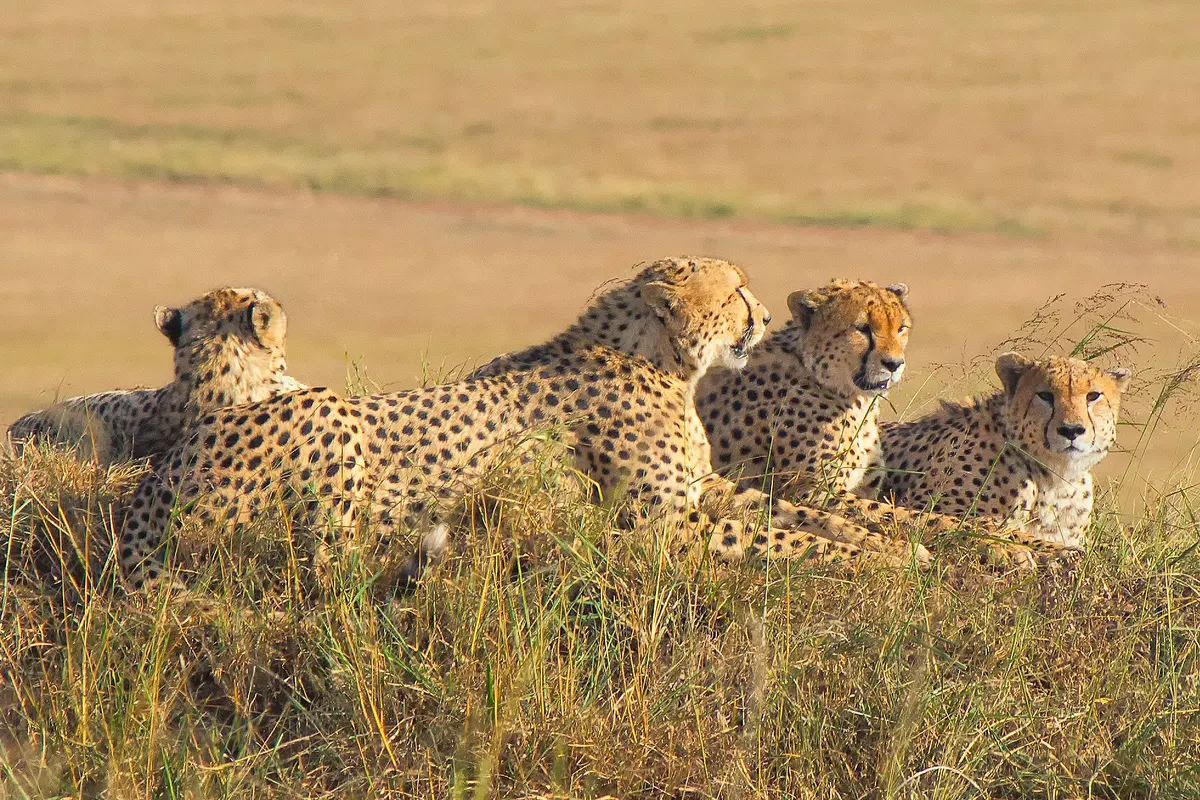
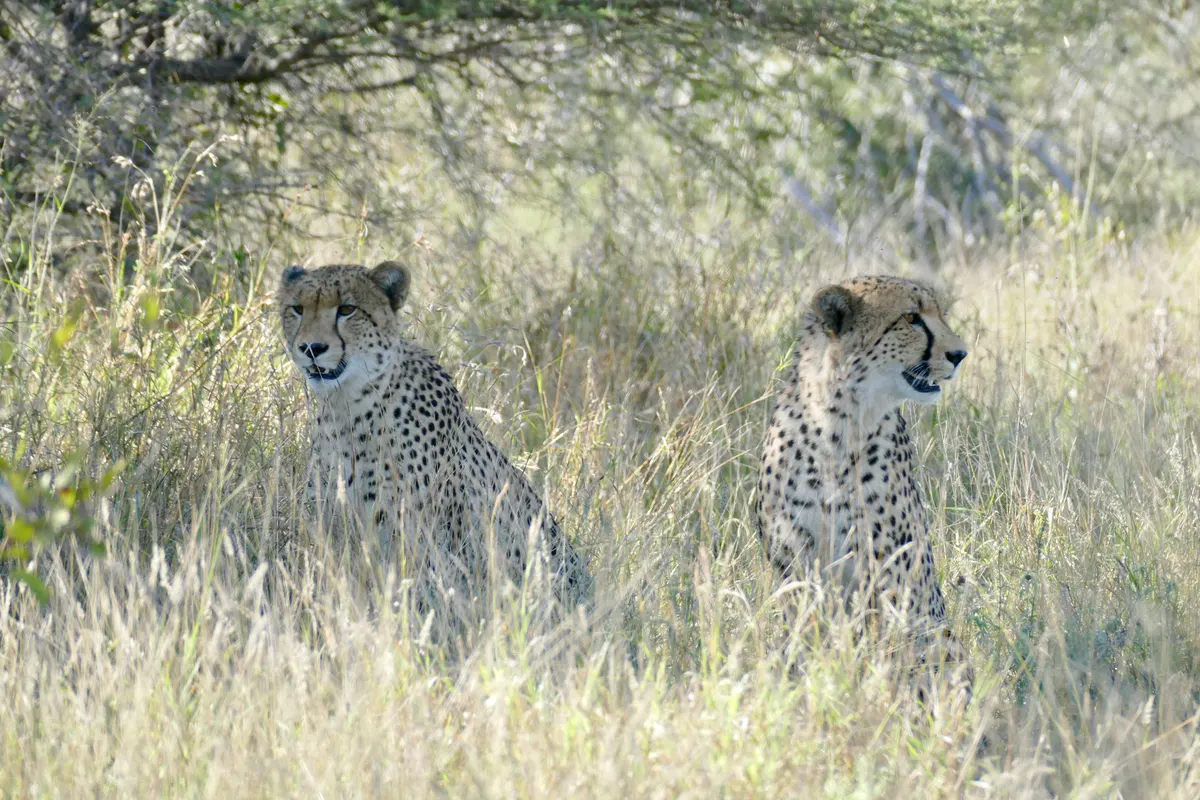
In stark contrast, male cheetahs frequently form tightly knit groups known as coalitions, typically composed of brothers from the same litter. These coalitions are fiercely territorial, aggressively scent-marking their domains and defending them against rival males. Coalition members engage in cooperative behaviors, grooming one another and occasionally teaming up to take down larger prey. The gritty reality of cheetah life involves constant vigilance; they must eat their kills rapidly, as hyenas, lions, and even opportunistic leopards will readily steal a cheetah's hard-earned meal, sometimes killing the cheetah in the process.

Cheetah reproduction is challenging, driven by the harsh realities of the savanna. Following a gestation period of approximately 90 to 95 days (about 3 months), a female gives birth to a litter of typically 3 to 5 cubs.
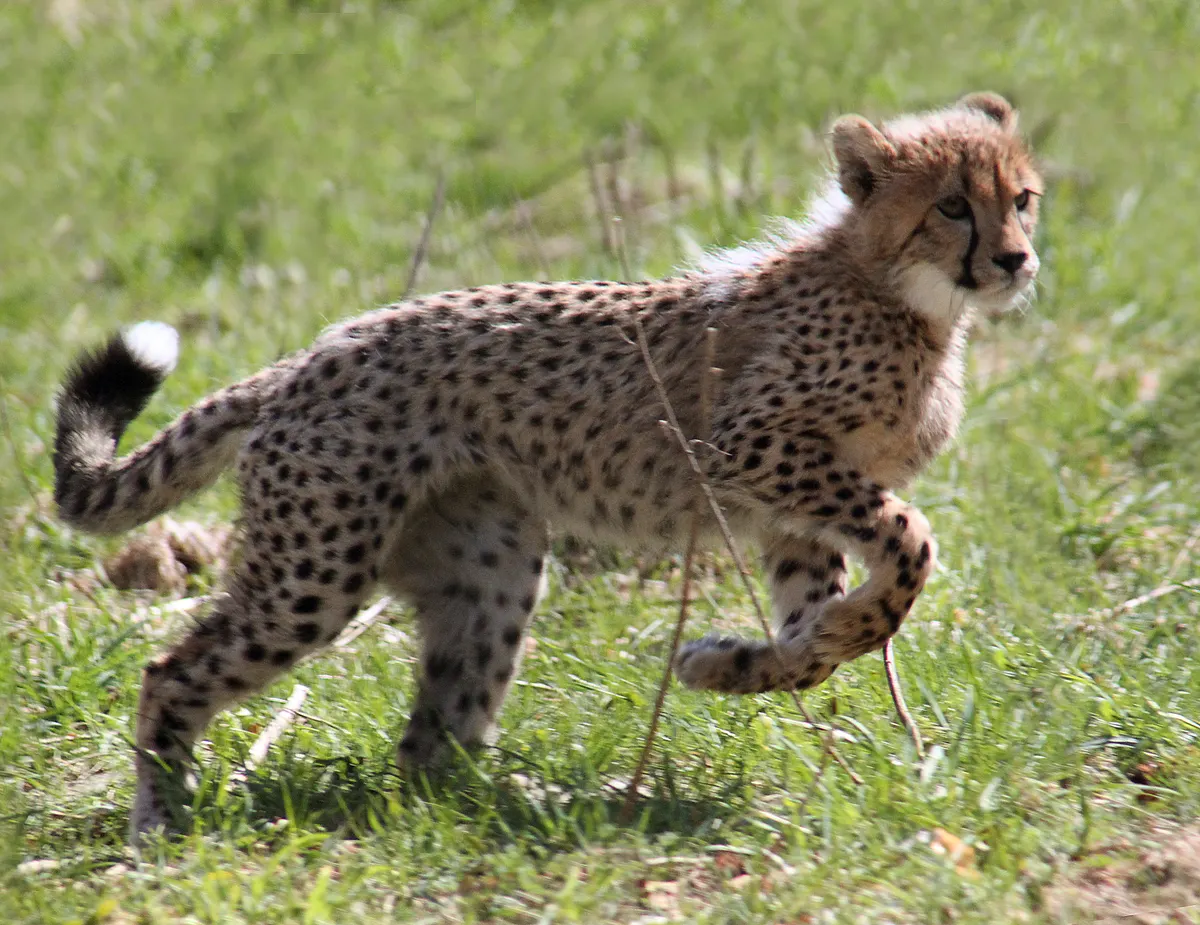
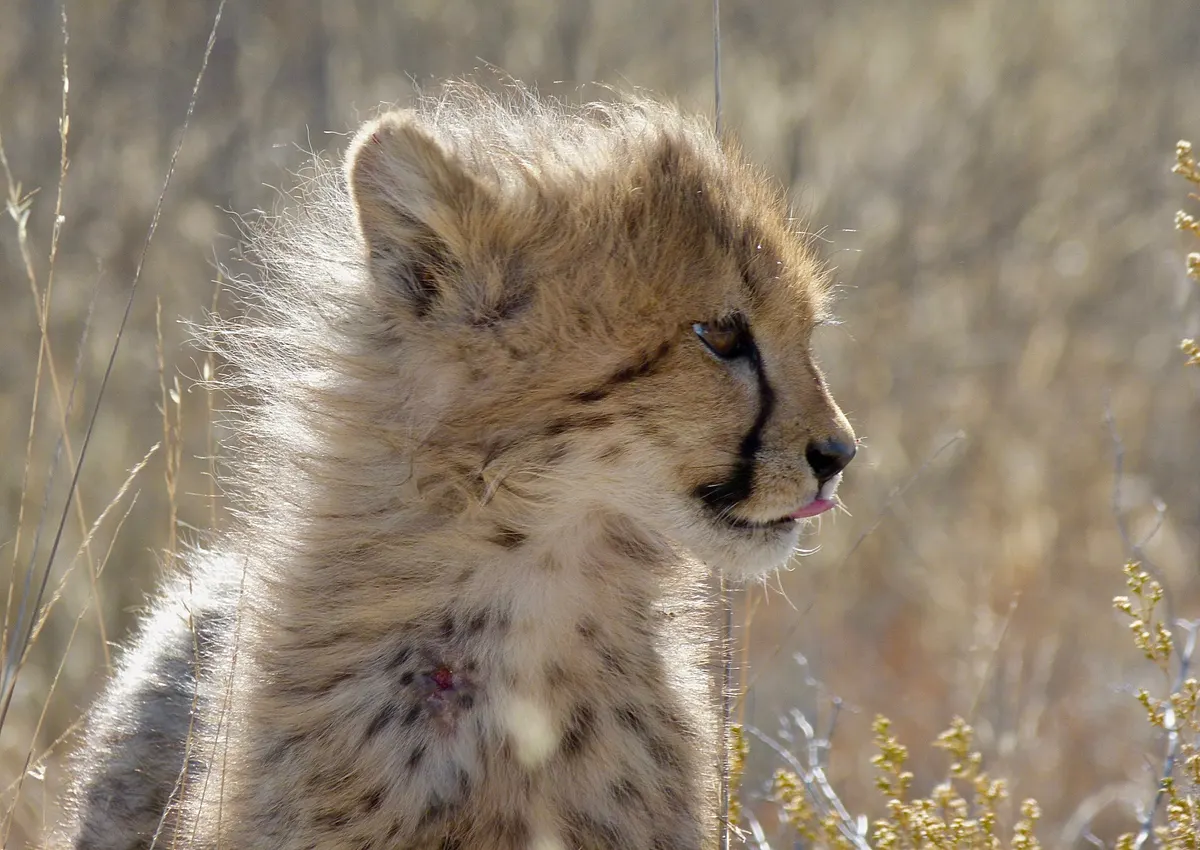
The early months of a cub's life are fraught with danger. Cheetah cubs are born with a mantle of long, grayish hair along their backs, which biologists theorize mimics the appearance of the aggressive honey badger, offering a degree of protection against predators. Mothers must frequently move their hidden dens to avoid detection by lions and hyenas, which are responsible for exceptionally high cub mortality rates. Weaning occurs around three to six months, but cubs remain with their mother for up to 18 months, learning the complex mechanics of high-speed hunting. In the wild, a cheetah's lifespan generally ranges from 10 to 12 years, though they can live up to 17 years in human care.
(Population and conservation trend data sourced from the IUCN Red List of Threatened Species)
The cheetah is currently classified as "Vulnerable" by the IUCN Red List, with the global population trending steadily downward. Only an estimated 7,000 adult cheetahs remain in the wild.
The primary threats to their survival are profound habitat fragmentation, loss of prey base, and escalating human-wildlife conflict. As agricultural lands expand, cheetahs frequently encounter farmers, leading to retaliatory killings to protect livestock. Furthermore, the cheetah population suffers from a severe genetic bottleneck that occurred during the last ice age, rendering them highly susceptible to disease and reproductive abnormalities.
The cheetah is the fastest land animal on Earth.
Black tear marks under a cheetah's eyes help cut glare in bright sunlight.
A cheetah's claws do not pull all the way in like most cats' claws.
Cheetahs usually hunt during the day instead of at night.
Male cheetahs often live in small groups called coalitions.
A sprinting cheetah uses its tail like a rudder when turning.
Select a question to reveal the answer.
A cheetah is a large wild cat built for speed. It has a slim body, long legs, black spots, and dark tear marks below its eyes.
A cheetah can reach about 60 to 70 miles per hour for a very short chase. It cannot keep that top speed for long.
Most wild cheetahs live in African savannas, grasslands, and open woodlands. A very small population also survives in Iran.
Cheetahs are carnivores that eat meat. They often hunt gazelles, impalas, hares, and other small to medium animals.
No. Cheetahs cannot roar like lions. They make chirps, purrs, growls, and yelps instead.
The dark streaks below a cheetah's eyes help reduce glare from the sun and may help it focus on prey.
A baby cheetah is called a cub. Cubs stay hidden in cover when they are very young.
Cheetahs are listed as Vulnerable, which means they need protection. Habitat loss and conflict with people make survival harder.