
Tachyglossus aculeatus / Ornithorhynchus anatinus
Echidna vs Platypus
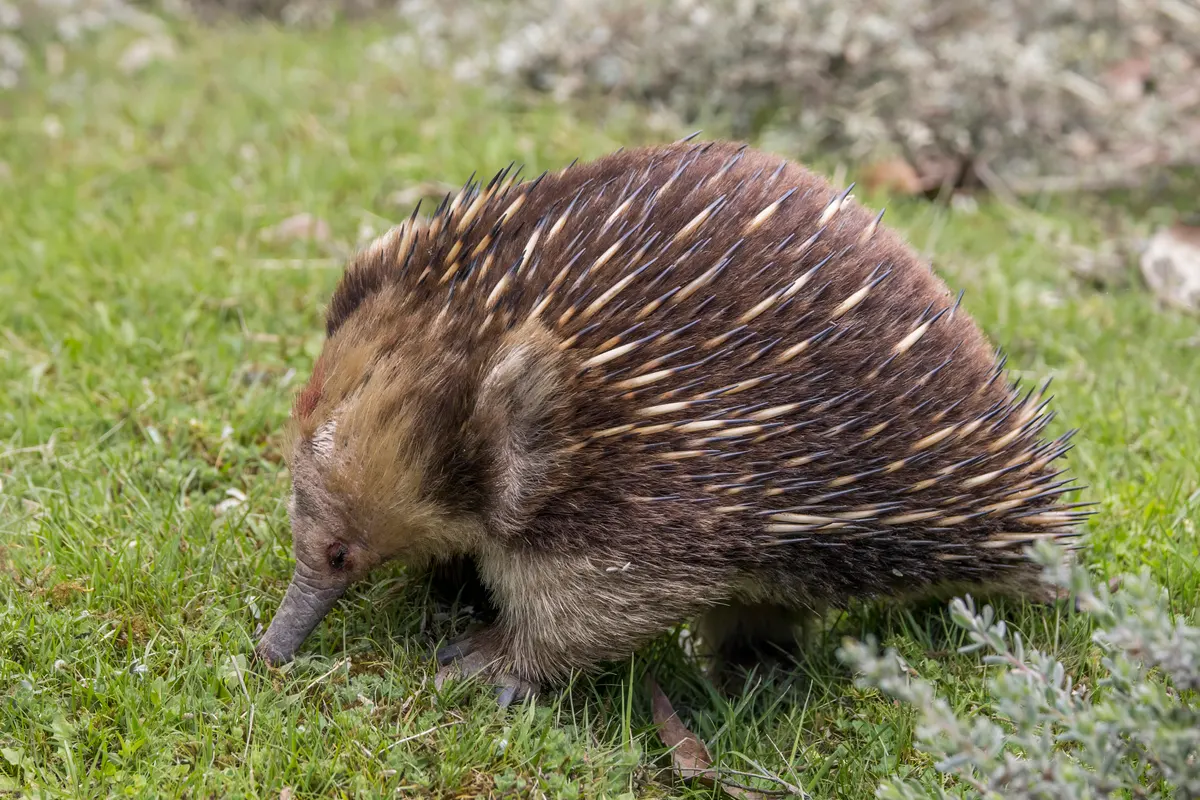
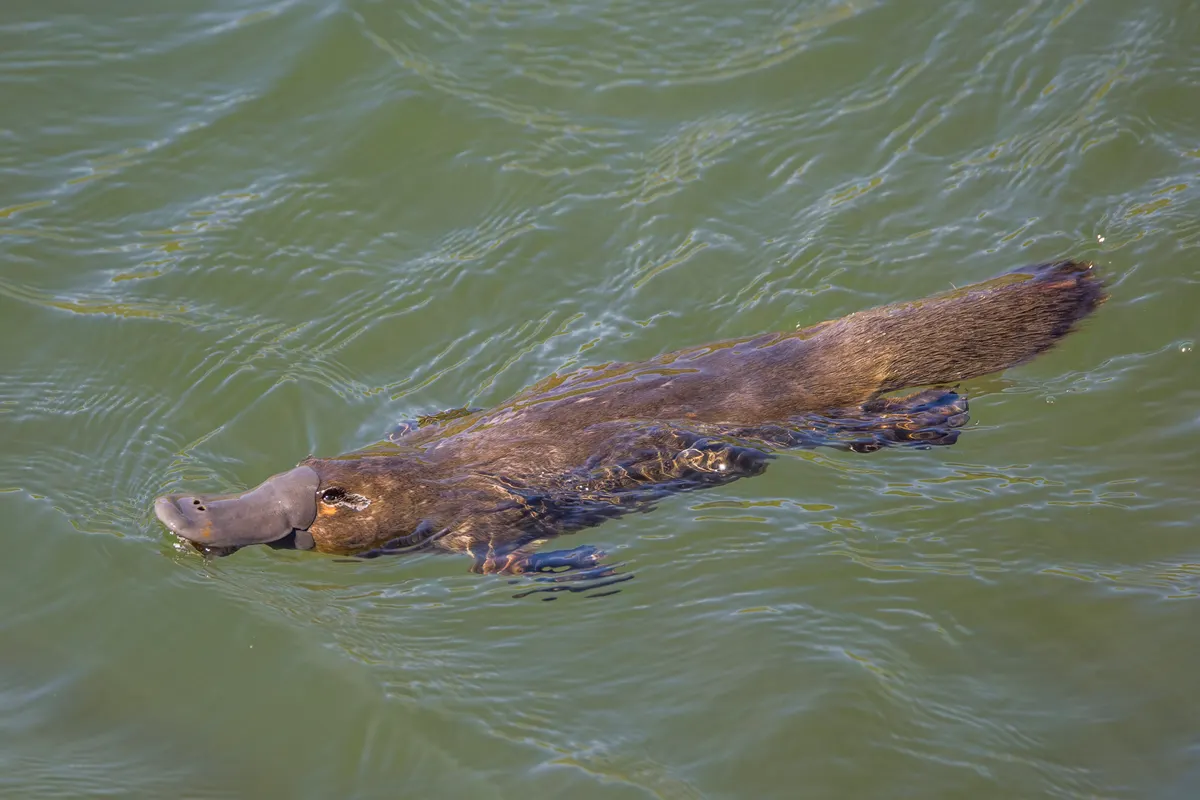
The short-beaked echidna and the platypus are the two surviving monotreme families, sharing egg-laying, electroreception and a toothless mouth while using them in completely different places.
By An Nguyen · Updated
At a glance
Published species data from both WildlifeDB profiles, aligned trait by trait. Size metrics highlight the larger value with a relative bar.
- Scientific name
- Short-beaked EchidnaTachyglossus aculeatus
- PlatypusOrnithorhynchus anatinus
- Classification
- Short-beaked EchidnaMammalia · Tachyglossidae
- PlatypusMammalia · Ornithorhynchidae
- Native range
- Short-beaked EchidnaAustralia, Oceania
- PlatypusAustralia
- Primary habitat
- Short-beaked EchidnaForest
- PlatypusWetland
- Diet
- Short-beaked EchidnaCarnivore
- PlatypusCarnivore
- Typical food
- Short-beaked EchidnaAnts, Termites, Beetle larvae, Earthworms, Other soil invertebrates
- PlatypusInsect larvae, Worms, Freshwater shrimp, Crayfish, Snails
- Body length
- Short-beaked Echidna30 cm – 45 cm
- Platypus12 inches – 20 inches
- Shoulder height
- Short-beaked Echidna—
- Platypus—
- Weight
- Short-beaked Echidna2 kg – 7 kg
- Platypus2 pounds – 5 pounds
- Top speed
- Short-beaked EchidnaSlow walker, but a rapid digger
- PlatypusStrong swimmer; slow walker on land
- Wild lifespan
- Short-beaked EchidnaCommonly 10 to 15 years, with rare individuals much older
- Platypus10 to 17 years
- Social pattern
- Short-beaked EchidnaDigging for ants and termites, Burrowing straight down to escape threats, Curling into a spiny ball when exposed
- PlatypusUnderwater hunting, Burrow digging, Egg laying
- Key adaptations
- Short-beaked EchidnaSharp barbless spines over the back and sides, Long sticky tongue for gathering insects, Electroreceptors in the snout to detect prey
- PlatypusRubbery bill with electroreception, Webbed feet, Waterproof fur
- Conservation
- Short-beaked EchidnaLeast Concern · Stable
- PlatypusNear Threatened · Decreasing
- Reproduction
- Short-beaked EchidnaAbout 10 to 11 days of egg incubation in the pouch, after roughly 23 days of gestation; One egg per season
- PlatypusEggs incubate about 10 days, then months in burrow; Usually 1 to 3 eggs
Two survivors of the same ancient branch
Egg-laying mammals survive today as five species in two families: four echidnas in Tachyglossidae, and the platypus, Ornithorhynchus anatinus, alone in Ornithorhynchidae. This page compares the platypus with the short-beaked echidna, Tachyglossus aculeatus, the echidna most people encounter.
A spiny animal shuffling through leaf litter and a flat-tailed swimmer in a river do not look related. The traits they share are internal and reproductive, and they are the reason both sit in the order Monotremata rather than with other mammals.
Electroreception in wet soil against electroreception in a river
Both animals find prey by detecting the faint electrical signals that moving muscles produce. The platypus does it with a rubbery bill, closing its eyes, ears and nostrils on the dive and reading the water for insect larvae, worms, freshwater shrimp, crayfish and snails. The echidna does it with receptors in the snout, reading moist soil for ants, termites, beetle larvae and earthworms.
This is the sharpest parallel between them. It is an uncommon sense among mammals, both monotremes have it, and each has aimed it at a different medium.
Similar in length, and the echidna is much heavier
A short-beaked echidna measures about 30 to 45 cm — roughly 12 to 18 inches — and weighs 2 to 7 kg, or about 4.4 to 15.4 pounds. A platypus measures 12 to 20 inches and weighs 2 to 5 pounds.
So the two overlap almost exactly in length while the echidna can be several times the weight. The platypus is built light and streamlined for water; the echidna is built solid and low for digging, and its profile records it as a slow walker but a rapid digger.
Neither animal has teeth
Adults of both species are toothless and grind food mechanically. The echidna works it between hard pads at the base of the tongue and the roof of the mouth, gathering insects on a long sticky tongue. The platypus grinds with horny plates, storing food in cheek pouches underwater and processing it at the surface.
Two animals feeding on completely different prey arrived at the same solution to the same missing equipment.
One egg in a pouch against eggs in a burrow
Both lay eggs and both produce young called puggles. The echidna lays a single egg per season after roughly 23 days of gestation and incubates it about 10 to 11 days in a temporary pouch on the belly. The platypus lays one to three eggs, incubates them about 10 days, then raises the young for months inside a burrow.
The incubation period is nearly identical. What differs is the container — a pouch the mother carries, or a chamber she digs.
Spines against a venomous spur
The echidna's defence is structural: barbless spines over the back and sides, the ability to wedge itself down into the ground, and a curl into a spiny ball when it is caught on hard surfaces. It also enters torpor and hibernation in cold periods, running a low body temperature and metabolic rate.
The platypus carries a different kind of weapon. Males have venomous spurs on the hind legs. Its other protections are unremarkable — waterproof fur, webbed feet, a burrow — and its recorded predators include snakes, birds of prey and foxes.
Almost any Australian soil against Australian fresh water
The echidna occupies temperate and tropical forest, grassland and desert across Australia and Papua New Guinea. Very little of the continent is closed to an animal that eats soil invertebrates and can dig.
The platypus is confined to Australian rivers and streams and the temperate forest around them. That dependence on permanent fresh water is the difference that matters most for its future.
Least Concern against Near Threatened
The short-beaked echidna is listed Least Concern with a stable population. The platypus is Near Threatened and decreasing.
The range breadth above is the readable part of that gap: a generalist that can live in desert, grassland or forest has options when one habitat degrades, while a species tied to river systems does not. Introduced predators press on both — red foxes appear in the recorded predator list for each.