
Dromaius novaehollandiae / Struthio camelus
Emu vs Ostrich
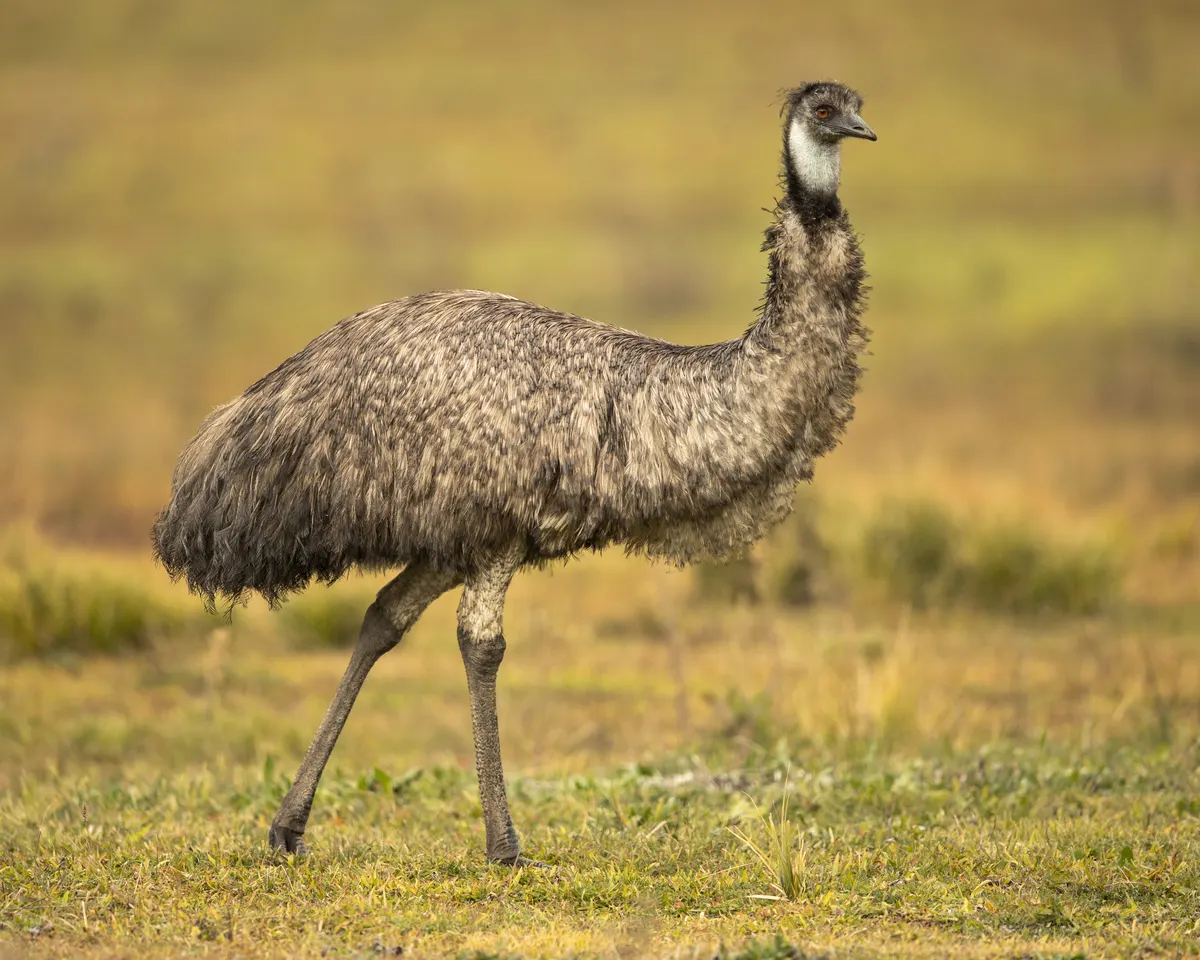
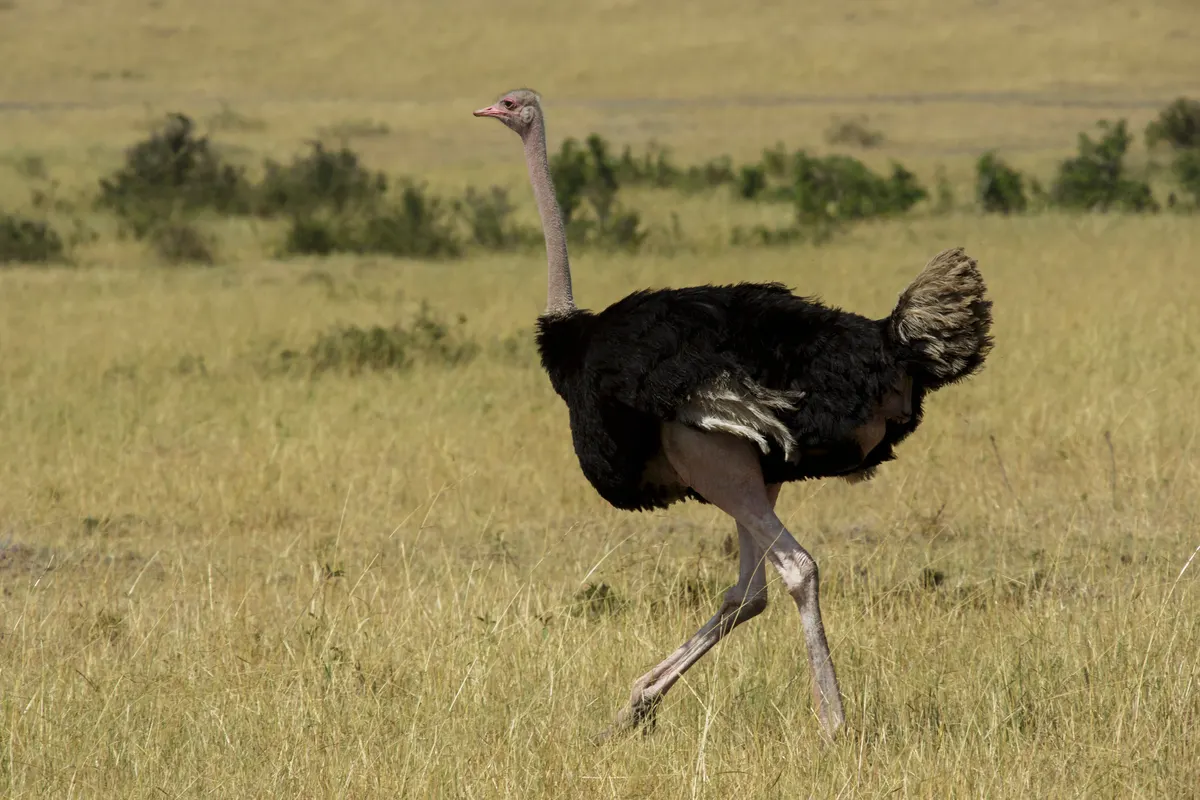
Emus and ostriches are the two largest flightless birds, but the ostrich is the bigger and faster African species with two toes, while the emu is a smaller Australian bird with three toes whose males raise the chicks alone.
By An Nguyen · Updated
At a glance
Published species data from both WildlifeDB profiles, aligned trait by trait. Size metrics highlight the larger value with a relative bar.
- Scientific name
- EmuDromaius novaehollandiae
- OstrichStruthio camelus
- Classification
- EmuAves · Dromaiidae
- OstrichAves · Struthionidae
- Native range
- EmuAustralia, Oceania
- OstrichAfrica
- Primary habitat
- EmuGrassland
- OstrichSavanna
- Diet
- EmuOmnivore
- OstrichOmnivore
- Typical food
- EmuSeeds, Fruit, Flowers, Shoots, Insects
- OstrichGrass, Seeds, Leaves, Insects, Small reptiles
- Body length
- Emu150 cm – 190 cm
- Ostrich7 feet – 9 feet
- Shoulder height
- Emu—
- Ostrich—
- Weight
- Emu18 kg – 60 kg
- Ostrich200 pounds – 320 pounds
- Top speed
- EmuUp to about 48 km/h
- OstrichCan sprint faster than 40 miles per hour
- Wild lifespan
- EmuAbout 5 to 10 years
- Ostrich30 to 40 years
- Social pattern
- EmuMaking nomadic seasonal movements in search of food and water, Male incubation of the clutch, Dust-bathing to help maintain the plumage
- OstrichSprinting escape, Ground nesting, Communal chick care
- Key adaptations
- EmuLong, powerful legs built for sustained running, Double-shafted feathers that shed heat and insulate, Ability to go for long periods without water
- OstrichLong powerful legs, Large eyes, Two-toed feet
- Conservation
- EmuLeast Concern · Stable
- OstrichLeast Concern · Decreasing
- Reproduction
- EmuAbout 56 days, incubated by the male; About 5 to 15 eggs
- OstrichAbout 42 days of incubation; 10 to 20 eggs per nest
Africa or Australia decides it
The ostrich, Struthio camelus, is African, living in savanna and semi-arid plains across Kenya, Tanzania, South Africa, Namibia, Botswana, Ethiopia, and Sudan. The emu, Dromaius novaehollandiae, is Australian, ranging across most of the mainland from grassland and savanna to open woodland and the arid interior.
There is no natural overlap. A large flightless bird in the wild in Africa is an ostrich; in Australia it is an emu. Both are farmed outside their native ranges, so a captive bird proves nothing about geography.
Which one is bigger
The ostrich is the largest living bird by a clear margin, standing roughly 2.1 to 2.7 metres and weighing about 100 to 145 kg. The emu stands about 1.5 to 1.9 metres and weighs 18 to 60 kg — the ostrich is around 2.4 times the mass at the top of each range.
The emu is the second-tallest living bird, exceeded in height only by the ostrich, so "second largest" is accurate for height without implying similar weight.
Which one is faster
The ostrich is the fastest bird on land, sprinting at more than 60 km/h. The emu reaches about 48 km/h but can hold a steady pace over long distances, which suits a bird that makes nomadic seasonal movements to follow rain and food.
Both rely on legs rather than wings to escape danger. Both are also ratites, a group whose flat breastbone lacks the keel that anchors flight muscles, so neither bird has the anatomy for flight at all. Reduced wings serve for balance while running, and in the ostrich for display.
Two toes or three
Ostriches have two toes on each foot; emus have three. On a clear photograph of the feet this is definitive, and it is the reason an ostrich kick concentrates so much force — enough to injure a lion.
Colour and sex differences
Male ostriches carry striking black-and-white plumage, and females are duller brown-grey, so a mixed group is easy to read at a distance. Emus are uniformly grey-brown in both sexes, with no comparable plumage difference. Emu chicks hatch with brown and cream stripes for camouflage, which fade after a few months.
The emu father sits alone on the nest
Parental care is the sharpest behavioural difference. In ostriches, a dominant female and a male share incubation of a communal nest holding 10 to 20 eggs, which hatch after about 42 days, and chick care can be communal.
In emus, the male alone incubates a clutch of about 5 to 15 eggs for roughly 56 days, fasting for much of that period, then leads and defends the chicks. The female may move on to mate again. Egg to independence is a job done by one parent, not two.
Both omnivores that swallow stones
Both are omnivores with similar tastes. Emus eat seeds, fruit, flowers, shoots, and insects. Ostriches eat grass, seeds, and leaves along with insects and the occasional small reptile.
Neither bird has teeth, so both swallow grit and small stones that sit in the gizzard and grind tough plant material. Ostriches also have the largest eyes of any land animal, useful for spotting predators across open savanna — and contrary to the old story, they do not bury their heads in sand.
Same IUCN label, opposite trends
Both species are listed as Least Concern, but the trends differ: the emu record is stable, while the common ostrich record is decreasing. Both are farmed at scale, and captive numbers do not establish the security of wild populations.
Human conflict is part of both histories. During the 1932 "Emu War" in Western Australia, soldiers with machine guns were sent to cull emus damaging crops, with limited success. The emu now appears on Australia's Coat of Arms alongside the red kangaroo.