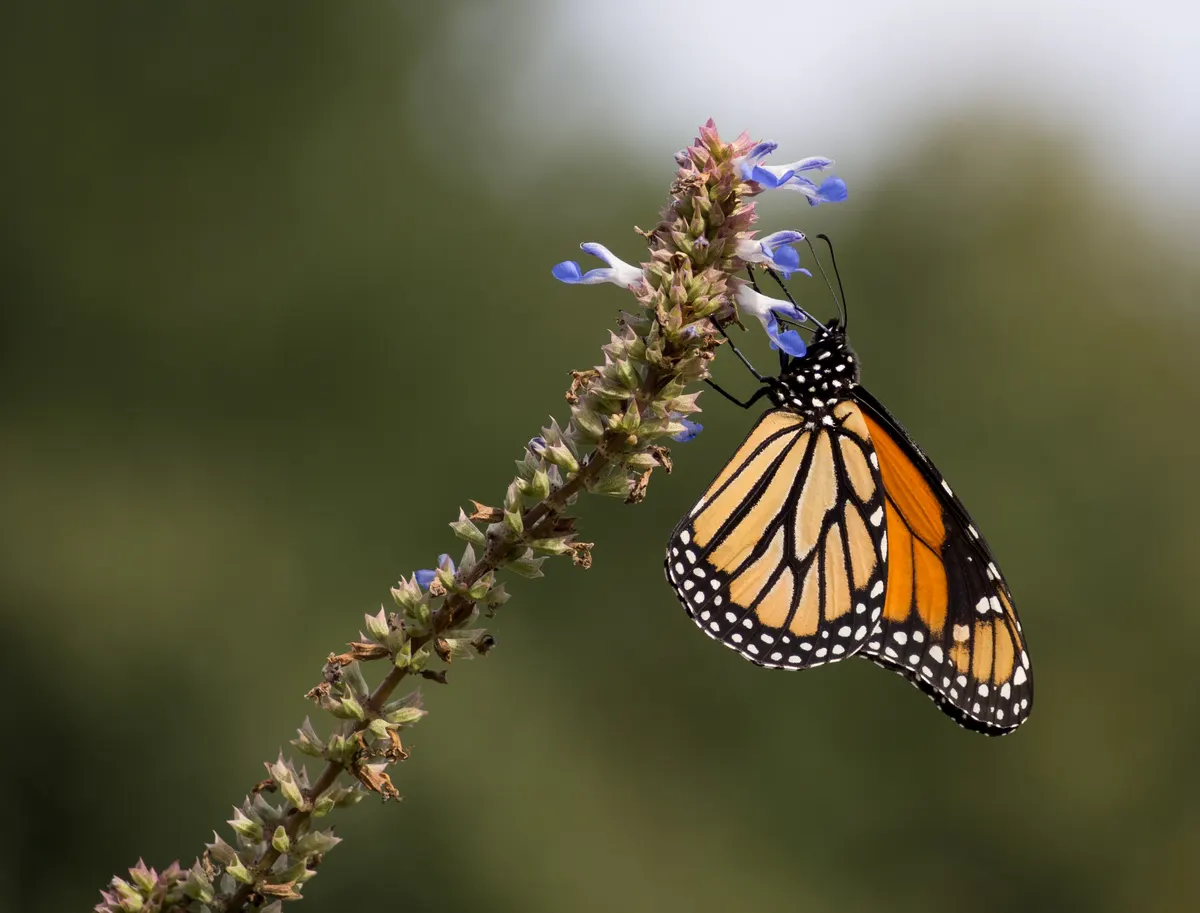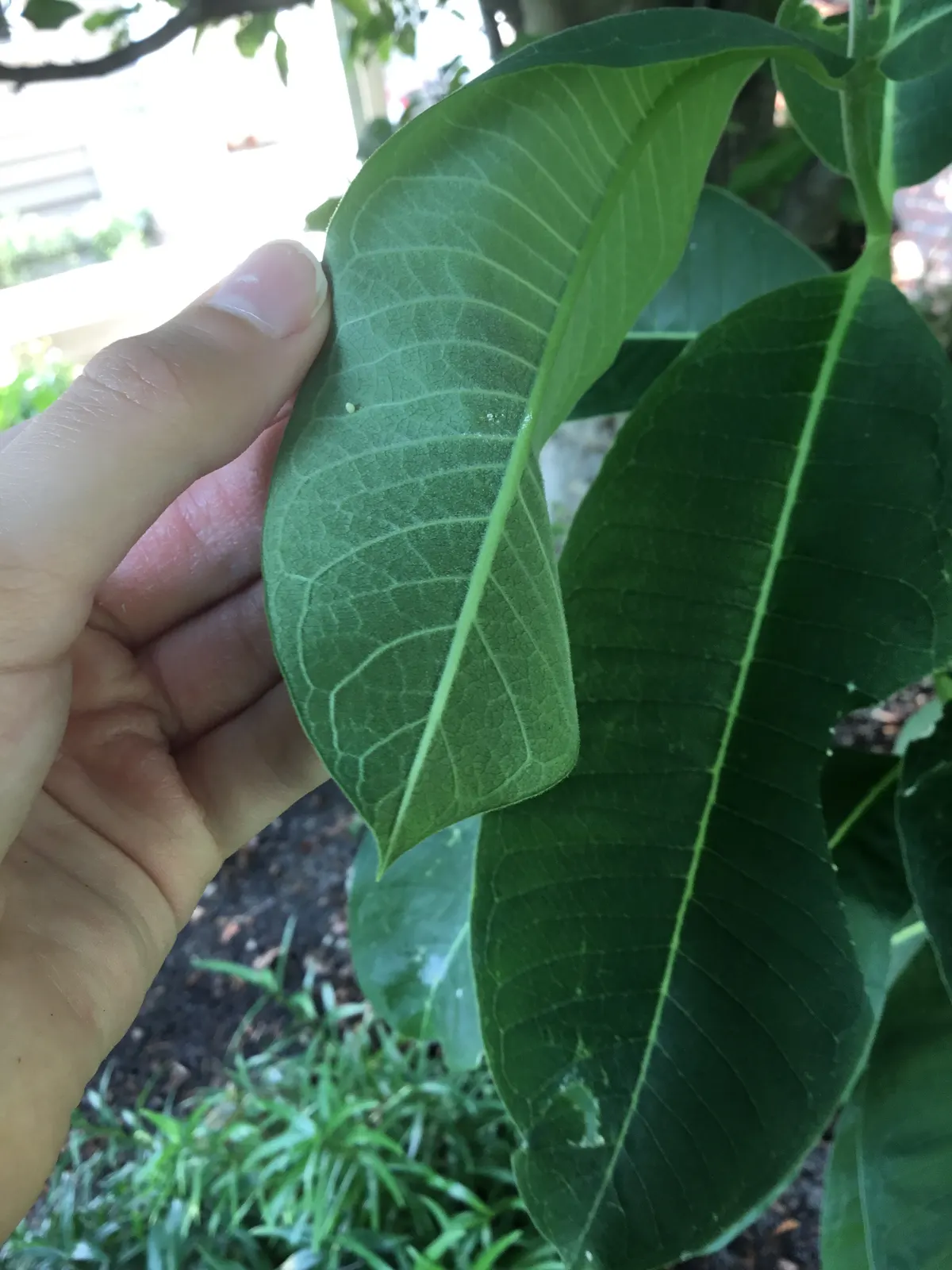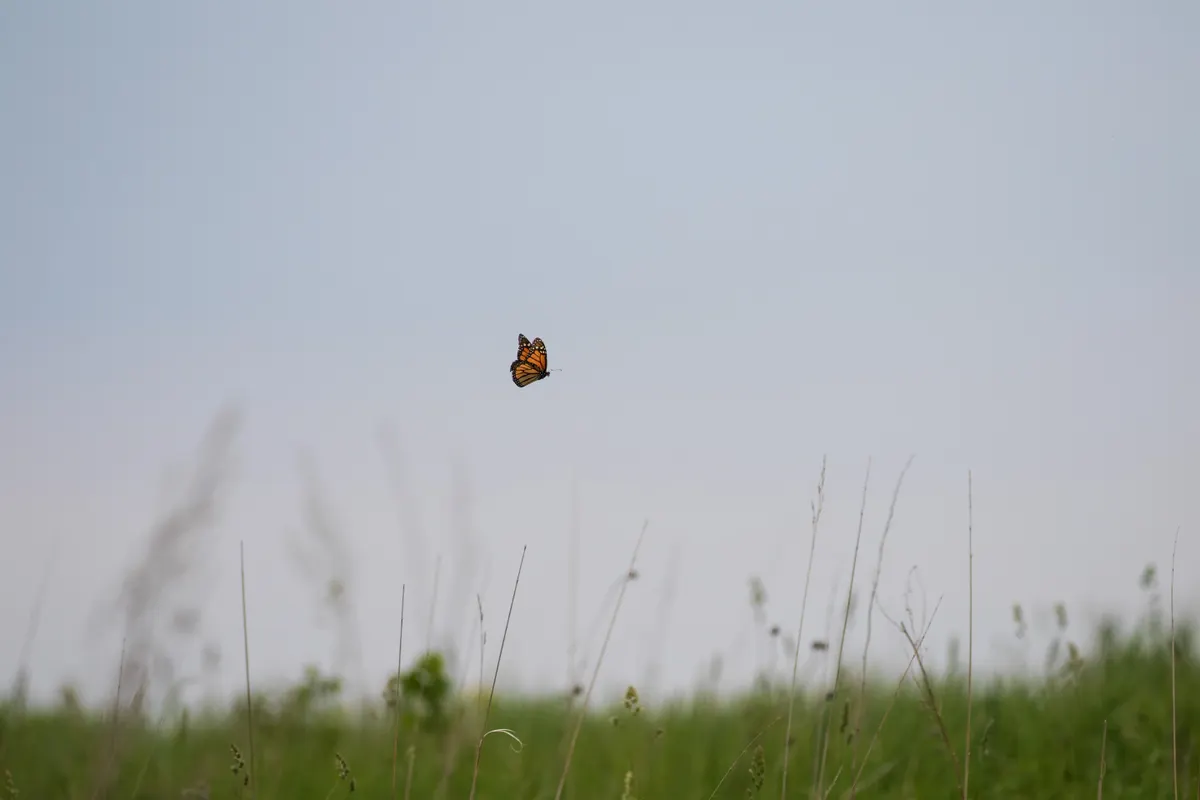
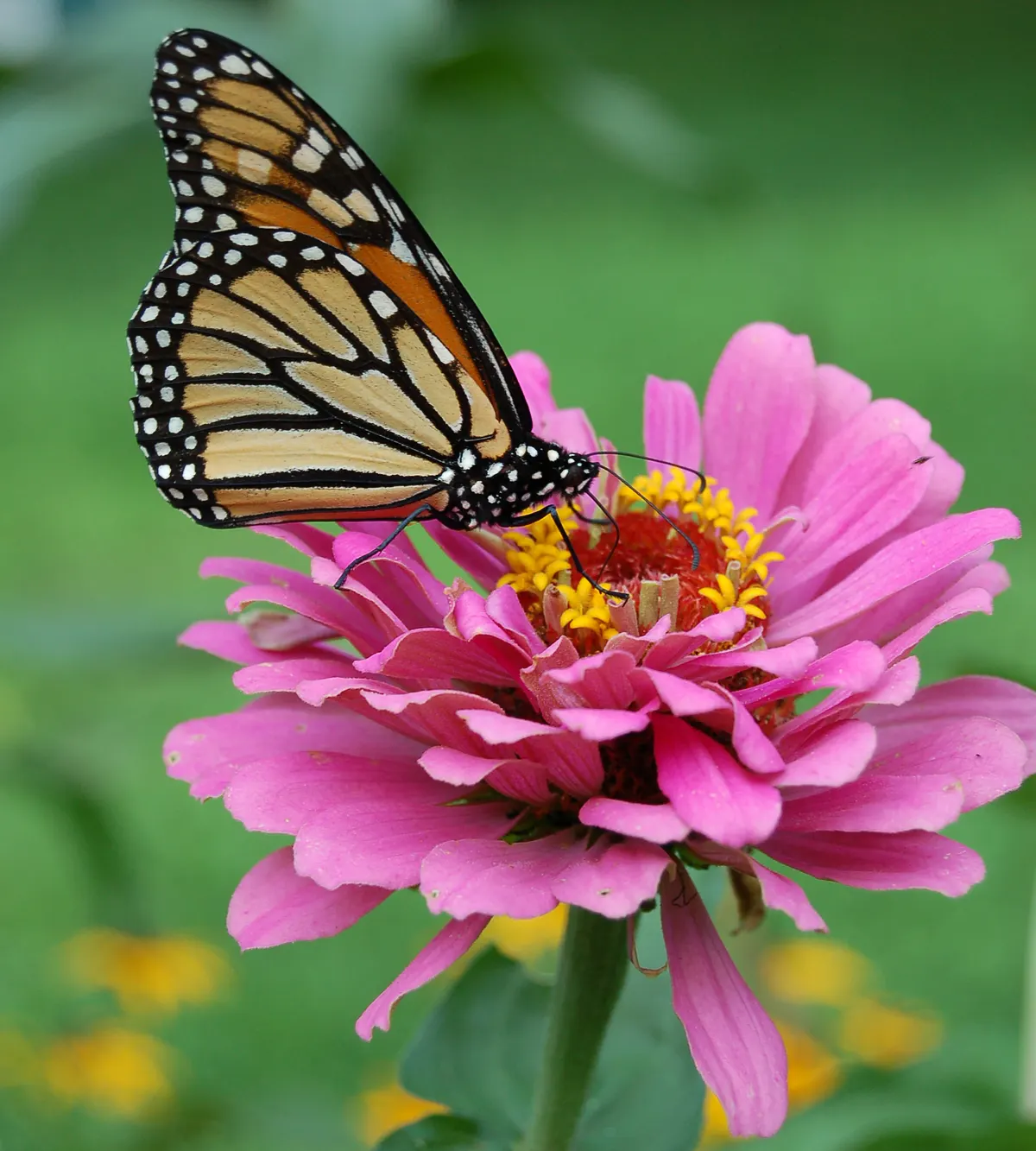
The monarch life cycle is a classic representation of holometabolism (complete metamorphosis) encompassing four distinct stages: egg, larva (caterpillar), pupa (chrysalis), and adult. Following mating, a female flits rapidly through a meadow, carefully depositing a single, pinhead-sized, ribbed egg on the underside of a milkweed leaf. She may lay between 300 to 500 eggs over her short life.
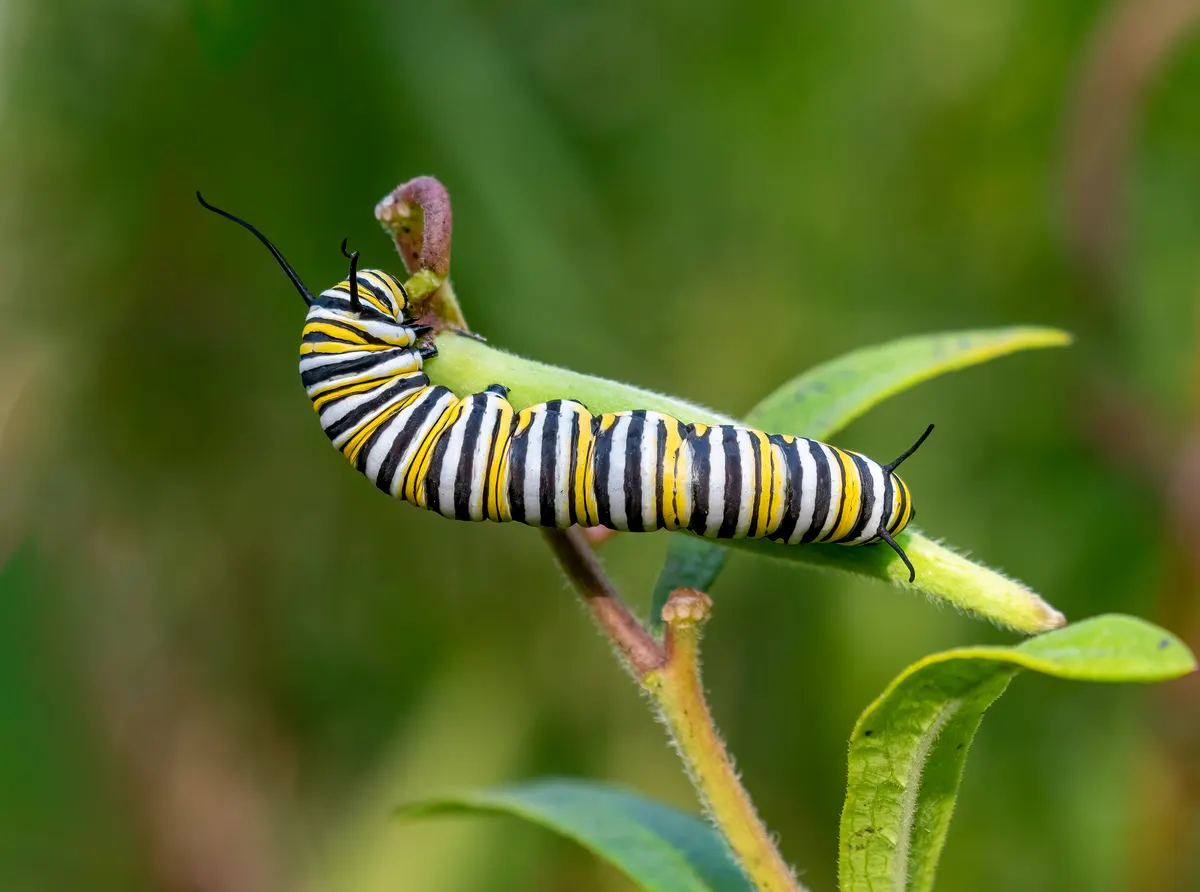
After 3 to 8 days, the egg hatches into a microscopic caterpillar. Over the next two weeks, the larva voraciously consumes milkweed, shedding its skin (molting) five times as it passes through successive growth stages called instars, eventually developing its iconic yellow, black, and white banding. Fully grown, the caterpillar attaches itself to a secure twig using a silk button, hanging in a 'J' shape before shedding its final skin to reveal a smooth, jade-green chrysalis studded with golden spots.
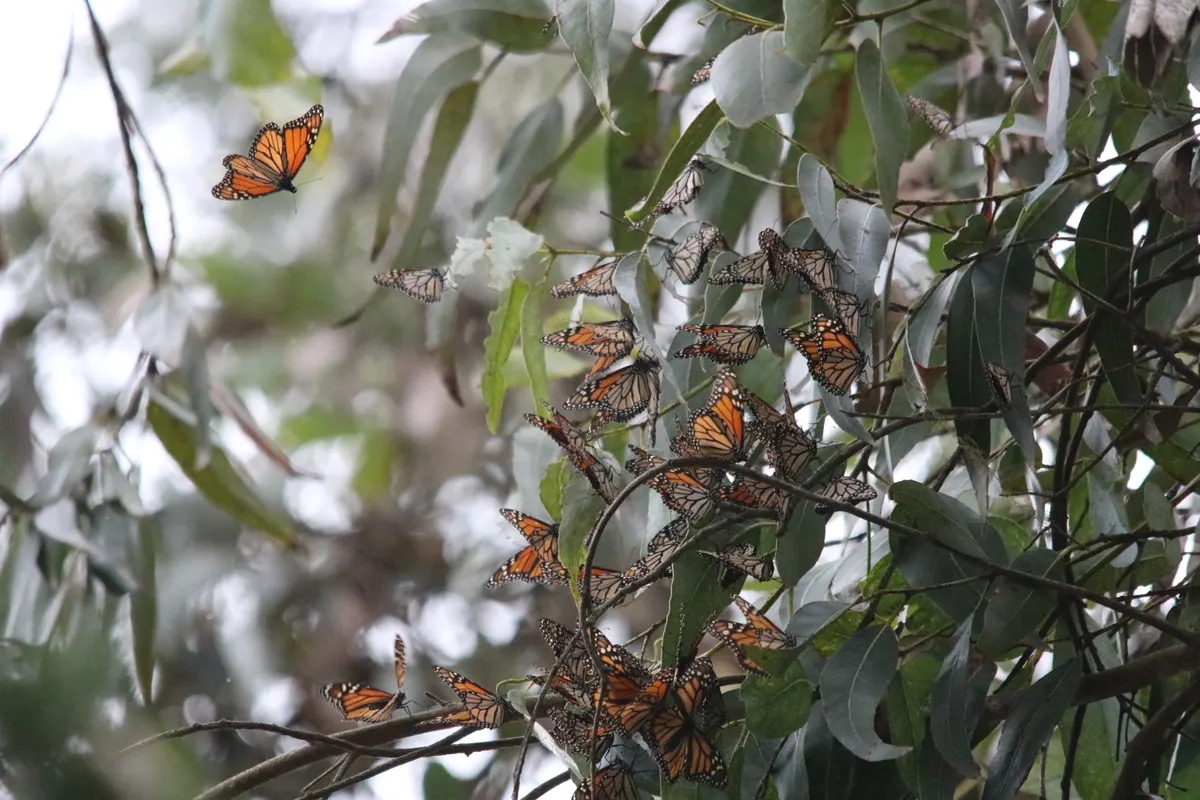
Inside the chrysalis, the caterpillar's body completely liquefies and reorganizes over 10 to 14 days, eventually emerging as a fully formed adult butterfly. The summer generations (which breed in the U.S. and Canada) have short lifespans, living only 2 to 6 weeks. However, the final "super generation" born in late August and September delays sexual maturity. This exceptional generation undertakes the immense 3,000-mile migration, survives the winter, and begins the return journey north, living up to 8 months.