
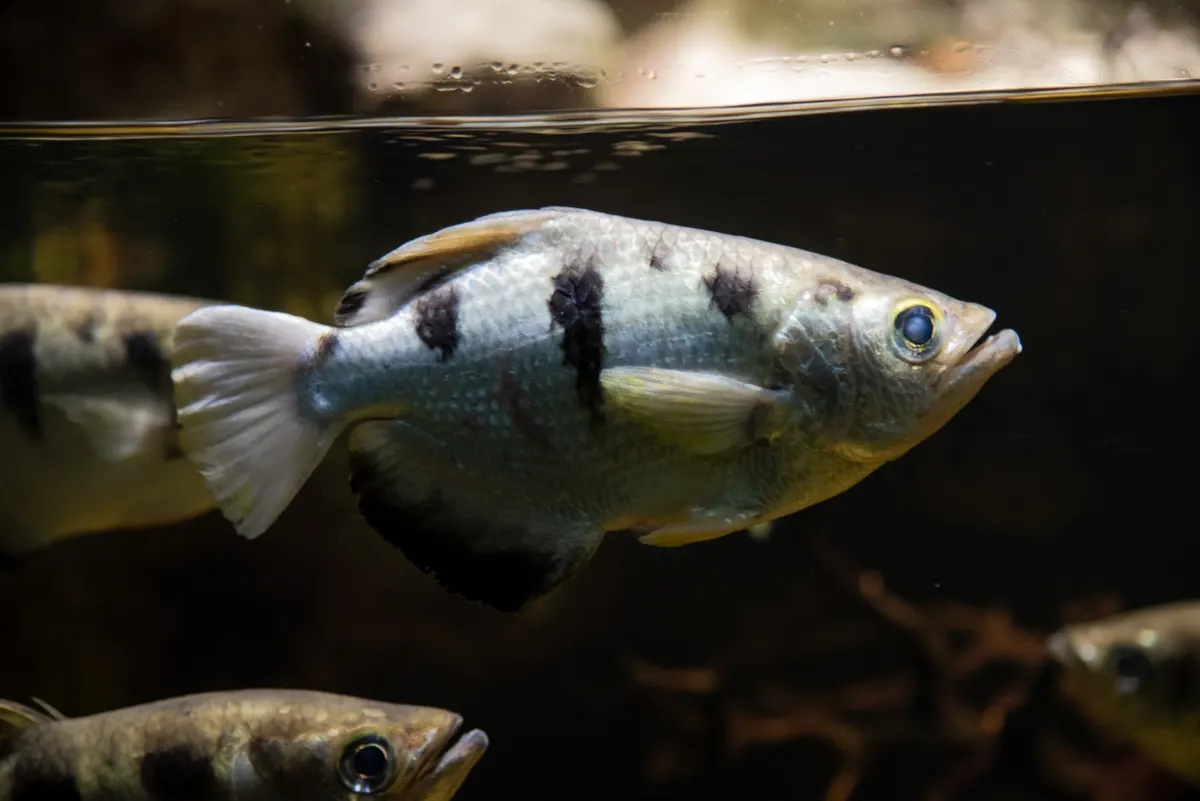
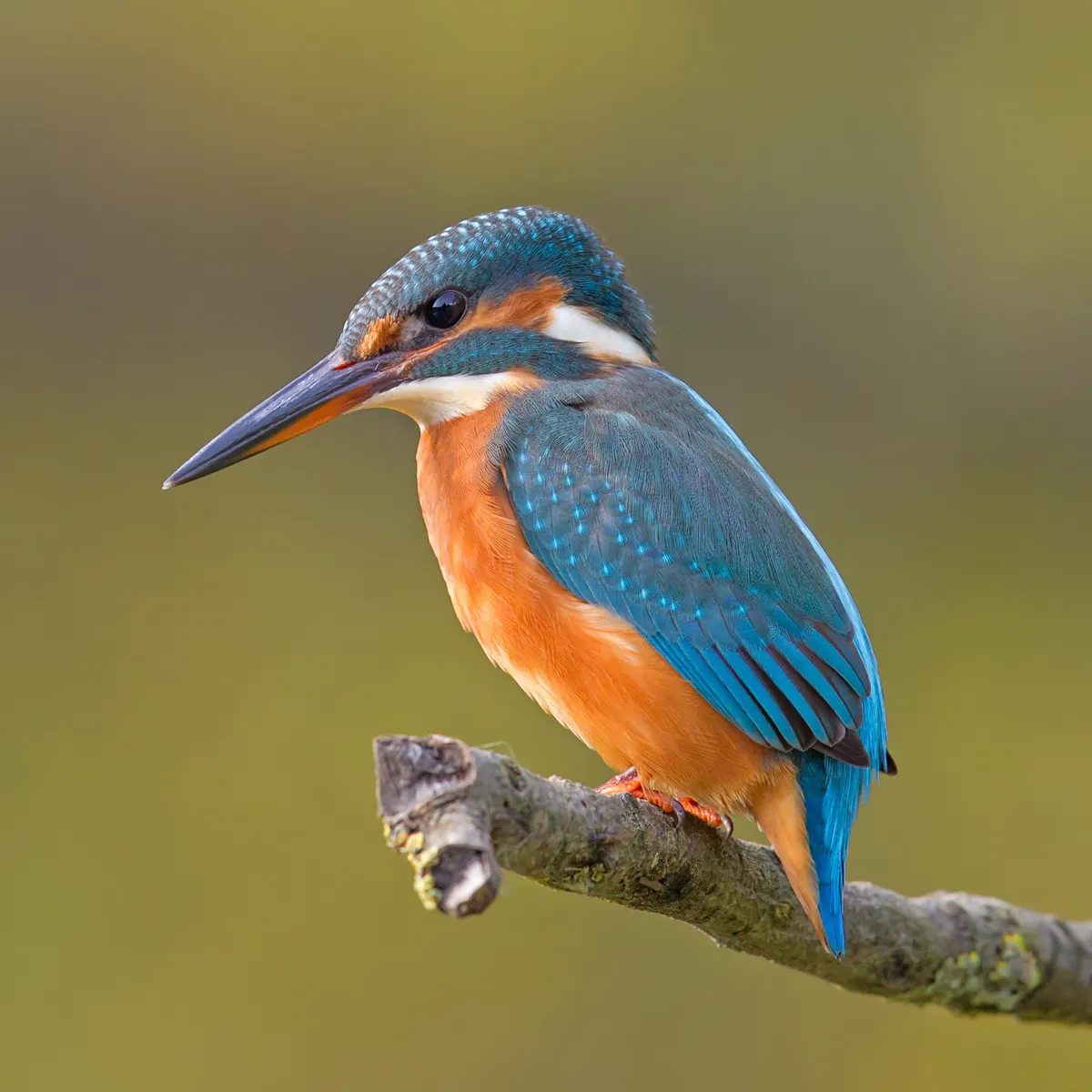
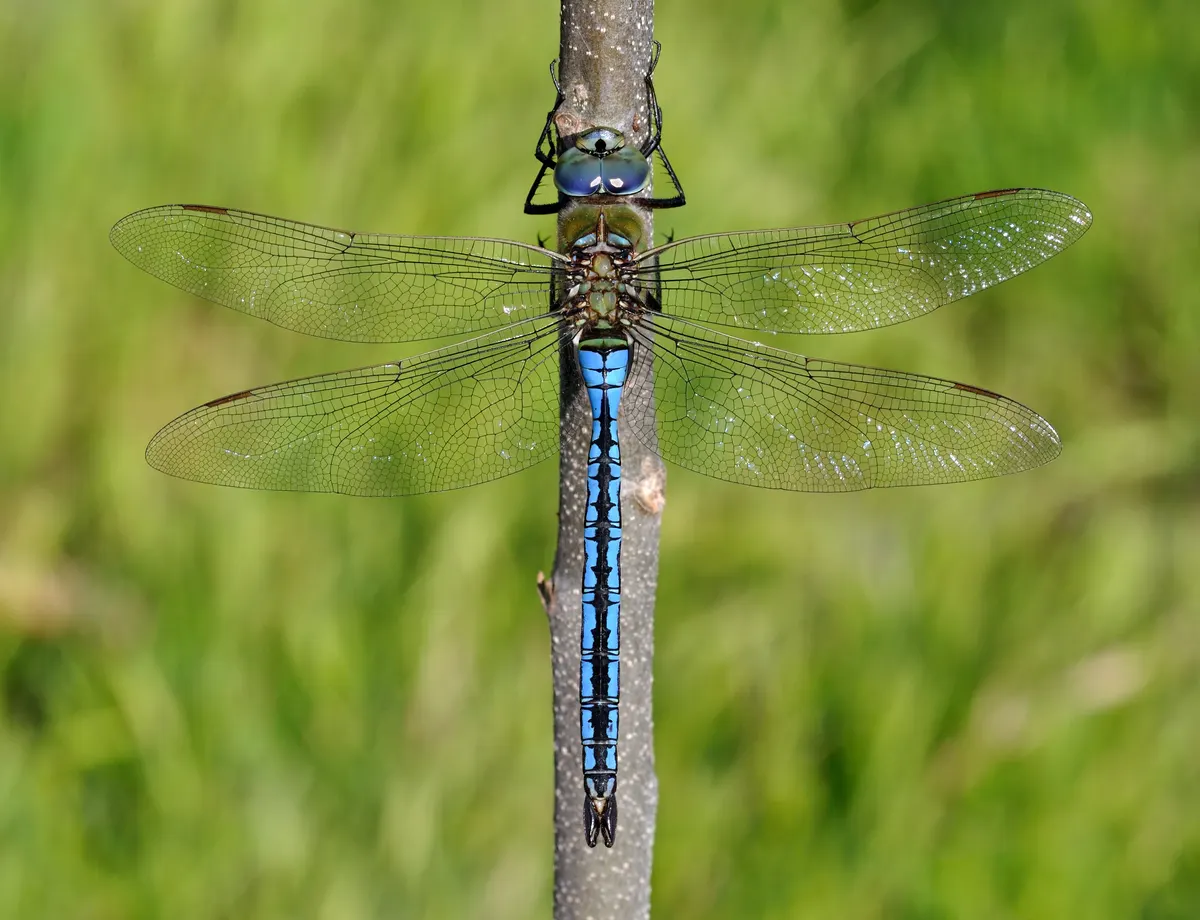
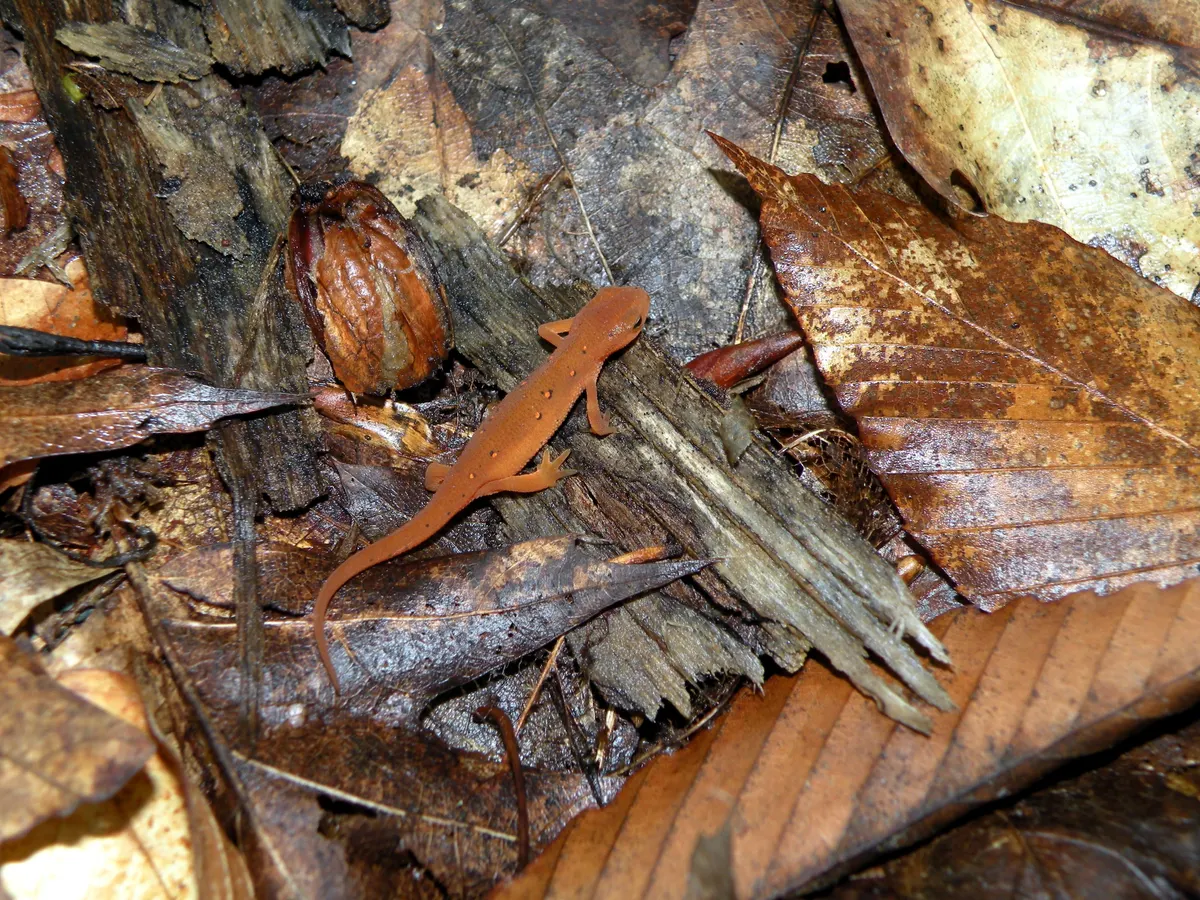
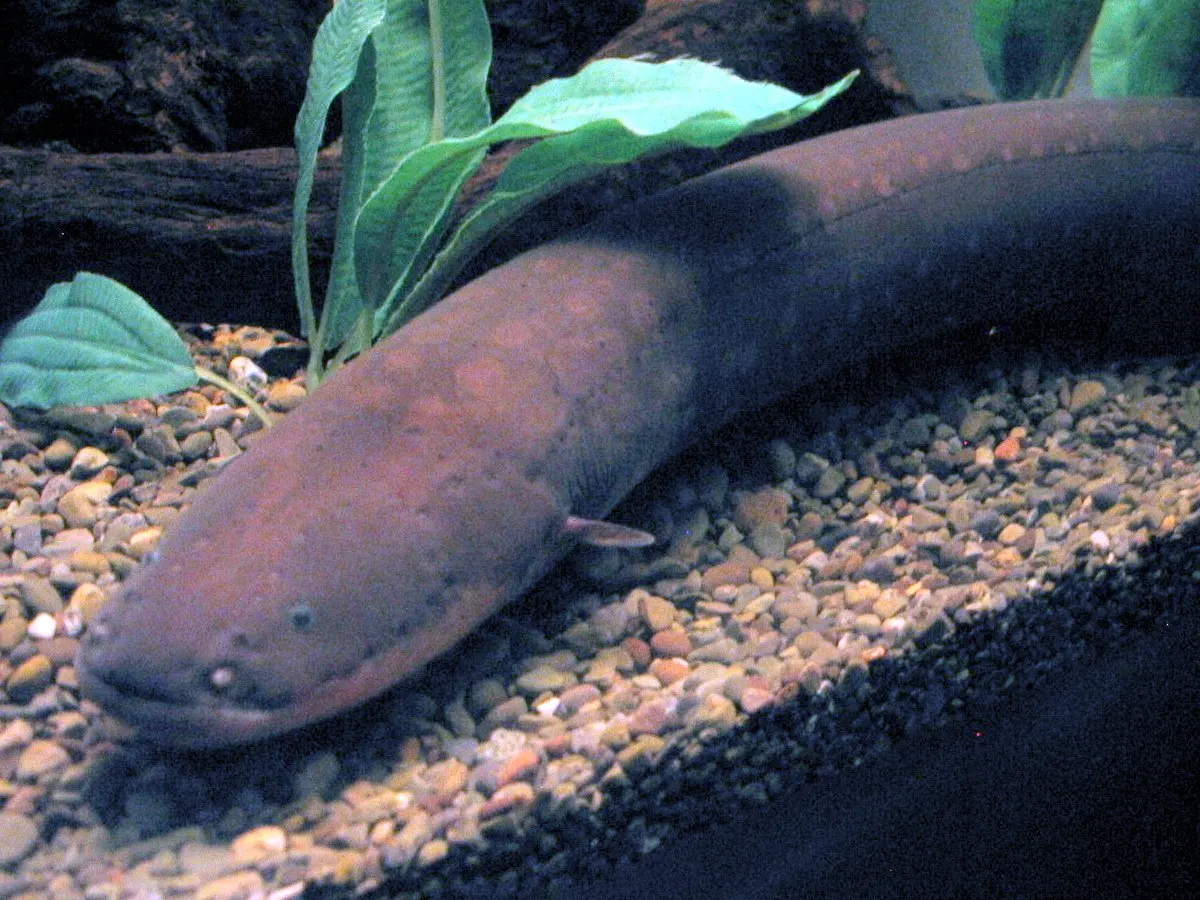
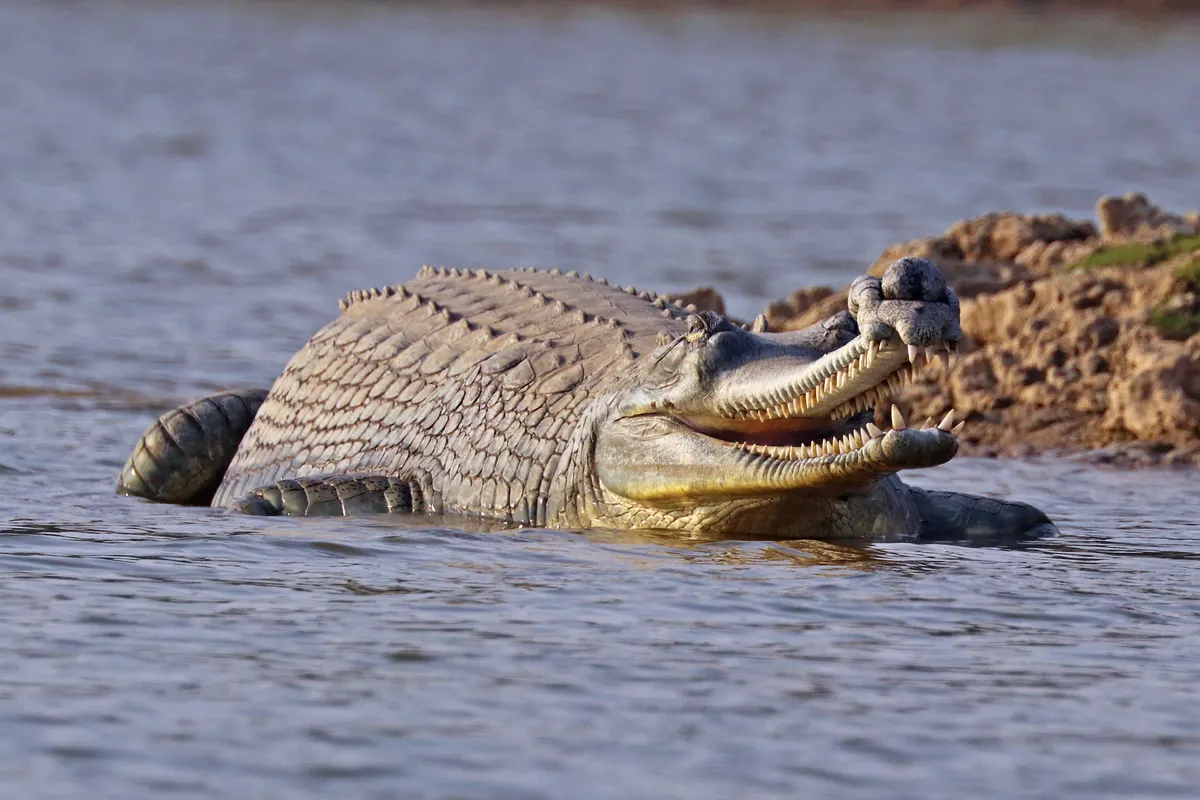
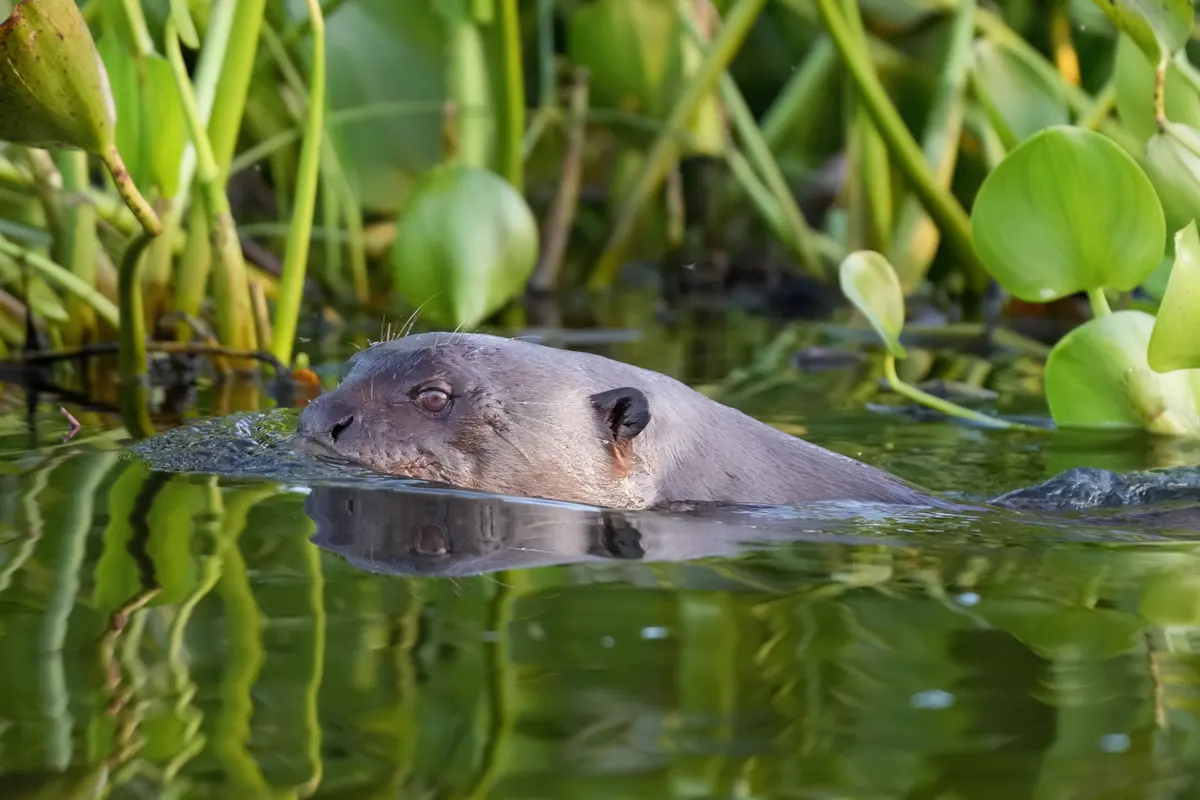
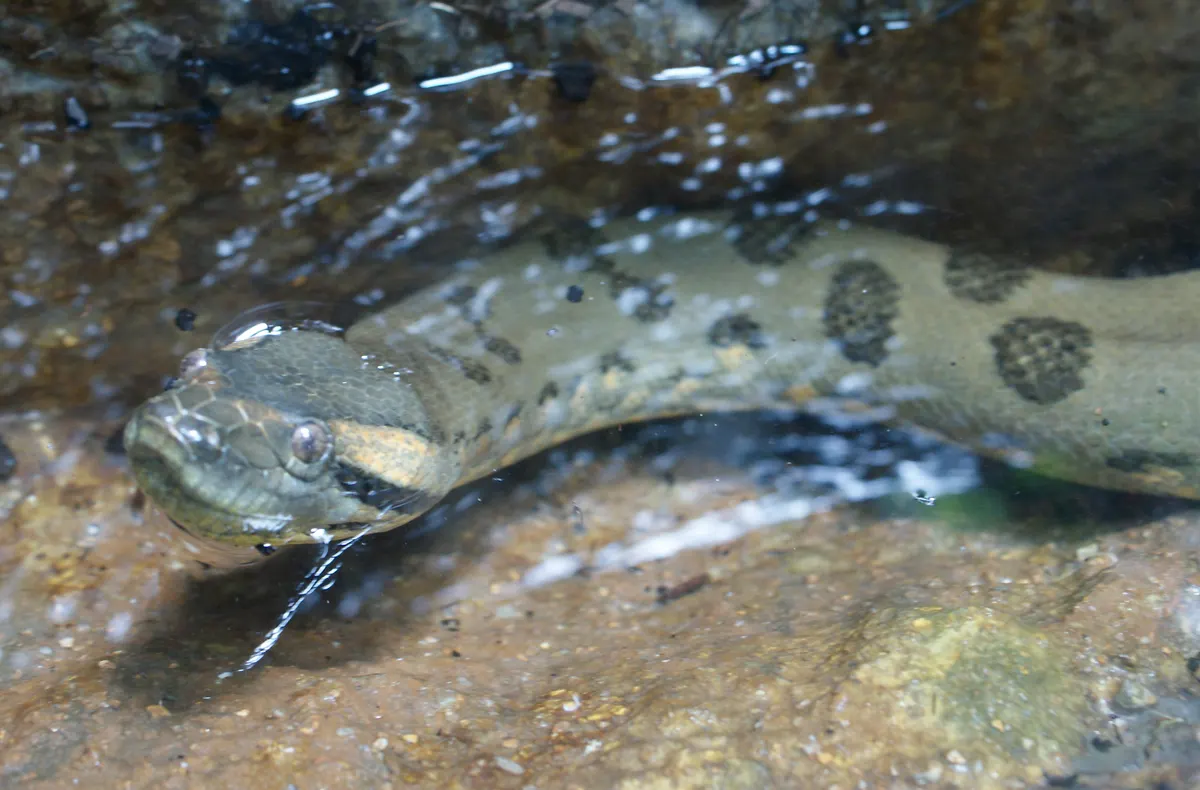
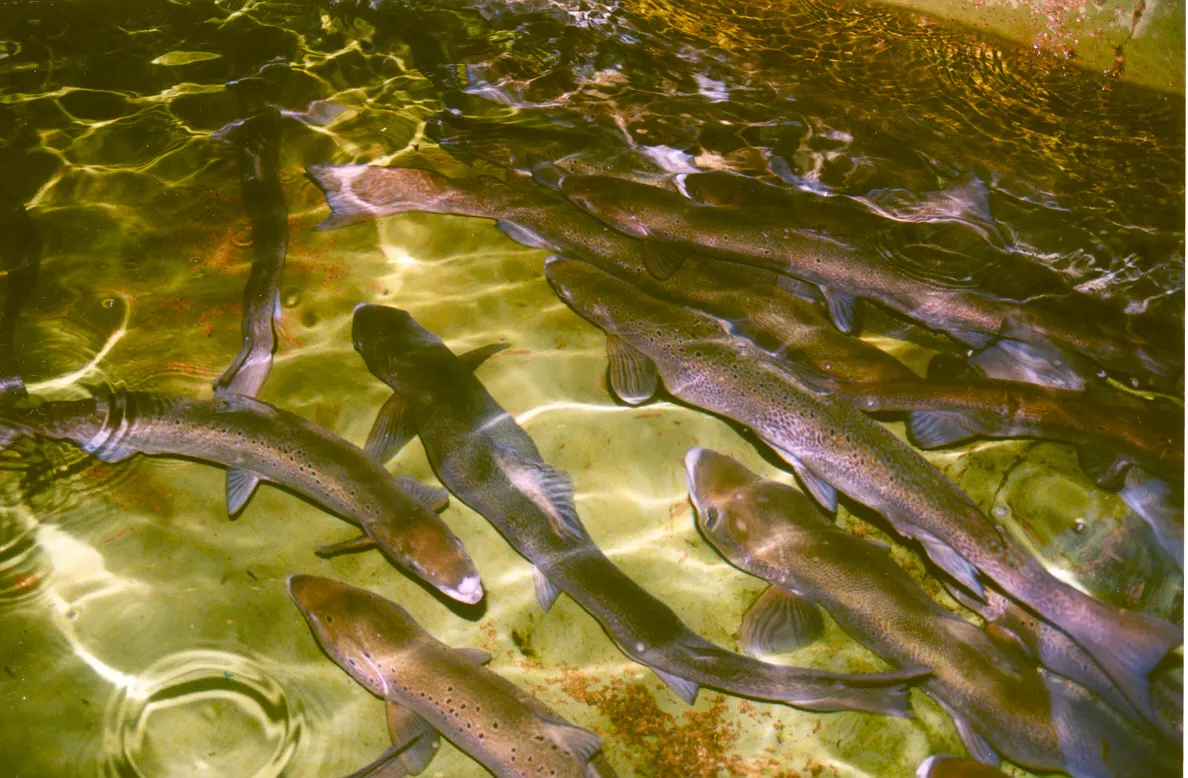
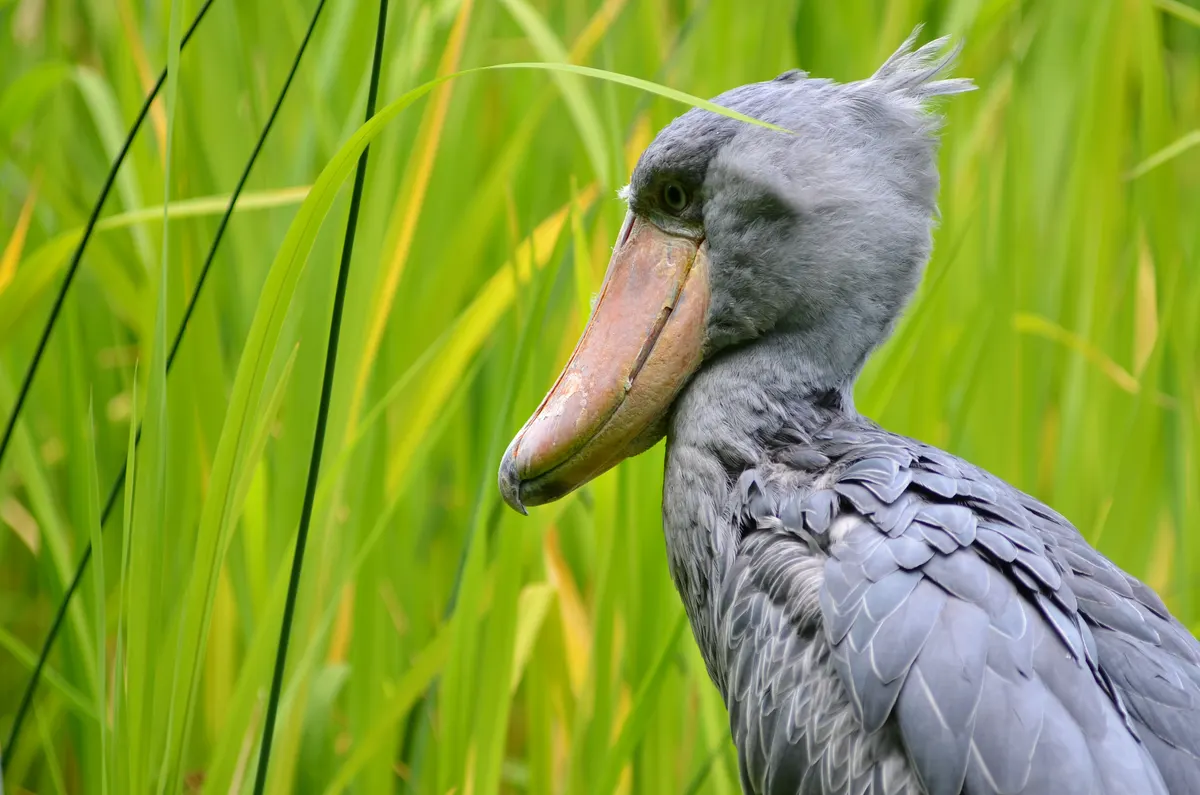
Archerfish knocks insects off overhanging vegetation with a water jet. Kingfisher and Shoebill strike fish from perches or shallows. Dragonfly breeds in still water while hunting airborne prey as an adult. Salmon returns upstream to spawn, linking ocean feeding grounds to freshwater nurseries.

Habitats hub
Wetland Animals
Discover animals that live in wetland habitats with wildlife photos and full fact pages.
- Species listed
- 19
- Diet mix
- 15 carnivore · 4 herbivore
- Updated
- August 2026
19 species · 15 carnivore, 4 herbivore
Overview
Marshes, rivers, and floodplains
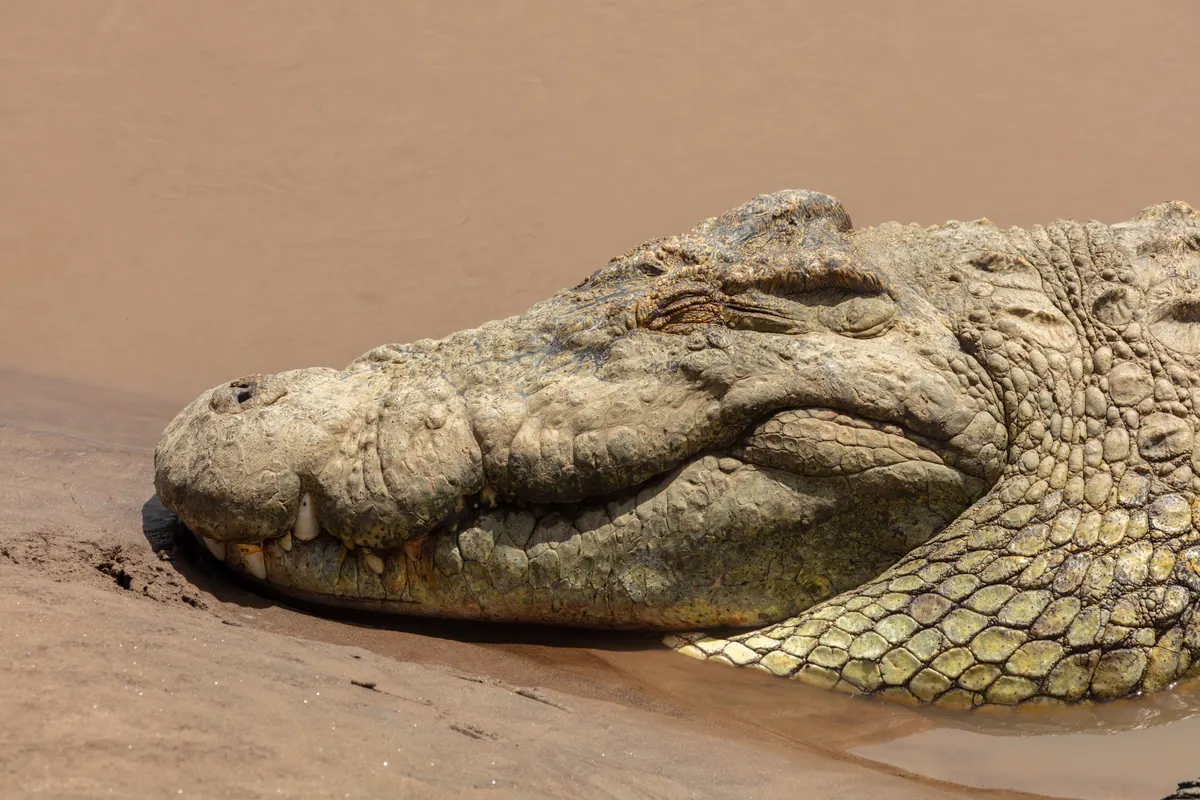
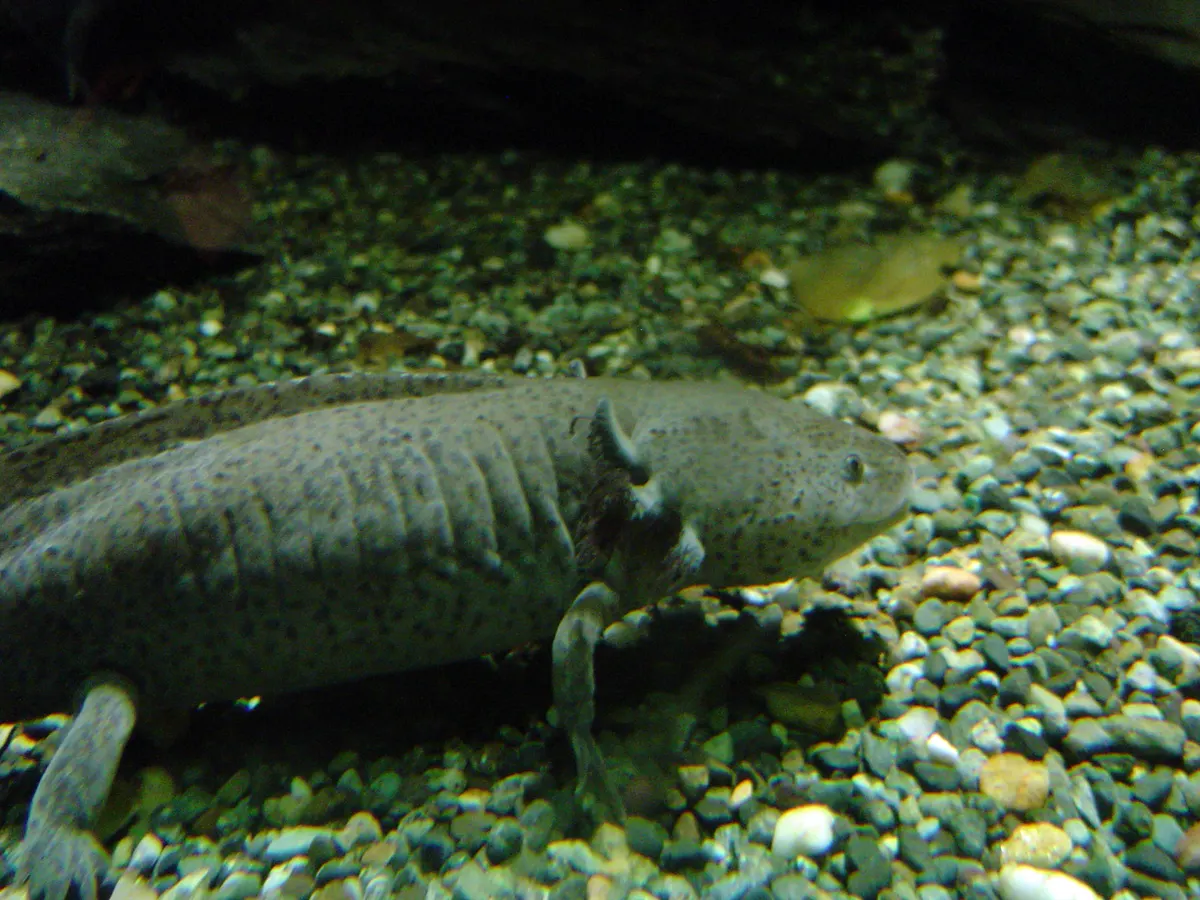
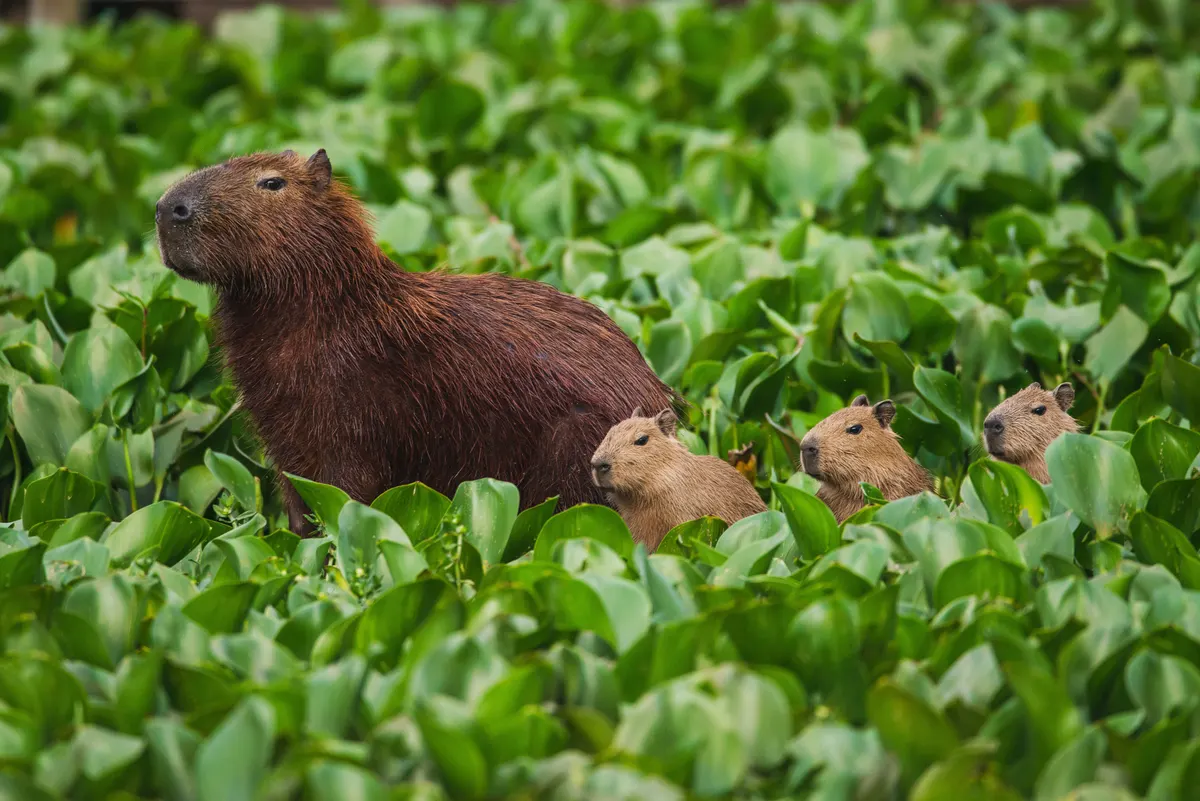
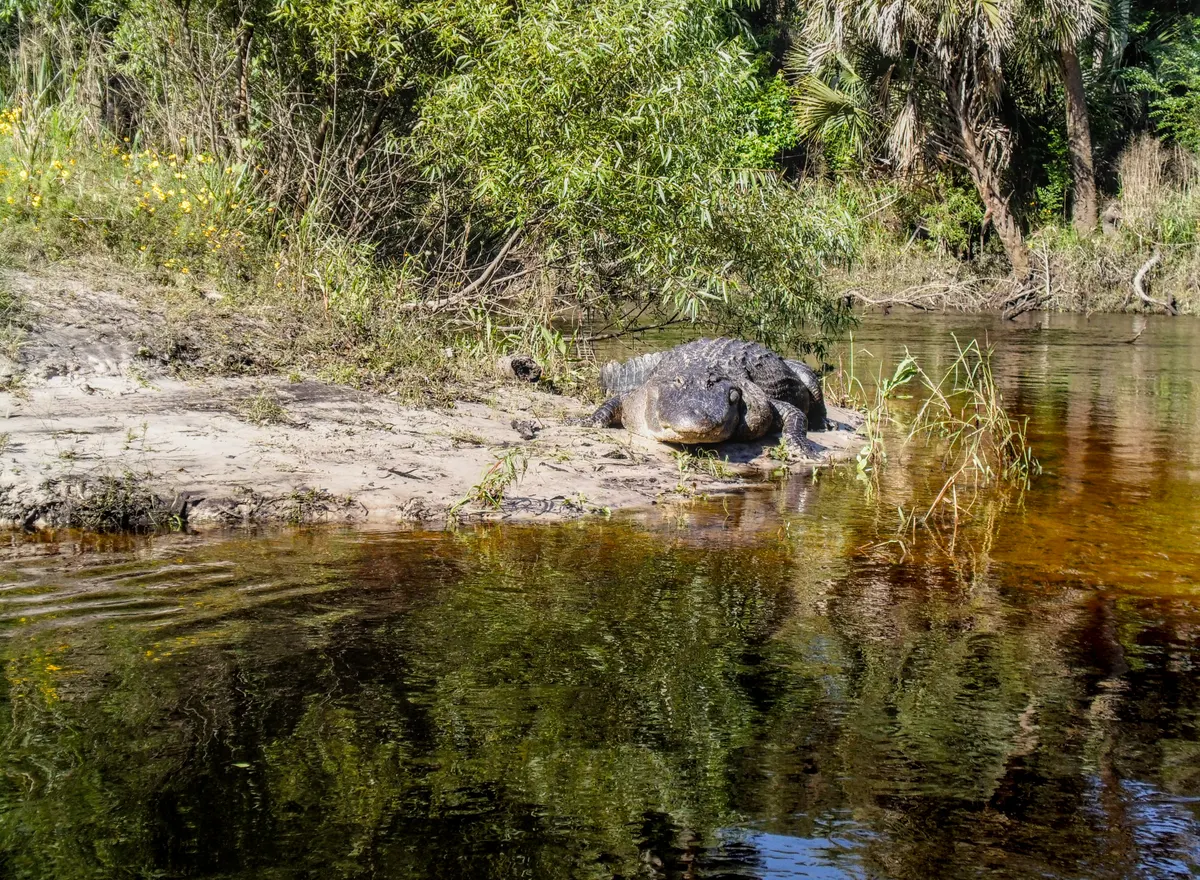
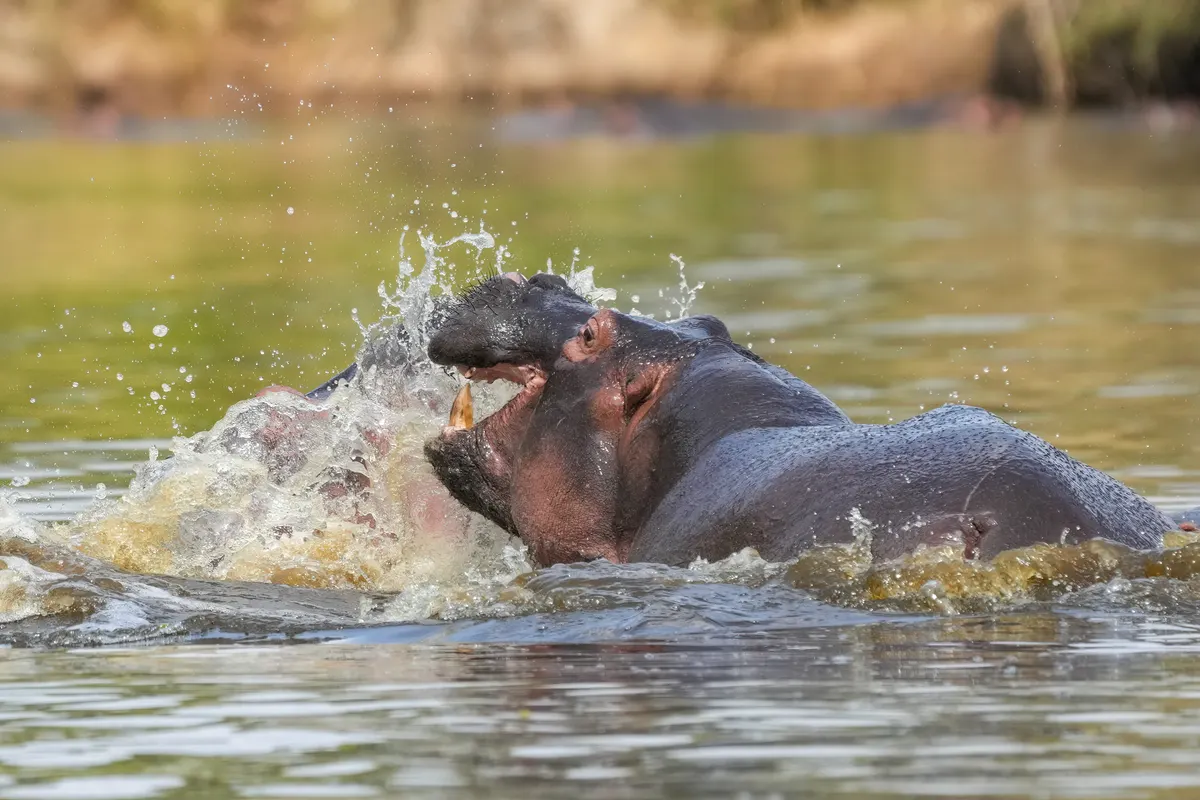
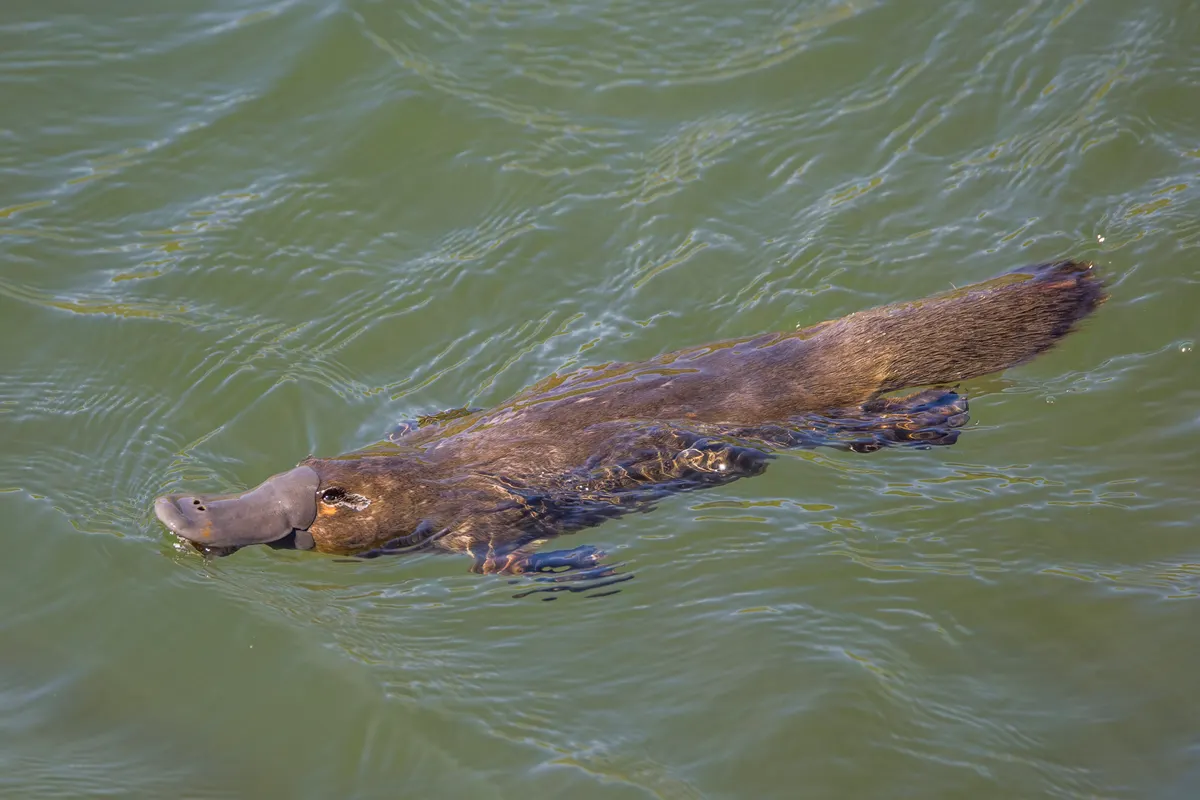
Wetlands sit at the boundary of land and water — marshes, swamps, rivers, and seasonal floodplains. Capybara and Hippopotamus are large mammals tied to water for feeding and refuge. Crocodile ambushes at the shoreline. Axolotl keeps external gills for a fully aquatic life in Mexican highland lakes. Platypus forages along stream beds with electroreception.
Start here
Featured species
3 entry points into this cluster — each profile has range, diet, behavior, and conservation detail.
Species directory
All 19 animals in this hub
Flagship species appear first. Open any card for range maps, diet, behavior, and conservation status.
Field guide
Ecology & context
Adaptations, threats, and comparisons — background for readers who want more than the species directory.
Carnivores, herbivores, and everything between
Wetlands support carnivores like Crocodile, herbivores like Capybara, and species like Platypus that do not fit a simple label. Check each profile for breeding habitat, migration, and drainage-related conservation risks.
Freshwater and brackish edges
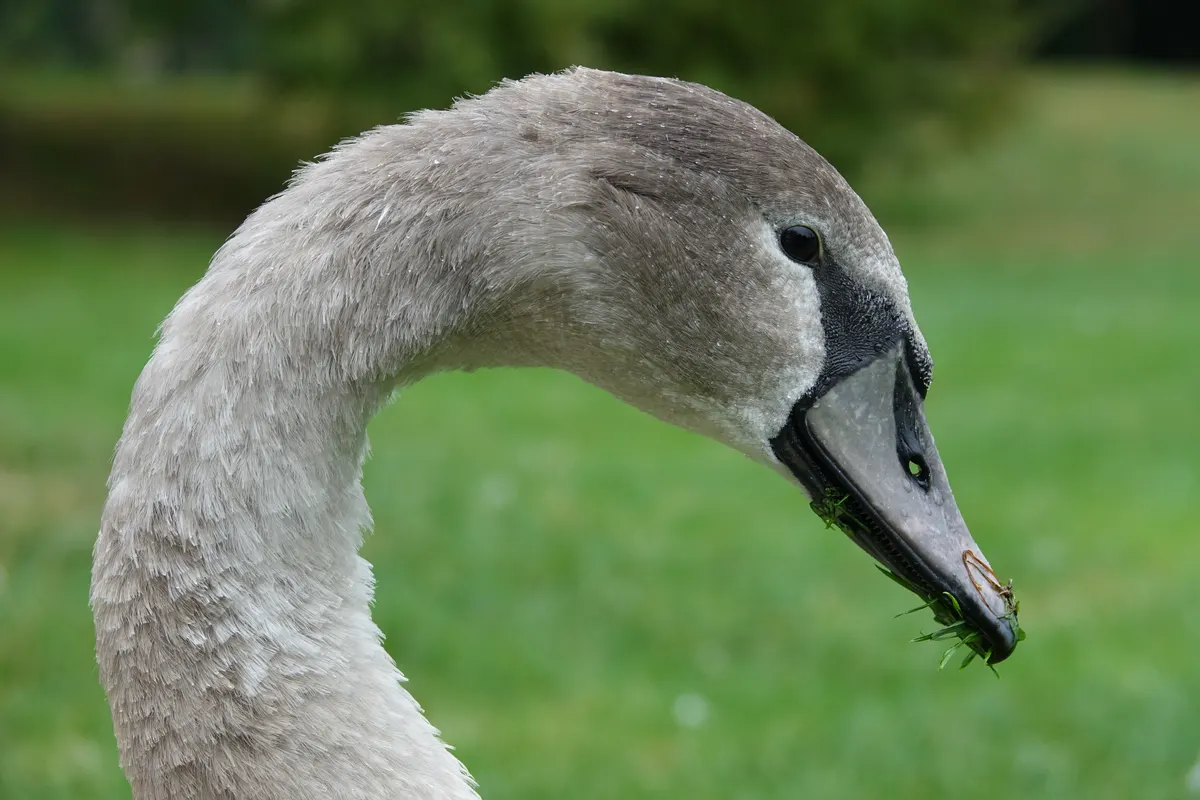
Wetlands include rivers, marshes, swamps, floodplains, and mangrove margins. Salmon links ocean feeding grounds to upstream spawning streams. Hippopotamus shapes channels by grazing banks. Swan nests in reed beds while Kingfisher hunts from overhanging branches.
Why wetlands matter beyond wildlife
FAQ about Wetland Animals
Select a question to reveal the answer.
What animals live in wetlands?
Are wetland animals always semi-aquatic?
No. Dragonfly adults fly far from water while larvae stay submerged. Kingfisher perches on land but hunts in water.
What threatens wetlands?
Drainage, pollution, invasive species, and dams that alter flow and sediment. Coastal wetlands also face sea-level rise and development.
Keep exploring
Related hubs
Same cluster, different angle — open a diet or habitat hub to compare species side by side.


