Musk Ox Facts
“Qiviut, the soft underwool, is warmer than sheep wool and sheds each spring.”
The musk ox is a stocky Arctic bovid built for polar cold, with a dense qiviut undercoat, curved horns, and herd defenses against wolves on the tundra.
Loading page content
“Qiviut, the soft underwool, is warmer than sheep wool and sheds each spring.”
The musk ox is a stocky Arctic bovid built for polar cold, with a dense qiviut undercoat, curved horns, and herd defenses against wolves on the tundra.
Ovibos moschatusArtiodactylaBovidae
Browse photographs of musk ox across habitat, behavior, anatomy, and life stages.
Click any photo to view it larger. 8 images available.
Core article
A closer look at habitat, diet, behavior, reproduction, and conservation.
Shoulder-deep in wind-driven snow, the musk ox (Ovibos moschatus) looks like a living fortress: broad horns, a cascading coat, and a body designed to hold heat on the polar tundra. This Arctic herbivore belongs to the cattle family Bovidae, yet it behaves more like a goat than a plains bison — digging for frozen willows, climbing windswept ridges in winter, and forming horned rings when wolves approach.
Musk oxen are the only living species in the genus Ovibos. Despite the “ox” in their name, genetic work places them closer to sheep and goats than to true cattle. They share the Bovidae family with American bison and other hoofed grazers, but they specialized for Ice Age Arctic habitats rather than temperate grasslands.
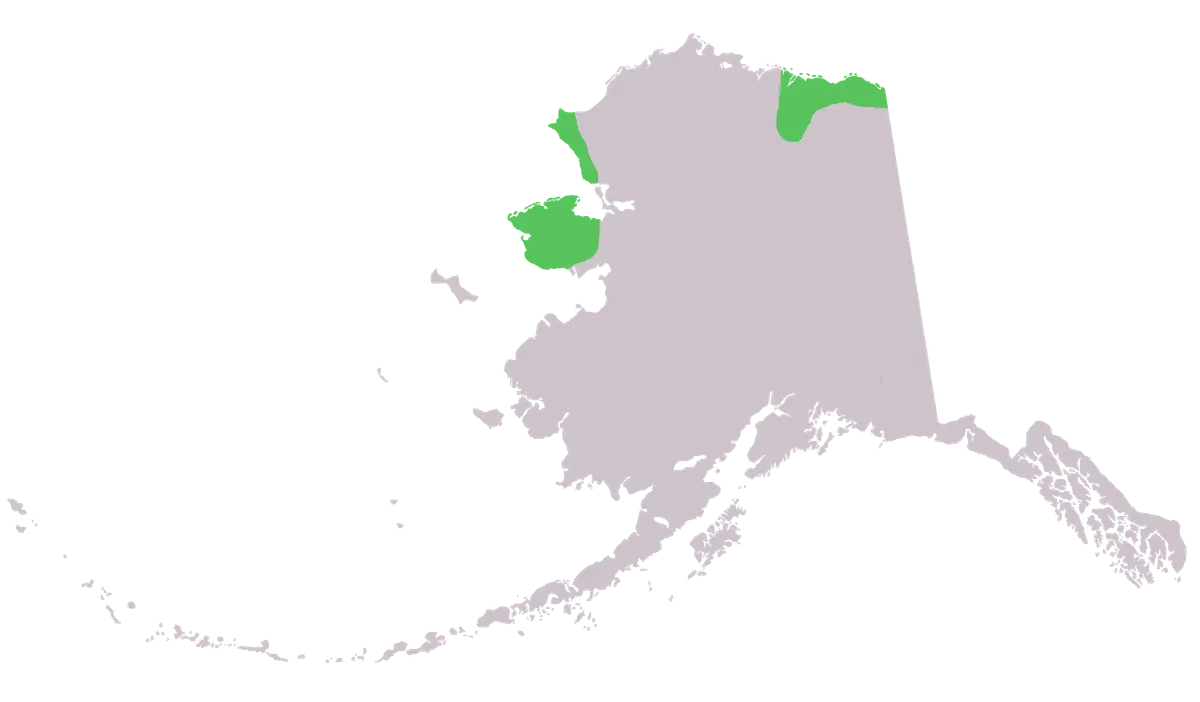
Fossil records show musk oxen and related forms once ranged far south of today’s Arctic. After the last ice age and subsequent hunting pressure, surviving populations shrank to a northern arc of Canada and Greenland. Twentieth-century reintroductions returned them to Alaska, parts of Russia, Norway, and other northern landscapes where managers rebuilt herds from carefully transported stock.
Adults typically stand about 4 to 5 feet (1.2 to 1.5 m) at the shoulder. Body length runs roughly 6 to 8 feet (1.8 to 2.5 m), and weight often falls between 400 and 900 pounds (180 to 410 kg), with bulls heavier than cows. A short, stocky build and small ears reduce heat loss.
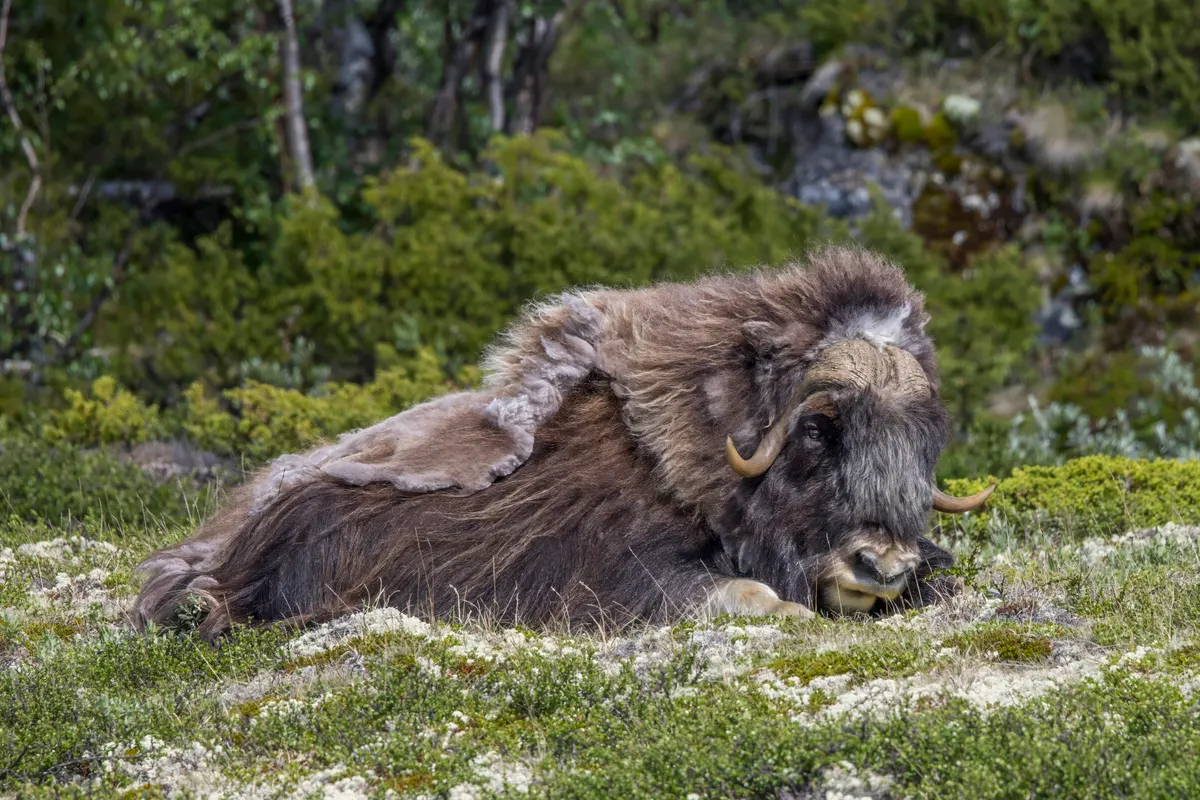
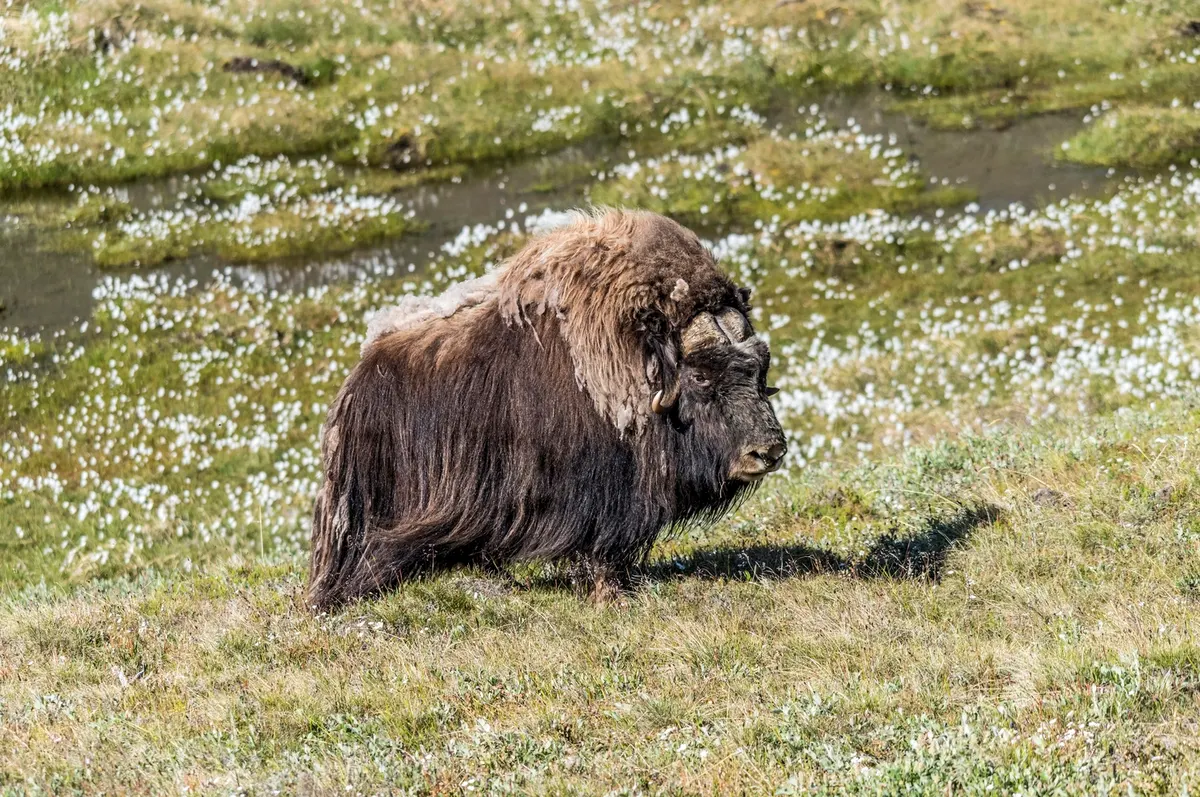
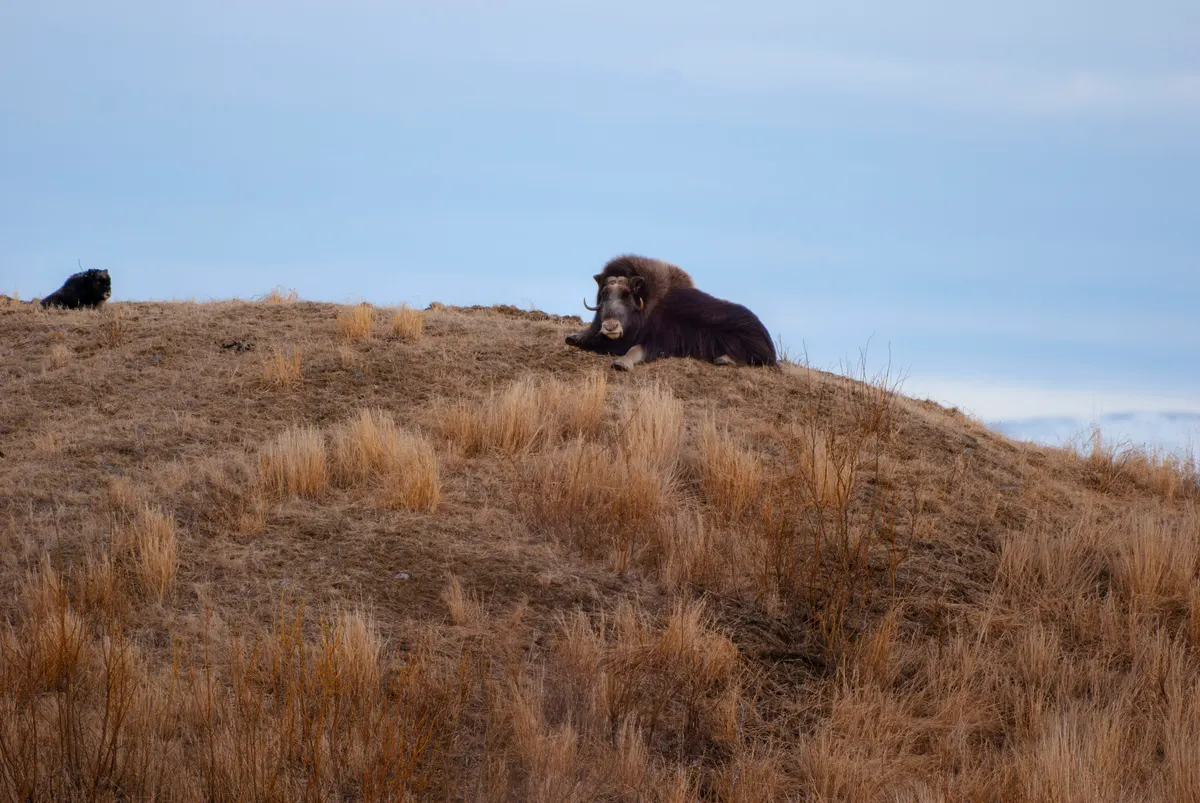
The coat is the signature adaptation. Fine underwool called qiviut sits against the skin and provides exceptional insulation; longer guard hairs hang almost to the ground and shed rain, snow, and wind. Both sexes grow curved horns. In bulls, the horn bases thicken into a bony boss that cushions head-to-head clashes during the rut. Dark eyes, a blunt muzzle, and powerful neck muscles support constant low browsing on tough Arctic plants.

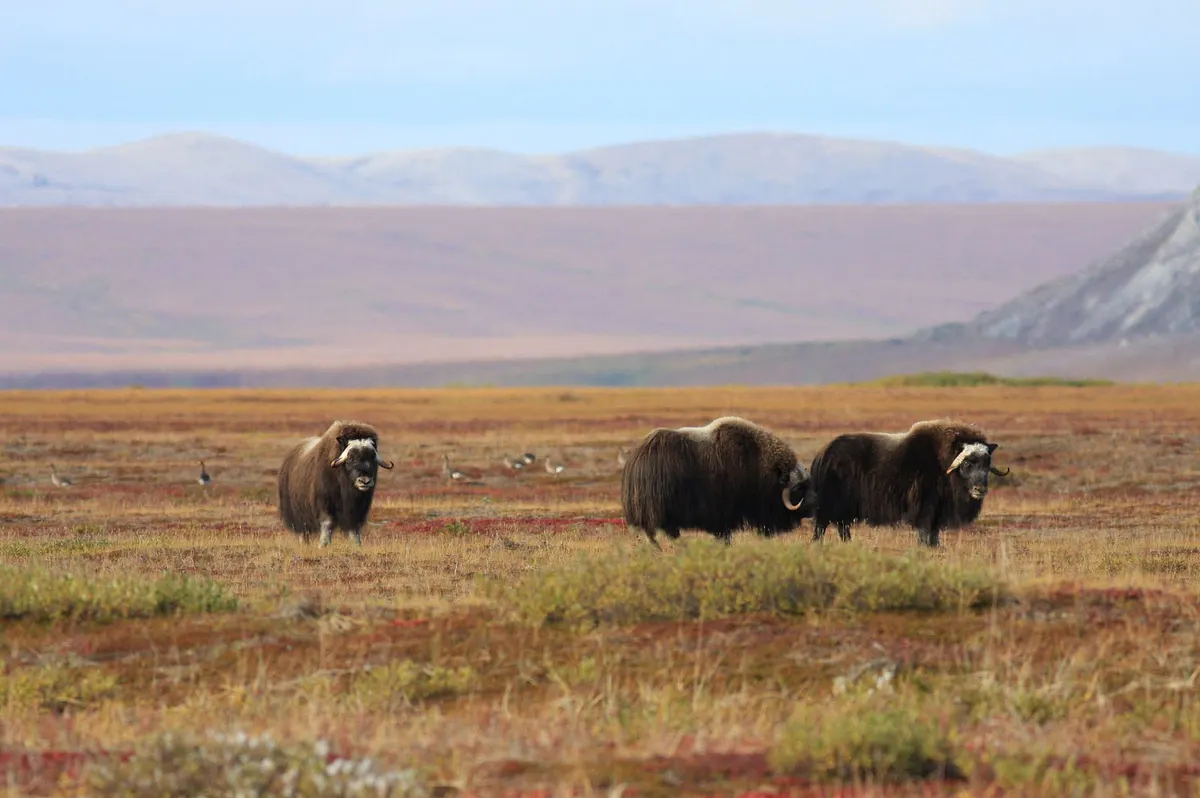
Musk oxen inhabit high Arctic and sub-Arctic tundra — coastal plains, river valleys, and upland plateaus where plants grow in a short summer burst. Native core ranges include northern Canada and Greenland. Reintroduced or managed herds also live in Alaska, Norway’s Dovrefjell region, and parts of Siberia.
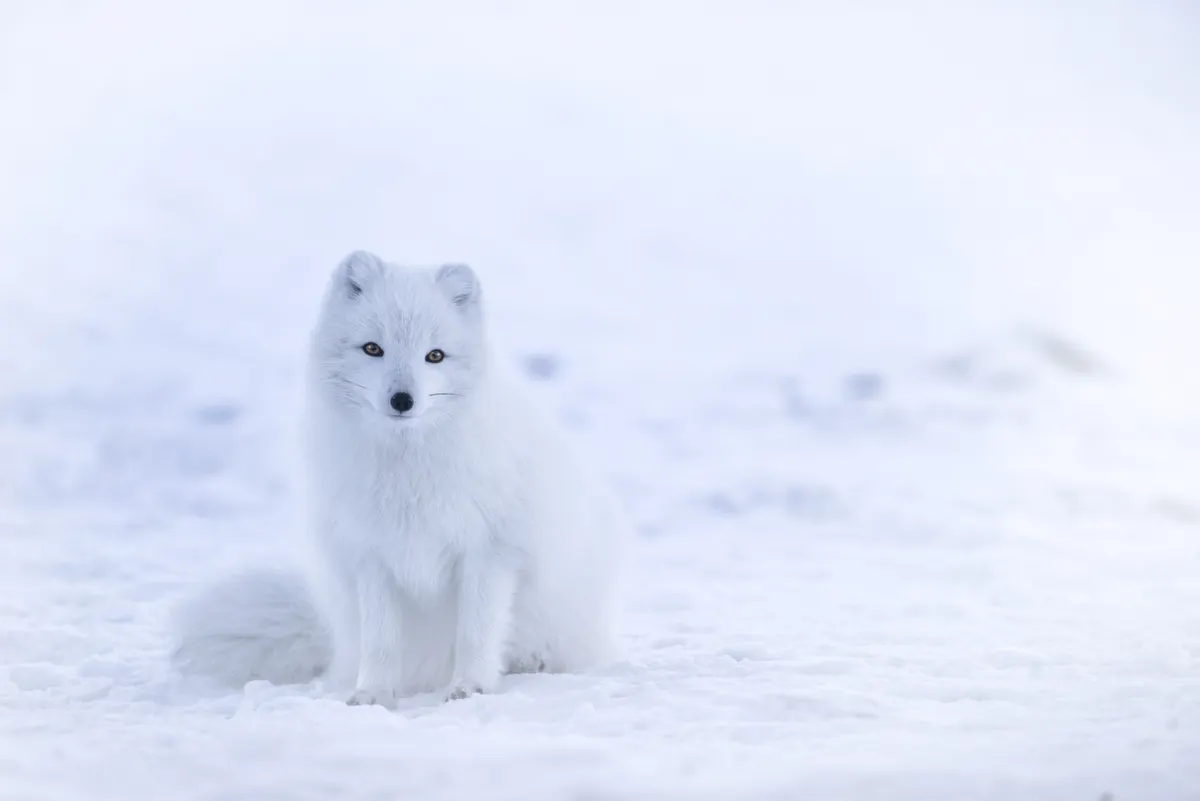
Seasonal moves are practical rather than long migrations. In summer, animals favor low wet areas with plentiful forage. In winter they shift to higher, wind-cleared slopes where snow is shallower and digging costs less energy. Deep, iced snow crusts that seal off plants can be deadly. Neighbors on these landscapes include arctic foxes, moose at the southern fringe, and polar bears along some coasts.

A musk ox diet is almost entirely plant-based: arctic willows, sedges, grasses, forbs, shrubs, and, when needed, lichens and mosses. Animals dig feeding craters with their hooves and noses, exposing buried stems when winter forage is locked under snow.
Selective feeding matters. In green seasons they prefer nutritious new growth; in lean months they process lower-quality woody browse with a multi-chambered ruminant stomach. Water may come from melted snow. Herds browse together, which both improves predator detection and concentrates grazing on the richest available patches before moving on.

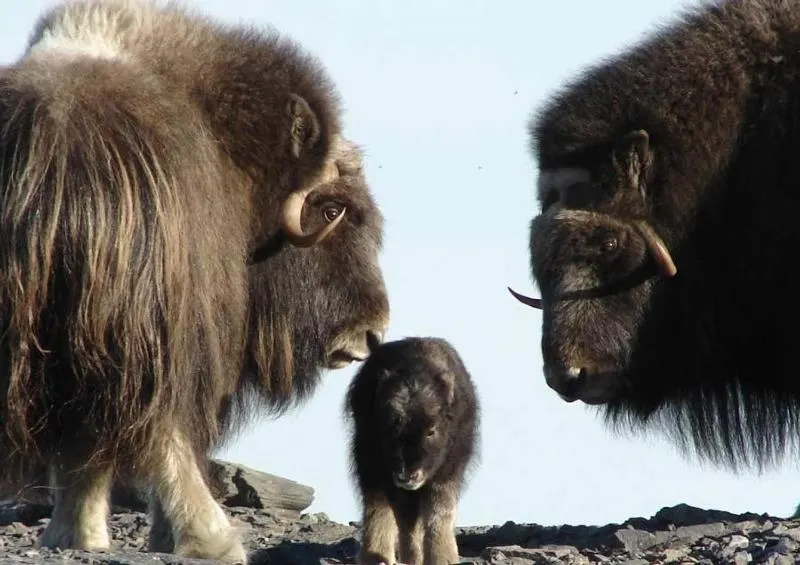
Musk oxen are herd animals. Group size changes with season and food, but the defensive circle is the classic response to danger: adults face outward while calves shelter inside the ring of horns. Wolves are the most consistent non-human predators; bears may take calves or weakened adults.
Bulls become aggressive in the late-summer and autumn rut, slamming bosses together in contests for breeding rights. Outside that season, herds mix cows, calves, and often quieter bulls. Communication includes scent marking linked to the musky odor that inspired the English name, plus postural displays and short vocalizations.

Mating peaks during the rut so calves are born in spring or early summer after about eight months of gestation. Twins are rare; most cows raise a single calf. Newborns stand and walk quickly — essential on open tundra where the herd cannot linger.
Calves nurse through the short Arctic summer while learning herd routes and feeding skills. Growth must be fast enough to store fat before winter. Wild longevity often spans roughly 12 to 20 years, with predation, ice-related starvation, and disease shaping adult survival more than simple old age.

(Population and conservation trend data sourced from the IUCN Red List of Threatened Species)
Globally the musk ox is classified as Least Concern, reflecting a broad Arctic distribution and recovered numbers after historic declines. Local stories vary: ice-crusted winters, parasites and disease, and human harvest can shrink smaller herds, while successful reintroductions have expanded others.
Climate change is a growing concern. Freezing rain over snow can lock forage behind ice, increasing starvation risk. Conserving intact tundra, managing hunts carefully, and monitoring herd health help keep this Ice Age survivor on today’s polar landscape.
Qiviut, the soft underwool, is warmer than sheep wool and sheds each spring.
Despite the name, musk oxen are more closely related to sheep and goats than to cattle.
When threatened, the herd forms a horned circle with calves tucked inside.
Bulls smash horn bosses together during the autumn rut.
Musk oxen dig shallow craters in snow to reach frozen willows and sedges.
Reintroductions rebuilt herds in Alaska, Norway, Russia, and parts of Canada.
Select a question to reveal the answer.
The musk ox (*Ovibos moschatus*) is a large Arctic hoofed mammal in the Bovidae family. It is built for polar tundra life and is famous for its thick coat and herd defenses.
They live on Arctic tundra in Canada, Greenland, and Alaska, with reintroduced herds in places such as Norway and parts of Russia. Summer ranges are often wetter valleys; winters push them onto windswept ridges with shallower snow.
Musk oxen are herbivores. They eat arctic willows, sedges, grasses, forbs, and other tundra plants, scraping through snow in winter to reach buried forage.
During the rut, bulls produce a strong musky smell from glands. Early observers linked that odor to the animal’s English name.
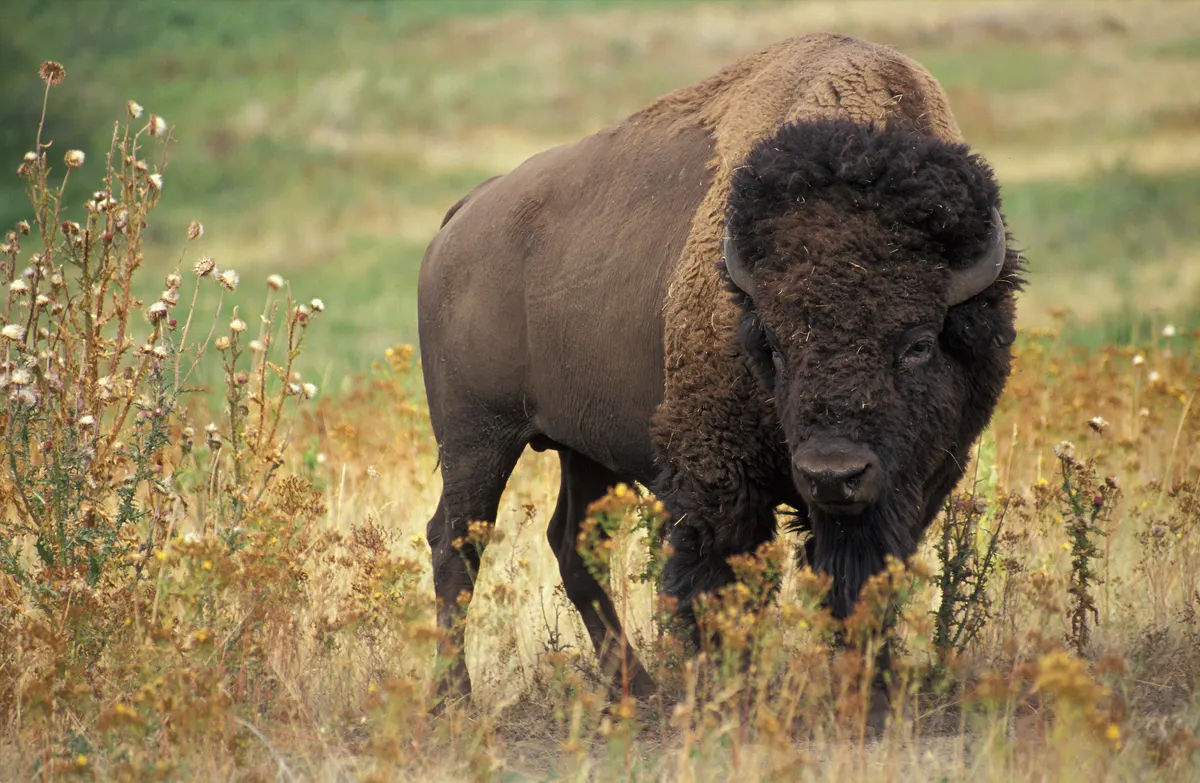
Musk oxen are smaller Arctic specialists with hanging guard hairs and a defensive ring behavior. American bison are larger grassland grazers of the plains and do not share the same polar niche.
A baby musk ox is called a calf. Calves usually arrive in spring and can walk shortly after birth so they can keep up with the moving herd.
Globally they are listed as Least Concern, but some local populations fluctuate with ice crusting, disease, and hunting pressure. Historic overhunting once wiped them from many areas later used for reintroductions.
A dense qiviut undercoat traps heat, long outer guard hairs shed wind and moisture, and a compact body plus herd huddling reduce heat loss in extreme cold.