
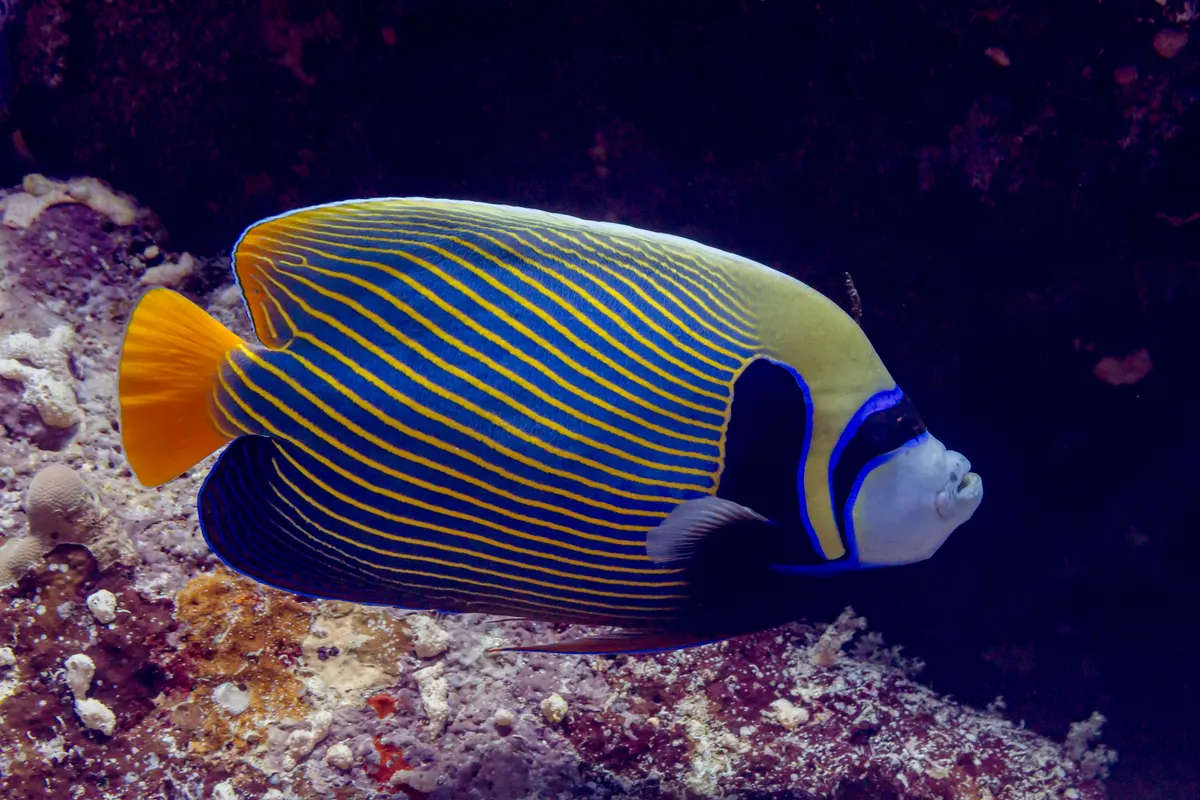
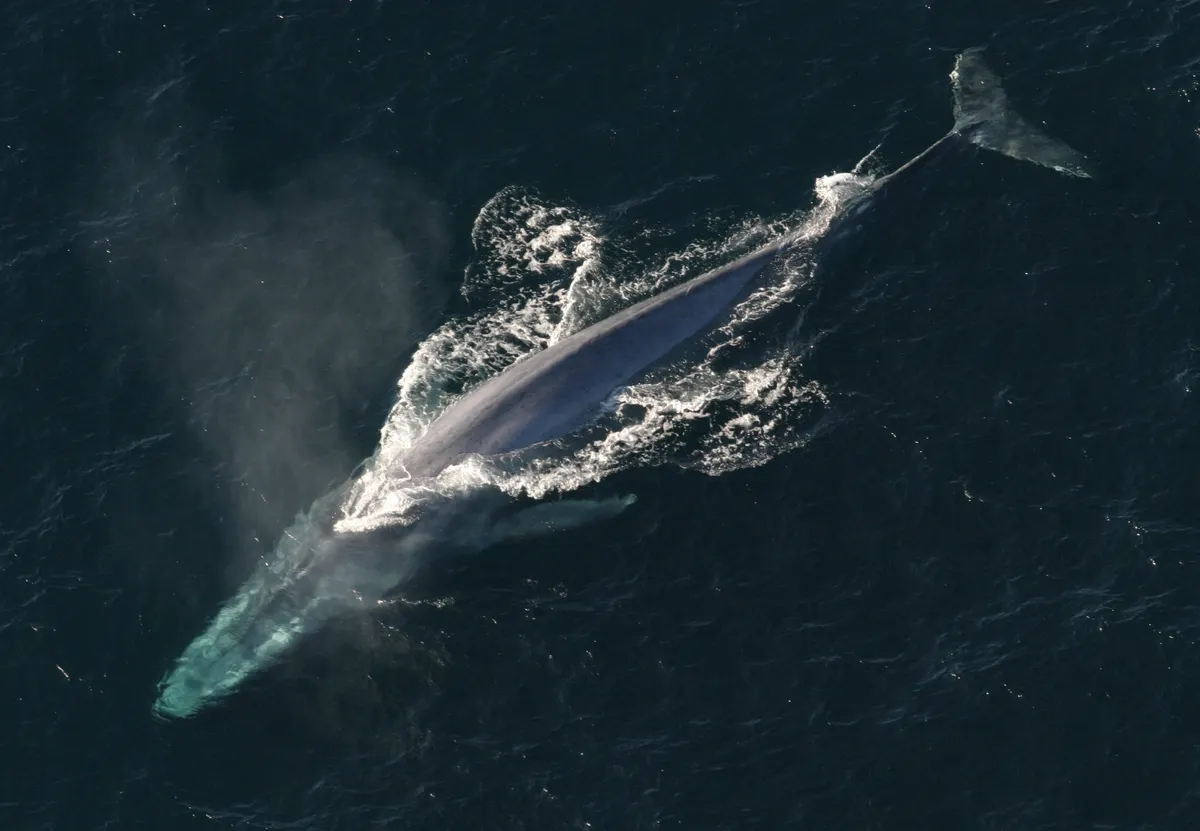
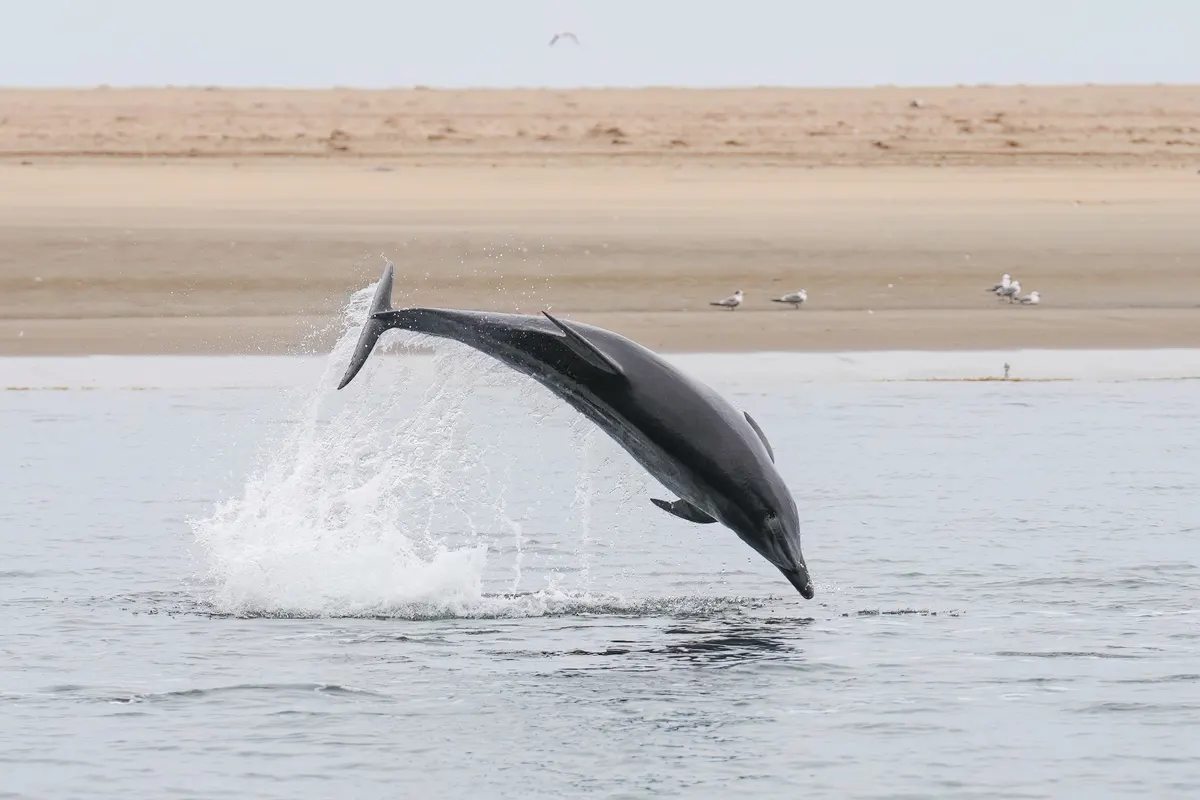
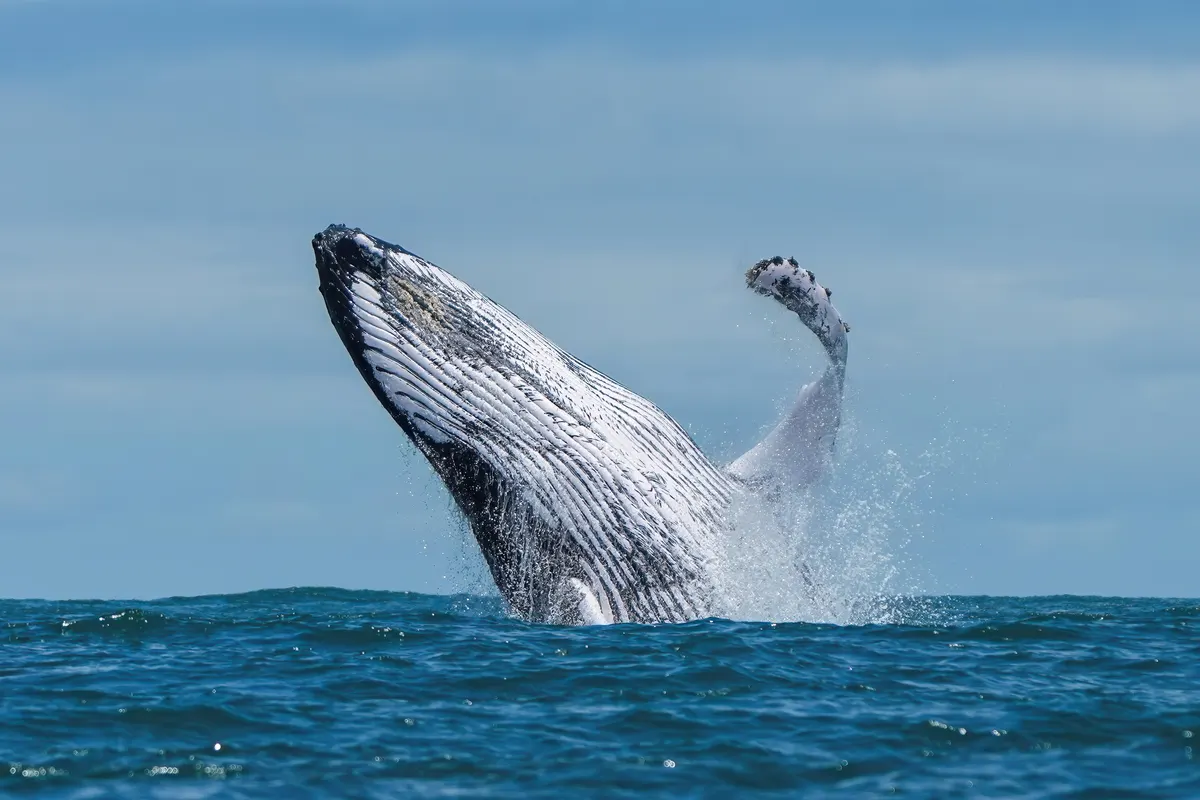
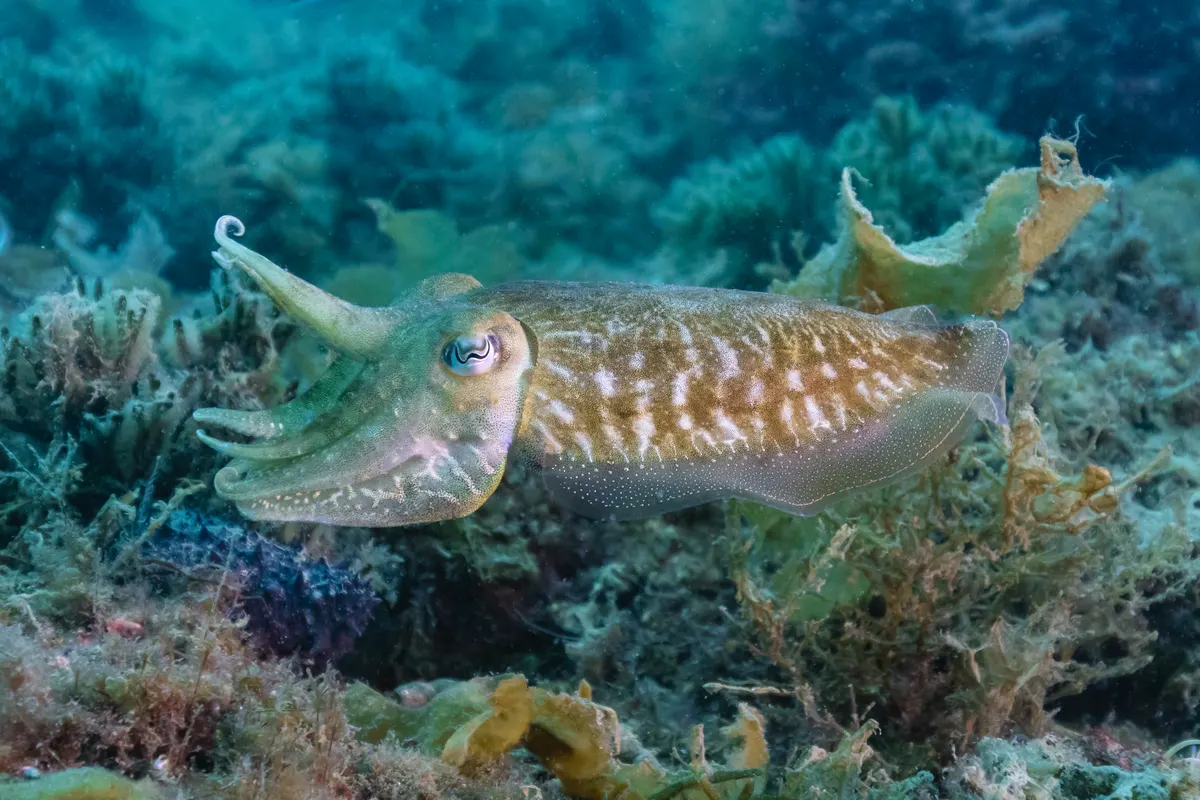
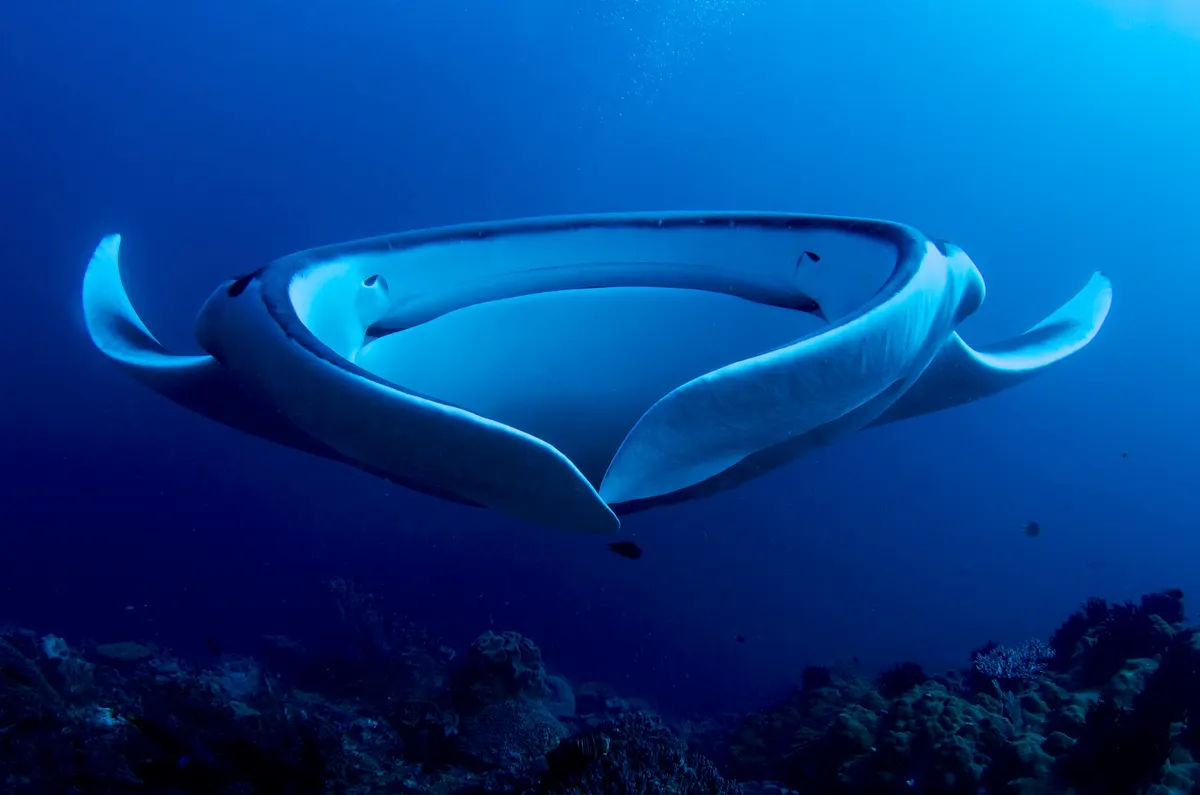
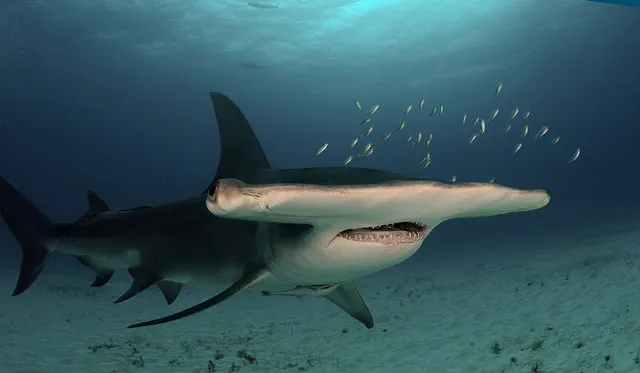
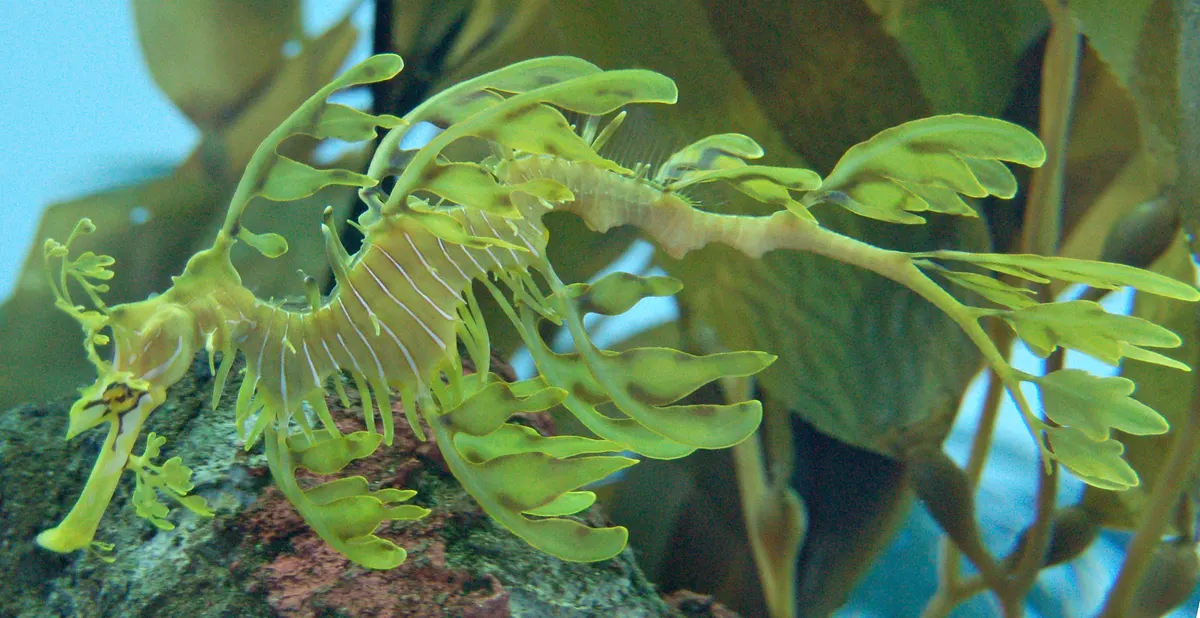
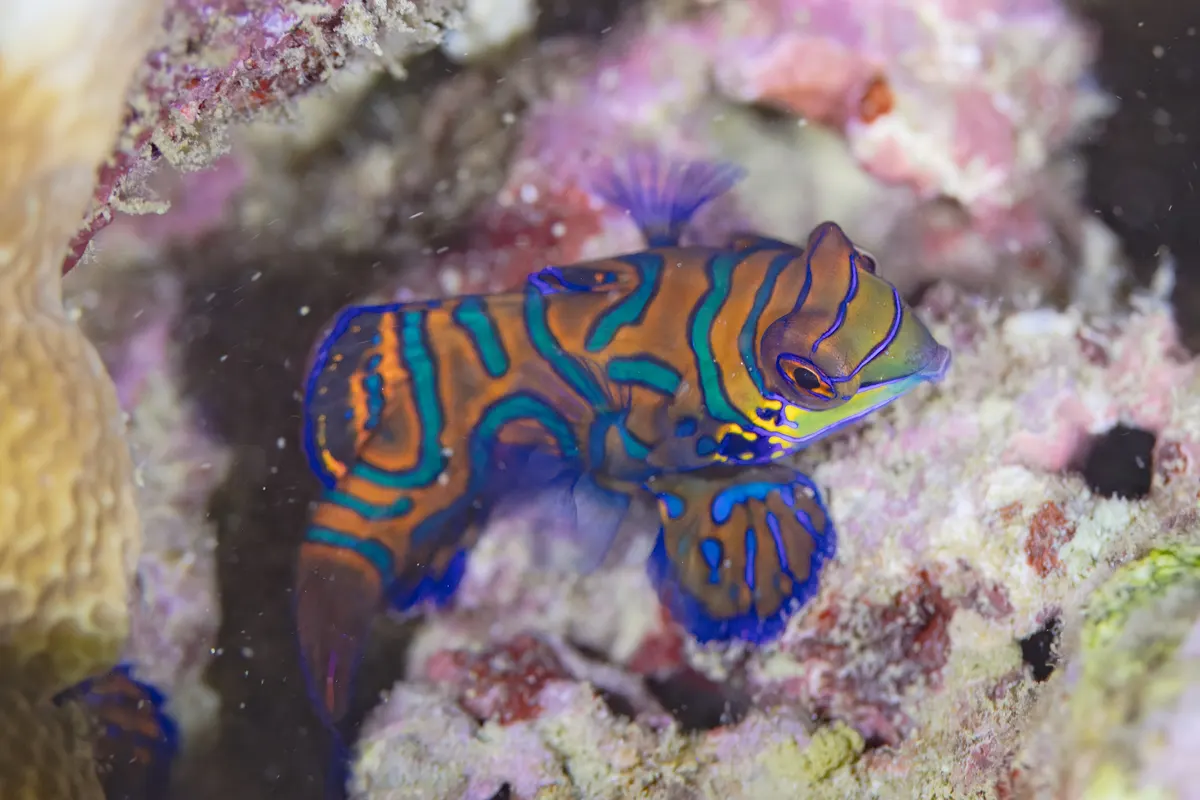
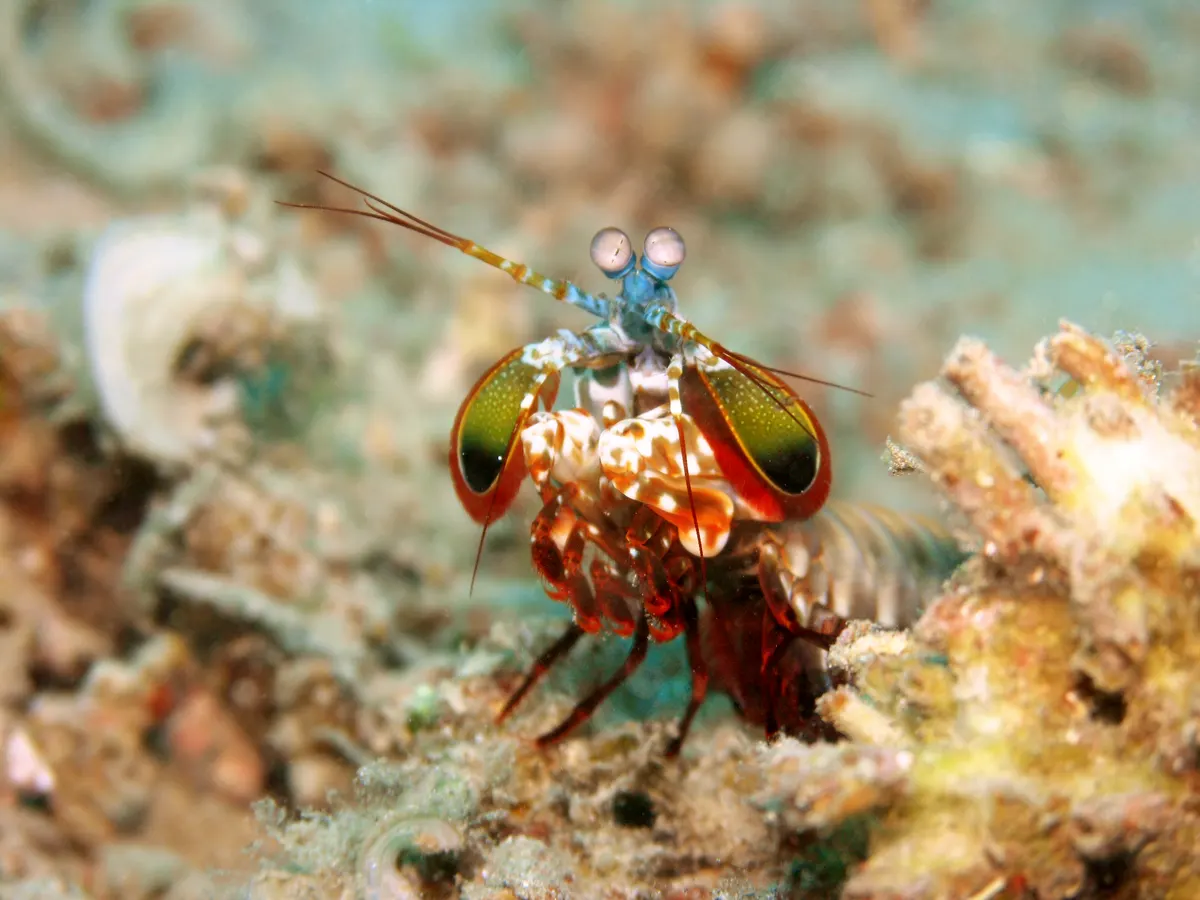
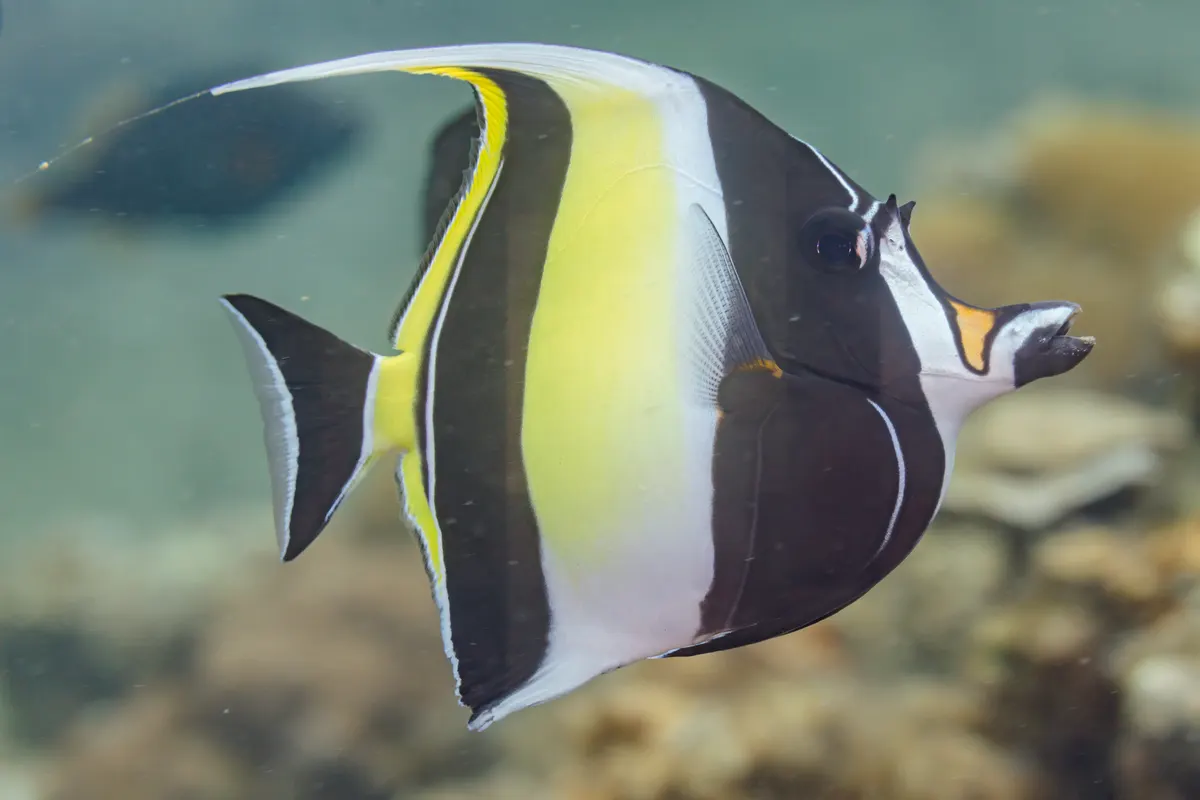
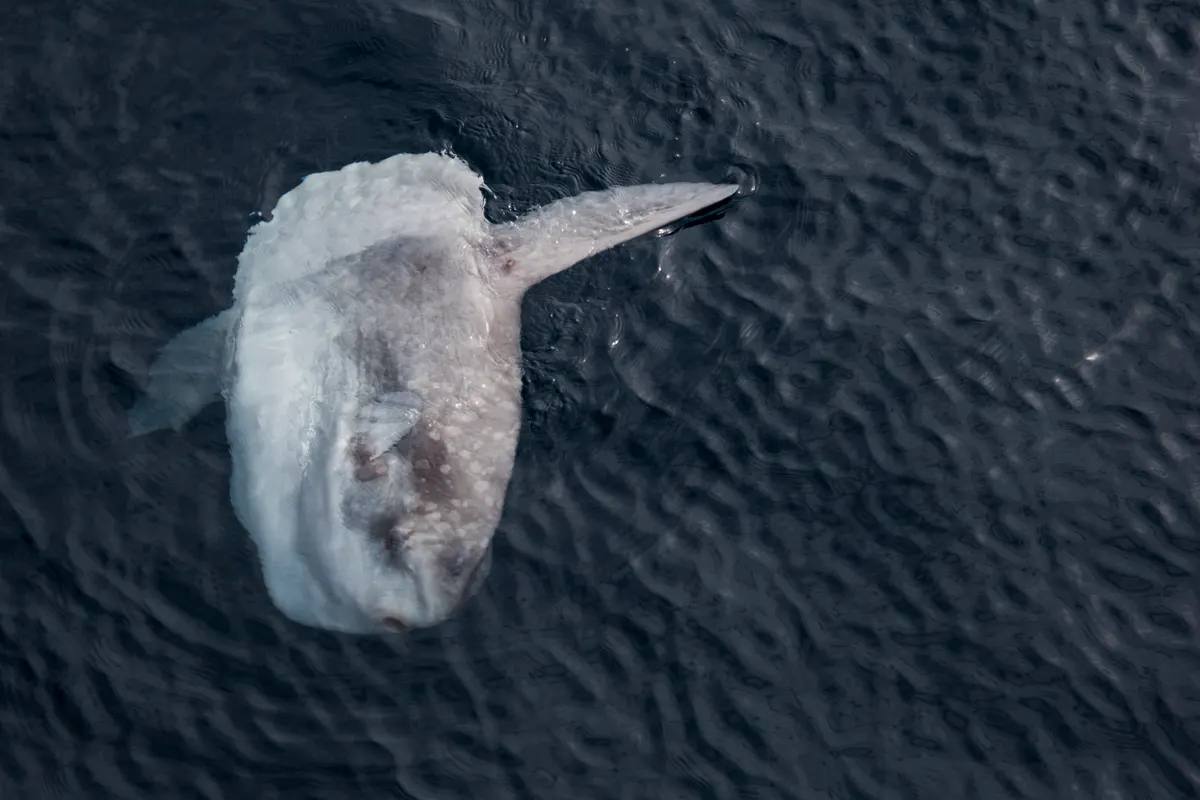
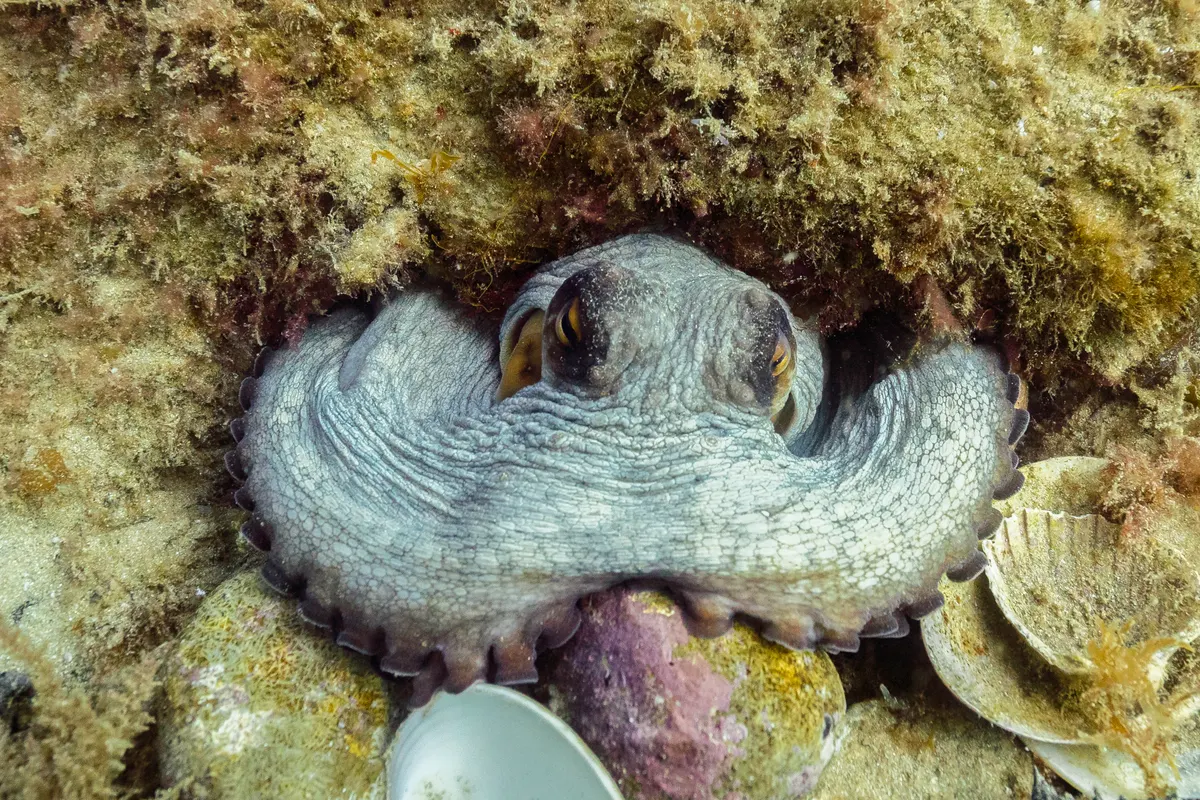
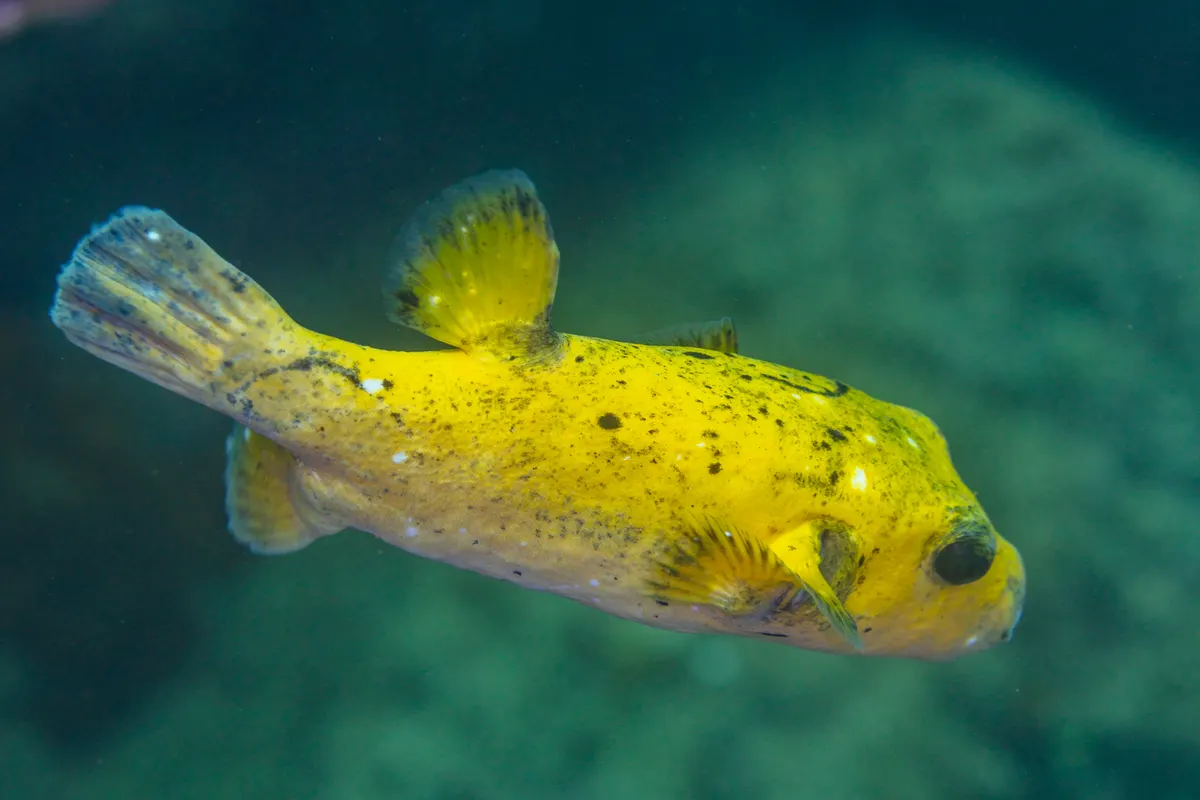
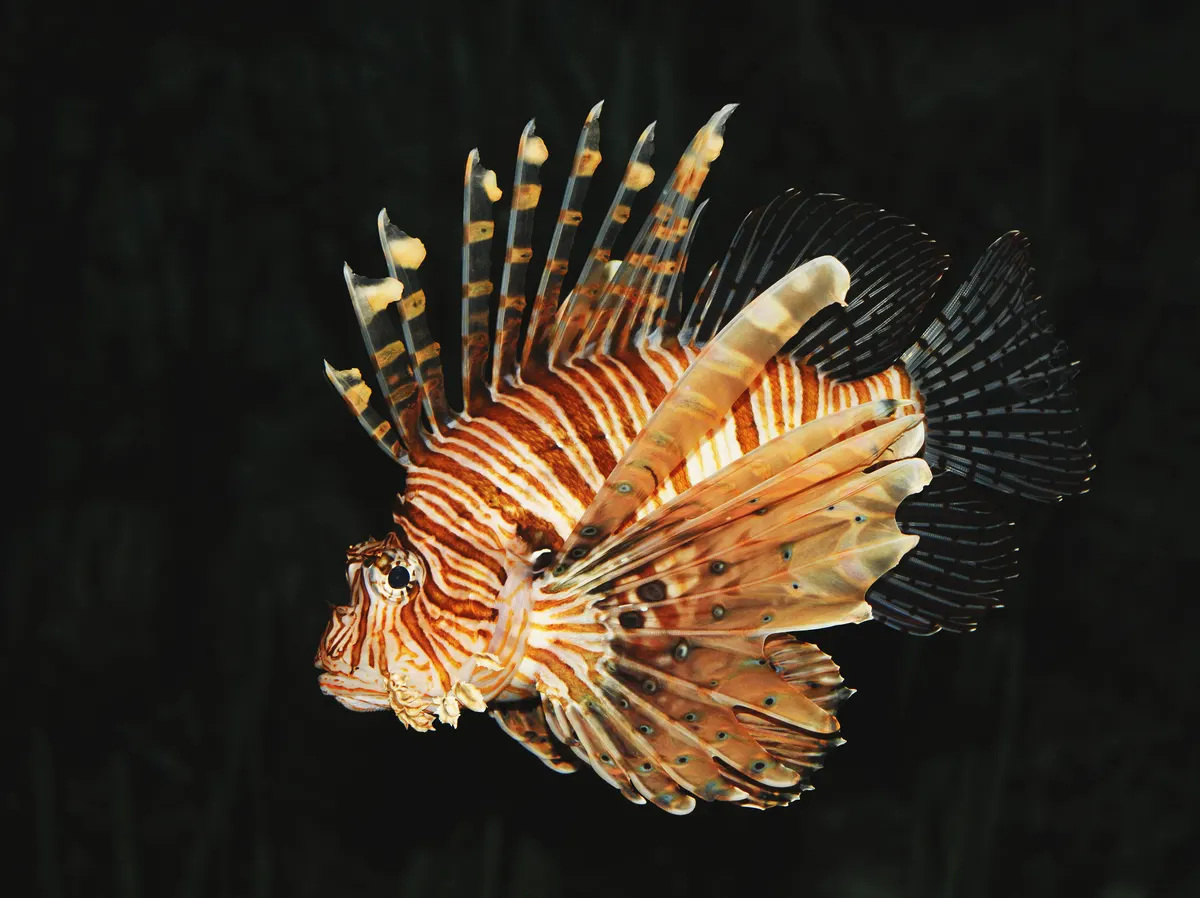
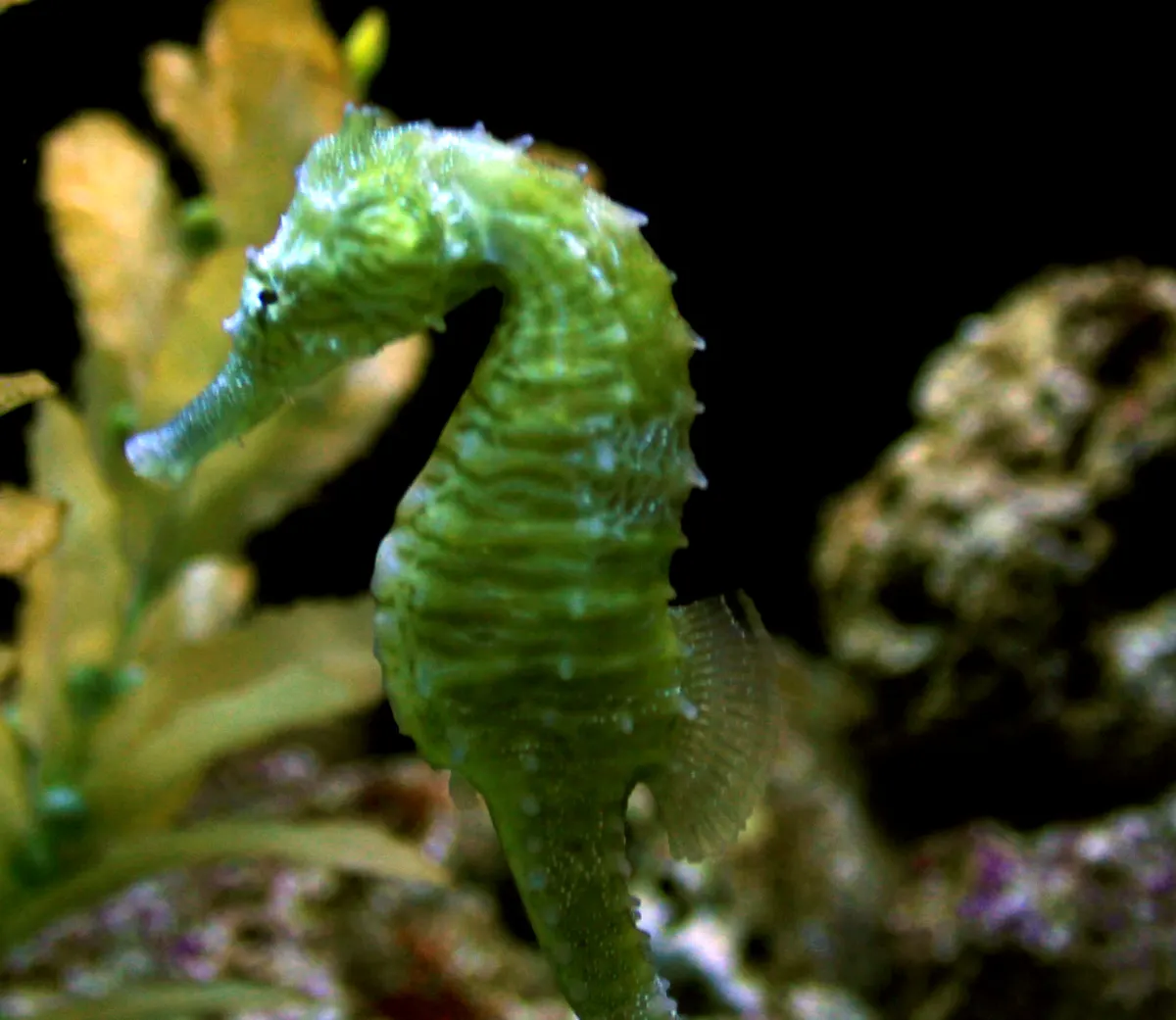
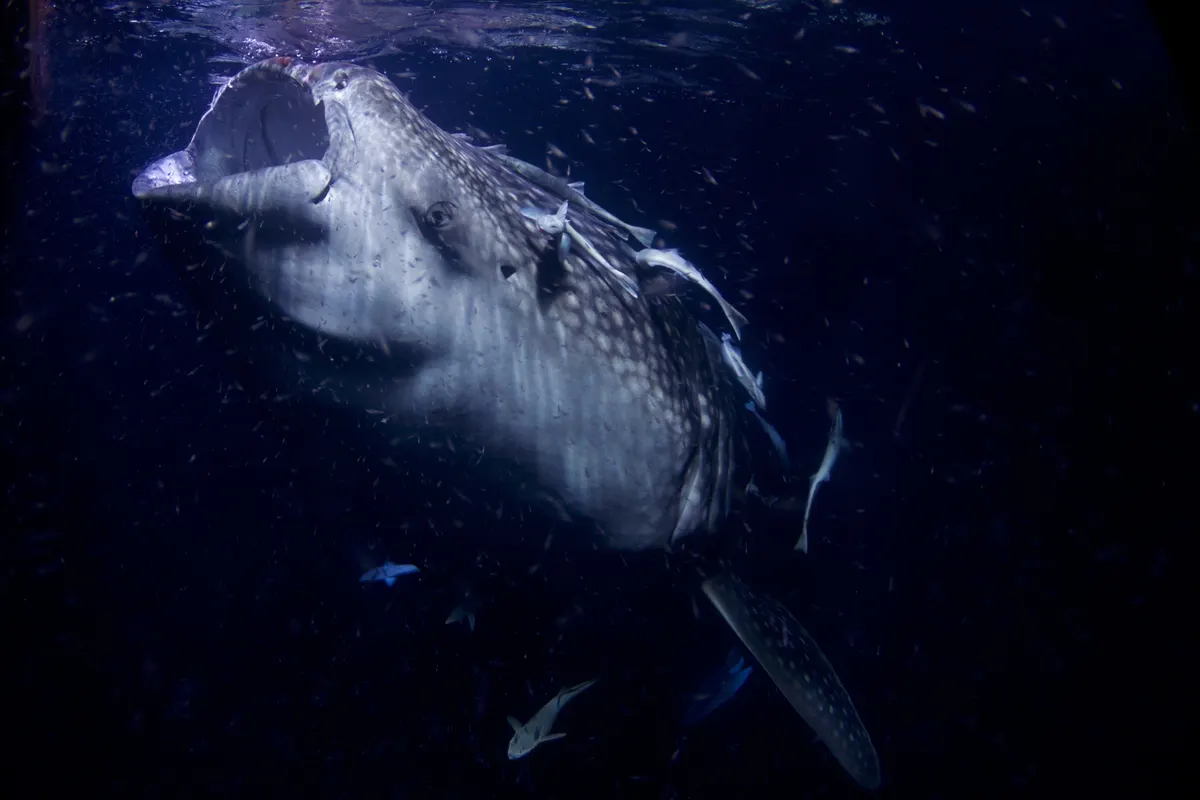
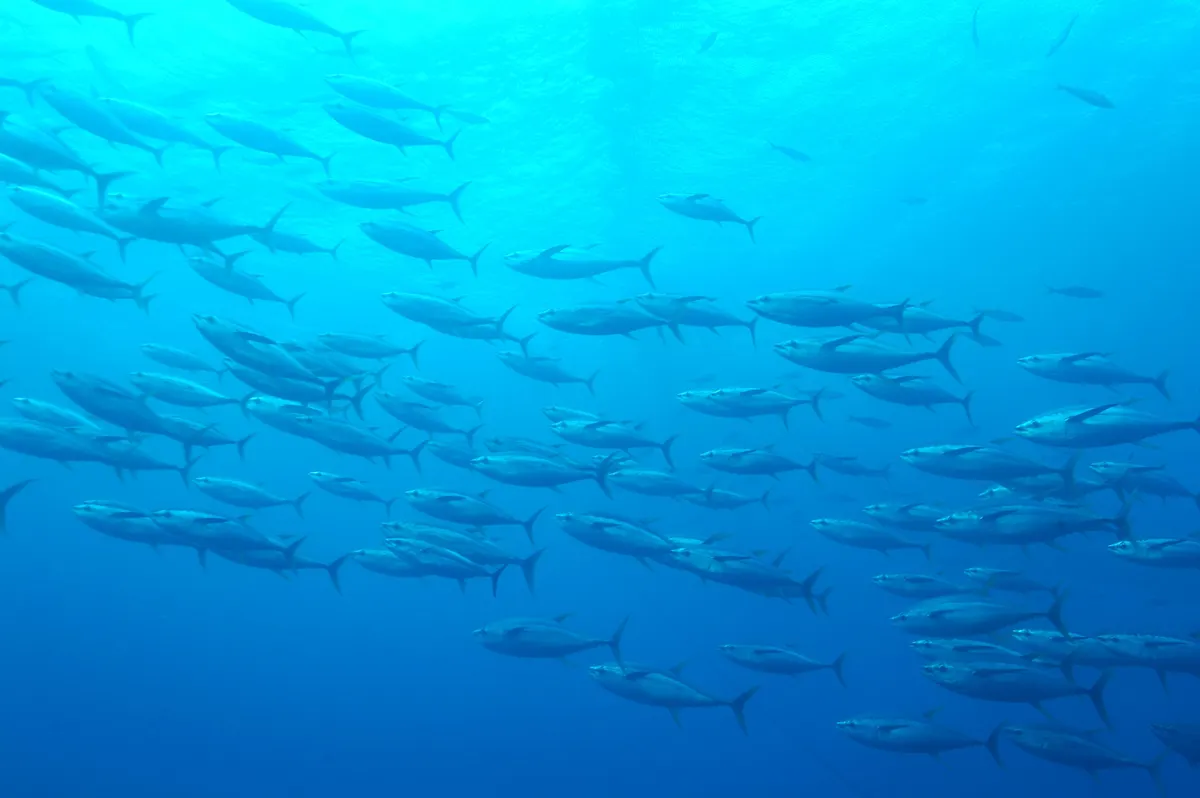
Body plans split along swimming style: streamlined Tuna, wing-like Manta Ray, jetting Octopus, and armored Mantis Shrimp. Seahorse and Leafy Seadragon trade speed for camouflage. Whale Shark is a filter feeder despite its size; Lionfish ambushes small prey among corals.
Habitats hub
Ocean Animals
Discover animals that live in ocean habitats with wildlife photos and full fact pages.
- Species listed
- 24
- Diet mix
- 19 carnivore · 4 omnivore · 1 herbivore
- Updated
- September 2026
24 species · 19 carnivore, 4 omnivore, 1 herbivore
Measured spread
How much this hub varies
Computed from the 24 species listed here, using the published figure on each profile.
| Measure | Smallest listed | Largest listed |
|---|---|---|
| Body mass (adult max) | Seahorse14.17 g | Blue Whale200 t |
| Body length (max) | Mandarinfish9.1 cm | Blue Whale30.48 m |
| Lifespan in the wild (max) | Common Cuttlefish2 yr | Whale Shark100 yr |
Overview
Open-ocean life
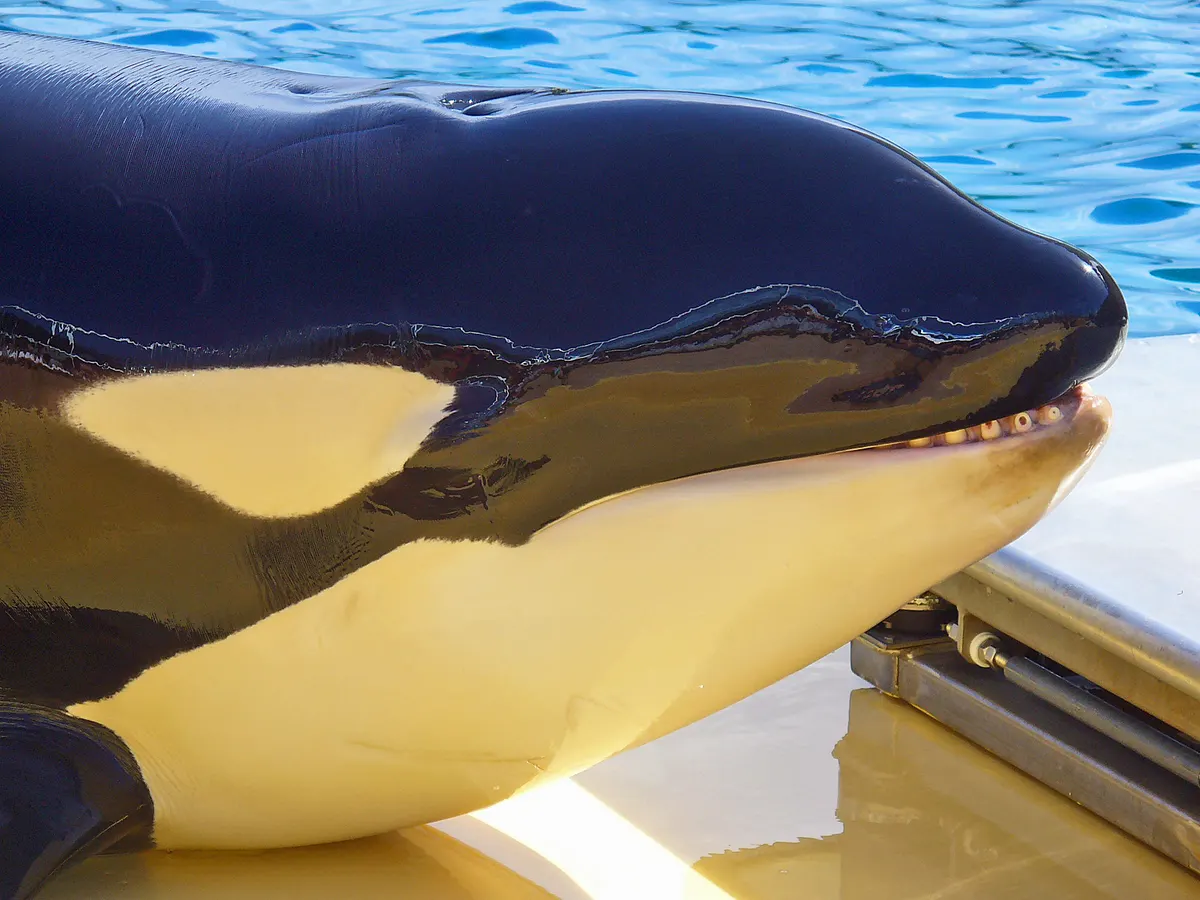
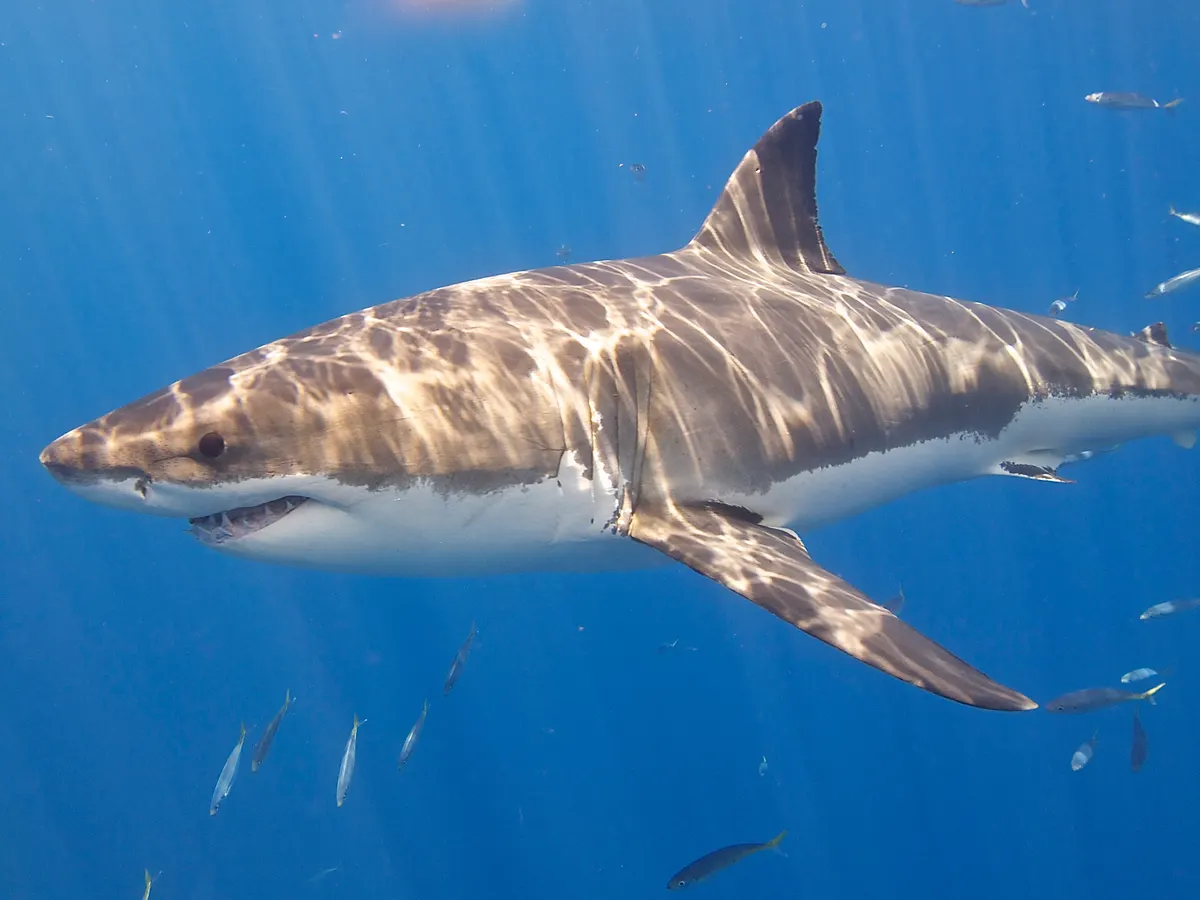
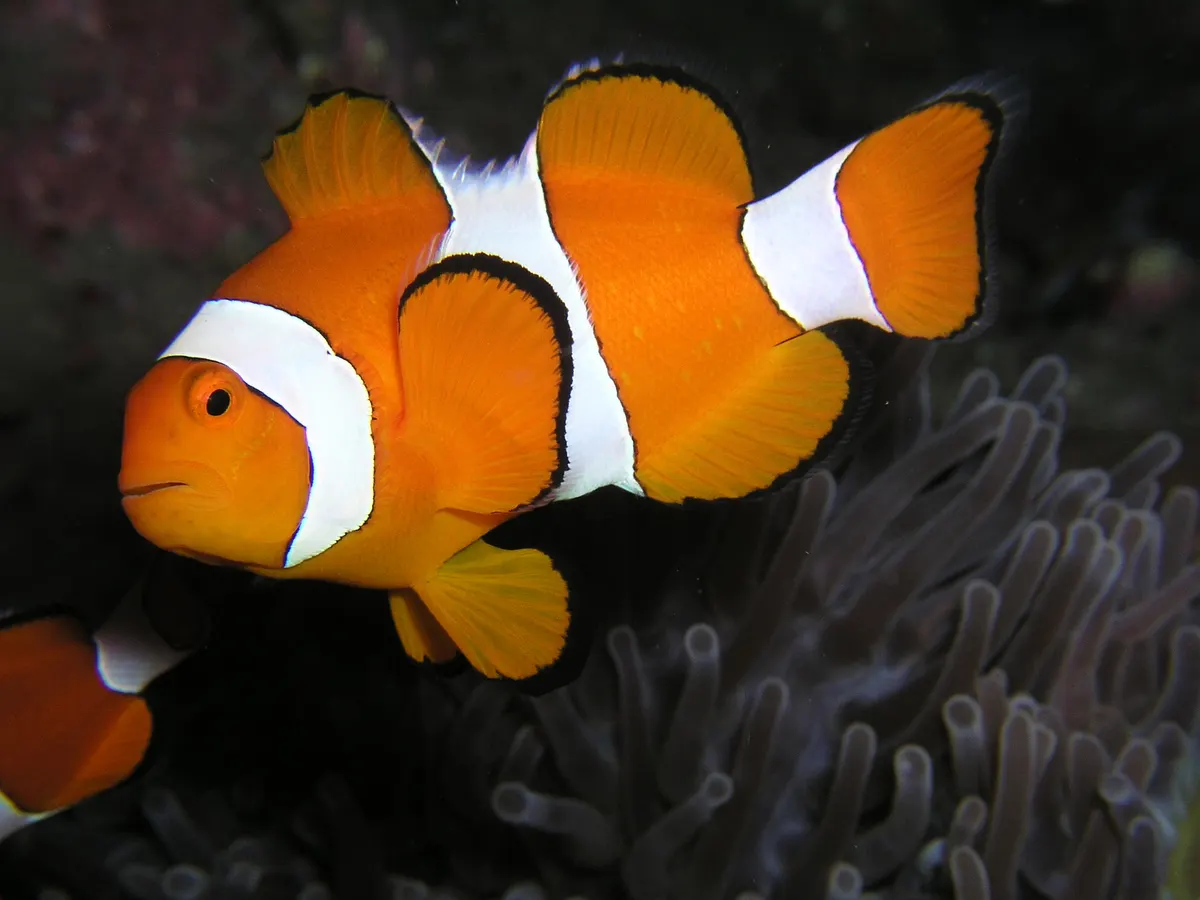
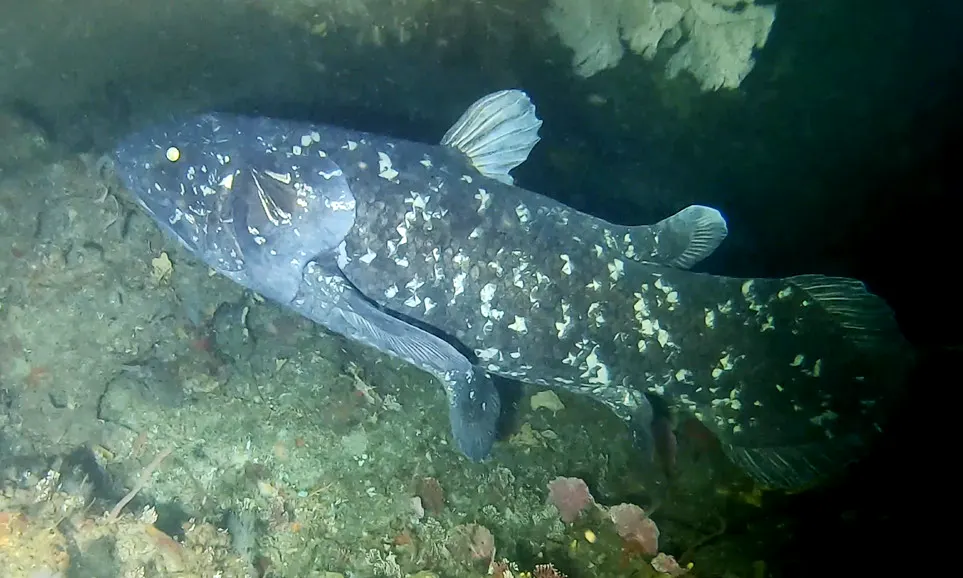
Marine animals face pressure, salinity, and temperature gradients from surface to deep water. Blue Whale filters krill at a scale no other animal matches. Great White Shark and Hammerhead Shark patrol as apex predators. Bottlenose Dolphin and Orca hunt cooperatively. Clownfish and Angelfish live among reefs and structure, while Coelacanth haunts deeper, darker water.
Start here
Featured species
3 entry points into this cluster — each profile has range, diet, behavior, and conservation detail.
Species directory
All 24 animals in this hub
Flagship species appear first. Open any card for range maps, diet, behavior, and conservation status.
Field guide
Ecology & context
Adaptations, threats, and comparisons — background for readers who want more than the species directory.
Feeding strategies at sea
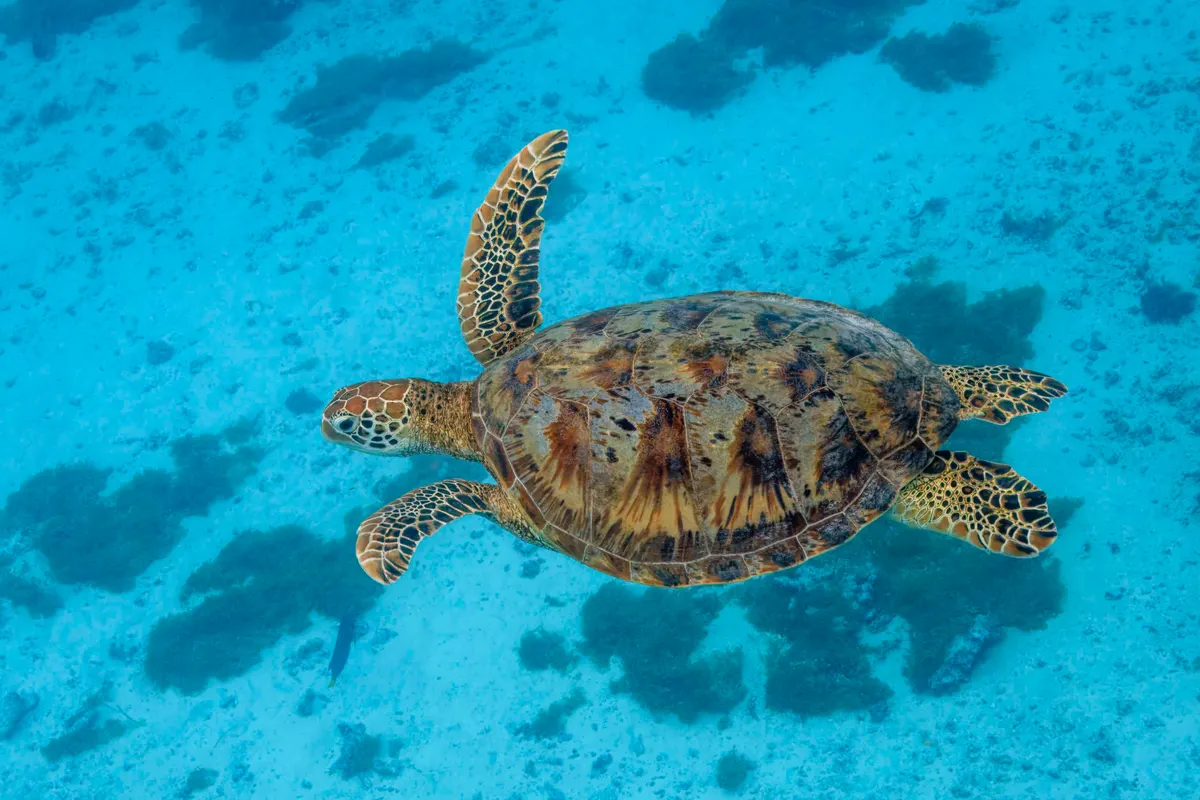
The ocean holds carnivores from Great White Shark to Pufferfish, plus herbivores like Sea Turtle grazing seagrass. Each animal page covers depth range, migration, and conservation status in detail.
From surface to deep water
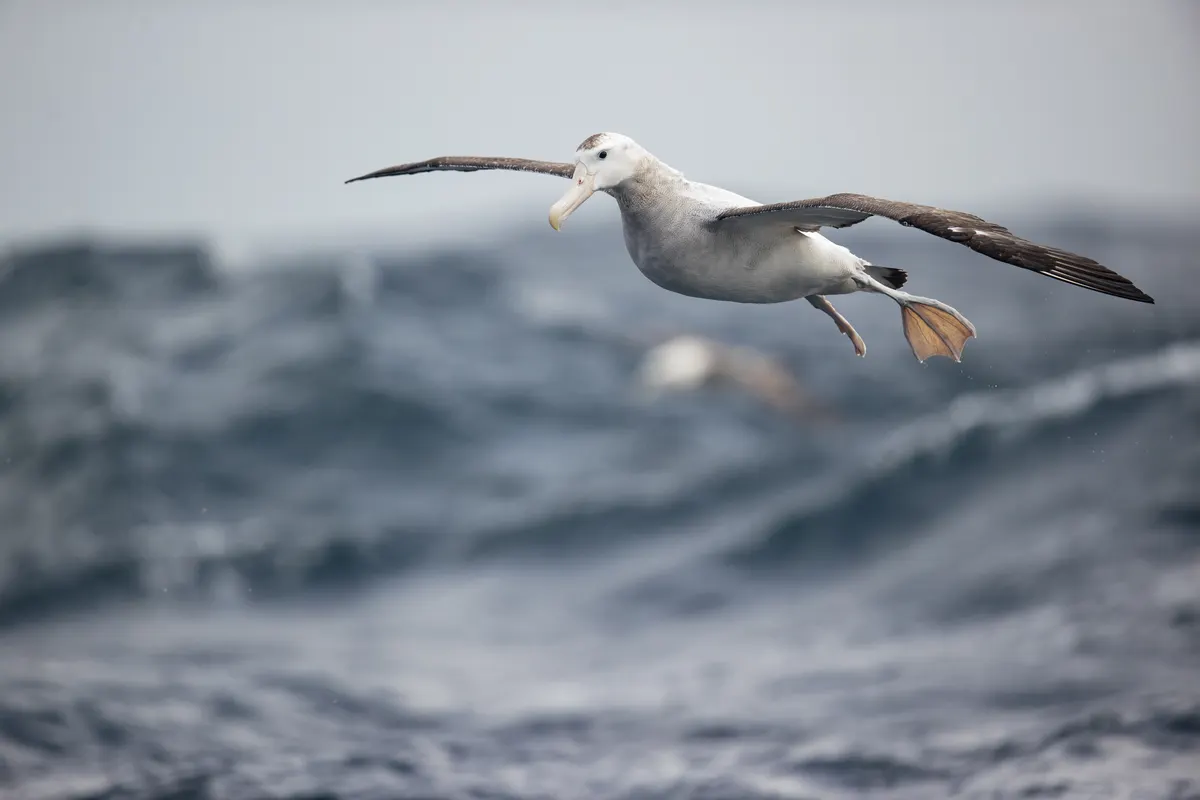
Light fades quickly below the surface. Reef dwellers like Clownfish and Mandarinfish stay in sunlit shallows. Tuna and Wandering Albatross cross open ocean to follow food pulses. Coelacanth and deep-water sharks hunt where pressure is extreme and prey is scarce. Temperature, salinity, and current set which body plan works in each zone.
Human pressure on marine life
Overfishing removes apex predators like Great White Shark and Hammerhead Shark. Bycatch and entanglement threaten Sea Turtle and Manta Ray. Plastic pollution and warming water shift plankton blooms that Blue Whale and Whale Shark depend on. Protected areas and fishing rules vary sharply by region — check each species page for population trend.
Reefs, open water, and the deep
Coral reef structure concentrates prey for Clownfish, Angelfish, and Lionfish. Pelagic species like Tuna and Manta Ray cross blue water with little cover. Coelacanth and some sharks occupy depths where light does not reach. Each zone favors different senses — color vision in shallows, bioluminescence and pressure tolerance in the deep.
Reading order for this hub
Start with a filter feeder (Blue Whale or Whale Shark), a reef resident (Clownfish), and an apex hunter (Great White Shark or Orca). That trio shows how one habitat label covers radically different lives.
Common Questions
FAQ about Ocean Animals
Select a question to reveal the answer.
What counts as an ocean animal?
Any species that spends critical parts of its life in marine water — from Angelfish on reefs to Blue Whale in open sea. Some, like Sea Turtle, nest on land but feed at sea.
Are all large ocean animals carnivores?
No. Blue Whale and Whale Shark are filter feeders. Sea Turtle grazes plants. Many smaller reef fish are omnivores or herbivores.
How do ocean animals find food in open water?
Echolocation in Bottlenose Dolphin, electroreception in sharks, bioluminescence in deep species, and long-distance migration to seasonal feeding grounds are common strategies.
Where should I start?
Try Blue Whale for scale, Octopus for intelligence, or Clownfish for reef ecology — then browse the full cluster below.
Keep exploring
Related hubs
Same cluster, different angle — open a diet or habitat hub to compare species side by side.