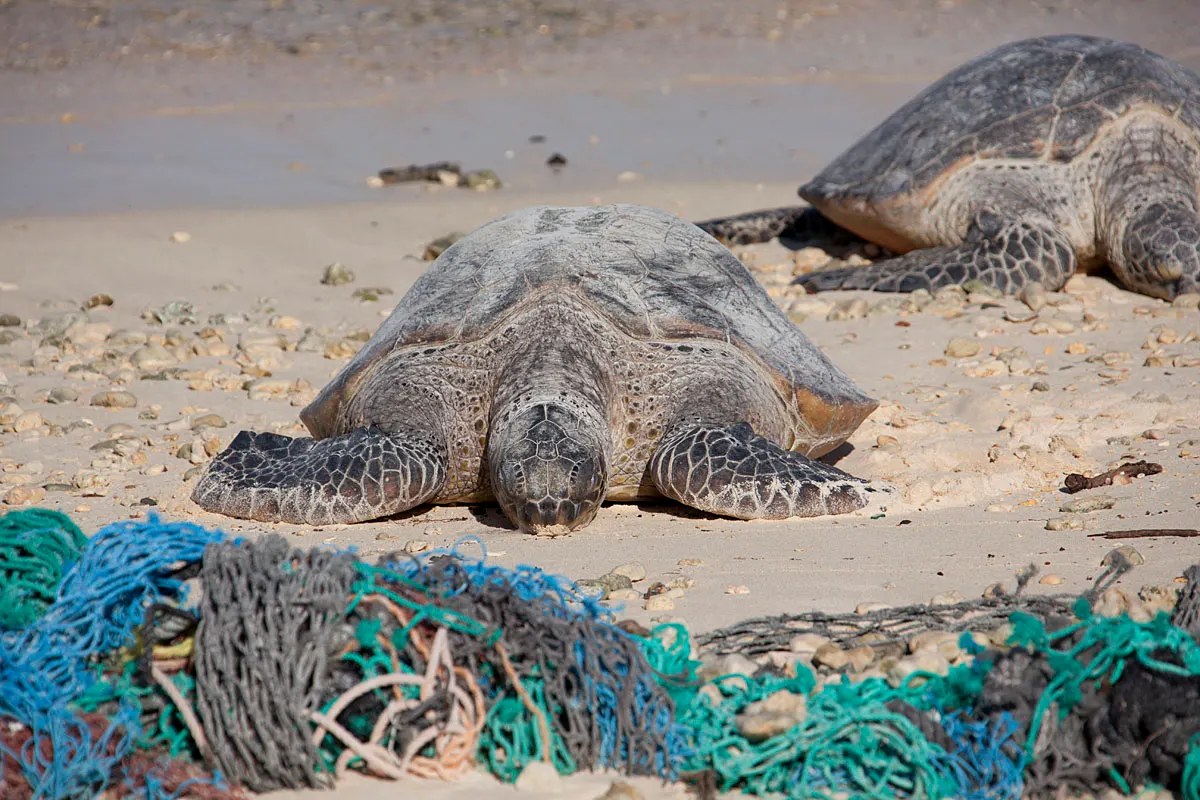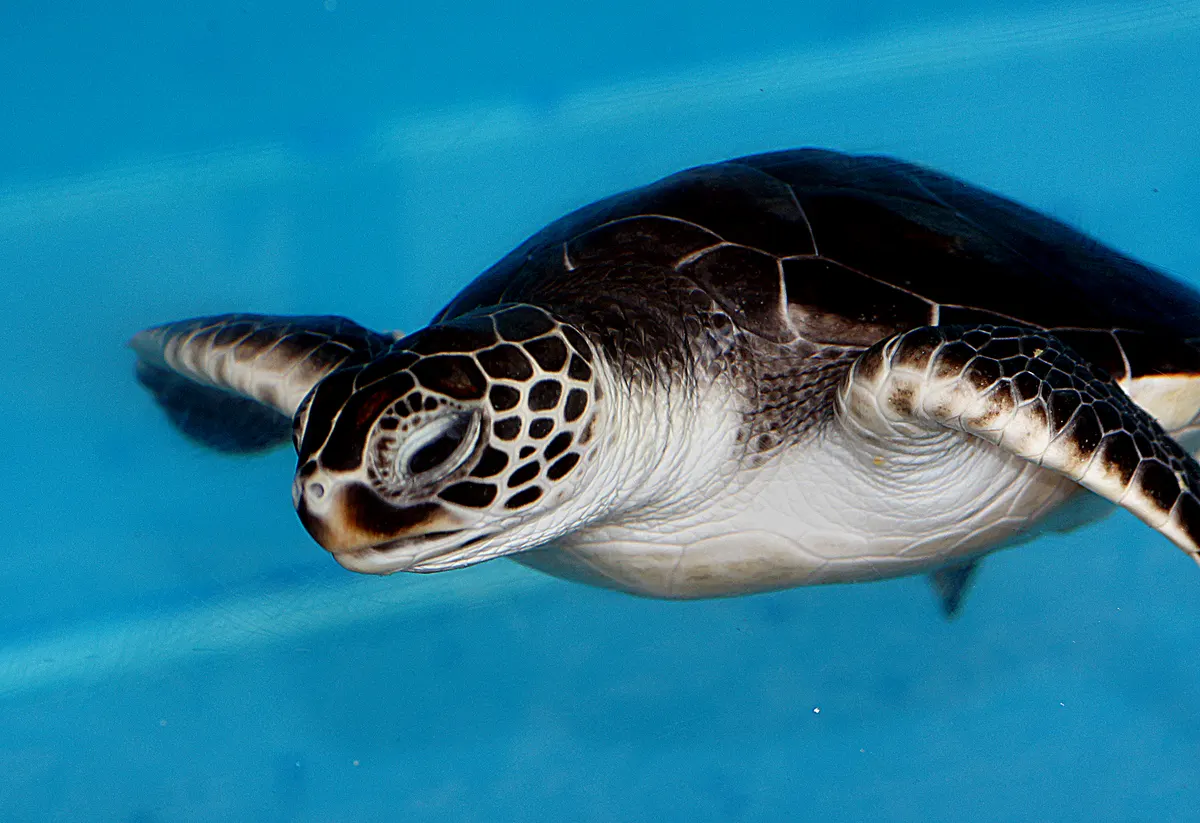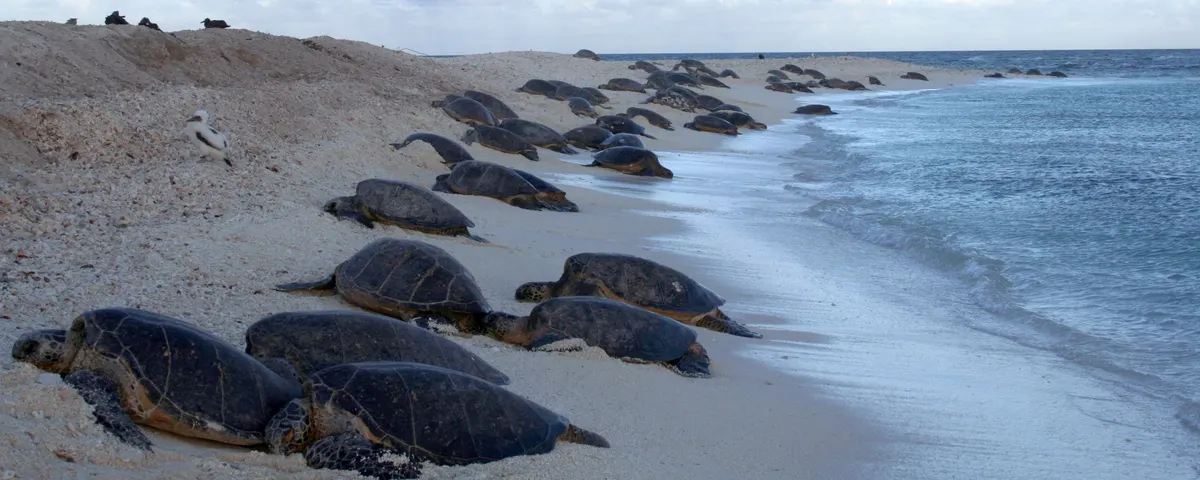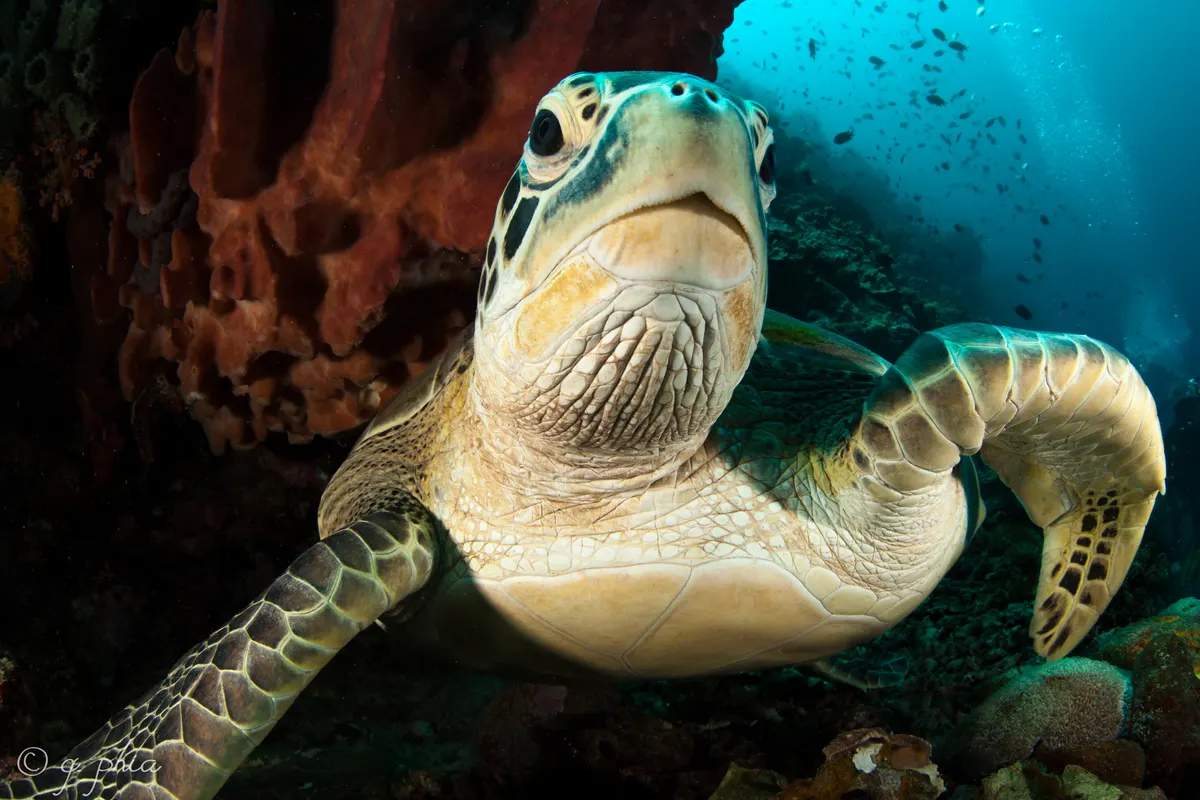
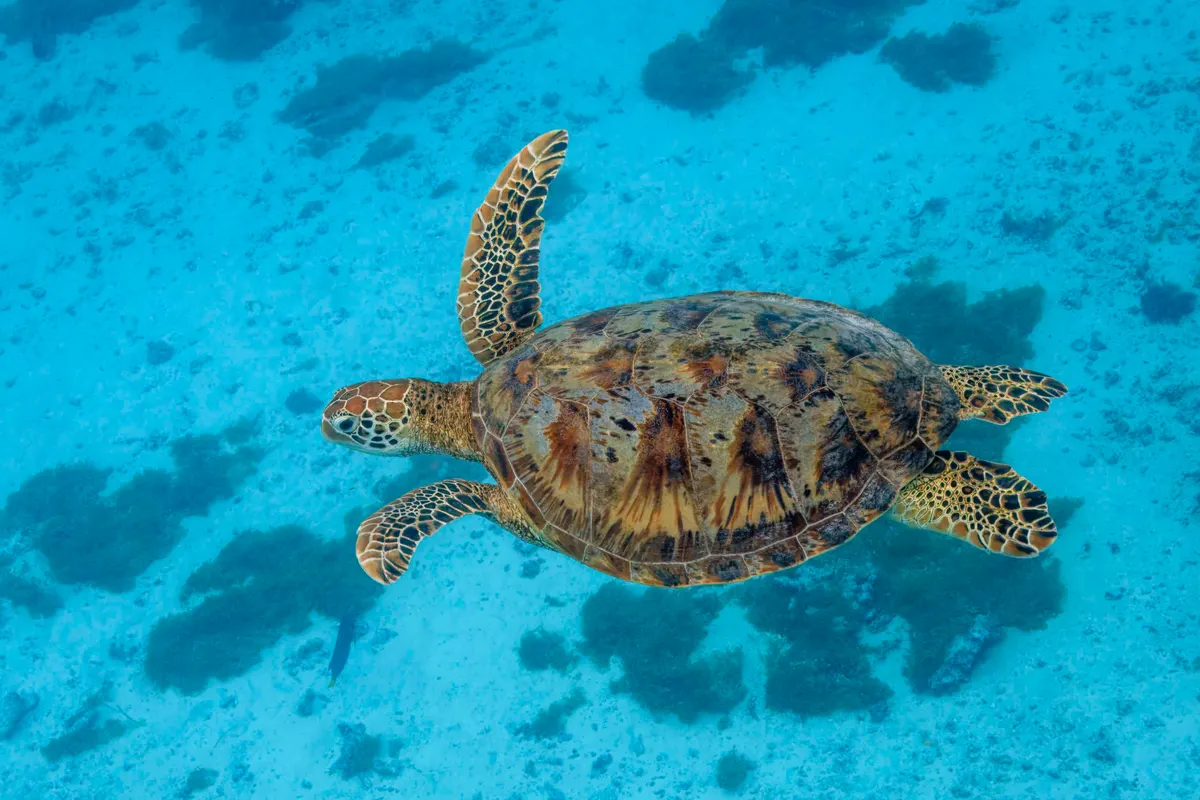
A mature green sea turtle is a massive reptile, typically measuring between 2.5 and 4 feet in carapace length and weighing anywhere from 150 to a staggering 350 pounds. Their defining feature is their shell, which is anatomically fused to their rib cage and spine. The dorsal shell, known as the carapace, is smooth, broad, and heart-shaped, typically featuring a mottled blend of brown, olive, gray, and black. The ventral shell, or plastron, is a pale, yellowish-white.
Unlike terrestrial tortoises, marine turtles cannot retract their heads or flippers into their shells for protection. Their limbs are highly modified into elongated, paddle-like flippers. The powerful foreflippers generate primary thrust for swimming, allowing them to reach burst speeds of up to 20 mph, while the hind flippers act as rudders for precise steering.
To survive in a hyperosmotic (high-salt) marine environment, green sea turtles possess large, specialized lachrymal glands located behind each eye. These "salt glands" actively pump excess sodium and chloride from their bloodstream, secreting it as viscous, salty tears, a physiological necessity since they ingest significant amounts of seawater while feeding. Their respiratory physiology allows for prolonged breath-holding; while resting or sleeping on the reef, a green sea turtle can remain submerged for several hours by drastically slowing its heart rate to conserve oxygen.