
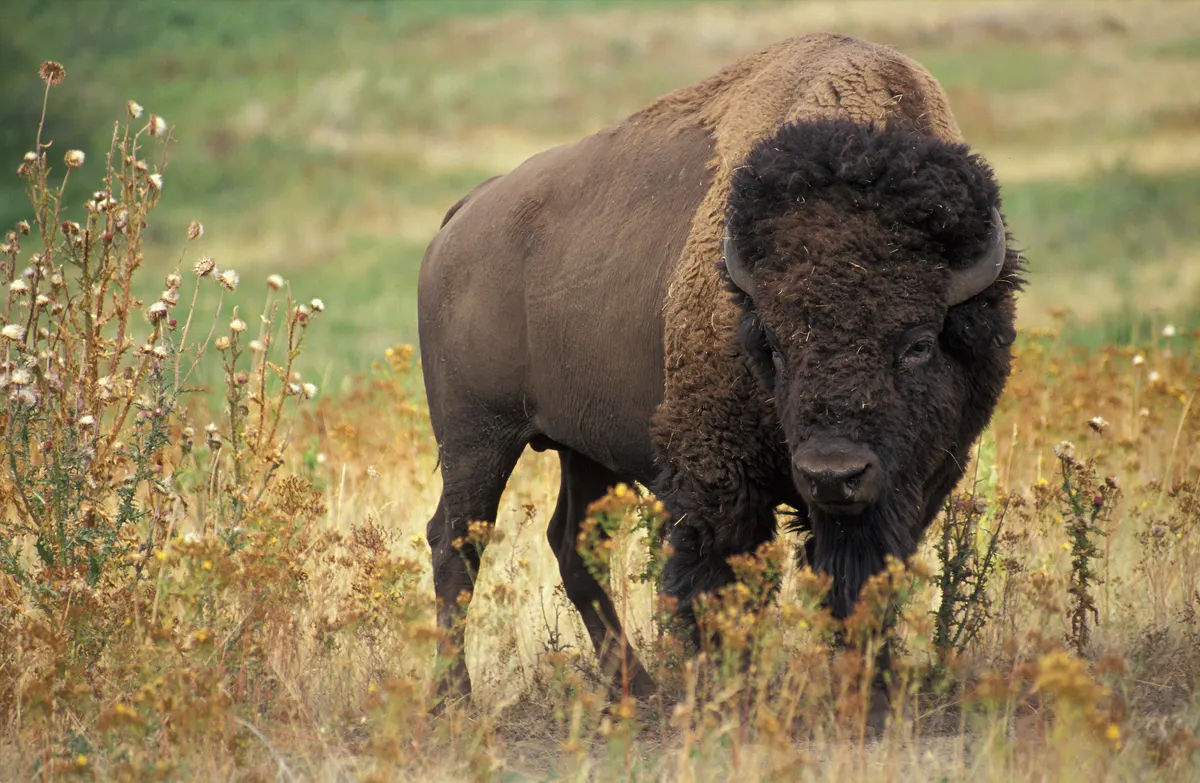
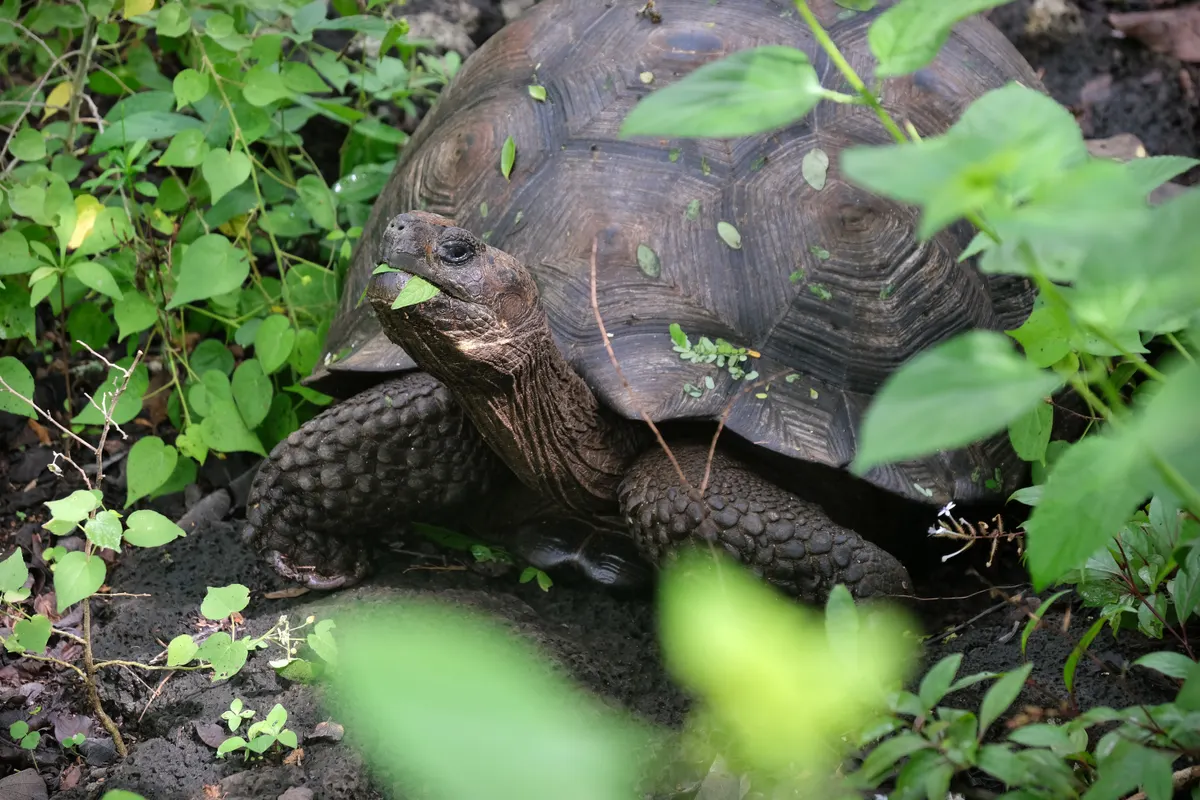
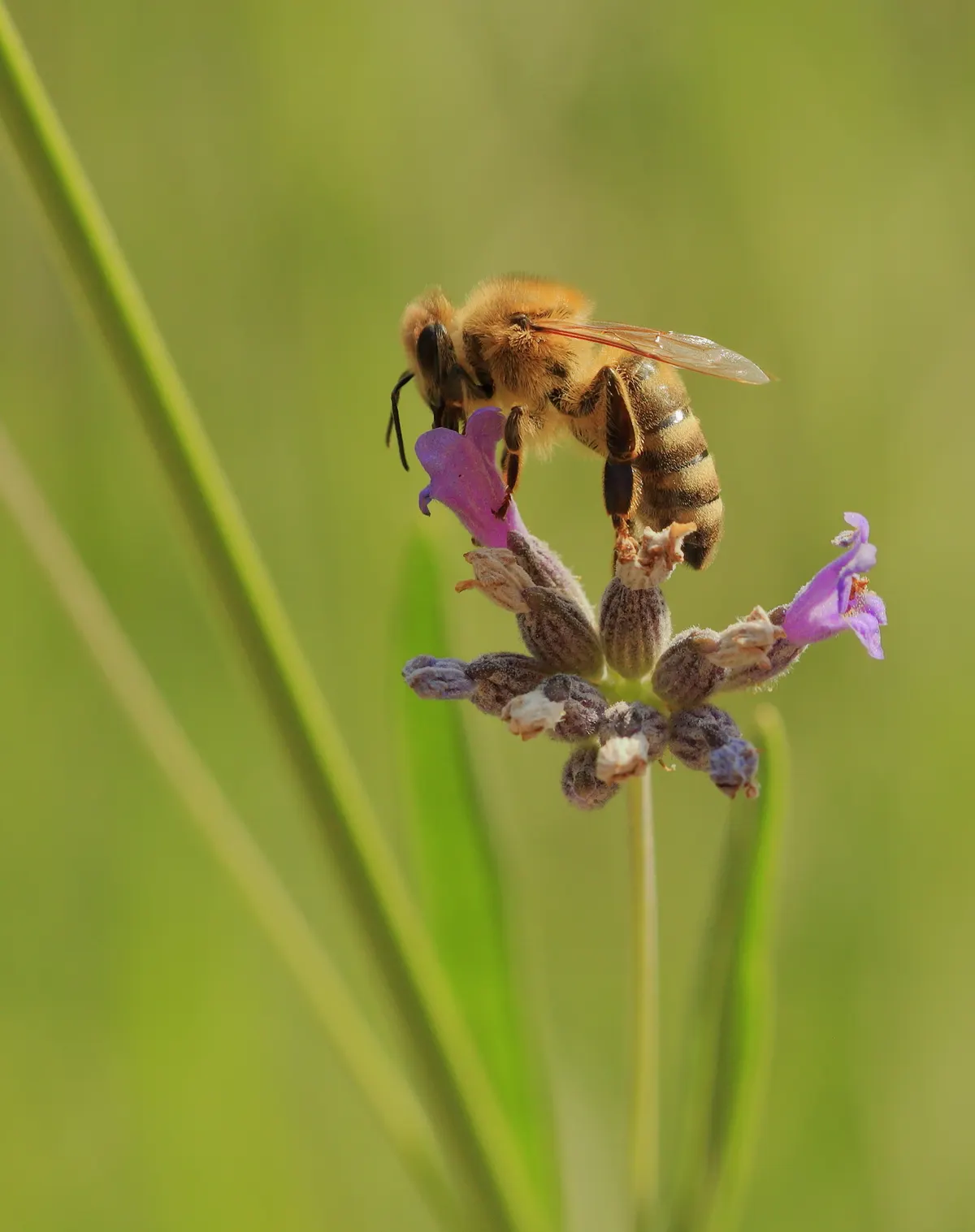
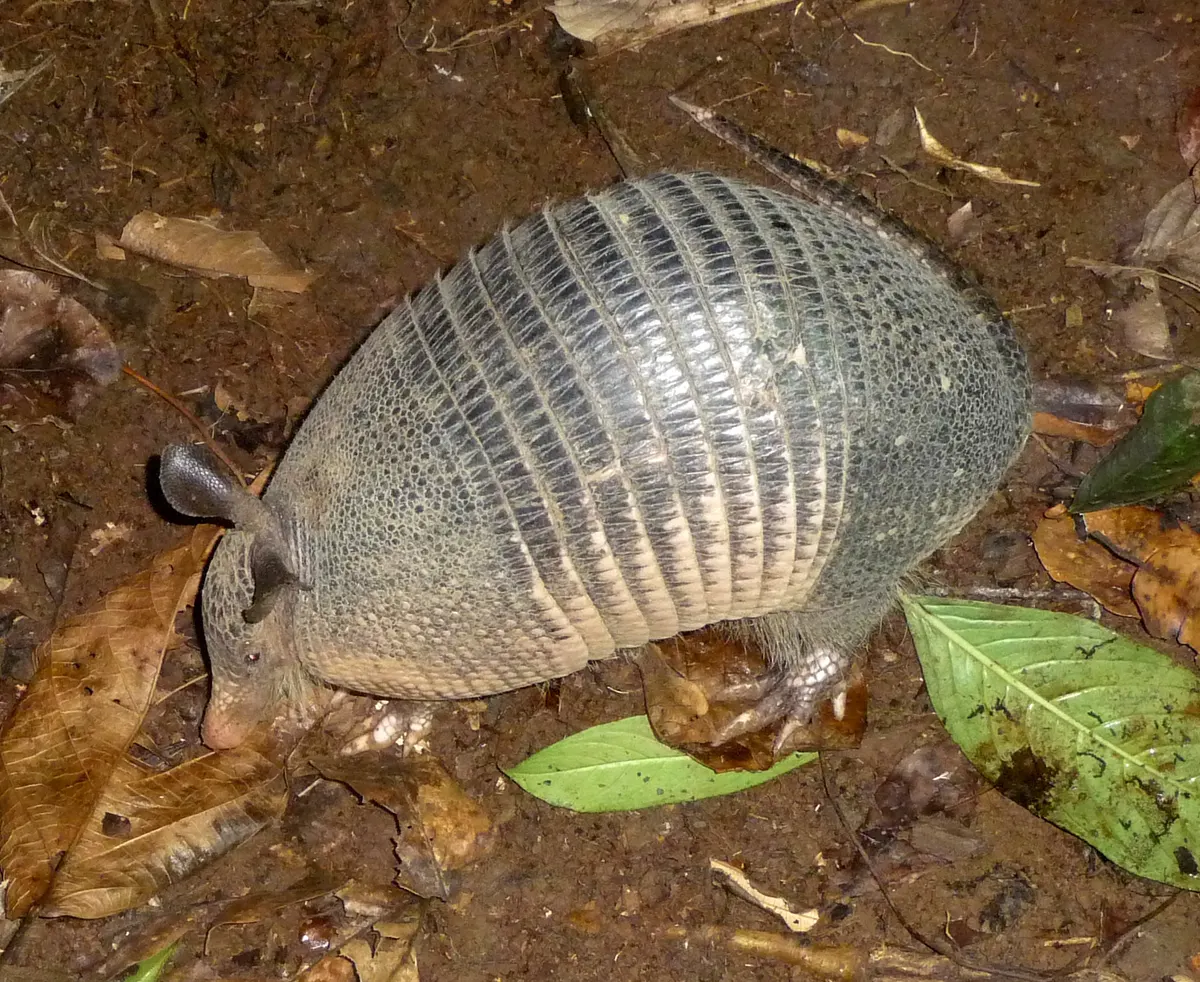
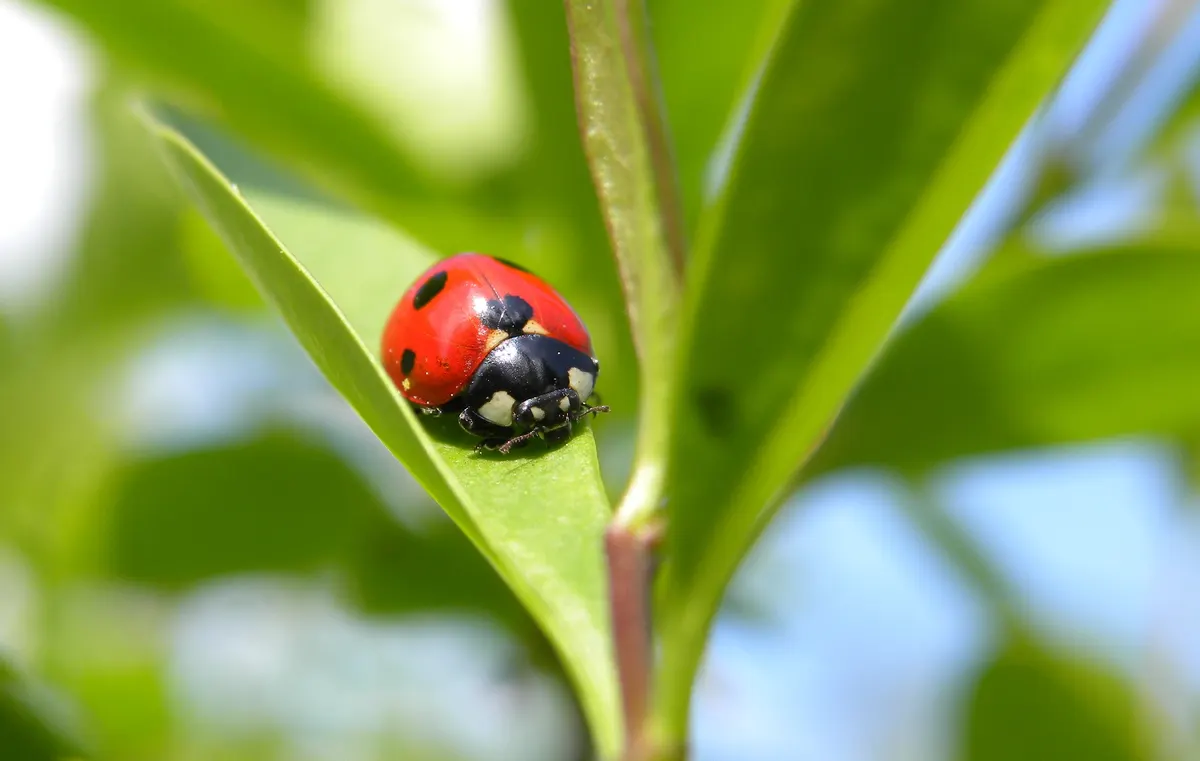
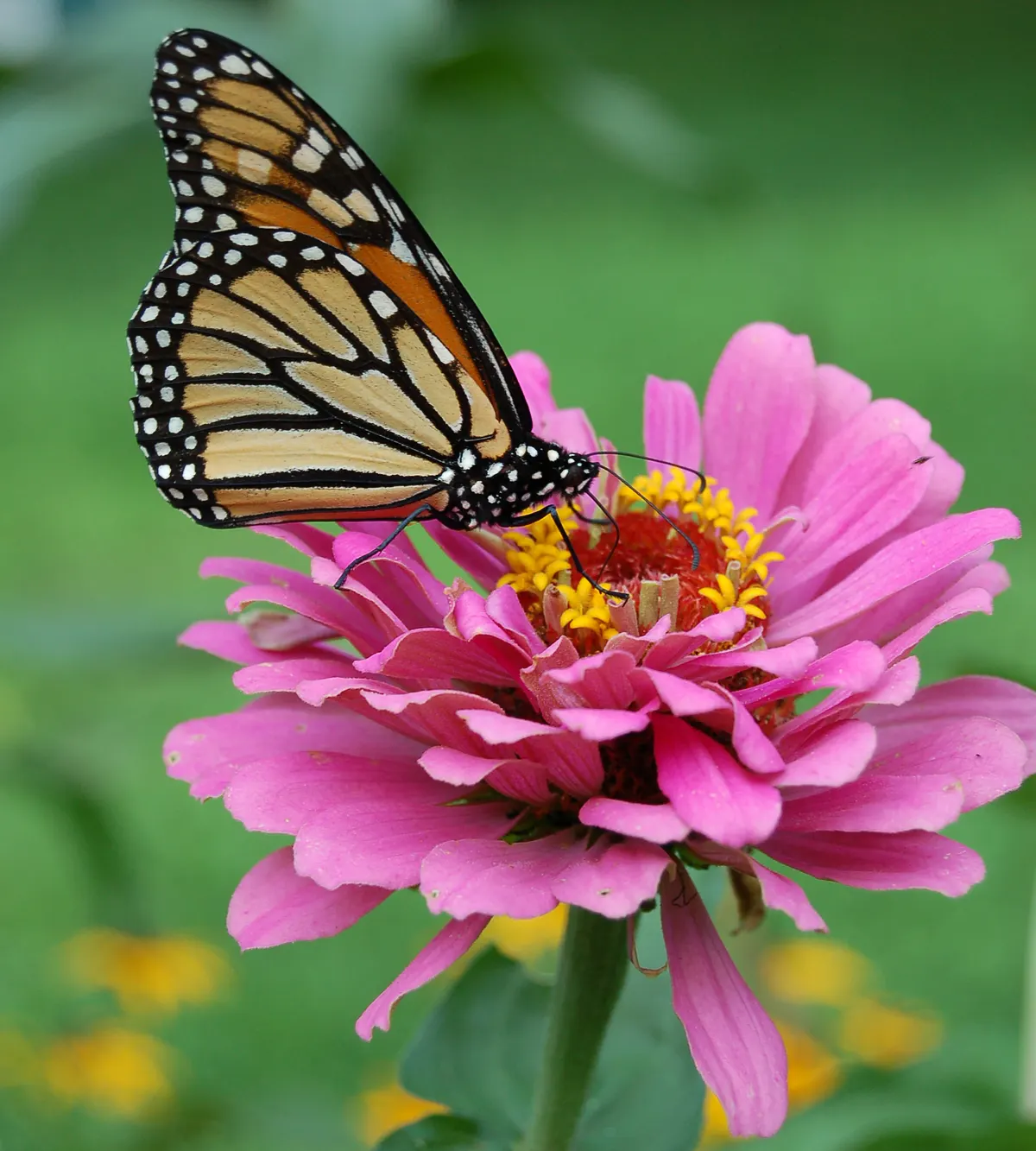
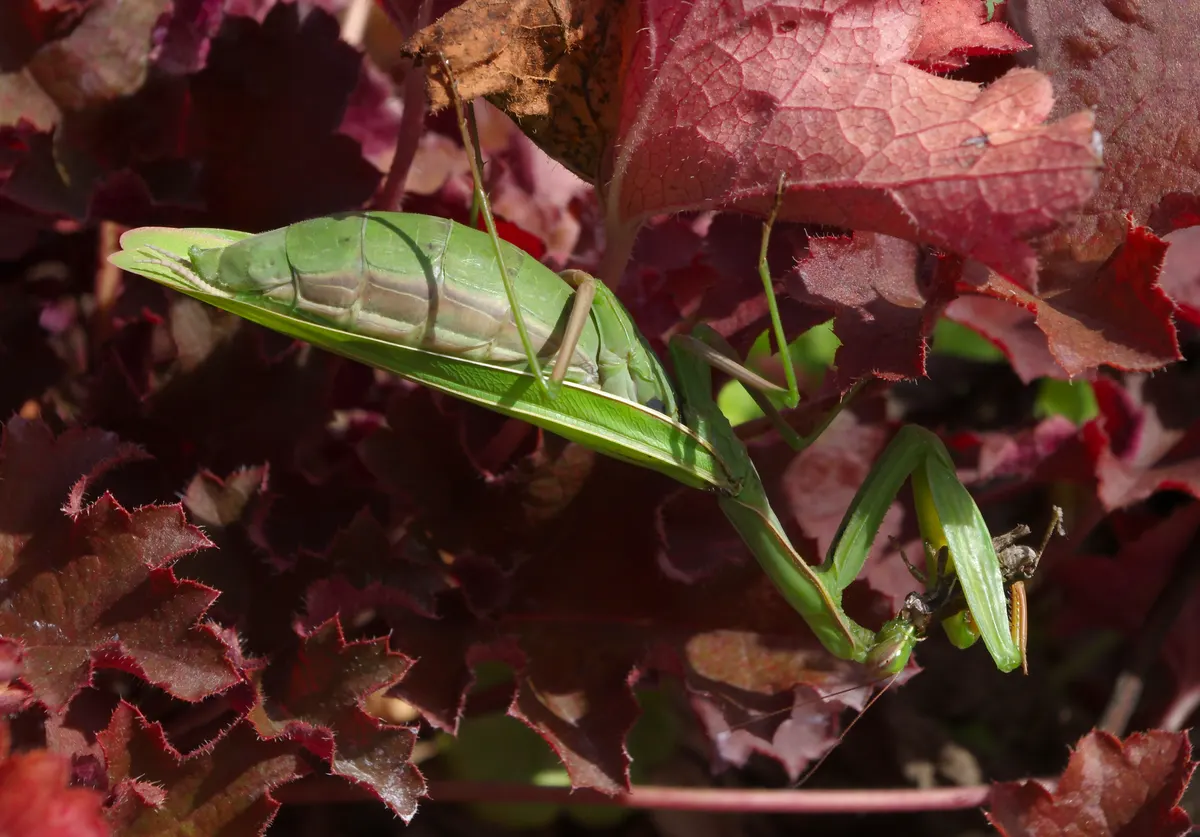
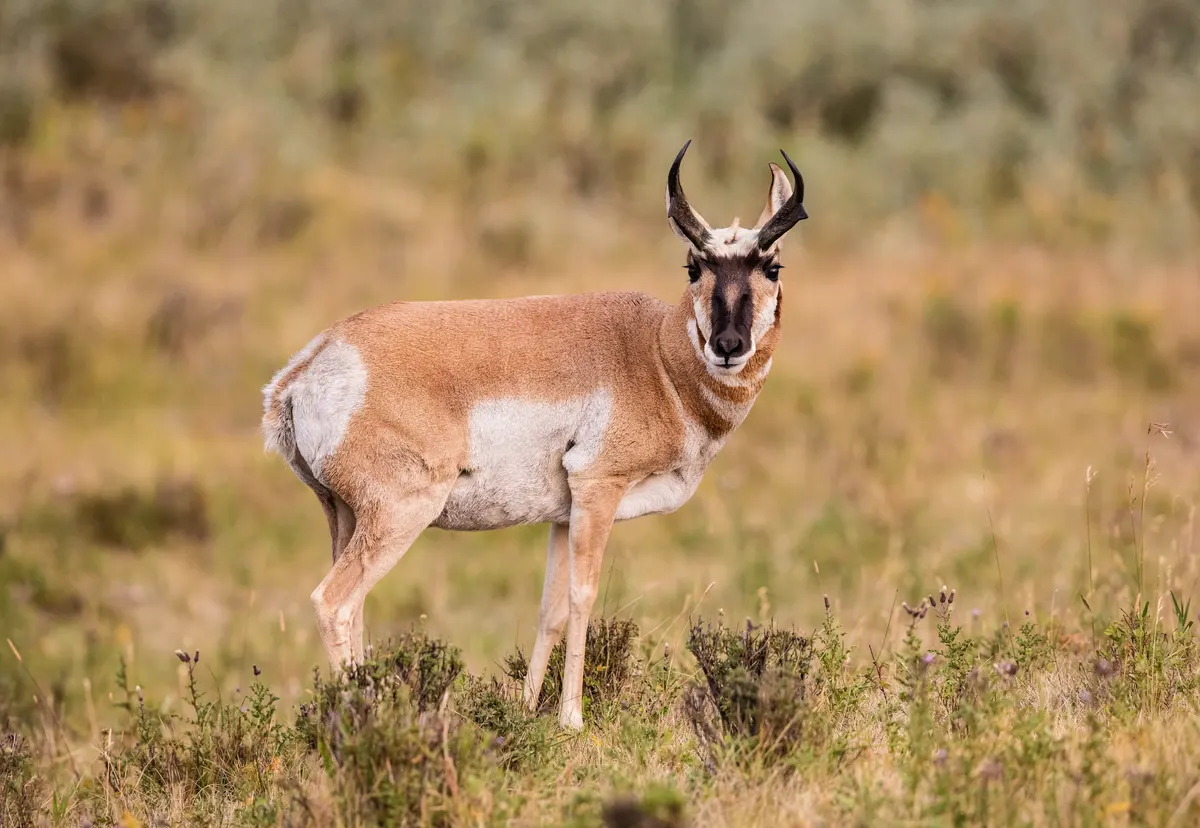
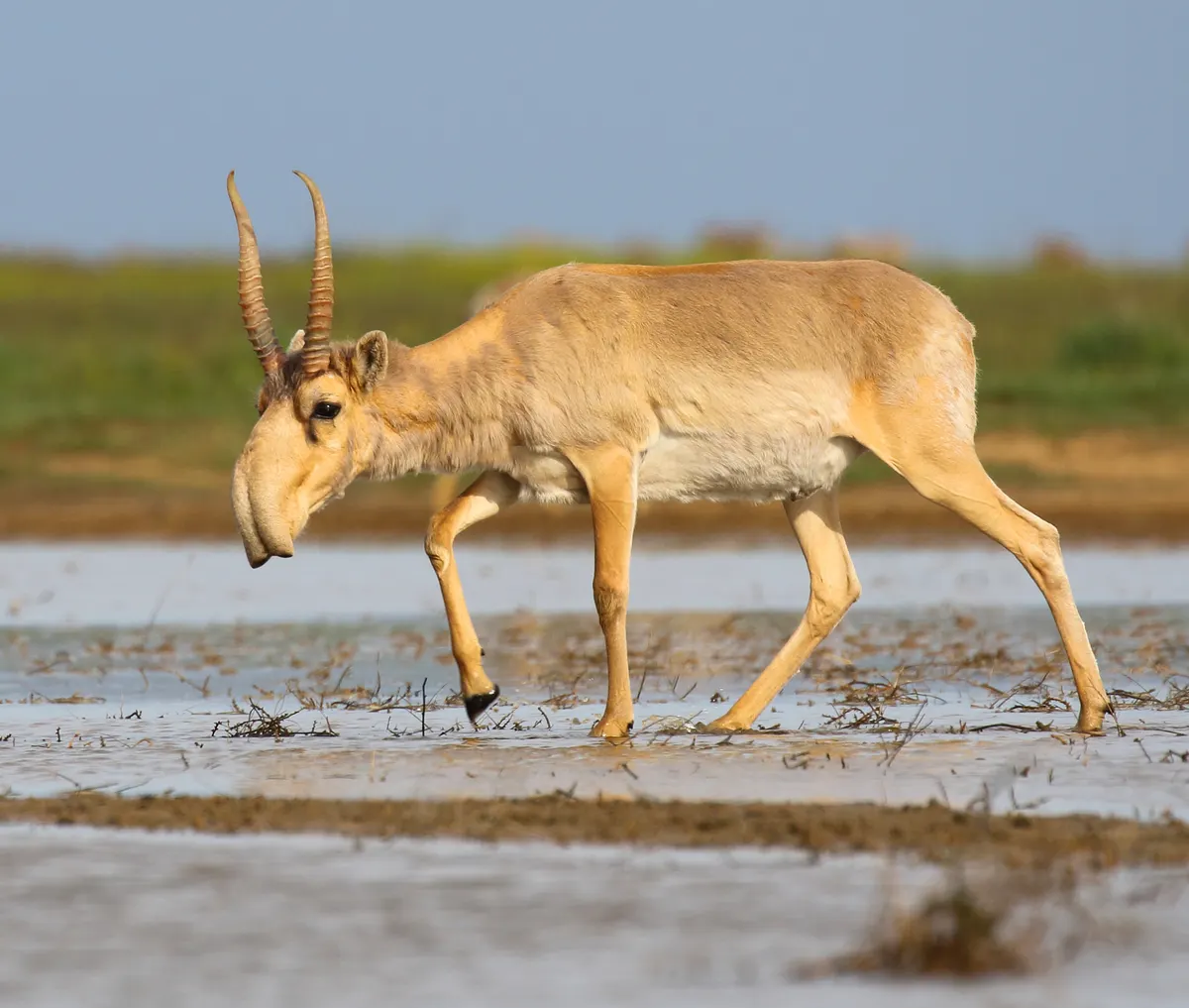
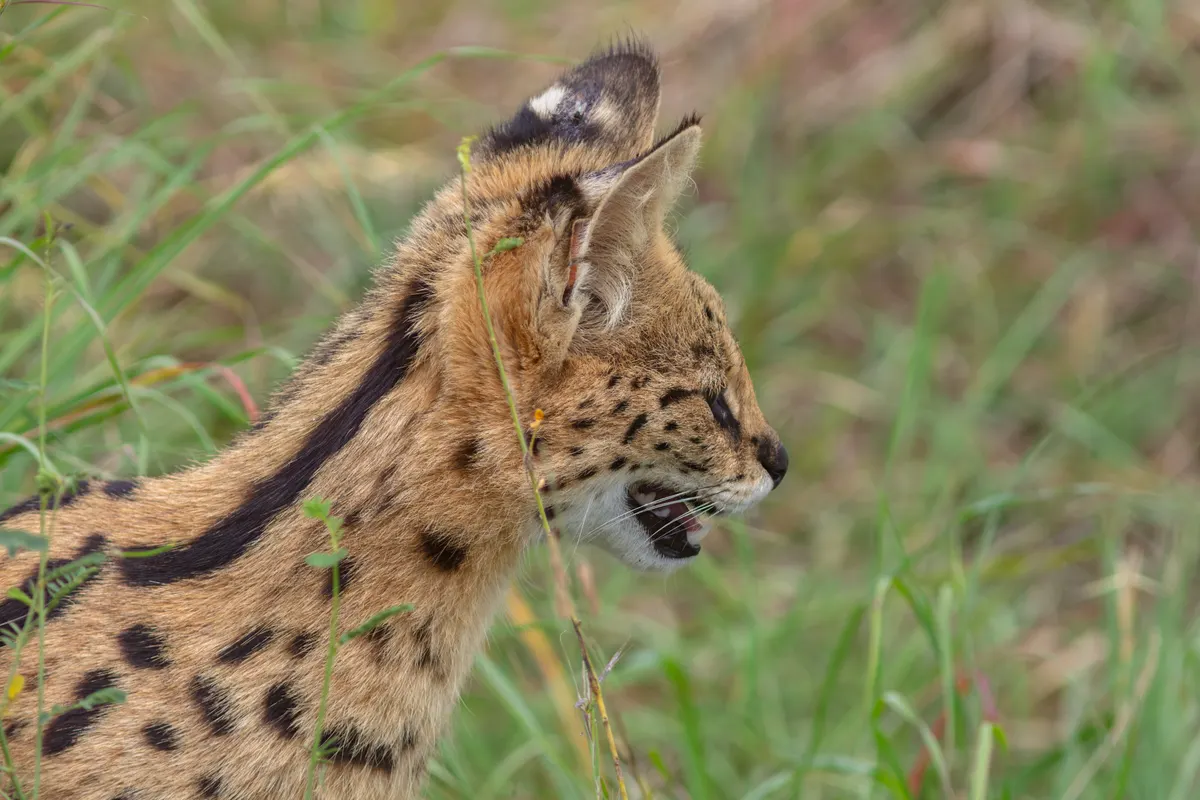
Not every grassland animal is large. Honeybee and Monarch Butterfly depend on flowering plants across the meadow. Ladybug and Praying Mantis control insect populations among the stems. Open habitat favors flight, sprinting, and long-distance seasonal movement over tree-climbing.
Habitats hub
Grassland Animals
Discover animals that live in grassland habitats with wildlife photos and full fact pages.
- Species listed
- 17
- Diet mix
- 7 herbivore · 7 carnivore · 3 omnivore
- Updated
- September 2026
17 species · 7 herbivore, 7 carnivore, 3 omnivore
Measured spread
How much this hub varies
Computed from the 17 species listed here, using the published figure on each profile.
| Measure | Smallest listed | Largest listed |
|---|---|---|
| Body mass (adult max) | Ladybug0.05 g | American Bison997.9 kg |
| Body length (max) | Ladybug1 cm | American Bison3.81 m |
| Lifespan in the wild (max) | Monarch Butterfly0.7 yr | Galápagos Tortoise120 yr |
Overview
Open grass, few trees
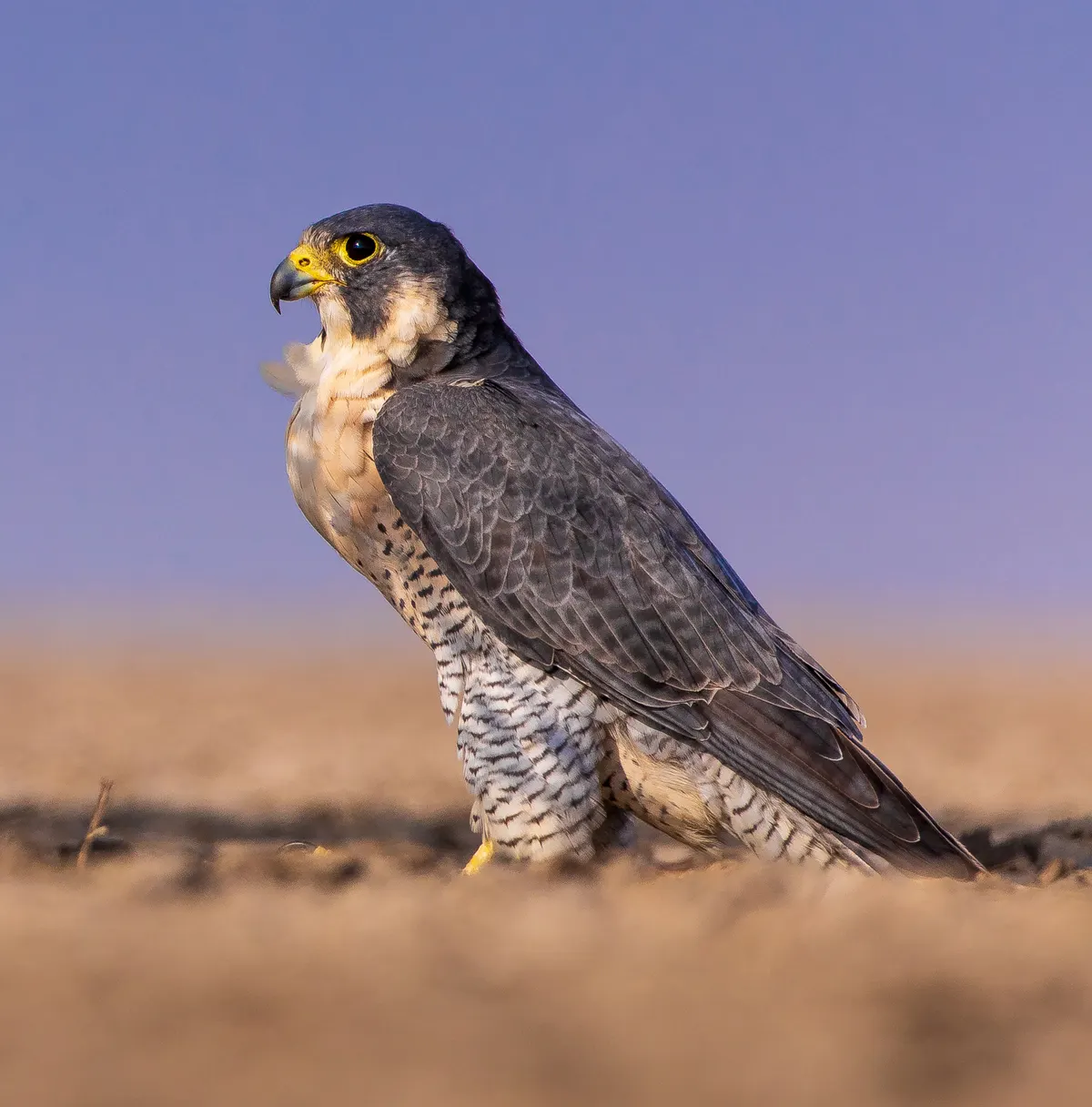
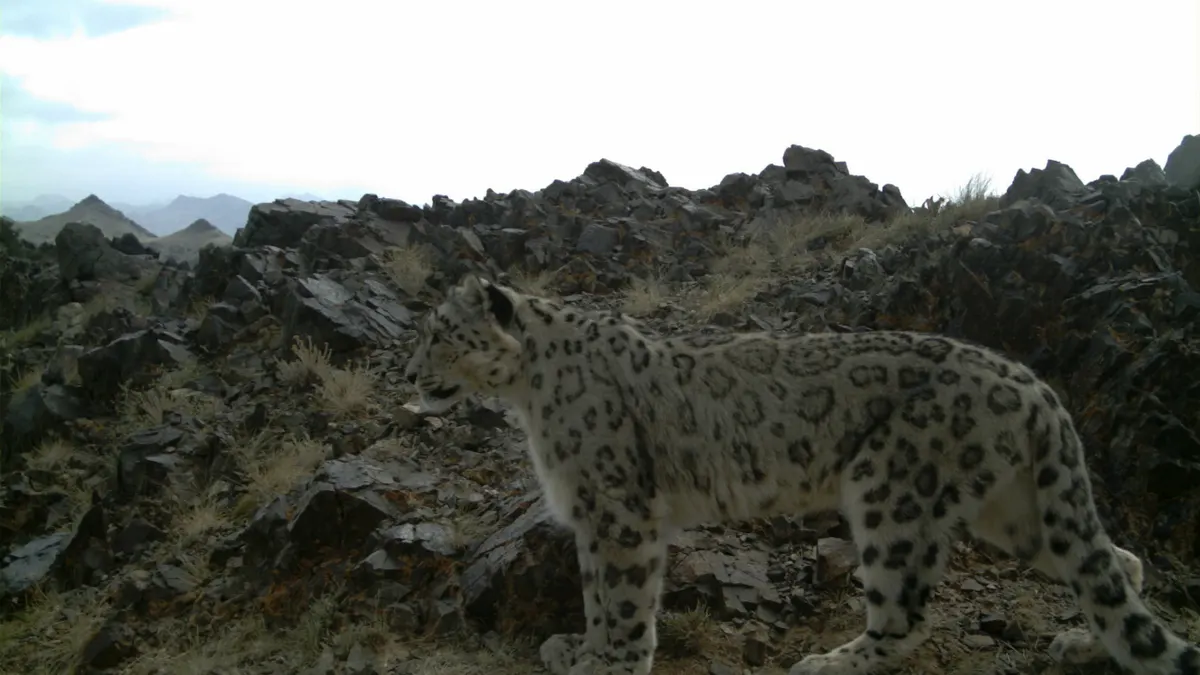
Grasslands — prairies, steppes, and highland meadows — offer wide views and wind-exposed grazing. American Bison once moved in vast herds across North American plains. Galápagos Tortoise browses island scrub where grass is sparse. Peregrine Falcon stoops on open-country prey. Snow Leopard hunts rocky grassland edges in Central Asia.
Start here
Featured species
3 entry points into this cluster — each profile has range, diet, behavior, and conservation detail.
Species directory
All 17 animals in this hub
Flagship species appear first. Open any card for range maps, diet, behavior, and conservation status.
Field guide
Ecology & context
Adaptations, threats, and comparisons — background for readers who want more than the species directory.
From grazers to predators
Grasslands hold herbivores like American Bison and carnivores like Peregrine Falcon. Each species page covers range, herd or colony behavior, and habitat loss from agriculture and fencing.
Wind, fire, and open sight lines
Grasslands lack tree cover, so wind and sun hit animals directly. Fire resets growth and keeps woody plants from taking over — many grasses resprout from roots. Open views favor speed and vigilance: American Bison in herds, Peregrine Falcon stooping from the sky. Snow Leopard hunts rocky grassland edges where prey concentrates.
Pollinators and grazers together
Monarch Butterfly and Honeybee depend on flowering plants across the meadow. Ladybug and Praying Mantis control insect populations among stems. Large grazers and tiny pollinators share the same habitat but operate on different scales.
Common Questions
FAQ about Grassland Animals
Select a question to reveal the answer.
What animals live in grasslands?
Large grazers like American Bison, tortoises like Galápagos Tortoise, predators like Peregrine Falcon, and insects like Honeybee and Monarch Butterfly.
How is a grassland different from a savanna?
Grasslands are dominated by grasses with few or no trees. Savannas mix grass with scattered trees and often have stronger seasonal rainfall pulses.
What threatens grassland species?
Conversion to cropland, overgrazing, fencing that blocks movement, and loss of native flowers for pollinators.
Where should I start?
Read American Bison for historic prairie ecology and Peregrine Falcon for open-country hunting.
Keep exploring
Related hubs
Same cluster, different angle — open a diet or habitat hub to compare species side by side.