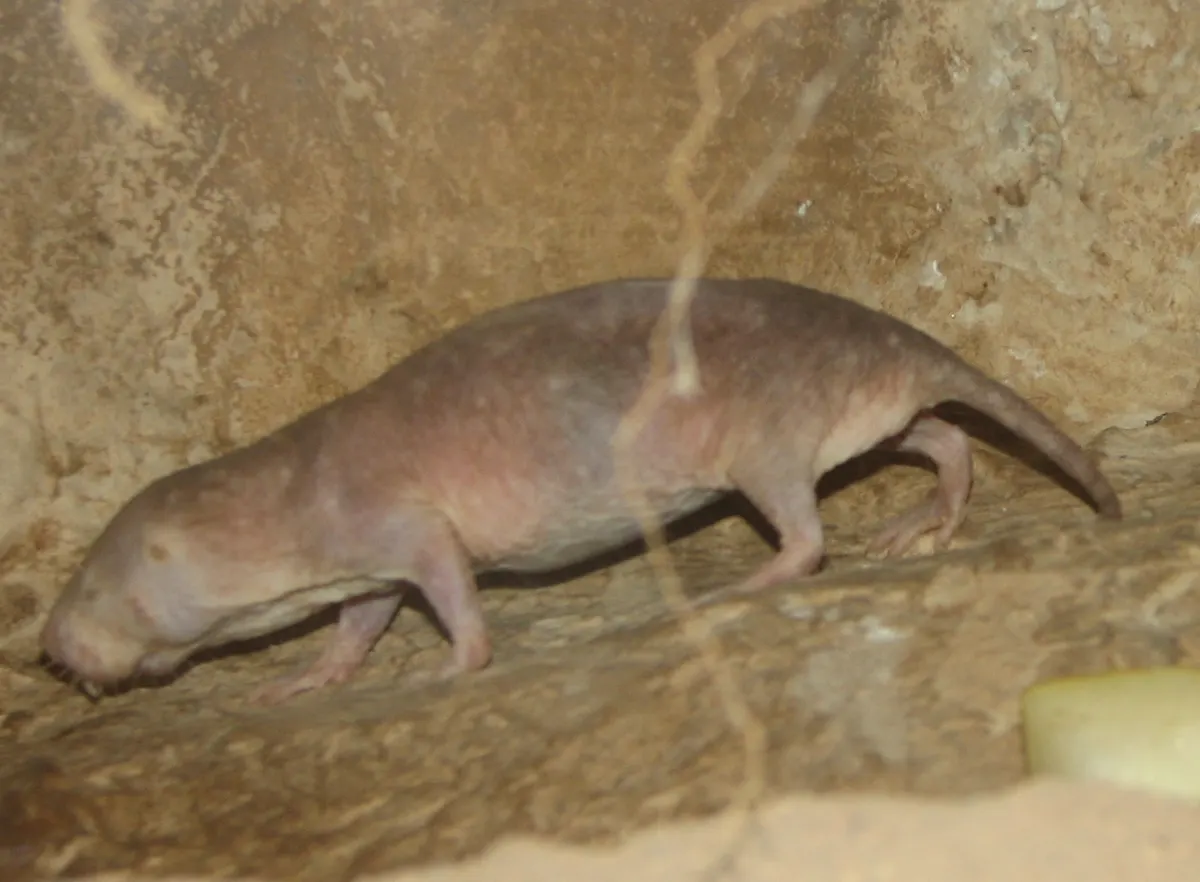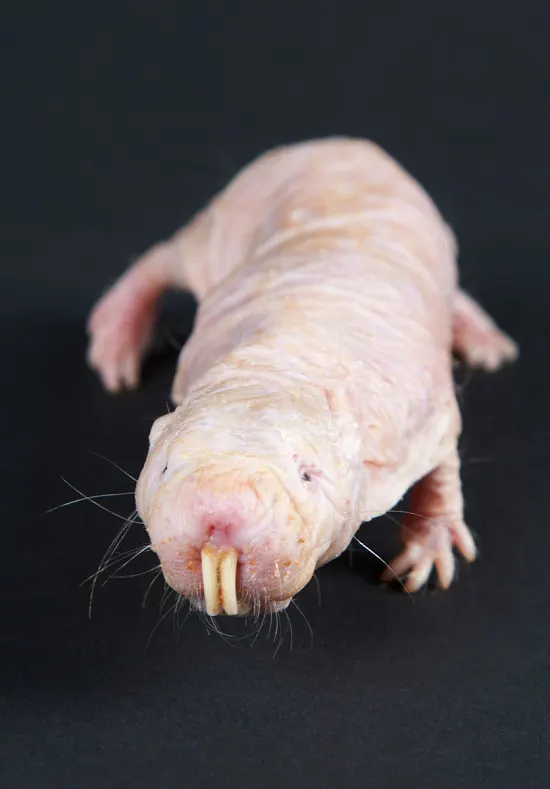
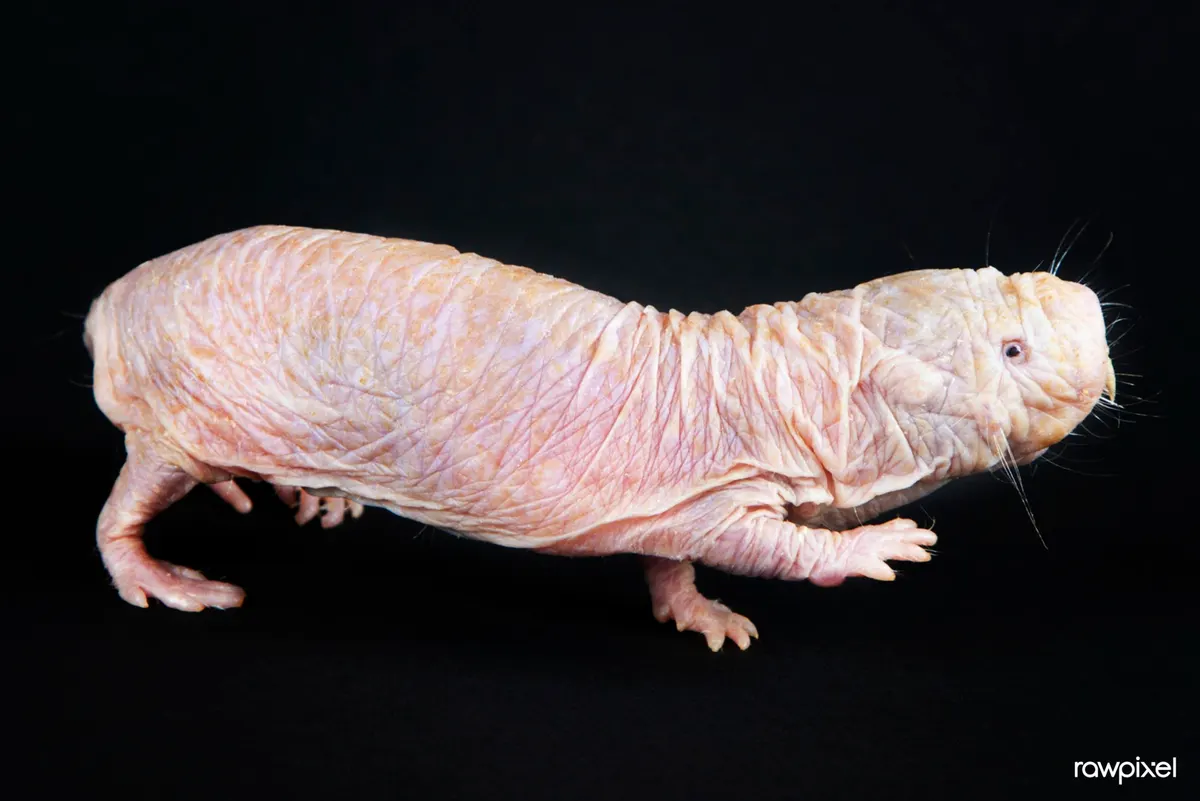
Naked mole-rat showing wrinkled pink skin and prominent front teeth
Naked mole-rats are nearly hairless rodents that live entirely underground.
MammaliaLeast Concern

Naked Mole-Rat Facts

Naked mole-rats are among the only mammals that live in true eusocial colonies, similar to bees and ants.

Naked mole-rats are nearly hairless East African rodents that dig vast underground colonies. They eat roots and tubers and live in eusocial groups led by a breeding queen.

By · Updated

Quick Facts

Naked Mole-Rat at a glance

Heterocephalus glaberRodentiaBathyergidae

About their home

Kind of animal

Mammalia

Where they live

What they eat

How safe?

Least Concern

Size and speed

How heavy

1 ounce – 2.5 ounces

How long

3 inches – 4 inches

How fast

Slow surface mover; fast digger through hard soil tunnels

Lifespan

Often more than 15 years; some live past 30

Core article

Naked Mole-Rat: ecology and life history

A closer look at habitat, diet, behavior, reproduction, and conservation.

Start here

Naked Mole-Rat

The naked mole-rat (Heterocephalus glaber) looks like almost no other mammal — wrinkled pink skin, a few whisker-like hairs, huge forward-jutting teeth, and a life spent almost entirely underground. Beneath the dry savanna soils of East Africa, its colonies dig miles of sealed tunnels that stay cooler and safer than the baking surface. There they practice a lifestyle rare among mammals — eusociality, with a single breeding queen, a few breeding males, and dozens of workers and soldiers that dig, forage, defend, and raise pups together. Despite the name they are rodents, not moles.

A Eusocial Rodent Built for Underground Life

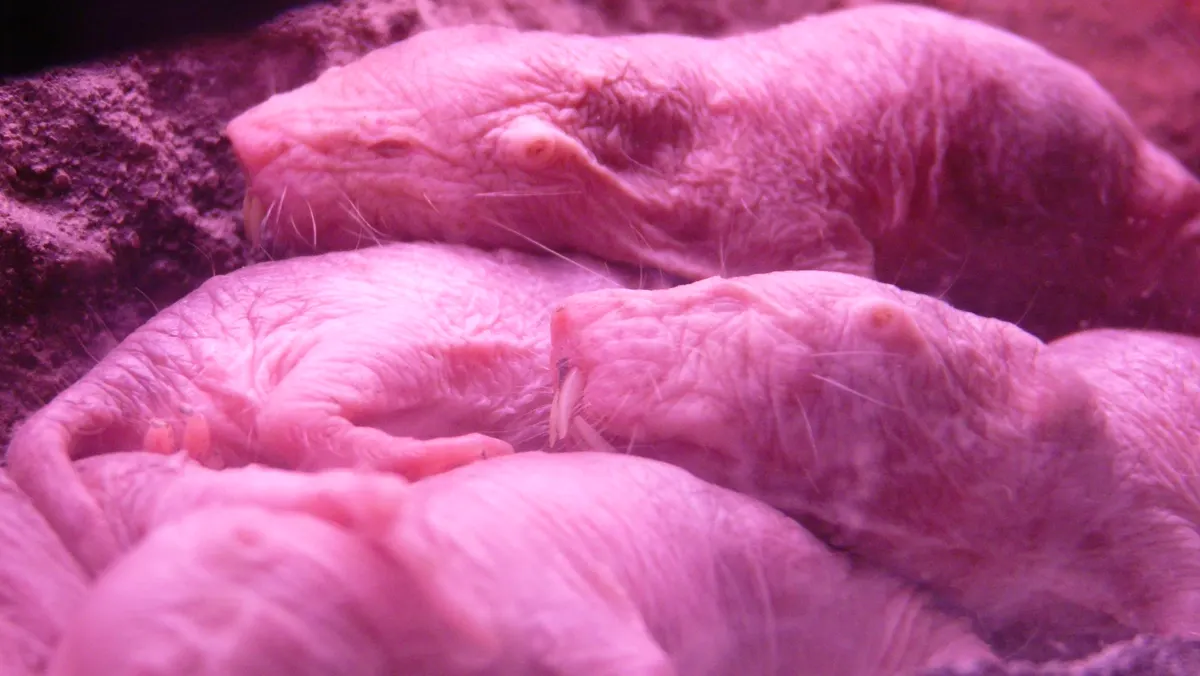
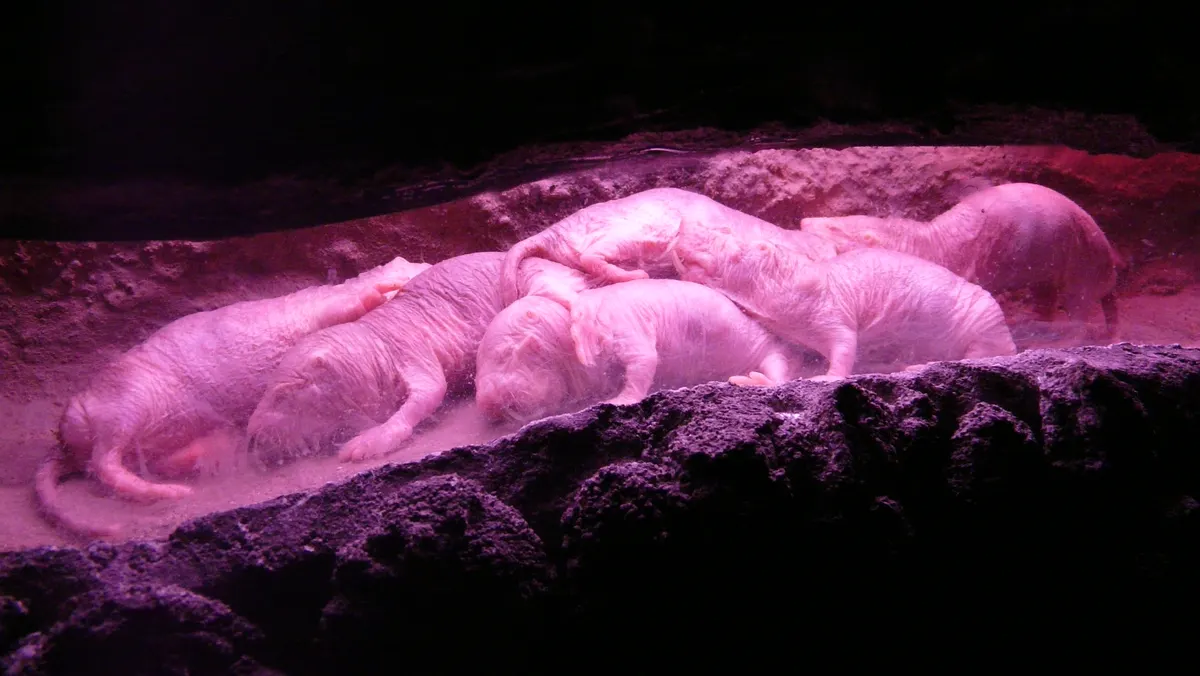
Colony of naked mole-rats resting together in a tunnel enclosure
Only the queen and a few males breed; other adults dig, defend, and raise pups.

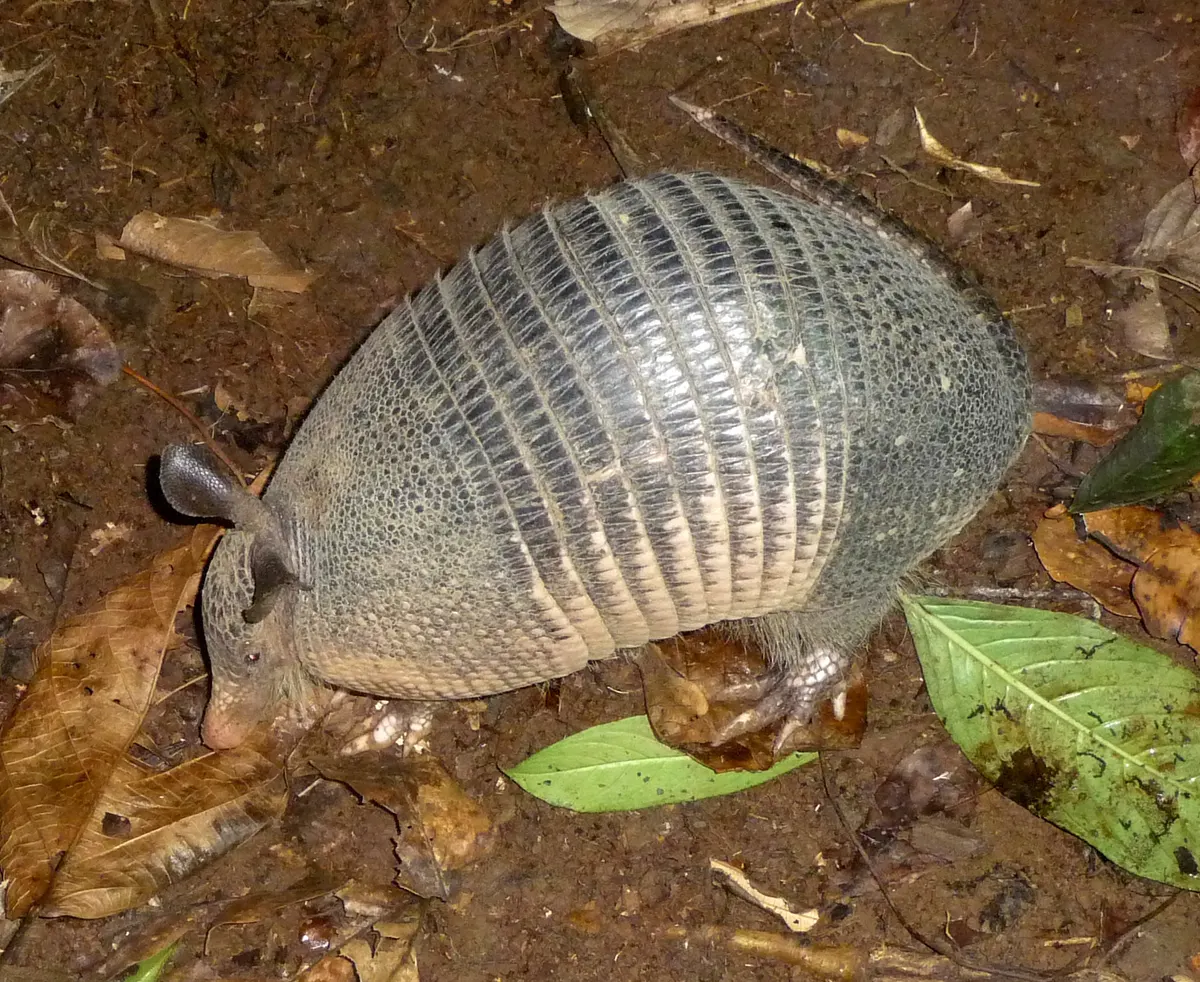
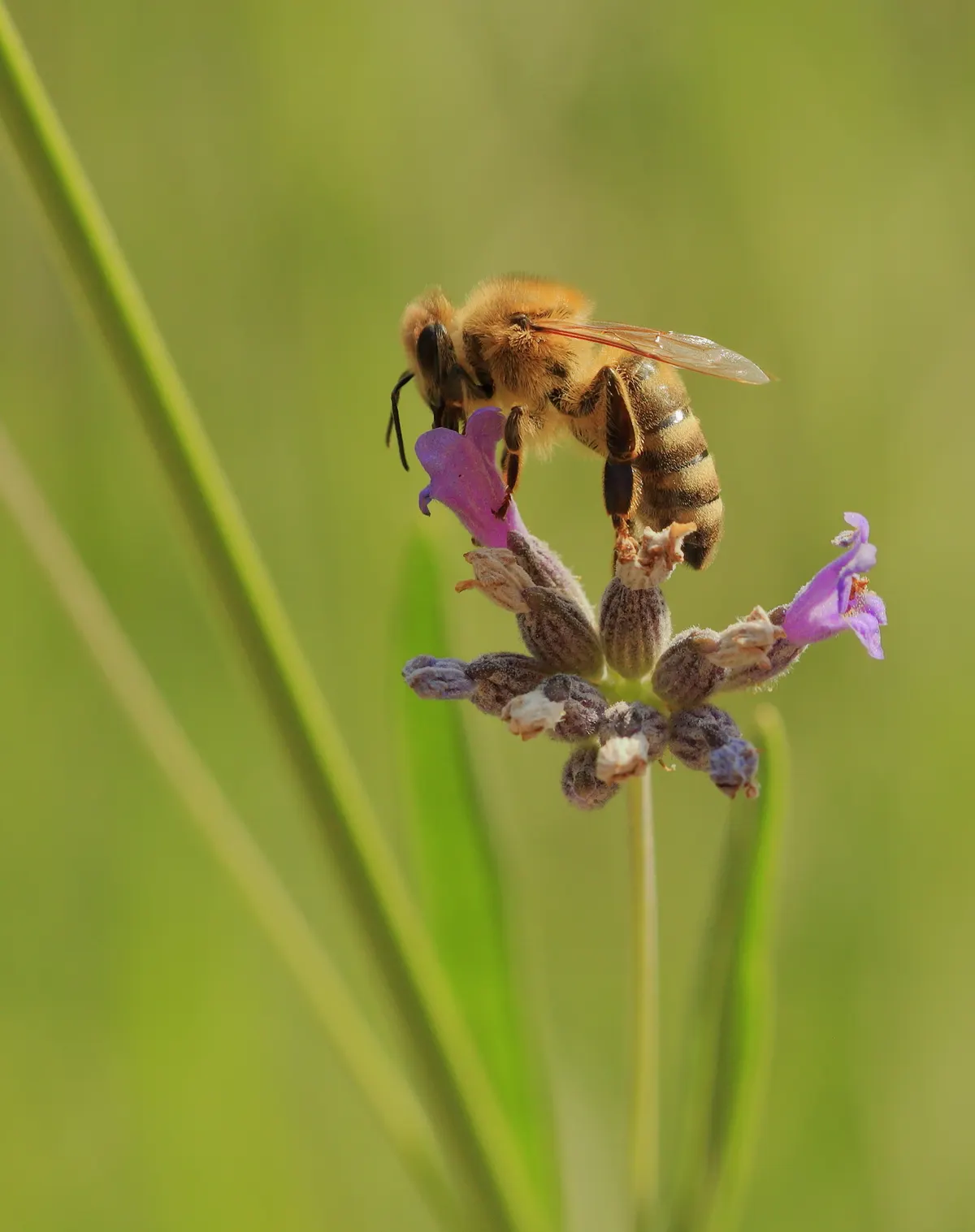
Adults are about mouse-sized, 3 to 4 inches and 1 to 2.5 ounces, their nearly hairless skin (bar sensory hairs) helping the body slide through tight tunnels and share warmth when colony members pile together. The eyes are tiny — vision barely matters underground — while touch and hearing guide them in the dark. The famous incisors are long, ever-growing, and sit outside the lips even with the mouth shut, so a mole-rat can bite soil and roots without swallowing dirt, backed by powerful jaws and short, sturdy digging limbs. Unusually for a mammal, it doesn't hold a steady high body temperature, relying instead on huddling and warm nest chambers, and it tolerates the low oxygen and high carbon dioxide of sealed burrows. It belongs to the African mole-rat family Bathyergidae and is the only living species in its genus. Biologists prize it because eusociality usually evolves in insects like honeybees and leafcutter ants; it shares underground digging with armadillos and cooperative defense with meerkats, though both belong to entirely different mammal groups.

Where Naked Mole-Rats Live

Rocky arid savanna habitat where mole-rat colonies tunnel underground
Hard, dry soils hide labyrinths of tunnels that stay cooler than the surface.

Naked mole-rats live under the arid and semi-arid landscapes of the Horn of Africa — Kenya, Ethiopia, Somalia, and nearby dry districts — where the surface is sparse scrub and hard-packed savanna but below ground lies a city of tunnels, latrines, food stores, and a deep nest for the queen and pups. Mounds of excavated soil are often the only sign of an active colony. The tunnels hold a steadier temperature than open air, which shelters animals that can't sweat or shiver efficiently, so surface crops and roads threaten colonies mainly by crushing soils or removing the root crops the animals harvest.

What Naked Mole-Rats Eat

Naked mole-rat using strong jaws suited for chewing tough underground plants
Workers harvest plant roots inside sealed tunnels and carry pieces home.

Naked mole-rats are chiefly herbivores that chew into large underground roots, tubers, and bulbs — often leaving part of the plant intact so it keeps growing and yields future harvests — and carry food back along the tunnels to storage and nest areas. Because plant juices supply most of their water, colonies can ride out long dry seasons without ever visiting the surface. They rarely eat animals, taking the occasional invertebrate, and their teeth keep pace with abrasive soil and fibrous roots by wearing down and regrowing throughout life.

Behavior: A Colony With a Queen

A colony can hold dozens to more than a hundred animals sharing one continuous burrow, but usually only the queen and one to a few males breed. Non-breeding adults dig new tunnels, patrol for snakes, haul soil, and tend pups — a strict division of labor that makes them true social animals, with soldier-sized individuals plugging tunnels or biting when a predator enters. They communicate through soft calls and chemical cues and press together in nest chambers to conserve heat, a system that resembles insect castes more than an ordinary rodent family.

Life Cycle: One Queen, Decades of Life

Small naked mole-rat pup photographed at a zoo colony
Colony helpers warm and protect pups while the queen returns to breeding.

A queen can stay the sole breeding female for years. Gestation runs about 70 days, after which she may bear litters of several pink, helpless pups that colony helpers warm, groom, and guard while she readies the next litter; as the young grow they join the digging and foraging crews rather than leaving to start their own territories. Lifespan is extraordinary for a rodent this size — many live past 15 years, and some research colonies beyond 30 — and scientists study their slow aging, cellular repair, and low cancer rates, though no single trait fully explains the longevity.

Conservation: Least Concern in Hard Ground

Naked mole-rat workers moving through a burrow tunnel system
Their natural range forms a narrow arc across the arid Horn of Africa.

The naked mole-rat is Least Concern, with a stable overall trend across a large arid range that is hard to convert into dense farmland. Even so, local colonies can be lost where soils are heavily disturbed, flooded by irrigation, or poisoned as agricultural pests, and climate swings that kill the underground food plants can undercut colony success. Because so much of their biology is unique, protected populations matter both for wild ecosystems and for the research comparing mammalian and insect-style social living.

References and Authoritative Sources

Naked Mole-Rat: classification and fun facts

Classification

Scientific Taxonomy
  1. Kingdom

    Animalia

  2. Phylum

    Chordata

  3. Class

    Mammalia

  4. Order

    Rodentia

  5. Family

    Bathyergidae

  6. Genus

    Heterocephalus

  7. Species

    H. glaber

Did You Know?

Fun Facts

1

Naked mole-rats are among the only mammals that live in true eusocial colonies, similar to bees and ants.

2

Their large front teeth grow continuously and stay outside closed lips, so they can dig without swallowing dirt.

3

They do not keep a steady high body temperature; colonies huddle to share warmth.

4

Tunnel systems can stretch for city-block distances under dry East African savanna soils.

5

Queens can live for decades and produce many litters while workers never breed.

6

They tolerate very low oxygen levels that would quickly harm most other mammals.

Common Questions

FAQ about Naked Mole-Rat

Select a question to reveal the answer.

What is a naked mole-rat?

A naked mole-rat is a nearly hairless burrowing rodent from East Africa. It lives in underground colonies with a breeding queen, workers, and soldiers.

Where do naked mole-rats live?

They live under arid savanna and scrub soils in Kenya, Ethiopia, Somalia, and nearby parts of the Horn of Africa.

What do naked mole-rats eat?

They are mainly herbivores. Colonies chew underground roots, tubers, and bulbs and get much of their water from plant tissues.

Why are naked mole-rats hairless?

Almost-naked skin helps them squeeze through tight tunnels and share heat by huddling. Sparse whisker-like hairs still help them feel tunnel walls.

How is a naked mole-rat colony organized?

Like social animals such as meerkats or bees, only a queen and a few males breed. Other adults dig tunnels, find food, defend the nest, and raise pups.

Are naked mole-rats related to other mole-rats?

Yes, but they belong to their own genus, *Heterocephalus*. They should not be confused with European moles or other African mole-rat species.

Show 2 more questionsExpand
How long do naked mole-rats live?

They are unusually long-lived for small rodents. Many live more than 15 years, and some research animals have lived past 30.

Are naked mole-rats endangered?

Naked mole-rats are listed as Least Concern. Their harsh underground habitat is hard for people to farm heavily, which helps keep colonies widespread.