Gazelle Facts
"Many gazelles perform high leaps called stotting or pronking."
Gazelles are fast, alert antelopes that live in herds on African and Asian grasslands. Their speed, sharp hearing, and springing jumps help them escape...
Loading page content

"Many gazelles perform high leaps called stotting or pronking."
Gazelles are fast, alert antelopes that live in herds on African and Asian grasslands. Their speed, sharp hearing, and springing jumps help them escape...
Explore gazelle photos for learning and classroom observation, from fast-running herds to hidden fawns in dry grass.
Click any photo to view it larger. 8 images available.
Core article
Habitat, diet, behavior, and more — everything on one page.
Exploding into motion at speeds approaching 60 miles per hour, executing razor-sharp zigzags to evade the sweeping claws of a cheetah, the gazelle is the ultimate evolutionary expression of speed and agility on the open plains. Inhabiting the sun-drenched savannas and harsh deserts of Africa and Asia, these slender, wide-eyed bovids rely entirely on their hyper-vigilance and explosive biomechanics to survive in ecosystems saturated with apex predators. They are not merely passive prey, but highly attuned athletes engaged in an endless evolutionary arms race.
Gazelles belong to the kingdom Animalia, phylum Chordata, class Mammalia, and the order Artiodactyla (even-toed ungulates). Within the expansive family Bovidae, they are classified under the subfamily Antilopinae, representing the "true antelopes." The primary genus is Gazella, which encompasses numerous species such as the dorcas gazelle, while closely related genera like Eudorcas (Thomson's gazelle) and Nanger (Grant's gazelle) are also colloquially and ecologically grouped as gazelles.
Evolutionarily, the antelope lineage radiated extensively during the Miocene and Pliocene epochs as global climates dried and expansive open grasslands replaced dense forests. This environmental shift strongly selected for cursorial (running) adaptations. Gazelles evolved a highly specialized skeletal morphology designed exclusively to maximize stride length and minimize mass, shedding the heavy musculature of forest-dwelling ancestors in favor of lightweight, fast-twitch muscle fibers optimized for explosive evasion.
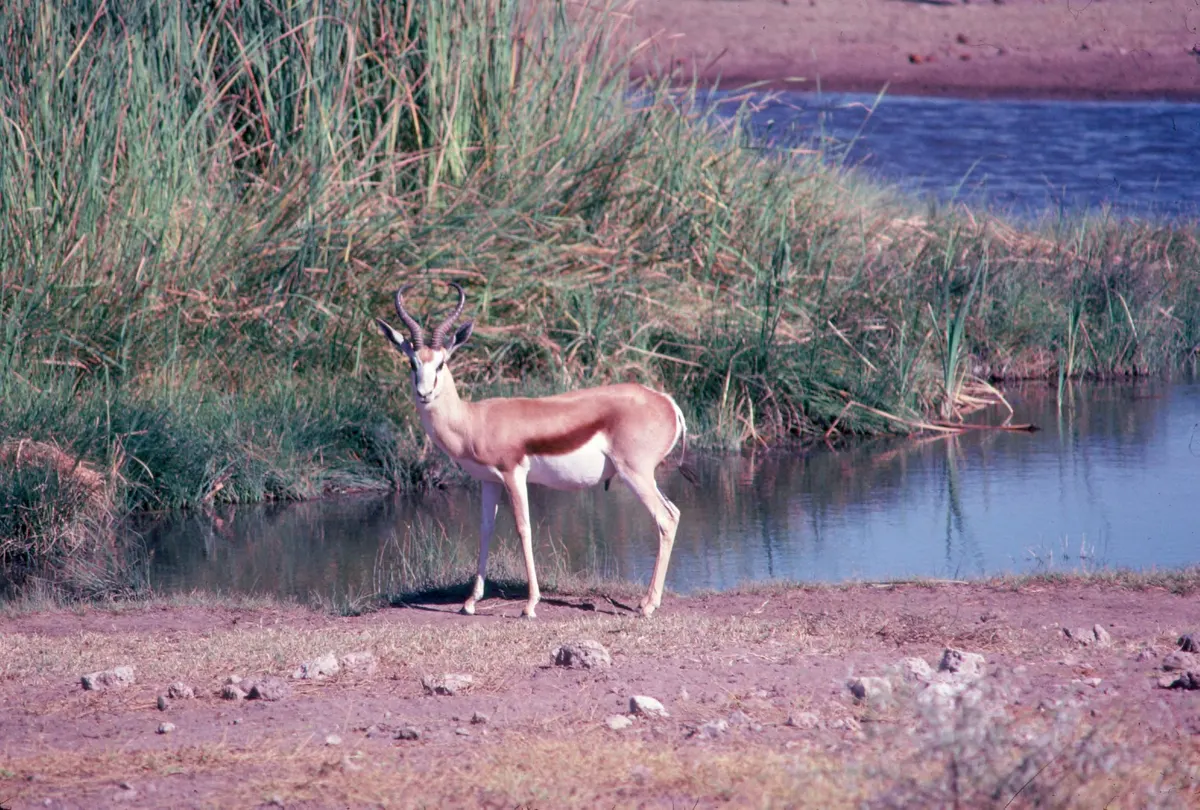
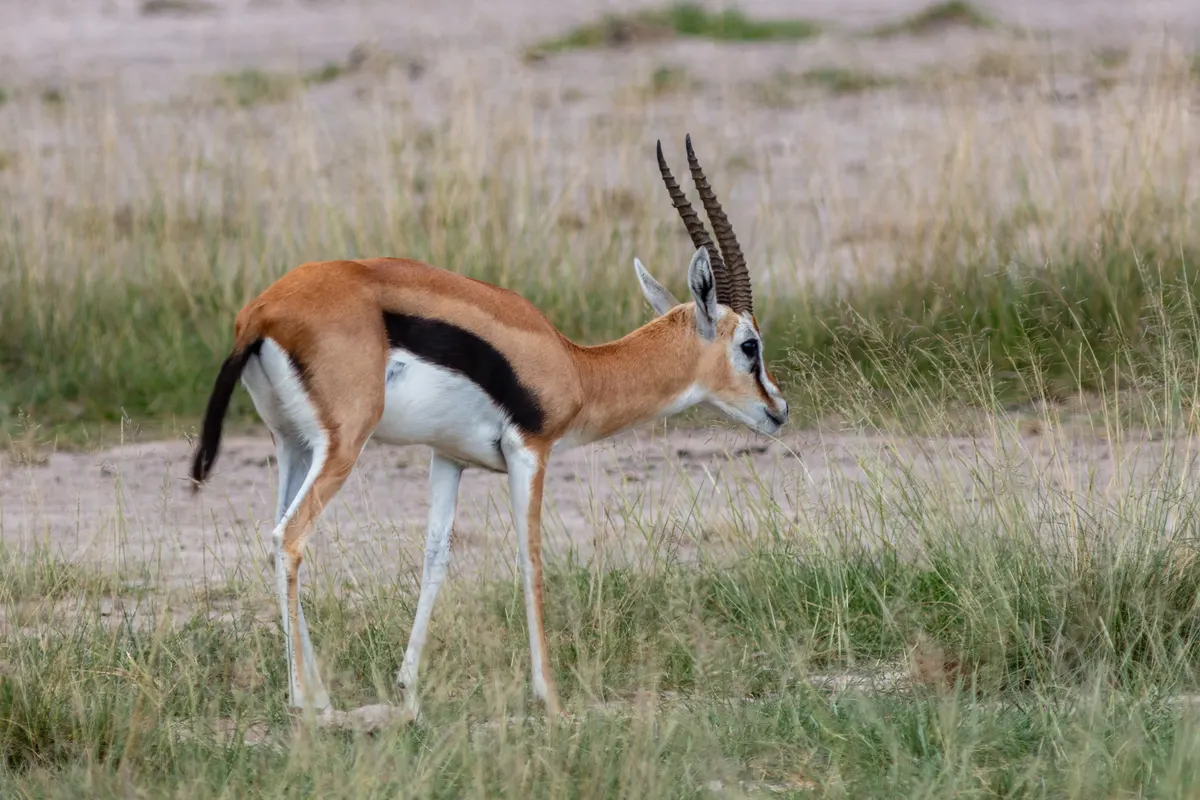
Gazelles are generally small to medium-sized antelopes. Depending heavily on the specific species, they range in body length from 3 to 5.5 feet and stand 2 to 3 feet high at the shoulder, with weights spanning a broad spectrum from a delicate 26 pounds to a robust 165 pounds.
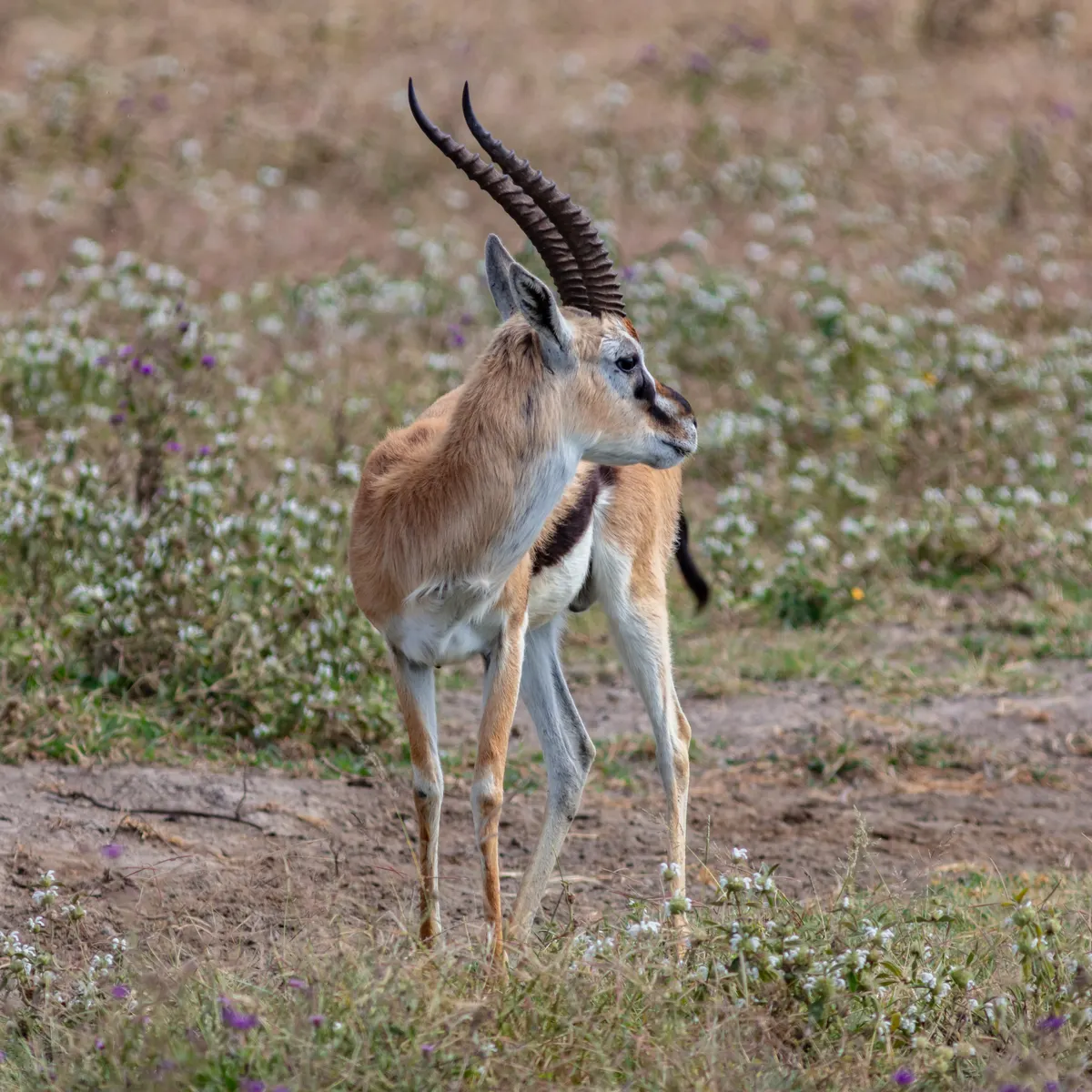
Their anatomy is ruthlessly optimized for aerodynamics and velocity. They possess exceptionally slender, elongated distal limb bones terminating in small, specialized hooves, which minimize the metabolic cost of swinging the leg during a high-speed sprint. Both sexes of most species possess heavily ringed, gracefully curved horns utilized primarily in intraspecific combat and predator defense.
Their sensory apparatus is highly developed to detect threats across vast distances. Their massive eyes are positioned laterally on the skull, granting them a near-360-degree panoramic field of vision, highly sensitive to the slightest movement in the tall grass. Furthermore, their large pinnae (ears) are highly mobile, funneling acoustic data to detect the stealthy approach of felid predators. To manage the massive thermal load generated during a 60 mph sprint, gazelles possess a specialized network of blood vessels known as the carotid rete, which acts as a biological radiator, cooling the blood before it enters the brain to prevent catastrophic thermal damage.

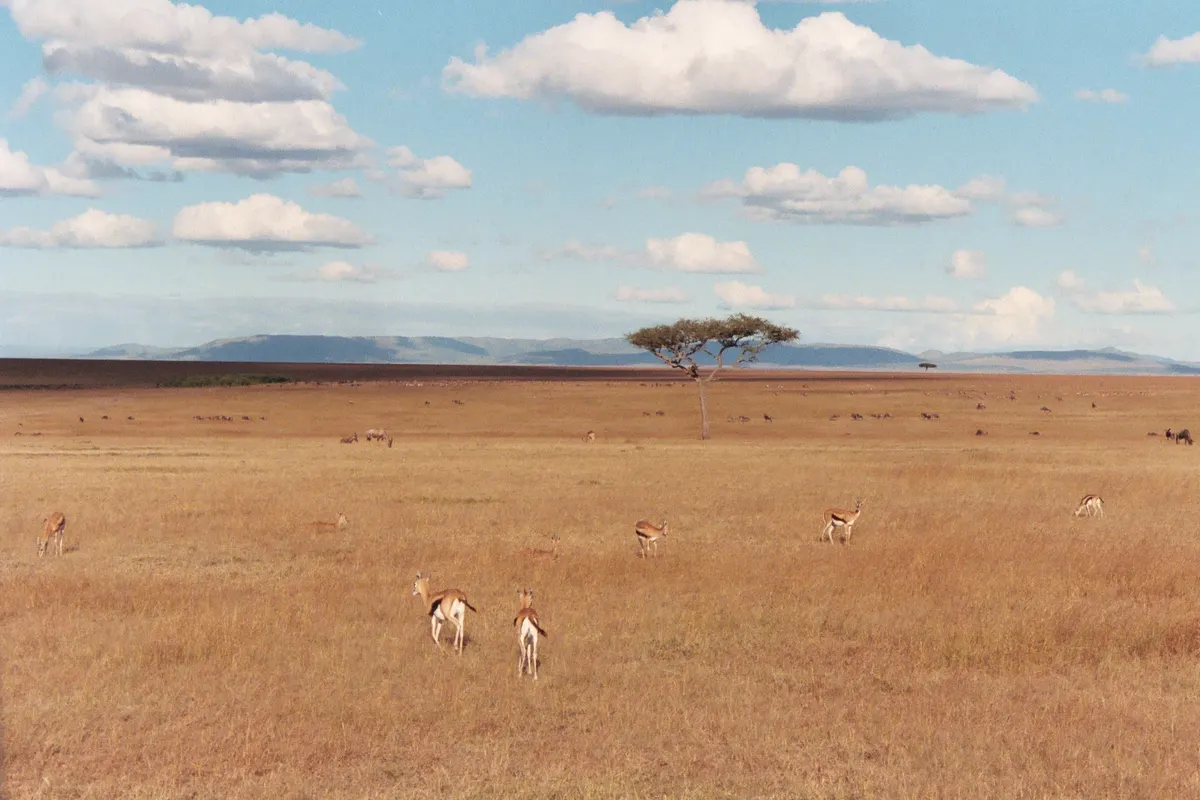
The geographic distribution of gazelle species forms a massive band spanning the African continent (particularly East and North Africa) and extending deeply into the Middle East, the Indian subcontinent, and the steppes of Central Asia.
They are obligate inhabitants of open, arid environments. Their preferred biomes include expansive tropical savannas, dry short-grass prairies, semi-arid shrublands, and true deserts. They specifically avoid dense woodlands and closed-canopy forests, as their primary anti-predator strategy—early visual detection and high-speed cursorial evasion—is completely nullified in environments with obstructed lines of sight.

As herbivorous ruminants, gazelles possess a specialized four-chambered stomach to ferment and extract nutrients from highly fibrous plant matter. Depending on the species and the season, they alternate between two primary feeding strategies: grazing and browsing.
During the wet season, when fresh vegetation is abundant, they primarily graze on low-lying, nutrient-dense short grasses. As the dry season encroaches and grasses desiccate, they demonstrate dietary plasticity by shifting to browsing. Utilizing their narrow muzzles and mobile lips, they selectively pluck tender dicot leaves, highly nutritious herbaceous shoots, and seed pods from thorny acacia bushes.
Remarkably, many desert-adapted gazelle species (such as Grant's gazelle) can endure extended periods without accessing standing drinking water. They extract the vast majority of their required hydration directly from the moisture content of the foliage they consume, foraging at night or early morning when dew coats the vegetation.

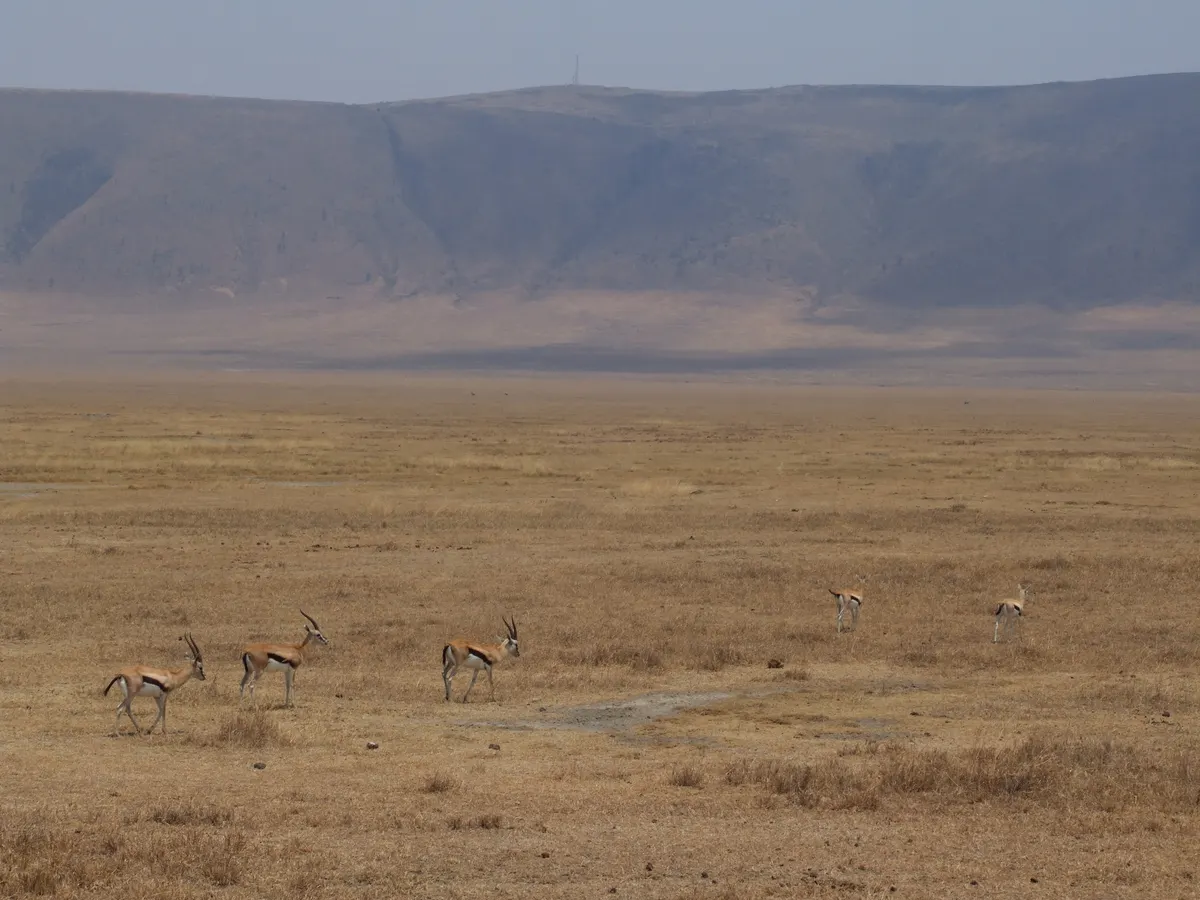
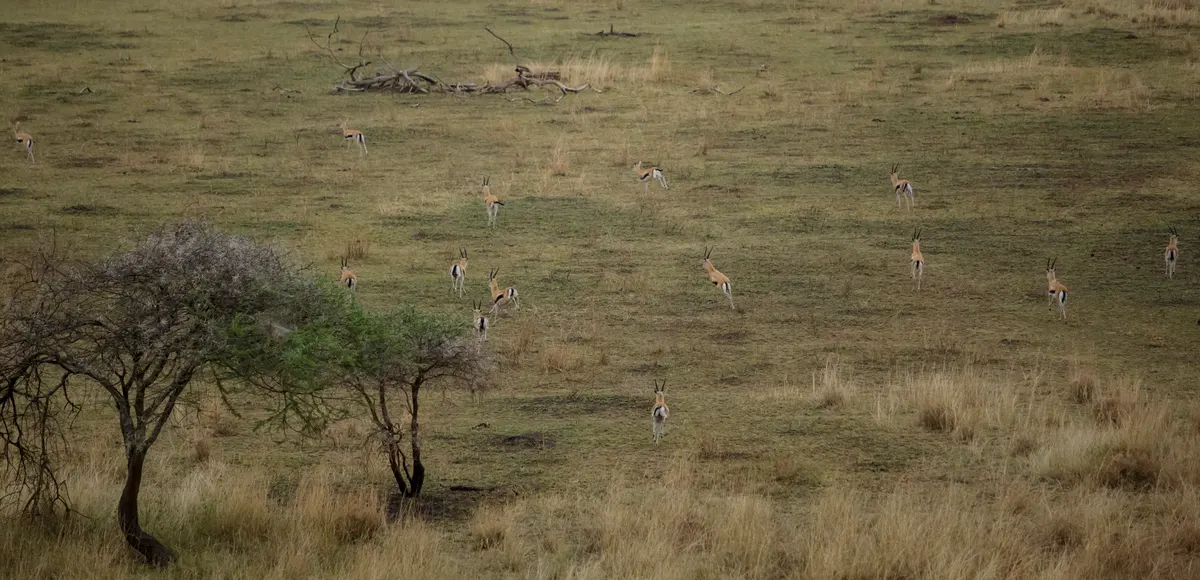
Gazelles are highly gregarious, forming loose, fluid herds that can range from small bachelor groups of a dozen individuals to massive, transient aggregations numbering in the thousands during seasonal migrations. Living in a herd provides critical anti-predatory benefits via the "many eyes" hypothesis; a larger group exponentially increases the probability of detecting a stalking predator early.
When a predator is detected, a gazelle's behavior is startlingly counter-intuitive. Rather than instantly fleeing, they often engage in a highly specialized, energetic behavior known as "stotting" or "pronking." The gazelle leaps vertically into the air with a stiff-legged posture, landing on all four hooves simultaneously. Biologists hypothesize that stotting serves as an honest biological signal to the predator (such as a cheetah or African wild dog), communicating high fitness and immense energy reserves, essentially stating: "I have seen you, and I am too fast to catch; do not waste your energy."
During the breeding rut, dominant adult males become intensely territorial. They aggressively demarcate their zones using preorbital gland secretions on grass stems and vigorously defend harems of females against rival males through violent, clashing horn combat.

The reproductive cycle of the gazelle is intricately timed to ensure parturition (birth) aligns with the onset of seasonal rains and subsequent vegetation flushes, maximizing the nutritional intake of the lactating female.
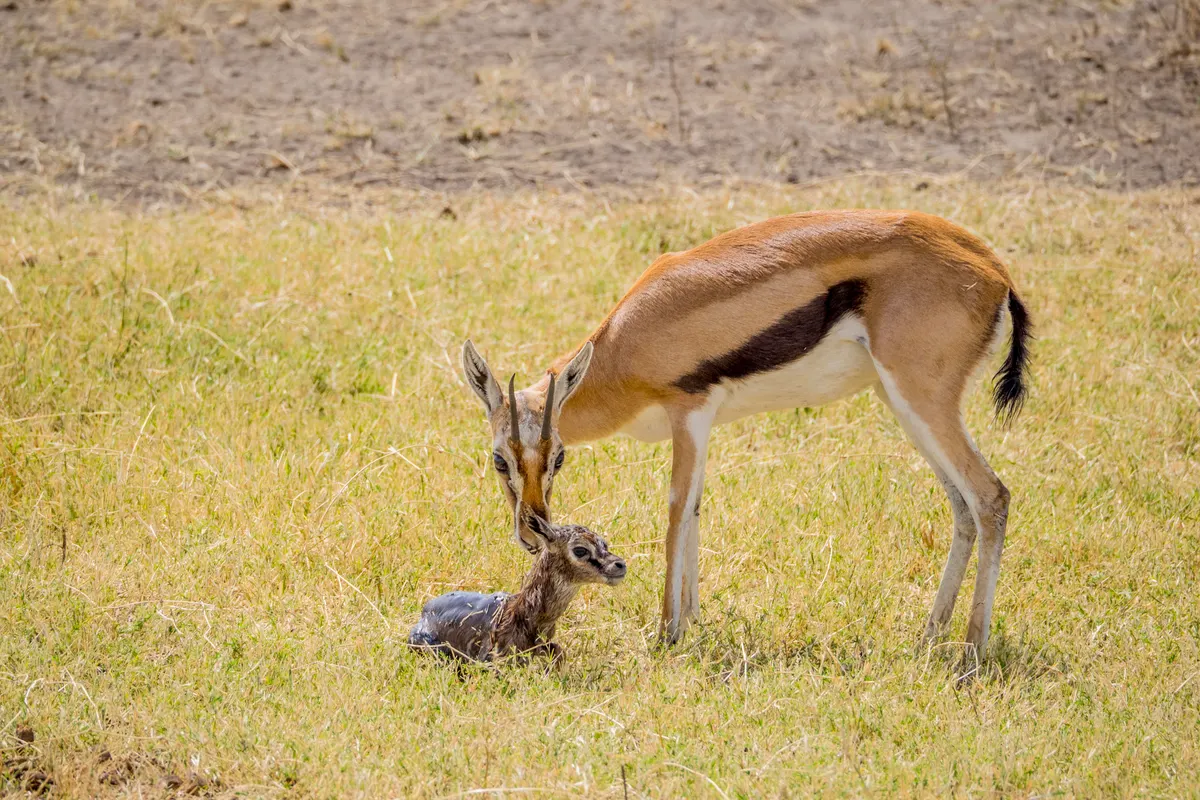
Following a gestation period of approximately 5 to 6 months, the female departs from the main herd to locate heavy cover. She gives birth to a single, highly precocial fawn. Despite being capable of standing and nursing within minutes of birth, the fawn lacks the speed to outrun predators. Therefore, they employ a "hider" strategy. The mother leaves the fawn concealed in tall grass, returning only briefly to nurse. The fawn's cryptic coloration and lack of a strong scent profile protect it from prowling jackals and eagles.
After several weeks, when the fawn has developed sufficient musculoskeletal strength, it officially joins the herd alongside its mother. Gazelles face astronomical mortality rates during their first year. Those that survive the predatory gauntlet of the savanna can achieve lifespans of 10 to 12 years in the wild.
(Population and conservation trend data sourced from the IUCN Red List of Threatened Species)
The conservation status of gazelles varies wildly depending on the specific species, ranging from "Least Concern" for Thomson's gazelle to "Critically Endangered" for the Dama gazelle. Overall, many populations are experiencing sharp downward trends.
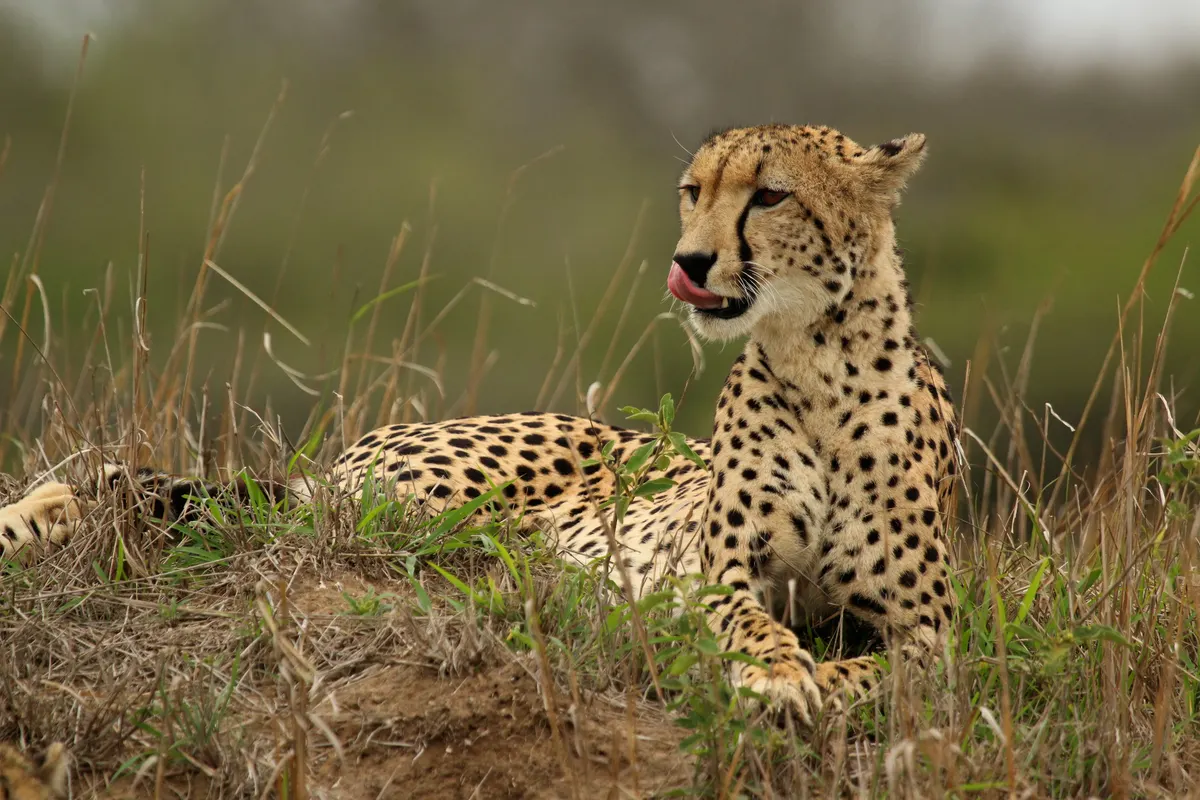
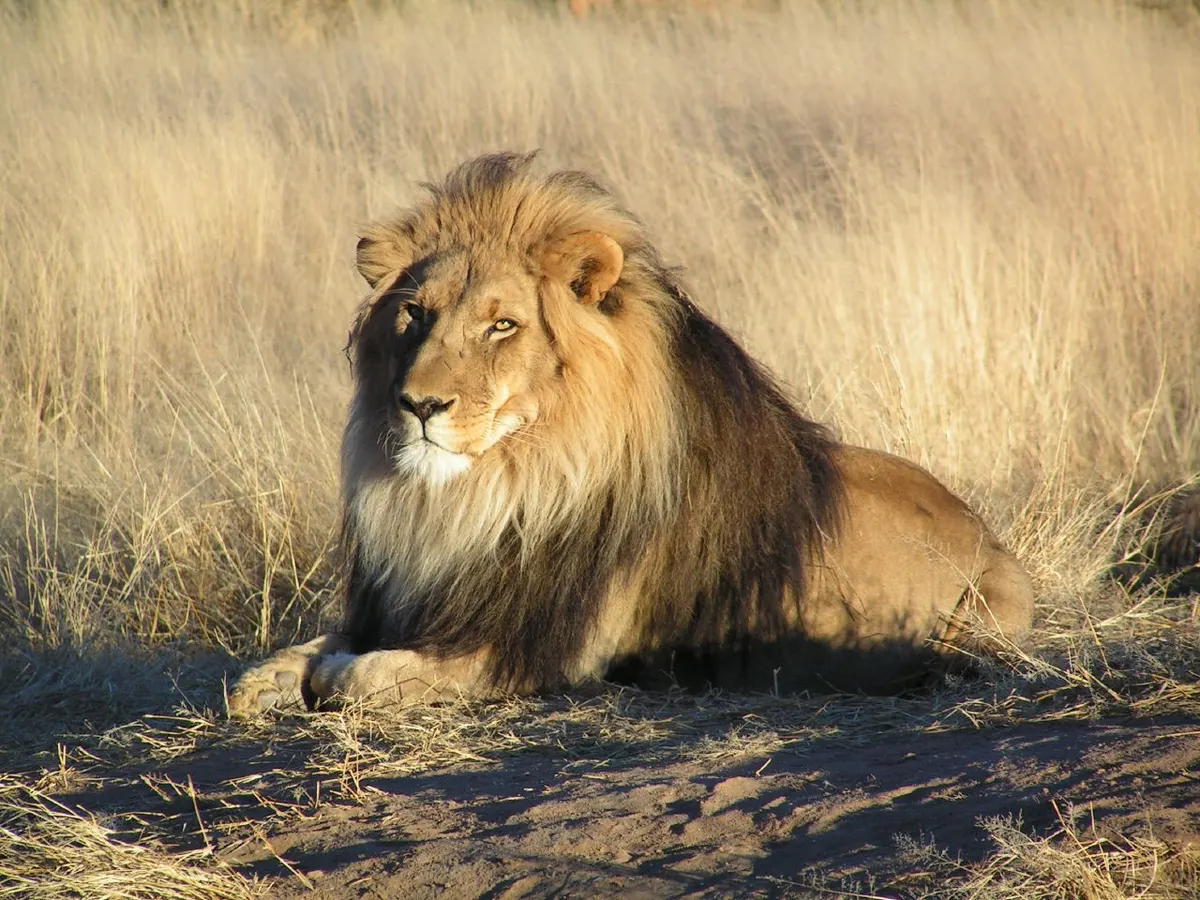
While they are heavily preyed upon by lions, leopards, and cheetahs, these natural dynamics do not threaten the species' survival. The catastrophic declines are driven entirely by anthropogenic pressures. Rampant, unregulated overhunting for meat and sport has decimated populations across North Africa and the Middle East. Furthermore, severe habitat degradation due to agricultural expansion and overgrazing by domestic livestock directly starves out wild gazelle herds, fragmenting their historical migration routes and isolating shrinking populations.
Many gazelles perform high leaps called stotting or pronking.
Gazelles can make sharp turns while running at high speed.
A baby gazelle is called a fawn.
Gazelles often live in herds that help them watch for predators.
Wide eyes on the sides of the head help gazelles spot danger.
Some gazelles can go a long time with little standing water.
Select a question to reveal the answer.
A gazelle is a small to medium antelope with slender legs, large eyes, and quick speed. Gazelles usually live in open grasslands and savannas.
Gazelles live in parts of Africa and Asia, especially grasslands, savannas, and other open habitats.
Gazelles are herbivores. They eat grasses, leaves, herbs, and tender shoots.
Many gazelles can run about 50 to 60 miles per hour and make quick turns to escape predators.
Gazelles may leap high to show they are strong, confuse predators, or help the herd notice danger.
A baby gazelle is called a fawn. Fawns often lie still and hidden when they are very young.
Yes. Many gazelles live in herds, which helps them watch for danger and move together across open country.
Some gazelle species are doing fairly well, while others are in trouble. This page uses a general gazelle profile, so local conservation status can differ by species.