Hippopotamus Facts
"Hippos can hold their breath for several minutes underwater."
Hippos are huge river mammals with barrel-shaped bodies and enormous mouths. They spend the day in water to stay cool, graze on grass at night, and live in...
Loading page content

"Hippos can hold their breath for several minutes underwater."
Hippos are huge river mammals with barrel-shaped bodies and enormous mouths. They spend the day in water to stay cool, graze on grass at night, and live in...
Hippopotamus amphibiusArtiodactylaHippopotamidae
Explore hippopotamus photos organized for learning and classroom observation.
Click any photo to view it larger. 8 images available.
Core article
Habitat, diet, behavior, and more — everything on one page.
Lurking beneath the murky surface of sub-Saharan Africa's rivers, lakes, and expansive wetlands is one of the continent's most formidable and deceivingly dangerous megafauna: the hippopotamus (Hippopotamus amphibius). Often caricatured in popular culture as a sluggish, comical creature, the biological reality of the hippo is starkly different. As the third-largest extant land mammal on Earth—surpassed only by elephants and certain rhinoceros species—the hippopotamus is an aggressively territorial, immensely powerful semi-aquatic giant. Perfectly adapted to a life suspended between the aquatic and terrestrial realms, they are ecosystem engineers, significantly altering the hydrology and nutrient cycles of their habitats. Armed with crushing jaws, lethal ivory canines, and a volatile temperament, the hippopotamus commands absolute respect from both wildlife and humans, ruling the waterways of Africa with an iron, water-logged fist.
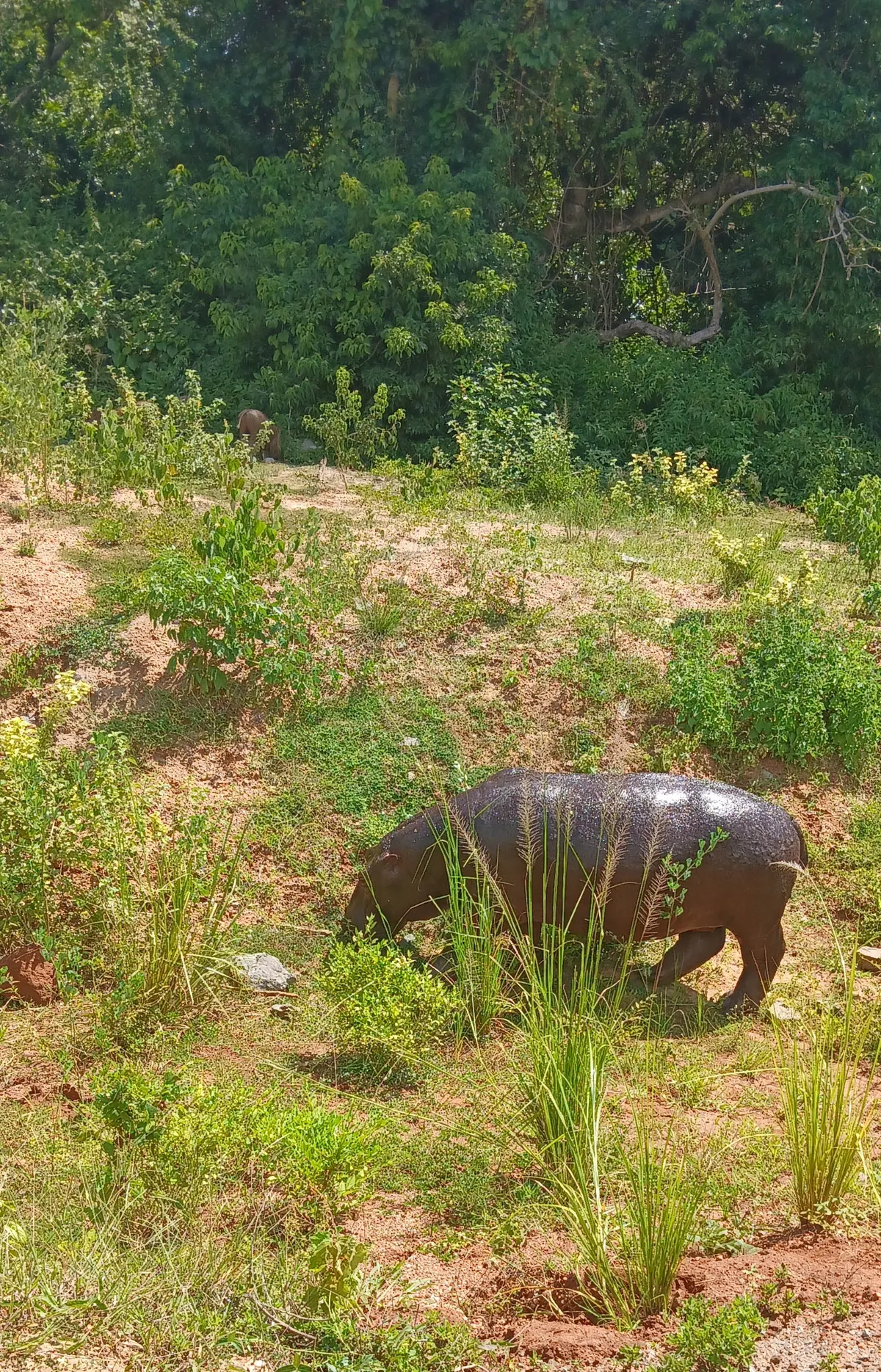
The scientific classification of the hippopotamus places it within a fascinating and somewhat surprising evolutionary lineage. It belongs to the kingdom Animalia, phylum Chordata, class Mammalia, and the order Artiodactyla, which comprises the even-toed ungulates (hoofed mammals) such as deer, cattle, and pigs. Within this order, it resides in the family Hippopotamidae. The common hippopotamus (Hippopotamus amphibius) is one of only two extant species in this family, the other being the much smaller, secretive pygmy hippopotamus (Choeropsis liberiensis) of West Africa.
For centuries, naturalists assumed, based on dental and molar morphology, that hippos were closely related to pigs (Suidae). However, modern genomic sequencing and cladistic analysis have fundamentally rewritten their evolutionary history. DNA evidence conclusively proves that the closest living evolutionary relatives to the Hippopotamidae are actually the Cetaceans—whales, dolphins, and porpoises. The common ancestor of hippos and whales, likely a semi-aquatic artiodactyl, diverged approximately 55 million years ago. While the cetacean lineage transitioned entirely to the marine environment, the hippopotamid lineage remained semi-aquatic, dominating the freshwater river systems of the African continent.
The anatomy of a hippopotamus is a masterclass in extreme semi-aquatic adaptation. They are colossally heavy, with adult males (bulls) significantly larger than females (cows). A mature male typically measures between 10 to 16 feet in length, stands up to 5.5 feet at the shoulder, and can weigh an astonishing 3,300 to over 4,400 pounds. Despite their massive, barrel-shaped bodies and seemingly stubby legs, hippos are surprisingly agile on land, capable of reaching speeds up to 19 mph in short, explosive bursts when charging a threat.
Their cranial morphology is uniquely adapted for an amphibious lifestyle. The eyes, ears, and nostrils are positioned high on the absolute top of the skull. This allows the hippo to remain almost entirely submerged—keeping its massive body cool and hidden—while still being able to see, hear, and breathe effortlessly above the water line. When they submerge completely, specialized muscular valves tightly seal their ears and nostrils to prevent water ingress.
The skin of a hippopotamus is exceptionally thick—up to 2 inches (5 cm) on their flanks—providing armor against the tusks of rival males and the teeth of predators. Because they lack true sebaceous sweat glands, their skin is highly sensitive to the brutal African sun. To combat this, they secrete a highly specialized, viscous red fluid colloquially known as "blood sweat." This secretion is neither blood nor sweat; it is a complex glandular fluid containing microscopic pigments that act as a potent biological sunscreen, absorbing ultraviolet rays, while also exhibiting powerful antibacterial properties to prevent infection in the muddy, pathogen-rich waters they inhabit. Their jaws are arguably their most terrifying weapon, capable of opening to a massive 150 to 180 degrees, revealing self-sharpening ivory canine teeth that can reach 20 inches in length.

The geographic distribution of the hippopotamus is strictly confined to sub-Saharan Africa. Historically, they ranged from the Nile Delta in Egypt all the way down to the Cape of Good Hope. Today, their range is heavily fragmented, but they remain widely distributed across countries such as Kenya, Tanzania, Uganda, Botswana, Zambia, South Africa, Namibia, Zimbabwe, and the Democratic Republic of the Congo.
The absolute prerequisite for hippopotamus habitat is access to permanent, slow-moving freshwater. They inhabit a variety of aquatic biomes, including large rivers, lakes, vast marshlands, and inland deltas, most notably the Okavango Delta. The water must be deep enough to allow them to completely submerge their massive bodies, serving as crucial thermoregulatory protection from the intense equatorial heat.
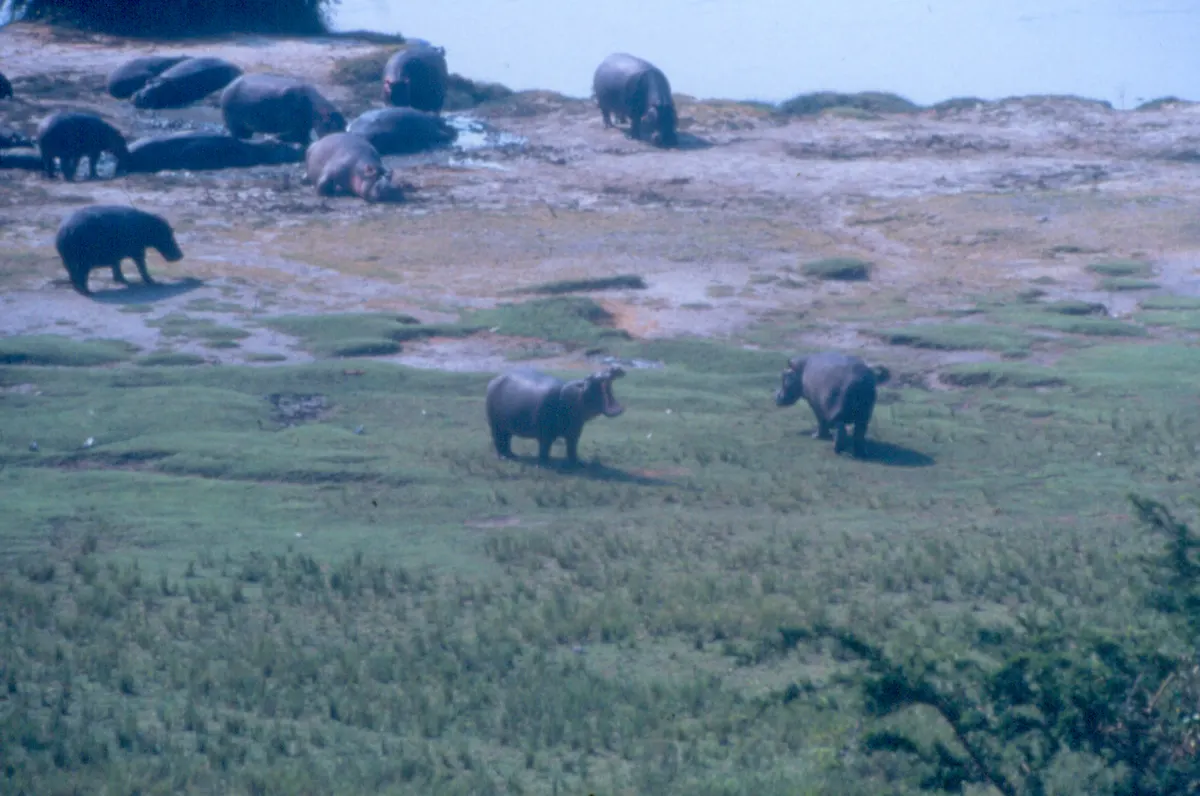
However, water is only half of their habitat requirement. Adjacent to the waterways must be extensive, open savannas or grasslands. These terrestrial zones, known as "hippo lawns," are essential for their nocturnal grazing. The presence of a hippo pod significantly alters the landscape; their massive weight carves deep, permanent channels through reed beds and swamps, creating vital waterways utilized by myriad other aquatic species, solidifying their role as keystone ecosystem engineers.

Despite their terrifying dental weaponry and massive size, hippopotamuses are obligate herbivores, strictly consuming plant matter. Their feeding strategy is characterized by a stark diurnal shift. During the day, they remain largely inactive in the water, rarely feeding on aquatic vegetation. However, as the sun sets and the temperature drops, the pod leaves the safety of the water, trekking up to several miles inland to graze on the terrestrial savanna.
Their primary food source is short, highly nutritious grass. A large adult hippo requires approximately 80 to 100 pounds of grass every single night to sustain its massive bulk. Unlike ruminants such as cattle, hippos do not chew the cud. Instead, they possess a massive, complex, three-chambered stomach that functions as a highly efficient fermentation vat, allowing them to extract maximum nutrients from relatively low-quality forage.
Their lips are broad, wide, and highly muscular, perfectly designed for gripping and tearing grass close to the root, functioning almost like a biological lawnmower. The massive ivory canines and incisors are not used for feeding at all; they are strictly weapons utilized for combat and defense. After several hours of nocturnal grazing, they follow their heavily worn, distinct paths—often called "hippo trails"—back to the exact same stretch of river before dawn breaks.

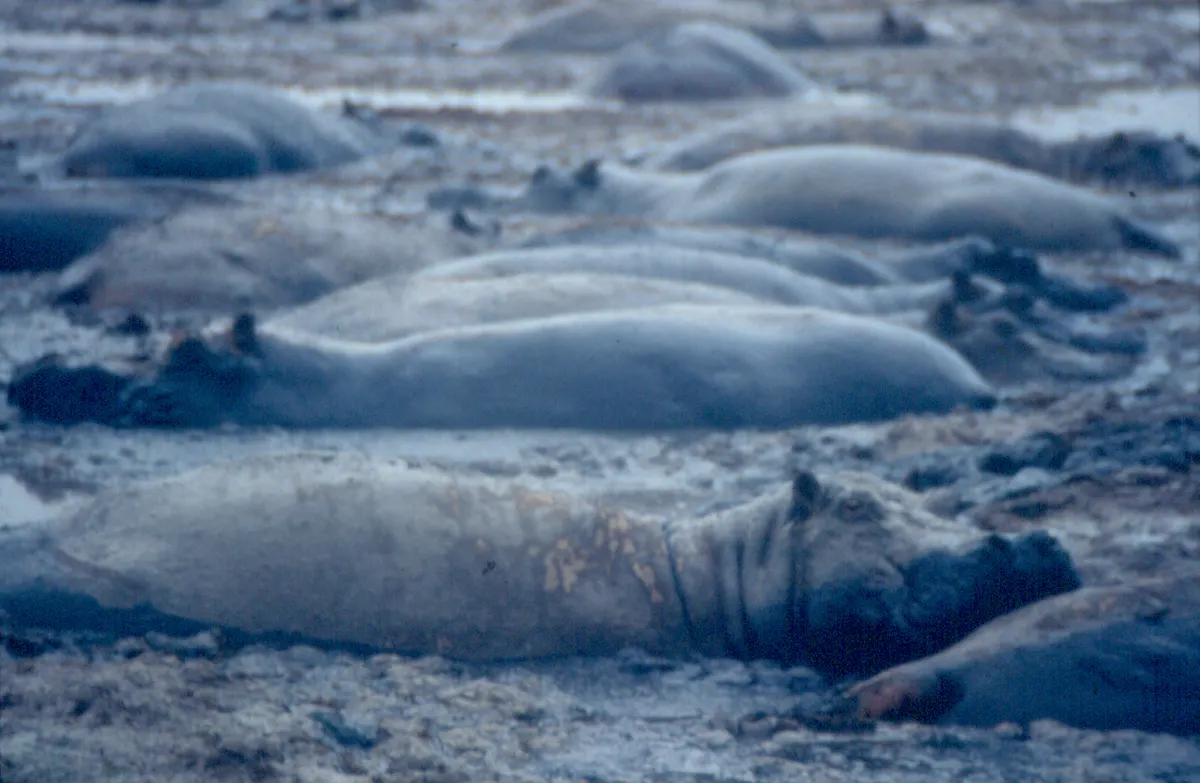
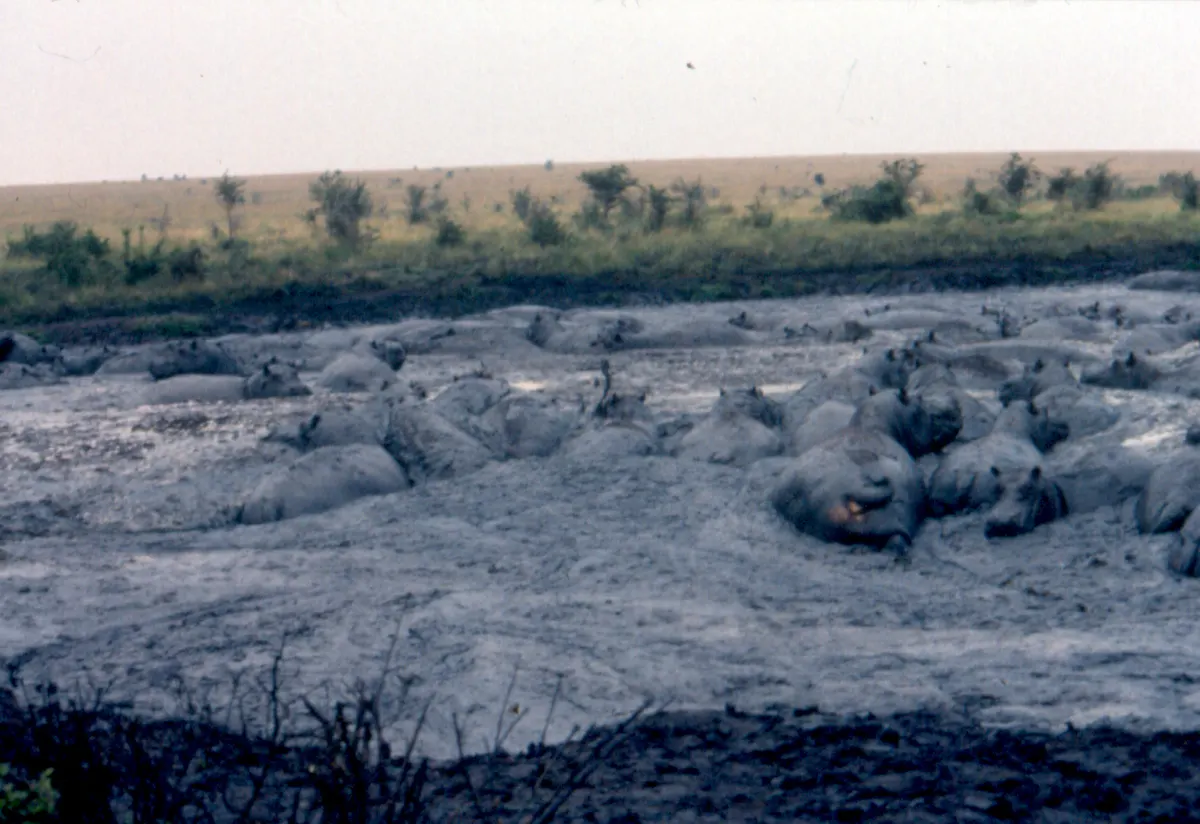
The social structure of the hippopotamus is complex, highly aggressive, and strictly governed by territoriality. They aggregate in groups known as pods or bloats, typically consisting of 10 to 30 individuals, though massive aggregations of over 100 can occur during severe dry seasons when water becomes scarce.
A pod is usually composed of a dominant, territorial adult male (the bull), a harem of females (cows), and their dependent offspring. Bachelor males are tolerated within the territory provided they display absolute submission to the dominant bull. The dominant bull ruthlessly defends his stretch of the river—often a few hundred yards of prime, deep water—against any rival males. To mark his territory, the bull engages in a behavior known as "muck-spreading," rapidly spinning his tail while defecating to scatter feces and urine over a wide area, creating an overwhelming olfactory boundary.
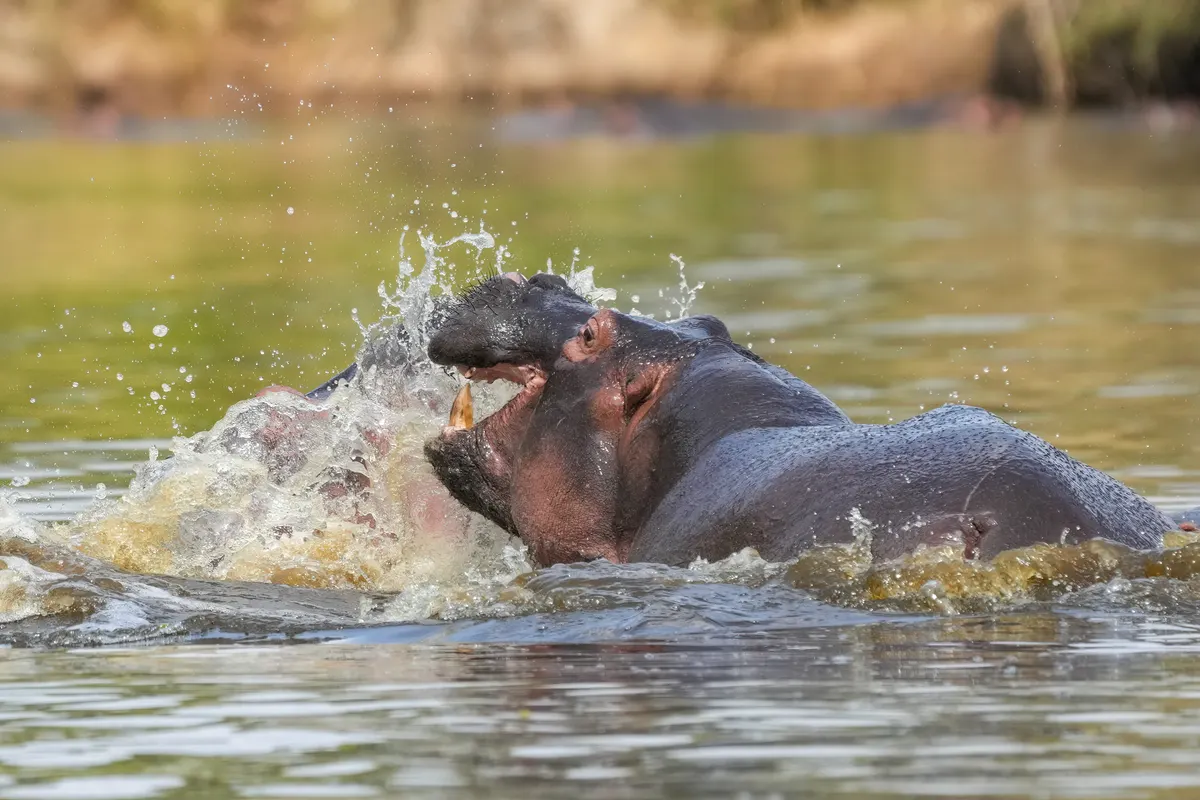
Aggressive interactions are frequent and brutal. When a rival challenges the dominant bull, the confrontation escalates from jaw-gaping threat displays to violent physical combat. The massive bulls slash at each other with their lethal ivory canines, frequently inflicting horrific, deep lacerations. It is a gritty, violent biological reality where the loser is often severely injured or killed. Furthermore, hippos are notoriously aggressive toward anything they perceive as a threat to their territory or their calves, including crocodiles, lions, and humans in small boats. They are statistically responsible for more human fatalities in Africa than almost any other large mammal.

The reproductive cycle of the hippopotamus is intimately tied to the aquatic environment. Mating occurs entirely underwater. Following a gestation period of approximately 8 months, the pregnant female isolates herself from the chaotic pod to find a quiet, shallow stretch of water or dense reed bed.
She gives birth to a single calf, incredibly, entirely underwater. To prevent drowning, the newborn calf must immediately instinctively kick its way to the surface to take its first breath of air. The calf is precocial, weighing roughly 50 to 100 pounds at birth, and is capable of swimming and walking almost immediately.
Maternal investment is incredibly high and fiercely protective. The mother will aggressively attack any perceived threat to her calf, including dominant bulls who have been known to commit infanticide in crowded, stressful conditions. Remarkably, the calf nurses underwater, instinctively closing its ears and nostrils while sealing its lips tightly around the mother's teat to prevent swallowing water. The calf remains closely dependent on its mother for about 18 months, gradually transitioning to a diet of solid grass. In the wild, if they survive the vulnerable juvenile years, hippopotamuses have a robust lifespan, typically living 40 to 50 years.
(Population and conservation trend data sourced from the IUCN Red List of Threatened Species)
The hippopotamus is currently classified as Vulnerable by the International Union for Conservation of Nature (IUCN), with the global population trend officially recorded as decreasing. While they are still relatively numerous in specific protected strongholds in East and Southern Africa, they are facing severe, escalating pressures.
The most significant threat to hippo populations is the relentless loss and degradation of their specialized freshwater habitat. As human populations expand rapidly across Africa, vital water resources are increasingly diverted for intensive agricultural irrigation and hydroelectric dam projects. This dries up essential rivers and wetlands, directly eliminating hippo habitat and forcing the animals into closer, inevitably violent conflict with local communities as they raid crops in desperation.
Furthermore, poaching remains a critical and growing threat. Hippos are heavily hunted for their meat (bushmeat) to feed local populations. More insidiously, as international crackdowns on elephant ivory have intensified, the black market has increasingly turned to hippopotamus teeth as a substitute. Hippo ivory is highly prized for carvings because it is softer and less prone to splitting than elephant ivory, leading to targeted, unsustainable slaughter. Comprehensive conservation strategies must focus on securing vital water rights for wildlife ecosystems, mitigating human-wildlife conflict, and rigorously combating the illegal ivory trade to ensure the survival of Africa's river giants.
Hippos can hold their breath for several minutes underwater.
Despite living in water, hippos cannot swim—they push off the bottom or walk.
Hippo sweat looks reddish and may help protect their skin from sun and germs.
A hippo's mouth can open nearly 180 degrees during a threat display.
Hippos graze for hours at night and may eat more than 80 pounds of grass.
Baby hippos are born underwater and must swim to the surface to breathe.
Select a question to reveal the answer.
A hippopotamus, often called a hippo, is a huge plant-eating mammal that lives in African rivers and lakes. Hippos spend much of the day in water.
Wild hippos live in rivers, lakes, and wetlands across sub-Saharan Africa. They need deep water for daytime resting and nearby grassland for feeding.
Hippos are herbivores that mainly eat grass. They leave the water at night to graze on land.
Yes. Hippos are unpredictable and very strong. They can charge boats or people who get too close, especially on land or near calves.
Water keeps their huge bodies cool under the hot African sun and helps protect them from biting insects and some predators.
Hippos are listed as Vulnerable. Hunting and habitat loss have reduced their numbers in many countries.
A baby hippo is called a calf. Calves stay close to their mothers for protection and nursing.