
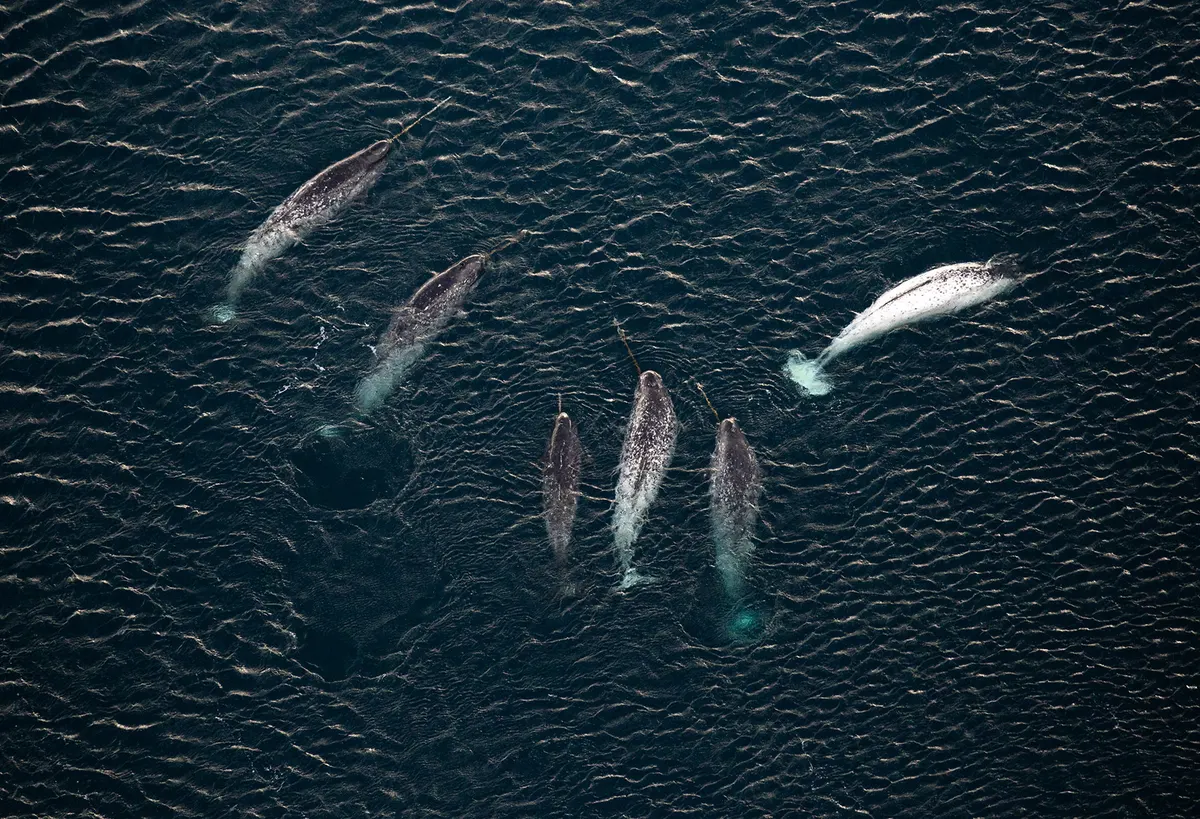
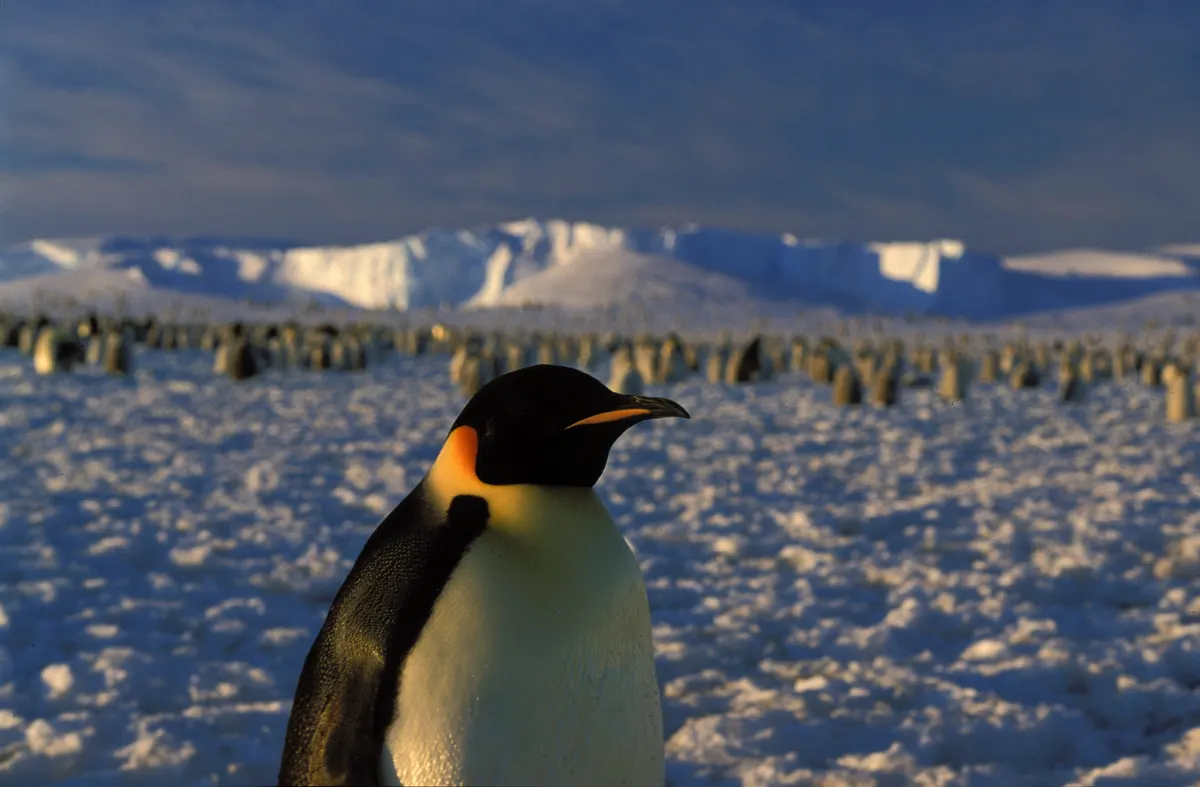
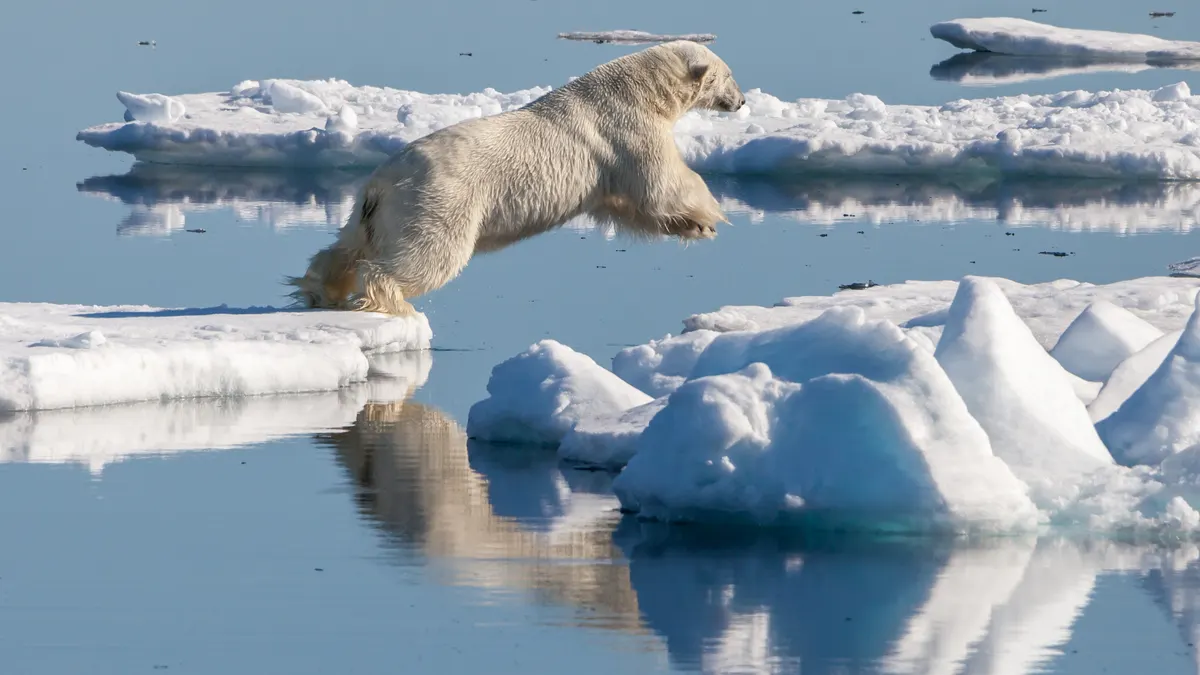
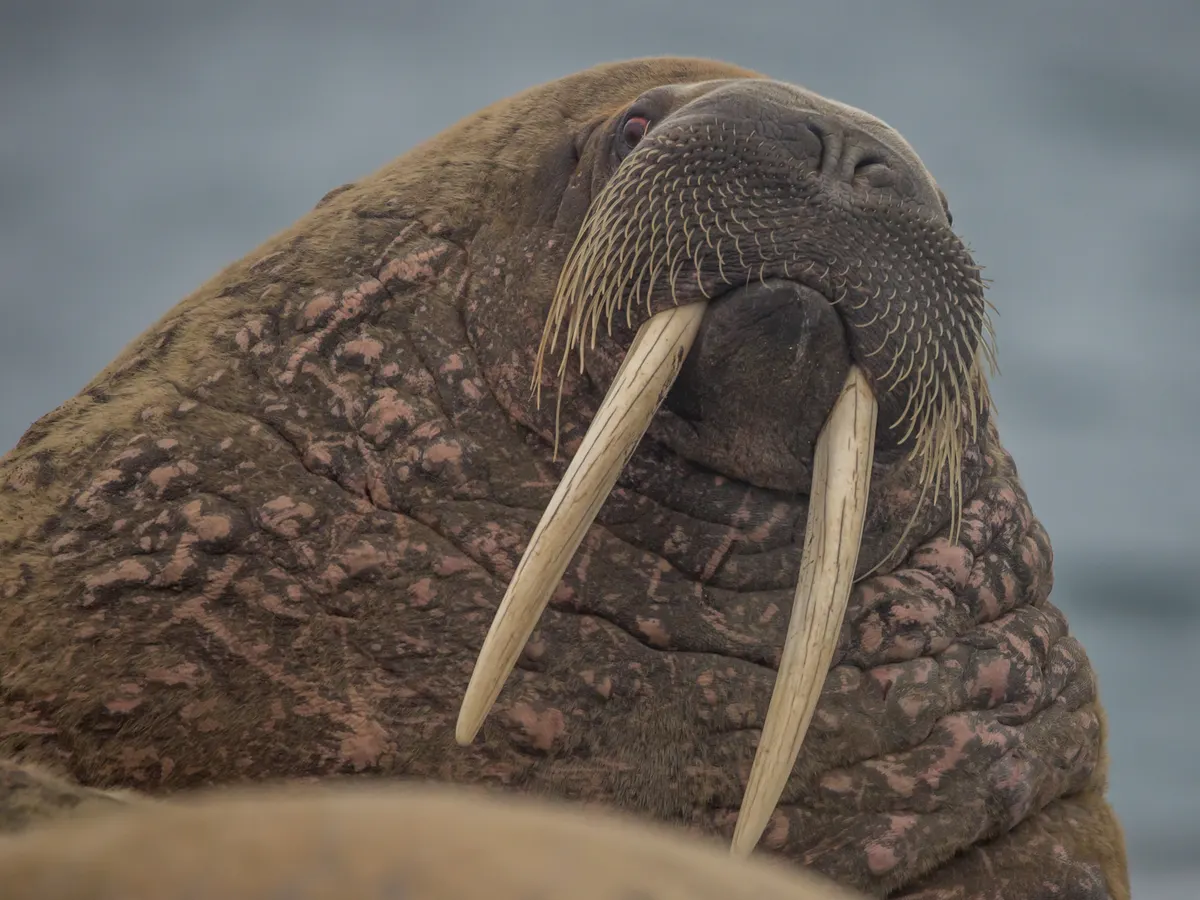
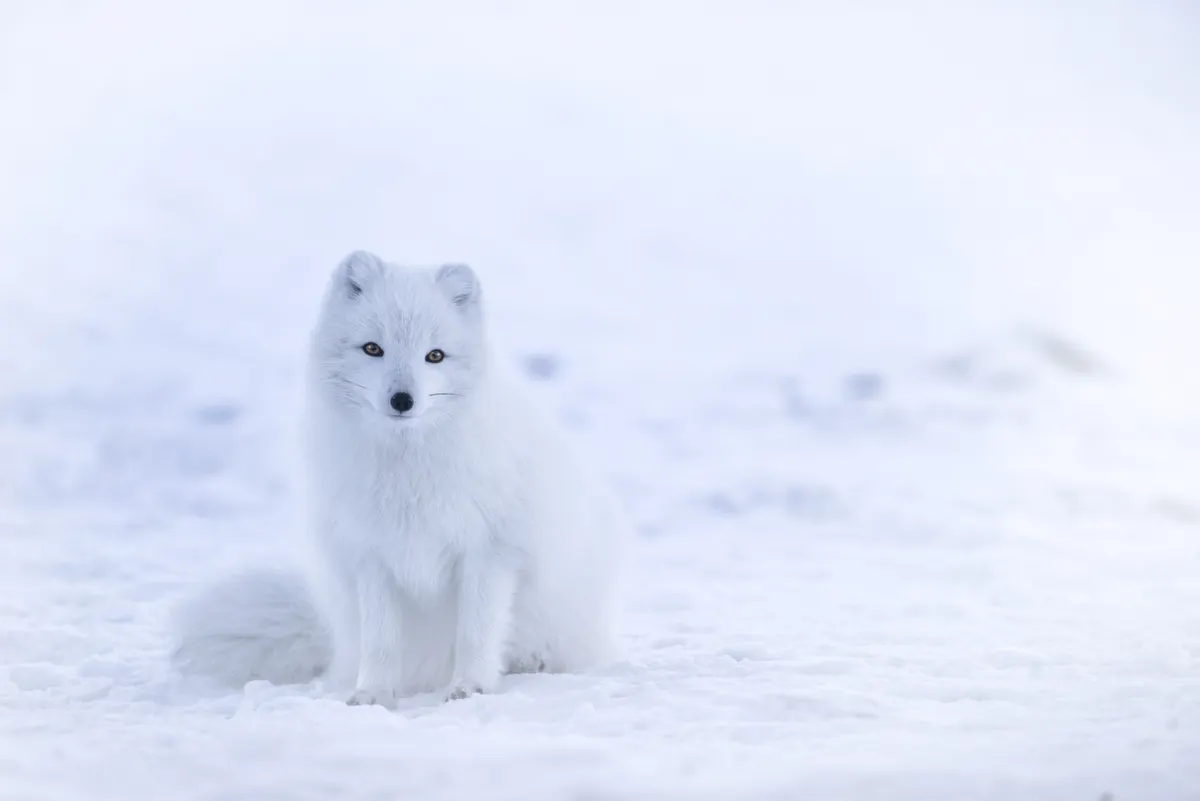
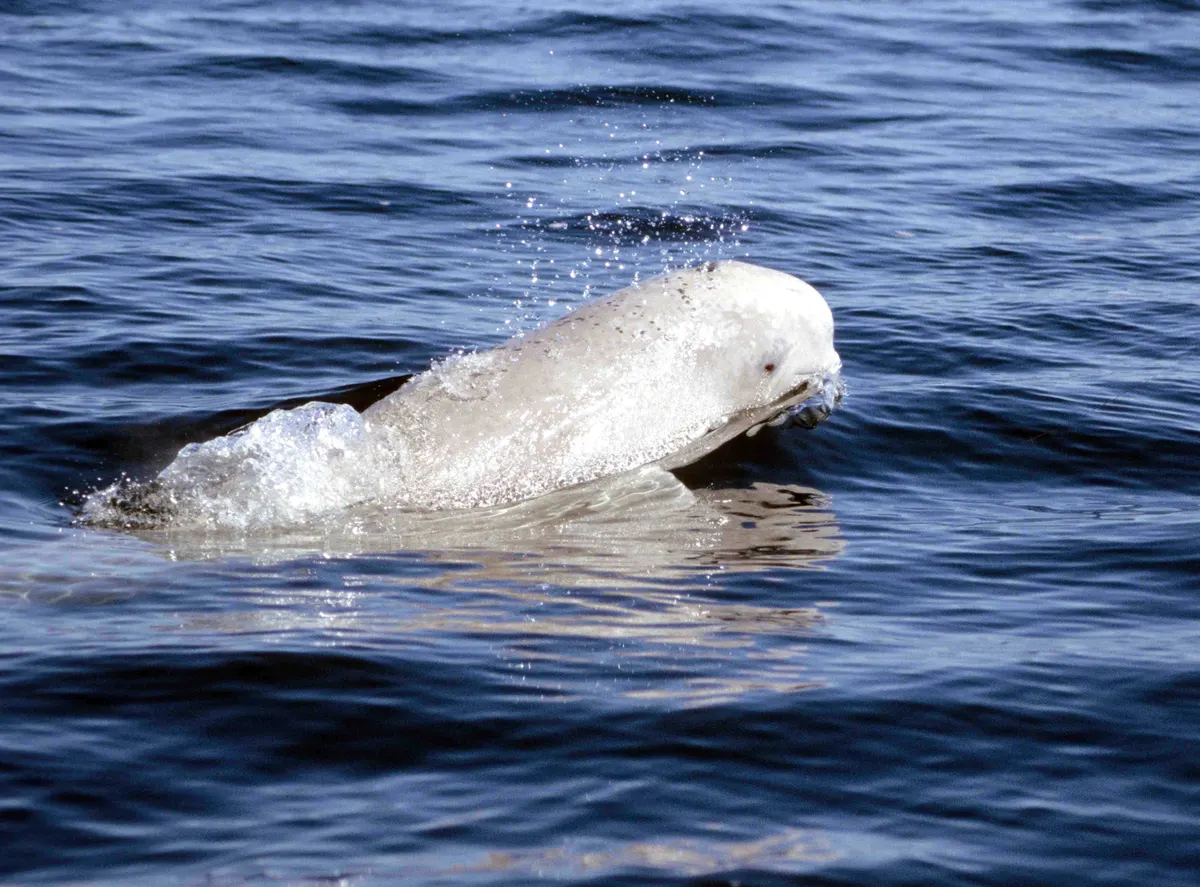
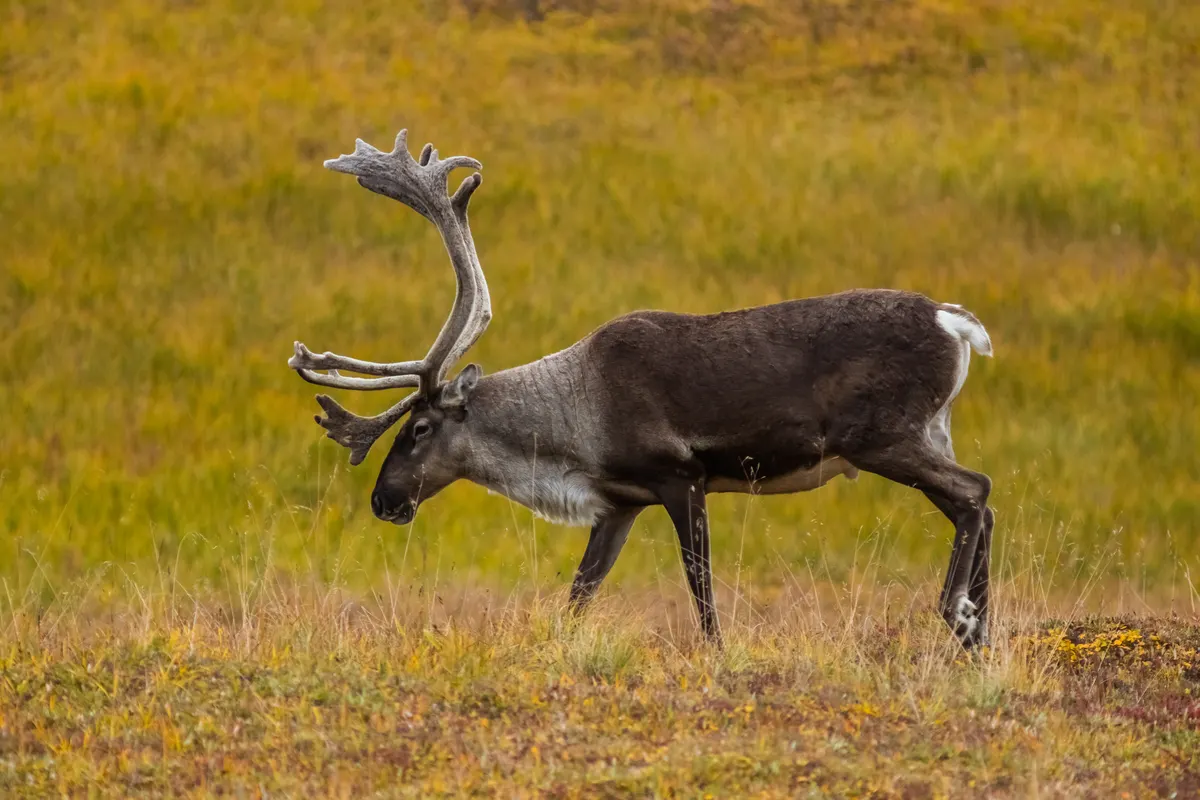
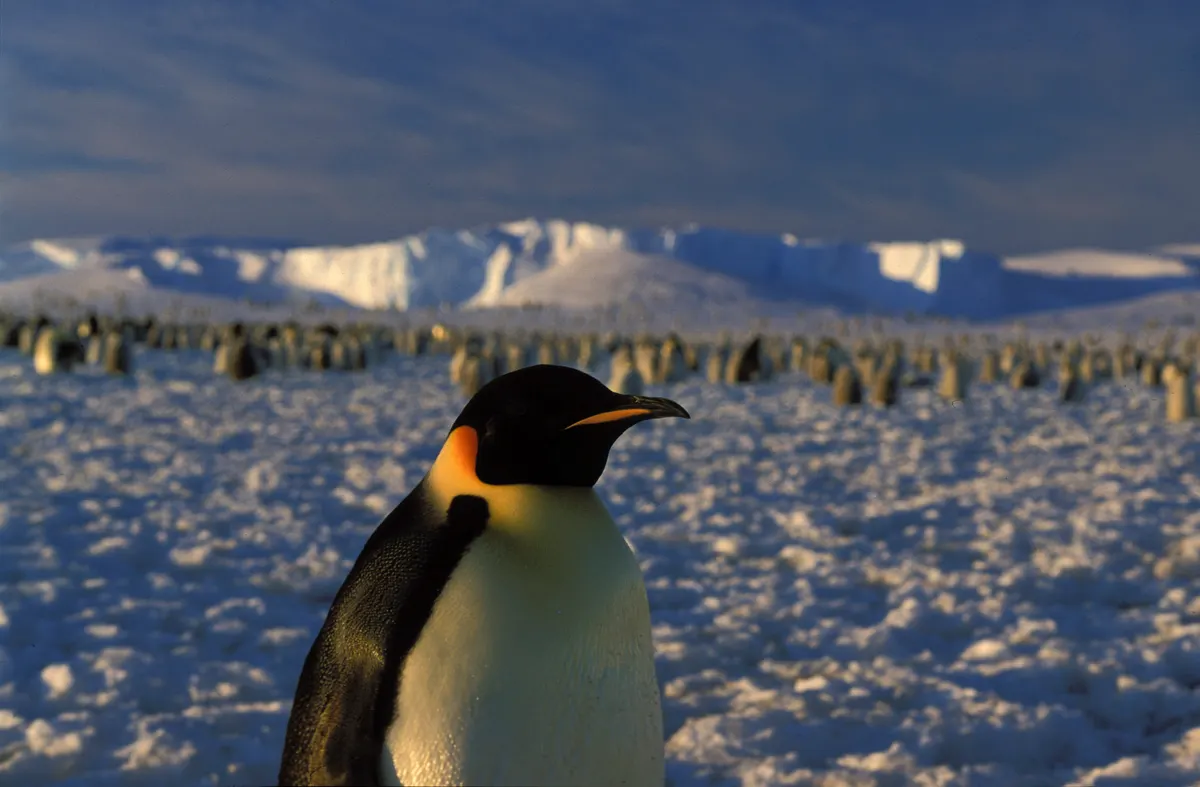
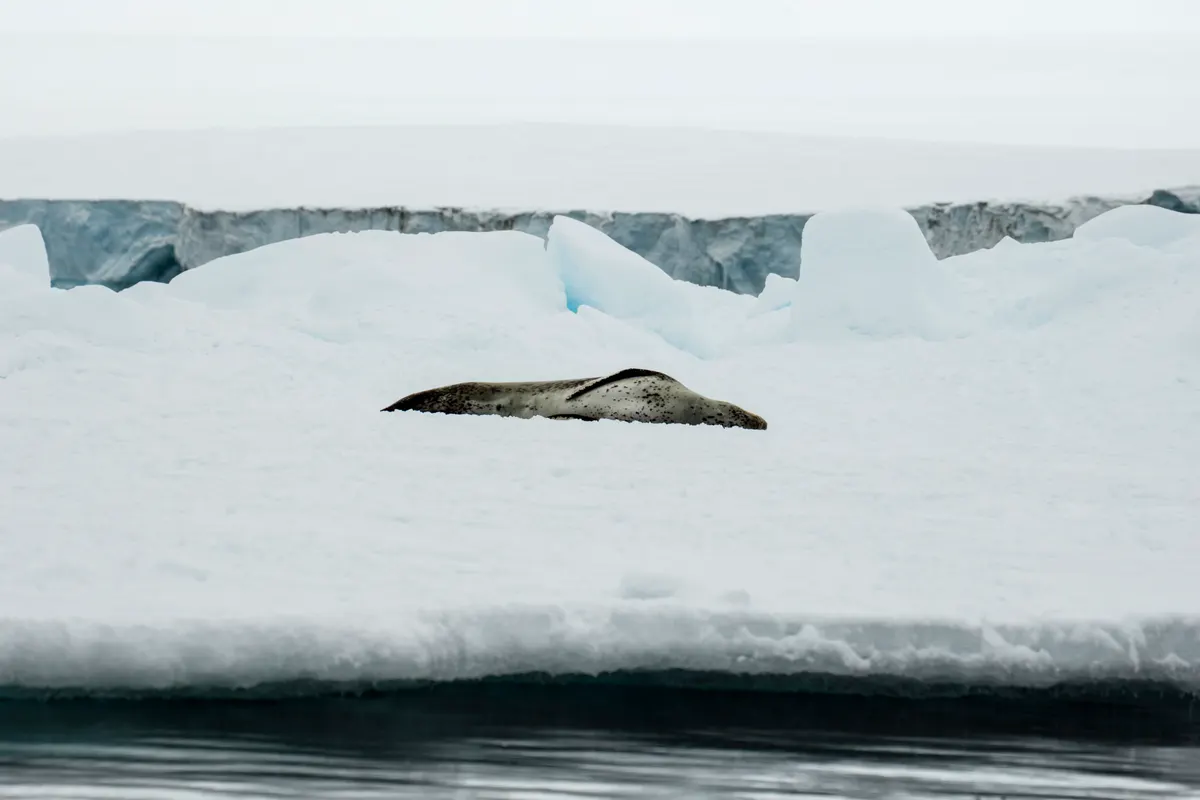
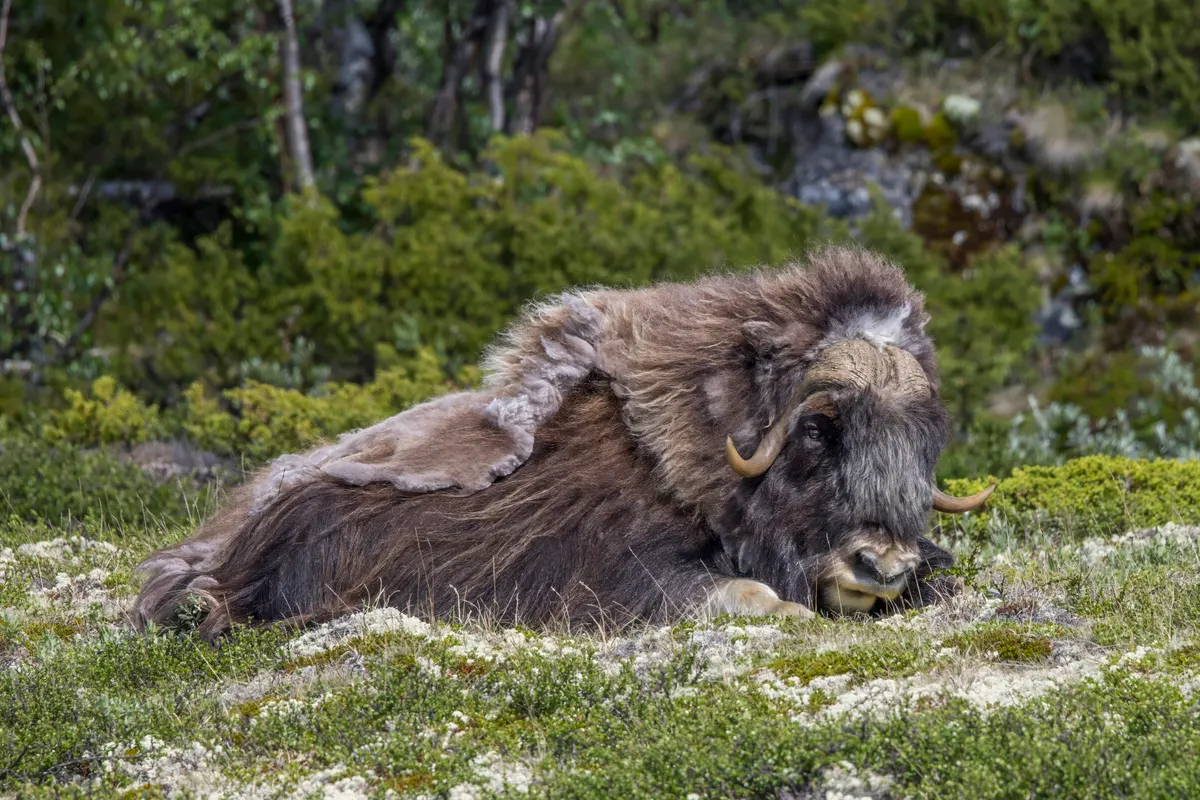
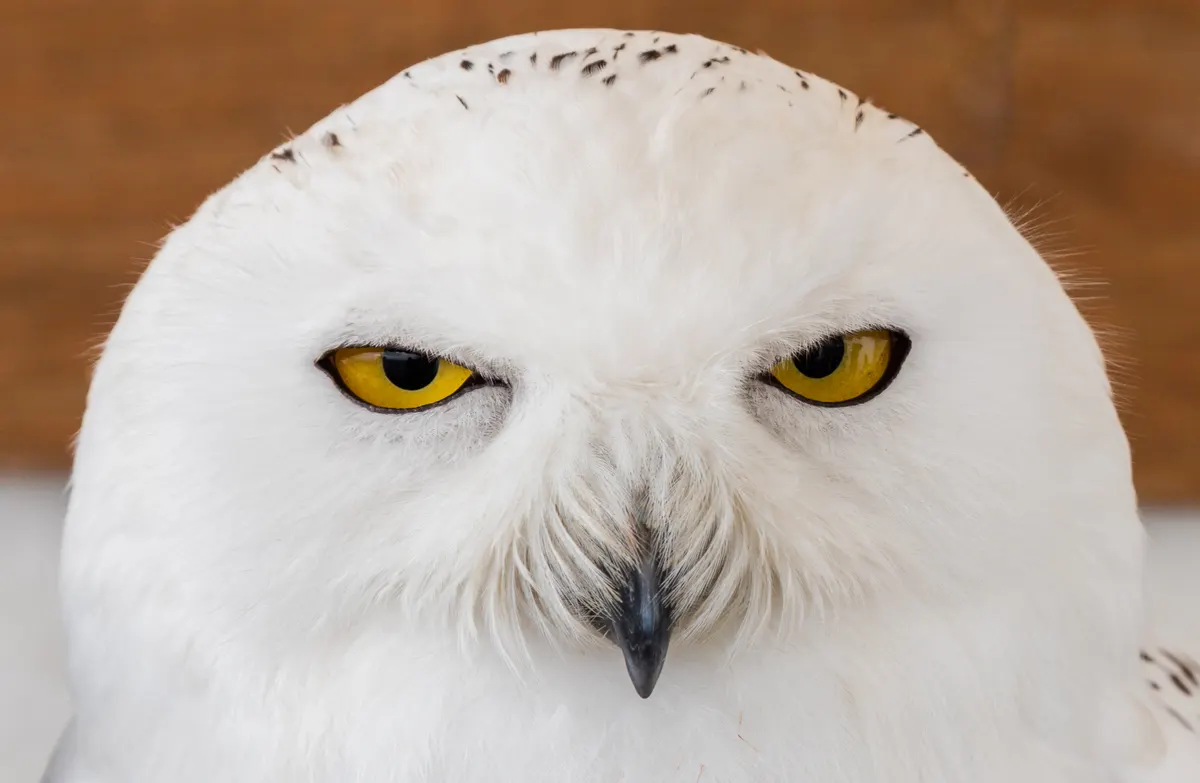
Blubber and dense fur insulate against freezing water and air. Counter-shading — dark above, pale below — helps predators and prey disappear against ice and open water. Many polar species time breeding and molting to the brief summer window when food is most available.
Habitats hub
Polar Animals
Explore polar animals adapted to sea ice, tundra, cold oceans, and seasonal darkness, with wildlife photos, habitat facts, diets, and conservation challenges.
- Species listed
- 11
- Diet mix
- 9 carnivore · 2 herbivore
- Updated
- September 2026
11 species · 9 carnivore, 2 herbivore
Measured spread
How much this hub varies
Computed from the 11 species listed here, using the published figure on each profile.
| Measure | Smallest listed | Largest listed |
|---|---|---|
| Body mass (adult max) | Snowy Owl2.9 kg | Walrus1.7 t |
| Body length (max) | Arctic Fox68.6 cm | Narwhal6.1 m |
| Lifespan in the wild (max) | Arctic Fox6 yr | Narwhal50 yr |
Overview
Arctic and Antarctic survivors
Polar regions have long winters, short summers, and food pulses tied to ice breakup and plankton blooms. Polar Bear hunts seals from sea ice. Walrus dives for clams on shallow shelves. Narwhal feeds in icy Arctic channels. Penguin breeds on land or ice but catches fish and krill at sea.
Start here
Featured species
3 entry points into this cluster — each profile has range, diet, behavior, and conservation detail.
Species directory
All 11 animals in this hub
Flagship species appear first. Open any card for range maps, diet, behavior, and conservation status.
Field guide
Ecology & context
Adaptations, threats, and comparisons — background for readers who want more than the species directory.
Mostly carnivorous, very different niches
All four species here are carnivores, but they split between land, ice edge, and open water. See each profile for population trends, sea-ice dependence, and how climate change is shifting their ranges.
Arctic versus Antarctic
Narwhal and Polar Bear live in the Northern Hemisphere — ice shelves, tundra coasts, and frozen channels. Penguin and Walrus in this cluster are tied to Southern Ocean or Arctic shelf ecosystems depending on species. Food pulses follow plankton blooms, ice breakup, and seasonal daylight. The poles look similar in photos but run on different ocean currents and land layouts.
Sea ice as habitat
Polar Bear hunts seals from sea ice. Walrus rests on ice floes between dives. Earlier ice melt and later freeze compress the window when these species can feed and breed. Penguin breeds on land or ice but depends on cold, food-rich water offshore.
Common Questions
FAQ about Polar Animals
Select a question to reveal the answer.
What animals live in polar regions?
Marine mammals like Narwhal and Walrus, seabirds like Penguin, and land-ice hunters like Polar Bear. Most polar wildlife is tied to cold water, ice, or both.
Are there herbivores at the poles?
Few large land herbivores live in true polar conditions. Most polar animals are carnivores or feed at sea on fish, krill, or mollusks.
How is climate change affecting polar animals?
Warming reduces sea ice, shifts prey distribution, and opens new shipping and fishing pressure. Species with narrow ice dependence face the steepest risk.
Where should I start?
Read Polar Bear for ice-edge hunting, Penguin for seabird breeding cycles, and Narwhal for Arctic migration.
Keep exploring
Related hubs
Same cluster, different angle — open a diet or habitat hub to compare species side by side.