(Population and conservation trend data sourced from the IUCN Red List of Threatened Species)
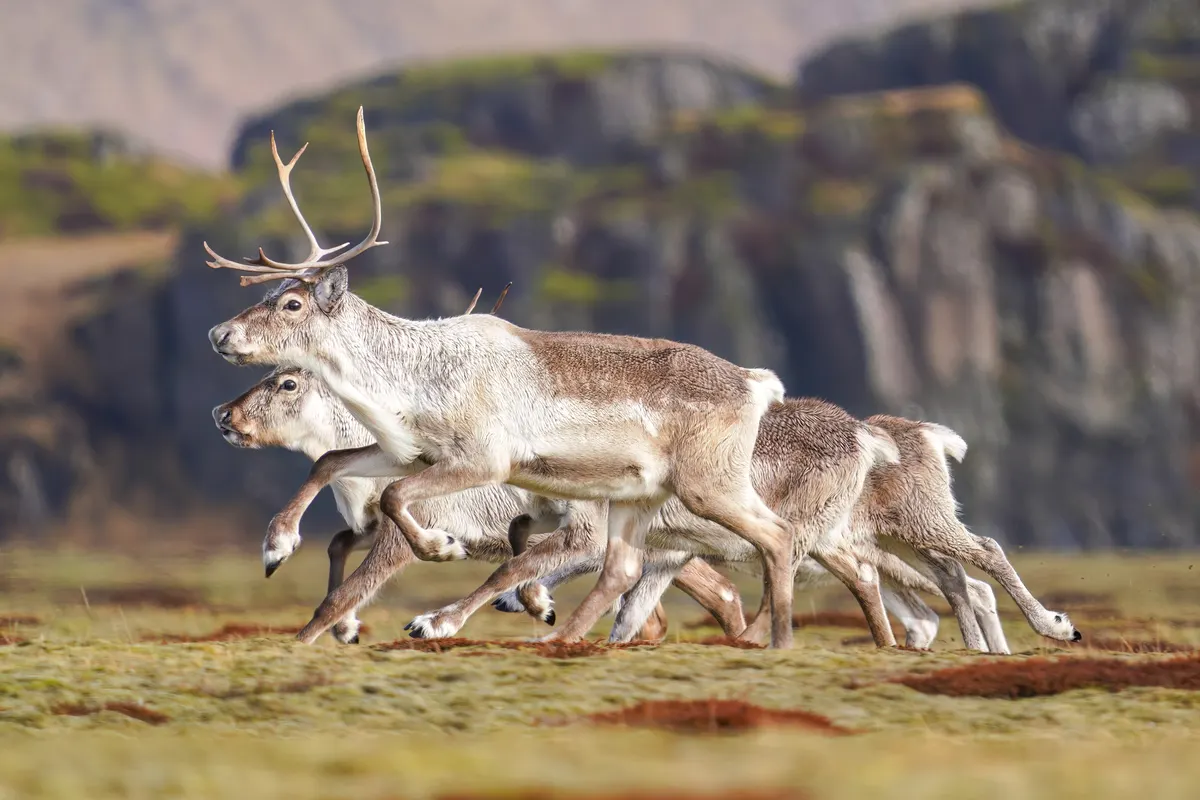
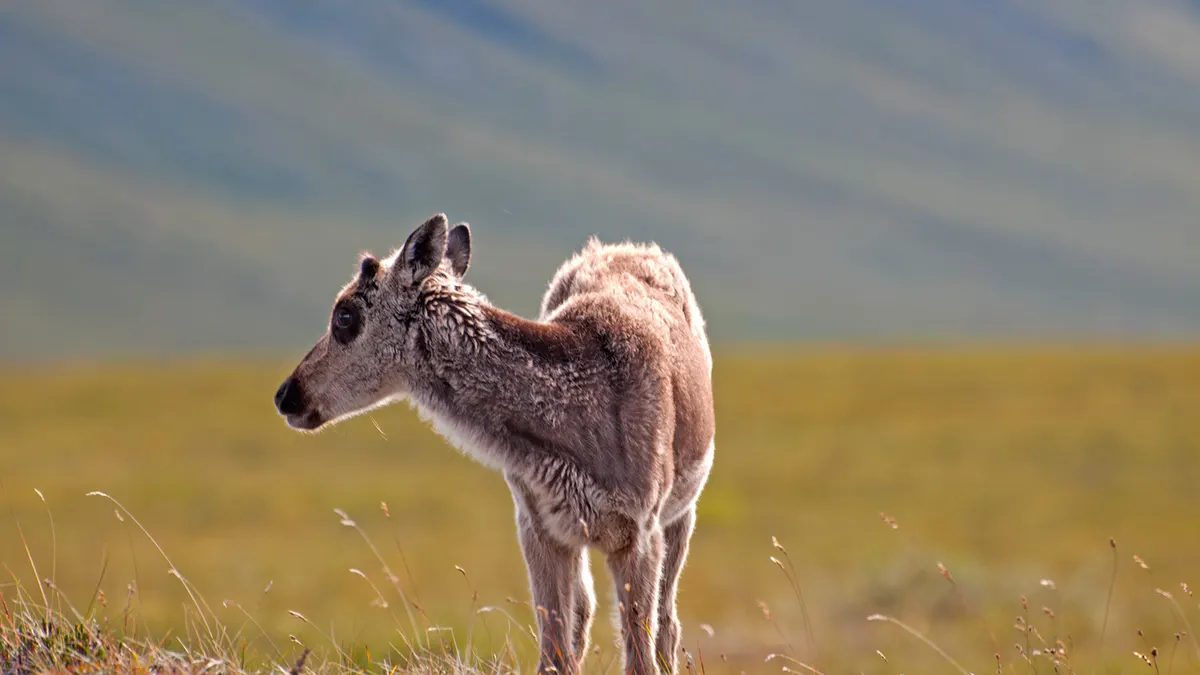
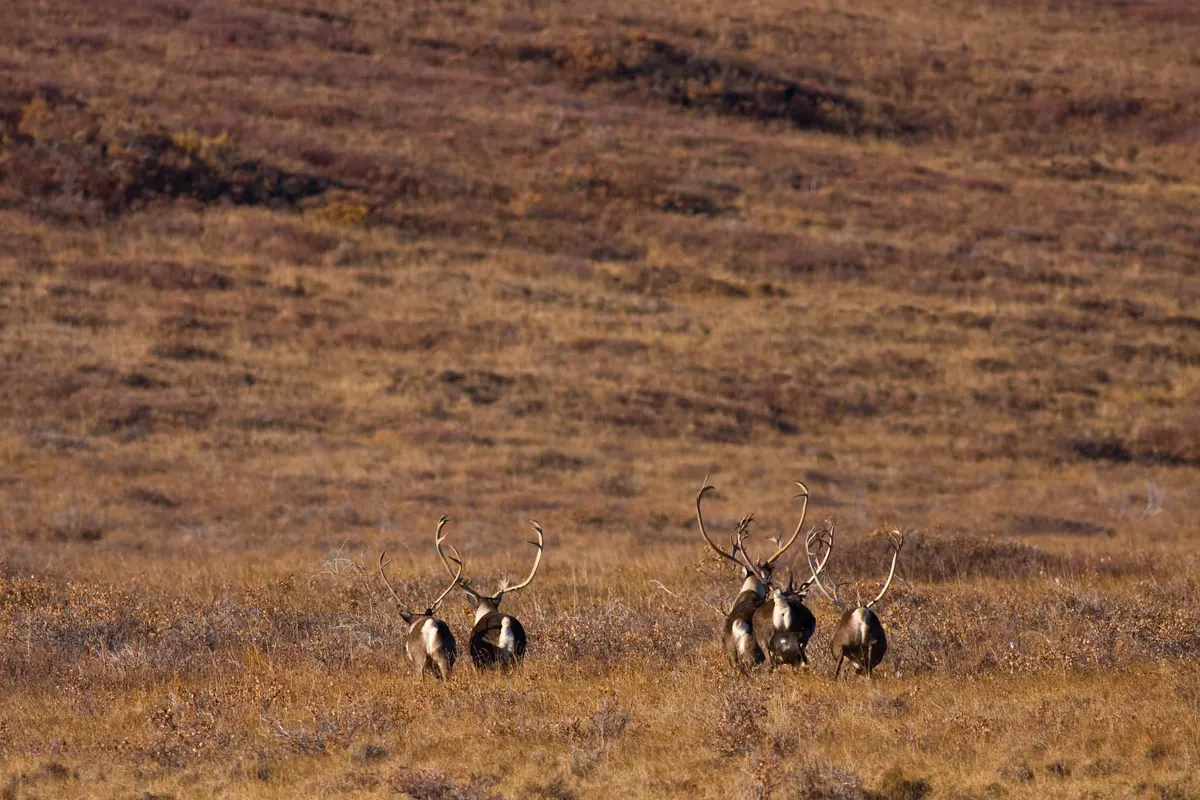
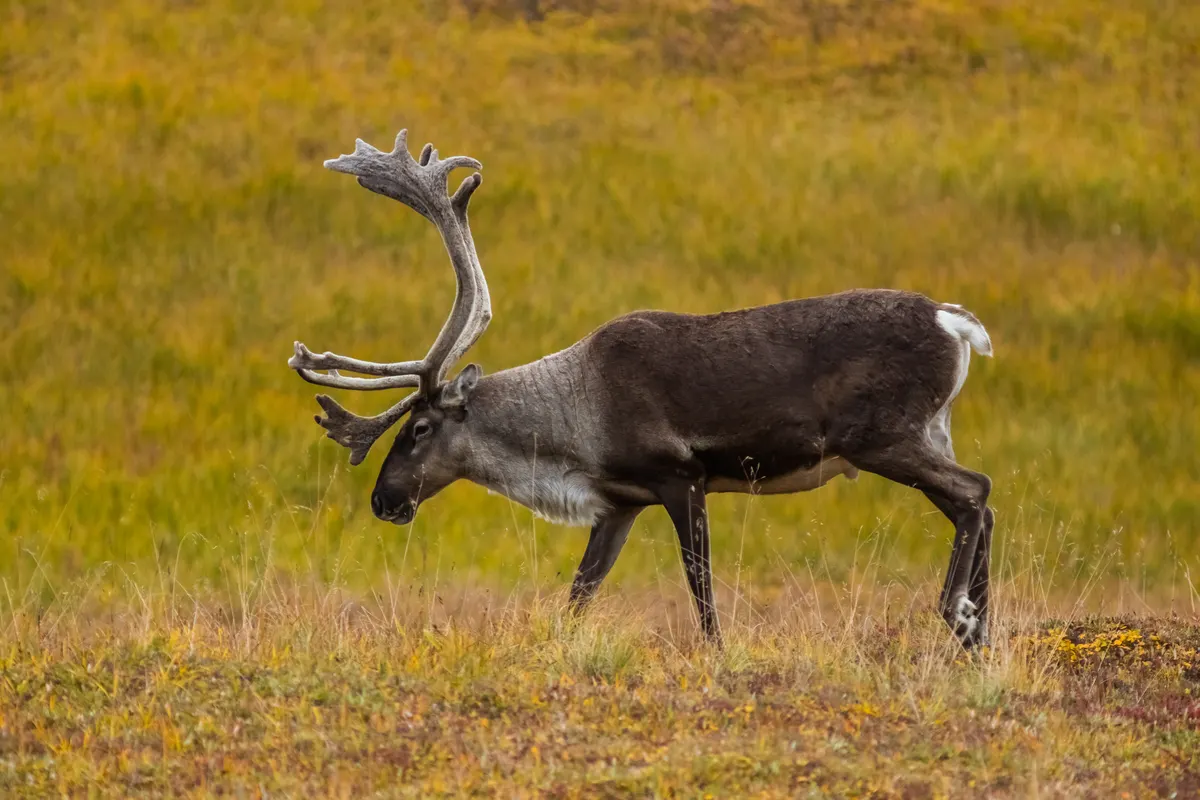
Globally Rangifer tarandus is classified as Vulnerable, reflecting roughly a 40% abundance decline over about three generations in the mid-2010s assessment, with continued regional losses since then. Trends differ by herd: some migratory groups remain large, while many woodland and southern herds have shrunk.
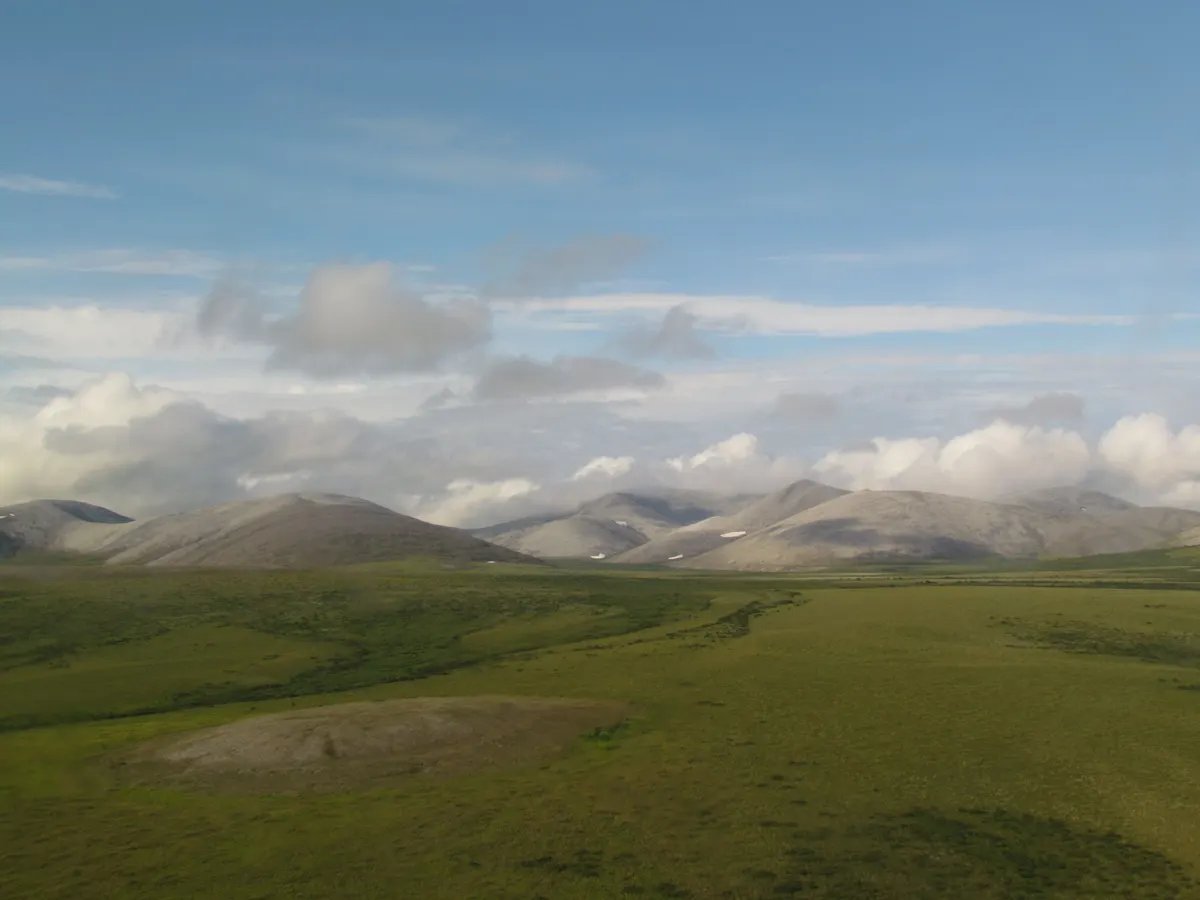
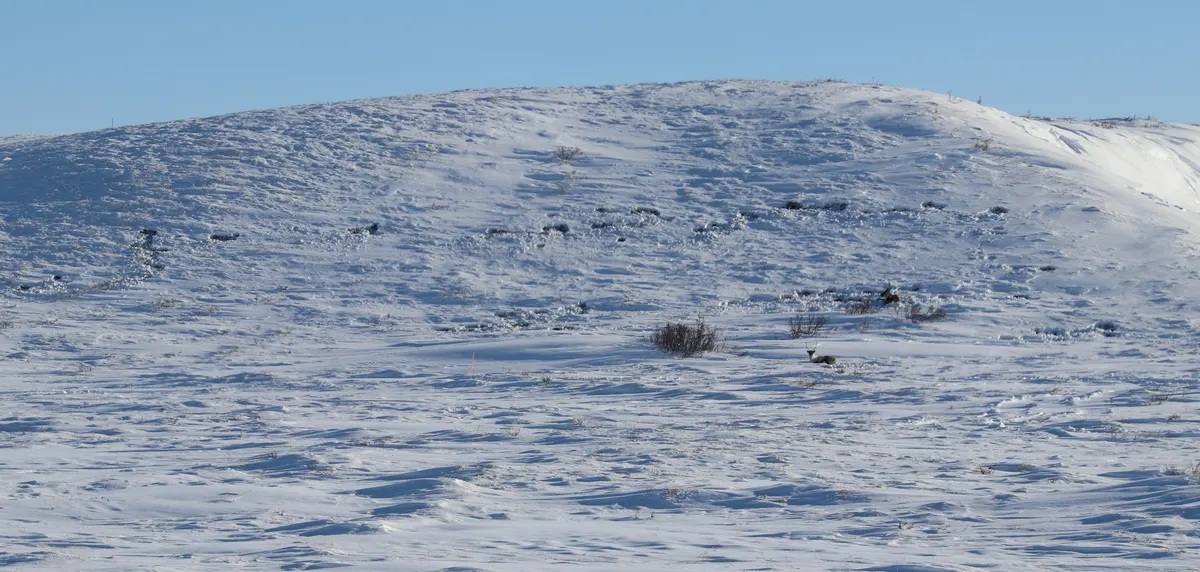
Threats include climate-driven icing events that lock winter forage, industrial roads and mining that fragment ranges, elevated predation near disturbed forests, overharvest in some areas, and parasites amplified by warmer summers. Conservation work focuses on protecting calving grounds and migration corridors, managing development footprints, and supporting Indigenous stewardship of herds.