
Desert Animals

Habitats hub

Desert Animals

Explore desert animals and the adaptations that help them withstand heat, drought, cold nights, and scarce water, with photos, facts, diets, and conservation.

Species listed
6
Diet mix
4 carnivore · 2 herbivore
Updated
August 2026

6 species · 4 carnivore, 2 herbivore

Overview

Life in arid landscapes

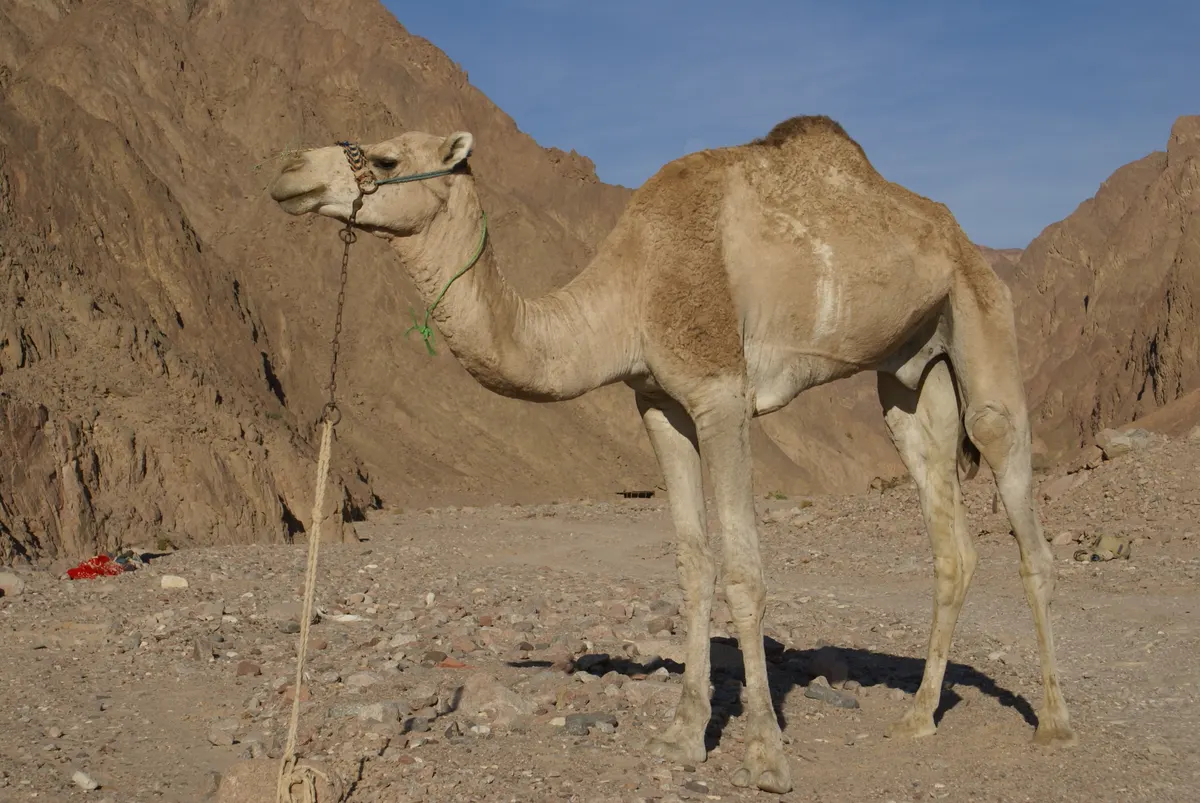
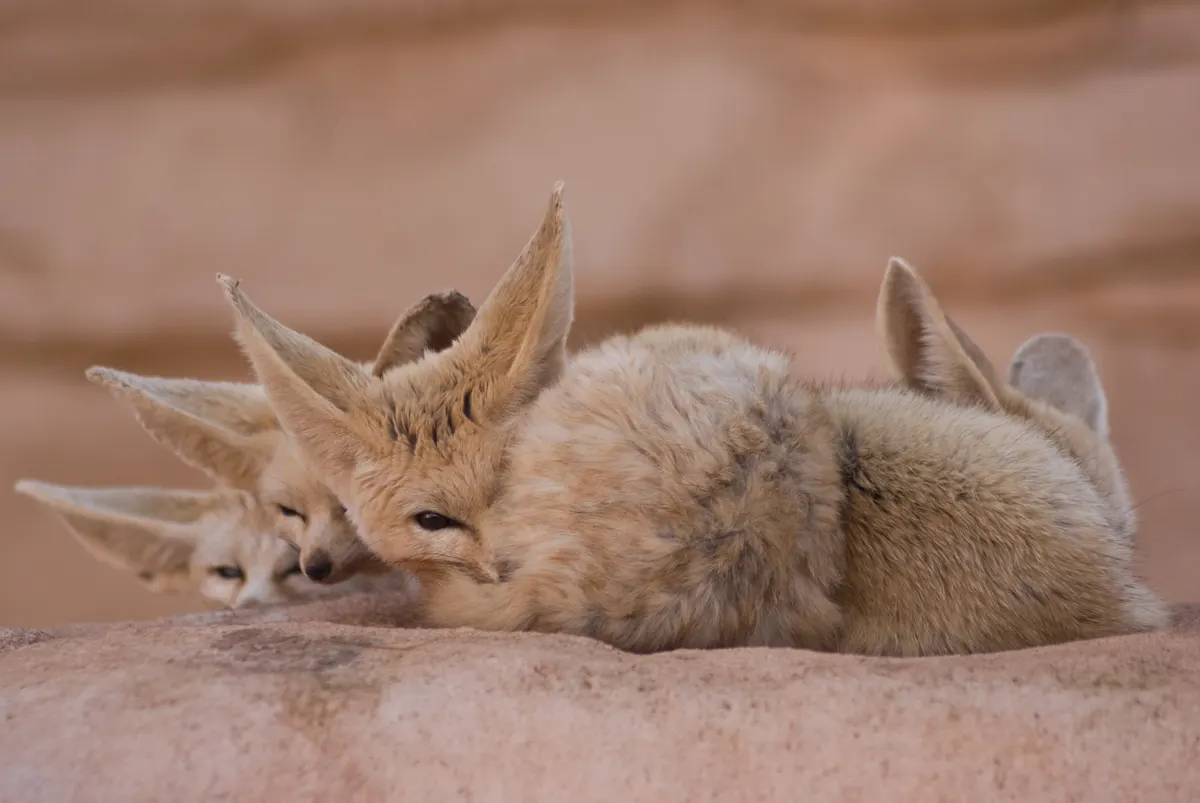
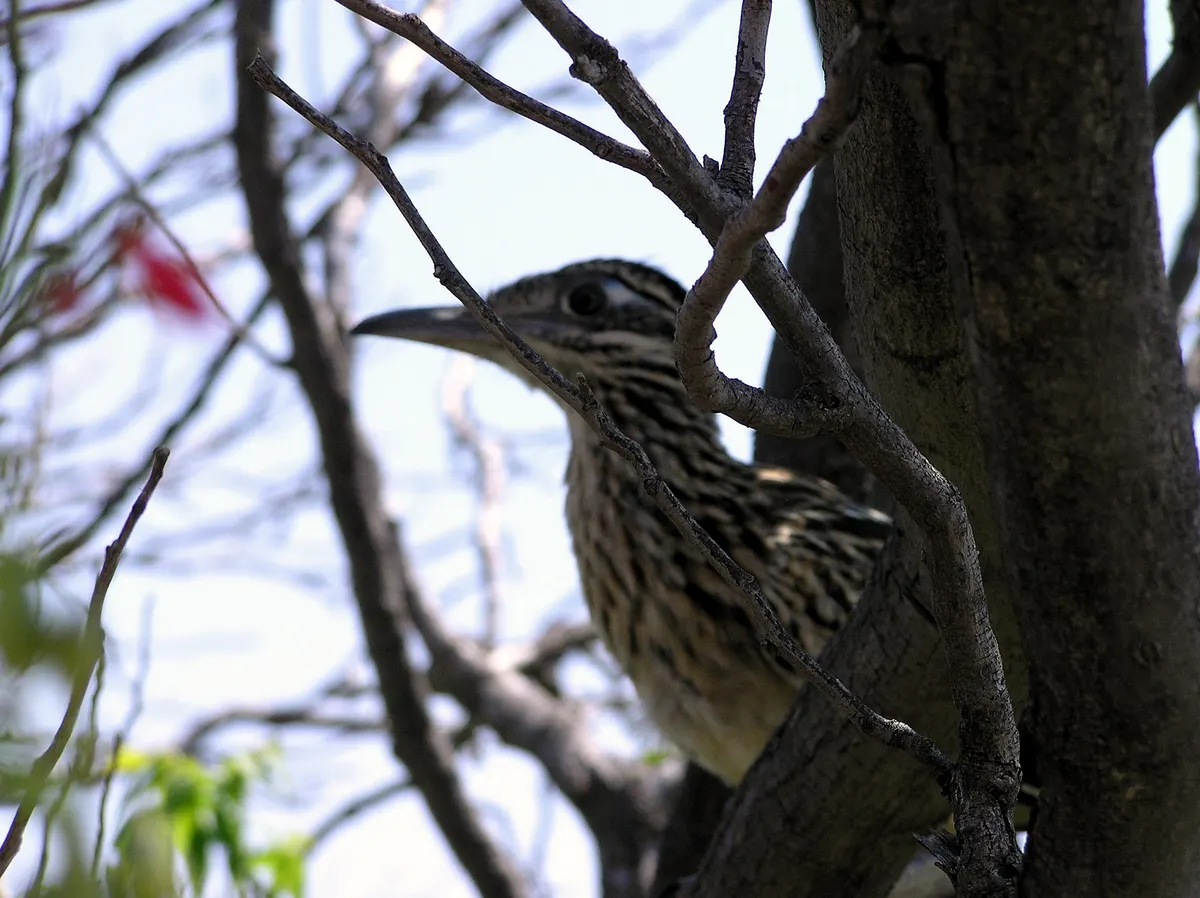
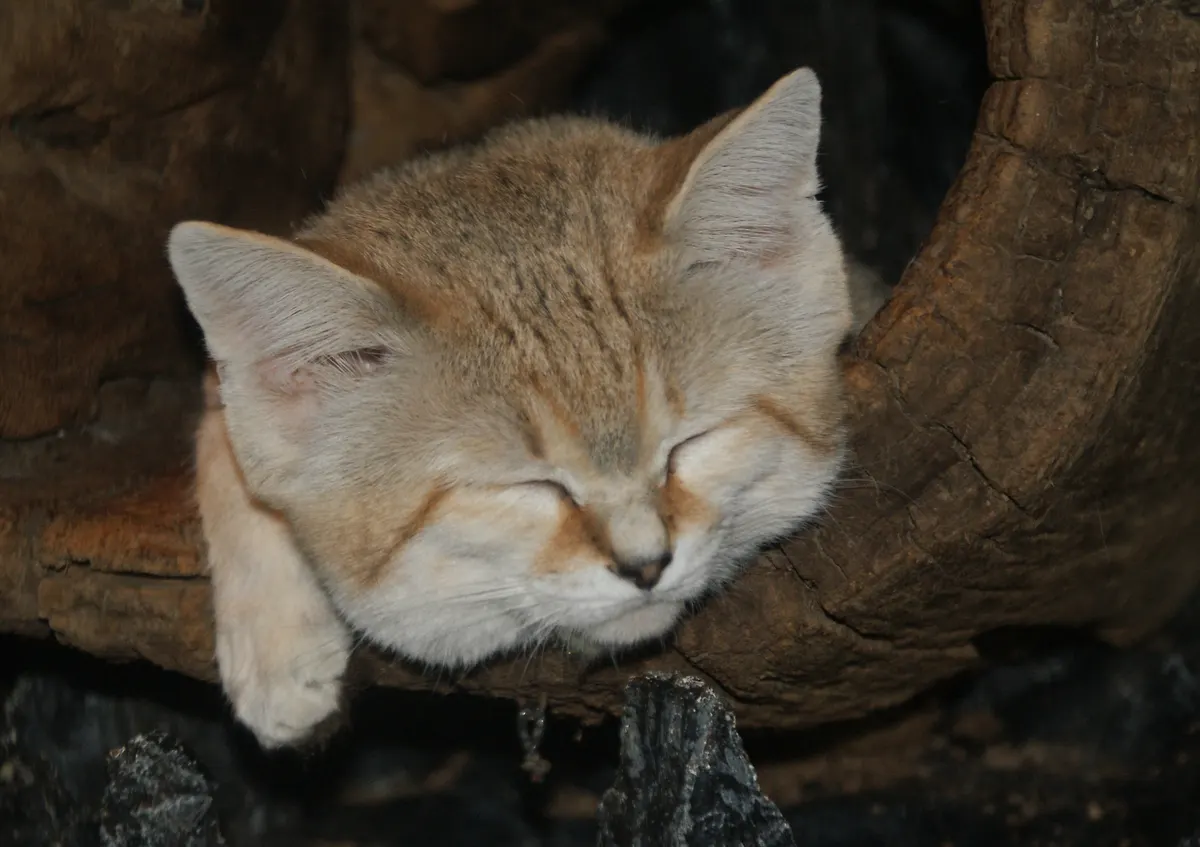
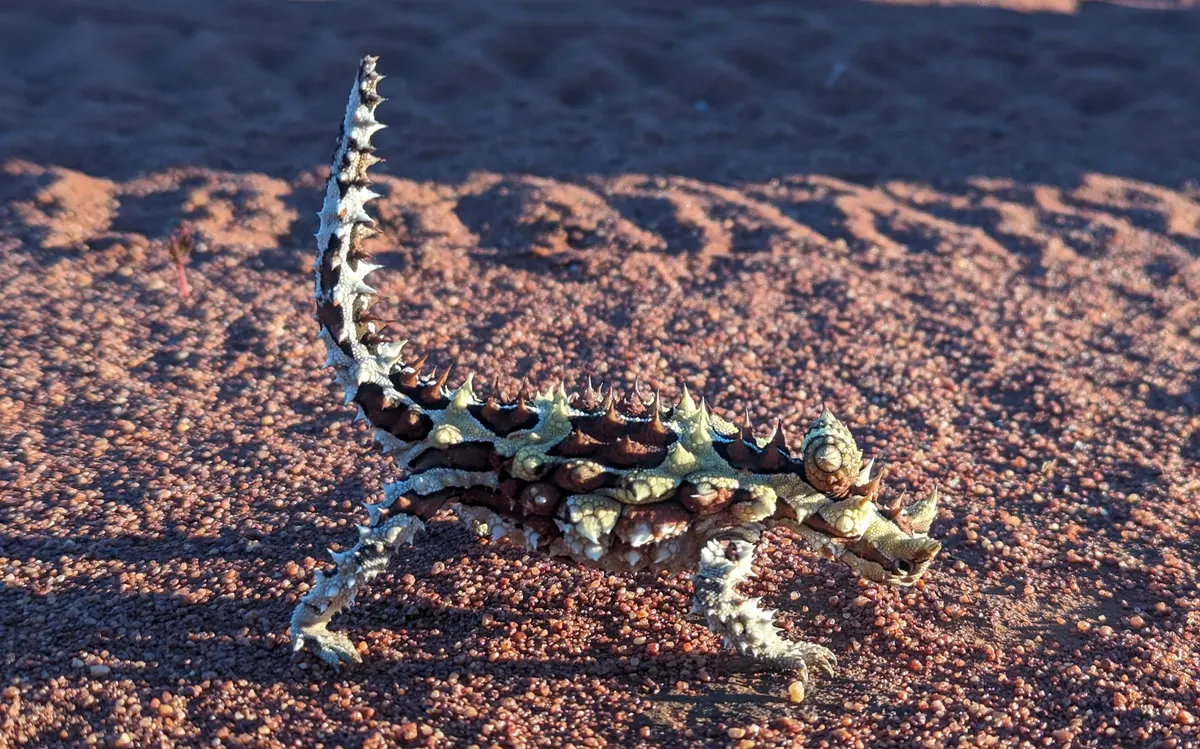
Deserts run hot by day, cold at night, and offer little standing water. Dromedary Camel stores fat in its hump and tolerates wide temperature swings. Fennec Fox and Sand Cat hunt at night when sand surfaces cool. Roadrunner is active in daylight but still limits water loss through behavior and physiology. Thorny Devil channels dew along its skin into its mouth.

Start here

Featured species

3 entry points into this cluster — each profile has range, diet, behavior, and conservation detail.

Species directory

All 6 animals in this hub

Flagship species appear first. Open any card for range maps, diet, behavior, and conservation status.

Field guide

Ecology & context

Adaptations, threats, and comparisons — background for readers who want more than the species directory.

Common desert adaptations

Large ears dissipate heat — visible on Fennec Fox. Burrows and shade-seeking cut exposure during midday peaks. Spiny or cryptic surfaces reduce predation and water loss. Many desert mammals and reptiles get most of their water from food rather than drinking.

Hot days, cold nights

Desert temperature swings punish animals that cannot buffer heat or cold. Dromedary Camel tolerates dehydration and wide body-temperature ranges. Fennec Fox and Sand Cat stay inactive in burrows during midday. Roadrunner is among the few birds that remain active in daylight by limiting exertion and water loss.

Water without rivers

Standing water is rare. Many desert mammals get moisture from food — seeds, insects, or succulent plants. Thorny Devil channels dew along its skin into its mouth. Dromedary Camel can drink large volumes quickly when water appears after rain. Behavioral timing often matters more than a single physical trick.

Common Questions

FAQ about Desert Animals

Select a question to reveal the answer.

What animals can survive in deserts?

Mammals like Fennec Fox and Sand Cat, birds like Roadrunner, and reptiles like Thorny Devil — each with different heat, water, and shelter strategies.

Are desert animals only active at night?

Many are nocturnal, but not all. Roadrunner hunts by day. Camel travels and feeds across daylight hours when shade or wind is available.

What threatens desert wildlife?

Habitat degradation from grazing, roads, and climate shifts that push arid zones wider. Groundwater extraction and invasive species also change food webs in fragile dryland ecosystems.

Where should I start?

Compare Dromedary Camel for large mammal adaptation, Fennec Fox for small carnivore heat management, and Thorny Devil for reptile water capture.

Keep exploring

Related hubs

Same cluster, different angle — open a diet or habitat hub to compare species side by side.