(Population and conservation trend data sourced from the IUCN Red List of Threatened Species)
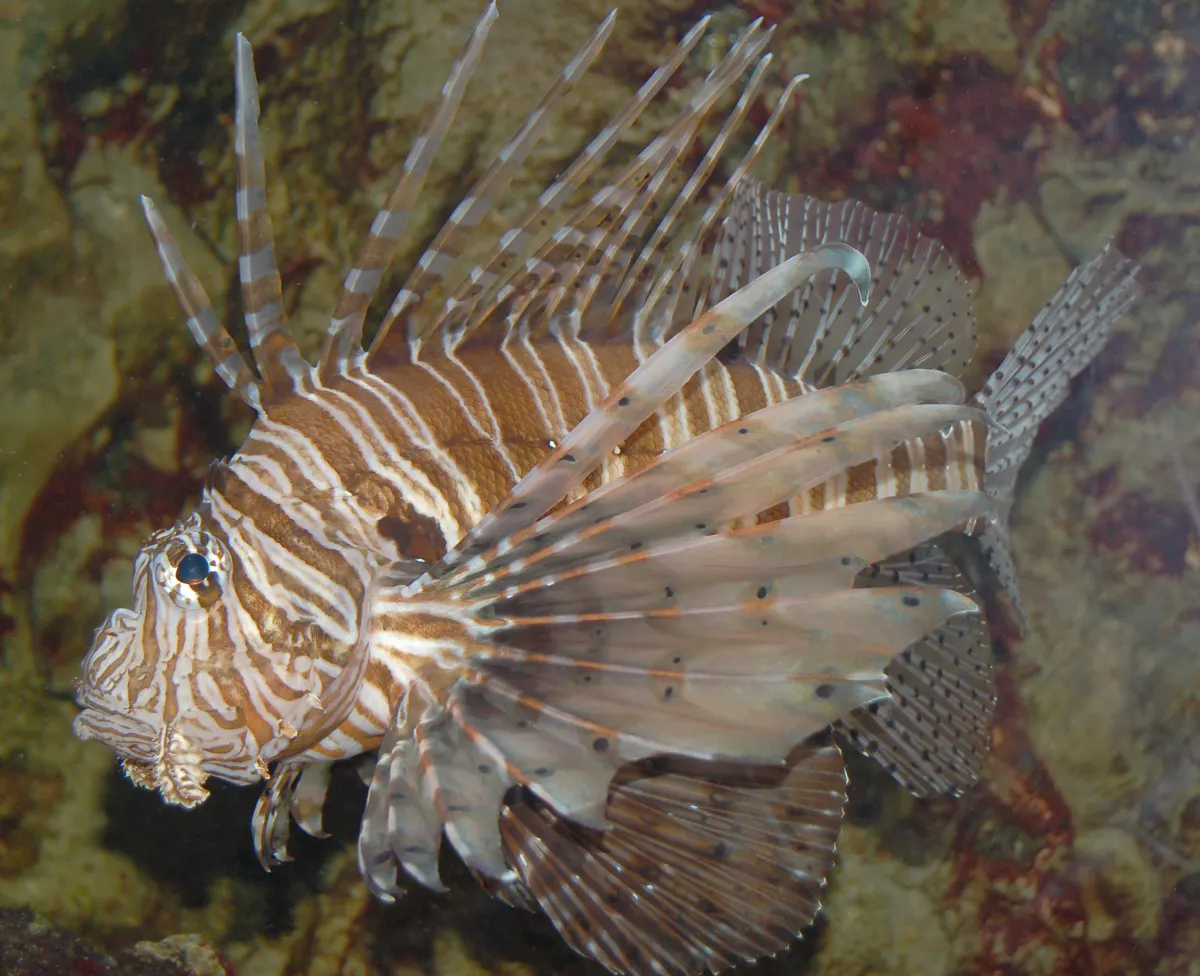
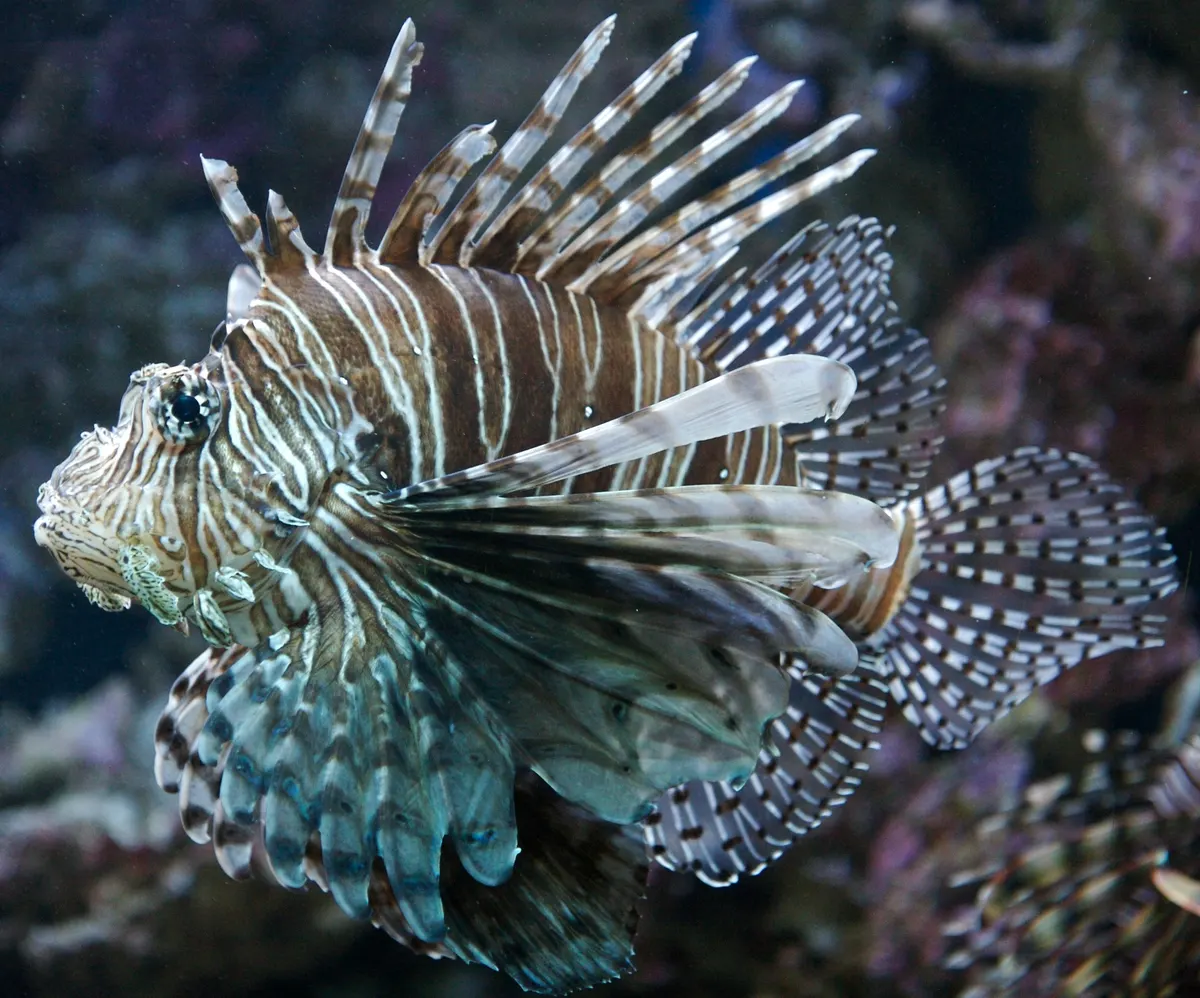
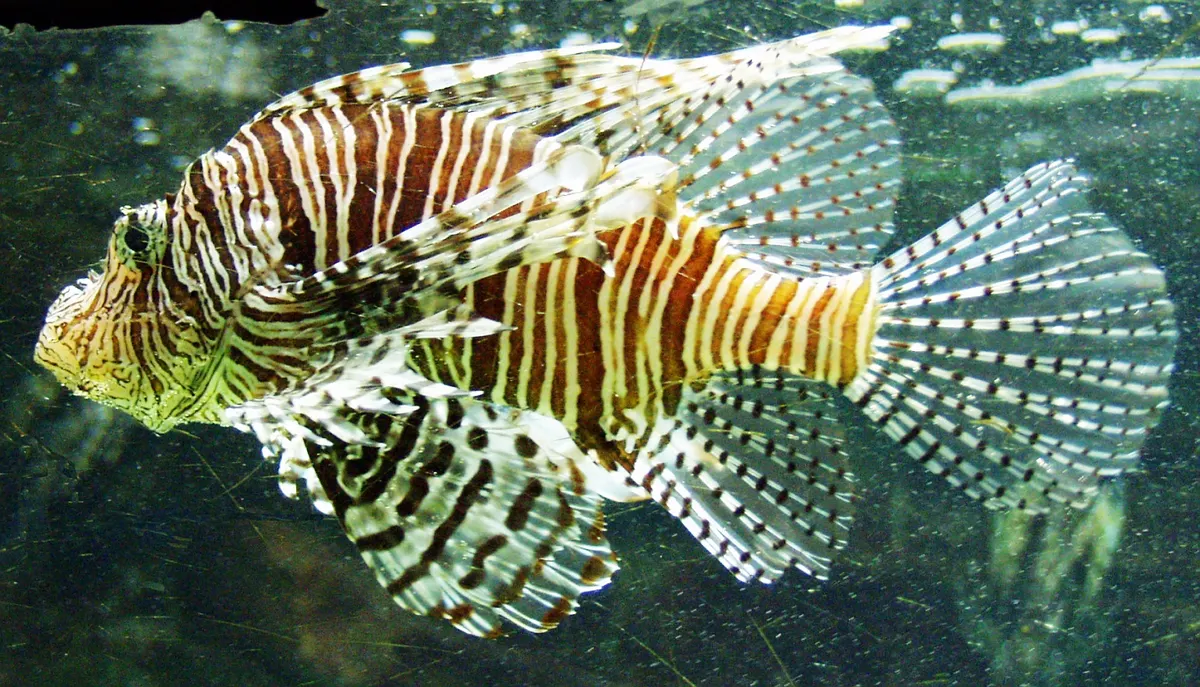
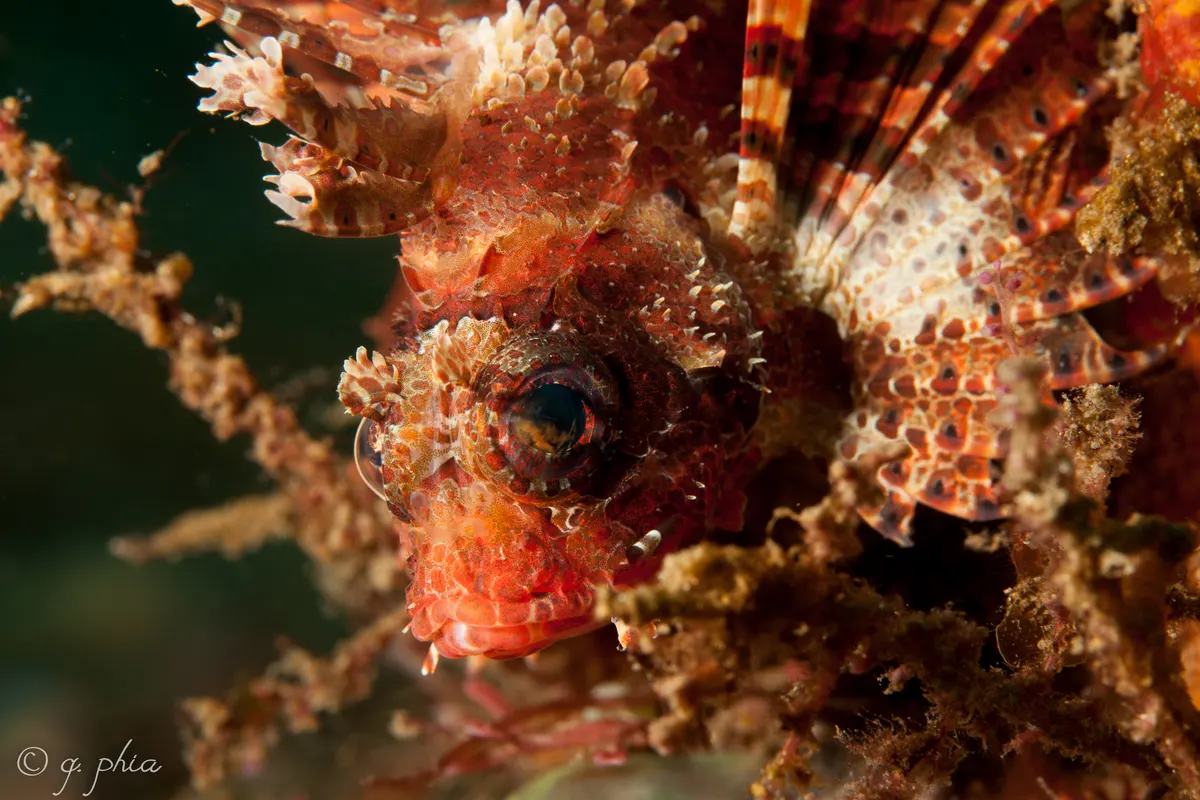
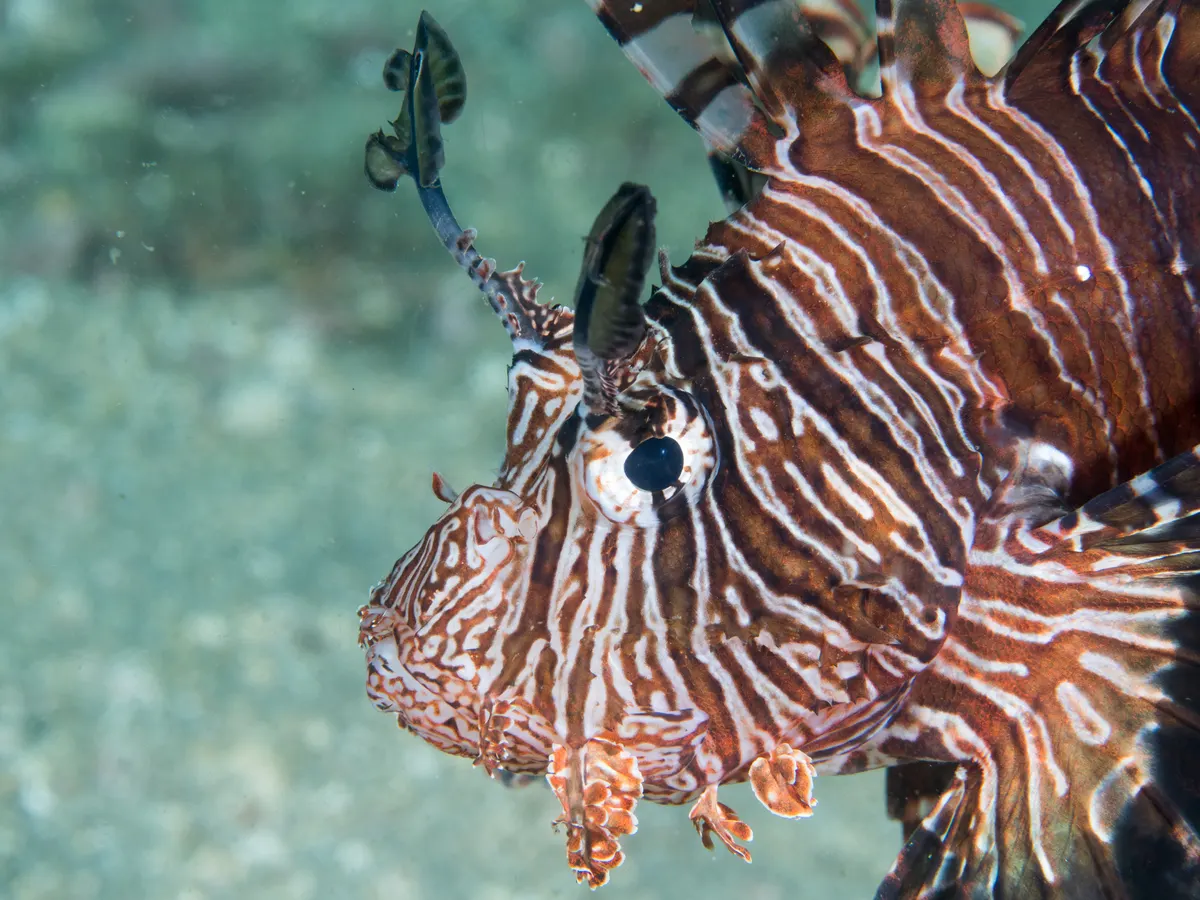
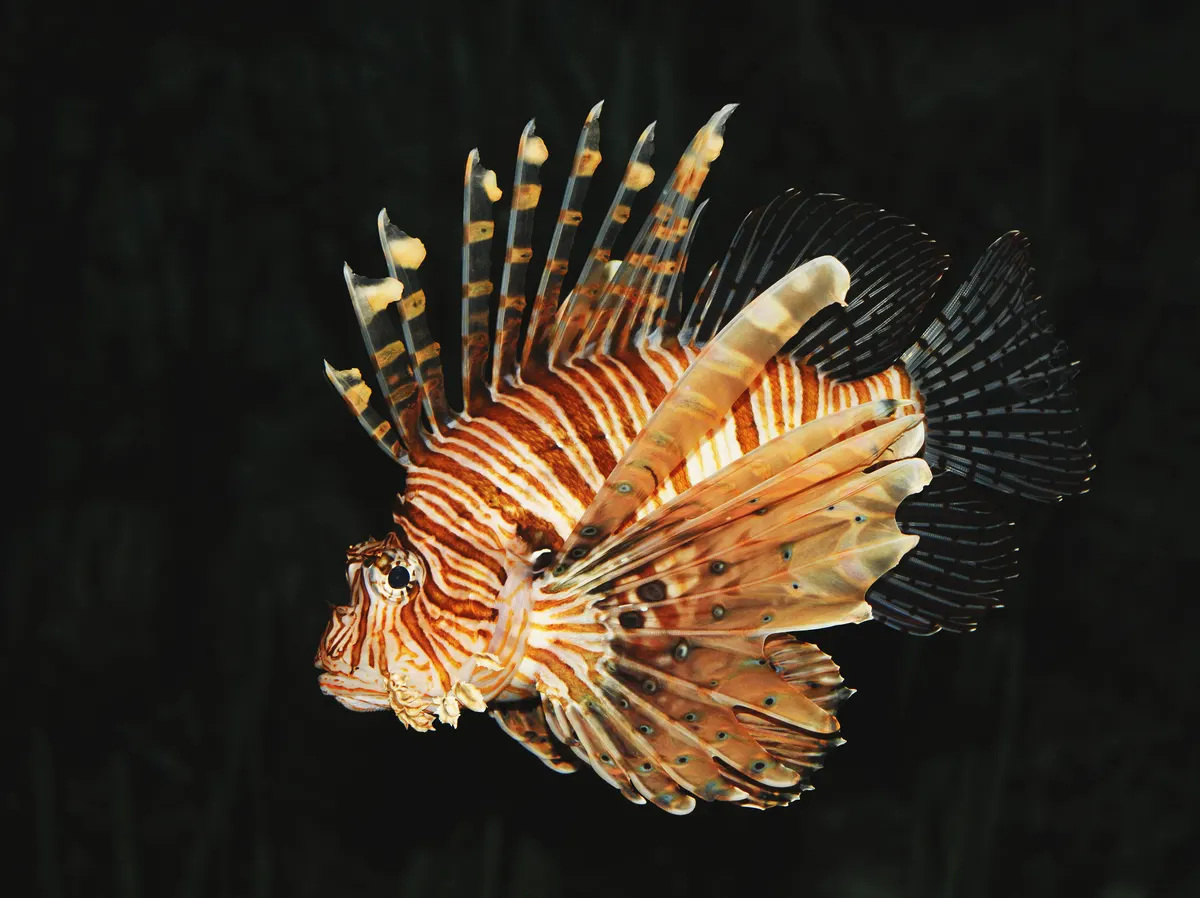
In its native Indo-Pacific range, the red lionfish is categorized as "Least Concern" by the IUCN. Natural predators such as large groupers, moray eels, and some shark species effectively regulate their populations. However, in the Atlantic and Caribbean, the lionfish represents one of the most severe threats to marine biodiversity. The native fauna has no evolutionary history with this novel predator, resulting in "prey naivete"—local fish do not recognize the lionfish as a threat until it is too late.
The unchecked proliferation of lionfish in the western Atlantic has led to catastrophic declines in the recruitment of native reef fishes, including commercially important species like snapper and ecologically vital herbivores like parrotfish. Without parrotfish to graze on macroalgae, coral reefs risk undergoing a phase shift from coral-dominated to algae-dominated ecosystems. Current conservation efforts focus heavily on human intervention. Widespread culling programs, organized "lionfish derbies," and the promotion of lionfish as a culinary delicacy (the flesh is flaky, white, and venom-free once the spines are removed) are the primary strategies employed to mitigate their ecological impact.