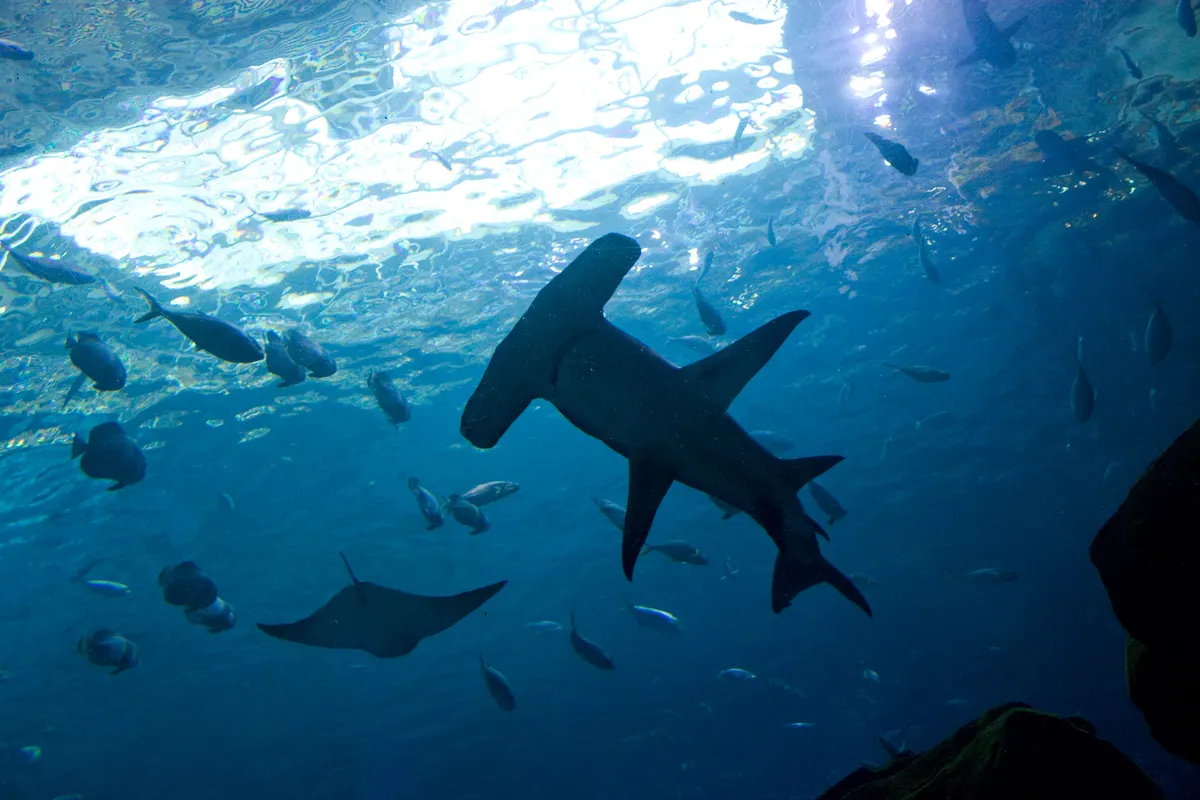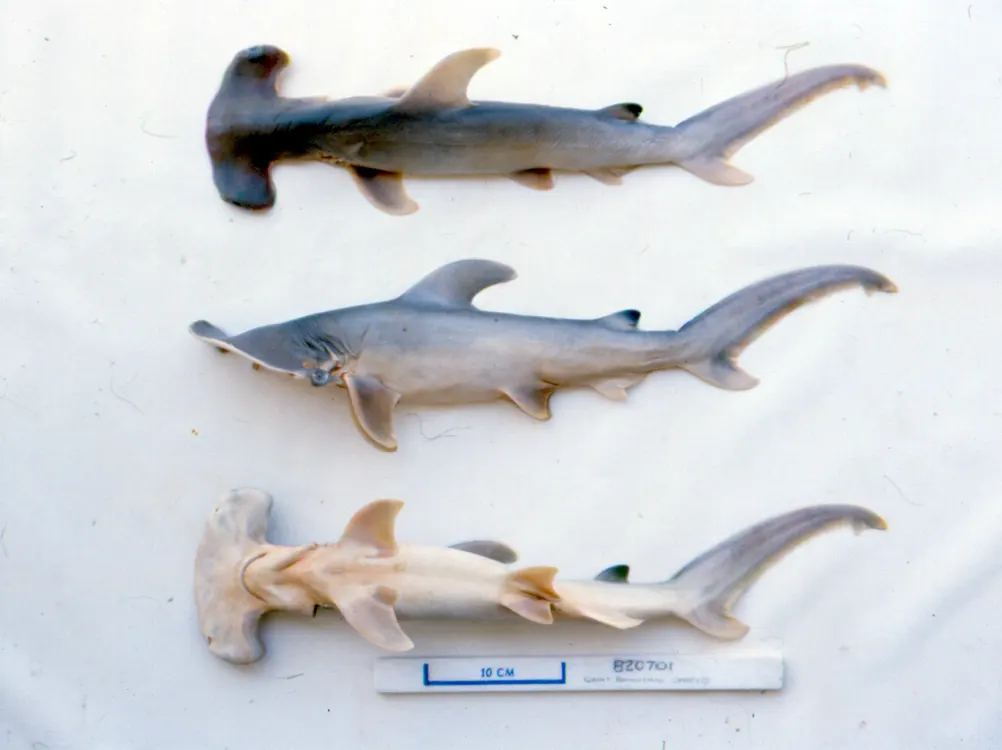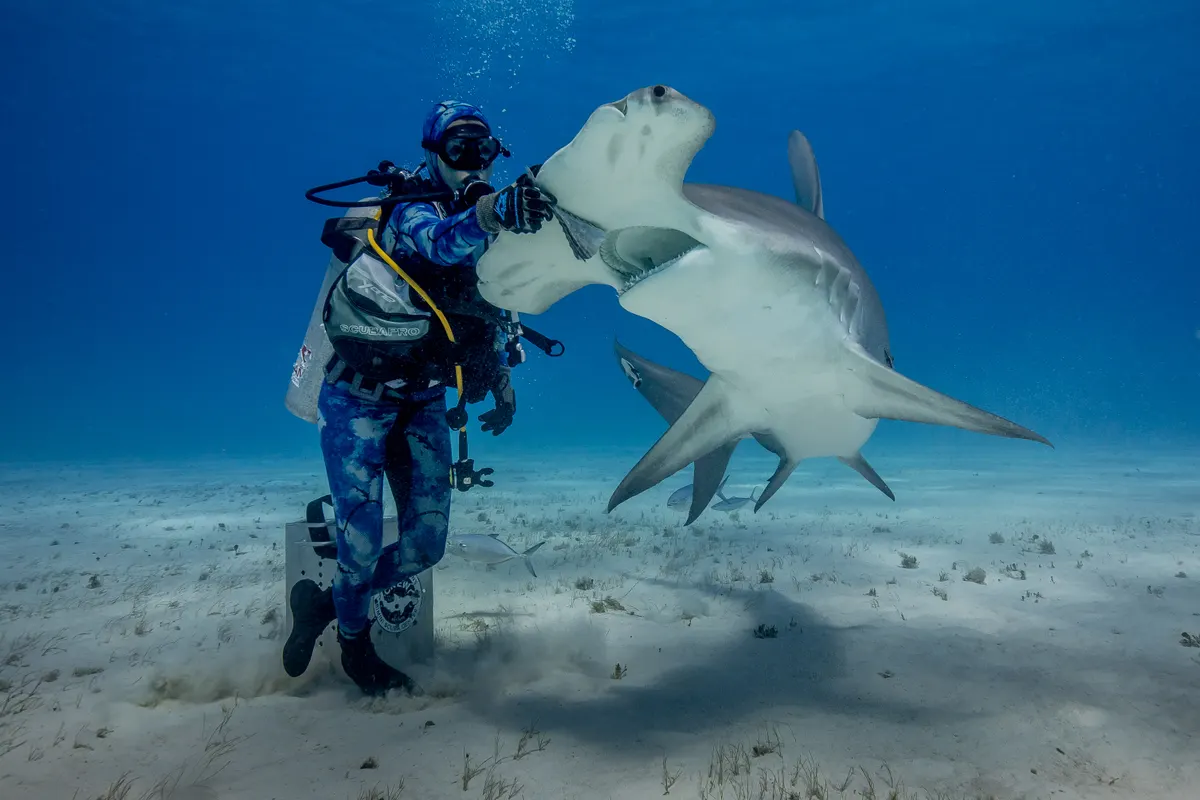
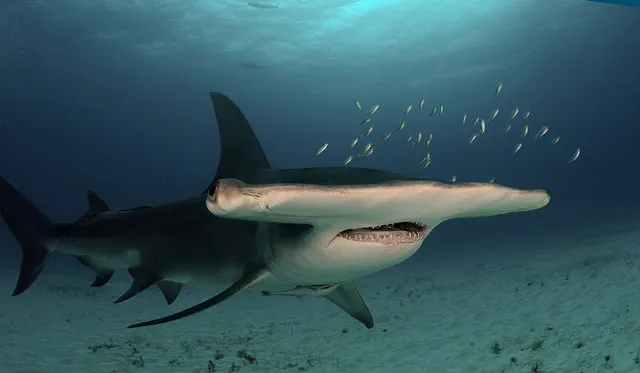
As a formidable, apex carnivore, the great hammerhead shark possesses a diverse diet, consuming a variety of bony fish, smaller sharks (including cannibalizing other hammerheads), squid, octopuses, and crustaceans. However, the true dietary specialty of the great hammerhead—and the evolutionary driver for its bizarre anatomy—is the hunting of benthic elasmobranchs, specifically stingrays.
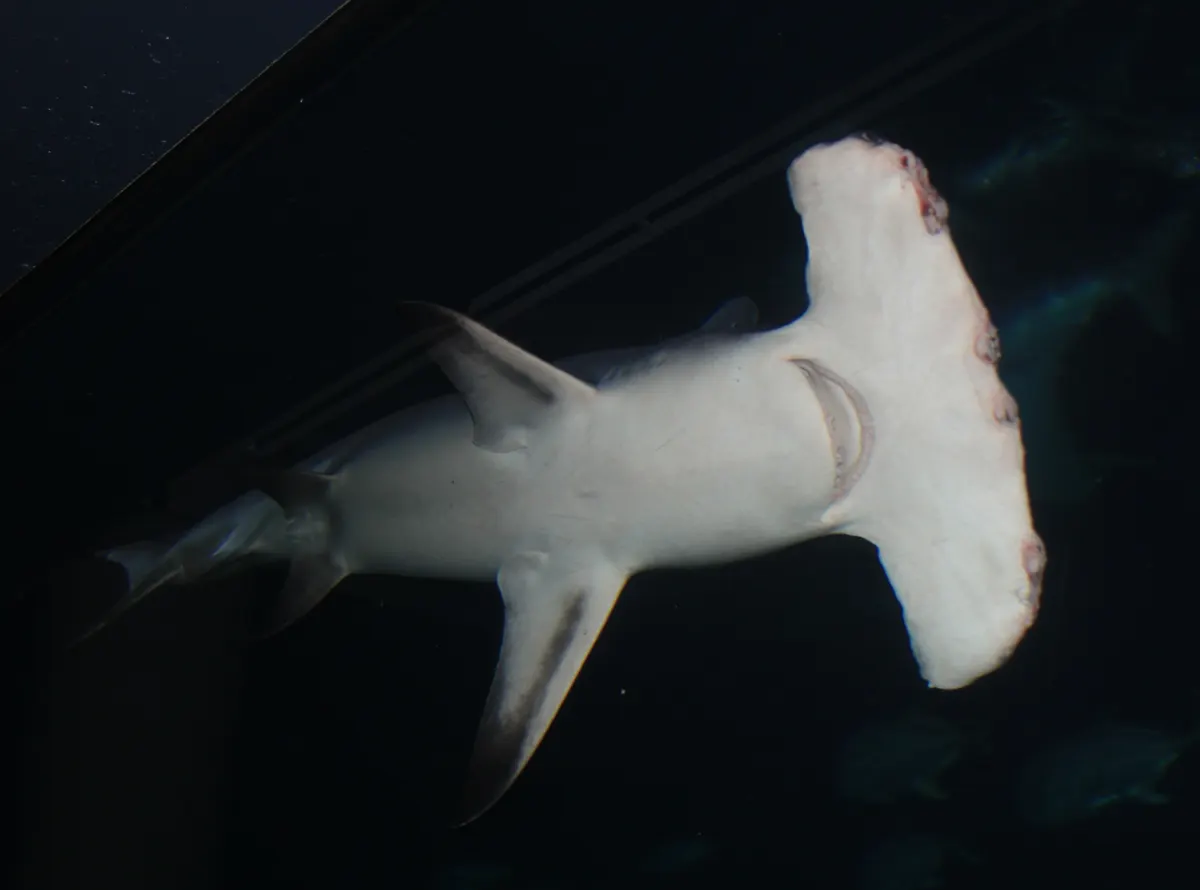
The great hammerhead is a relentless and highly specialized stingray predator. Their hunting strategy is a remarkable display of biological engineering. Sweeping its massive cephalofoil from side to side in a motion akin to a metal detector, the shark cruises inches above the sandy seafloor. The concentrated ampullae of Lorenzini allow it to instantly detect the electrical heartbeat of a stingray completely buried in the substrate.
Once detected, the shark executes a lightning-fast, highly agile strike. The unique shape of the cephalofoil is then utilized as a physical weapon; the shark uses the broad, flat underside of its head to forcefully pin the thrashing stingray violently against the ocean floor, completely neutralizing the ray's mobility. While the prey is immobilized, the shark pivots its jaws, filled with heavily serrated, triangular teeth, to take massive, debilitating bites from the ray's pectoral fins. Remarkably, great hammerheads appear to possess a high tolerance for, or complete immunity to, the venomous barbs of their prey; individuals are frequently found with dozens of stingray barbs deeply embedded in their mouths, jaws, and digestive tracts with no apparent ill effects.