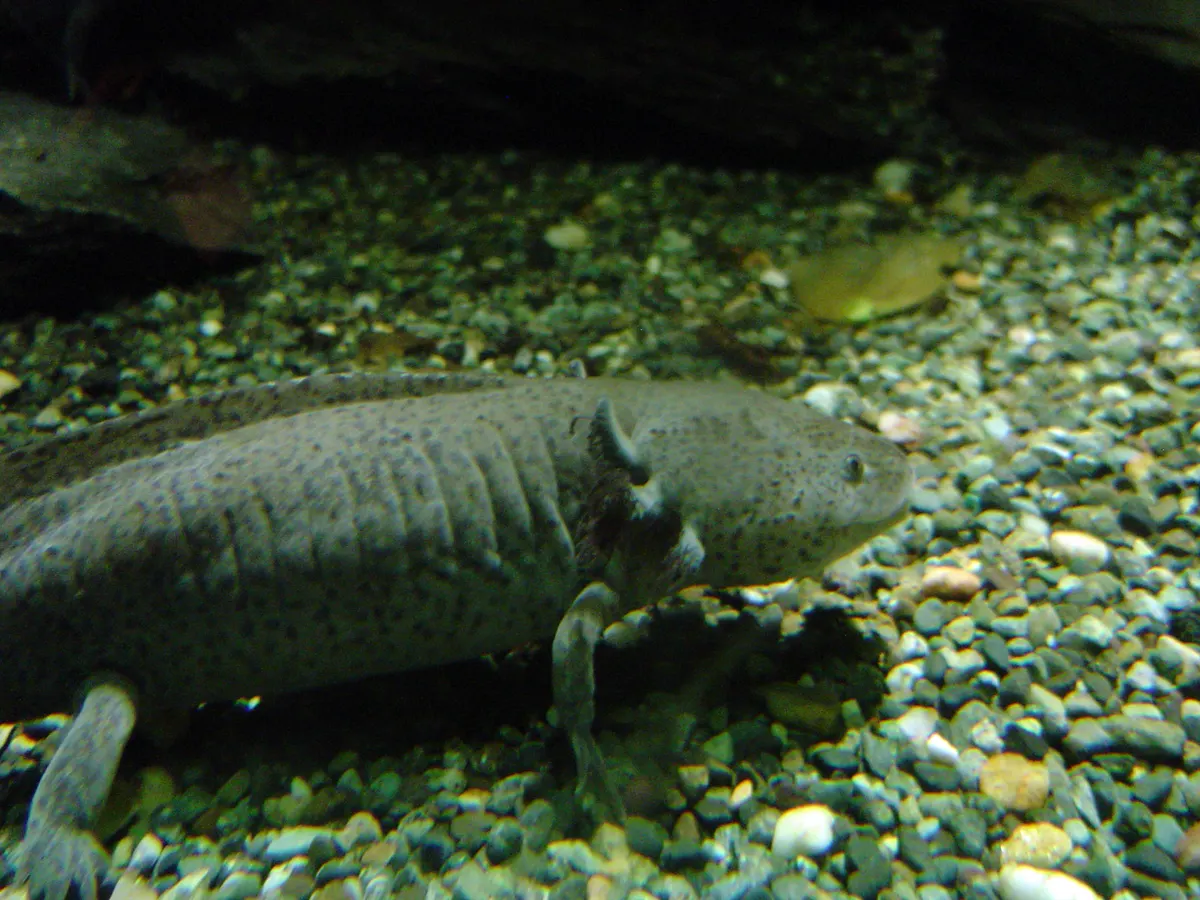
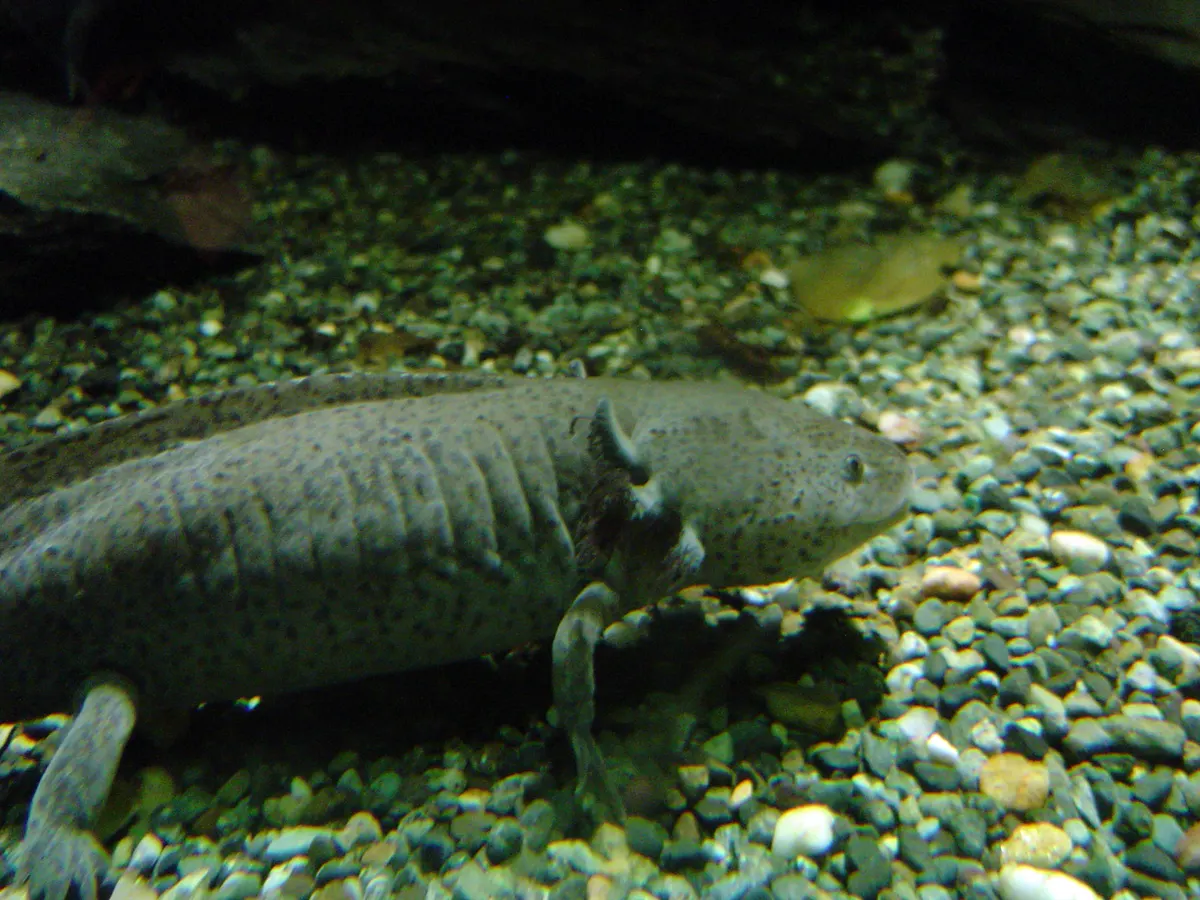
Morphologically, the axolotl is a striking creature, seemingly suspended in an embryonic state. Adults typically reach lengths of 6 to 12 inches, with exceptional individuals growing up to 18 inches, and weigh between 2 to 10.6 ounces. Their bodies are stout and somewhat gelatinous, supported by four delicate legs equipped with long, slender, unwebbed digits.
The most prominent anatomical feature is the set of three pairs of external, feathery gill stalks that protrude horizontally from the back of the head. These rami are lined with highly vascularized fimbriae, granting them their deep red coloration. The axolotl actively waves these gills to facilitate gas exchange in poorly oxygenated water. Despite these gills, they also possess rudimentary lungs and will occasionally surface to gulp air.
Their skin is highly permeable, lacking scales, making them exceptionally sensitive to variations in water chemistry and pollutants. They possess a lateral line system—a network of mechanoreceptive sensory organs running along their flanks and head—that detects microscopic changes in water pressure and current, allowing them to hunt effectively in murky conditions.
While the "wild-type" axolotl is heavily pigmented—a mottled mix of dark brown, olive, and gold speckles designed to camouflage against muddy lake bottoms—captive breeding has produced a vast array of morphs. The most iconic is the leucistic morph, characterized by pale pink or white skin, dark eyes, and bright red gills, a coloration resulting from a genetic mutation that restricts pigment to the eyes.