Meerkat Facts
"Meerkats are mongooses, not cats, despite the cat-like name."
Meerkats are small African mongooses that live in groups and stand guard on their hind legs. They eat insects and scorpions in dry grasslands and deserts.
Loading page content

"Meerkats are mongooses, not cats, despite the cat-like name."
Meerkats are small African mongooses that live in groups and stand guard on their hind legs. They eat insects and scorpions in dry grasslands and deserts.
Suricata suricattaCarnivoraHerpestidae
Explore meerkat photos organized for learning and classroom observation.
Click any photo to view it larger. 8 images available.
Core article
Habitat, diet, behavior, and more — everything on one page.
Standing starkly upright against the harsh, baked earth of the Kalahari Desert, the meerkat (Suricata suricatta) operates as a master of vigilance. This small, highly social African mongoose is famous for its intricate, highly cooperative societal structure, where survival is dictated not by individual strength, but by absolute allegiance to the group. Living in massive underground burrow systems known as "mobs" or "gangs," meerkats navigate an unforgiving landscape heavily populated by venomous scorpions, lethal snakes, and predatory eagles. Through strict division of labor, altruistic pup-rearing, and a complex vocal vocabulary, the meerkat thrives in one of the most hostile environments on the African continent.
The meerkat is a mammal belonging to the order Carnivora, specifically classified within the family Herpestidae, which encompasses the mongooses. Unlike many of its strictly solitary or nocturnal mongoose cousins, Suricata suricatta is entirely diurnal (active during the day) and obligately social, a relatively rare evolutionary trajectory within the Carnivora order.
The genus Suricata contains only this single species. The evolutionary pressure driving the meerkat toward extreme sociality (eusociality-like behavior) was primarily predation risk combined with the necessity of foraging in an open, coverless environment. In the sparse scrubland of the Kalahari, an individual small carnivore digging furiously for insects is exceptionally vulnerable to aerial ambush. By evolving a cooperative system where specific individuals forfeit foraging time to act as dedicated sentinels, the entire genetic lineage of the mob gained a massive survival advantage, permanently tying the fate of the individual to the cohesion of the group.
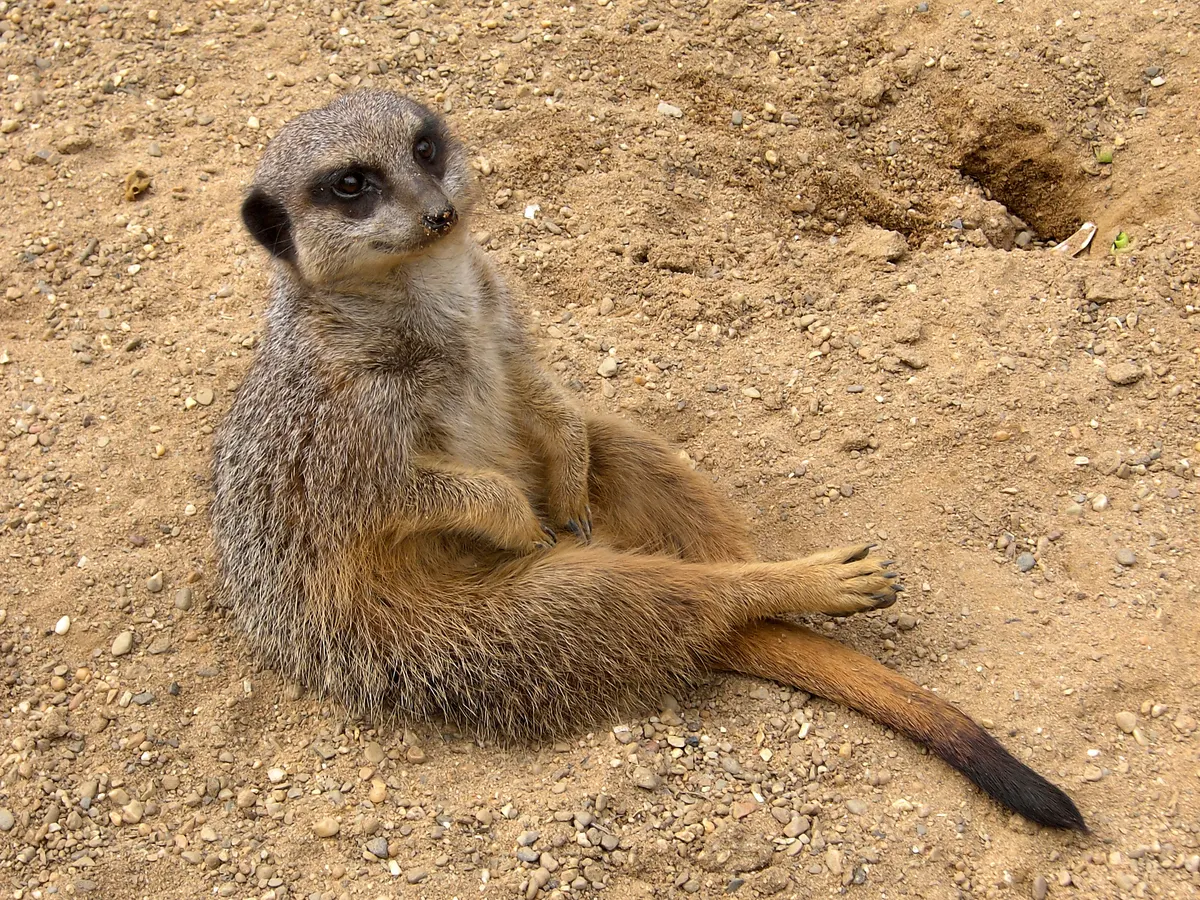
A mature meerkat is a slender, highly alert animal, measuring between 10 to 14 inches (25 to 35 cm) in body length, with a long, thin tail adding an additional 7 to 10 inches. Despite their rugged lifestyle, they are remarkably lightweight, tipping the scales at a mere 1.5 to 2.5 pounds (0.7 to 1.1 kg). Their coats are highly adapted for thermal regulation and camouflage, featuring a grizzled, silvery-brown pelt adorned with dark, transverse parallel stripes across the back, which help disrupt their outline against the desert scrub.
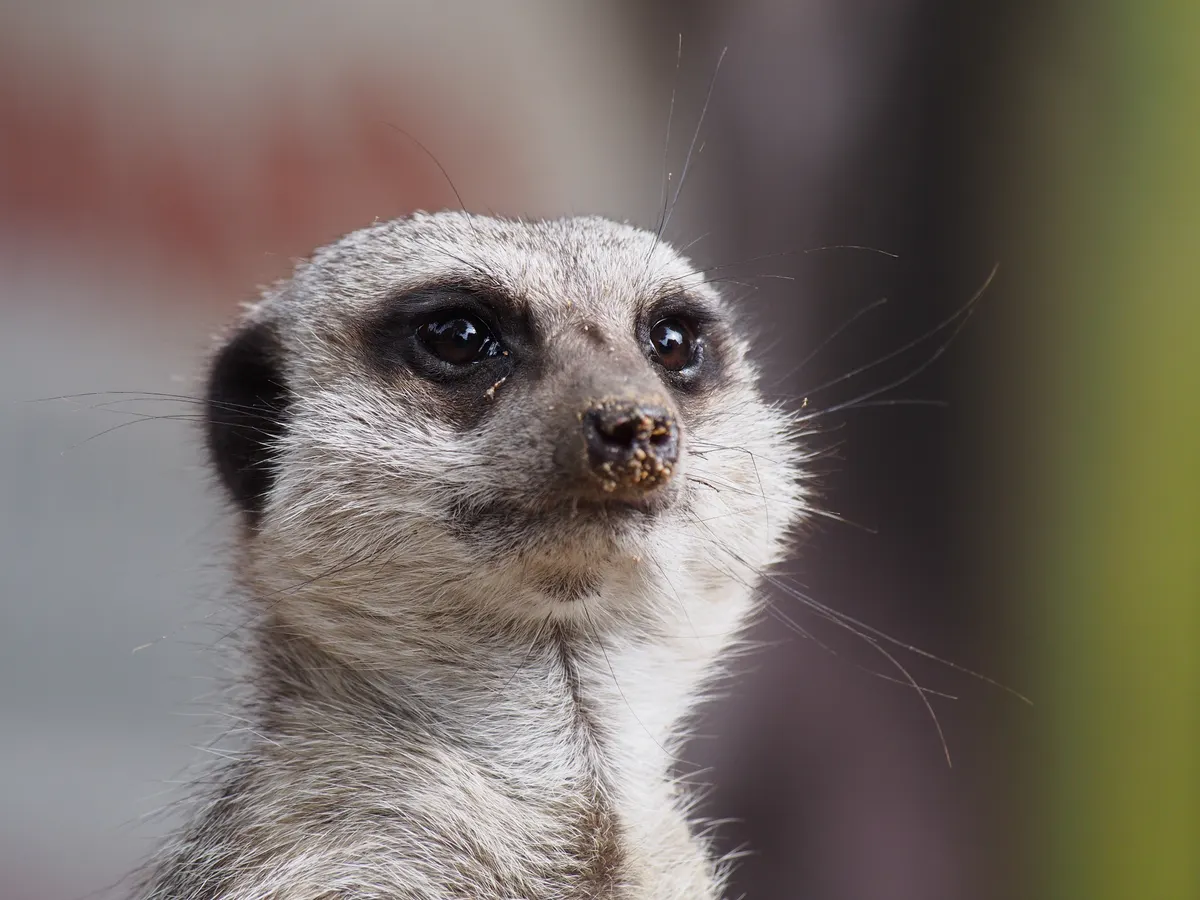
The meerkat’s anatomy is a masterclass in desert survival. They possess elongated, non-retractable claws on their forepaws—some measuring nearly an inch long—which act as heavy-duty excavators for rapid burrow digging and unearthing deeply buried prey. To manage the blinding glare of the African sun, meerkats have starkly dark patches of fur surrounding their eyes, functioning precisely like a baseball player's eye black to absorb ambient light and reduce glare, enhancing their ability to spot soaring avian predators against the bright sky. Furthermore, their ears can fold back tightly to prevent sand from entering the ear canal while digging furiously. Their tails are not prehensile but are highly muscular, acting as a vital third leg (a tripod) to stabilize the animal when standing fully erect on its hind legs for extended periods.

The meerkat is strictly endemic to the arid regions of southern Africa. Their geographic range extends across the Kalahari and Namib deserts, encompassing the nations of Botswana, Namibia, southwestern Angola, and the western portions of South Africa.
Within this range, meerkats inhabit harsh, open biomes, including stony savannas, dry scrublands, and true deserts. They vehemently avoid dense woodlands or tall grassy savannas where their line of sight is obstructed, as visual vigilance is their primary defense mechanism. The foundation of their habitat is the extensive subterranean burrow system. A single meerkat mob maintains a vast territory spanning several square miles, featuring multiple sprawling burrow networks. These burrows plunge deep into the earth, providing a microclimate that remains cool during the blistering 100°F (38°C) desert days and warm during the freezing desert nights.

As a specialized, small-bodied carnivore (often functionally insectivorous), the meerkat requires a high daily caloric intake to fuel its rapid metabolism. Their diet is incredibly varied, predominantly consisting of insects (beetles, termites, grubs), arachnids (spiders and highly venomous scorpions), centipedes, small reptiles (lizards, geckos, and small snakes), roots, tubers, and bird eggs.
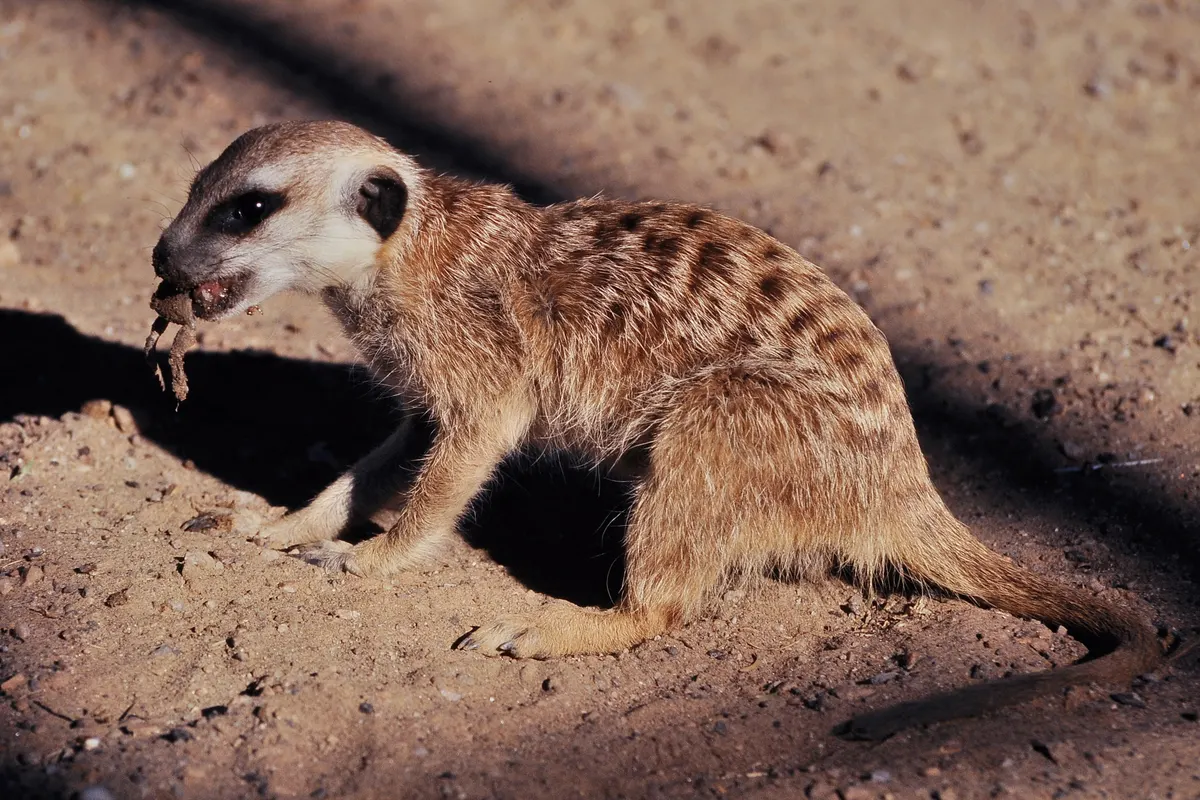
Meerkats forage as a cohesive unit, spreading out over the scrubland to hunt independently while remaining within earshot of the mob. They utilize a highly acute sense of smell to detect prey buried beneath the sand, followed by furious digging to excavate the meal. Notably, meerkats possess an innate biological immunity to the venom of many desert scorpions. Before consuming a highly venomous scorpion, a meerkat utilizes a rapid, specialized behavioral sequence: it bites off the toxic stinger in a lightning-fast snap, rubs the scorpion vigorously in the sand to remove any residual venom from the exoskeleton, and then consumes the arachnid safely. Because standing water is virtually non-existent in the Kalahari for most of the year, meerkats obtain almost all their necessary moisture directly from the bodily fluids of their prey and moisture-rich roots.

The social dynamics of a meerkat mob are extraordinarily complex, highly structured, and strictly matriarchal. A mob typically consists of 20 to 30 individuals, though massive "super-gangs" of up to 50 animals have been observed. The core of the mob is the dominant alpha female, who aggressively suppresses the reproduction of subordinate females through intense bullying, hormonal suppression, and occasionally infanticide, ensuring she is the sole breeding female in the group. She is closely attended by a dominant alpha male.
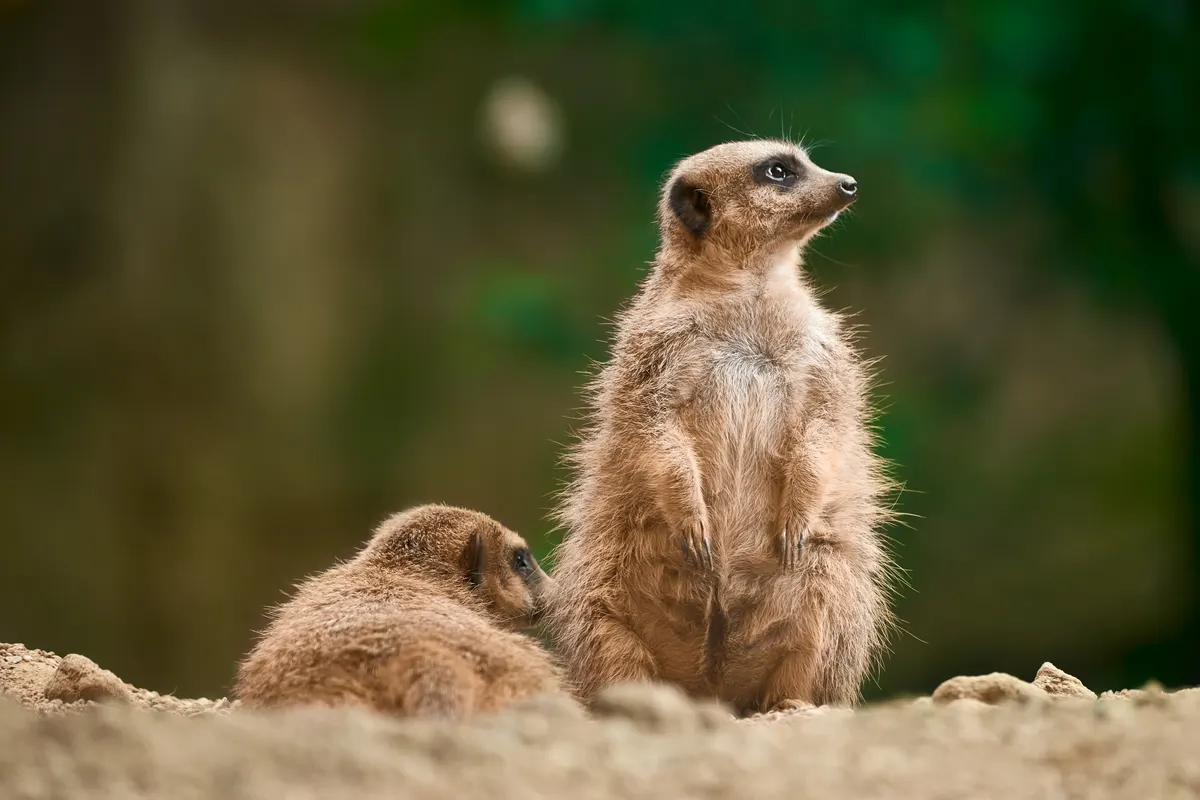
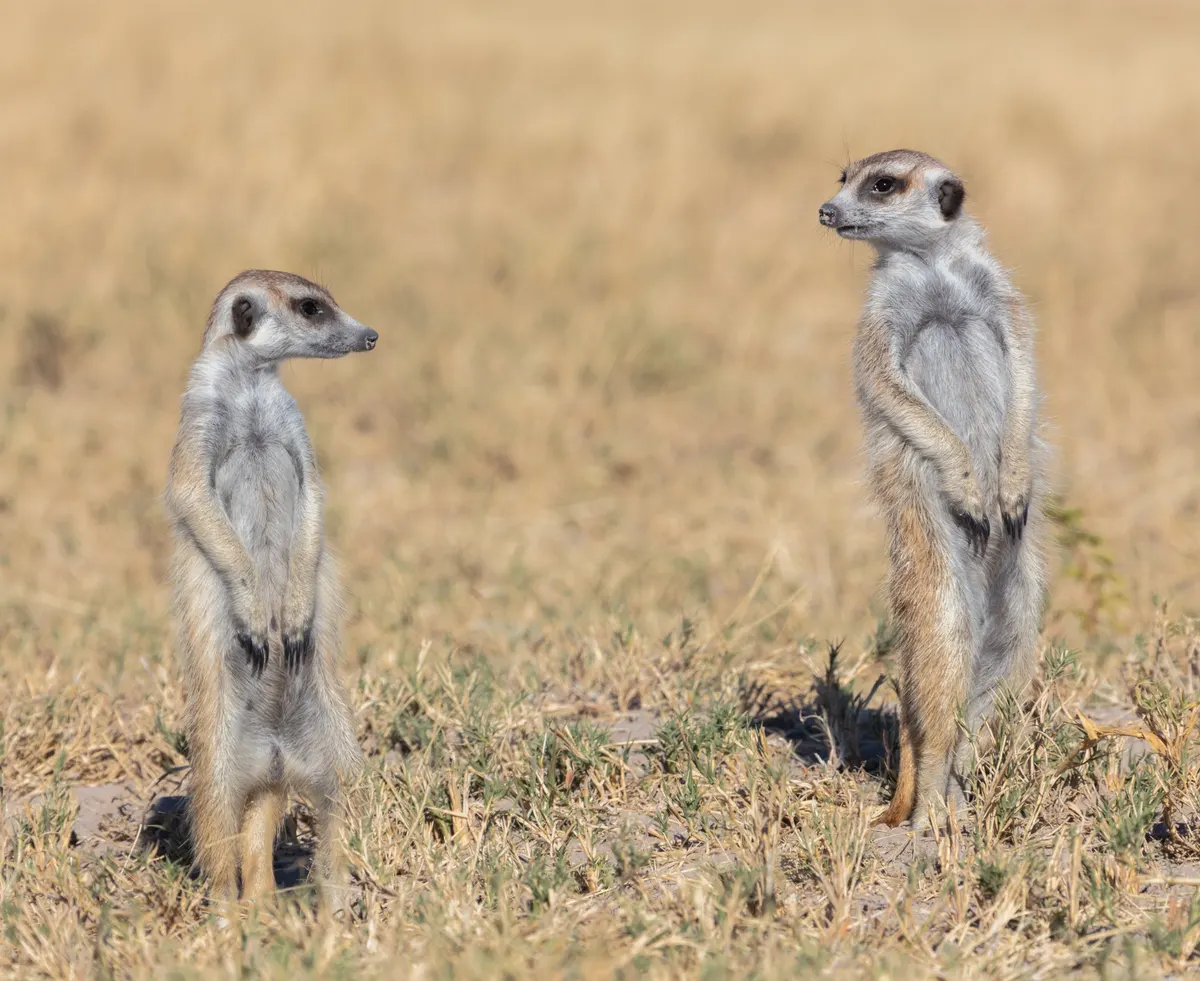
The most iconic behavior of the mob is the "sentry" system. While the group forages face-down in the dirt, one or two designated sentinels stand at the highest available vantage point—a dead tree, a termite mound, or a large rock. Standing fully erect, the sentry scans the horizon and the sky relentlessly. They utilize a complex, sophisticated vocal vocabulary consisting of over 30 distinct calls. The sentry emits a continuous low "peeping" sound to reassure the foragers that the sky is clear. If a threat is spotted, the sentry issues specific, urgent alarm calls that differentiate between terrestrial predators (like jackals or snakes, prompting the mob to bunch together) and aerial predators (like martial eagles, prompting an immediate, frantic sprint to the nearest bolt-hole).

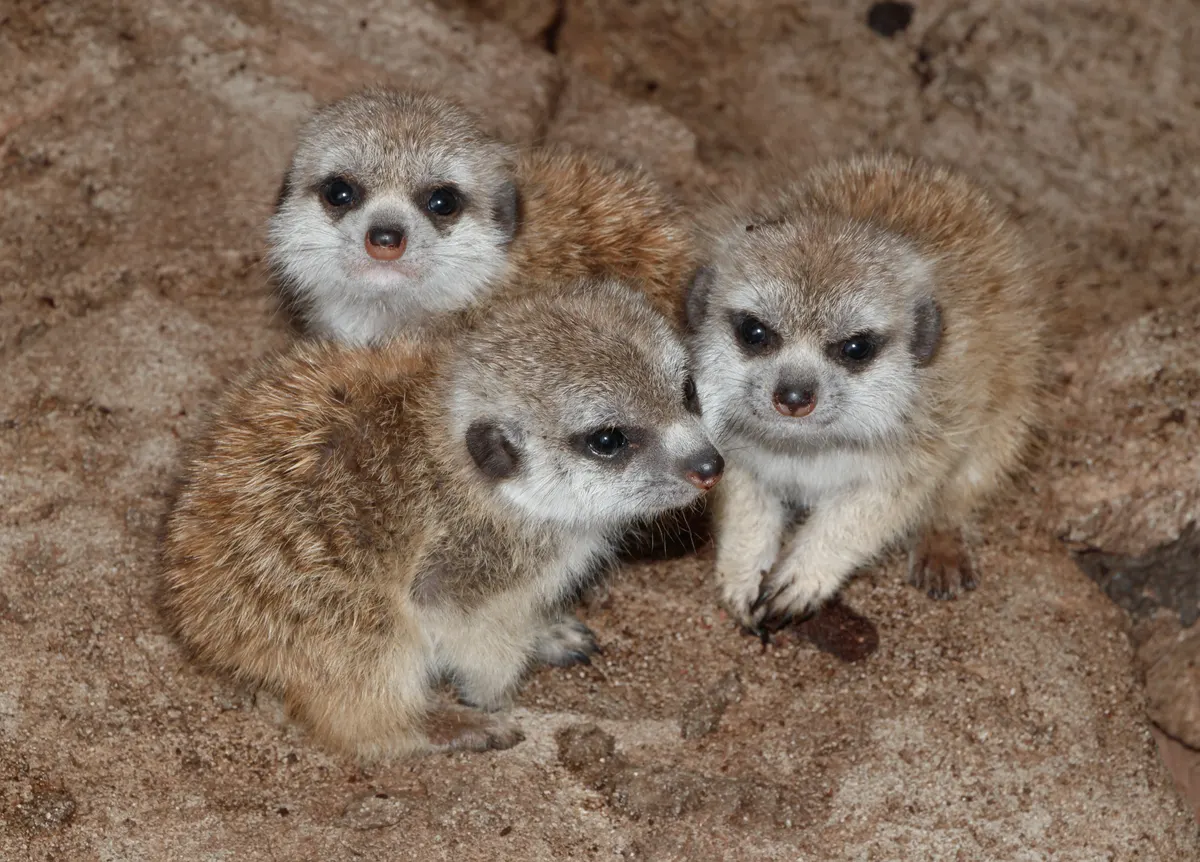
Reproduction in Suricata suricatta is highly cooperative (alloparenting) and dictated almost entirely by the alpha female. Following a gestation period of approximately 11 weeks (77 days), the alpha female gives birth in a dedicated, deep nursery chamber within the burrow, typically producing a litter of 2 to 5 blind, helpless pups.
Because the alpha female must immediately return to foraging to sustain her milk production, the care of the pups falls heavily on the subordinate members of the mob. Subordinate females (who may lactate spontaneously) and subordinate males act as dedicated "babysitters," remaining in the burrow to warm, guard, and groom the pups while the rest of the mob hunts. When the pups are roughly a month old, they emerge from the burrow and join the foraging party. The adults engage in active, costly teaching behaviors, catching live prey (like a disabled scorpion) and bringing it to the pups, teaching them how to handle dangerous food safely. Wild meerkats typically live 8 to 12 years, though mortality rates are exceedingly high during their first year of life due to predation, harsh droughts, and intense inter-group territorial warfare.
(Population and conservation trend data sourced from the IUCN Red List of Threatened Species)
The meerkat is currently classified as "Least Concern" by the IUCN Red List. They remain widespread and locally abundant across their natural range in southern Africa, largely due to their high reproductive rate, adaptability to arid conditions, and the fact that their harsh desert habitat is largely unsuitable for heavy human agriculture or development.
However, they are not entirely immune to environmental pressures. Localized populations frequently suffer severe, rapid declines during prolonged, multi-year droughts, which decimate the insect populations they rely upon for food and moisture. Furthermore, infectious diseases can sweep through the tightly packed, highly social mobs with devastating speed. Meerkats are highly susceptible to outbreaks of bovine tuberculosis (contracted from sharing pastureland with cattle) and rabies, which can quickly wipe out an entire gang. Despite these localized threats, the overall population trend remains stable, ensuring the meerkat remains an enduring symbol of cooperative survival in the African desert.
Meerkats are mongooses, not cats, despite the cat-like name.
One meerkat often stands guard while others search for food.
Meerkats live in groups called mobs or gangs.
They can eat scorpions after removing the stinger.
Meerkats use different alarm calls for land and air predators.
Underground burrows keep pups safe from heat and predators.
Select a question to reveal the answer.
A meerkat is a small mongoose from southern Africa that lives in groups and often stands upright to watch for danger.
Meerkats live in dry grasslands and deserts of Botswana, Namibia, and South Africa.
Meerkats are carnivores that eat insects, scorpions, spiders, small reptiles, eggs, and roots.
Standing on hind legs helps sentry meerkats see predators such as hawks over tall grass.
Meerkats live in social groups that dig burrows, forage together, and raise pups cooperatively.
A baby meerkat is called a pup. Pups are raised with help from the whole group.
Meerkats are listed as Least Concern, but drought and habitat change can harm local populations.