Penguin Facts
"Penguins cannot fly, but they swim as well as many fish."
Penguins are flightless seabirds built for swimming in cold southern oceans. They waddle on land, dive for fish and krill, and many species raise chicks...
Loading page content

"Penguins cannot fly, but they swim as well as many fish."
Penguins are flightless seabirds built for swimming in cold southern oceans. They waddle on land, dive for fish and krill, and many species raise chicks...
SpheniscidaeSphenisciformesSpheniscidae
Explore penguin photos organized for learning and classroom observation.
Click any photo to view it larger. 8 images available.
Core article
Habitat, diet, behavior, and more — everything on one page.
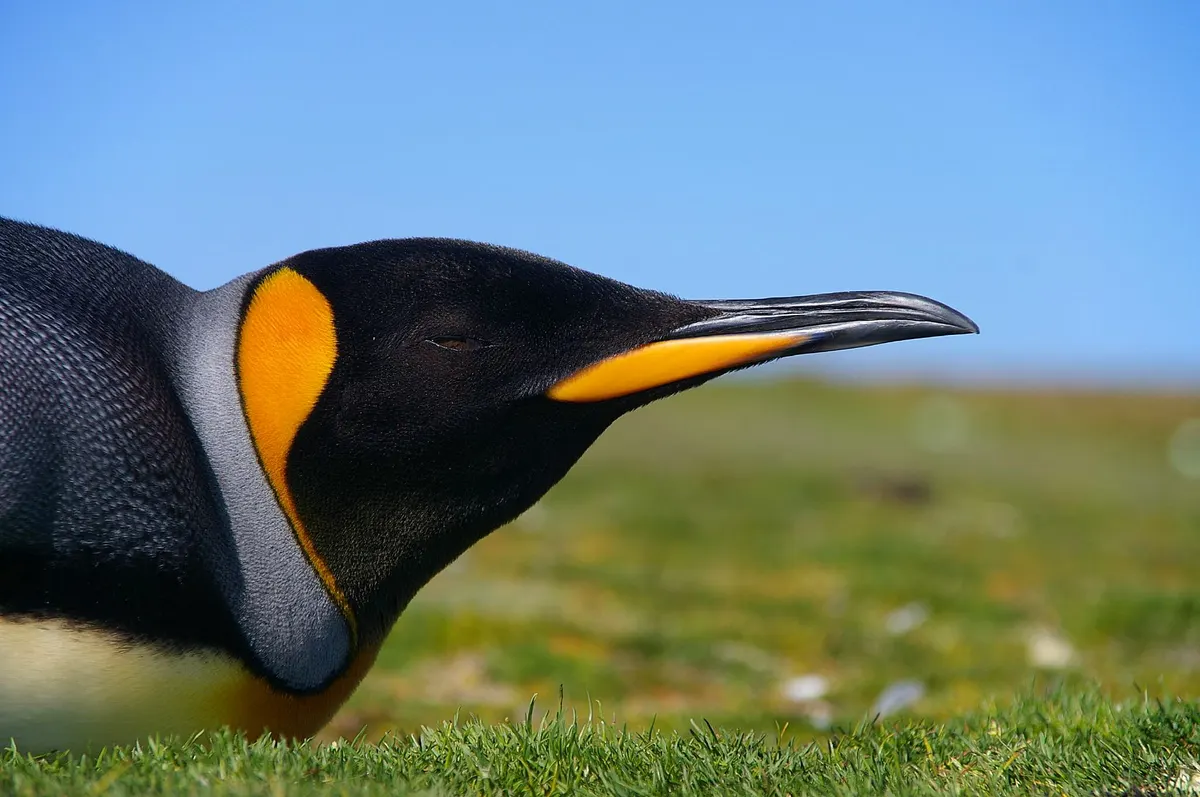
Penguins are unique, flightless seabirds that have evolved to conquer some of the most unforgiving marine environments on the planet. Instantly recognizable by their distinct tuxedo-like plumage, these highly specialized creatures have traded the skies for the depths of the ocean. While they may appear comical and awkward as they waddle across ice floes, penguins are torpedo-shaped masters of hydrodynamics once they slip beneath the waves. Found almost exclusively in the Southern Hemisphere, penguins lead a remarkable dual life: diving deep into freezing, turbulent waters to hunt for krill and fish, and returning to dense, chaotic terrestrial colonies to breed and rear their young. Their existence is a testament to the extremes of biological adaptation, showcasing how anatomical modifications and complex social behaviors can ensure survival in the frigid extremities of the Earth.
Penguins belong to the kingdom Animalia, phylum Chordata, class Aves, and the order Sphenisciformes. Their entire family is classified under Spheniscidae. Currently, scientists recognize between 17 to 19 distinct species of penguins, all falling under various genera such as Aptenodytes (great penguins like the Emperor and King penguins), Spheniscus (banded penguins like the African penguin), and Pygoscelis (brush-tailed penguins).
The evolutionary history of penguins is a fascinating journey of specialization. Their ancestors lost the ability to fly tens of millions of years ago, adapting instead for a purely aquatic pursuit of prey. Paleontological evidence indicates that early penguins were remarkably diverse, with some prehistoric species reaching the size of adult humans. Over millennia, the penguin's wings evolved into stiff, flat flippers, and their skeletal structure became denser to reduce buoyancy, allowing them to dive deeply and efficiently. This extreme evolutionary pivot transformed them from aerial navigators to unparalleled avian submariners, deeply integrating them into the complex marine food webs of the southern oceans.
The penguin's anatomy is a fascinating example of aquatic adaptation, distinctly engineered for minimizing drag and maximizing thermal retention. Their bodies are fusiform (torpedo-shaped), allowing water to flow seamlessly over them as they swim. They exhibit extreme size variations across species, ranging from the massive Emperor penguin, which can reach 4.3 feet in height and weigh up to 88 pounds, to the diminutive Little Blue penguin, which stands a mere 16 inches tall and weighs about 2 pounds.
Unlike flying birds, penguins have heavy, solid bones that act as ballast, enabling deep and sustained dives. Their wings have evolved into rigid, paddle-like flippers, powered by massive pectoral muscles that propel them through the water at speeds up to 22 mph. On land, they use their strong, webbed feet and stiff tail feathers as a tripod for balance when standing upright.
Thermoregulation is a critical aspect of penguin biology. To survive in freezing polar and subpolar regions, they possess a thick layer of insulating blubber beneath their skin. Furthermore, their bodies are covered in dense, highly specialized overlapping feathers—up to 100 feathers per square inch. These feathers are meticulously preened and coated in oil secreted from the uropygial gland, creating a waterproof barrier that keeps the freezing ocean water from reaching their skin.
A vital anatomical feature is their countershaded coloration: dark on the dorsal (back) side and white on the ventral (front) side. This biological camouflage is highly effective in the marine environment; from above, their dark backs blend into the murky ocean depths, protecting them from aerial and surface predators, while from below, their white bellies blend into the bright, sunlit surface waters, masking them from predators lurking deeper down. Additionally, penguins possess supraorbital glands above their eyes that filter out and excrete excess salt from the seawater they ingest, allowing them to hydrate without requiring fresh water.

Contrary to popular belief, penguins are not found at the North Pole; they are exclusively residents of the Southern Hemisphere. Their distribution is vast, spanning Antarctica, South America, Africa, Australia, and New Zealand. While iconic species like the Emperor and Adélie penguins inhabit the extreme polar biomes of the Antarctic ice shelves, many other species thrive in temperate and even tropical coastal regions.
Penguins are highly pelagic, spending up to 80% of their lives in the open ocean hunting. However, they must return to land or solid sea ice to molt, mate, and raise their chicks. Their terrestrial habitats range from the desolate, freezing expanses of Antarctic sea ice to the rocky, windswept shores of the Falkland Islands, the sandy beaches of South Africa and Namibia, and even the volcanic equatorial islands of the Galápagos. The availability of nutrient-rich ocean currents, such as the Humboldt Current off the coast of South America or the Benguela Current near southern Africa, dictates their geographic distribution, as these upwellings support the dense shoals of prey penguins rely upon.

Penguins are strict marine carnivores, acting as mid-level to top predators within their respective ecosystems. Their specific diet varies significantly depending on the species and geographical location, but it primarily consists of small schooling fish, krill (small crustaceans), and various species of squid.
Their feeding strategies are highly visual and energetically demanding. Penguins rely on their excellent underwater vision, adapting to the low-light conditions of the ocean depths to spot and pursue agile prey. They catch their food using their sharp, specialized beaks, and backward-facing papillae (fleshy spines) inside their mouths and throats prevent slippery prey from escaping.
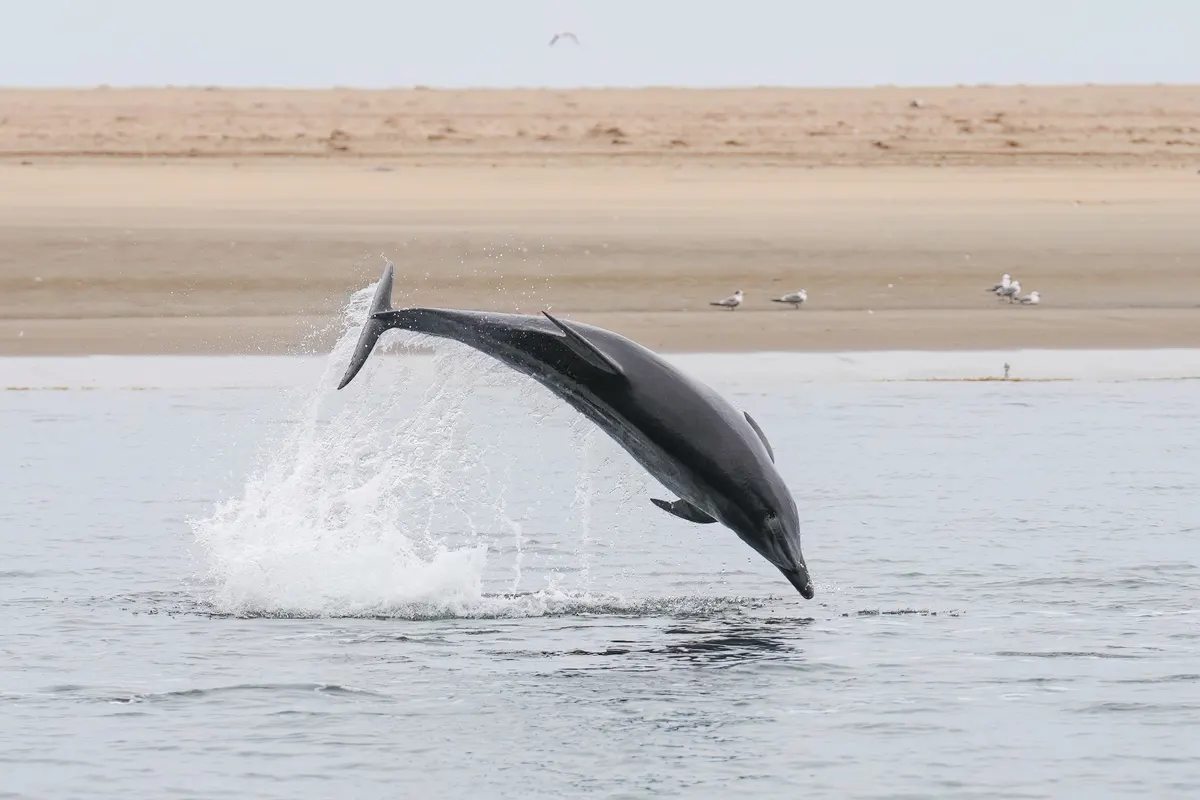
To maximize their hunting efficiency and evade aquatic predators, penguins utilize a dynamic swimming technique called "porpoising." This involves leaping out of the water at high speeds, which allows them to take rapid breaths of air without breaking their momentum, effectively reducing drag and conserving energy during long oceanic commutes. Species like the Emperor penguin are capable of astonishing physiological feats, diving to depths of over 1,500 feet and holding their breath for more than 20 minutes to access deep-water prey that other avian predators cannot reach.

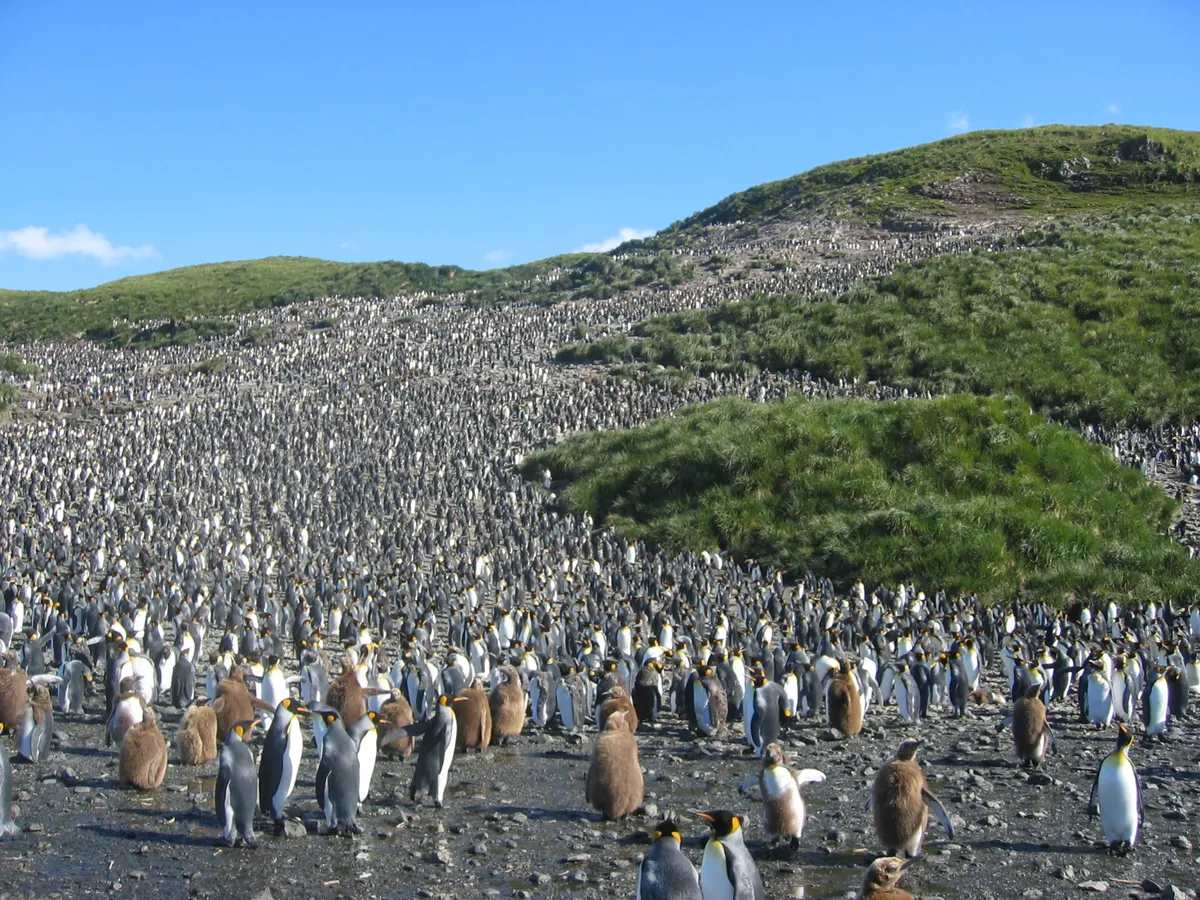
Penguins are profoundly social animals, exhibiting complex colony dynamics that are essential for their survival and reproductive success. They gather in massive breeding congregations known as rookeries, which can range from a few hundred pairs to staggering mega-colonies containing hundreds of thousands of birds. The cacophony of a penguin colony is deafening, as individuals use specific vocalizations and visual displays to recognize mates and chicks amidst the dense, chaotic crowd.
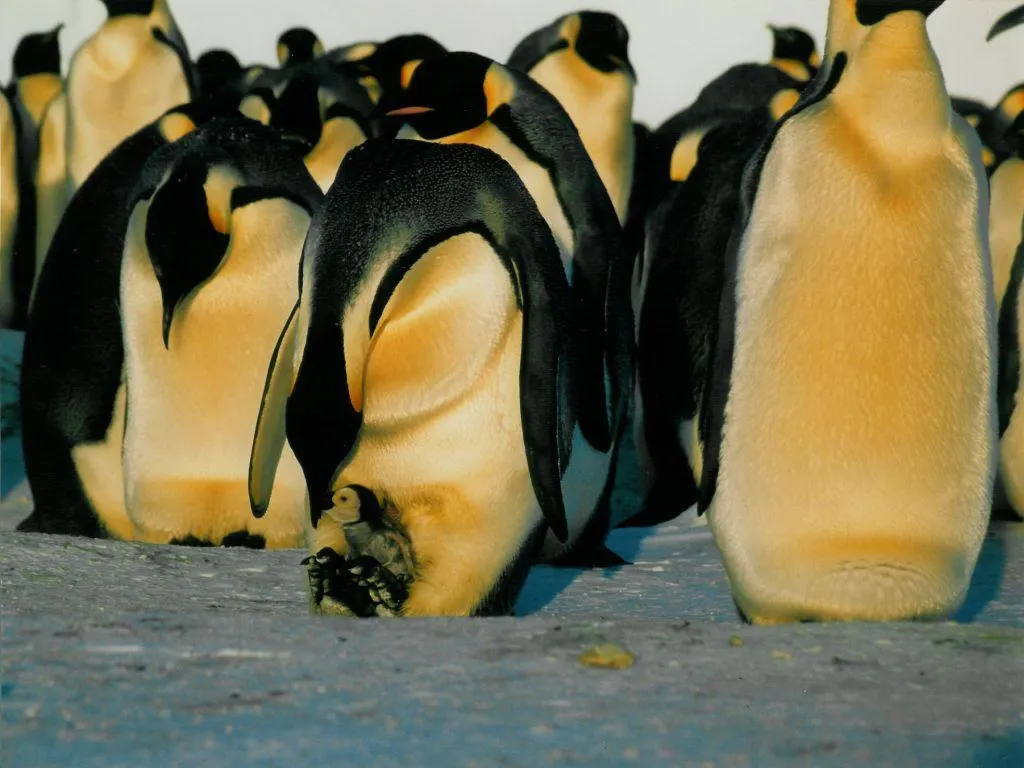
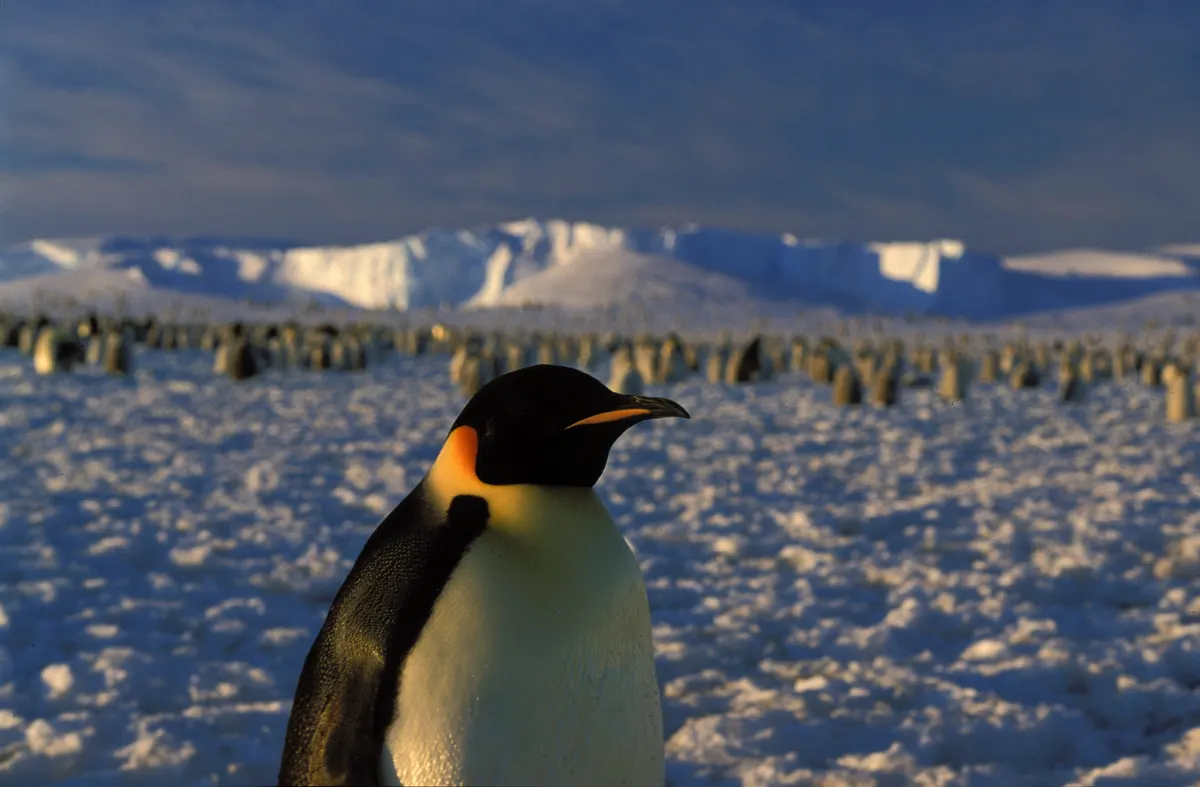
These massive colonies offer protection through safety in numbers against aerial predators like skuas and giant petrels, which actively hunt eggs and vulnerable chicks. In extreme Antarctic environments, highly cooperative social behaviors are literally a matter of life and death. Emperor penguins are famous for their remarkable huddling behavior during the brutal, dark Antarctic winter. Thousands of males will pack tightly together to share body heat, constantly shuffling and rotating from the freezing outer edges of the huddle to the warmer interior, surviving temperatures that plummet to -76°F (-60°C).
Grooming and mutual preening (allopreening) are common social behaviors that help maintain the critical waterproofing of their plumage while simultaneously reinforcing pair bonds between mates.

The reproductive cycle of penguins is characterized by intense parental investment and, often, strict monogamy over a breeding season. Most penguin species lay a clutch of one to two eggs in a rudimentary nest made of rocks, pebbles, or guano, depending on the available terrestrial resources.
The incubation period lasts between one to two months. In a remarkable display of biparental care, the male and female typically share incubation duties. One parent remains at the nest, fasting and protecting the egg, while the other journeys to the ocean to forage, sometimes traveling hundreds of miles. They take turns, carefully transferring the egg to their brood patch—a bare, highly vascularized area of skin on their lower abdomen that provides direct warmth to the developing embryo.
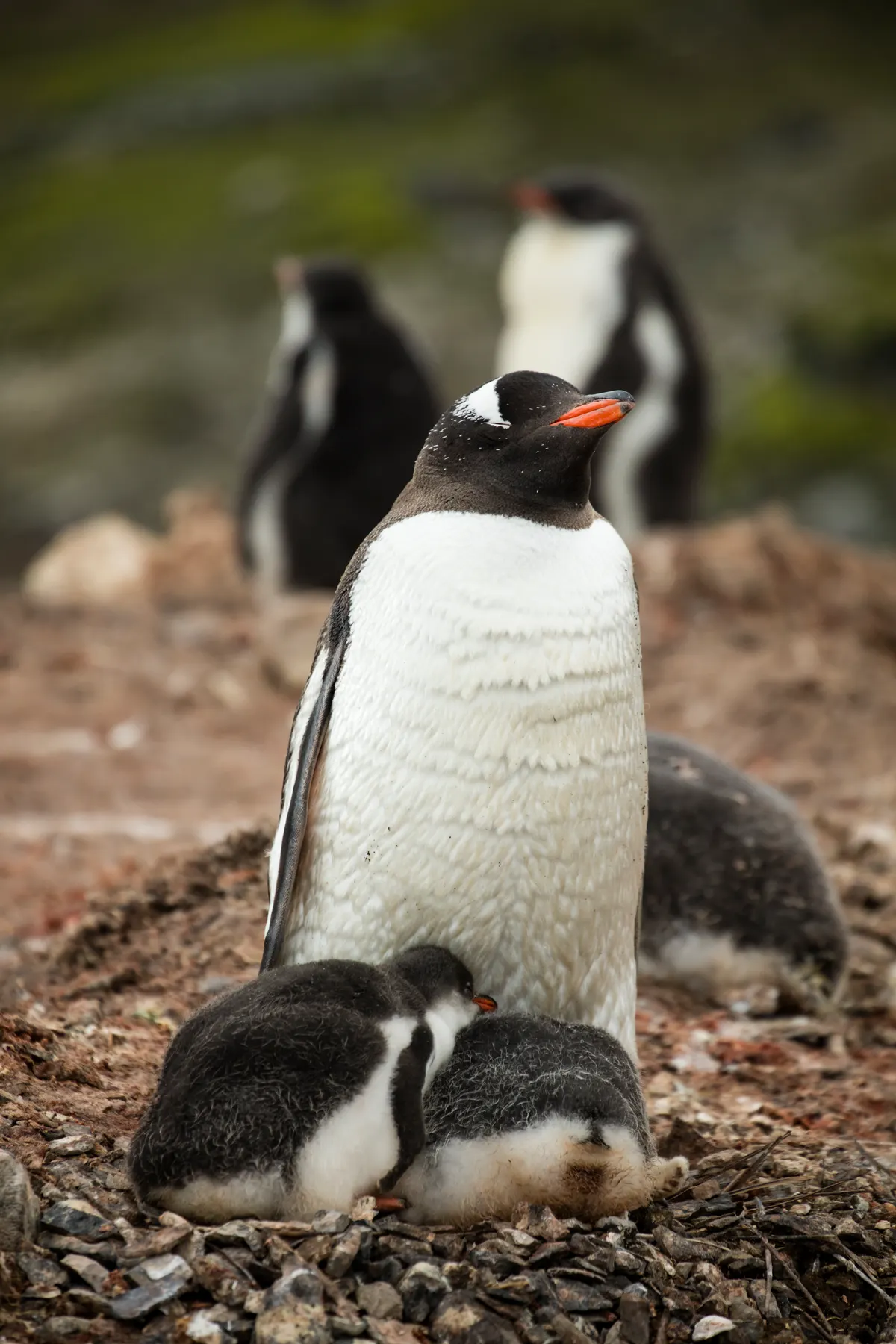
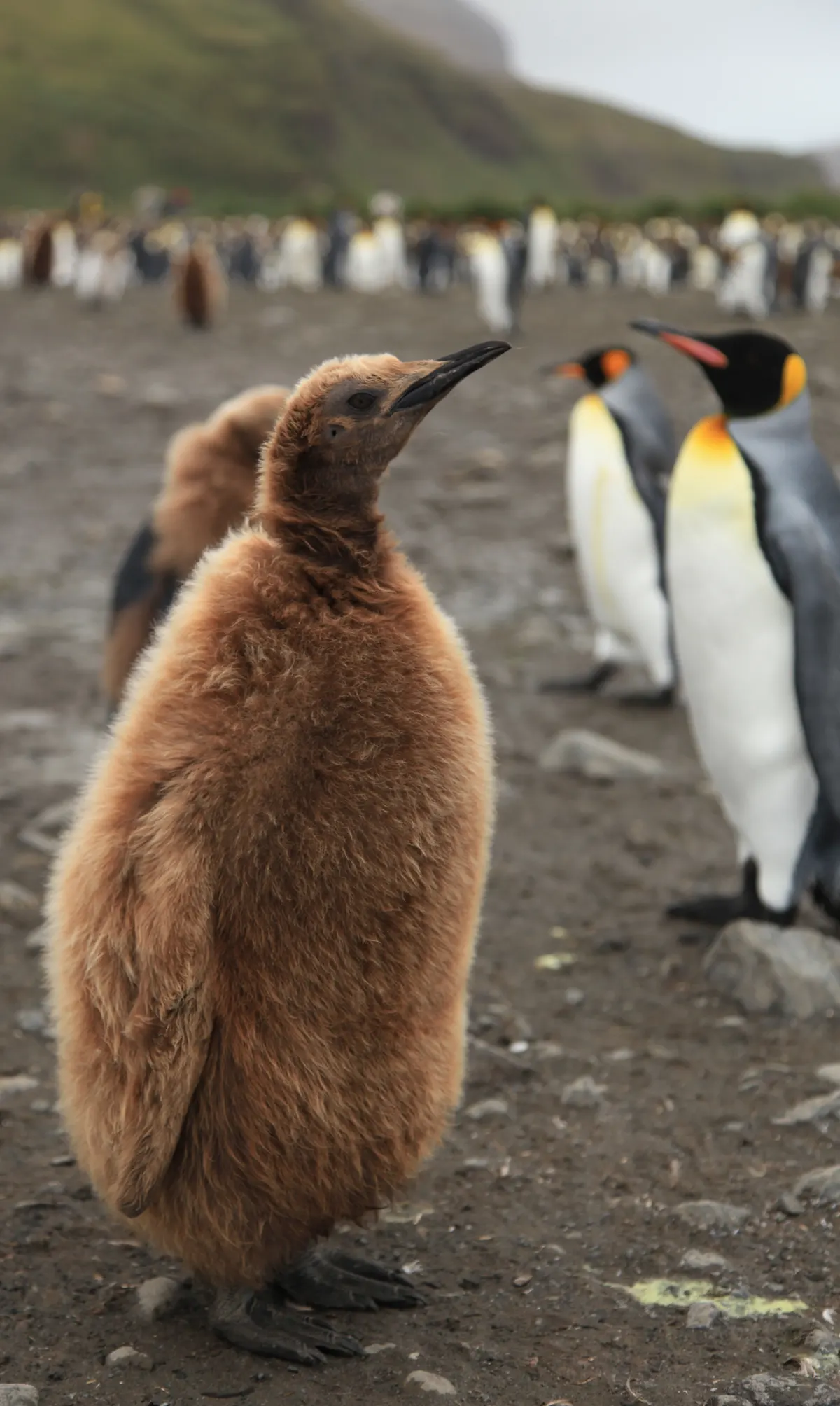
Once the chick hatches, the parents continue to alternate duties, bringing back regurgitated, semi-digested fish and krill to feed the voracious offspring. As the chicks grow and require more food, both parents must leave to hunt simultaneously. During this period, the down-covered chicks gather in large communal groups called crèches. These crèches provide warmth and protection from opportunistic predators while the parents are away. After a few months, the chicks undergo a catastrophic molt, shedding their fluffy juvenile down and growing their first set of adult waterproof feathers. Once fledged, they instinctively head to the sea to begin their independent lives, eventually reaching a lifespan of 15 to 20 years in the wild.
(Population and conservation trend data sourced from the IUCN Red List of Threatened Species)
Despite their resilience, penguin populations are facing severe and escalating threats worldwide, resulting in a general classification of "Near Threatened," with many specific species categorized as "Endangered" or "Decreasing" by the IUCN.
Climate change is undeniably the most profound threat to penguin survival. In Antarctica, the rapid warming of the ocean and the shifting dynamics of sea ice are drastically impacting the availability of krill, the foundational food source for many species. Reductions in sea ice also destroy the vital breeding grounds required by Emperor and Adélie penguins.
Beyond climate change, commercial overfishing heavily depletes the fish and squid stocks that penguins rely on in subantarctic and temperate zones. Bycatch in fishing nets also claims many penguin lives. Furthermore, oil spills and marine pollution pose immediate and catastrophic risks; oil destroys the insulating properties of a penguin's feathers, leading to rapid death from hypothermia or toxicity from ingesting the oil during frantic preening efforts. Human encroachment, coastal development, and the introduction of invasive predators (such as foxes, rats, and feral cats) to breeding islands continue to decimate terrestrial nesting colonies, making comprehensive conservation efforts critical for their future survival.
Penguins cannot fly, but they swim as well as many fish.
Emperor penguins breed during the harsh Antarctic winter.
A group of penguins in the water is called a raft.
Penguins have special glands that remove salt from seawater.
Some penguin colonies hold tens of thousands of nesting birds.
Penguins leap out of the water onto ice in a move called porpoising.
Select a question to reveal the answer.
A penguin is a flightless seabird that lives in the Southern Hemisphere. Penguins have flipper-like wings, waterproof feathers, and strong legs for walking on land and ice.
No. Penguins lost the ability to fly long ago. Their wings became stiff flippers that push them fast through ocean water instead.
Almost all penguins live in the Southern Hemisphere, from Antarctica to South America, Africa, Australia, and nearby islands. The Galápagos penguin lives near the equator.
Penguins are carnivores that eat fish, krill, and squid. They catch prey by diving and chasing underwater.
Many penguins swim about 4 to 7 mph during normal travel. In short bursts, some species can reach around 22 mph underwater.
Yes. Most penguin species nest in large colonies where thousands of birds may gather. Parents take turns guarding chicks and finding food.
A baby penguin is called a chick. Chicks hatch from eggs and depend on their parents for warmth and food.
Their dark backs blend with deep water when seen from above. Their white fronts match bright sky when seen from below, helping them hide from predators and prey.
It depends on the species. Some, like the emperor penguin, are Near Threatened. Others, like the African penguin, are Endangered because of fishing, pollution, and habitat loss.
Emperor penguins have thick feathers and a layer of fat. They also huddle together in tight groups and take turns standing in the warm center of the huddle.