Otter Facts
"Sea otters have some of the thickest fur in the animal world."
Sea otters are furry marine mammals that float on their backs, use tools to open shellfish, and spend much of their life in cold coastal waters. Thick fur...
Loading page content

"Sea otters have some of the thickest fur in the animal world."
Sea otters are furry marine mammals that float on their backs, use tools to open shellfish, and spend much of their life in cold coastal waters. Thick fur...
Explore sea otter photos for learning and classroom observation, from kelp forests and pups to tool use and thick fur.
Click any photo to view it larger. 8 images available.
Core article
Habitat, diet, behavior, and more — everything on one page.
The sea otter (Enhydra lutris) is a remarkable marine mammal that serves as an absolutely vital keystone species within the complex kelp forest ecosystems of the North Pacific. Unlike seals, sea lions, and whales, the sea otter completely lacks an insulating layer of blubber to survive in frigid ocean waters. Instead, it relies on the densest fur in the entire animal kingdom, a voracious metabolic rate, and highly sophisticated tool use to thrive in a harsh coastal marine environment. Spending the vast majority of their lives floating buoyantly on their backs, sea otters are undeniably charismatic, yet they are also formidable, highly adapted benthic predators essential to the ecological balance of the nearshore marine environment.
Classified within the kingdom Animalia, phylum Chordata, and class Mammalia, the sea otter belongs to the order Carnivora and the family Mustelidae. This family includes terrestrial weasels, badgers, wolverines, and river otters, making the sea otter the largest member of the mustelid family, yet simultaneously one of the smallest marine mammals on Earth. The genus Enhydra contains only this single extant species, Enhydra lutris.
The evolutionary divergence of the sea otter from its terrestrial mustelid ancestors occurred relatively recently in geological terms, roughly 2 million years ago during the Pleistocene epoch. This recent transition to an exclusively marine lifestyle is evident in their morphology; unlike cetaceans or pinnipeds which have evolved highly modified flippers or complete loss of hind limbs, the sea otter retains fully functional front paws and heavily modified, webbed hind feet.
Sea otters are relatively small marine mammals but robust mustelids. Adult males typically reach lengths of 4 to 5 feet and weigh between 50 to 100 pounds, while females are smaller, usually weighing 30 to 60 pounds.
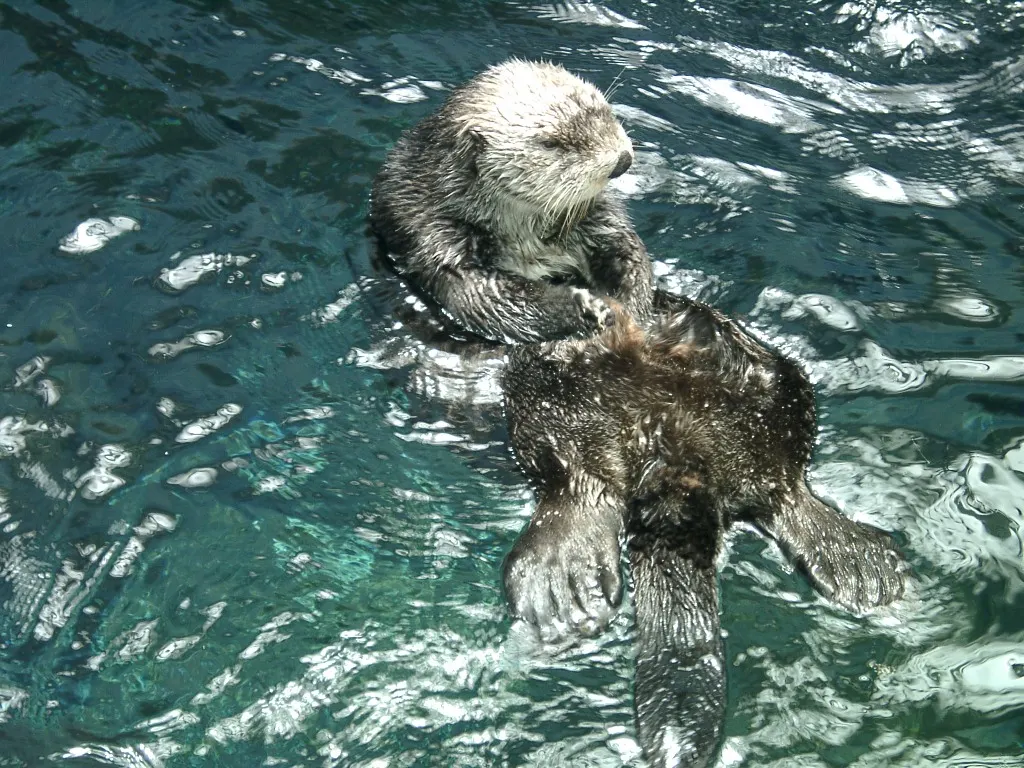
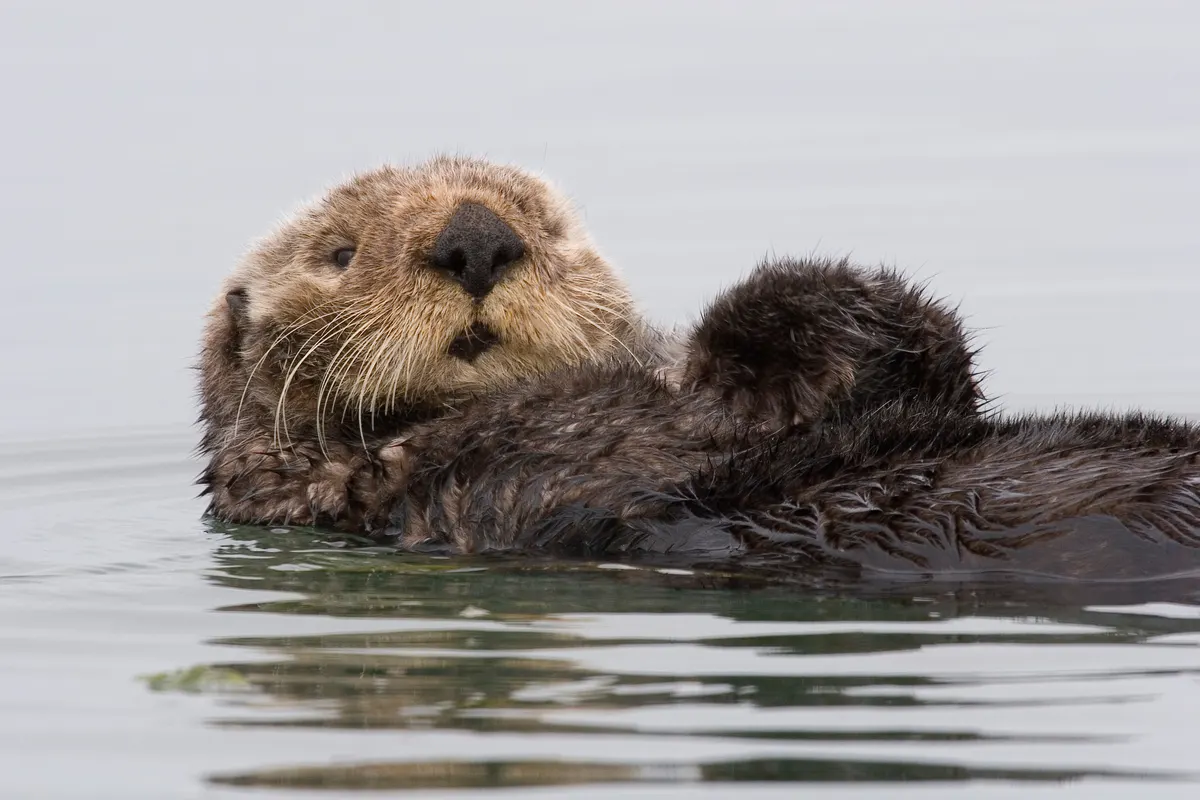
Their most defining and critical anatomical feature is their pelage (fur). Because they lack subcutaneous blubber, thermoregulation in freezing Pacific waters is achieved entirely through their coat, which boasts a staggering density of up to one million hairs per square inch. This pelage is composed of a dense underfur and longer guard hairs. When meticulously groomed, the fur traps a layer of air directly against the skin, providing absolute buoyancy and ensuring the cold seawater never actually touches the otter's skin. If the fur becomes soiled with oil or dirt, the insulating air layer collapses, leading rapidly to fatal hypothermia.
Their skeletal and muscular anatomy is heavily adapted for benthic foraging. They possess highly dexterous front paws equipped with retractable claws, functioning much like human hands, allowing them to probe deep crevices for prey. Their hind feet are large, flat, and heavily webbed, acting as powerful flippers for aquatic propulsion. Furthermore, sea otters possess a loose pouch of skin extending across their chest under their forelegs, which they utilize as a biological "pocket" to store collected prey and their favored rock tools while swimming to the surface.

Historically, the sea otter inhabited a massive, continuous arc along the entire North Pacific Rim, ranging from northern Japan, across the Russian Kamchatka Peninsula, the Aleutian Islands, Alaska, and all the way down the western coast of North America to Baja California, Mexico.
Today, due to historical overexploitation, their distribution is heavily fragmented. Major surviving populations are concentrated in Russia, Alaska, British Columbia (Canada), Washington, and a small, isolated population in central California.
Sea otters are strictly nearshore coastal animals, very rarely venturing into the deep pelagic ocean. They inhabit shallow coastal waters, rocky reefs, and coastal wetlands, but they are most intrinsically linked to giant kelp (Macrocystis pyrifera) and bull kelp (Nereocystis luetkeana) forests. The dense kelp canopy provides a crucial physical anchor for resting otters and serves as a highly productive hunting ground teeming with benthic invertebrates.

To fuel the massive metabolic furnace required to stay warm in freezing water, a sea otter must consume an astonishing 25% to 30% of its total body weight in food every single day. They are strictly carnivorous benthic foragers.
Their diet is highly diverse, encompassing over 100 different species of marine invertebrates, including sea urchins, crabs, clams, mussels, abalone, snails, and marine worms. They conduct short, localized dives to the ocean floor—typically lasting 1 to 2 minutes—using their sensitive whiskers (vibrissae) and dexterous paws to locate and dislodge prey from rocky substrates.
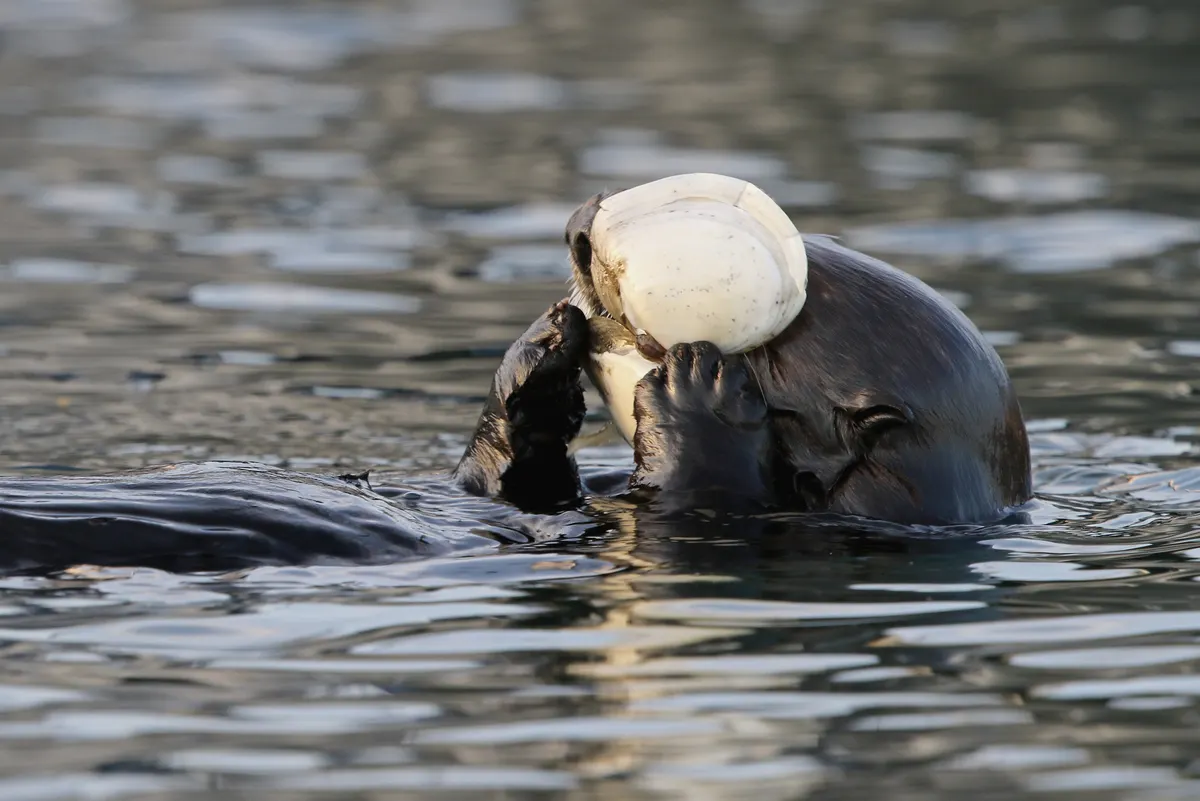
The sea otter is renowned for its profound intelligence and frequent, sophisticated tool use. Because much of their prey (like clams and large crabs) is heavily armored, the otter will dive and retrieve a large, flat rock alongside its food. Upon returning to the surface, the otter rolls onto its back, places the rock on its chest as an anvil, and repeatedly smashes the hard-shelled prey against the rock until it shatters. This routine, inherited tool use is a rare trait in the animal kingdom and essential for their dietary success.

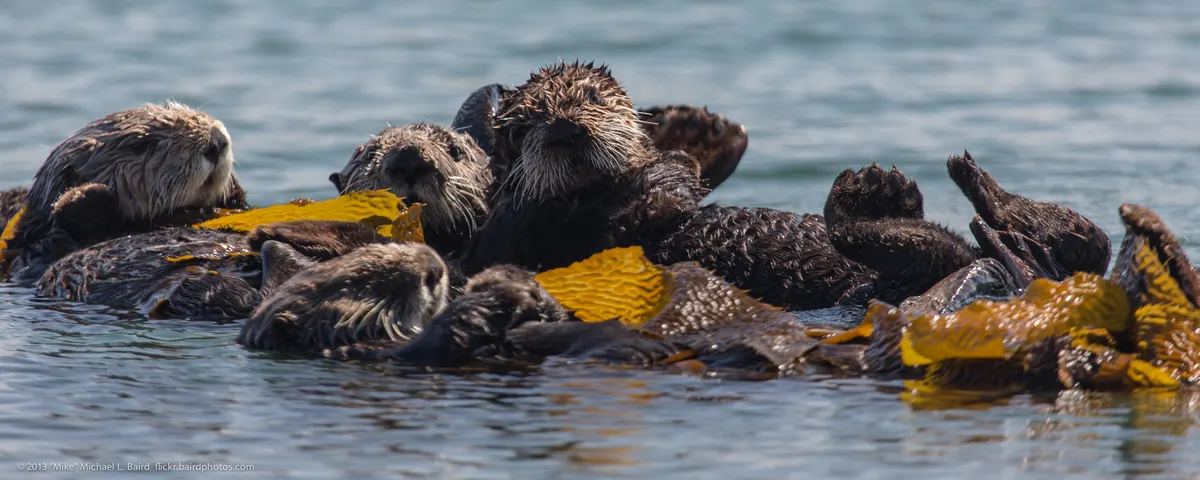
Sea otters are generally gregarious animals, though they exhibit distinct spatial segregation based on sex. While foraging is typically a solitary activity, during periods of rest, they aggregate into large, sexually segregated groups known as "rafts." A raft of males or a raft of females and pups can contain anywhere from 10 to over 100 individuals.
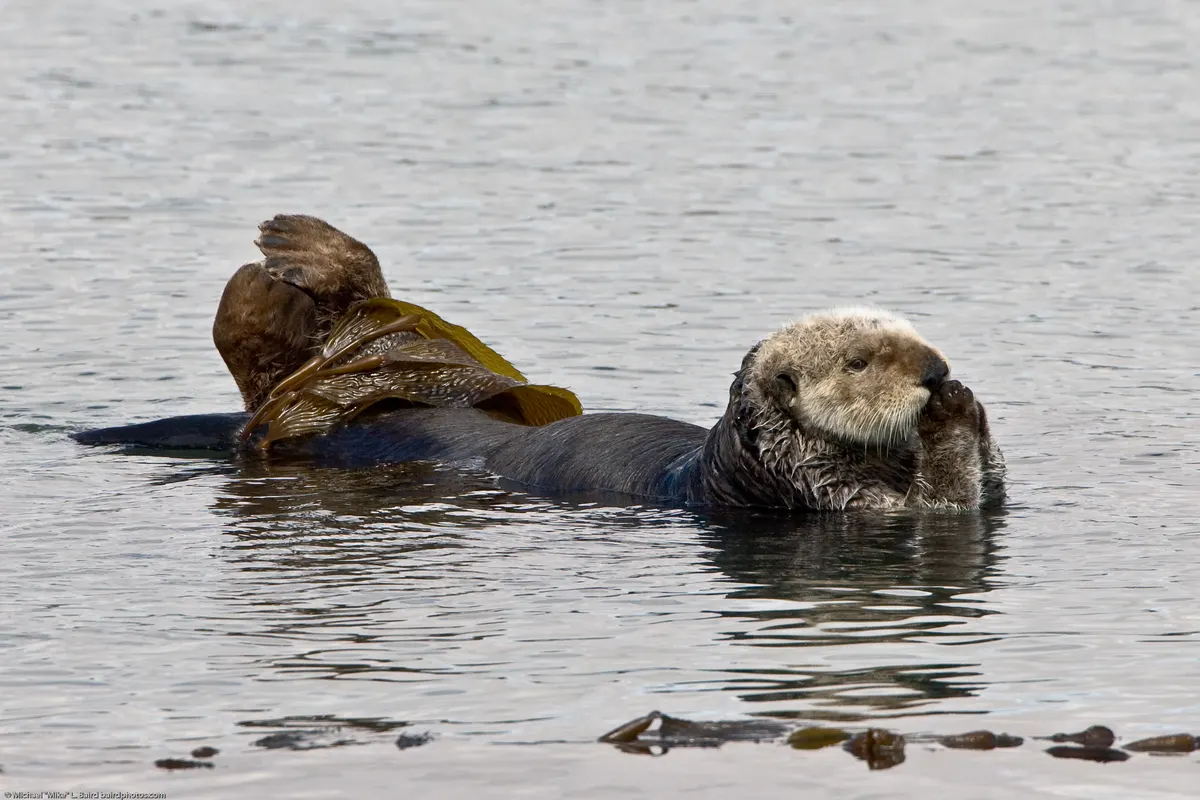
To prevent drifting out to the open ocean or onto dangerous rocky shores while sleeping, sea otters exhibit the highly endearing behavior of actively wrapping themselves in long fronds of surface kelp.
Grooming is an absolute biological imperative rather than a mere social behavior. A sea otter spends several hours every day meticulously rubbing, squeezing, and blowing air into its fur to maintain its critical insulating properties. They are highly vocal animals, utilizing a range of whistles, squeals, and coos to maintain contact within the raft, particularly between a mother and her pup.

The reproductive cycle of the sea otter is characterized by intense maternal investment. They can breed year-round, though regional peaks occur. A unique physiological trait of the sea otter is delayed implantation; after fertilization, the embryo ceases development and floats freely in the uterus for several months before implanting, allowing the female to time the birth with optimal environmental conditions.
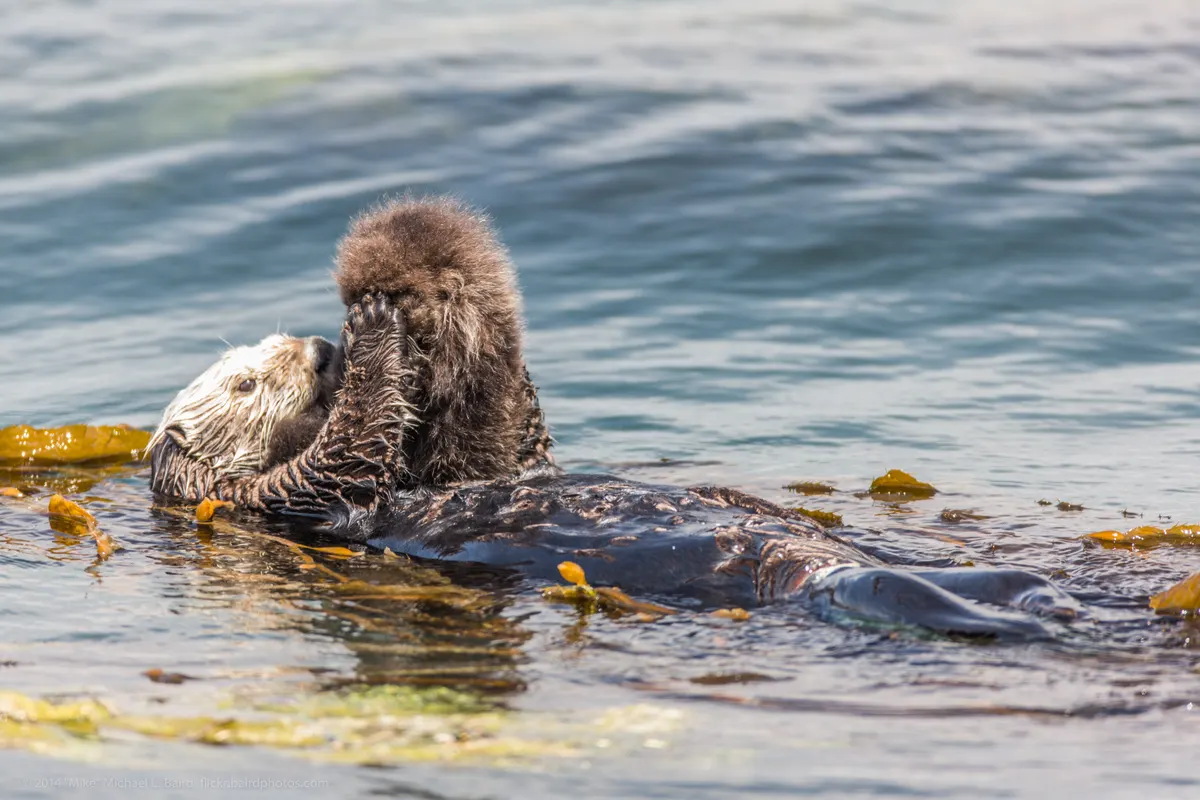
Following a true gestation period of about 4 to 6 months, a female gives birth to a single pup directly in the water. The newborn pup is buoyant due to an extremely dense layer of specialized natal fur (lanugo) which prevents the pup from diving.
The mother is fiercely dedicated, essentially using her own chest as a floating cradle for the first several months of the pup's life. When she must dive to forage, she wraps the highly buoyant pup in kelp to anchor it at the surface. She heavily provisions the pup with prey and spends hours meticulously grooming its fur. Weaning occurs between 6 to 8 months, at which point the pup must have mastered the complex skills of deep diving, tool use, and grooming. In the wild, sea otters typically live 10 to 20 years, with females generally outliving males.
(Population and conservation trend data sourced from the IUCN Red List of Threatened Species)
The IUCN Red List definitively classifies the sea otter (Enhydra lutris) as an "Endangered" species. During the 18th and 19th centuries, the maritime fur trade systematically slaughtered the global sea otter population for their incredibly valuable pelts, reducing a population of up to 300,000 individuals to a mere 1,000 to 2,000 survivors globally.
While international treaties and localized conservation efforts have allowed populations in Alaska and Russia to partially rebound, they remain highly vulnerable. Because they lack blubber, sea otters are exceptionally vulnerable to anthropogenic oil spills. Even a minor coating of crude oil instantly destroys the insulative properties of their fur, causing them to freeze to death rapidly. The 1989 Exxon Valdez oil spill in Alaska killed thousands of otters and devastated local populations for decades.
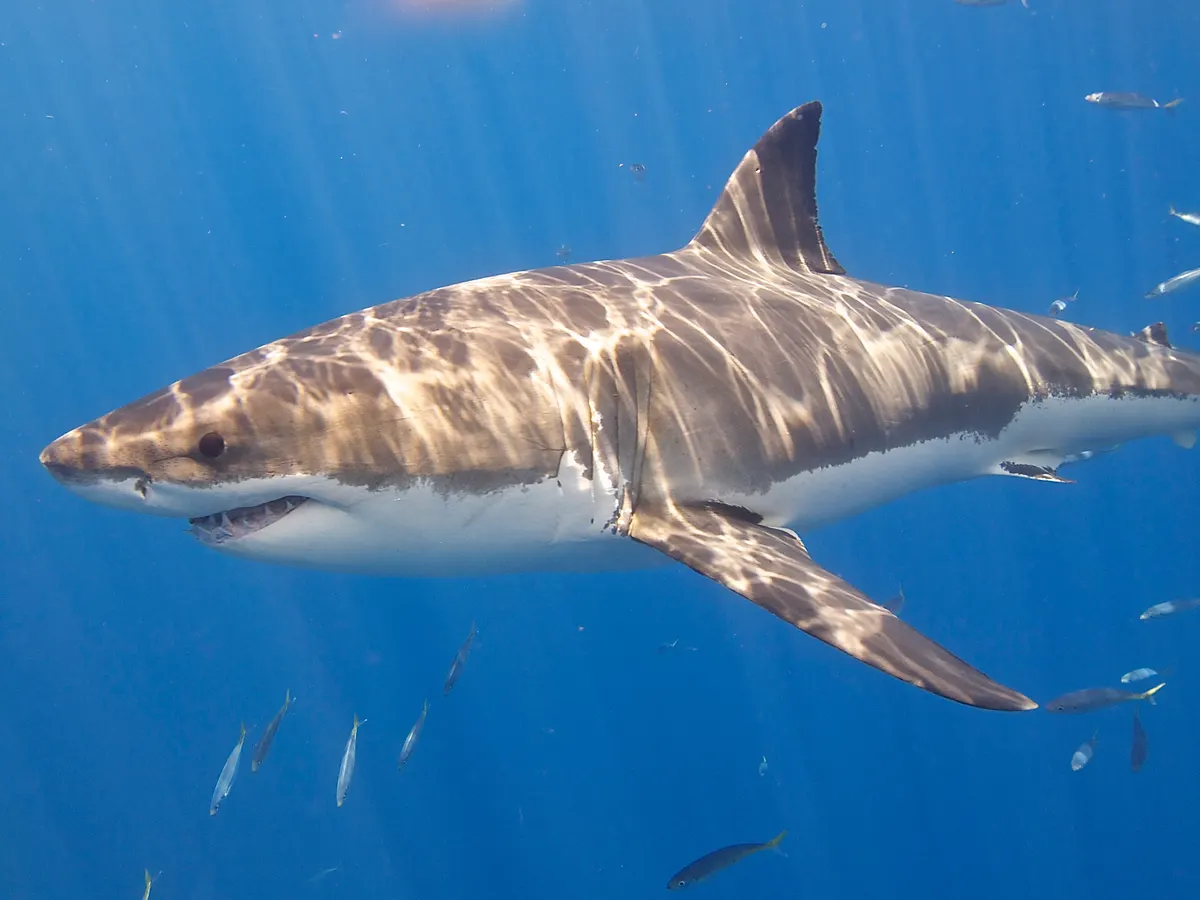
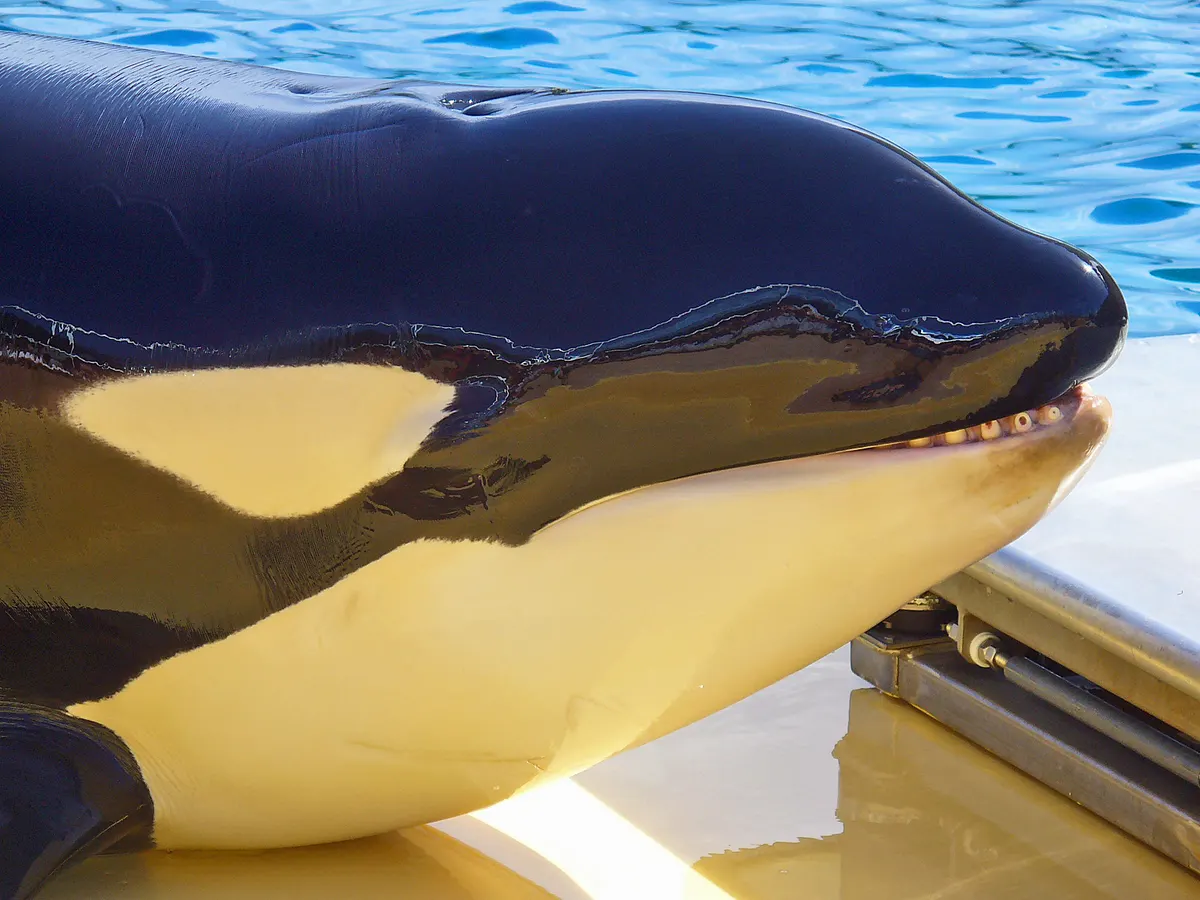
Furthermore, they face intense natural predation from migrating orcas, particularly in the Aleutian Islands, and great white sharks in California. Their ecological role as a keystone species cannot be overstated; by voraciously consuming sea urchins, sea otters prevent the urchins from clear-cutting giant kelp forests. Without otters, the ecosystem devolves into barren "urchin barrens," destroying the habitat for hundreds of other marine species. Protecting the sea otter is synonymous with protecting the structural integrity of the entire coastal marine ecosystem.
Sea otters have some of the thickest fur in the animal world.
They sometimes use rocks as tools to crack open shellfish.
Sea otters often wrap themselves in kelp so they do not drift away.
A group of resting sea otters can be called a raft.
They float on their backs while eating.
Sea otters help kelp forests by eating sea urchins that chew on kelp roots.
Select a question to reveal the answer.
This page covers the sea otter, a marine mammal with thick fur, webbed feet, and the ability to float on its back while eating.
Sea otters live in cold coastal waters of the North Pacific, especially near kelp forests and rocky shores.
Sea otters are carnivores that eat shellfish and other marine animals such as sea urchins, crabs, clams, and mussels.
Yes. Sea otters may use rocks to crack open hard shells while floating on their backs.
Instead of thick blubber, sea otters stay warm with extremely dense fur that traps air close to the skin.
A baby sea otter is called a pup. Pups stay very close to their mother and float on the surface while she dives for food.
Sea otters help keep kelp forests healthy by eating sea urchins that can damage kelp beds.
Some sea otter populations are protected and recovering, but the species still faces threats from oil spills, disease, and changing ocean conditions.