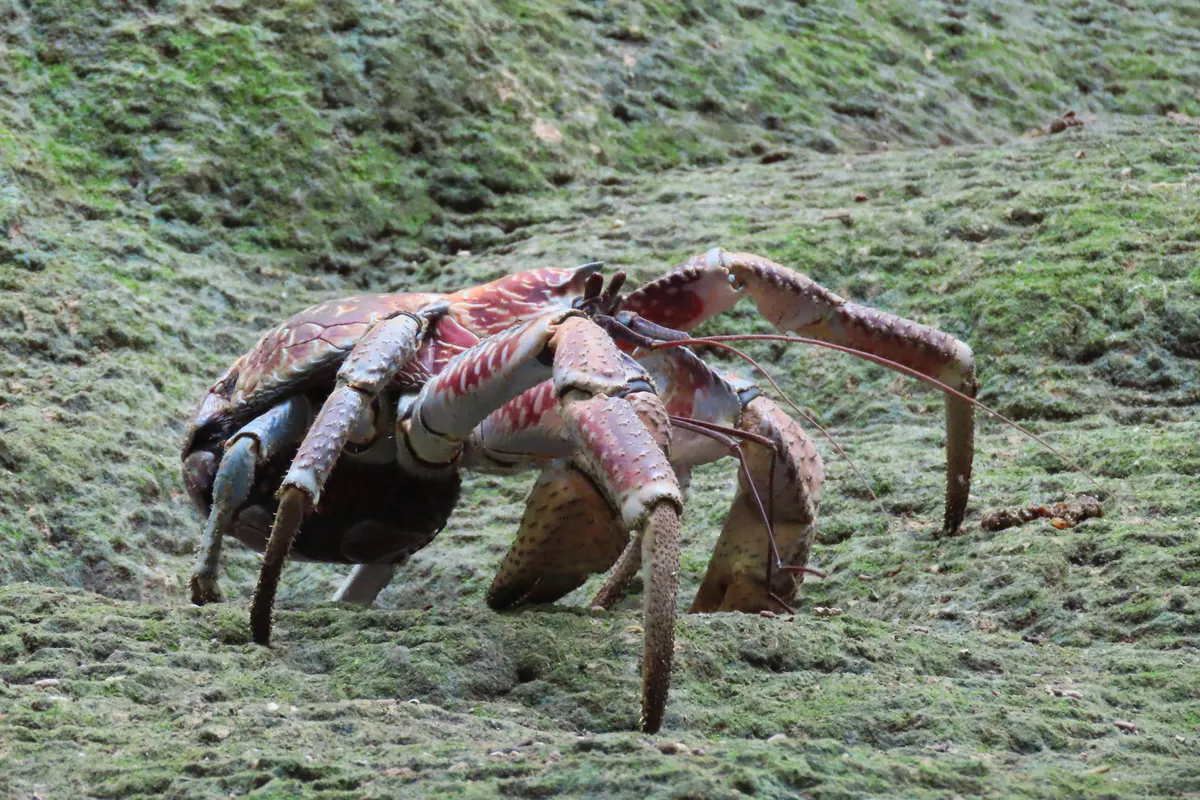
Large blue and orange coconut crab on the forest floor
The coconut crab is the largest land-living arthropod, a giant terrestrial hermit crab.
MalacostracaVulnerable

Coconut Crab

The coconut crab is the largest land-living arthropod, with a leg span reaching about 1 metre and a weight up to roughly 4 kg.

The coconut crab is the largest land-living arthropod, a terrestrial hermit crab found on Indo-Pacific islands. Adults abandon borrowed shells, harden their own abdomen, climb trees, and use powerful pincers to open fallen fruit and coconuts.

By · Updated

Quick Facts

Coconut Crab at a glance

Birgus latroDecapodaCoenobitidae

About their home

Kind of animal

Malacostraca

Where they live

What they eat

How safe?

Vulnerable

Size and speed

How heavy

1 kg – 4.1 kg

How long

Body up to about 40 cm – Leg span up to about 1 m

How fast

Slow walker; agile vertical climber

Lifespan

Often 40 to 60 years, possibly longer

Core article

Coconut Crab: ecology and life history

A closer look at habitat, diet, behavior, reproduction, and conservation.

Start here

Coconut Crab

The coconut crab is the largest arthropod that lives on land. A big adult can weigh around 4 kg and stretch about a metre from one leg tip to another, larger than any insect, spider, or other land-dwelling invertebrate. Despite the crab-like body, it is a hermit crab that has taken an unusual path: it begins life in the sea, spends a stage borrowing empty snail shells like its relatives, and then, as an adult, gives up shells entirely and hardens its own body instead. It is found on tropical islands across the Indian and Pacific Oceans, where it forages mostly at night and climbs trees with a grip strong enough to crack open hard fruit.

Anatomy and Claws

An adult coconut crab has a heavy, armored body divided into a hard carapace over the front section and a tucked-under abdomen behind it. Most hermit crabs protect that soft abdomen inside a borrowed gastropod shell for life. The coconut crab does this only when young. As it matures it deposits chitin and calcium carbonate in the abdominal cuticle, hardening and calcifying the rear of its body so that it no longer needs a shell for protection.

The front pair of legs carries the claws. The left claw is typically the larger of the two and is built for crushing. A 2016 study that measured the pinch of wild crabs found that force rises with body mass, and projected a maximum of roughly 3,300 newtons for the heaviest individuals, the strongest pinching force recorded in any crustacean. The next two pairs of legs are long and end in pointed tips that give the crab its climbing grip, while the smallest rear legs are usually held inside the shell cavity or against the body.

Habitat and Distribution

Coconut crab on the ground in island vegetation
Forested island interiors and coastal strands give the crab food, shelter, and climbing sites.

Coconut crabs live on tropical islands and along the coast of the Indian and Pacific Oceans. Their range runs from Zanzibar and the Seychelles in the west, across Indonesia, the Chagos Archipelago, Christmas Island, Guam, and the Mariana and Marshall Islands, to the Cook Islands and other Pacific groups in the east, reaching the southern islands of Japan. They are absent from most large continental landmasses and are strongly associated with smaller islands, especially those with limited human presence.

Adults are terrestrial and shelter by day in burrows, rock crevices, or dense vegetation, emerging at night to feed. They favor coastal forest and vegetated ground near the shore, but individuals can range some distance inland. The tie to the coast never fully breaks: females must return to the sea edge to release their eggs, so populations depend on both forest for adults and accessible shoreline for reproduction.

Diet and Foraging

Coconut crab with its claws raised
A keen sense of smell guides it to fruit and carrion, and it also climbs trees for food.

The coconut crab is an omnivore with a diet built mainly around plant material. Fallen fruit, nuts, seeds, and the soft pith of fallen trees make up most of what it eats. It also takes carrion, dead crustaceans, and the shed exoskeletons of other animals when it finds them, and will eat smaller crabs, including members of its own species.

The name reflects a real behavior, though a partly exaggerated one. The crab can work at a coconut with its claws, tearing at the fibrous husk and eventually reaching the flesh, but this takes considerable time and effort. In practice it often feeds on coconuts and other fruit that have already fallen and split. A keen sense of smell guides the search: its antennae carry odor-detecting structures that have converged on the shorter, blunter form seen in insects, and it can track the scent of rotting fruit, coconut, and meat over a distance.

Behavior and Climbing

Coconut crab on the forest floor
Females release eggs into the sea, where larvae drift before returning to land as juveniles.

Coconut crabs are mostly nocturnal. During the day they stay in burrows they dig in soft ground or sand, or wedge themselves into crevices, which helps them retain moisture and avoid heat. At night they move out to forage.

Climbing is a defining habit. They ascend coconut palms, pandanus, and rocks using the pointed tips of their walking legs, and observations record them falling several metres without apparent injury. As adults they are strictly air-breathing. They possess a structure called a branchiostegal lung, a chamber lined with tissue that absorbs oxygen from air, along with much-reduced gills. This lets them live permanently on land, but it also means they cannot breathe underwater: an adult coconut crab left submerged for too long will drown. Water is still necessary in small amounts, and the crabs visit fresh or salt water to wet their breathing tissues and replenish moisture.

Reproduction and Young

Breeding takes place on land, generally in the warmer months. After mating, a female carries a large mass of fertilized eggs, on the order of tens of thousands, tucked beneath her abdomen for several weeks. When the eggs are ready to hatch she travels to the shoreline and releases them into the sea, usually around high tide.

The larvae are marine. They drift as plankton for roughly three to five weeks, passing through several developmental stages. A larva then settles on the seabed and takes up a small gastropod shell, living for a time much like a typical hermit crab and moving onto land. Only later does the growing crab abandon shells and harden its own abdomen. Coconut crabs are slow-growing and reach sexual maturity around five years after hatching, with the largest animals estimated to be 40 to 60 years old or more. This slow life history makes populations slow to recover once reduced.

Taxonomy and Relatives

The coconut crab, Birgus latro, is the only species in the genus Birgus. It sits in the family Coenobitidae, the land hermit crabs, within the order Decapoda and the class Malacostraca. Its closest relatives are the terrestrial hermit crabs of the genus Coenobita, with which it shares the early shell-dwelling stage.

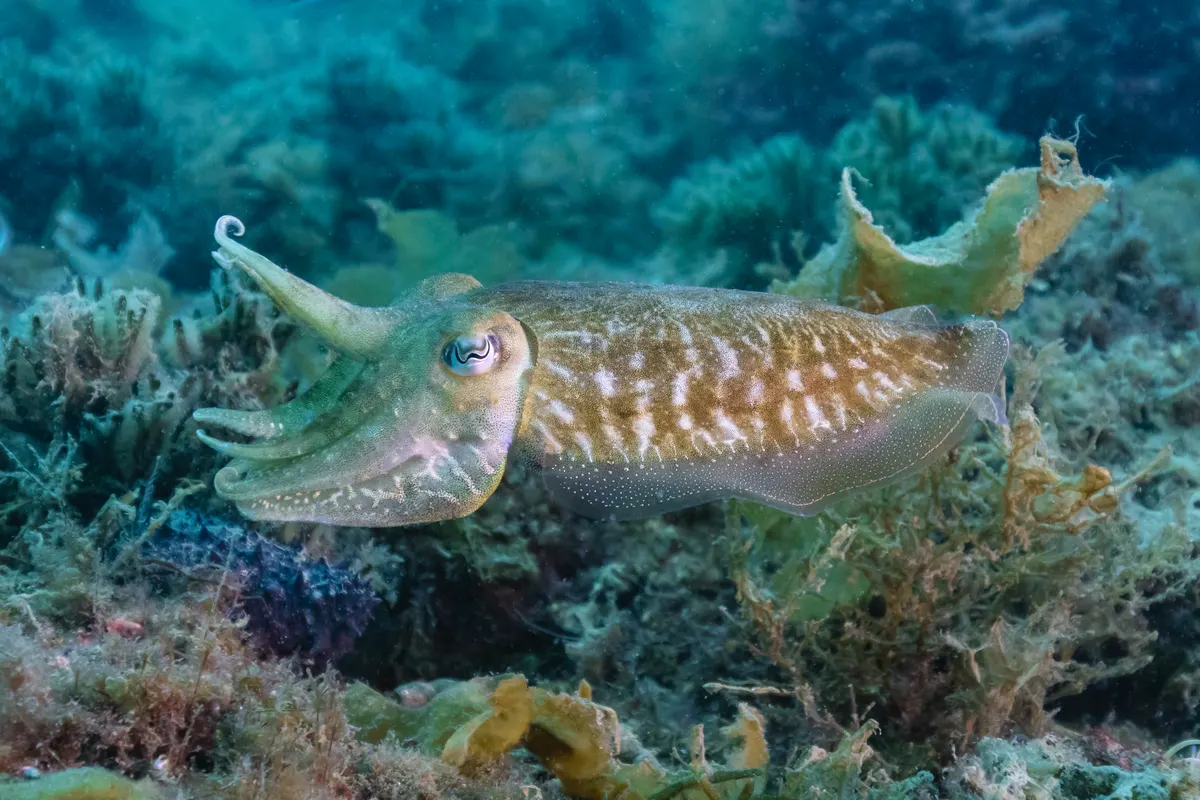
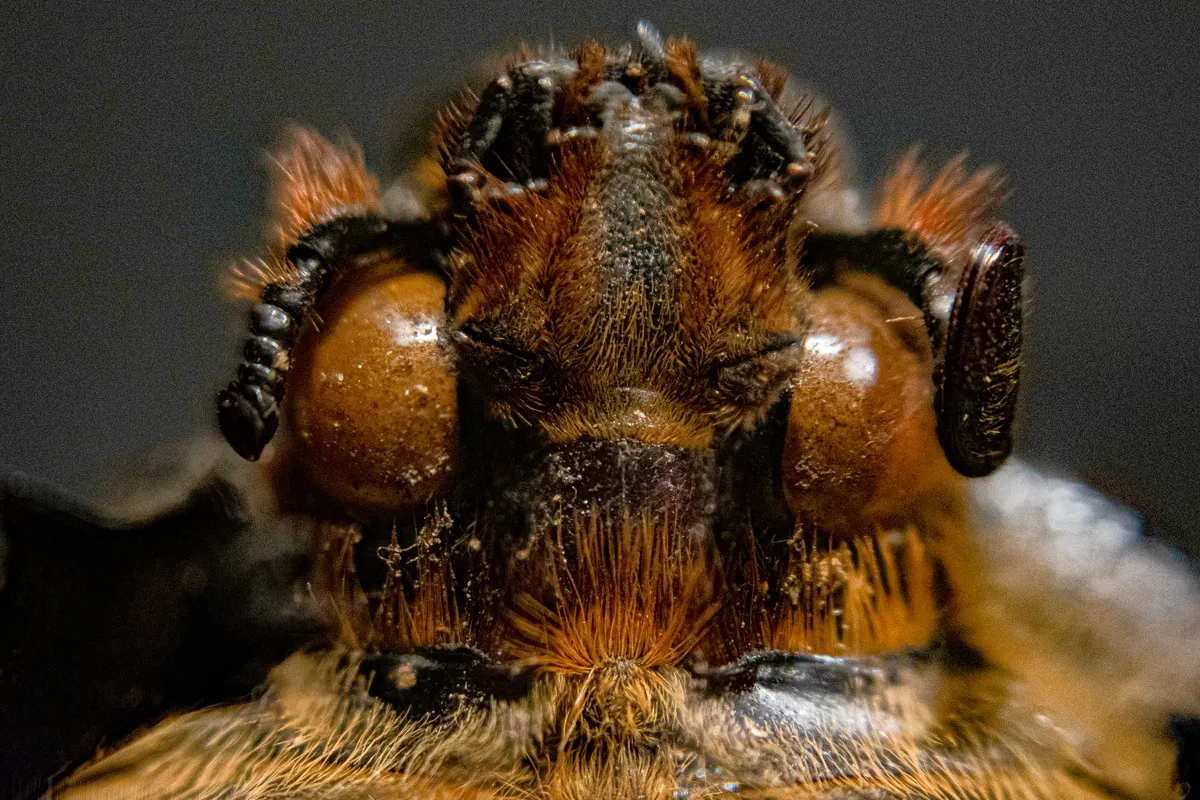
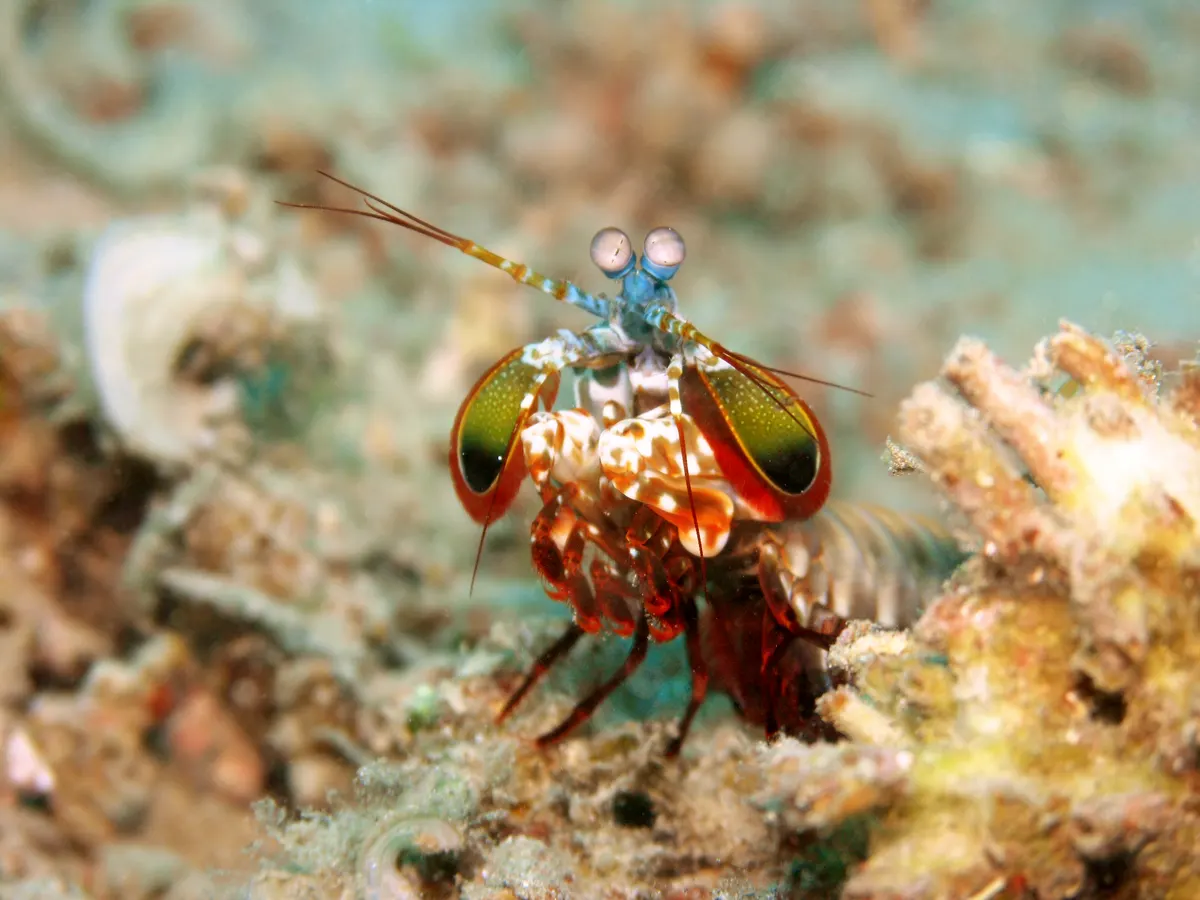
As a crustacean it is only distantly related to the other arthropods and marine animals it is sometimes compared with. Among crustaceans, contrast its crushing claw with the fast striking limbs of the mantis shrimp. Among land arthropods, its size and armor invite comparison with large spiders such as the tarantula and heavy insects such as the Hercules beetle. For a soft-bodied marine invertebrate that solves problems very differently, the cuttlefish offers a useful contrast in body plan and behavior.

Conservation and Threats

Coconut crab on an island shore
Listed as Vulnerable, coconut crabs have vanished from many islands through hunting and habitat loss.

The IUCN Red List assessed the coconut crab as Vulnerable in 2018, with a decreasing population trend. Populations in several parts of the range have declined or disappeared locally.

The main pressures are human. The crabs are collected for food across much of their range, and because they are large, slow-growing, and late to mature, harvesting can outpace their ability to replace lost adults. Habitat loss and fragmentation from coastal development remove both the forest adults need and the shoreline females use to spawn. Introduced predators such as rats and pigs take eggs and juveniles, and road mortality affects crabs moving between forest and coast. Longer-term risks include sea level rise and changes to coastal habitat. Conservation efforts focus on protected islands, harvest limits, and monitoring of the remaining strongholds.

References and Authoritative Sources

Coconut Crab: classification and fun facts

Classification

Scientific Taxonomy
  1. Kingdom

    Animalia

  2. Phylum

    Arthropoda

  3. Class

    Malacostraca

  4. Order

    Decapoda

  5. Family

    Coenobitidae

  6. Genus

    Birgus

  7. Species

    B. latro

Did You Know?

Fun Facts

1

The coconut crab is the largest land-living arthropod, with a leg span reaching about 1 metre and a weight up to roughly 4 kg.

2

Its claws deliver the strongest pinching force measured in any crustacean, projected at up to about 3,300 newtons in the largest animals.

3

Adults breathe air with branchiostegal lungs and will drown if kept underwater for too long.

4

Unlike other hermit crabs, adults stop using borrowed shells and instead harden and calcify their own abdomen.

5

A keen sense of smell lets them track rotting fruit, coconuts, and carrion from a distance, converging on insect-like odor detection.

6

They are slow-growing and long-lived, with large individuals estimated to be 40 to 60 years old or more.

Common Questions

FAQ about Coconut Crab

Select a question to reveal the answer.

What is a coconut crab?

The coconut crab (*Birgus latro*) is a large land-living hermit crab in the family Coenobitidae. It is the largest terrestrial arthropod and lives on tropical islands across the Indian and Pacific Oceans.

How big do coconut crabs get?

Adults can weigh up to about 4.1 kg, have a body around 40 cm long, and reach a leg span of roughly 1 metre from the tip of one leg to another, making them the largest land arthropod.

What do coconut crabs eat?

They are omnivores that feed mainly on fallen fruit, nuts, seeds, and tree pith, supplemented by carrion, molted exoskeletons, and other crabs. They can open coconuts but often rely on fruit already split open.

Can coconut crabs open coconuts?

Yes. Their large claws can crack coconut husks and shells over time, and laboratory measurements show their pinch is the strongest recorded for any crustacean. They also eat coconuts that have already fallen and split.

Do coconut crabs drown in water?

Adults breathe air with branchiostegal lungs and cannot swim. They will drown if left underwater for too long. Only the marine larval stage lives in the sea before the young return to land.

Are coconut crabs endangered?

The IUCN Red List assessed the coconut crab as Vulnerable in 2018, with a decreasing population trend. Habitat loss, overharvesting for food, and introduced predators are the main pressures across its island range.