Brown pelican in breeding plumage with a long bill and throat pouch
The brown pelican is the smallest pelican and the only one that plunge-dives for fish.
AvesLeast Concern

Brown Pelican

The brown pelican is the smallest of the world's eight pelican species, yet it is still a large seabird with a wingspan of roughly 2 to 2.3 metres.

The brown pelican is a large coastal seabird of the Americas and the smallest of the world's eight pelican species. It is the only pelican that catches fish by plunge-diving from the air, and it recovered across its range after the pesticide DDT was banned.

By · Updated

Quick Facts

Brown Pelican at a glance

Pelecanus occidentalisPelecaniformesPelecanidae

About their home

Kind of animal

Aves

Where they live

What they eat

How safe?

Least Concern

Size and speed

How heavy

2 kg – 5 kg

How long

1 m – 1.4 m

How fast

Steady gliding flight low over the water

Lifespan

About 15 to 30 years

Core article

Brown Pelican: ecology and life history

A closer look at habitat, diet, behavior, reproduction, and conservation.

Start here

Brown Pelican

The brown pelican is one of the most recognizable seabirds along the coasts of the Americas: a heavy-bodied bird with a long bill, a stretchy throat pouch, and a habit of gliding in single file just above the surf. It is the smallest of the world's eight pelican species, yet it is still large by any everyday measure, with a wingspan of roughly two metres. Two things set it apart from its relatives. It is the only pelican that catches fish by plunge-diving from the air, and it is a species that came close to disappearing from parts of its range in the mid-1900s before recovering.

Anatomy and the Pouch

An adult brown pelican measures about 1 to 1.4 metres in length and weighs roughly 2 to 5 kilograms, with a wingspan of about 2 to 2.3 metres. The bill alone can be close to 30 centimetres long. Despite these dimensions, the bird is light for its size, which matters for a life spent flying, diving, and floating.

The feature most people notice is the throat pouch, a sheet of bare skin slung beneath the lower bill. It is easy to assume the pouch is a place to keep fish, but that is not how it works. The pouch functions as a dip-net. When the pelican strikes the water, the pouch balloons open and fills with several litres of water along with any fish caught inside. The bird then points its bill down to drain the water out before tipping its head back to swallow the catch. Food is stored in the stomach, not the pouch.

Under the skin of the neck, breast, and other areas, the brown pelican has a network of air sacs. These cushion the impact of each dive and add buoyancy, helping the bird slow its descent underwater and rise back to the surface. Its plumage is kept waterproof through frequent preening, and its large webbed feet drive it through the water when it swims.

Habitat and Distribution

Brown pelican on a warm tropical coastline
Estuaries, bays, and warm coastal waters give brown pelicans shallow places to fish.

The brown pelican is a bird of warm coasts. It stays close to shore, generally within a short distance of land, and favours estuaries, bays, beaches, sandbars, and shallow marine waters. It rarely moves far out to open ocean and is seldom seen inland.

Its range spans two continents. On the Atlantic side it occurs from the United States south through the Caribbean to the mouth of the Amazon in Brazil. On the Pacific side it ranges from British Columbia in Canada south to Peru, and it is also found on the Galapagos Islands. Across this range it uses coastal islands, mangroves, and quiet stretches of shoreline for resting and breeding. Warm, productive waters that hold schools of small fish are the common thread linking these places.

Diet and Plunge-Diving

Brown pelican gliding low over the water
Pelicans often glide in single file just above the waves while searching for schooling fish.

The brown pelican is a carnivore, and its diet is dominated by small schooling fish. Menhaden are a major food in parts of the Atlantic and Gulf coasts, and anchovies, herring, pigfish, and pinfish are also taken. Crustaceans and other small animals are eaten less often. The exact mix depends on what is locally abundant.

What makes the species distinctive is how it hunts. Most pelicans feed by swimming and scooping at the surface, sometimes cooperating in groups. The brown pelican instead plunge-dives. Flying above the water, it watches for fish, then folds its wings and drops headfirst, hitting the surface from heights of roughly 18 to 21 metres. The impact can stun fish below the surface, and the open pouch scoops up both prey and water. After surfacing, the bird drains the pouch and swallows. Gulls sometimes wait nearby and try to snatch fish from a pelican's pouch before it can swallow. Only one other pelican, the Peruvian pelican, feeds by diving in a comparable way.

Behavior and Colonies

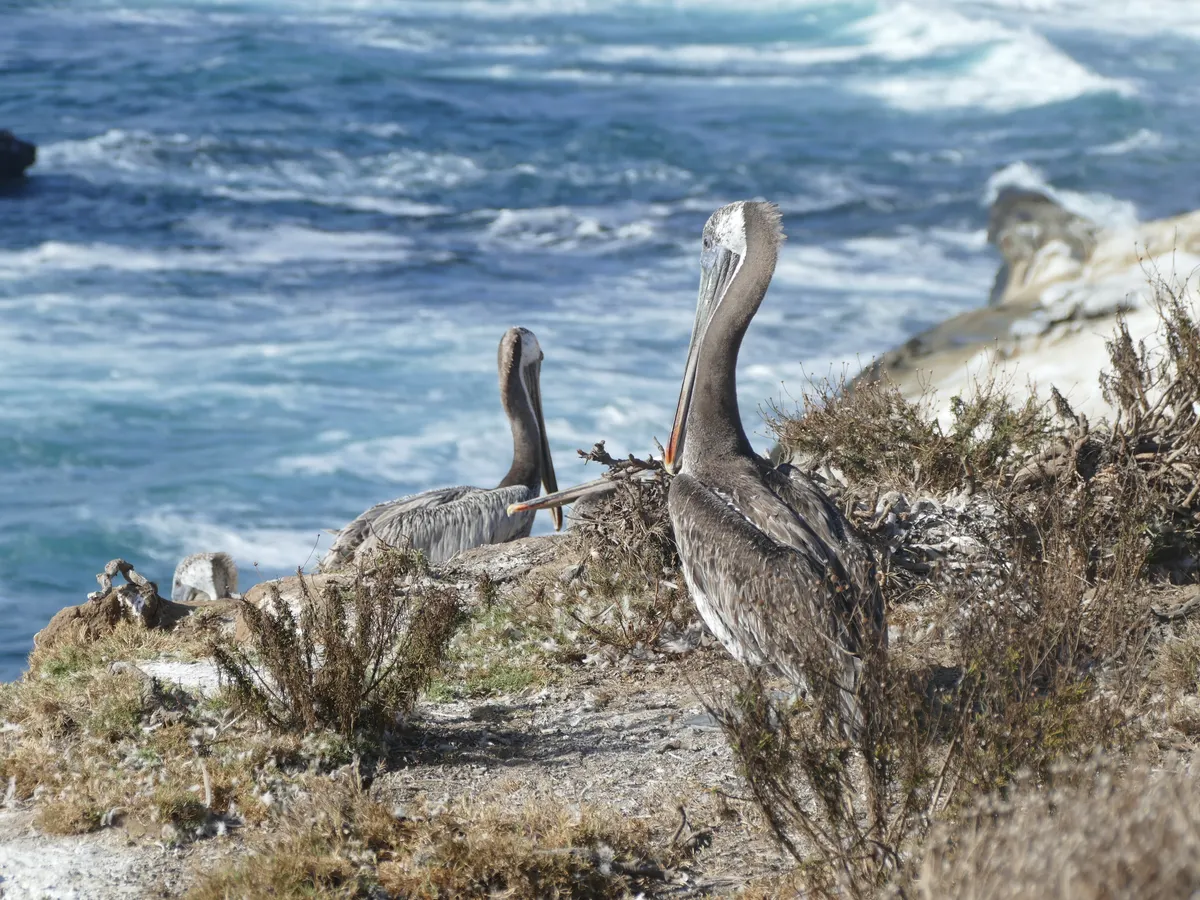
Immature brown pelican with brown head and neck
Young birds are brown-headed and take two to three years to gain full adult plumage.

Brown pelicans are social birds. Away from the nest they roost communally on sandbars, pilings, breakwaters, and mangroves, often gathering in large numbers. In flight they are frequently seen in lines, gliding low over the water and rising over the crest of each wave to take advantage of the air pushed up ahead of it. This low, energy-saving gliding is a familiar sight along many beaches.

Breeding is a colonial affair. Pelicans nest in dense groups on secluded coastal islands, which offer protection from mammalian predators. Nesting on the ground or in low vegetation and trees varies by location and colony. The concentration of nests means many pairs raise young in close quarters, and the colonies can be sensitive to disturbance.

Reproduction and Young

A typical clutch is two to three chalky white eggs, occasionally four. Both parents share incubation, which lasts about 28 to 30 days. Pelicans incubate their eggs partly with the skin of their broad, webbed feet, standing on the eggs to keep them warm, so trampling and disturbance at a colony can be costly.

Chicks hatch nearly naked and helpless. They are fed regurgitated food by both parents and grow quickly, taking about two months to reach the point of leaving the nest. Young birds do not gain full adult plumage or breed until they are several years old, generally around three to five years. Survival through the first year is low, and only a small fraction of birds live to old age, though individuals can reach well past 15 years in the wild and over 30 in captivity.

Eggs and chicks are vulnerable to predators that reach the colonies, including gulls, bald eagles, fish crows and other corvids, and mammals such as raccoons and feral cats and dogs where these gain access.

Taxonomy and Relatives

The brown pelican, Pelecanus occidentalis, belongs to the pelican family, Pelecanidae, within the order Pelecaniformes. Eight pelican species are recognized worldwide, and the brown pelican is the smallest of them, weighing roughly half as much as the largest species. The closely related Peruvian pelican, once treated as a subspecies, is now usually regarded as a separate species; it is the other diving pelican.

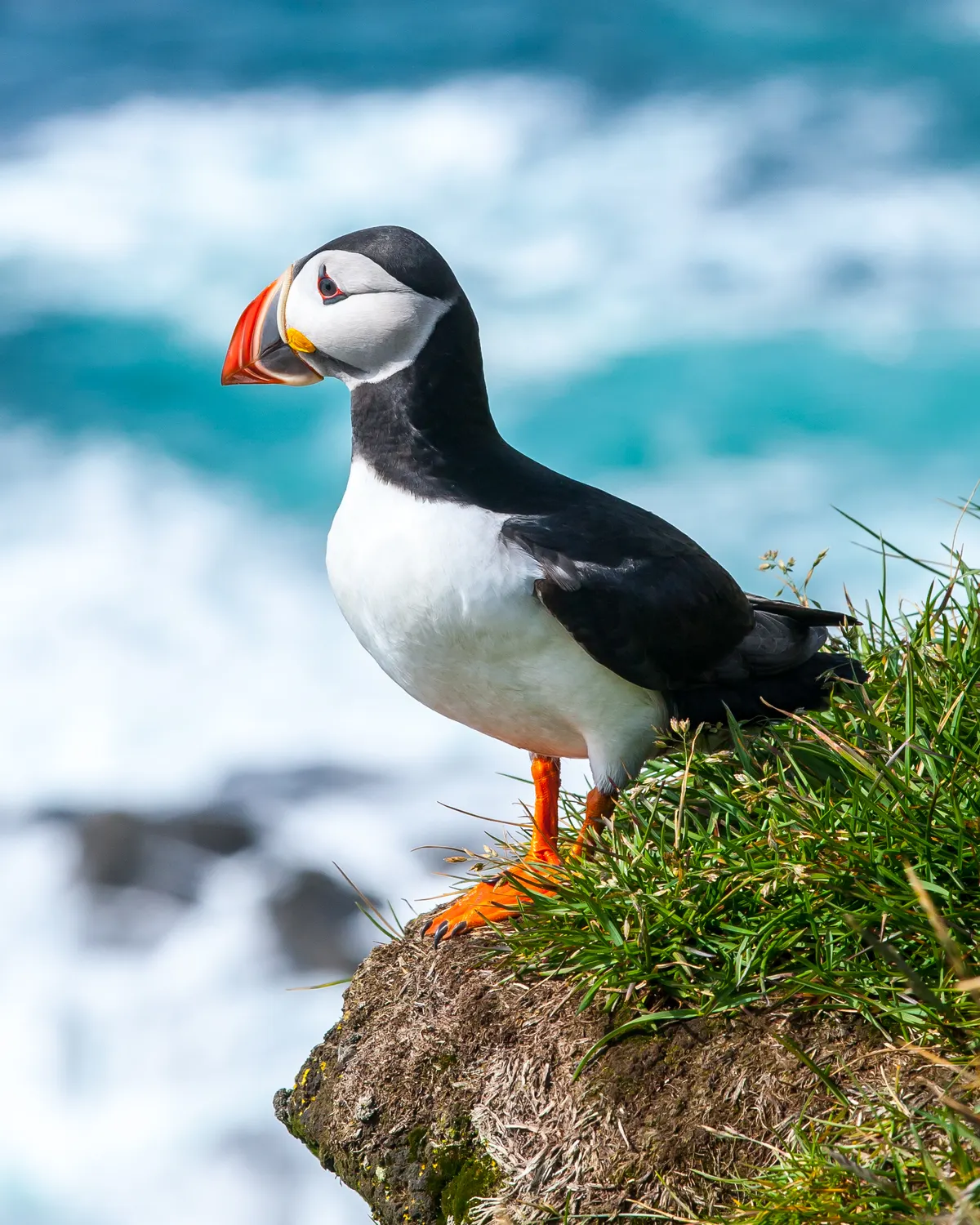
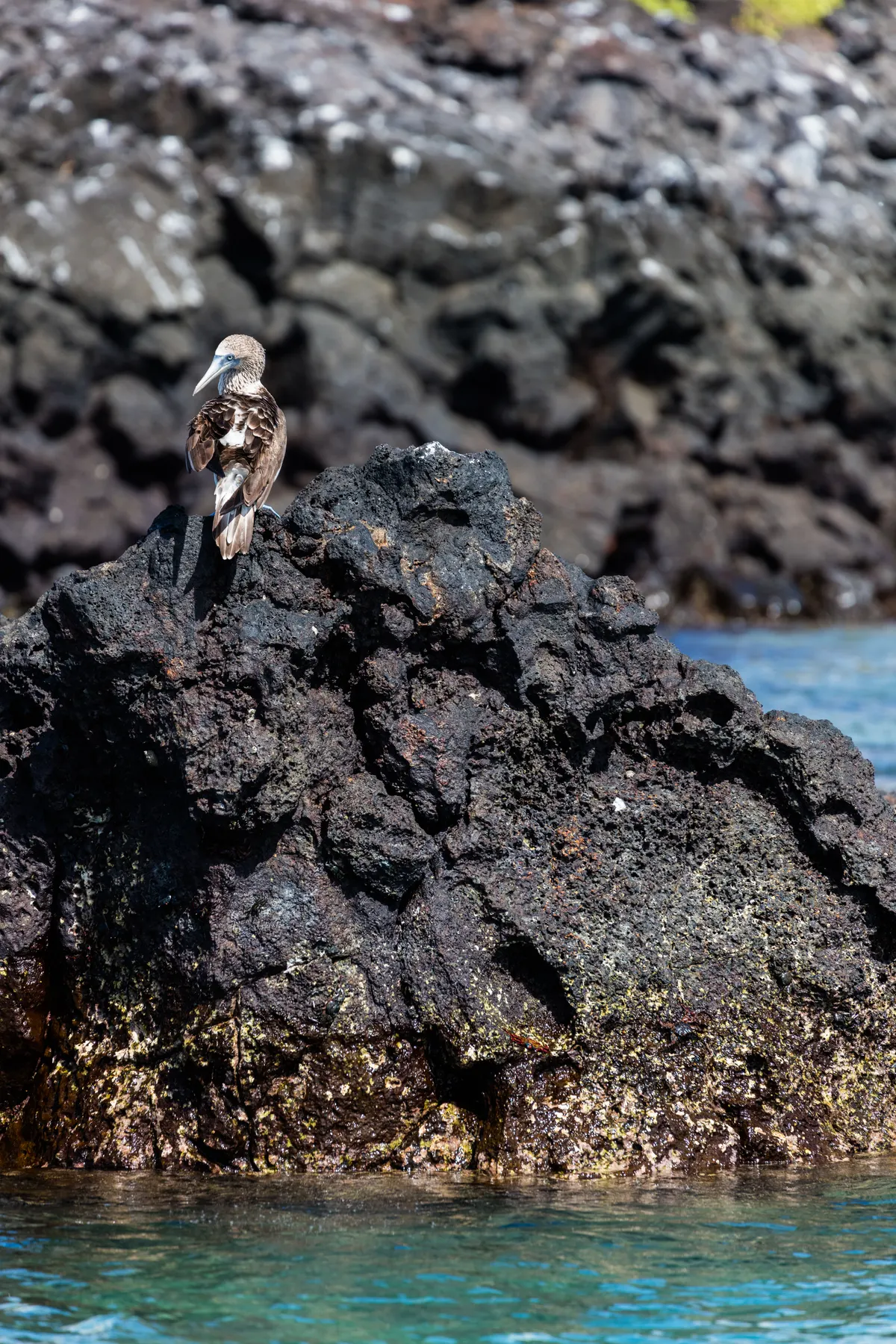
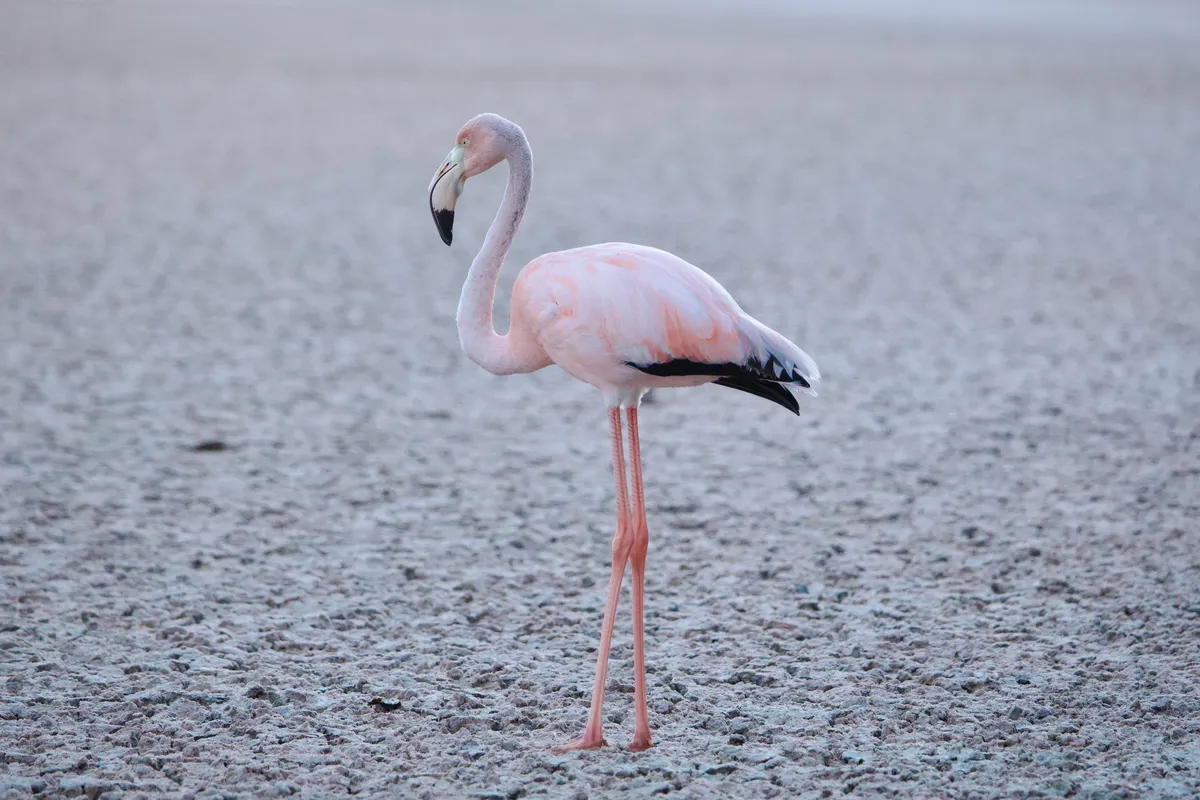
As a coastal, fish-eating seabird it shares habits with other diving and colonial species without being closely related to them. The blue-footed booby is another plunge-diver of American coasts. The wandering albatross is an open-ocean glider, and the puffin is a diving seabird of colder northern coasts. The flamingo shares a preference for shallow coastal and estuarine waters while feeding in an entirely different way.

Conservation and Threats

Brown pelicans resting together on a coast
Once devastated by the pesticide DDT, brown pelicans recovered after it was banned and are now Least Concern.

The IUCN Red List classifies the brown pelican as Least Concern, and its overall population is considered to be increasing. That status followed a serious decline. In the mid-1900s the pesticide DDT accumulated in the food chain and caused pelicans to lay eggs with thin shells that broke during incubation. Nesting largely failed in several regions, and the bird disappeared from parts of its former range, including much of the United States Gulf and Pacific coasts.

After DDT was banned in the United States in the early 1970s, and with reintroduction efforts in the Gulf states, populations recovered over the following decades. The brown pelican was eventually removed from the United States endangered species list. The recovery is often cited as one of the clearer cases of a bird rebounding after a specific chemical threat was addressed.

Least Concern does not mean the species faces no pressures. Oil spills, entanglement in fishing gear and hooks, disturbance at nesting colonies, and declines in the small fish it depends on can all affect local populations. Because the bird concentrates in colonies and feeds near shore, events along the coast can reach many individuals at once.

References and Authoritative Sources

Brown Pelican: classification and fun facts

Classification

Scientific Taxonomy
  1. Kingdom

    Animalia

  2. Phylum

    Chordata

  3. Class

    Aves

  4. Order

    Pelecaniformes

  5. Family

    Pelecanidae

  6. Genus

    Pelecanus

  7. Species

    P. occidentalis

Did You Know?

Fun Facts

1

The brown pelican is the smallest of the world's eight pelican species, yet it is still a large seabird with a wingspan of roughly 2 to 2.3 metres.

2

It is the only pelican that hunts by plunge-diving, folding its wings and dropping headfirst into the water from as high as about 18 to 21 metres.

3

The throat pouch is a dip-net, not a storage bag. A pelican scoops up water and fish, then drains the water before tipping its head back to swallow.

4

Air sacs beneath the skin cushion the impact of each dive and act like a life jacket that helps the bird bob back to the surface.

5

Widespread DDT use thinned pelican eggshells and caused nesting failures in the mid-1900s; populations recovered after the pesticide was banned.

6

Brown pelicans nest in dense colonies on secluded coastal islands, where many pairs raise chicks close together.

Common Questions

FAQ about Brown Pelican

Select a question to reveal the answer.

What is a brown pelican?

The brown pelican (*Pelecanus occidentalis*) is a large coastal seabird in the pelican family, Pelecanidae. It is the smallest of the eight living pelican species and one of the few that feeds by diving into the water.

Where do brown pelicans live?

They live along warm coasts of the Americas, on the Atlantic side from the United States south to Brazil and on the Pacific side from British Columbia south to Peru, including the Caribbean and the Galapagos Islands. They stay close to shore in estuaries and shallow marine waters.

What do brown pelicans eat?

They eat mainly small schooling fish such as menhaden and anchovies, with menhaden making up a large share of the diet in some areas. They also take other fish and, less often, crustaceans.

How do brown pelicans catch fish?

They plunge-dive. A pelican spots fish from the air, folds its wings, and drops headfirst into the water. The open pouch fills with water and fish, then the bird drains the water off before swallowing the catch.

What is the throat pouch used for?

The pouch works as a dip-net for scooping prey from the water, not as a place to store food. It can hold several litres of water momentarily, but the pelican drains it before each swallow.

Are brown pelicans endangered?

No. The IUCN lists the brown pelican as Least Concern with an increasing population. It was nearly wiped out by the pesticide DDT in the mid-1900s and recovered after DDT was banned, later being removed from the United States endangered species list.