
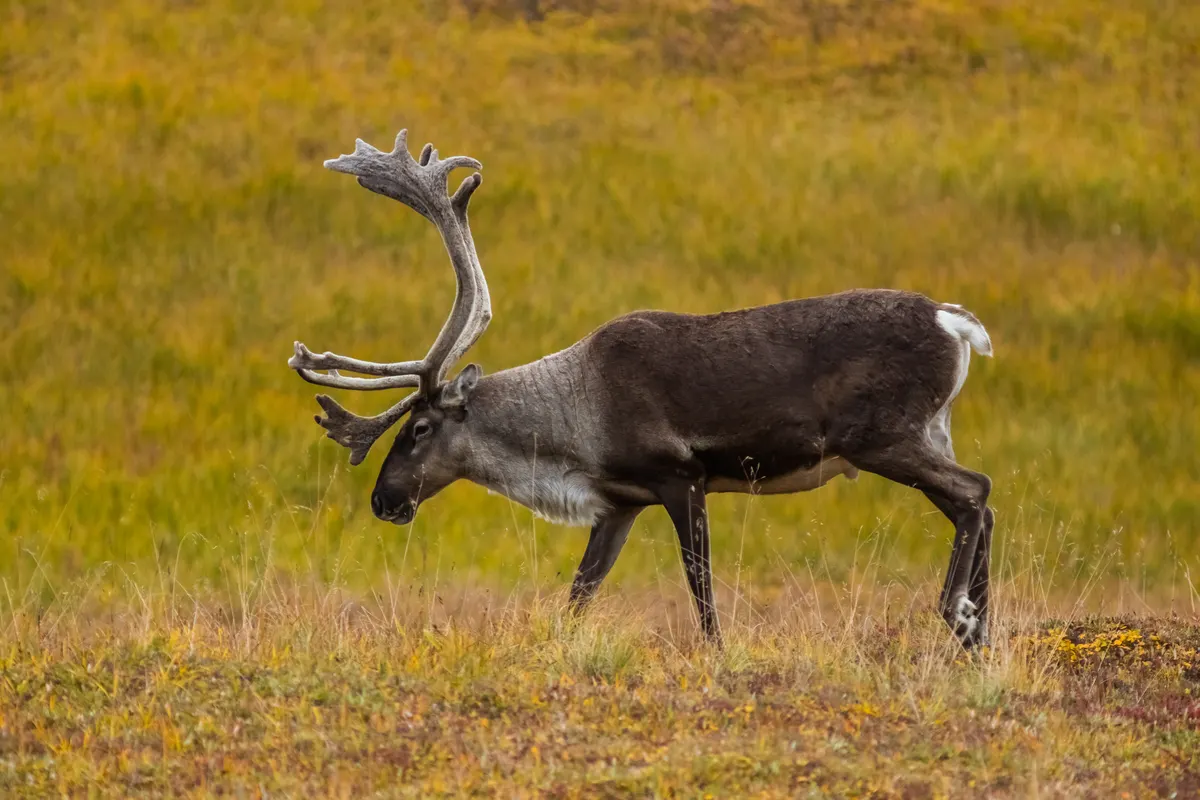
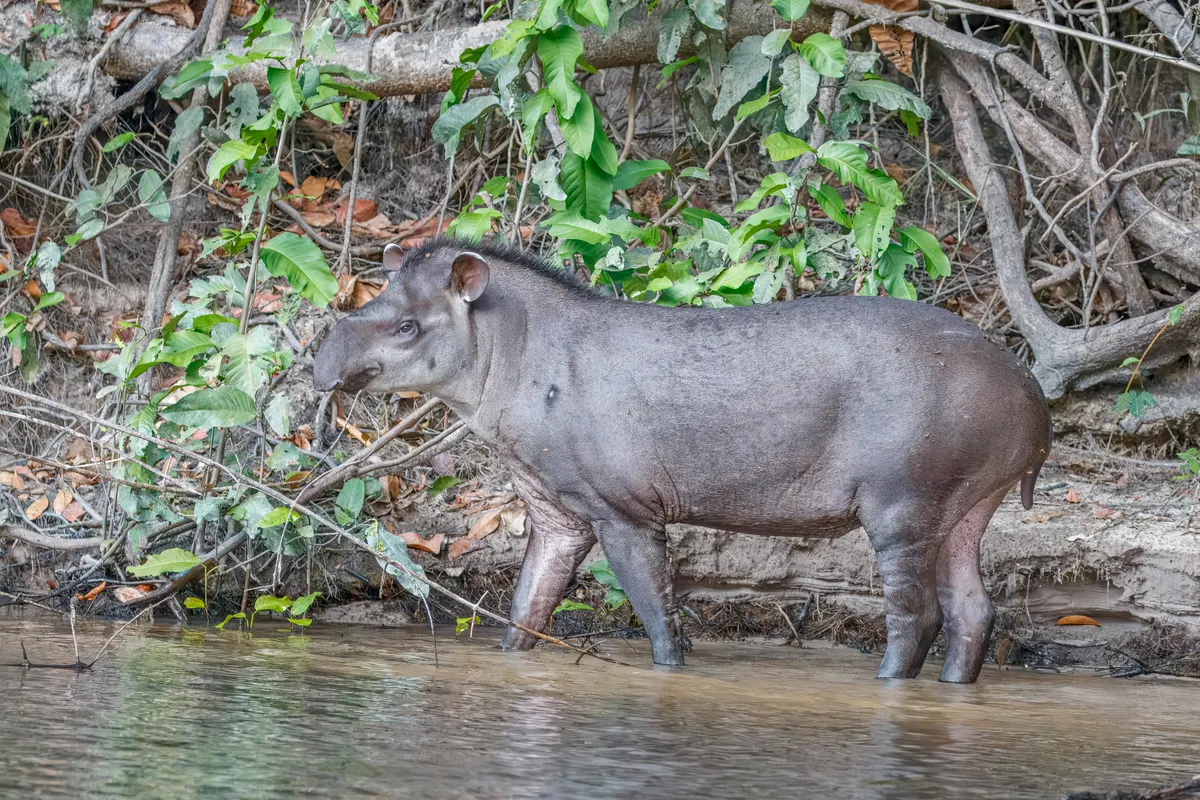
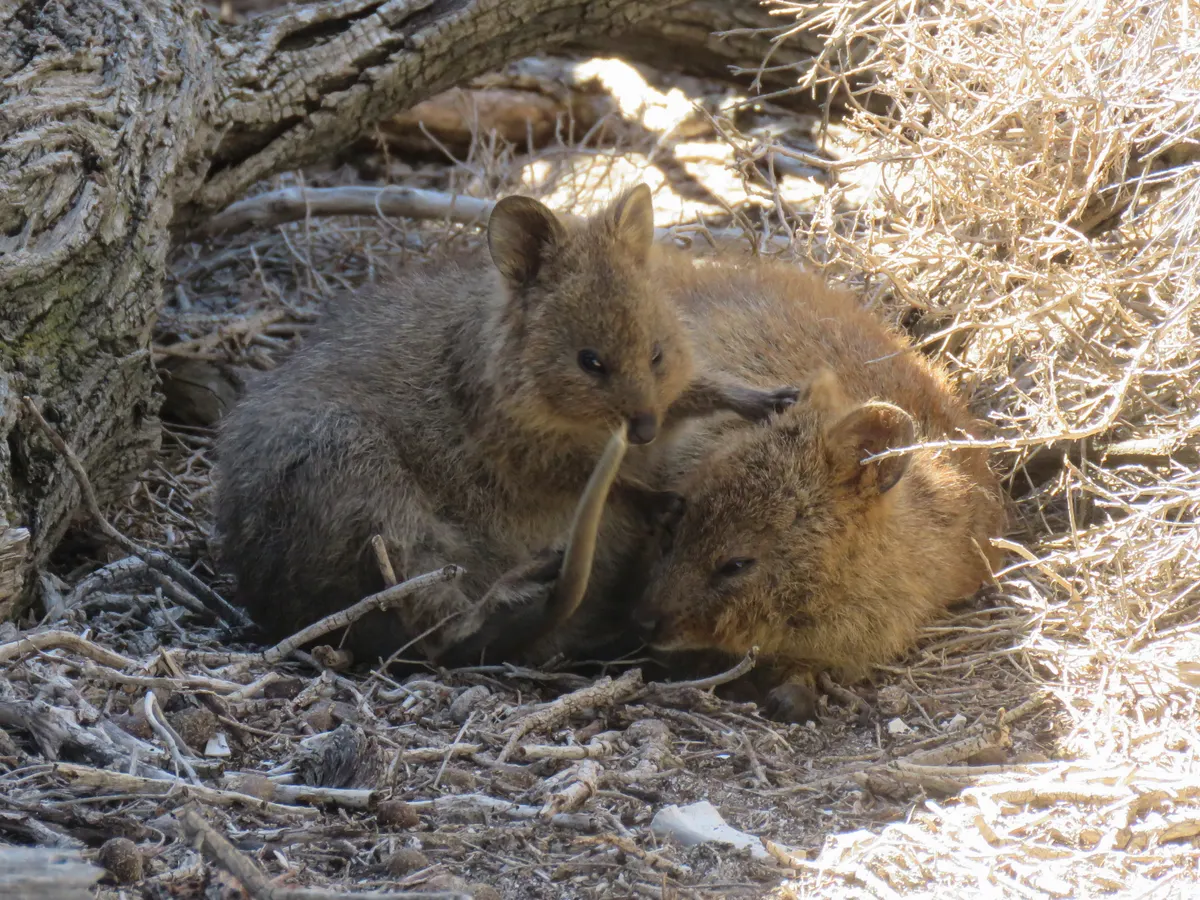
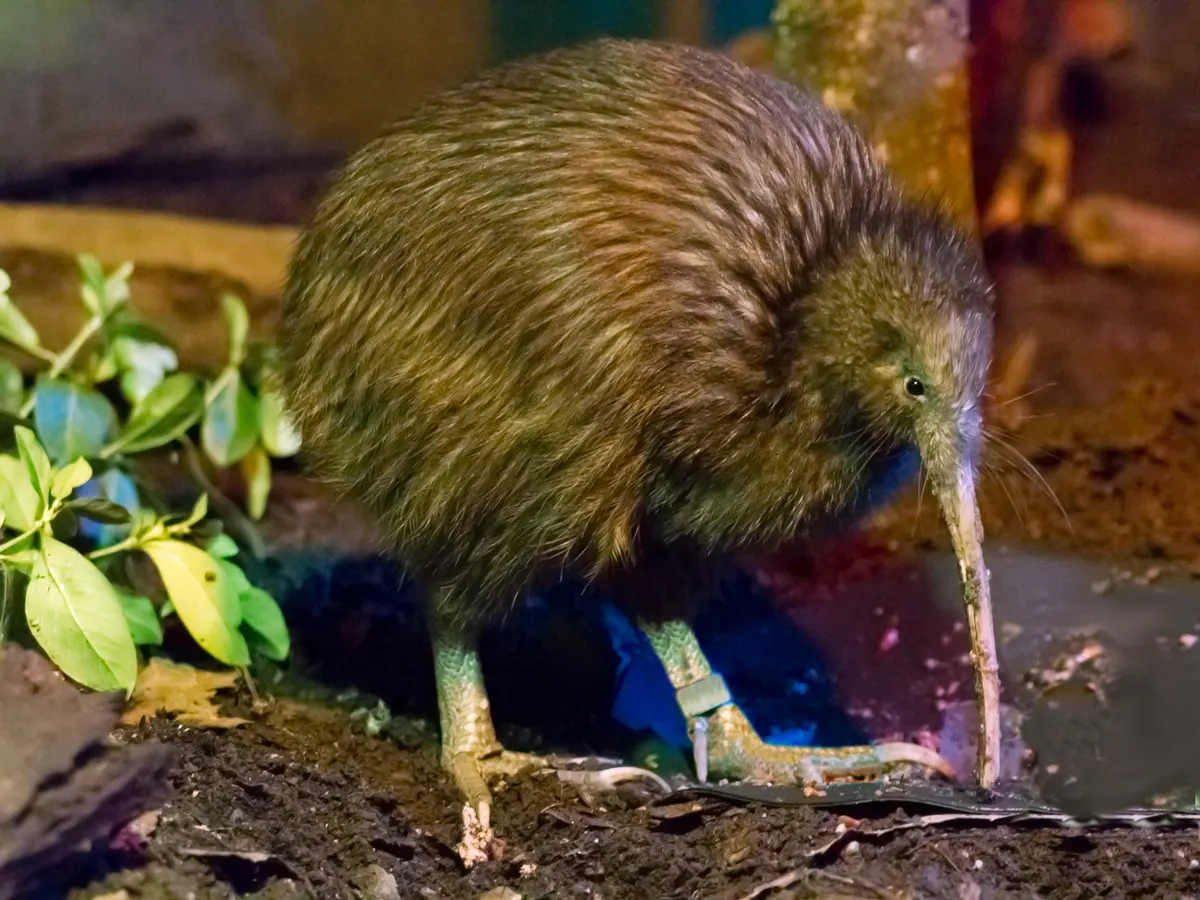
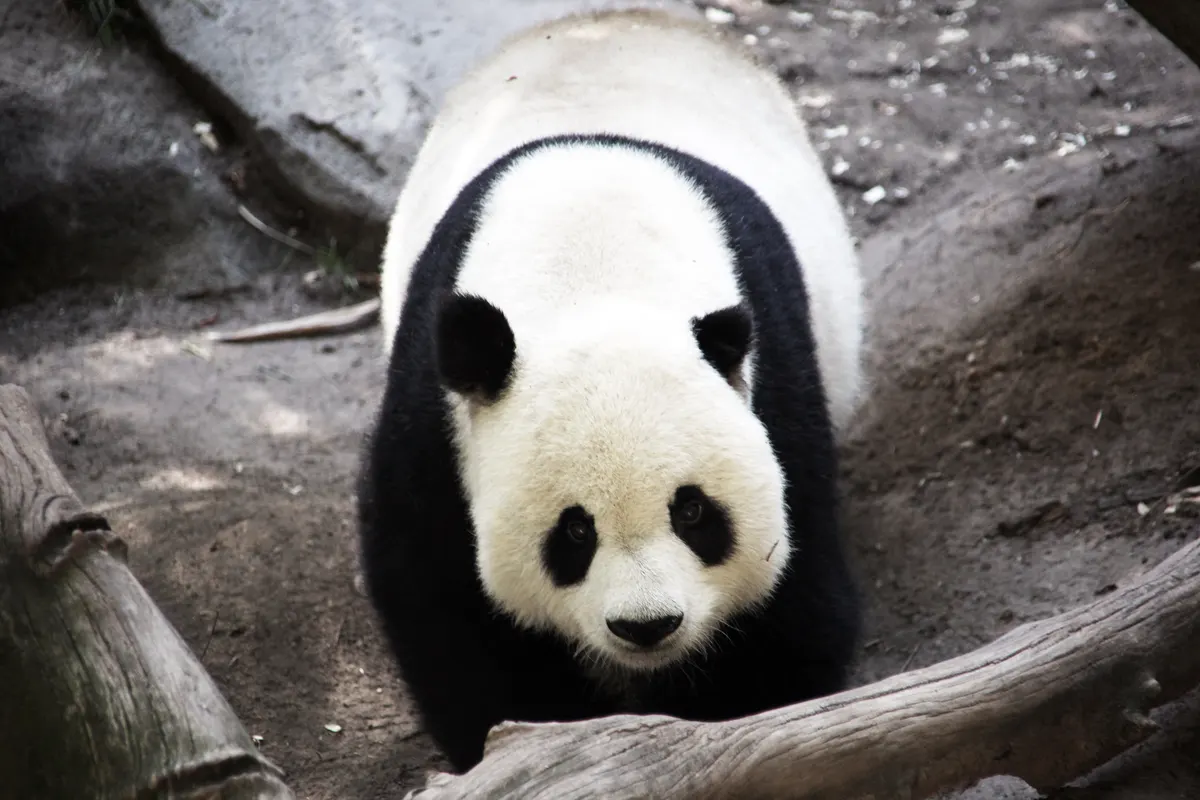
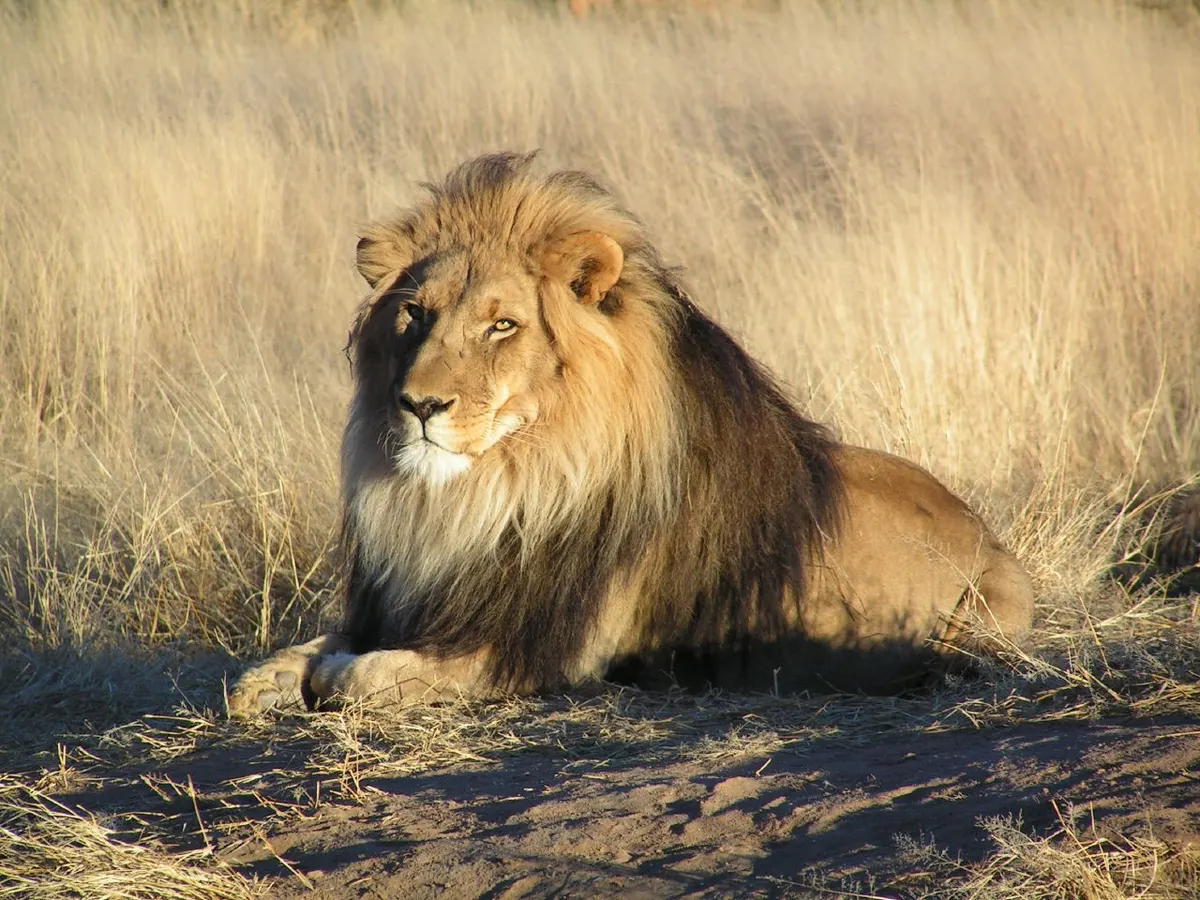
Lion has lost most of its historic range to habitat fragmentation and conflict with livestock. Giant Panda depends on bamboo forests that are slow to recover from logging and road building. Both are VU, but the threats and recovery paths differ: one is a wide-ranging predator, the other a habitat specialist with slow reproduction.
Conservation Status hub
Vulnerable Animals
Explore animals listed as Vulnerable on the IUCN Red List, from cheetahs to giant pandas, and learn how habitat loss and other threats put their populations at risk.
- Species listed
- 9
- Diet mix
- 5 herbivore · 4 carnivore
- Updated
- July 2026
9 related species in this hub
Measured spread
How much this hub varies
Computed from the 9 species listed here, using the published figure on each profile.
| Measure | Smallest listed | Largest listed |
|---|---|---|
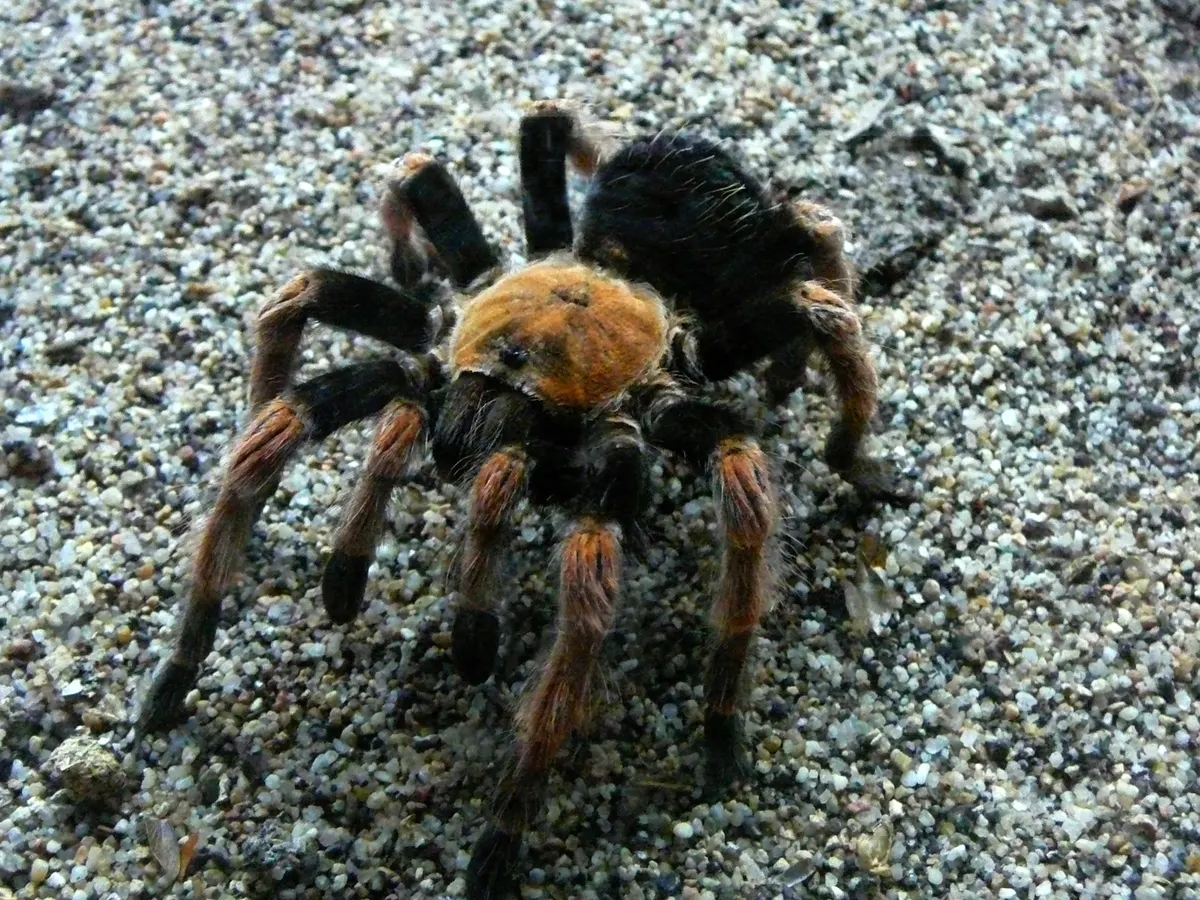
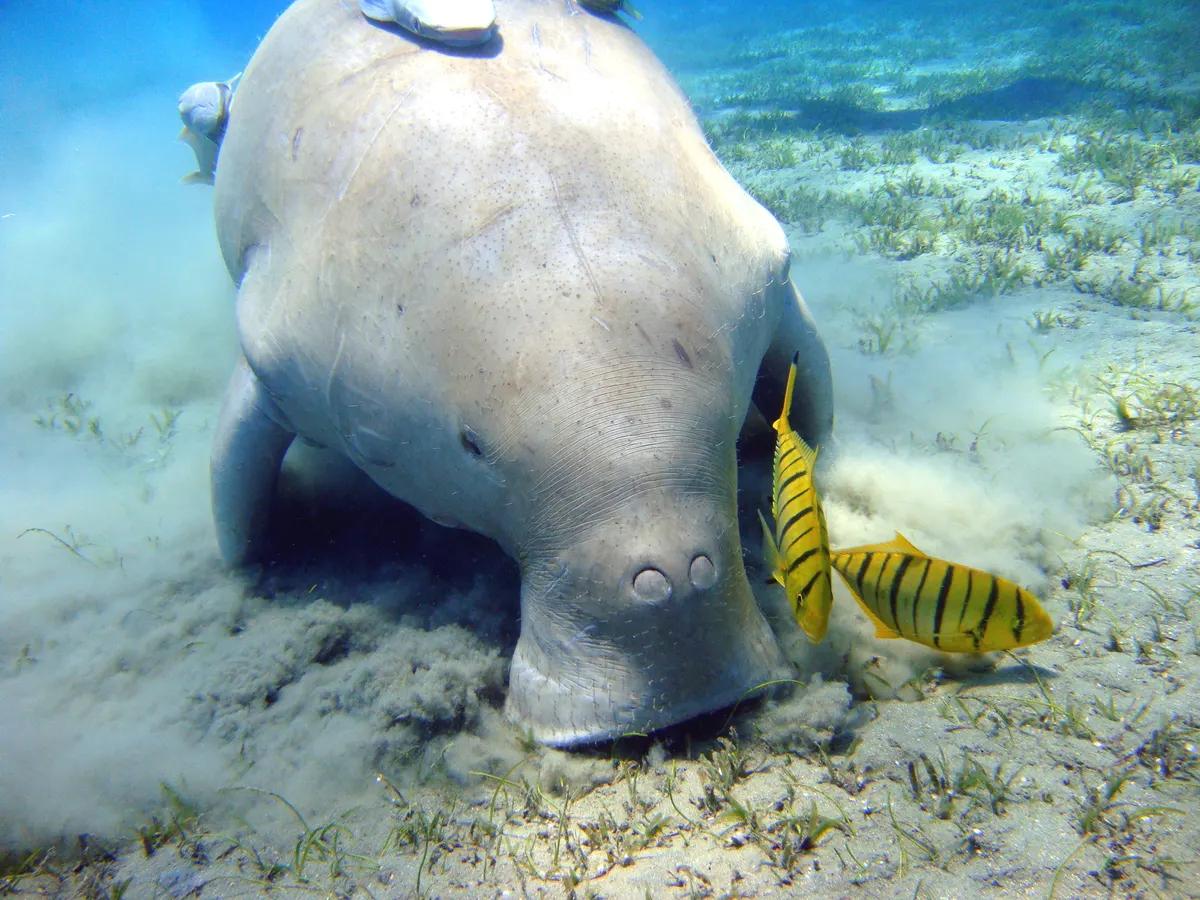
| Body mass (adult max) | Mexican Redknee Tarantula42.52 g | Dugong499 kg |
| Body length (max) | Mexican Redknee Tarantula6.4 cm | Dugong3.05 m |
| Lifespan in the wild (max) | Quokka10 yr | Dugong70 yr |
Overview
What vulnerable status means
Vulnerable (VU) on the IUCN Red List means a species faces a high risk of extinction in the wild if current threats continue. Populations can still be large — the label reflects trend and pressure, not necessarily imminent disappearance.
Start here
Featured species
6 entry points into this cluster — each profile has range, diet, behavior, and conservation detail.
Species directory
All 9 animals in this hub
Flagship species appear first. Open any card for range maps, diet, behavior, and conservation status.
Field guide
Ecology & context
Adaptations, threats, and comparisons — background for readers who want more than the species directory.
Why the same label hides different problems
A large carnivore and a bamboo specialist can share a status for entirely different reasons. Read each profile for population trend, protected areas, breeding programs, and the specific human pressures still acting on the species.
What VU does not mean
Vulnerable is not the same as Critically Endangered. Some VU species still number in the thousands but face downward trends. Others have small ranges where one disaster — drought, disease, or habitat fire — could crash a population quickly.
Recovery examples and limits
Giant Panda populations rose with reserve expansion and bamboo forest protection. Lion numbers are stable in some parks but fall outside them as livestock conflict grows. Labels update when surveys change — always check the latest species page.
How IUCN categories work
Red List bands run from Least Concern through Near Threatened, Vulnerable, Endangered, Critically Endangered, and Extinct in the Wild. Vulnerable sits in the lower half of the risk ladder — serious, but not the highest alarm band. Reassessment every few years can move species up or down as surveys improve.
What readers should check on each page
Population trend arrows, geographic range maps, and specific threats (habitat, hunting, disease, climate) matter more than the one-word label. Lion and Giant Panda pages break those out in separate sections — use them rather than stopping at VU.
Common Questions
FAQ about Vulnerable Animals
Select a question to reveal the answer.
What does vulnerable mean on the IUCN Red List?
High risk of becoming endangered in the wild if threats continue at current levels.
Why are lion and giant panda both vulnerable?
Lion faces habitat loss and conflict with people across Africa. Giant Panda depends on bamboo forests that are slow to recover from disturbance. Different biology, similar risk band.
Where should I start?
Read both profiles and compare range maps, population trends, and threat sections side by side.
Keep exploring
Related hubs
Same cluster, different angle — open a diet or habitat hub to compare species side by side.