
Cervidae Animals

Families hub

Cervidae Animals

Compare deer family members through antlers, migration, northern habitats, and feeding ecology.

Species listed
2
Diet mix
2 herbivore
Updated
August 2026

2 related species in this hub

Overview

Northern members of the deer family

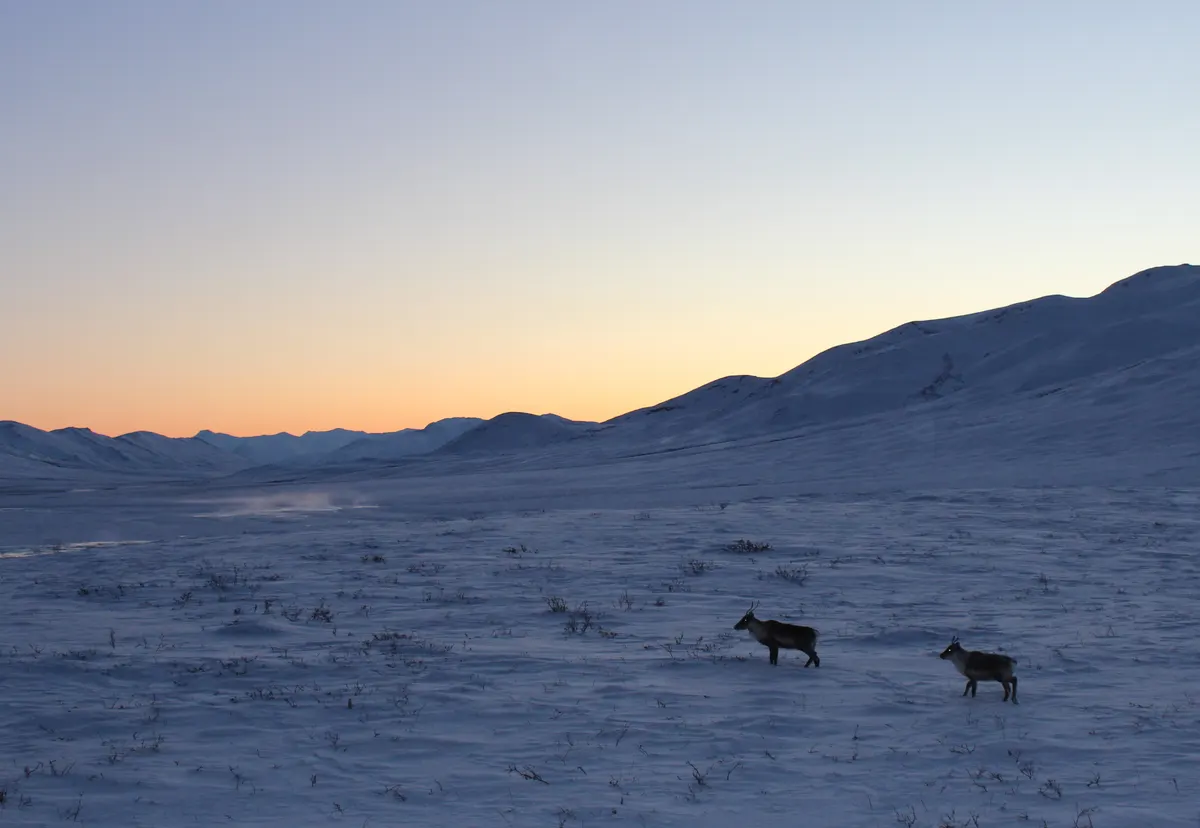
Cervidae is the deer family, represented here by two large species adapted to cold northern landscapes. Caribou, also called reindeer, can travel in migratory herds across tundra and boreal country. Moose are heavier, usually more solitary, and closely associated with forest, wetlands, and lakes.

Both are hoofed herbivores that grow antlers rather than permanent horns. Antlers are living bone during growth, then are shed and replaced on a seasonal cycle.

Start here

Featured species

2 entry points into this cluster — each profile has range, diet, behavior, and conservation detail.

Species directory

All 2 animals in this hub

Flagship species appear first. Open any card for range maps, diet, behavior, and conservation status.

Field guide

Ecology & context

Adaptations, threats, and comparisons — background for readers who want more than the species directory.

Antlers built for different lives

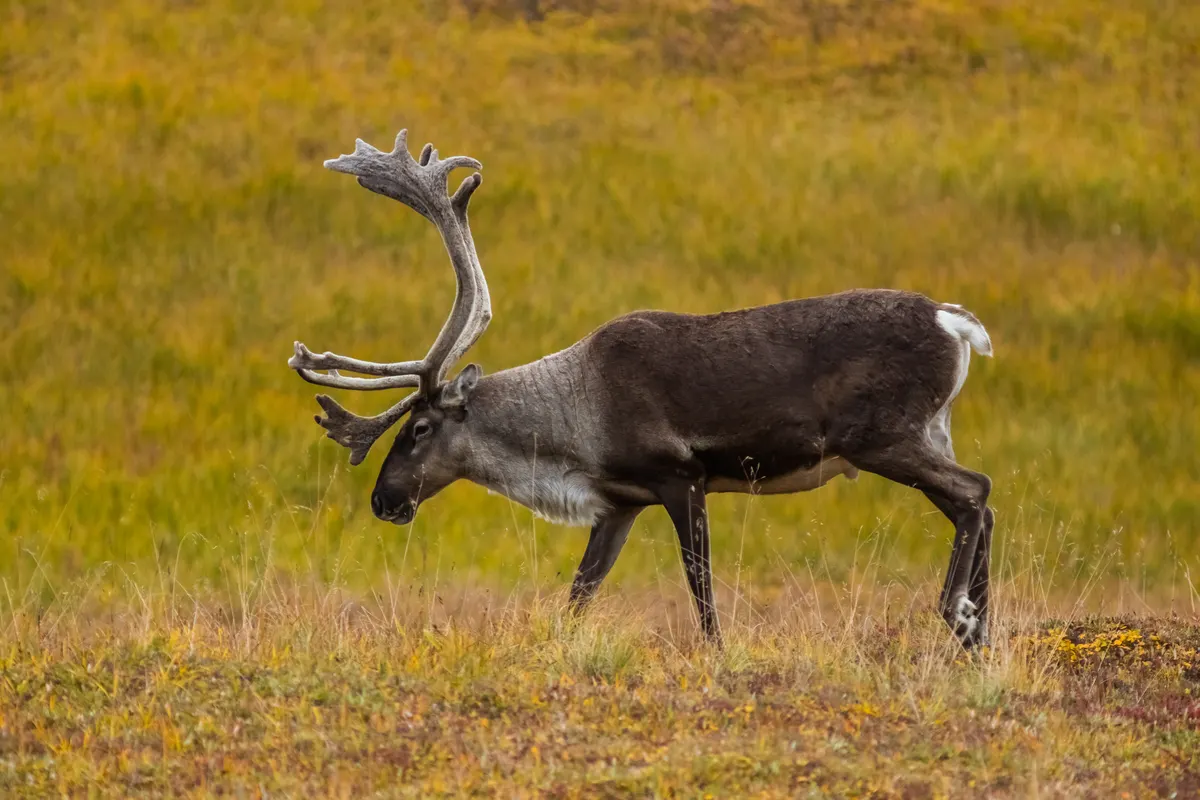
Adult male moose develop broad palmate antlers used in display and contests during the rut. Caribou antlers are more branching, and females commonly carry them as well as males—an unusual pattern among deer. Sex, age, nutrition, and season all affect antler size and timing.

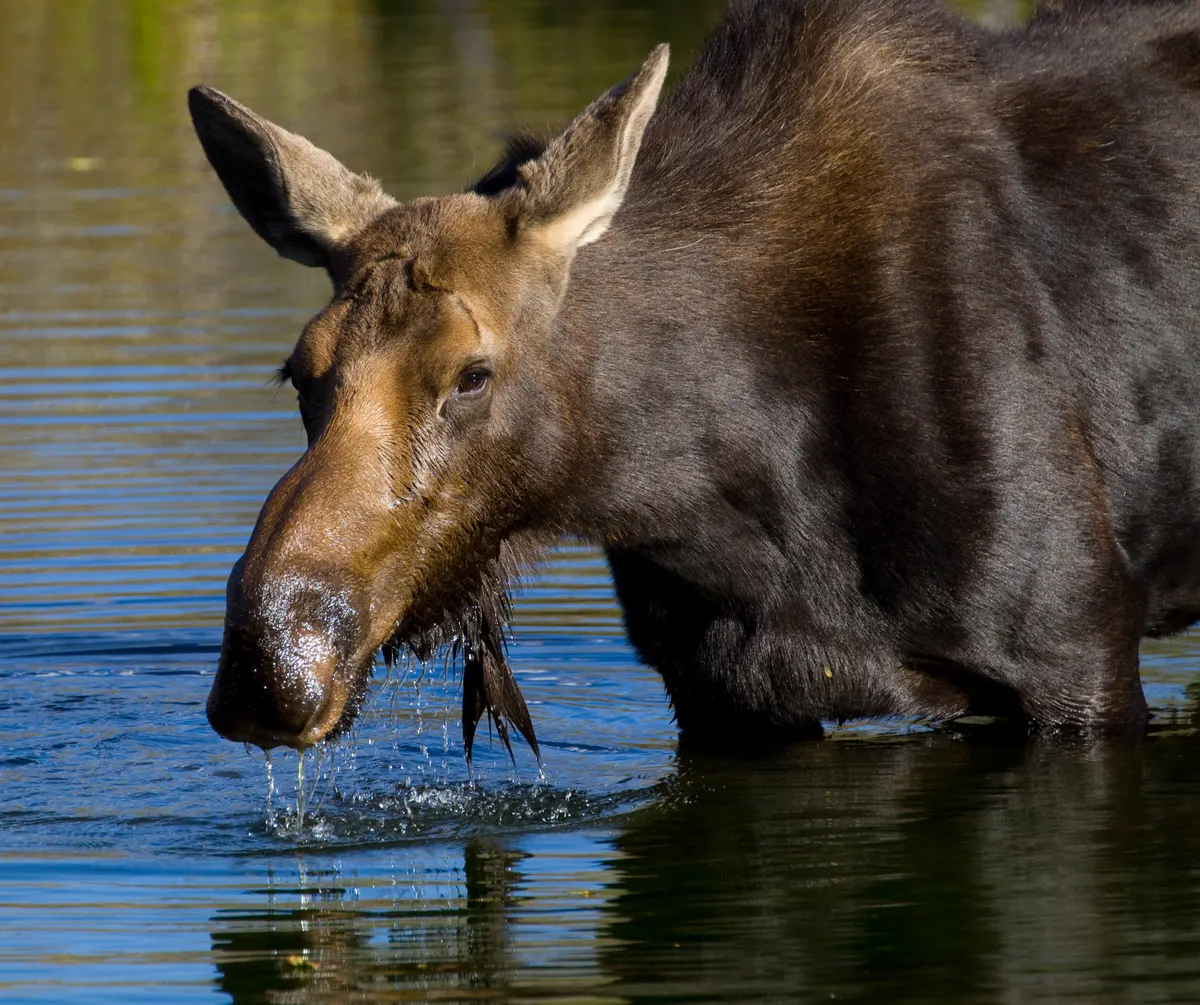
The distinction matters when identifying the animals. A moose also has a long muzzle, high shoulders, and very long legs. Caribou have a more compact profile, broad hooves, and body proportions suited to long travel over snow and soft tundra.

Browse, lichen, and seasonal movement

Moose browse willow, birch, twigs, and aquatic plants. Caribou shift among grasses, sedges, leaves, fungi, and winter lichens. Their broad hooves spread weight on snow and soft ground and can scrape down to buried forage.

Climate, roads, fencing, insects, and industrial development affect each species differently. Caribou migrations depend on connected routes across polar and boreal landscapes, while moose require productive forest browse and relief from heat.

Common Questions

FAQ about Cervidae Animals

Select a question to reveal the answer.

Are moose and caribou both deer?

Yes. Both belong to Cervidae, although they occupy different genera and have distinct body shapes and social systems.

Do female deer grow antlers?

Female caribou commonly do. Female moose generally do not.

Where should I start?

Read Caribou for migration and cold adaptation, then Moose for solitary browsing and wetland use.

Keep exploring

Related hubs

Same cluster, different angle — open a diet or habitat hub to compare species side by side.